Auteur: Henk Tennekes

  • Vögel leiden unter Insektensterben

    Vögel leiden unter Insektensterben

    Viele Zugvögel kommen jetzt wieder in die oberschwäbischen Gärten zurück – oder sind bereits da. Doch jedes Jahr werden es weniger: Denn mit dem Insektensterben bricht für die meisten Zugvögel die Nahrungsgrundlage weg und auch den Obstbauern fehlen die Insekten. „80 Prozent der Biomasse der Insekten sind in den vergangenen zehn Jahren weggefallen“, sagt Georg Heine vom Naturschutzbund (Nabu) Wangen. Ursachen dafür kennt sein Kollege Willi Mayer vom Nabu Ravensburg: „Aufgrund von Insektiziden und intensiver Landnutzung gibt es für die Insekten keine Nahrung mehr oder sie können gar nicht erst ihre Eier legen.“ Dadurch, dass in der Landwirtschaft gerade auch blühende Pflanzen als Unkraut behandelt und deshalb besprüht und entfernt werden, fehle den Insekten die Nahrung. Als besonders anschauliches Beispiel nennt Willi Mayer Schmetterlinge, deren Fehlen im Garten schnell auffällt. „Manche Schmetterlingsarten haben nur zwei bis drei Nahrungspflanzen oder sie legen ihre Eier nur an eine bestimmte Pflanze. Wenn diese nicht gefunden wird, kann der Schmetterling sich nicht fortpflanzen“, erklärt Mayer. Ähnlich ergeht es Wildbienen, die meist ganz spezielle Nahrungspflanzen bevorzugen. Der Rückgang der bestäubenden Insekten macht auch Obstbauern zu schaffen, da nur aus bestäubten Blüten Früchte entstehen. „Weil es immer weniger Wildbienen gibt, stellen die Obstbauern inzwischen oft Bienenvölker auf die Obstwiesen“, sagt Mayer.

    Noch härter treffe das Insektensterben aber die heimischen Vögel, warnt die Umweltakademie Baden-Württemberg in einer aktuellen Pressemitteilung. Viele der bisher hier heimischen Singvögel seien deshalb inzwischen vom Aussterben bedroht. Die Vogelzählung des Nabu im Kreis Ravensburg im Winter hat ergeben, dass nur noch halb so oft Meisen in den Gärten anzutreffen sind wie noch vor fünf Jahren. Meisen sind zwar Körnerfresser, doch wie die meisten anderen Vogelarten ziehen auch sie ihre Brut mit Insekten auf.

    Quelle: Schwäbische, 25.04.17
    http://www.schwaebische.de/region_artikel,-Voegel-leiden-unter-Insektensterben-_arid,10655792_toid,535.html

  • Cod fishing catches plummet in waters off New England

    Cod fishing catches plummet in waters off New England

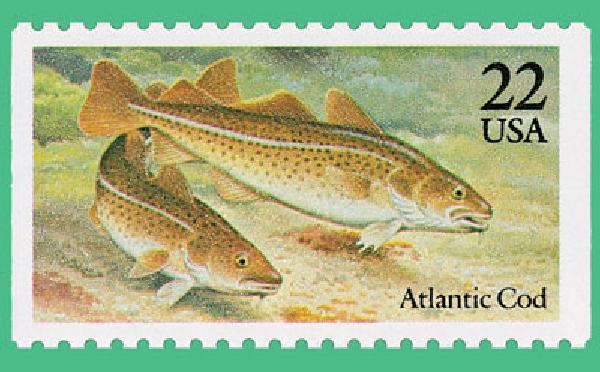
    The cod isn’t so sacred in New England anymore. The fish-and-chips staple was once a critical piece of New England’s fishing industry, but catch is plummeting to all-time lows in the region. In Maine, which is home to the country’s second-largest Atlantic cod fishery, the dwindling catch has many wondering if cod fishing is a thing of the past. “It’s going to be more and more difficult for people to make this work,” said Maggie Raymond, executive director of the Associated Fisheries of Maine. State records say 2016 was historically bad for cod fishing in Maine. Fishermen brought less than 170,000 pounds of the fish to land in the state last year. The haul was below the previous record low of about 250,000 pounds a year earlier. Maine’s record year for cod was 1991, when fishermen brought more than 21 million pounds of the bottom dweller to the docks, according to records that date to 1950. New Hampshire fishermen brought more than 2 million pounds of cod to land in 1997. That dropped to 44,701 pounds in 2015. Rhode Island’s total dropped from 474,908 pounds to 138,891 pounds from 1997 to 2015.

    Source: Associated Press, March 29, 2017
    http://newsok.com/article/5543201

  • Europese salamandersoorten staan op uitsterven

    Europese salamandersoorten staan op uitsterven

    Onderzoekers van de UGent slaan alarm: verschillende soorten Europese salamanders zijn in gevaar als we niet dringend maatregelen nemen tegen een schimmel. An Martel (UGent) en een door haar aangevoerde internationale ploeg onderzoekers waarschuwen in het wetenschappelijke topblad Nature dat het snel de verkeerde kant op kan gaan met een hele reeks Europese salamanders. Zelfs een vluchtig contact met de Bs-schimmel (Batrachochytrium salamandrivorans) kan de diertjes fataal worden. De schimmel werd drie jaar geleden door Martel ontdekt (ze haalde er toen het andere topblad Science mee). De naam die ze hem gaf, betekent ‘amfibieschimmel die salamanders verslindt’. Hij moet al zo’n zeventig miljoen jaar bestaan op Zuidoost-Aziatische salamanders, die er zelf in de loop van de evolutie weerstand tegen hebben opgebouwd. Door de drukke internationale handel in salamanders kwam hij terecht bij soorten die er niet tegen bestand zijn en richt er ravages aan. Nu hij los is, kan niets hem nog tegenhouden, vreest Martel. ‘Ook de Alpen en de Pyreneeën niet. Alleen de Britten kunnen hopen dat ze beschermd blijven door de zee.’

    Meteen na haar ontdekking volgde Martel twee jaar lang een populatie Belgische vuursalamanders. Die stortte in hoog tempo in, zonder enig spoor van herstel. Hetzelfde staat een hele reeks Europese salamanders te wachten, waarschuwen de onderzoekers in Nature. Omdat de schimmel zo vroeg in zijn opmars al geïdentificeerd werd en zijn gedrag ontrafeld, was er nog (een beetje) tijd voor bestrijdingsmaatregelen. De schimmel nog uit het milieu halen zit er niet meer in, en vaccins zijn niet evident. Maar andere maatregelen misschien wel. Daarbij hoort ook: alles hebben klaarstaan om de laatste exemplaren van een soort voort te kweken in gevangenschap. ‘Mijn collega’s en ik zullen blijven zeuren tot de politici hun verantwoordelijkheid opnemen’, zei Martel in 2014 tegen deze krant, toen ze net de schimmel had ontdekt. Vandaar nu de brandbrief in Nature.

    Blijkbaar heeft het gewerkt. Haar universiteit meldt in een persbericht dat de Europese Commissie alvast 0,9 miljoen euro vrijmaakte voor een controleprogramma in de zeven meest bedreigde landen. Daar is België bij. Natuurpunt meldt dan weer dat onze ministers van Leefmilieu en Landbouw het bijbehorend nationaal actieplan goedkeurden, met meldpunten, hygiëneprotocols, onderzoek naar bestrijdingsmiddelen. En niet te vergeten: communicatie tussen federale en regionale autoriteiten, drie ministeries en hun diensten. Maar aan de eigenlijke oorzaak, de handel in exotische dieren, wordt intussen nog steeds niets gedaan, klaagt Natuurpunt.

    Bron: De Standaard, 21-04-17
    http://www.standaard.be/cnt/dmf20170420_02843451

  • US surface waters are contaminated with neonicotinoid insecticides, with catastrophic effects on the insect world

    US surface waters are contaminated with neonicotinoid insecticides, with catastrophic effects on the insect world

    Data collected by the U.S. Geological Survey (USGS), as part of the Pesticide National Synthesis Project, show that use of neonicotinoids in agriculture rose from about 150 metric tons (all imidacloprid) in the late 1990s and early 2000s to between 510 and 625 tons in 2004. From 2004 to 2007, these figures nearly doubled, and in 2012, according to USGS data, between 2,677 and 2,819 tons were used. Data for 2013 and 2014 are still preliminary but suggest the numbers have continued to rise. “What really drove that mid-2000s increase was … the development of these treated, coated seeds that had the insecticide on them,” says Michelle Hladik, a research chemist and pesticide specialist at the USGS California Water Science Center in Sacramento. Various fungicides and insecticides had been coated onto seeds before, dating back to at least the 1950s. But “this was really the first widespread” application of treated seeds in agriculture, she says. The compounds’ high water-solubility means that portions not taken up by plants can be dissolved in rainwater, snowmelt or irrigation runoff that drains from fields into streams, ponds and groundwater. Once entrained in these waterways, the chemicals can spread from where they were used. Further, the most widely used neonicotinoids are persistent in the environment: Figures vary depending on the study, but imidacloprid has been found, for example, to last for months in soils before degrading and weeks in water before dissipating, while others may last even longer. Such residence times raise the prospects of prolonged and widespread exposures to animals, and the potential for the compounds to accumulate in the environment over time.

    In the U.S., imidacloprid was found in about 90 percent of surface water samples collected during the irrigation seasons of 2010 and 2011 in three agricultural regions of Central and Southern California; in about one-fifth of those samples, the detected concentrations exceeded 1.05 μg/L, the EPA’s current benchmark for aquatic invertebrates, above which chronic exposures to imidacloprid could harm animals in the agency’s estimation. And a 2013 study in Chemosphere, which analyzed water collected in 2005 from playa wetlands adjacent to cotton fields in the Southern High Plains of Texas, detected acetamiprid and thiamethoxam in 17 and 31 percent of samples, respectively, with concentrations at times exceeding the EPA benchmarks for those compounds. After an initial small-scale study of two Georgia waterways turned up hints of imidacloprid, she turned her sights to Iowa, the leading U.S. producer of corn and soybeans. “We knew that they were using [neonicotinoid] seed coatings for a lot of the seeds that were planted,” Hladik says, so her team wanted to look at the frequency, timing and concentrations of neonicotinoid occurrences.

    Throughout the 2013 growing season from early spring through October, Hladik and her colleagues sampled nine stream sites across Iowa that catch water from basins of various sizes and with different extents of agricultural land use. They reported in Environmental Pollution in 2014 that neonicotinoid concentrations in their samples were typically low, averaging less than 0.01 μg/L across all samples, with peaks in May and June not exceeding 0.5 μg/L. But at least one neonicotinoid was detected in 76 percent of the samples, and nearly half contained two or more chemicals.

    “We were detecting them quite frequently at all times of the year,” Hladik says, “but we were getting this increasing concentration and frequency right after planting, which was letting us know that these seed treatments were one of the driving factors.” Additionally, she notes, given the high detection frequency before the year’s seeds had even been sown, “clearly, there is some residual level hanging around in the soil” from year to year.

    Building on the Iowa study, Hladik and hydrologist Dana Kolpin of USGS’s Iowa Water Science Center broadened the view further, publishing the first national-scale survey of neonicotinoids in streams across the U.S. in 2015 in Environmental Chemistry. They analyzed water samples collected between fall 2012 and summer 2014 from 48 streams in 25 states plus Puerto Rico; the streams drain areas ranging from 12 to more than 16,000 square kilometers and were known to receive runoff from agricultural and/or urban sources.

    The researchers detected at least one neonicotinoid in 63 percent of the samples, with imidacloprid — used for the widest array of applications — appearing most frequently, while 26 percent contained two or more neonicotinoids. The range of concentrations observed was similar to that seen in the Iowa study, averaging 0.02 μg/L across all samples nationwide and topping out at about 0.45 μg/L, measured in March in a California stream draining both agricultural and urban lands near Monterey Bay. Hladik and Kolpin noted that higher concentrations generally correlated with greater proportions of agricultural and urban land use in stream watersheds. Additionally, from sampling in Iowa as well as from a trio of streams draining agricultural areas in the Chesapeake Bay watershed, they reported that neonicotinoid concentrations spiked following rain events during the planting season, results that “confirm that precipitation is an important driver of neonicotinoid transport to streams following periods of use,” they wrote.

    Source: Earth Magazine, April 2017
    https://www.earthmagazine.org/article/neonicotinoids-prominent-pesticides-escape-environment

  • Bird Population Faces Crisis In The Vermont Forest

    Bird Population Faces Crisis In The Vermont Forest

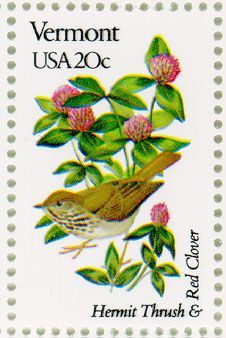
    Vermont is famous for its natural and mesmerizing landscape that includes a big forest. Unfortunately, a recent report has revealed the decrement of the bird population there. ABC News reported a sharp decline of 14.2 percent in the bird population over the last 25 years in the Vermont forest. The latest study has unveiled this crucial fact. Several rare and common bird species exist in the said forest. Among them, some species solely depend on the flying insects and they form a major portion of the bird population. The Eastern phoebe (Sayornis phoebe), the chimney swift (Chaetura pelagica), the tree swallow (Tachycineta bicolor) and others mainly belong to that species that depend on the flying insects. A survey, conducted from 1989 to 2013, has uncovered the 25 percent decrement of the blue jay bird. The number of these birds is gradually dropping. In a word, the real species of the bird population in the Vermont forest are losing the foothold.

    Source: The Science Times, April 17, 2017
    http://www.sciencetimes.com/articles/12598/20170417/bird-population-faces-a-crisis-in-the-vermont-forest-the-insect-eater-species-are-losing-the-foothold.htm

  • Im Schrebergarten ist der Gartenrotschwanz selten Zaungast

    Im Schrebergarten ist der Gartenrotschwanz selten Zaungast

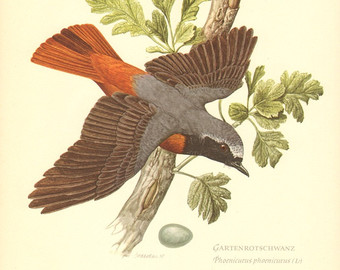
    Der Gartenrotschwanz (Phoenicurus phoenicurus) war noch vor hundert Jahren in der Schweiz weit verbreitet. Doch heute begegnet man dem Singvogel mit dem orangen Schwanz kaum mehr. Dass dieses Gezwitscher selten geworden ist, hat einen guten Grund: Gartenrotschwänze ernähren sich von allerlei Kleingetier, das auf dem Boden und auf Gräsern herumkrabbelt. Von einer Sitzwarte aus, einem Baumstrunk zum Beispiel, suchen die Vögel den Boden ab: nach Käfern, Ameisen, Raupen und Spinnen. Doch haben Düngemittel und Pestizide vielen dieser Bodenkrabbeltiere den Garaus gemacht. Und an die, die es noch gibt, kommen die Gartenrotschwänze kaum mehr heran, weil die Landschaft sich verändert hat. Man hört den Gartenrotschwanz in der Schweiz daher nur noch punktuell: In naturnahen Gärten und Rebbergen etwa. Der Gartenrotschwanz ist direkt abhängig von naturnahen, kargen Böden. Um ihn zu fördern, braucht es eigentlich nicht allzu viel: Wer in seinem Schrebergarten eine Magerwiese wachsen lässt, mit Vegetationslücken und einzelnen alten Obstbäumen drin, hat schon ein schönes Habitat geschaffen. Doch ein Schrebergarten allein, das reicht halt nicht.

    Quelle: SRF, 21. April 2017
    https://www.srf.ch/kultur/wissen/im-schrebergarten-ist-der-gartenrotschwanz-selten-zaungast

  • River Irwell suffers serious pollution for the second time in three weeks

    River Irwell suffers serious pollution for the second time in three weeks

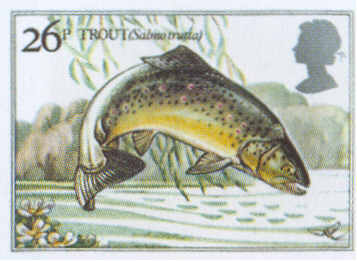
    The River Irwell appears to have been polluted for a second time in three weeks. Countless fish and insects died following reports a pesticide which was poured down a drain and devastated a 25-mile stretch of the river from Rawtenstall into Manchester city centre earlier this month. Now a second incident has been reported on a section of the Irwell north of Bury. The incident has been reported to the Environment Agency. Mike Duddy, chief executive of the Mersey Basin Rivers Trust, said virtually no river life had survived the previous incident. He said in a statement on the trust’s website: “We didn’t expect to see any dead or dying wildlife as there was very wildlife left surviving after the previous devastating event which took place only three weeks ago where pesticide was poured down a drain, entered the river and killed nearly all water life for over 25 miles.” He added: “The recovery of the River Irwell has been the biggest environmental recovery stories of the last 25 years – the river polluted so badly by the Industrial Revolution now holds the countries best stocks of brown trout and other fish which support kingfishers, otters and dippers. “This latest event is a massive setback for the river and all those who work so hard to bring these improvements about.” Following the previous incident, experts said the toxin had made its way through the sewer network and sewage treatment beds before entering the river via a water treatment works outflow. The damage was first discovered by two anglers, who found hundreds of dead crayfish, which have been left without food because so many insects were killed, floating in the river. It led to fears of a significant impact on migratory birds.

    Source: Manchester Evening News, 24 April 2017
    http://www.manchestereveningnews.co.uk/news/greater-manchester-news/river-irwell-pollution-burrs-country-12934031

  • Surface waters in the Salinas and Santa Maria regions of California are contaminated with imidacloprid

    Surface waters in the Salinas and Santa Maria regions of California are contaminated with imidacloprid

    Surface water monitoring for pesticides in agricultural areas of California is one of the California Department of Pesticide Regulation’s (CDPR’s) key environmental monitoring activities. The Salinas, Santa Maria and Imperial valleys have previously been designated as high priority areas for long-term surface water monitoring due to high pesticide use. This 2013 study is a continuation of the agricultural monitoring project. Grab samples were collected monthly from March to October in 5 regions:• Salinas – 16 Sites in Monterey County• Santa Maria – 5 sites in Santa Barbara and San Luis Obispo counties • Imperial – 9 sites in Imperial County• Palo Verde – 5 sites in Imperial and Riverside counties • Central Valley – 15 sites in San Joaquin and Merced counties. Pesticides with over 30% detections by regions:• Salinas – imidacloprid, befenthrin, λ-cyhalothrin, permethrin, methomyl, Methoxyfenozide, bensulide, oxyfluorfen • Santa Maria – imidacloprid, methoxyfenozide, bensulide, oxyfluorfen • Imperial – chlorpyrifos, dimethoate, malathion, befenthrin, λ-cyhalothrin, cypermethrin, pendimethalin, trifluralin • Palo Verde – pendimethalin.

    Source: Deng X et al. Surface Water Monitoring for Pesticides in Agricultural Areas of California, 2013.
    Surface Water Protection Program, Department of Pesticide Regulation, California Environmental Protection Agency (attached)

  • Imidacloprid the most frequently detected insecticide in surface waters in eastern Massachusetts during 2009 and 2010

    Imidacloprid the most frequently detected insecticide in surface waters in eastern Massachusetts during 2009 and 2010

    Pesticide occurrence was determined in two suburban surface waters in eastern Massachusetts, USA during 2009 and 2010. Out of 118 collected samples, 45 samples showed detections of one or more target pesticides. Among the herbicides, 2,4-D was the most frequently detected and imidacloprid was the most frequently detected insecticide. Regulatory phaseout of chlorpyrifos and diazinon from residential use by 2004 was reflected in the results by the absence of chlorpyrifos detections and lower detection frequencies of diazinon.

    Source: Wijnja, H., Doherty, J.J. & Safie, S.A. Bull Environ Contam Toxicol (2014) 93: 228. doi:10.1007/s00128-014-1251-4

  • Another poor year for UK butterflies

    Another poor year for UK butterflies

    UK BUTTERFLIES suffered their fourth worst year on record in 2016 with the majority of species experiencing a decline in numbers, a study has revealed. The annual UK Butterfly Monitoring Scheme, led by Butterfly Conservation, the Centre for Ecology and Hydrology, British Trust for Ornithology and Joint Nature Conservation Committee, revealed that some 40 of the 57 species studied recorded a decline compared with 2015. Several species had their worst years on record over the past year, including the wall, grayling, white-letter hairstreak and white admiral butterflies, as well as grizzled skippers, whose numbers fell by 24% over the year to a record low. Serious concerns have also been raised about the heath fritillary, a species only found in a handful of sites in southern England. Its numbers have fallen 82% in a decade. British Butterflies have experienced serious long-term decline since the UKBMS started in 1976, with roughly 60% of species affected.

    Head of monitoring at butterfly conservation, Professor Tom Brereton, said: “Worryingly, not even the pleasant summer weather of 2016 was enough to help butterflies bounce back from a run of poor years.” Monitoring ecologist at the JNCC. Anna Robinson, said: “We are really grateful to the thousands of volunteers who get involved in monitoring the UK’s butterflies.
    The evidence provided by the UKBMS is of great importance in showing the need for conservation action to improve the situation.”

    Sources:
    The Scottish Farmer, 18 April 2017
    http://www.thescottishfarmer.co.uk/news/15227379.Another_poor_year_for_butterflies/
    The Guardian, 12 April 2017
    https://www.theguardian.com/environment/2017/apr/12/uk-butterflies-worst-hit-in-2016-with-70-of-species-in-decline-study-finds