Auteur: Henk Tennekes

  • Neonicotinoïden aangetoond in drinkwater in de VS

    Neonicotinoïden aangetoond in drinkwater in de VS

    In 2015 onderzocht de US Geological Survey watermonsters uit oppervlaktewater, verspreid over de VS. In ruim de helft van de monsters werden resten van neonicotinoïden gevonden. De US Geological Survey heeft daarna samen met de University of Iowa leidingwater onderzocht. De monsters zijn genomen van tappunten op de campus van de universiteit en in Iowa City. Dat is een kleine stad midden in agrarisch gebied, waar de insecticiden worden toegepast. De gehaltes varieerden van 0,24 tot 57,3 nanogram per liter water (delen per biljoen). De resultaten zijn gepubliceerd in de Environmental Science & Technology Letters. Volgens de onderzoekers is het voor het eerst dat neonicotinoïden in drinkwater zijn gevonden in de VS. Gregory LeFevre, milieudeskundige van de universiteit en één van de auteurs van het artikel, vindt de vondst belangrijk maar niet alarmerend, zegt hij tegen de Washington Post. “De gehaltes zijn zeer laag. Maar of ze schadelijk zijn voor mensen weten we eigenlijk niet. Het milieubureau (EPA) heeft geen maximale normen bepaald voor neonicotinoïden in drinkwater.”

    Bron: Boerderij, 10-04-17
    http://www.boerderij.nl/Home/Nieuws/2017/4/Neonicotinoiden-in-drinkwater-in-VS-118359E/
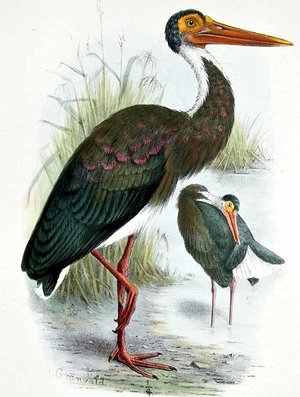
  • West Kalimantan’s storm’s stork at risk of extinction

    West Kalimantan’s storm’s stork at risk of extinction

    The Storm’s stork (Ciconia stormi) is a medium-sized stork species that occurs primarily in lowland tropical forests of Indonesia, Malaysia and southern Thailand. A recent survey conducted along the coastal areas of Kubu, West Kalimantan, shows an alarming rate of population decline among this local bird, raising concerns about the condition of the local mangrove forest ecosystem. The bird, found throughout Borneo, was classified as critically endangered by the International Union for Conservation of Nature in 1994. The Storm’s stork feeds primarily on small fish, frogs, aquatic insect larvae, and sometimes earthworms.

    Sources:
    Jakarta Post, April 27, 2017
    http://www.thejakartapost.com/news/2017/04/27/west-kalimantan-s-storm-s-stork-risk-extinction.html
    Wikipedia
    https://en.wikipedia.org/wiki/Storm%27s_stork

  • The last Loggerhead Shrikes of Ontario

    The last Loggerhead Shrikes of Ontario

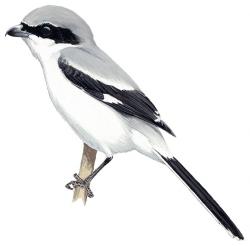
    The loggerhead shrike (Lanius ludovicianus) is one of a disappearing breed in Ontario; there is a small number in a little protected pocket near Napanee, and otherwise there only appears to be one shrike in Eastern Ontario. It eats mostly insects at this time of year, but also small birds and mice, and often impales prey on a hawthorn tree’s thorn or barbed wire to hold it steady. It is nicknamed the butcherbird after its carnivorous tendencies.

    Source: Ottowa Sun, April 28, 2017
    http://www.ottawasun.com/2017/04/28/science-of-spring-meet-the-loneliest-bird-in-eastern-ontario

  • Negative impacts of neonicotinoids in aquatic environments are a reality

    Negative impacts of neonicotinoids in aquatic environments are a reality

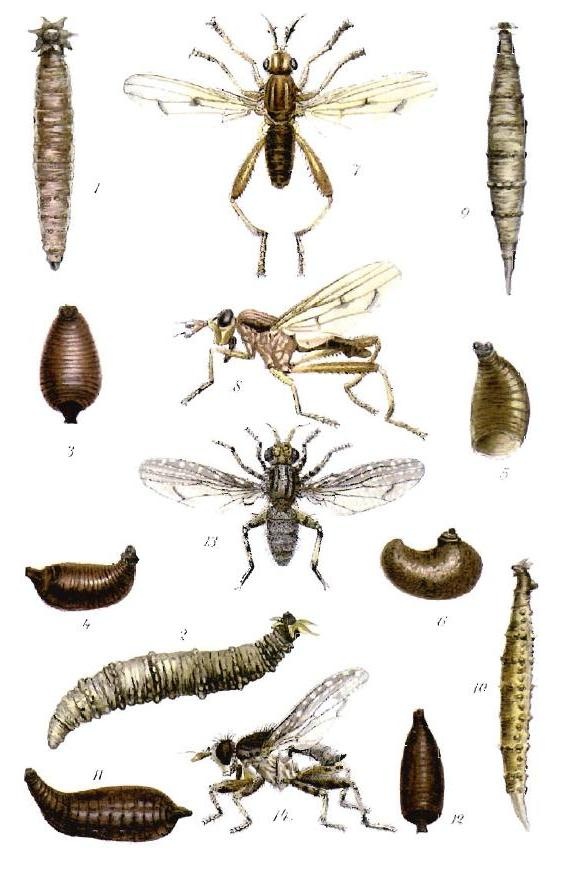
    Recent monitoring studies in several countries have revealed a world-wide contamination of creeks, rivers and lakes with neonicotinoid insecticides, with residue levels in the low μg/L (ppb) range. At least two main areas of concern can be identified: reduced capacity for decomposition of organic debris by aquatic organisms and starvation of insectivores and other vertebrate fauna that depend on invertebrates as a major or only food source. The fact that litter decomposition by stoneflies, crane flies, mayflies and amphipods is significantly reduced by concentrations of neonicotinoids that are currently found in many aquatic environments is of concern.

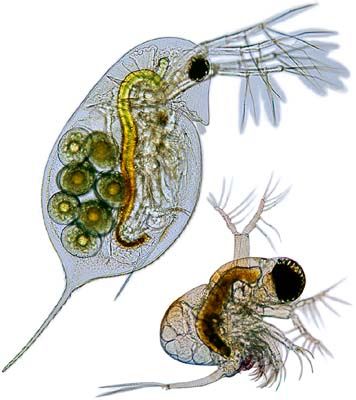
    Neonicotinoids do not cause fish mortality directly, but because aquatic invertebrates are a rich food source for many species of fish, depletion and disappearance of this source in waters contaminated with neonicotinoids could affect fish stocks in freshwater ecosystems. In the Netherlands, where residues of imidacloprid in water are the highest in the world, correlations between such residues and the decline of arthropod taxa such as Ephemeroptera, Odonata, Diptera and some crustaceans have been found.

    Many of the vertebrates living around rivers, lakes and ponds are insectivorous species that depend almost exclusively on aquatic invertebrates as their food source: frogs, newts, skinks and lizards, a large array of birds including passerines and waders, bats and shrews. All these animals, whether terrestrial or amphibian, draw their food from flying insects, their aquatic larvae, crustaceans and worms that live in the water environment. Consequently, the depletion of this food source must necessarily affect them.

    Source: Sánchez-Bayo F, Goka K and Hayasaka D (2016) Contamination of the Aquatic Environment with Neonicotinoids and its Implication for Ecosystems. Front. Environ. Sci. 4:71. doi: 10.3389/fenvs.2016.00071

  • The Silence of the Bats on Cape Breton Island, Nova Scotia

    The Silence of the Bats on Cape Breton Island, Nova Scotia

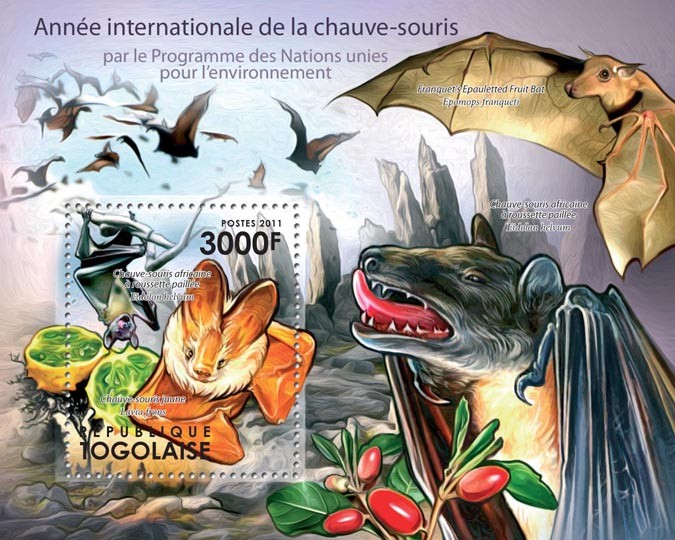
    For the past number of years, bat activity has been declining in Cape Breton and last year was no different. Since 2013, ACAP Cape Breton has monitored bat activity on the island. The organization recently wrapped up its fourth year of monitoring and has found a continued decline in bat activity in 2016. The continued decline is due to white nose syndrome, which is a fungal infection that attacks bats while they hibernate. It wakes them frequently from their slumber, leading to death from exposure and starvation. The findings show a 90-95 per cent decline in activity since 2013, based on two sites the organization has been monitoring since the start. In addition, a maternity colony in Sydney Forks that housed 270 bats two years ago was down to zero in 2016. Sarah Penny, environmental project co-ordinator for ACAP Cape Breton, said the overall decline was expected, but she still finds it disheartening. “Every other place that white nose syndrome has been detected has shown similar results — a 90-99 per cent decline in population,” said Penny. “It is useful for us to know that our data shows the same trend though. Many studies are based on counts of individual bats in roots or hibernation, but ours is based on acoustic data.” The white nose syndrome was first confirmed in Nova Scotia in 2011 and first detected in Cape Breton during the winter of 2013-14.

    Source: Cape Breton Post, March 30, 2017
    http://www.capebretonpost.com/news/local/2017/3/30/bat-activity-continues-to-drop-in-cape-breton.html

  • India’s crows have recently begun to disappear

    India’s crows have recently begun to disappear

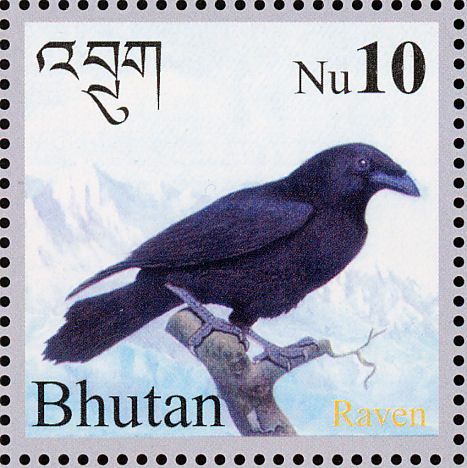
    After the disappearance of sparrows from the country’s urban landscape, the focus has now turned to the population of the common Indian house crow. Paul R. Greenough, professor of Modern Indian History and Community and Behavioural Health, University of Iowa, the U.S., who is studying the decline of common Indian house crows or Corvus splendens, delivered two talks during his visit to Mysuru last month. “Unlike tigers and elephants, Indian house crows eschew the jungle for villages and towns; in fact, house crows are India’s most persistent companionate species and have always flourished side by side with humans in villages and cities. Yet, crows have recently begun to disappear”, he said during his talks on ‘Indian Crows in an Urban Context: Environmental history of a companionate species’.

    Source: The Hindu, 24 April 2017
    http://www.thehindu.com/news/national/karnataka/professor-concerned-over-disappearance-of-crows/article18196117.ece

  • Freshwater invertebrates and fish species in New Zealand are at risk of extinction

    Freshwater invertebrates and fish species in New Zealand are at risk of extinction

    Most of New Zealand’s native freshwater species are at risk of extinction as water quality faces “serious pressures”, a Government report says. The report by the Ministry for the Environment and Statistics New Zealand, titled Our fresh water environment 2017, found nearly three quarters of native freshwater fish species are threatened by or at risk of extinction, as well as a third of native freshwater invertebrates and a third of native freshwater plants. It found nitrogen levels were worsening at more than half of the measured sites. Nitrogen levels were worst at urban sites, but were declining significantly in pastoral areas. The decline in pastoral areas coincided with increased intensive agriculture. Nitrogen leaching from agriculture had increased by 29 per cent since 1990, it said. The main source was livestock urine. “New Zealand’s population and agriculture-based economy are growing, and it is expected that high-intensity agriculture and urbanisation will continue to expand to new areas, potentially affecting water quality in more water bodies,” the report said. The report said 72 per cent of native freshwater fish were threatened by or at risk of extinction, including four whitebait species, lamprey, and longfin eels. One species, the once-common grayling, is already extinct. A third of native freshwater invertebrates were in the same category; 10 per cent were in the highest threat category, nationally critical. The report added to mounting evidence that freshwater quality will get worse unless fundamental changes are made.

    Source: Stuff, 27 April 2017
    http://www.stuff.co.nz/environment/91956116/serious-pressures-facing-rivers-government-report-finds

  • Italian agronomists show that sustainable maize production is possible without neonicotinoids

    Italian agronomists show that sustainable maize production is possible without neonicotinoids

    In the early 2000s, Italian beekeepers began to report bee mortality events linked to maize sowing. Evidence pointed to three neonicotinoids (imidacloprid, clothianidin, thiamethoxam) and a phenylpyrazole (fipronil) used for seed dressing that were dispersed in the environment during sowing. Following these events and based on the precautionary principle, in September 2008, the Italian Ministry of Health suspended these four active ingredients as maize seed dressing. Here we show that in Italy after the precautionary suspension, the number of bee mortality events linked to maize sowing drastically declined. At the same time, the average annual maize production per hectare remained unchanged. This finding is indicative of the possibility to maintain stable maize
    productions without affecting honey bee health status. The implementation of Integrated Pest Management for maize production is discussed.

    Source:
    Fabio SGOLASTRA et al. Bulletin of Insectology 70 (1): 156-160, 2017

  • De huidige MTR voor clothianidine in het oppervlaktewater is veel te hoog

    De huidige MTR voor clothianidine in het oppervlaktewater is veel te hoog

    Het neonicotinoïde insecticide clothianidine is in Nederland toegelaten als middel voor behandeling van zaden van suikerbieten en voederbieten ter voorkomen van schade door insecten. De stof is zeer persistent in de bodem met een halfwaardetijd van 545 dagen, en spoelt bovendien gemakkelijk uit naar het grondwater of komt door afspoeling in het oppervlaktewater terecht. Het maximaal toelaatbaar risico (MTR) voor clothianidine in het oppervlaktewater is een indicatief MTR dat oorspronkelijk op de website ‘Normen voor het waterbeheer’ van de Helpdesk Water van Rijkswaterstaat stond, en bedraagt 14 microgram per liter. Daarmee ligt de MTR voor clothianidine meer dan een grootteorde hoger dan de MTR voor imidacloprid (8,3 nanogram per liter), terwijl beide stoffen een absoluut vergelijkbare giftigheid voor ongewervelde dieren hebben. De dosis-werkingsrelatie is in beide gevallen een Druckrey-Küpfmüller vergelijking, zodat de werking van lage concentraties door de blootstellingsduur wordt versterkt. Bij de huidige MTR is er sprake van een enorme onderschatting van de risico’s van lage clothianidine concentraties voor ongewervelde dieren.

  • Declining numbers of Blue-tailed bee-eater worry conservationists

    Declining numbers of Blue-tailed bee-eater worry conservationists

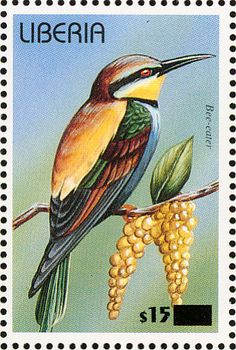
    Once sighted in the thousands, the Blue-tailed bee-eater is a sparsely spotted bird these days. Bird watchers and photographers say their numbers have significantly declined from thousands to a few hundreds in the last five years. In South India, the tiny beauty is endemic to Chandagala, a village on the banks of River Cauvery and close to the historic town of Srirangapatna in Mandya district. The Blue-tailed bee-eater (Merops philippinus) is migratory by nature. The bird is found in peninsular parts of the country. It is found in large numbers in Chandagala during its breeding season between March and May. Birds like white-breasted kingfisher, buschat and pipit also visit the nearby Naguvanahalli for breeding.

    Source: Deccan Herold, April 19, 2017
    http://www.deccanherald.com/content/607112/declining-numbers-blue-tailed-bee.html

    The bee-eater is a rare colourful bird that feeds on bees, dragonflies, worms and butterflies. “I have been photographing the bird for the past eight years and have seen the numbers significantly decline. The population of the Blue-tailed bee-eater has declined by 80% in the last five years,” said Shyam Sundar Nijagal, wildlife conservationist and veteran photographer.