Auteur: Henk Tennekes

  • Where have all the insects gone?

    Where have all the insects gone?

    Entomologists call it the windshield phenomenon. “If you talk to people, they have a gut feeling. They remember how insects used to smash on your windscreen,” says Wolfgang Wägele, director of the Leibniz Institute for Animal Biodiversity in Bonn, Germany. Today, drivers spend less time scraping and scrubbing. “I’m a very data-driven person,” says Scott Black, executive director of the Xerces Society for Invertebrate Conservation in Portland, Oregon. “But it is a visceral reaction when you realize you don’t see that mess anymore.”

    Some people argue that cars today are more aerodynamic and therefore less deadly to insects. But Black says his pride and joy as a teenager in Nebraska was his 1969 Ford Mustang Mach 1—with some pretty sleek lines. “I used to have to wash my car all the time. It was always covered with insects.” Lately, Martin Sorg, an entomologist here, has seen the opposite: “I drive a Land Rover, with the aerodynamics of a refrigerator, and these days it stays clean.”

    Though observations about splattered bugs aren’t scientific, few reliable data exist on the fate of important insect species. Scientists have tracked alarming declines in domesticated honey bees, monarch butterflies, and lightning bugs. But few have paid attention to the moths, hover flies, beetles, and countless other insects that buzz and flitter through the warm months. “We have a pretty good track record of ignoring most noncharismatic species,” which most insects are, says Joe Nocera, an ecologist at the University of New Brunswick in Canada.

    Of the scant records that do exist, many come from amateur naturalists, whether butterfly collectors or bird watchers. Now, a new set of long-term data is coming to light, this time from a dedicated group of mostly amateur entomologists who have tracked insect abundance at more than 100 nature reserves in western Europe since the 1980s.

    Over that time the group, the Krefeld Entomological Society, has seen the yearly insect catches fluctuate, as expected. But in 2013 they spotted something alarming. When they returned to one of their earliest trapping sites from 1989, the total mass of their catch had fallen by nearly 80%. Perhaps it was a particularly bad year, they thought, so they set up the traps again in 2014. The numbers were just as low. Through more direct comparisons, the group—which had preserved thousands of samples over 3 decades—found dramatic declines across more than a dozen other sites.

    No one knows how broadly representative the data are of trends elsewhere. But the specificity of the observations offers a unique window into the state of some of the planet’s less appreciated species. Germany’s “Red List” of endangered insects doesn’t look alarming at first glance, says Sorg, who curates the Krefeld society’s extensive collection of insect specimens. Few species are listed as extinct because they are still found in one or two sites. But that obscures the fact that many have disappeared from large areas where they were once common. Across Germany, only three bumble bee species have vanished, but the Krefeld region has lost more than half the two dozen bumble bee species that society members documented early in the 20th century.

    Members of the Krefeld society have been observing, recording, and collecting insects from the region—and around the world—since 1905. Some of the roughly 50 members—including teachers, telecommunication technicians, and a book publisher—have become world experts on their favorite insects. Siegfried Cymorek, for instance, who was active in the society from the 1950s through the 1980s, never completed high school. He was drafted into the army as a teenager, and after the war he worked in the wood-protection division at a local chemical plant. But because of his extensive knowledge of wood-boring beetles, the Swiss Federal Institute of Technology in Zurich awarded him an honorary doctorate in 1979. Over the years, members have written more than 2000 publications on insect taxonomy, ecology, and behavior.

    The society’s headquarters is a former school in the center of Krefeld, an industrial town on the banks of the Rhine that was once famous for producing silk. Disused classrooms store more than a million insect specimens individually pinned and named in display cases. Most were collected nearby, but some come from more exotic locales. Among them are those from the collection of a local priest, an active member in the 1940s and 1950s, who persuaded colleagues at mission stations around the world to send him specimens. (The society’s collection and archive are under historical preservation protection.)

    Tens of millions more insects float in carefully labeled bottles of alcohol—the yield from the society’s monitoring projects in nature reserves around the region. The reserves, set aside for their local ecological value, are not pristine wilderness but “seminatural” habitats, such as former hay meadows, full of wildflowers, birds, small mammals—and insects. Some even include parts of agricultural fields, which farmers are free to farm with conventional methods. Heinz Schwan, a retired chemist and longtime society member who has weighed thousands of trap samples, says the society began collecting long-term records of insect abundance partly by chance. In the late 1970s and early 1980s, local authorities asked the group for help evaluating how different strategies for managing the reserves affected insect populations and diversity.

    The members monitored each site only once every few years, but they set up identical insect traps in the same place each time to ensure clean comparisons. Because commercially available traps vary in ways that affect the catch, the group makes their own. Named for the Swedish entomologist René Malaise, who developed the basic design in the 1930s, each trap resembles a floating tent. Black mesh fabric forms the base, topped by a tent of white fabric and, at the summit, a collection container—a plastic jar with an opening into another jar of alcohol. Insects trapped in the fabric fly up to the jar, where the vapors gradually inebriate them and they fall into the alcohol. The traps collect mainly species that fly a meter or so above the ground. For people who worry that the traps themselves might deplete insect populations, Sorg notes that each trap catches just a few grams per day—equivalent to the daily diet of a shrew.

    Sorg says society members saved all the samples because even in the 1980s they recognized that each represented a snapshot of potentially intriguing insect populations. “We found it fascinating—despite the fact that in 1982 the term ‘biodiversity’ barely existed,” he says. Many samples have not yet been sorted and cataloged—a painstaking labor of love done with tweezers and a microscope. Nor have the group’s full findings been published. But some of the data are emerging piecemeal in talks by society members and at a hearing at the German Bundestag, the national parliament, and they are unsettling.

    Beyond the striking drop in overall insect biomass, the data point to losses in overlooked groups for which almost no one has kept records. In the Krefeld data, hover flies—important pollinators often mistaken for bees—show a particularly steep decline. In 1989, the group’s traps in one reserve collected 17,291 hover flies from 143 species. In 2014, at the same locations, they found only 2737 individuals from 104 species.

    Since their initial findings in 2013, the group has installed more traps each year. Working with researchers at several universities, society members are looking for correlations with weather, changes in vegetation, and other factors. No simple cause has yet emerged. Even in reserves where plant diversity and abundance have improved, Sorg says, “the insect numbers still plunged.”

    Neonicotinoid pesticides, already implicated in the widespread crash of bee populations, are prime suspect. Introduced in the 1980s, they are now the world’s most popular insecticides, initially viewed as relatively benign because they are often applied directly to seeds rather than sprayed. But because they are water soluble, they don’t stay put in the fields where they are used.

    Less is known about how those chemicals affect other insects, but new studies of parasitoid wasps suggest those effects could be significant. Those solitary wasps play multiple roles in ecosystems—as pollinators, predators of other insects, and prey for larger animals. A team from the University of Regensburg in Germany reported in Scientific Reports in February that exposing the wasp Nasonia vitripennis to just 1 nanogram of one common neonicotinoid cut mating rates by more than half and decreased females’ ability to find hosts. “It’s as if the [exposed] insect is dead” from a population point of view because it can’t produce offspring, says Lars Krogmann, an entomologist at the Stuttgart Natural History Museum in Germany.

    No one can prove that the pesticides are to blame for the decline, however. “There is no data on insecticide levels, especially in nature reserves,” Sorg says. The group has tried to find out what kinds of pesticides are used in fields near the reserves, but that has proved difficult, he says.

    The factors causing trouble for the hover flies, moths, and bumble bees in Germany are probably at work elsewhere, if clean windshields are any indication. Since 1968, scientists at Rothamsted Research, an agricultural research center in Harpenden, U.K., have operated a system of suction traps—12-meter-long suction tubes pointing skyward. Set up in fields to monitor agricultural pests, the traps capture all manner of insects that happen to fly over them; they are “effectively upside-down Hoovers running 24/7, continually sampling the air for migrating insects,” says James Bell, who heads the Rothamsted Insect Survey.

    Between 1970 and 2002, the biomass caught in the traps in southern England did not decline significantly. Catches in southern Scotland, however, declined by more than two-thirds during the same period. Bell notes that overall numbers in Scotland were much higher at the start of the study. “It might be that much of the [insect] abundance in southern England had already been lost” by 1970, he says, after the dramatic postwar changes in agriculture and land use.

    The stable catches in southern England are in part due to constant levels of pests such as aphids, which can thrive when their insect predators are removed. Such species can take advantage of a variety of environments, move large distances, and reproduce multiple times per year. Some can even benefit from pesticides because they reproduce quickly enough to develop resistance, whereas their predators decline. “So lots of insects will do great, but the insects that we love may not,” Black says.

    Other, more visible creatures may be feeling the effects of the insect losses. Across North America and Europe, species of birds that eat flying insects, such as larks, swallows, and swifts, are in steep decline. Habitat loss certainly plays a role, Nocera says, “but the obvious factor that ties them all together is their diet.”

    Some intriguing, although indirect, clues come from a rare ecological treasure: decades’ worth of stratified bird droppings. Nocera and his colleagues have been probing disused chimneys across Canada in which chimney swifts have built their nests for generations. From the droppings, he and his colleagues can reconstruct the diets of the birds, which eat almost exclusively insects caught on the wing.

    The layers revealed a striking change in the birds’ diets in the 1940s, around the time DDT was introduced. The proportion of beetle remains dropped off, suggesting the birds were eating smaller insects—and getting fewer calories per catch. The proportion of beetle parts increased slightly again after DDT was banned in the 1970s but never reached its earlier levels. The lack of direct data on insect populations is frustrating, Nocera says. “It’s all correlative. We know that insect populations could have changed to create the population decline we have now. But we don’t have the data, and we never will, because we can’t go back in time.”

    Sorg and Wägele agree. “We deeply regret that we did not set up more traps 20 or 30 years ago,” Sorg says. He and other Krefeld society members are now working with Wägele’s group to develop what they wish they had had earlier: a system of automated monitoring stations they hope will combine audio recordings, camera traps, pollen and spore filters, and automated insect traps into a “biodiversity weather station”. Instead of tedious manual analysis, they hope to use automated sequencing and genetic barcoding to analyze the insect samples. Such data could help pinpoint what is causing the decline—and where efforts to reverse it might work best.

    Paying attention to what E. O. Wilson calls “the little things that run the world” is worthwhile, Sorg says. “We won’t exterminate all insects. That’s nonsense. Vertebrates would die out first. But we can cause massive damage to biodiversity—damage that harms us.”

    Source: Science, 10 May 2017
    http://www.sciencemag.org/news/2017/05/where-have-all-insects-gone
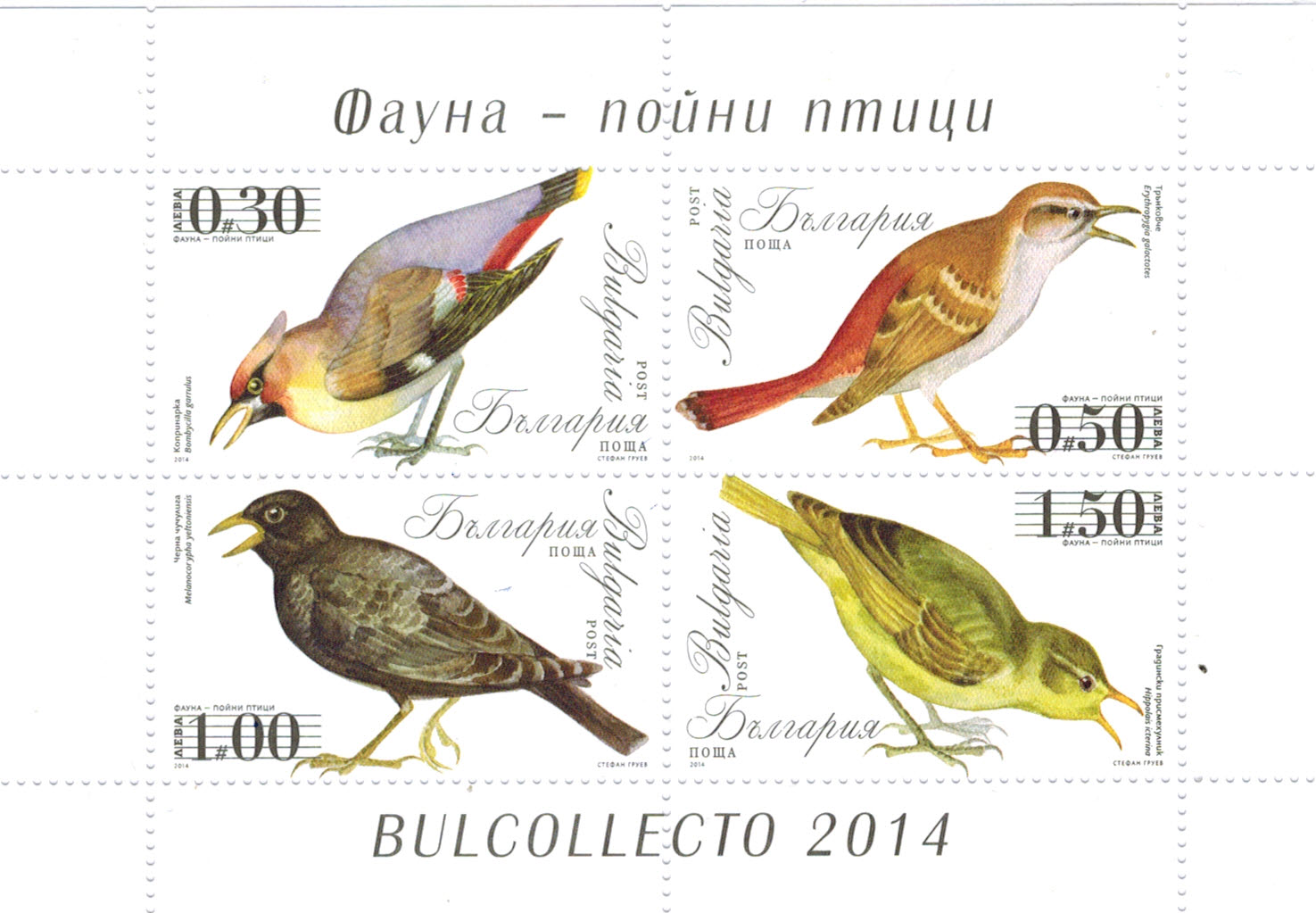
  • ‘Dramatic’ decline in European birds linked to industrial agriculture

    ‘Dramatic’ decline in European birds linked to industrial agriculture

    The number of birds in Germany and Europe has dropped significantly over the past 30 years, according to the German government. In Germany, one-third of all bird species have seen “significant population declines” since the end of the 1990s, said the government in response to a question about the plight of birds across Europe put forward by the Greens. “The situation of birds is dramatic,” said Steffi Lemke, a German Green Party lawmaker. “A ‘silent spring’ could be on the horizon.” Birds in agricultural areas are particularly threatened, with 300 million pairs of breeding birds living around farmland across the European Union disappearing between 1980 and 2010. That’s a decrease of 57 percent. “Agricultural birds are doing the worst by far,” Lars Lachmann, bird conservation officer at German conservation organization NABU, told DW. “So those living in open fields, meadows and pastures, which make up a bit more than 50 percent of the German land surface.”

    Between 1990 and 2013, populations of lapwings, known for their distinctive “peewit” cry, dropped by 80 percent. The partridge also suffered dramatic losses, with the population falling 84 percent between 1990 and 2015. And the number of winchats – a small migratory bird with a pale throat and breast – fell 61 percent over a similar timespan, while the Eurasian skylark dropped by 35 percent.

    “The most prominent example is the skylark. It used to be virtually everywhere. But now in many regions in Germany, it’d be rare to hear one over the course of day,” said Lachmann. “But that’s only a symptom of a whole habitat type that is going down the drain,” he continued. Birds are considered to be a species that tells us what is going on with other animals in an ecosystem, as well as providing information on the ecosystem’s general health, partly because they are easier to count than insects.

    NABU says “agricultural intensification” is the main culprit. Large fields and monocultures – made possible by bigger and more effective machines – as well as intensive use of pesticides, herbicides and insecticides have reduced the availability of birds’ food, such as worms and insects, along with habitat for breeding and nesting. Some insect species, for instance, have seen population losses of up to 90 percent as a result of pesticides and weed killers, wrote the German government in its response to the Greens. The Greens accused the government of not doing enough to address the use of pesticides and monocultures in agriculture. Lachmann says it’s up to the European Union to implement changes in agricultural policy from above to encourage farmers to implement methods that would benefit birds. EU conservation laws have helped to reverse declines in bird species that were nearly extinct, added Lachmann. NABU, Birdlife Europe and other environmental organizations, as well as 260,000 EU citizens asked as part of a public consultation on the EU’s Common Agricultural Policy up for renewal in 2020, have called for Brussels to include an ecological dimension in the new framework. This is not the first time the alarm has been raised about the state of European bird populations. A recent report in the United Kingdom found that puffins, curlews and nightingales are in steep decline, with curlew populations crashing 64 percent between 1970 and 2014, mainly due to habitat loss. In 2015, two reports indicated that almost a third of Germany’s and Europe’s bird species are either threatened or in decline. A different study, from 2014, found that common species such as sparrows and starlings are disappearing at an alarming rate across Europe.

    Source: DW, 10.05.17
    http://www.dw.com/en/dramatic-decline-in-european-birds-linked-to-industrial-agriculture/a-38699308

  • Schweizweit sind kleinere Fliessgewässer mit Giften verseucht

    Schweizweit sind kleinere Fliessgewässer mit Giften verseucht

    Sie sind unscheinbar und doch überall vorhanden. Kleine Bäche prägen das Landschaftsbild. Sie machen rund drei Viertel des 64 000 Kilometer grossen Schweizer Gewässernetzes aus. Doch sie sind oft kein guter Lebensraum mehr. Gründe sind Pestizide, die das Wasser für Wassertiere vergiften. Insbesondere am Anfang von Regenphasen gehen die Ausschläge hoch. Aber auch zwischen diesen Höchstwerten gibt es in vielen Bächen der Schweiz nachweislich Rückstände von Pestiziden. Dies zeigt eine Studie, die im Auftrag des Bundesamts für Umwelt realisiert wurde. Von den 250 Proben in fünf Bächen überschritt bei 80 Prozent der Proben mindestens ein Pestizid die Grenzwerte der Gewässerschutzverordnung. Der konstante Mix an Pestiziden hat Folgen für die Natur. In der Studie wurde mit einem Biotest gezeigt, dass Bachflohkrebse in solch belasteten Gewässern eine höhere Sterberate aufwiesen und sich auch auffällig lethargisch verhalten haben. Studienautorin Marion Junghans vom Ökotoxzentrum erklärt: «Der laufend ändernde Mix vieler Stoffe in problematischen Konzen­trationen lässt den Organismen in vielen Fällen keine Erholungszeit.» Und die kleinen Bäche seien von speziellem Interesse, da sie Rückzugsort und «Kinderzimmer für Wasserlebewesen wie Fische sind. Für Menschen bestehe aber keine direkte Gefahr, wenn sie mit dem Wasser in Berührung kommen», ergänzt ihr Autorenkollege Heinz Singer. Betroffen sind Lebewesen, die sich dauernd im Wasser aufhalten. Beim Bund ist derzeit ein Aktionsplan Pflanzenschutzmittel in Erarbeitung. Er zeigt unter anderem ­Alternativen zum Pestizideinsatz auf, wie die mechanische Unkrautbekämpfung. Zudem soll besser über die Risiken informiert werden. Im Sommer soll die Vorlage ins Parlament kommen.

    Für Pro Natura gehen die Massnahmen zu wenig weit. «Die angestrebte Reduktion der Pestizidrisiken um 50 Prozent ist zu wenig sportlich», sagt Rico Kessler, der bei Pro Natura die Abteilung Politik und Internationales leitet. Zudem sei der ganze Plan zu schwach und behandle aus Sicht von Pro Natura vieles, das schon Standard sein sollte.

    Quelle: Luzerner Zeitung, 09.05.17
    http://www.luzernerzeitung.ch/nachrichten/zentralschweiz/zug/kleine-baeche-sind-voller-pestizide;art9648,1024235

  • Immer weniger Vögel in Niedersachsen

    Immer weniger Vögel in Niedersachsen

    Die Zahl der Vögel in Niedersachsen geht weiter zurück. Im vergangenen Winter seien etwa 17 Prozent weniger Vögel gezählt worden, berichtet der NDR. Insgesamt über 40 Vogelarten stehen nach Angaben der Vogelschutzwarte Niedersachsen auf der sogenannten Roten Liste. Ein Grund für den Rückgang des Vogelvorkommens liegt in der Landwirtschaft. Weil Landwirte immer mehr Pestizide einsetzten, sterben viele Insekten. Die fehlen dann den Vögeln als Nahrung. Daher fordert Niedersachsens Umweltminister Steffen Wenzel, den Einsatz von Pestiziden stärker einzudämmen.

    Quelle: Osradio, 05.05.17
    http://www.osradio.de/immer-weniger-voegel-in-niedersachsen/

  • Erst sterben die Insekten, dann die Vögel

    Erst sterben die Insekten, dann die Vögel

    Die Zahl der Vögel in ganz Deutschland und Europa geht dramatisch zurück. Vor allem Vögel, die in Agrarlandschaften leben, sind bedroht. In einer Antwort auf eine Kleine Anfrage der Grünen, die der Deutschen Presse-Agentur am Donnerstag vorlag, hat die Bundesregierung die Zahlen zusammengetragen: Insgesamt ist demnach in der EU die Zahl der Brutpaare in den landwirtschaftlichen Gebieten zwischen 1980 und 2010 um 300 Millionen zurückgegangen, ein Minus von 57 Prozent. In Deutschland hat der Bestand der Kiebitze zwischen 1990 und 2013 um 80 Prozent abgenommen, die Zahl der Braunkehlchen um 63 Prozent, die der Uferschnepfen um 61 Prozent und die der Feldlerchen um 35 Prozent. Die Zahl der Rebhühner hat zwischen 1990 und 2015 sogar um 84 Prozent abgenommen. Ein Drittel aller Vogelarten zeigte seit Ende der 90er-Jahre „signifikante Bestandsabnahmen“.

    Hauptursache für das Verschwinden der Vögel ist die veränderte Landwirtschaft. Auf den Äckern wachsen zunehmend Monokulturen, Pflanzenschutzmittel vernichten Wildkräuter und Insekten – bei manchen Insektenarten ist der Bestand um 90 Prozent zurückgegangen. Und das bedeutet – die Vögel finden einfach nicht mehr genug zu fressen. Insbesondere der Einsatz von Unkraut- und Insektengiften hat laut Bundesregierung einen “relevanten Einflussfaktor” auf das Vogelsterben.

    Quellen: Westfalen Post, 04.05.17
    https://www.wp.de/region/so-dramatisch-steht-es-um-unsere-voegel-an-rhein-und-ruhr-id210462381.html
    DW, 04.05.17
    http://www.dw.com/de/dramatische-entwicklung-immer-weniger-v%C3%B6gel-in-europa/a-38702247

  • Loss of nesting sites is not a primary factor limiting Chimney Swift populations

    Loss of nesting sites is not a primary factor limiting Chimney Swift populations

    Aerially-foraging insectivorous bird populations have been declining for several decades in North America and habitat loss is hypothesized as a leading cause for the declines. Chimney Swifts (Chaetura pelagica) are a model species to test this hypothesis because nest site use and availability is easily assessed. To determine if nest site availability is a limiting factor for Chimney Swifts, we established a volunteer-based survey to inventory and describe chimneys (n = 928) that were used or unused by swifts. A logistic regression model showed that swifts preferred chimneys with a greater length exposed above the roofline and greater inside area, which were not associated with residential buildings. The average chimney used by swifts extended 2.86 m above the roofline with an internal
    area of 10,079 cm2. . The regression model represents the range of nest-site conditions that swifts will tolerate; this was used to build a linear discriminant function (ldf) that had an I-index of 82 % (measure of prediction success). We applied the ldf coefficients to predict chimney occupancy
    in three southern Ontario communities. Of 366 open chimneys, the ldf classified 139 as suitable but only 24.4 % were occupied by swifts. Given t[hat75 % of suitable site were unoccupied, swifts are likely not experiencing competition,from habitat saturation. Our results suggest that Chimney Swift populations, and likely other aerially-foraging insectivorous birds, are limited primarily by other
    processes not measured in this study, such as changes in prey.
    Source:
    Trina M. Fitzgerald et al. Popul Ecol (2014) 56:507–512

  • Effects of crop type and aerial invertebrate abundance on foraging barn swallows

    Effects of crop type and aerial invertebrate abundance on foraging barn swallows

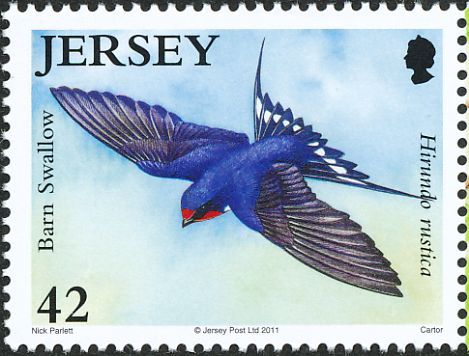
    The influence of crop type (pasture, silage and cereal) on the abundance of aerial invertebrates and the density of foraging barn swallows Hirundo rustica was investigated in lowland mixed farmland in southern Britain. After taking weather and other confounding factors into account aerial invertebrate abundance over pasture fields was more than double that over silage, and more than three and a half times greater than that over cereal fields. Pasture fields also hosted approximately twice as many foraging barn swallows as both silage and cereal fields. The results suggest that past reductions in the availability of pasture will have reduced the numbers of aerial invertebrates, and may have contributed to barn swallow population declines, and possibly those of other aerial insectivores. Maintaining grazed pasture, especially that which is closest to farm buildings and other potential nest sites, will help to maintain breeding barn swallow populations on lowland farmland.

    Source:
    Karl L. Evans et al. Agriculture, Ecosystems and Environment 122 (2007) 267–273
    https://www.researchgate.net/profile/Karl_Evans/publication/223890406_Effects_of_crop_type_and_aerial_invertebrates_abundance_on_foraging_Barn_Swallows_Hirundo_rustica/links/540744070cf23d9765a842be.pdf

  • The timber rattlesnake is now considered extinct in Maine and Rhode Island

    The timber rattlesnake is now considered extinct in Maine and Rhode Island

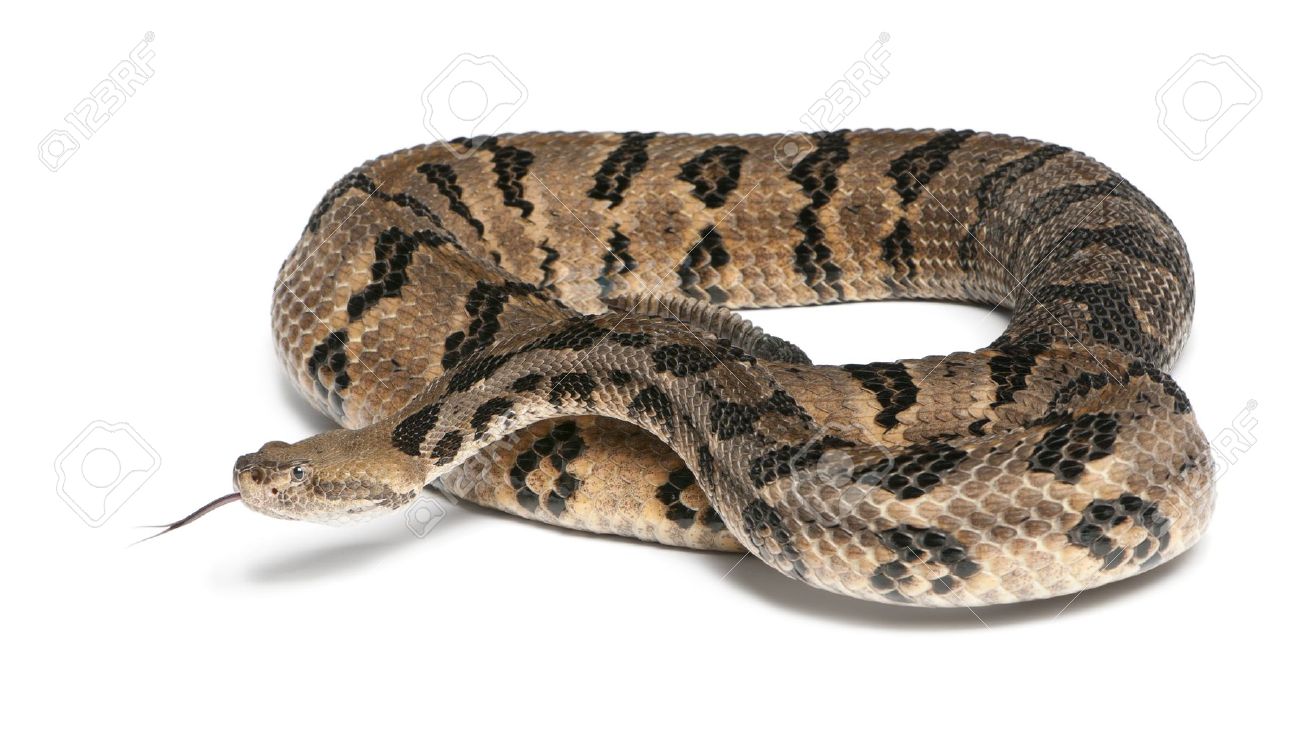
    Once abundant throughout the Eastern United States, as well as much of the Midwest, the timber rattlesnake (Crotalus horridus) is now considered extinct in Maine and Rhode Island, and endangered in the remaining New England states, as well as New York, New Jersey and Maryland. In West Virginia, where the reptile’s conservation status is considered vulnerable, the timber rattler can be found in about half of the state’s counties, mostly those in the south, east and northeast. A new West Virginia Division of Natural Resources project encourages the public to report their rattlesnake sightings for use in a research project aimed at determining the current range of the viper within the state.

    The timber rattlesnake and the northern copperhead are the only poisonous snake species found in West Virginia. Of the two species, the more common and less venomous copperheads have accounted for most of the venomous snakebites to humans. While timber rattlesnakes are potentially more lethal, only four West Virginians have died of rattlesnake bites suffered in the wild since 1969.

    – See more at: http://www.wvgazettemail.com/outdoors/20170414/wv-dnr-seeks-publics-help-in-tracking-states-rattlesnake-range#sthash.7tYJPc6X.dpuf

  • Eastern meadowlark numbers have dropped a whopping 89 percent between 1966 and 2015

    Eastern meadowlark numbers have dropped a whopping 89 percent between 1966 and 2015

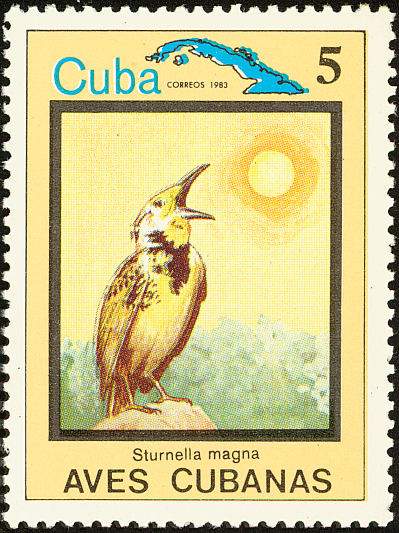
    For generations of Missouri farmers, an enjoyable sign that spring was transitioning into summer was the crisp, clear call of a meadowlark perched on a nearby fencepost. However, that call is becoming alarmingly less common throughout the region. Many people are familiar with the decrease of the greater prairie-chicken throughout much of the central U.S. and most have also heard about the steadily worsening quail situation for the same area. However, unless you’re a birding enthusiast, you’re likely unaware of the downward spiral of eastern meadowlark numbers. This decline may be surprising to some because these yellow-breasted birds can still be seen in pastures, meadows and hayfields across southwest Missouri. However, data shows that this bird’s melodic call is definitely being heard with less frequency. The eastern meadowlark (Sturnella magna) ranks sixth on the National Audubon Society’s list of top 20 common North American birds in decline. According to surveys, the continent’s eastern meadowlark numbers have dropped a whopping 89 percent between 1966 and 2015.

    Source: Waynesville Daily Guide, May 2, 2017
    http://www.waynesvilledailyguide.com/news/20170501/decline-of-eastern-meadowlark

  • Fledermäusen droht Hunger-Tod

    Fledermäusen droht Hunger-Tod

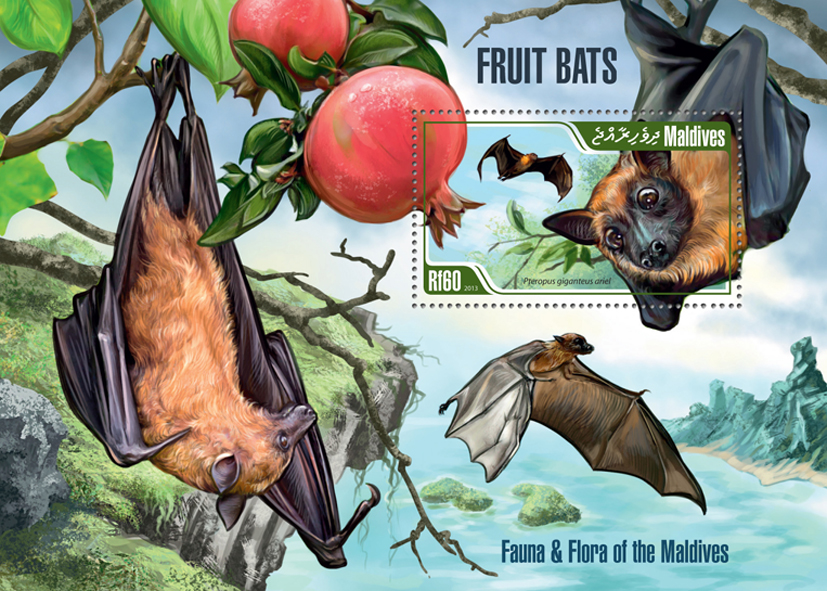
    Große Sorge um unsere Fledermäuse. Die kleinen Kobolde der Nacht müssen hungern – weil kaum noch Fliegen und Falter herumschwirren! „Der Insektenschwund fällt auf“, sagt Fledermaus-Expertin Petra Gatz (46) vom NABU Hessen. „Autofahrer freuen sich, dass ihre Windschutzscheibe sauber bleibt – aber unsere Fledermäuse haben ein großes Nahrungsproblem. Fledermäuse brauchen gerade jetzt viel Nahrung. Sie sind aus dem Winterschlaf erwacht und richtig hungrig.“ Bis zu einem Drittel ihres Körpergewichts müssen sie täglich futtern.

    Gatz: „Die Zwergfledermaus wiegt 4,5 bis 6 Gramm. In einer Nacht frisst sie bis zu 4000 Stechmücken!“ Dementsprechend mehr verdrücken die Bechstein-Fledermaus (wiegt 7-10 Gramm) und das Große Mausohr (wiegt 20-27 Gramm). „Den Fledermäusen knurrt ja nicht nur der Magen – es ist fraglich, ob sie Nachwuchs bekommen. Fehlt Nahrung, können Embryos nicht optimal heranwachsen. Studien gibt es noch nicht. Wir müssen die Entwicklung abwarten.“

    Quelle: Bild, 02.05.17
    http://www.bild.de/regional/frankfurt/fledermaus/fledermaeusen-droht-hungertod-51540116.bild.html