Auteur: Henk Tennekes

  • Knowlton’s cactus and Uncompahgre fritillary butterfly on the endangered species list

    Knowlton’s cactus and Uncompahgre fritillary butterfly on the endangered species list

    Among a growing list of species in need of federal protections, the U.S. Fish and Wildlife Service has placed the Knowlton’s cactus and Uncompahgre fritillary butterfly on the endangered species list. According to Fish and Wildlife, an endangered listing is any species in danger of extinction through all or a significant portion of its range, whereas a threatened listing is any species that is likely to become endangered within the foreseeable future.

    For a brief moment in time, Southwest Colorado was home to one of the rarest species of cactus in the United States. But only for a moment. In 1958, Bayfield resident Fred Knowlton stumbled upon a small, penny-sized cactus in the piñon-juniper woodland near the Colorado and New Mexico border, which was sent off to a lab and determined an unidentified species. The newly discovered cactus, eventually named the Knowlton’s cactus, was thought to be growing on the Colorado side of the border, until a revised land survey proved otherwise. “It turns out that there was an old fence they thought was the state line, but it wasn’t actually the state line,” said Fish and Wildlife biologist Aimee Brittendon. “When they put up a new fence, they realized the cactus didn’t extend into Colorado.”

    However, when the Knowlton’s cactus (Pediocactus knowltonii) was listed on the endangered species list in 1979 in an effort to stave off staggering population declines, areas on the Colorado side of the border were deemed suitable habitat for the plant. No documented populations of Knowlton’s cactus have been found in Colorado, but it’s unclear to this day whether that’s because it does not naturally occur here or the species was wiped out before it was identified. That’s because shortly after the Knowlton’s cactus was discovered, plant collectors ravaged the hillsides around Navajo Dam in search of the rare species, causing populations to drop from an estimated 100,000 plants in 1960 to just 1,000 in 1979.

    With Fish and Wildlife’s endangered listing came a host of new protections for the plant, but it has seemingly proved too little, too late. Brittendon said attempts in the 1980s and 1990s to replant the Knowlton’s cactus overwhelmingly failed, with only a few plants surviving the fickle process. “We don’t have a good enough understanding to even know why these populations didn’t take off, but they didn’t,” she said. That left Fish and Wildlife with one last ditch option: protect the only remaining plot of land where the cactus could still be found. That land, which remains undisclosed, was purchased by the Nature Conservancy in the hopes of keeping the population alive. Over the years, Fish and Wildlife was able to document more clusters of the cactus and curb illegal collecting. By 1992, researchers thought the plant was on the rebound when a survey showed 12,000 plants. But with new threats associated with climate change, namely drought, the species has declined 60 percent from 1992 to 2015. Today, only 3,500 Knowlton’s cacti are thought to exist on a 25-acre hillside near Navajo Dam in New Mexico. “We need a better understanding of habitat characteristics because then we can better focus efforts,” Brittendon said. “With one population, it’s hard to know its specific needs.” Fish and Wildlife has collected and stored seeds from Knowlton’s cactus should biologists figure out a way to successfully replant the species. “At least with seeds we’re keeping the species in existence,” Brittendon said. “Then as we collect more information, hopefully, we can find a way to be successful at planting.”

    Uncompahgre fritillary butterfly
    Last summer, when Fish and Wildlife staff members went to conduct an annual population count of one of the last remaining Uncompahgre fritillary butterfly (Boloria acrocnema) colonies, their worst fears were realized. The colony – located high in the alpine tundra of the San Juan Mountains – was gone. “That colony had been declining slowly over the last few years for reasons we don’t know,” said Terry Ireland, a biologist with Fish and Wildlife. “It’s a little scary.” By all estimates, there are only 11 known remaining colonies of the Uncompahgre fritillary butterfly – one of the last species of North American butterflies to be discovered. The butterfly was first found in the San Juan Mountains in 1978 and was named after the nearby Uncompahgre Peak. Subsequent monitoring has shown the insect only exists in this area of the Colorado Rockies, clinging to high elevations between 12,000 to 13,600 feet. The species is thought to be an arctic relic left behind from the last ice age nearly 10,000 years ago, surviving in select pockets of the mountains that didn’t freeze.

    Since monitoring began, it’s been documented that the butterfly has been in precipitous decline. While questions remain, researchers agree domestic grazing in alpine meadows, butterfly collectors and, most damaging, increasing global temperatures have all contributed to the insect’s disappearance. As a result, the Uncompahgre fritillary butterfly – a black and brown mottled colored insect that measures an inch across its wings – was listed endangered in 1991. As part of the recovery effort, Ireland said Fish and Wildlife realigned domestic sheep grazing allotments and moved recreational trails where possible, but it’s unlikely that those measures had an impact on the butterfly’s population. Instead, much of the debate around the butterfly’s protection has revolved around whether the species is naturally doomed. With rising global temperatures, the butterflies have increasingly pushed farther up into the high country, and researchers worry they are running out of space.

    “Other than of course reducing climate impacts, which is a very large thing to tackle, there’s perhaps not a whole lot we can do,” Ireland said. Of the 11 known colonies, Fish and Wildlife actively monitors three colonies on a yearly basis. Numbers of butterflies in a given colony can range into the thousands. Because Fish and Wildlife conducted massive sweeps over the years to find more of the insect’s population, Ireland doesn’t expect any new colonies to be discovered. Ireland said one option would be to reintroduce butterflies into suitable areas, but with the effects of climate change, that might just set up the insect for instant failure. “There appears to be more habitat than butterflies,” he said, “so that leads you immediately to question, why aren’t the butterflies there?”

    Pagosa skyrocket
    The Pagosa skyrocket (Ipomopsis polyantha) isn’t found in La Plata County, but its incredible rarity and sheer beauty warranted its inclusion in this series. The plant, which boasts white, purple dotted flowers, is exclusively found in Archuleta County: specifically, in just two locations in the town of Pagosa Springs, within about 13 miles of each other. According to Fish and Wildlife biologist Allison Jehly, the Pagosa skyrocket is able to grow only on barren, Mancos Shale outcrops at elevations between 6,400 to 8,100 feet. Once widespread, the flower numbered into the millions, thriving along the edges of ponderosa pine, Rocky mountain juniper and Gambel oak forests, as well in the grassland understories. But over the years, the plant’s numbers were alarmingly diminished by grazing and development. Now, the Pagosa skyrocket exists on only 388 acres, on two private parcels and scattered along roadsides.

    Taylor Jones, an endangered species advocate for Wildearth Guardians, said the Pagosa skyrocket had been considered for federal protection for years but was never formally listed by Fish and Wildlife. But in 2011, the plant was included in a lawsuit that forced Fish and Wildlife to evaluate longstanding species up for federal protection. As a result, 174 out of the 252 species in the lawsuit were listed as endangered or threatened. The Pagosa skyrocket was listed endangered on Aug. 26, 2011.

    “People tend to gravitate toward mammals and other beings, but plants are equally as important, and probably under represented in the Endangered Species Act,” Jones said. “So it’s great to see more plants getting the attention they deserve. They are foundational species.” Fish and Wildlife’s Jehly said the federal agency is starting to work with private landowners, as well as city, county and state representatives, to raise awareness about the plant in the hopes of preserving it. Jehly said Fish and Wildlife is actively plotting where the Pagosa skyrocket is found. That way, researchers can mitigate grazing, development and other risks to the plant when they arise. But other factors, such as the decline of bee populations, which pollinate the plant, and the past years of drought, could also be reasons the Pagosa skyrocket is on the verge of extinction. Fish and Wildlife has collected and stored Pagosa skyrocket seeds, which allows for both the possibility of replanting the species, as well as keeping the species alive. “It’s a really delicate plant,” Jehly said. “By learning more about them, we can learn how to protect them. But there’s still a lot of unknowns.”

    Source: The Durango Herald, April 15, 2017
    https://durangoherald.com/articles/150997-endangered-plants-butterfly-barely-hanging-on-in-southwest-colorado


  • Honeybees encounter danger due to lingering and wandering pesticides

    Honeybees encounter danger due to lingering and wandering pesticides

    Honeybees — employed to pollinate crops during the blooming season — encounter danger due to lingering and wandering pesticides, according to a new Cornell University study that analyzed the bee’s own food. Researchers used 120 pristine honeybee colonies that were placed near 30 apple orchards around New York state. After allowing the bees to forage for several days during the apple flowering period, the scientists examined each hive’s “beebread” — the bees’ food stores made from gathered pollen — to search for traces of pesticides. In 17 percent of colonies, the beebread revealed the presence of acutely high levels of pesticide exposure, while 73 percent were found to have chronic exposure. “Surprisingly, there is not much known about the magnitude of risk or mechanisms of pesticide exposure when honeybees are brought in to pollinate major agricultural crops,” said lead author Scott McArt, assistant professor of entomology at Cornell. “Beekeepers are very concerned about pesticides, but there’s very little field data. We’re trying to fill that gap in knowledge, so there’s less mystery and more fact regarding this controversial topic.”

    More than 60 percent of the found pesticides were attributed to orchards and surrounding farmland that were not sprayed during the apple bloom season, according to the study. McArt said that persistent insecticides aimed at other crops may be surrounding the orchards. In addition, pre-bloom sprays in orchards may accumulate in nearby flowering weeds.

    “We found risk was attributed to many different types of pesticides. Neonicotinoids were not the whole story, but they were part of the story.” he said. “Because neonicotinoids are persistent in the environment and accumulate in pollen and nectar, they are of concern. But one of our major findings is that many other pesticides contribute to risk.”

    Journal Reference:

    Scott H. McArt, Ashley A. Fersch, Nelson J. Milano, Lauren L. Truitt, Katalin Böröczky. High pesticide risk to honey bees despite low focal crop pollen collection during pollination of a mass blooming crop. Scientific Reports, 2017; 7: 46554 DOI: 10.1038/srep46554

    Source: ScienceDaily, 20 April 2017. https://www.sciencedaily.com/releases/2017/04/170420171509.htm

  • Verschwinden von Kröte und Käfer im Landkreis Göttingen

    Verschwinden von Kröte und Käfer im Landkreis Göttingen

    Nach Angaben des Umweltamtes des Landkreises Göttingen sind in den vergangenen 30 Jahren folgende Arten ausgestorben: Steinkauz (Athene noctua), Grauammer (Emberiza calandra, Syn.: Miliaria calandra), Uferschwalbe (Riparia riparia), Kreuzotter (Vipera berus), Europäischer Flusskrebs (Astacus astacus), Goldener Scheckenfalter (Euphydryas aurinia, Syn.: Eurodryas aurinia), Schwarzfleckiger Ameisenbläuling (Phengaris arion). Darüber hinaus gibt es von folgenden vom Aussterben bedrohten Arten im Landkreis Göttingen nur noch ein einziges Vorkommen: Gelbbauchunke (Bombina variegata), Laubfrosch (Hyla arborea), Kreuzkröte (Epidalea calamita, Syn.: Bufo calamita), Kiebitz (Vanellus vanellus). „Diese Restvorkommen liegen fast alle in FFH-Gebieten. Für solche Arten wird intensiv an der Erhaltung dieser Vorkommen gearbeitet“, so Kreisverwaltungssprecher Ulrich Lottmann.

    Quelle: Göttinger Tageblatt, 27.06.16
    http://www.goettinger-tageblatt.de/Goettingen/Themen/Thema-des-Tages/Klimawandel-wirkt-sich-auf-Tier-und-Pflanzenwelt-in-der-Region-Goettingen-aus

  • Das Verschwinden der Schmetterlinge

    Das Verschwinden der Schmetterlinge

    Der Hang liegt am Keilstein bei Regensburg, mitten in einem Naturschutzgebiet. Jan Christian Habel besucht diesen Ort gern mit seinen Studenten. Habel ist Schmetterlingsexperte, er hat einen Lehrstuhl für Terrestrische Ökologie an der Technischen Universität München. Mitte Juli war Habel wieder mit einer Gruppe am Hang. Es war eine traurige Expedition. „Seltene Falterarten waren nicht mehr vorhanden“, sagt er. „Wir haben nur Trivialarten gefunden.“ Aber auch von diesen eigentlichen häufig vorkommenden Schmetterlingen entdeckten Habel und die Studenten viel weniger Exemplare als sonst.

    Rund 3700 Arten von Faltern oder Schmetterlingen (Lepidoptera) gibt es in Deutschland, darunter – neben der riesigen Zahl an Nachtfaltern und Kleinschmetterlingen – etwa 180 oft farbenprächtige Tagfalter. Das sind die Schmetterlinge, die einem an einem schönen Sommertag begegnen. Oder begegneten, denn leider hat der Schmetterlingsexperte Habel am Donauhang keinen schlechten Tag erwischt. Es waren nicht zufällig weniger Schmetterlinge da. Das zeigt eine Studie, die der Forscher gemeinsam mit Kollegen soeben veröffentlicht hat.

    Die Forscher haben untersucht, wie sich die Schmetterlingsbestände in der Gegend um den Keilstein entwickelt haben, und zwar in den letzten 200 Jahren. Flatterten in den 1840er-Jahren noch 117 Arten von Tagfaltern und Widderchen, das sind tagaktive Kleinschmetterlinge, am Keilberg, so waren es um 2010 nur noch 71. Die Artenvielfalt ist um 40 Prozent gesunken.

    „Nur solche Langzeitbeobachtungen können das ganze Ausmaß der Katastrophe zeigen“, sagt Habel. Gerade Arten, die auf bestimmte Lebensräume und Nahrungsquellen spezialisiert sind, verschwinden, etwa Perlmutterfalter, diverse Scheckenfalter und Bläulinge. Generalisten wie das Große Ochsenauge (Maniola jurtina), der Schachbrettfalter (Melanargia galathea) oder der Kleine Heufalter (Coenonympha pamphilus) können Veränderungen ihrer Umwelt besser verkraften.

    Nicht nur um Regensburg findet man weniger Schmetterlinge. Die Befunde der Studie könne man auf ganz Deutschland übertragen, sagt Andreas Segerer von der Zoologischen Staatssammlung München. Segerer hat an der aktuellen Studie mitgearbeitet und vor Kurzem einen Schmetterlingskatalog für Bayern veröffentlicht.

    In Bayern wurden demnach seit dem Jahr 1766 etwa 3250 Schmetterlingsarten nachgewiesen. Mehr als 400 Arten sind inzwischen nicht mehr zu finden. Die Forscher haben auch eine Zeitleiste des Artensterbens erstellt. Bis zum Jahr 1900 verschwanden 53 Arten, zwischen 1900 und 1970 waren es 138, zwischen 1971 und dem Jahr 2000 dann 226 Arten.

    Einen ähnlichen Rückgang beobachte man bundesweit, sagt Thomas Schmitt vom Senckenberg Deutschen Entomologischen Institut (SDEI) in Müncheberg bei Berlin.

    Das Verschwinden der Schmetterlinge ist ein Indikator dafür, wie schnell sich die Umwelt verändert, denn Schmetterlinge sind sehr empfindlich. „Sie reagieren besonders sensibel auf Veränderungen ihrer Umwelt, viele Arten brauchen zwei Lebensräume, je nach Entwicklungsstadium“, sagt Jan Christian Habel, der Experte aus München.

    „Luftstickstoff und Pestizide machen an den Grenzen der Schutzgebiete nicht halt. Für einen effektiven Schutz müsste man schon eine Käseglocke drüberstülpen“, sagt Jan Christian Habel. Die Schmetterlinge können leider auch nicht so leicht vor den Bedrohungen fliehen, denn die intakten Lebensräume liegen nur noch wie kleine Inseln in den landwirtschaftlich intensiv genutzten Flächen.

    Quelle: Welt, 01.08.2016
    https://www.welt.de/wissenschaft/article157418070/Deshalb-sehen-wir-nur-noch-wenige-Schmetterlinge.html

  • Pilzgefahr für Amphibien ist auf dem Vormarsch

    Pilzgefahr für Amphibien ist auf dem Vormarsch

    Sie wandern wieder. Milde Temperaturen lassen bei den Familien Frosch, Kröte, Lurch, Molch und Co. den Wecker klingeln und die Winterruhe beenden. Die Tiere bewegen sich dann zu ihren Laichgründen, um dort ihre Eier abzulegen. Sie suchen sich die Gewässer aus, in denen sie selbst von der Kaulquappe zum Frosch oder zur Kröte mutiert sind. Dabei müssen sie häufig Straßen kreuzen, um an die Seen und Tümpel zu gelangen. Hunderttausende dieser ohnehin gefährdeten Tiere kommen dabei zu Tode. Seit einigen Jahren gibt es aber noch eine andere große Gefahr für Amphibien. Es sind zwei Pilzarten, die in Spanien, Italien, der Schweiz und mittlerweile auch in Deutschland nachgewiesen wurden. Der eine befällt nur sogenannte Schwanzlurche wie den Salamander, der andere befällt Kröten. „In den Niederlanden wurde diese Erkrankung 2014 das erste Mal beschrieben, weil man merkte, dass die einzige Salamander-Population stark zurückgegangen war“, sagt Werner Schubert, Leiter der Biologischen Station des HSK. Der andere Pilz ist noch aggressiver. Er baut alles ab, was aus Horn ist und zerstört somit die Haut der Amphibien, die sie ja zum Atmen brauchen. „Dieser Pilz hat Europa 2001 erreicht und wird außerdem durch den Klimawandel befördert“, sagt Schubert. Er kann sogar von Tieren übertragen werden, die selbst nicht erkrankt sind. In Amerika, so der Leiter der Biologischen Station, gibt es schon weite Teile, die komplett amphibienfrei sind. Schubert: „Wenn eine Population erstmal ausgestorben ist, wird das Terrain nicht wieder neu besiedelt.“

    Quelle: Westfalenpost, 13.04.17
    https://www.wp.de/staedte/altkreis-brilon/pilzgefahr-fuer-amphibien-ist-auf-dem-vormarsch-id210244711.html

  • Het water van Delfland blijft ook in 2016 een bestrijdingsmiddelenriool

    Het water van Delfland blijft ook in 2016 een bestrijdingsmiddelenriool

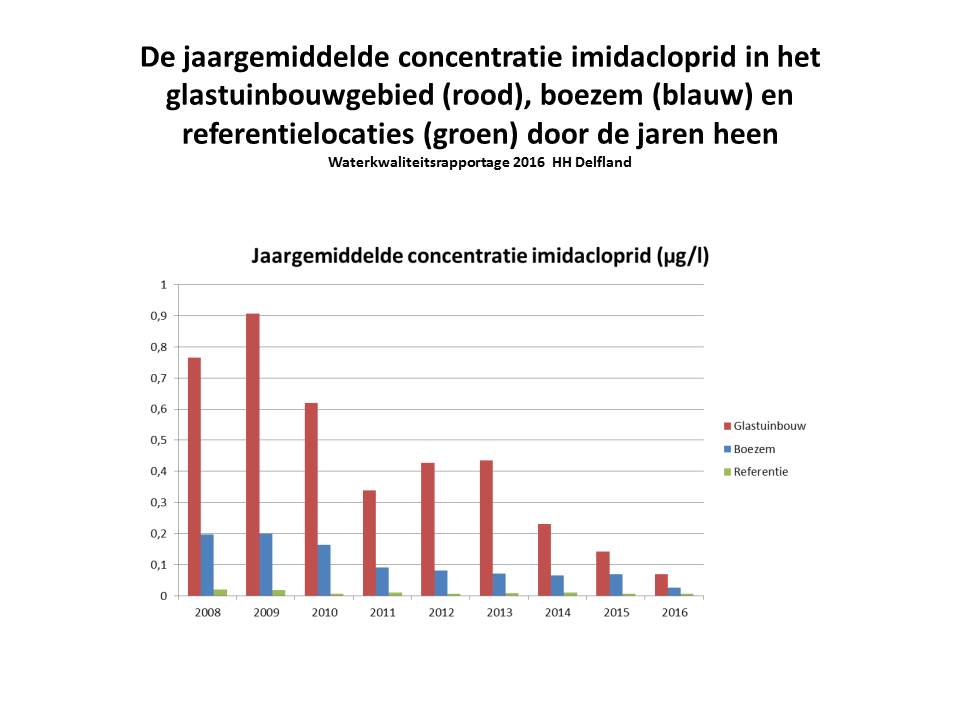
    De waterkwaliteitsverbetering van de afgelopen jaren in glastuinbouwgebieden in het Hoogheemraadschap van Delfland stagneert. Dat is de belangrijkste conclusie die Delfland heeft getrokken uit de Waterkwaliteitsrapportage over 2016. Uit de meetresultaten over 2016 blijkt dat de concentraties bestrijdingsmiddelen en meststoffen (stikstof en fosfaat) nog steeds te hoog zijn en niet verminderen. De hoogste en meeste normoverschrijdingen worden aangetroffen in de glastuinbouwgebieden. In het hele meetnet glastuinbouwgebied zijn 21 verschillende bestrijdingsmiddelen gemeten die de norm hebben overschreden. De stoffen die op de meeste locaties de norm overschrijden zijn imidacloprid, azoxystrobine en carbendazim. De hoogste overschrijdingen zijn afkomstig van de stoffen deltamethrin, fipronil en dichloorvos. De MTR voor fipronil is 70 picogram per liter, maar de detectiegrens van de meetmethode ligt meer dan 300 keer hoger (20 nanogram per liter). Toch zijn fipronil concentraties boven de detectiegrens in het oppervlaktewater gemeten. De polders waar in 2016 gemiddeld de meeste bestrijdingsmiddelen zijn aangetroffen, zijn: Oude Campspolder, Polder Berkel, Polder Noordland en de Oranjepolder.

    Ondanks dat alle glastuinbouwbedrijven al jaren op de riolering zijn aangesloten voor afvoer van vervuild water, blijkt er nog steeds sprake te zijn van bewuste of onbewuste lozingen op sloten en kanalen, aldus Delfland. Kassen kunnen ‘lekken’ of een onvoldoende gedimensioneerd watersysteem hebben, bleek uit de presentatie van Hoogheemraadschap Delfland. Gebieden kunnen kampen met de rioleringscapaciteit door onjuist gebruik van rioolbuffers of verkeerde hemelwateraansluitingen. ‘Schoon water is extreem belangrijk voor de kwaliteit van de leefomgeving van mens en dier in Delfland, denk aan het voorkomen van blauwalgen en kroos’, zei waterschapsbestuurder Ingrid ter Woorst naar aanleiding van de resultaten. Het allerbelangrijkste om tot een betere waterkwaliteit te komen is een intensivering van waterbewustzijn en waterbewust ondernemen, stellen zowel Delfland als LTO Glaskracht. Voor de individuele tuinbouw-ondernemer moet controle op lekkages uit de kas bijvoorbeeld routine worden. Op dit waterbewustzijn zet Delfland intensief in.

    Daarnaast blijft Delfland glastuinbouw-ondernemers ondersteunen en adviseren. Met gebiedsgericht meten, het scannen van kassen op ongewenste emissies, het adviseren in hun streven naar schoon water, en bijvoorbeeld hergebruik.

    Bronnen:
    Nieuwe Oogst,12.04.17
    https://www.nieuweoogst.nu/nieuws/2017/04/12/waterkwaliteit-delfland-blijft-uitdaging-tuinbouw
    Waterkwaliteitsrapportage 2016, HH Delfland (bijlage)

  • Die Zahl der Amphibien im Kreis Gütersloh ist stark zurückgegangen

    Die Zahl der Amphibien im Kreis Gütersloh ist stark zurückgegangen

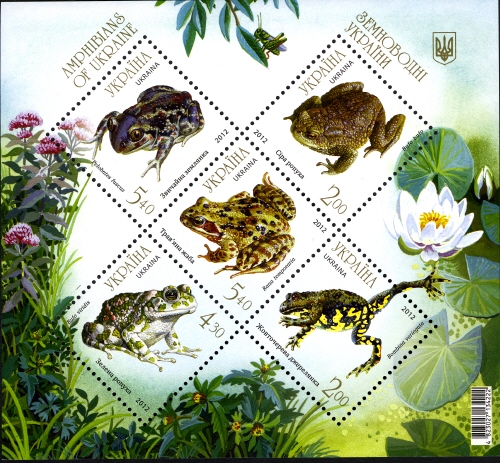
    “Ja, wo laufen sie denn?”, hätte Loriot die Situation wohl humoristisch umschrieben. Doch zum Lachen ist die Suche nun wahrlich nicht. Denn obwohl der Frühling auch in Gütersloh Einzug gehalten hat, sind bisher weit weniger Kröten zu ihren Laichgewässern gewandert als noch vor wenigen Jahren. Regina Rottmann engagiert sich seit 2005 im Amphibienschutz und hilft den Lurchen am Postdamm in Isselhorst über die Straße, um sie so vor dem Tod durch Autoreifen zu bewahren. Doch in den Eimern, die sich hinter den eigenes aufgestellten Krötenzäunen im Boden befinden, landen immer weniger der Tiere. “Anfangs waren es 2.200, dann 2.000, dann 1.800. Momentan sind wir gerade mal bei 1.300 Exemplaren. Wer trotzdem im Eimer landet, hat aber keineswegs alle Hindernisse auf dem Weg zum Laich-Teich überwunden. “Als wir vor zwei, drei Jahren noch Kröten an der Steinhagener Straße eingesammelt haben, befanden sich jeden Morgen 40 tote Tiere in den Eimern”, erinnert sich Regina Rottmann. “Sie waren durch mineralischen Dünger verätzt worden und starben.” Dem könne der Verbraucher aber entgegenwirken, sagt Bierbaum: “Wer Produkte aus ökologischem Landbau kauft, in dem nur organische Dünger eingesetzt werden, kann ein Teil dazu beitragen, dass solche Verätzungen verhindert werden.” Ähnlich verhält es sich mit Pestiziden, die vor allem Insekten töten und zahlreichen Tieren so die Nahrungsgrundlage entziehen.

    Quelle: Neue Westfälische, 30.03.17
    http://www.nw.de/lokal/kreis_guetersloh/guetersloh/guetersloh/21734642_Warum-die-Zahl-der-Amphibien-im-Kreis-Guetersloh-stark-zurueckgegangen-ist.html

  • Bei Wildbienen ist ein alarmierender Schwund in der Population festzustellen

    Bei Wildbienen ist ein alarmierender Schwund in der Population festzustellen

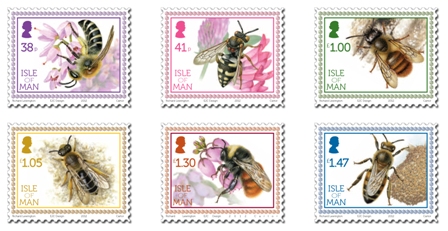
    Experten wie der Stuttgarter Biologe Hans-Richard Schwenninger und der Landshuter Wildbienenspezialist Erwin Scheuchl schlagen Alarm wegen des massiven Rückgangs wild lebender Bienenarten. 585 Arten sind deutschlandweit bekannt, 460 sind es in Baden-Württemberg. 52 Prozent der Wildbienenarten gelten jedoch als ausgestorben, bestandsgefährdet oder nur noch extrem selten vorkommend. Seit 2010 ist der Schwund rasant. Die Fachleute machen selbst in wildkräuterreichen Gegenden in Süddeutschland auch bei bislang häufigen Arten nur noch einzelne Tiere aus. Das haben sie trotz 30-jähriger Berufserfahrung noch nicht erlebt.

    Bei dem Schwund handele es sich nicht um lokale Phänomene, denn selbst ausgewiesene Schutzgebiete seien von einem Rückgang betroffen, notieren die beiden Fachleute in einer aktuellen wissenschaftlichen Fachpublikation. Die Intensivierung der Landwirtschaft spielt für die Experten die herausragende Rolle bei der Ursachenforschung. Sie verweisen auf Studien zum Einsatz von Pestiziden, insbesondere der Neonicotinoide, die etwa beim Rapsanbau zum Einsatz kommen und beispielsweise die Populationsdichte bei Wildbienen verringern. Die Auswirkungen des Pestizids auf die Insekten sind deshalb so gravierend, weil es sich nicht in den Pflanzen selbst, sondern überwiegend im Boden anreichert – genau dort, wo dreiviertel der Bienenarten nisten. Schon in geringen Mengen wirkt es toxisch. Doch auch über Umwege schadet es den Bienen: Neonicotinoide werden von Nacktschnecken aufgenommen, die selbst keine Reaktionen zeigen, wohl aber deren Fraßfeinde, bestimmte Laufkäferarten. Die Folge sind mehr Schnecken, die den Bienen die dringend benötigte Nahrung, Wildkräuter, wegfressen.

    Dass bunte Wiesen inzwischen ein seltener Anblick sind, hat eine weitere Ursache: Der erhöhte Stickstoffeintrag im Boden fördert das Wachstum von Gräsern, die sich per Windbestäubung vermehren und blühende Pflanzen verdrängen. Und schließlich gibt es Nahrungskonkurrenz mit Honigbienen. Weil Zuchtbienen in der Kulturlandschaft insbesondere im Sommer kaum noch Nahrung finden, stellen viele Imker ihre Völker in Naturschutzgebieten auf. Imkern liegt im Trend, und dieses Vorgehen kann die Wildbienen zusätzlich gefährden.

    Auch Wolf-Dieter Riexinger von der Unteren Naturschutzbehörde im Heilbronner Rathaus teilt die Sorge. Als aufmerksamer Beobachter der Natur erkennt Biologe Riexinger ebenfalls „deuliche Einbrüche“ bei Wildbienen, Hummeln, Schmetterlingen oder anderen Insektenarten. Seit 2013 ruft ein Kuratorium – dahinter stehen unter anderem Bürgerstiftung Stuttgart, Wildbienenkataster, Naturkundemuseum und Landesanstalt für Bienenkunde – die Wildbiene des Jahres aus, um die Gefährdung der Arten zu verdeutlichen.

    2017 fiel die Wahl auf die Knautien-Sandbiene (Andrena hattorfiana), die den fatalen Kreislauf verdeutlicht. Die Bienenart, benannt nach der früher weit verbreiteten, rosafarbenen Wiesenblume, ernährt sich ausschließlich von deren Pollen und Nektar. Die Knautie ist durch intensive Düngung und frühem und häufigem Schnitt der Wiesen massiv zurückgedrängt. So ist auch die Wildbiene bedroht und steht als gefährdete Art inzwischen auf der Roten Liste.

    Quelle: Stimme.de, 01.04.17
    http://www.stimme.de/heilbronn/nachrichten/region/region/Das-Summen-verstummt-Wildbienen-sind-in-Gefahr;art87698,3822470

  • Missouri Survey Finds Deep Drop in Once-Common Bat Species

    Missouri Survey Finds Deep Drop in Once-Common Bat Species

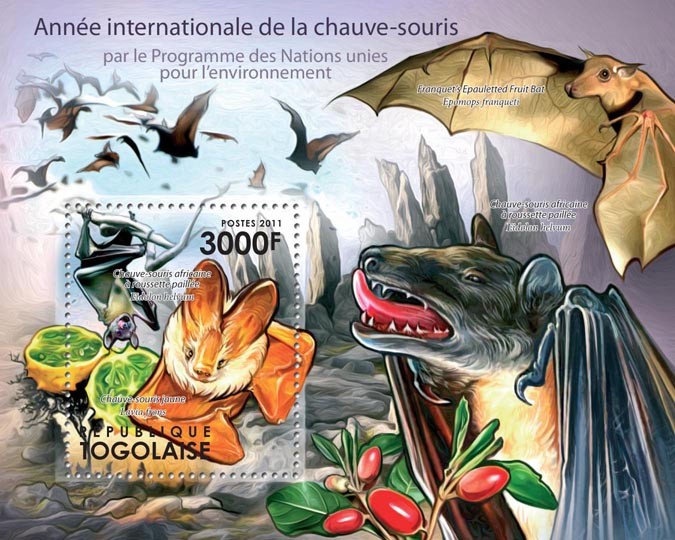
    The population of the northern long-eared bat (Myotis septentrionalis), a species once common in Missouri caves, dropped from 2,684 in 2015 to only seven last winter, which could lead to a “domino effect” on the food chain and cave ecosystems, conservation officials said. The Missouri Department of Conservation surveyed more than 300 caves and mines in the winter and found the alarming results when compared with surveys of 375 caves and mines in 2015, The Columbia Missourian reported (http://bit.ly/2p7bypK ). Shauna Marquardt, a biologist with the U.S. Fish & Wildlife Service in Columbia, said the bats’ disappearance from numerous caves where they were seen in the past was caused by white-nose syndrome, which has decimated bat populations across the U.S. The northern long-eared bat is especially vulnerable to the disease and has been the hardest-hit species in North America, she said. Searchers found few bats or found bats that were emaciated and had visible fungus caused by the disease, she said.

    Source: US News, April 15, 2017
    https://www.usnews.com/news/best-states/missouri/articles/2017-04-15/missouri-survey-finds-deep-drop-in-once-common-bat-species

  • River invertebrates wiped out by Irwell pollution incident

    River invertebrates wiped out by Irwell pollution incident

    A 15-mile stretch of the River Irwell has been poisoned after a suspected pollution incident. Conservation experts say all invertebrates along the waterway from Rossendale to Radcliffe, via Bury, have been ‘wiped out’, possibly by the dumping of a harmful pesticide. The vast majority of the bugs have also been wiped out from Radcliffe to Manchester city centre. An investigation has been launched by the Environment Agency after the incident was reported to the watchdog by the Mersey Basin Rivers Trust, which monitors the Irwell. Mike Cuddy, the trust’s chief executive, said: “There has been a 15-mile total wipeout of river invertebrates, from a point just south of Rawtenstall to the confluence of the River Roch in Radcliffe. “There has been a 90 per cent reduction in numbers from Radcliffe down to the city centre of Manchester, where the Irwell joins the Manchester Ship Canal.” It is feared the pollution could stretch beyond that radius once checks are made of the ship canal and River Mersey. Sampling teams from the trust, taking part in the national Riverfly Partnership monitoring initiative, first noticed the watercourse had been affected in the Irwell Vale area.

    Trust bosses believe the pollutant, which resembles a potent agricultural pesticide called Chlorpyrifos which devastated the River Kennet in Wiltshire and Berkshire four years ago, has been illegally dumped in land drains before reaching the Irwell. Mr Cuddy said: “We do not think the water company is at fault for this catastrophic incident, rather that an irresponsible individual or business in the sewer network area around the treatment works has illegally disposed of toxic chemicals down the drains. “This toxin has made its way through the sewer network, through the sewage treatment beds and then into the river via the water treatment works outflow.”

    Source: The Bolton News, 18/04/17
    http://www.theboltonnews.co.uk/news/15230415.River_creatures___39_wiped_out__39__by_Irwell_pollution_incident/