Auteur: Henk Tennekes

  • Our Daily Poison – By Dr Rosemary Mason

    Our Daily Poison – By Dr Rosemary Mason

    In 2010, my life changed when Dr Henk Tennekes and I traded books. His was: The systemic insecticides: a disaster in the making and ours was: The Year of the Bumblebee: Observations in a small Nature Reserve. Dr Henk Tennekes, an independent toxicologist based in the Netherlands, was the first researcher to recognise the extreme toxicity of low levels of systemic neonicotinoid insecticides that have become widespread in the environment. They cause a virtually irreversible blockage of postsynaptic nicotinergic acetylcholine receptors (nAChRs) in the central nervous system of insects (to which the human foetus is also exposed). He said the damage is cumulative, and with more exposure more receptors are blocked. He predicted that there is no safe level of exposure. He asked me to market his book in the UK. I wrote to regulators and Ministers in the UK, in Europe, the US and Australia. They all told me the same story…there was no evidence that neonicotinoid insecticides were harmful to bees. So by March 2011 Henk and I knew that regulators and the relevant governments were in the hands of the agrochemical corporations.
    The Year of the Bumblebee was the photo-journal of our small Nature Reserve (1 acre) in South Wales UK that we had established in 2006 in response to the global declines in birds and invertebrates (animals without backbones) such as bumblebees, butterflies, dragonflies and moths.
    In 2013 the biodiversity in our nature reserve started to decline. I was sent a scientific paper written by US Scientists Anthony Samsel and Stephanie Seneff ‘Glyphosate, pathways to modern diseases’, so I knew immediately that Roundup® (Monsanto’s formulated glyphosate) had been destroying our nature reserve. They told me that 4 patents had been taken out on the chemical. Monsanto had originally bought it as a chelator of minerals for cleaning boilers (it extracted minerals such as cobalt, zinc, manganese, calcium, molybdenum and sulphate). Monsanto then marketed it as an herbicide. Subsequently they patented it as an antibiotic and as an anti-protozoal against malaria.

    Monsanto said that glyphosate inhibits an enzyme that is essential for the biosynthesis of certain amino acids. They claimed that this enzyme is only found in plants, fungi and bacteria, but not in animals and humans. However Monsanto and the regulators are wrong. Glyphosate poisons humans in the same way as it poisons plants. Humans and animals have exactly the same pathway as in plants; mammals can only absorb nutrients via the bacteria in their gut; the gut microbiome. This is the name given to the collective genome of organisms inhabiting our body.
    On 14/04/2017 Organic Consumers Association and Beyond Pesticides, two US organizations, announced that they are suing Monsanto “for false and misleading labeling of the company’s flagship product, Roundup herbicide. Here’s why. The label on Monsanto’s Roundup, sold in stores like Home Depot and Walmart and online by Amazon, clearly states that the herbicide targets an enzyme “found in plants but not in people or pets.”

    For an unknown number of years Monsanto’s contractors Complete Weed Control has been spraying Roundup® on Japanese knotweed growing in old industrial mine workings in the Swansea area. Some years ago it became a Roundup®-resistant super-weed like the Genetically Modified (GM) crops engineered to be Roundup® resistant in the US. In the US, the first confirmed Glyphosate-Resistant super-weed, rigid ryegrass was reported in 1998 within two years of GM Roundup® Ready crops being grown. Super-weeds in the US in GM cropping systems are now a massive problem. Between 1996 and 2011, as a result of GM technology, 22 Glyphosate-Resistant super-weeds had developed.
    In 2016, Charles Benbrook wrote in a report: “Since 1974 in the U.S., over 1.6 billion kilograms of glyphosate active ingredient have been applied, or 19 % of estimated global use of glyphosate (8.6 billion kilograms). Globally, glyphosate use has risen almost 15-fold since so-called “Roundup® Ready,” genetically engineered glyphosate-tolerant crops were introduced in 1996. Two-thirds of the total volume of glyphosate applied in the U.S. from 1974 to 2014 has been sprayed in just the last 10 years.”

    We compared our experiences and discovered we had almost identical problems. Anthony pointed out to me the UK government website describing pesticide residues in food. Britain wants to grow GM crops against the wishes of the people but GM hasn’t as yet been approved. However, some UK farmers had been spraying glyphosate pre-harvest since 1980 at the suggestion of a Monsanto scientist. Samsel and Seneff’s colleague Dr Nancy Swanson had created graphs linking data from the Center for Disease Control and found strong correlations between diseases that had been increasing over the last 30 years and the percentage of GM Crops and the amounts of Roundup® sprayed on crops. These included obesity, autism, Type 2 Diabetes, Dementia, Alzheimer’s, Parkinson’s Disease, liver and kidney failure, hypercholesterolemia, stroke and various cancers such as kidney, liver, pancreas, thyroid, Non-Hodgkin’s Lymphoma, Myeloma and leukemia.

    The UK Environment Agency refused to measure glyphosate (or neonicotinoid insecticides) in groundwater. We sent samples to a Veterinary Laboratory in Leipzig and very small amounts of glyphosate were present in both river and tap water. In our reserve from 2006 to 2010 we documented 143 different species of moth, three species of bush-cricket, 20 species of butterfly, six species of bumblebee and numerous dragonflies, damsel flies, grass-hoppers, many beetles including ladybirds and the rare oil-beetle, many forms of hover flies and solitary bees, vigorous pond life including whirligig beetles, water boatmen and giant diving beetles. Bat numbers have sharply declined over the years. By 2016 many species had disappeared. In November 2016 we found out the firm Complete Weed Control had been contracted to spray 3,000 km pavements in Swansea in spring and autumn, resulting in a total of 518 kg of Roundup® being used.

    UK rejected many clauses in the Sustainable Use of Pesticides: DIRECTIVE 2009/128/EC OF THE EUROPEAN PARLIAMENT
    Aerial spraying of pesticides was allowed in the UK. Special areas were not protected; for example spraying on children’s playgrounds, around hospital premises, in public places, sports fields and conservation areas were permitted. There was no protection of watercourses from pesticide run-off into rivers and Roundup® was freely used to eradicate Giant Hogweed growing by water. By the beginning of 2017, salmon and trout numbers in major rivers in Wales were described as ‘critical’ because of losses of aquatic invertebrates. No warning was given to rural communities when farmers were crop spraying. Georgina Downs founder of UK Pesticides Campaign in 2001 stated that: “The most common chronic long-term effects, illnesses and diseases reported to my campaign from residents living in the locality of crop sprayed fields include neurological conditions such as Parkinson’s disease, Motor Neurone Disease, and neurological damage, as well as various cancers, especially those of the breast and brain, leukaemia, non-Hodgkin’s lymphoma, amongst many other chronic conditions.”

    Hilal Elver the UN Special Rapporteur on the right to food severely criticised the Global Agricultural Corporations. The Report by the Special Rapporteurs on Food and Toxics and presented to the UN Human Rights Council on 08/03/2017 is severely critical of the global corporations that manufacture pesticides, accusing them of the “systematic denial of harms”, “aggressive, unethical marketing tactics” and heavy lobbying of governments that has “obstructed reforms and paralysed global pesticide restrictions.”

    “It is a myth that pesticides are necessary to feed the world,” said Hilal Elver. “Using more pesticides is nothing to do with getting rid of hunger. According to the UN Food and Agriculture Organisation (FAO), we are able to feed 9 billion people today. Production is definitely increasing, but the problem is poverty, inequality and distribution.” Pesticides have “catastrophic impacts on the environment, human health and society as a whole… It is time to create a global process to transition toward safer and healthier food and agricultural production.” The incidence of pesticide-related illnesses described in the Report such as cancers, Alzheimer’s and Parkinson’s diseases, hormone disruption, developmental disorders and sterility is steadily increasing in the UK.

    The German Rapporteur Member State Federal Institute of Risk Assessment (BfR) had claimed that glyphosate had minimal effects on the environment.
    I challenged EFSA and the European Commission when they wanted to re-license glyphosate but neither organization replied.

    UK State of Nature 2016 compiled by 50 organizations
    Mark Eaton the first author said: “Of 218 countries assessed, the UK is ranked 189: it is 29th lowest out of 218: Countries below are the Republic of Ireland, USA, Hong Kong and Macao. This means that nature is faring worse in the UK than in most other countries. Biodiversity Intactness Index correlates with pesticide usage over the centuries; 75% land in the UK is managed for food production. How we manage the land is key to the state of nature.

    The International Monsanto Tribunal is an international civil society initiative to hold Monsanto accountable for human rights violations, for crimes against humanity, and for ecocide. Eminent judges heard testimonies from victims, and deliver an advisory opinion following procedures of the International Court of Justice. A parallel People’s Assembly provides the opportunity for social movements to rally and plan for the future they want. Prof Gilles-Eric Séralini an organiser of the Tribunal suggested I send a written testimony to the five judges about the poisoning of our reserve with Roundup®. We also sent our two photo-journals from 2010.

    In March 2015 the World Health Organisation’s International Agency for Research on Cancer (IARC) had declared glyphosate as a 2A carcinogen (probably carcinogenic in humans). Monsanto, European Regulators and the UK say it is not carcinogenic and have given glyphosate a ‘clean bill of health’. However, the US EPA Special Advisory Panel (SAP) failed to reach an agreement about whether or not glyphosate is a carcinogen.

    By March 2017 in the US Monsanto Roundup® Cancer lawsuits filed reached 700 cases. The judge forced Monsanto to reveal crucial emails. It included ones in which a US Environmental Protection Agency official Jess Rowland who was in charge of evaluating the cancer risk of Monsanto’s Roundup® allegedly bragged to a company executive that he deserved a medal if he could kill another agency’s investigation into the herbicide’s key chemical. The judge also cited an email from a Monsanto executive proposing to ghost-write parts of the 2013 report, saying, “we would be keeping the cost down by us doing the writing” while researchers “would just edit & sign their names so to speak.”

    It’s been four years since Marion Copley, a toxicologist who had worked for 30 years for the EPA, wrote this letter to her then-colleague, Jess Rowland, accusing him of conniving with Monsanto to bury the agency’s own hard scientific evidence that it is “essentially certain” that glyphosate, the key ingredient in Monsanto’s Roundup weed killer, causes cancer. The date of the letter comes after Copley left the EPA in 2012 and shortly before she died from breast cancer at the age of 66 in January 2014. She accuses Rowland of having “intimidated staff” to change reports to favor industry, and writes that research on glyphosate, the key ingredient in Monsanto’s Roundup®, shows the pesticide should be categorized as a “probable human carcinogen.” She had studied the tumor process closely. “Glyphosate was originally designed as a chelating agent and I strongly believe that is the identical process involved in tumor formation.”

    The International Monsanto Tribunal: Judges Verdict on 18 April 2017: The legal opinion will be addressed to Monsanto and to the United Nations
    “From this legal opinion, other jurisdictions can be involved and more judges will step in. We, as the judges [at the Monsanto Tribunal] have seen, heard, noted and deliberated. Chances are that the international law will take into consideration new issues such as the ones related to ecocide.
    Through the case of Monsanto, the Tribunal considers an example of a multinational corporation whose behavior ignores the damages their decisions cause to health, environment and scientific independence. The aim of the Tribunal is to give a legal opinion on the environmental and health damage caused by the multinational Monsanto. This process will use existing international law but also contribute to the international debate to include the crime of ecocide into international criminal law. It will also give people all over the world a well-documented legal file to be used in lawsuits against Monsanto and similar chemical companies.”

    Many lovely creatures on our nature reserve have been poisoned by Roundup®

    Biography
    Rosemary Mason worked for the UK National Health Service for 35 years as Consultant Anaesthetist to West Glamorgan Health Authority. She served as Assistant Editor of Anaesthesia 1990-2000, and was awarded Pask Certificate for Services to Anaesthesia in the UK in 2001. She lives in South Wales with her husband Palle Uhd Jepsen, former Senior Adviser in Nature Conservation to the Danish Forest and Nature Agency. In between the rise and fall of their nature reserve she has spent seven years challenging global pesticides regulators and governments.

  • Dramatic decline of aerial insectivores in Vermont

    Dramatic decline of aerial insectivores in Vermont

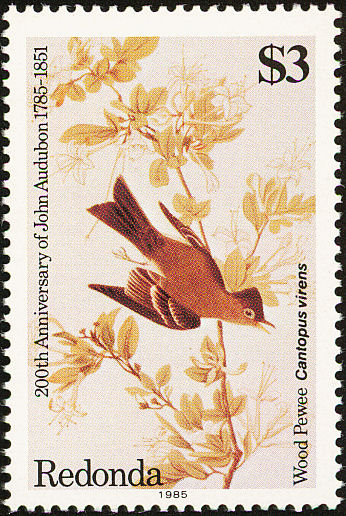
    Fewer birds appear to live in Vermont today than 25 years ago, according to recent research by the Vermont Center for Ecostudies. The most dramatic declines in bird populations were seen among those that live off flying insects, scientists say. Known as aerial insectivores, this diverse group of birds has declined 45 percent in Vermont, according to the study. The study focused on 11 species of aerial insectivores that were among the 13 species of Vermont birds found to have undergone the most serious declines, said Steve Faccio, one of the study’s authors and the co-founder of the Vermont Center for Ecostudies. This group of birds includes the tree swallow (Tachycineta bicolor), the yellow-bellied flycatcher (Empidonax flaviventris), the chimney swift (Chaetura pelagica) and the eastern wood pewee (Contopus virens). This dropoff in insect eaters mirrors a trend seen nationwide in recent decades, Faccio said. These birds’ food — aerial insects — is what the species in this highly varied group have in common, leading scientists to suspect that some widespread trend among flying insects is what’s driving the decline in birds that eat them, Faccio said.
    Source: VT Digger, April 17, 2017

    State’s bird population in decline, according to study

  • Three rivers in the Cameron Highlands declared ‘dead’

    Three rivers in the Cameron Highlands declared ‘dead’

    Regional Environment Awareness Cameron Highlands (REACH) president Ramakrishnan Ramasamy said most rivers in the highland, known for its tourism and agriculture, are heavily polluted. He said data from the Department of Environment (DoE) and the Drainage and Irrigation Department (DID) showed that only about 10 per cent of 123 rivers were in Class I and Class II, while the remainder were in Class III and Class IV. He also said three rivers had been declared biologically dead, and came under Class V of the classification. According to Ramasamy, the biologically dead rivers are Sungai Tringkap, Sungai Icat (near Kampung Kuala Terla and Sungai Terla, which is the main source of water supply in Cameron Highlands) and Sungai Parang (near 33rd Mile between Tanah Rata and Habu). The Interim National Water Quality Standards (INWQS) listed six classes (I, IIA, IIB, III, IV and V), which referred to classification of rivers or river segments based on a descending order of water quality, with Class I being the “best” and Class V being the “worst”. “If the rivers in Cameron Highlands could talk, it would most probably say to human beings — ‘don’t kill me’,” said Ramasamy.

    REACH recently released a short documentary using drone footage in an effort to save Sungai Bertam, which has been classified under Class IV, as well as other polluted rivers, with the hope of gaining the attention of the authorities. Ramasamy warned that the people living downstream of polluted rivers might be unaware of the pollution. A river with high level of pollutants might appear deceptively clean, as even crystal clear water contained toxic substances, he said.

    Ramasamy said he had lost faith in the local authorities as there had been little effective action despite warnings and revelations. Citing an example, he said in 2015, REACH and Pesticide Action Network Asia and the Pacific (PANAP) revealed that banned pesticides, such as endosulfan, edrine ketone, aldrin and DDE, which is a derivative of the dangerous DDT found in the water catchment and riverine system in Cameron Highlands.

    Source:
    New Straits Times, April 18, 2017
    https://sg.news.yahoo.com/three-camerons-rivers-declared-apos-061309986.html

  • Pesticide Impact on Bay Delta Fish Could Be Greater Than Realized

    Pesticide Impact on Bay Delta Fish Could Be Greater Than Realized

    New monitoring in the Bay Delta shows that the water is a soup of urban and agricultural insecticides, herbicides and fungicides. When combined, pesticides at sublethal levels can have deadly synergistic effects on fish. “The Sacramento River and San Joaquin River have been monitored for years, but historically there has been little monitoring in the Delta itself,” says Michelle Hladik, an environmental chemist who leads the USGS Pesticide Fate Research Group. “We need more information on what is actually occurring in the Delta now.” As part of the recently launched Delta Regional Monitoring Program, the team is in its second year of checking agricultural and suburban runoff at five sites in the Delta. They’re testing for more than 150 pesticides that are in current use. “We’re monitoring a long list of pesticides including the new or understudied, such as those that have increased in use in the recent past but are not currently in other monitoring programs,” she says.

    More than half of the pesticides applied in the Delta watershed are not routinely tracked. “It’s a moving target, there’s always something new coming along,” says the USGS’s Orlando, who is also a member of the Pesticide Fate Research Group. “The Delta watershed has had an average of nine new pesticide active ingredients introduced each year since 1995.”

    In a series of recent studies, the team has detected a wide variety of insecticides, herbicides and fungicides in the Delta. Examples include pyrethroids, neurotoxicants that have grown more popular as organophosphate use has waned; fipronil, which is used to control fleas on pets; and neonicotinoids, which are implicated in the honeybee decline. “It’s a soup out there,” Hladik says.

    Benchmarks for toxicity to aquatic life are based on the effects of individual compounds. But that doesn’t reflect the reality for fish and other creatures that live in Delta waterways. “You can see 30 different pesticides in a sample – how does that mixture affect living organisms?” Orlando says. “There’s not a lot of information on this because it’s so hard to test. Just testing one compound is hard enough.”

    New research suggests that the impact of pesticides on the Delta’s fish could be greater than is recognized. In the December 2016 issue of San Francisco Estuary & Watershed Science, Stephanie Fong and colleagues reported that pyrethroid use correlates with declines in several species of fish in the Delta, including Delta smelt, longfin smelt, Sacramento splittail, American shad, threadfin shad and striped bass.

    Source: Water Deeply, April 18, 2017
    https://www.newsdeeply.com/water/articles/2017/04/18/pesticide-impact-on-bay-delta-fish-could-be-greater-than-realized

  • Naturschützer warnen, dass das Insektensterben auch die Feldermäuse ausrotten könnte

    Naturschützer warnen, dass das Insektensterben auch die Feldermäuse ausrotten könnte

    Die Fledermäuse erwachen momentan aus dem Winterschlaf. Nachts gehen sie auf die Jagd, um ihre leeren Reserven aufzutanken. Doch sie finden kaum noch Futter. „Seit einiger Zeit beobachten wir einen alarmierenden Rückgang von Insekten“, sagt Karl Kugelschafter, Fledermausexperte vom Naturschutzbund (Nabu). Für die Fledermäuse geht es ums Überleben, denn sie ernähren sich fast ausschließlich von Insekten und müssen pro Tag ungefähr ein Drittel ihres Körpergewichtes an Nahrung zu sich nehmen. Hochgerechnet braucht ein einzelnes Tier also ungefähr ein Kilogramm Insekten in einem Sommer. Der Insektenmangel ist schon länger bekannt: 2016 ermittelten der Entomologische Verein Krefeld und der Nabu in einer Langzeitstudie, dass sich in den letzten 15 Jahren die Gesamtbiomasse der Insekten um rund 80 Prozent reduziert hat. Ihnen machen die Pestizide und der chemische Dünger in der Landwirtschaft zu schaffen. Auch die Fledermäuse werden schleichend vergiftet, wenn sie die pestizidverseuchten Insekten fressen. Zudem verlieren die Fledermäuse ihre angestammten Lebensräume, weil Monokulturen die Landwirtschaft dominieren. „Die Graue Langohrfledermaus jagt bevorzugt auf Streuobstwiesen. Diese Flächen werden hierzulande allerdings immer weniger, sodass es diese Fledermausart künftig schwer haben wird, Nahrung zu finden“, sagt der Zoologe Gerald Kerth von der Uni Greifswald. Der Berliner Fledermausexperte Carsten Kallasch warnt, dass nicht nur die Fledermäuse sterben. Alle Insektenfresser leiden. Dazu gehören etwa Mauersegler, Schwalben, Maulwürfe, Spitzmäuse und Igel. Um den Lebensraum der Fledermäuse wieder zu vergrößern, würde es schon helfen, wenn sich private Gartenbesitzer von ihren exotischen Zierpflanzen trennten. Kerth rät den Hobbygärtnern, möglichst heimische Pflanzen auswählen. „Dann finden die Insekten Nahrung, sodass die Fledermäuse ausreichend Beute machen können.“

    Quelle: TAZ, 13.04.17
    http://www.taz.de/!5400990/

  • 120.000 Bienenvölker haben den Winter in Deutschland nicht überlebt

    120.000 Bienenvölker haben den Winter in Deutschland nicht überlebt

    Die stille Harmonie der gelb-schwarzen Insekten gibt es nur noch in alten Kinderliedern. Tatsächlich kämpfen nicht nur die deutschen, sondern auch die europäischen Bienen ums Überleben. Als im Vormonat der Imkerverband zur Jahrestagung nach Berlin lud, machten erschreckende Zahlen die Runde: Von den etwa 700.000 Bienenvölkern, die der Verband hierzulande bisher zählte, haben rund 120.000 den Winter nicht überlebt. Auch wenn daran eingeschleppte Parasiten wie die Varroa-Milbe nicht ganz unbeteiligt ist, geben viele Fachleute Pestiziden eine erhebliche Mitschuld. Der Warnruf ist bei der EU-Kommission angekommen. Deren Sprecher betonte gegenüber dieser Redaktion, für Präsident Jean-Claude Juncker und die Kommission habe das Thema “oberste Priorität”. Konkrete Schritte würden vorbereitet: Sollten die Mitgliedstaaten zustimmen, könnten drei Pestizide, die der Gruppe der Neonikotinioden zugerechnet werden, noch 2017 verboten werden.

    Quelle: In Franken, 11.04.17
    http://www.infranken.de/ueberregional/Der-stille-Tod-der-Bienen-120-000-Bienenvoelker-haben-den-Winter-nicht-ueberlebt;art55462,2608832

  • Non-alcoholic fatty liver disease in rats following chronic exposure to an ultra-low dose of Roundup herbicide

    Non-alcoholic fatty liver disease in rats following chronic exposure to an ultra-low dose of Roundup herbicide

    The impairment of liver function by low environmentally relevant doses of glyphosate-based herbicides (GBH) is still a debatable and unresolved matter. Previously we have shown that rats administered for 2 years with 0.1 ppb (50 ng/L glyphosate equivalent dilution; 4 ng/kg body weight/day daily intake) of a Roundup GBH formulation showed signs of enhanced liver injury as indicated by anatomorphological, blood/urine biochemical changes and transcriptome profiling. Here we present a multiomic study combining metabolome and proteome liver analyses to obtain further insight into the Roundup-induced pathology. Proteins significantly disturbed (214 out of 1906 detected, q < 0.05) were involved in organonitrogen metabolism and fatty acid β-oxidation. Proteome disturbances reflected peroxisomal proliferation, steatosis and necrosis. The metabolome analysis (55 metabolites altered out of 673 detected, p < 0.05) confirmed lipotoxic conditions and oxidative stress by showing an activation of glutathione and ascorbate free radical scavenger systems. Additionally, we found metabolite alterations associated with hallmarks of hepatotoxicity such as γ-glutamyl dipeptides, acylcarnitines, and proline derivatives. Overall, metabolome and proteome disturbances showed a substantial overlap with biomarkers of non-alcoholic fatty liver disease and its progression to steatohepatosis and thus confirm liver functional dysfunction resulting from chronic ultra-low dose GBH exposure. Source: Mesnage R et al. (2017) Scientific Reports 7, Article number: 39328

  • Salmon slump on River Tweed

    Salmon slump on River Tweed

    SALMON catches on River Tweed and its tributaries fell by seven per cent last year. A total of 7,680 fish were taken by rod and line during the 2016 season – down from 8,091 in 2015 – reflecting a year-on-year downward trend since 2013 when over 14,000 salmon were caught. There was an even sharper fall in the number of sea trout taken by anglers in 2016 – from 1,280 to 2,323 – the lowest catch in the past decade. The figures are revealed in the 2016 annual report of the River Tweed Commission (RTC) which highlights a significant decline in catches of salmon, particularly grilse (fish returning after a winter at sea) during the traditionally busy “autumn run”.

    “The catches from August until the end of the 2016 season were markedly lower,” states the report. “October catches were down by around one third and those of November reduced by three quarters. “The pattern was similar in all parts of the main river and its tributaries.” The report also reveals that 85 per cent of the total rod salmon catch – some 6,500 fish – were returned to the river last year.

    Source: Peeblesshire News, 27 March 2017
    http://www.peeblesshirenews.com/news/15170290.Seven_per_cent_salmon_slump_on_River_Tweed/

  • Declining salmon stocks on River Teifi sparks concern

    Declining salmon stocks on River Teifi sparks concern

    CORACLE fishermen on the River Teifi have reacted immediately to concerns about the falling levels of fish stocks by agreeing to return any salmon they catch. The Teifi Coracle Netsmen has also called on other anglers to adopt a catch and release policy after shock new figures from Natural Resources Wales (NRW) showed a sharp decline in the number of fish caught. There was just over 40 declared net catches of salmon on the river in 2015 compared to about 115 in 2014. Declared rod catches were down from 300 in 2014 to just over 200 in 2015. An NRW spokesman said the situation was fast approaching crisis point. “It is coming to a fairly critical position, especially in light of salmon stocks. We’re getting very close to being a crisis situation.” A statement released by the Teifi Coracle Netsmen’s Association said: “Bearing in mind the recent pollution incidents on the river Teifi and the information provided by Natural Resources Wales regarding the current salmon stock levels, the Teifi Coracle Netsmen’s Association would like to announce that all Teifi coracle licence holders have taken a joint decision to voluntarily release all salmon caught during the 2017 season. “We recognise that we all have to do our bit to ensure the longevity of all methods of fishing on the river Teifi and urge that all other associations and individuals join us in doing their bit to ensure future generations have the opportunity to participate in fishing for years to come.”

    Source: Tivy-Side Advertiser, 5 April 2017
    http://www.tivysideadvertiser.co.uk/news/15203193.Declining_salmon_stocks_on_River_Teifi_sparks_concern/

  • Fish stocks in the Mediterranean Sea are deteriorating at an alarming rate

    Fish stocks in the Mediterranean Sea are deteriorating at an alarming rate

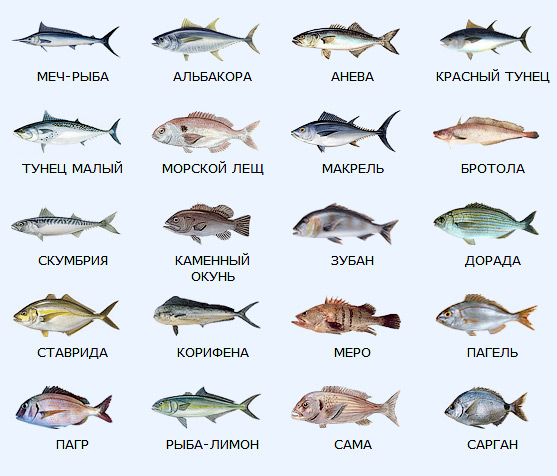
    A recent analysis by the European Commission’s Joint Research Centre (JRC) shows that 93% of the assessed fish stocks are overexploited, and a number of them are on the verge of depletion. In addition, the Mediterranean Sea has lost 41% of its marine mammals and 34% of the total fish population over the past 50 years. An estimated 10 000 to 12 000 marine species inhabit the Mediterranean Sea, but this extraordinary biodiversity is in grave danger. Further delays in concerted action could result in irreversible damage and a collapse of key stocks that are essential to the fisheries sector. In a study published in Nature’s Scientific Reports, JRC scientists warn about pressures on the Mediterranean Sea that might push the ecosystem beyond the point of no return. The analysis looks at the historical changes in the Mediterranean Sea food web driven by environmental drivers and fishing efforts. It concludes that, over the past 50 years, the Mediterranean has lost 41% of the number of marine mammals and 34% of the total amount of fish. The largest reductions were found in the Western Mediterranean Sea and the Adriatic Sea (- 50%), while the reduction was much less in the Ionian Sea (- 8%).

    Read more at: https://phys.org/news/2017-04-state-mediterranean-fish-stocks.html#jCp