Auteur: Henk Tennekes

  • Wildpflanzen – eine bedrohte Art

    Wildpflanzen – eine bedrohte Art

    Die Pädagogin Hannelore „Loki“ Schmidt, wurde neben ihrem Ehemann, dem ehemaligen Bundeskanzler Helmut Schmidt, besonders durch ihre Liebe zur Natur bekannt. 1976 gründete sie das Kuratorium zum Schutz gefährdeter Pflanzen, das 1979 in eine Stiftung überführt wurde. Durch den Zusammenschluss mit der Stiftung Naturschutz Hamburg entstand 1990 die heutige „Stiftung Naturschutz Hamburg und Stiftung Loki Schmidt zum Schutze gefährdeter Pflanzen“ kurz die „Loki Schmidt Stiftung“. In den intensiv bewirtschafteten Äckern lebten ursprünglich rund 350 Pflanzenarten. Viele davon können heute als biologisches Erbe unserer Kulturgeschichte angesehen werden, weil sie sich im Laufe der Geschichte an die Landnutzungspraktiken angepasst haben. Durch moderne Technik und Spritzmittel wurden in den letzten Jahrzehnten viele Ackerwildpflanzen stark zurückgedrängt. „Eine ganze Lebensgemeinschaft, die uns seit tausenden Jahren begleitet, droht zu verschwinden“, so Axel Jahn, Geschäftsführer der Loki Schmidt Stiftung. Die Wildpflanzen unserer Äcker bereichern unsere Kulturlandschaft nicht nur ästhetisch. Durch den Rückgang der Vielfalt im Ackerland sind auch Bestäuber wie Schmetterlinge und Bienen bedroht. Andere Insekten und Spinnen, die diese Wildpflanzen als Nahrungspflanzen und als Refugien nutzen, sind ebenfalls betroffen. Viele dieser Tierarten halten landwirtschaftlich bedeutende Schädlinge wie Blattläuse in Schach. Die Verarmung der Ackerlebensgemeinschaft ist also auch für die Landwirtschaft ein zunehmendes Problem.

    Quelle: Zeitung für Lübz – Goldberg – Plau, 31.05.17
    https://www.svz.de/lokales/zeitung-fuer-goldberg-luebz-plau/wildpflanzen-eine-bedrohte-art-id16947646.html

  • Endangered Newell’s Shearwater And Hawaiian Petrel Are In Peril

    Endangered Newell’s Shearwater And Hawaiian Petrel Are In Peril

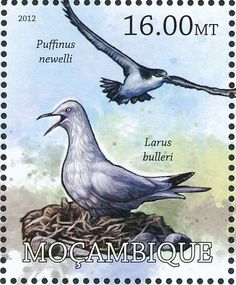
    Two of Kauai’s endangered seabird species are in peril, according to a study released Wednesday by the Kauai Endangered Seabird Recovery Project. The study shows between 1993 and 2013, populations of the ‘a’o (Newell’s Shearwater (Puffinus newelli)) declined by 94 percent and ua’u (Hawaiian Petrel (Pterodroma sandwichensis)) declined by 78 percent. “The results of this study demonstrate just how poorly these two iconic birds have fared on Kauai over that time period,” said Andre Raine, lead author of the paper. And the fate of these bird species indicates a more systemic problem, said kumu Sabra Kauka. “To me it’s an indicator of the health of Earth both on land and on sea,” she said. “Is the sea able to produce the food that these birds need to live? Is the land safe for them to raise their young?”

    “The decline is significant because they (‘a’o and ua’u) have always been an indicator of the condition of our environment,” Kauka said. “Traditionally, they’ve directed the fishermen to schools of fish.”

    The majority of the radar sites showed massive decreases in numbers of the birds over the years, adding up to a “rapid downward trajectory” Raine said, particularly in the south and east of the island. “Kauai holds 90 percent of the world’s population of ‘a‘o and a significant proportion of the world’s population of ua‘u, so it is vital that we protect these birds,” Raine said.

    Source: The Garden Island, June 1, 2017
    http://thegardenisland.com/news/local/dramatic-decline/article_4191ae84-bd1d-52b8-92f1-787e2138eabe.html

  • Noch weniger Vögel in der Agrarlandschaft von Mecklenburg-Vorpommern

    Noch weniger Vögel in der Agrarlandschaft von Mecklenburg-Vorpommern

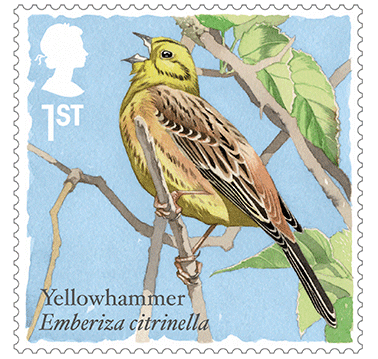
    In Mecklenburg-Vorpommerns offener Landschaft gibt es immer weniger Vögel. Darauf hat der Naturschutzbund Deutschland (Nabu) nach der diesjährigen Zählaktion „Stunde der Gartenvögel“ hingewiesen. „Während sich bei den Vögeln unserer Dörfer und Städte über die Jahre Zu- und Abnahmen die Waage halten, gibt es auf den Wiesen und Feldern fast nur Verlierer“, sagte der Nabu-Landesvorsitzende Stefan Schwill am Donnerstag in Schwerin. In den vergangenen zehn Jahren seien die Bestände typischer Vogelarten der Agrarlandschaft wie Goldammer (Emberiza citrinella), Bluthänfling (Carduelis cannabina) und Wiesenpieper (Anthus pratensis) dramatisch eingebrochen. Der Bestand an Feldlerchen (Alauda arvensis) sei von 2011 bis 2016 um fast zwei Drittel zurückgegangen. Die beiden im Nordosten vorkommenden Schwalbenarten wiesen im gleichen Zeitraum Rückgänge um 20 Prozent (Mehlschwalbe (Delichon urbicum)) und 24 Prozent (Rauchschwalbe (Hirundo rustica)) auf.

    Ursache sei die fortschreitende Intensivierung der Landwirtschaft. Schwill beklagte eine Verarmung der Fruchtfolge, einen umfangreichen Maisanbau und einen immer stärkeren Einsatz synthetischer Düngemittel und Pestizide. Das führe zu immer weniger Wildkräutern auf den Wiesen und Feldern, was wiederum zum Fehlen von Insekten führe. „Damit fehlt gerade für die Aufzucht von Jungvögeln die entscheidende Nahrungsgrundlage“, sagte Schwill.

    Quelle: Ostsee Zeitung, 01.06.17
    http://www.ostsee-zeitung.de/Extra/Freizeit/Tier-und-Natur/Noch-weniger-Voegel-in-der-Agrarlandschaft

  • Deutsche Wiesen und Weiden sind in Gefahr

    Deutsche Wiesen und Weiden sind in Gefahr

    Wiesen und Weiden in Deutschland sind zunehmend bedroht. Das geht aus Informationen des Bundesamts für Naturschutz (BfN) hervor, die Bundesumweltministerin Barbara Hendricks (SPD) am Mittwoch vorstellte. Demnach besteht für knapp zwei Drittel der 863 in Deutschland vorkommenden Lebensraum-Arten eine “angespannte Gefährdungslage”, verursacht unter anderem durch intensive Landwirtschaft.

    Hendricks sprach mit Blick auf die Rote Liste von einem “Alarmsignal”. Der Zustand von Wiesen und Weiden werde vor allem wegen der Intensivierung der Landwirtschaft immer schlechter, erklärte sie.
    Besonders deutlich verschlechtert hat sich die Lage den BfN-Daten nach beim Grünland, aber auch Streuobstwiesen stehen vermehrt unter Druck. Beate Jessel, Präsidentin des BfN, verwies darauf, dass beim Grünland schon Lebensräume “mittlerer Nutzung” wie die artenreichen Mähwiesen in die höchste Gefährdungskategorie fielen. “Die Folgen dieser Entwicklung spiegeln sich auch im dramatischen Rückgang von Lebewesen der Agrarlandschaft wider, beispielsweise bei den Feldvögeln wie Feldlerche, Braunkehlchen oder Kiebitz und auch bei den Insekten”, erklärte Jessel.

    “Viele Seen und Flüsse sind durch den hohen Nitratgehalt und durch Pestizide belastet und damit weit entfernt von einem guten Zustand”, sagte der Vorsitzende des Bunds für Umwelt und Naturschutz Deutschland (BUND), Hubert Weiger. “Für die schlechte Qualität vieler Gewässer sind die Intensivtierhaltung und eine auf Gewinnmaximierung bedachte Agrarindustrie verantwortlich.”

    Auch Diana Pretzell, Leiterin Naturschutz in Deutschland bei der Umweltstiftung WWF, übte Kritik. “Die ständige Intensivierung der Landwirtschaft ist ein echter Biotop-Killer”, sagte sie. “Weiden, Wiesen und Äcker verändern sich dramatisch, werden von überdüngten, gleichförmigen Monokulturen verdrängt.” Die klassischen Wald- und Wiesenvögel, Schmetterlinge und Feldhamster verschwänden gemeinsam mit ihren Lebensräumen. “Es droht eine stumme, monotone Kulturlandschaft.”

    Die neue Rote Liste gefährdeter Biotop-Typen dient als Handbuch für Naturschutz-Pläne in Deutschland. Die neue Liste aktualisiert die Fassung von 2006. Es gibt viele verschiedene Lebensraum-Arten in Deutschland, etwa 46 Typen fließende Gewässer und 20 Typen von Äckern und Ackerbrachen.

    Quelle: Der Spiegel, 30.05.17
    http://www.spiegel.de/wissenschaft/natur/rote-liste-deutsche-wiesen-und-weiden-sind-in-gefahr-a-1150084.html

  • The Womb Is No Protection From Toxic Chemicals

    The Womb Is No Protection From Toxic Chemicals

    Until a few decades ago, the popular but falsely reassuring belief was that babies in the womb were perfectly protected by the placenta and that children were just “little adults,” requiring no special protections from environmental threats. We now know that a host of chemicals, pollutants and viruses readily travel across the placenta from mother to fetus, pre-polluting or pre-infecting a baby even before birth.

    Toxic chemicals like lead, certain air pollutants, pesticides, synthetic chemicals and infectious agents like Zika can derail the intricate molecular processes involved in a fetus’s healthy brain development. So can physical and social stress experienced by the mother.

    At a time when we should be spending more on research and prevention of those threats, President Trump would do the opposite. He would cut the budget of the Environmental Protection Agency by 31 percent, including cuts to scientific work on chemical safety. He would slash money for biomedical research and programs to fight outbreaks of infectious disease. We need more spending in those areas, not less. We need more testing of chemicals before they are marketed, not less.

    Toxic exposures are shockingly prevalent. Analysis of biomonitoring data from the Centers for Disease Control and Prevention finds dozens of toxic chemicals, pollutants and metals in pregnant women, many of which are also found in cord blood of newborns. These include pesticides sprayed in inner-city buildings and on crops, flame retardants used in furniture, combustion-related air pollutants from fossil-fuel-burning power plants and vehicles, lead, mercury and plasticizers. All have been shown in epidemiologic studies in the United States and elsewhere to be capable of damaging developing brains, especially while babies are exposed in utero or in their early life.

    Source: The New York Times, June 1, 2017
    https://www.nytimes.com/2017/06/01/opinion/toxic-chemicals-pregnancy-fetus.html?_r=0

  • De broedvogels van de Waddenzee krijgen hun jongen niet meer groot

    De broedvogels van de Waddenzee krijgen hun jongen niet meer groot

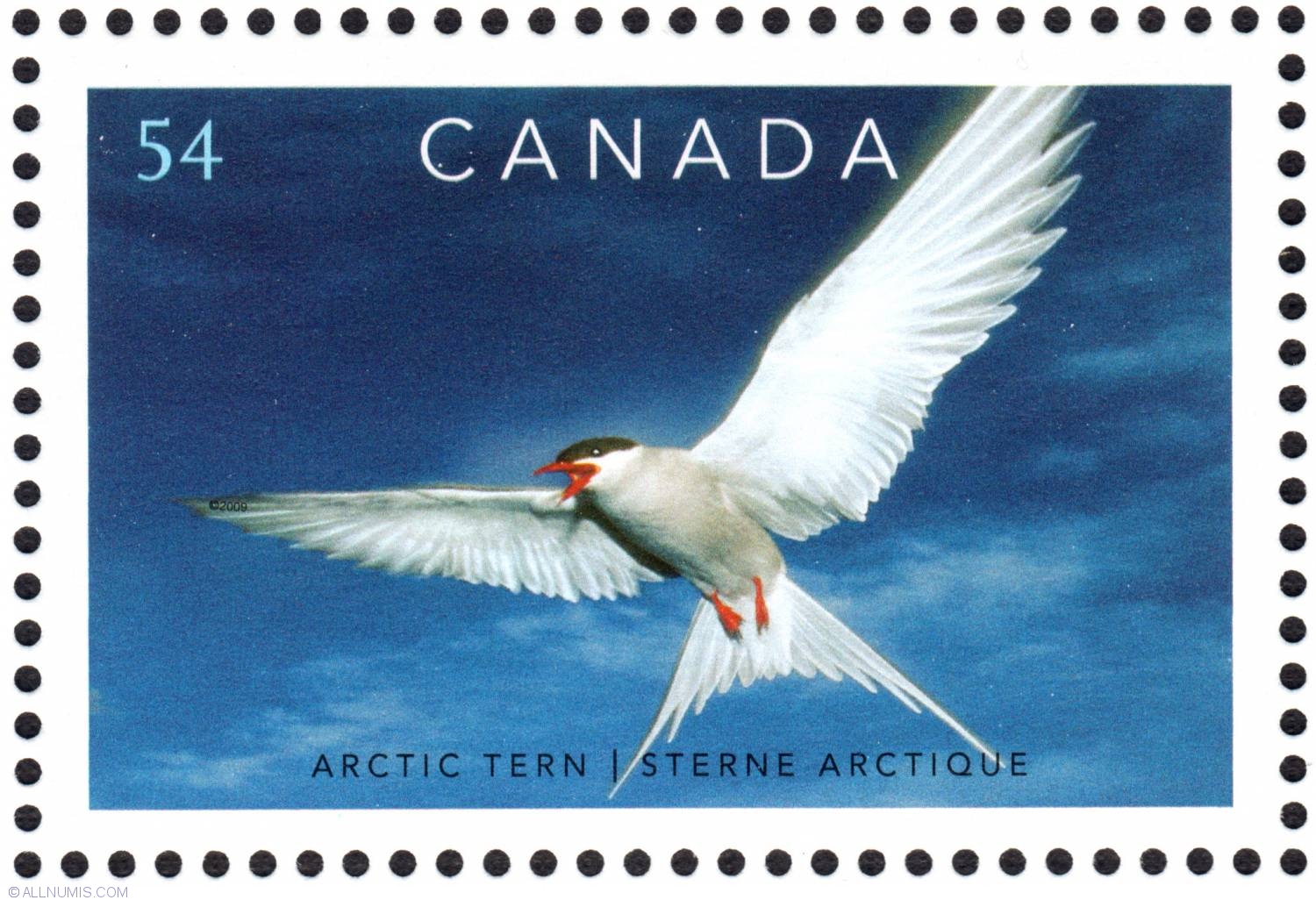
    Wadden in beeld 2015 signaleerde dat het in het Nederlandse waddengebied goed gaat met de trekvogelsoorten, maar dat de broedvogelpopulaties achteruitgaan. Deze laatste trend is hieronder verder uitgewerkt. Uit tellingen op meer dan zestig locaties blijkt dat veel broedvogels er niet in slagen om voldoende jongen groot te brengen. Uit de resultaten van een ‘gezondheidscheck’ bij kustbroedvogels in 2014 blijkt dat in het waddengebied het uitblijven van broedsucces voor de meeste soorten de belangrijkste oorzaak is van de negatieve populatie-ontwikkeling. Vooral bij de scholekster (Haematopus ostralegus), kluut (Recurvirostra avosetta), kokmeeuw (Chroicocephalus ridibundus) en noordse stern (Sterna paradisaea) is de trend in aantallen zonder uitzondering negatief.

    Bron: Basismonitoring Wadden. Wadden in Beeld 2016

    Wadden in beeld 2016 is een uitgave van het Kernteam basismonitoring wadden van de Samenwerkingsagenda Beheer Waddenzee, waarin samenwerken ministerie IenM/Rijkswaterstaat, ministerie van EZ, Natuurorganisaties binnen de Coalitie Wadden Natuurlijk, provincies Groningen, Fryslân, Noord-Holland, NAM, Groningen Seaports, Waddenacademie, en (voor deze uitgave) de Waddeneilanden.

  • De kluut gaat ten onder aan een gebrek aan schaaldieren en insecten

    De kluut gaat ten onder aan een gebrek aan schaaldieren en insecten

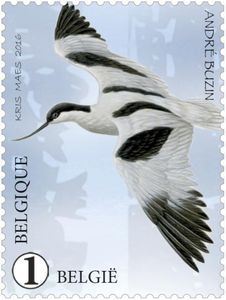
    Tot enkele decennia geleden kwamen talrijke klutenpopulaties tot broeden op de kale kwelders in het waddengebied. Na de jaren negentig van de vorige eeuw namen de aantallen echter constant af. In 2015 bedroeg het aantal broedparen nog maar een derde van het gemiddelde rond 2000. Het actuele aantal ligt ver onder de instandhoudingsdoelstellingen die voor Natura 2000 zijn geformuleerd.
    Langs de noordkust van Groningen en in de Dollard is de afname het grootst. De kluten (Recurvirostra avosetta) van de Groninger waddenkust prefereren nu binnendijkse natuurgebieden zoals de Klutenplas en Ruidhorn. Recent onderzoek wijst uit dat ook van succesvolle legsels uiteindelijk maar weinig jongen groot worden. Vergelijkbare problemen spelen in andere delen van de Waddenzee.

    Bron: Basismonitoring Wadden. Wadden in Beeld 2016

    Wadden in beeld 2016 is een uitgave van het Kernteam basismonitoring wadden van de Samenwerkingsagenda Beheer Waddenzee, waarin samenwerken ministerie IenM/Rijkswaterstaat, ministerie van EZ, Natuurorganisaties binnen de Coalitie Wadden Natuurlijk, provincies Groningen, Fryslân, Noord-Holland, NAM, Groningen Seaports, Waddenacademie, en (voor deze uitgave) de Waddeneilanden.

  • No bugs no birds

    No bugs no birds

    When Ashtabula County Master Gardeners speak to local groups about creating bird-friendly landscapes, the volunteers are often asked why certain bird species are disappearing from backyard feeders. At times the answer is simply that some birds, like goldfinches (Carduelis carduelis), move from place to place within their territory to ensure a food source isn’t depleted. Another reason is not quite so benign. Many native bird populations are in serious decline because of the loss of habitat and subsequent food sources. Last year, Audubon scientists announced that one-third of wintering North American bird populations have declined since 1966.

    Furthermore, the North American Bird Conservation Initiative (NABCI) reports that 432 of the area’s 1,154 native bird species are at risk of extinction without significant action to stop or decrease their decline. Generalists (birds that can adapt to different habitats) fare pretty well. But many species have very specific habitat and food requirements. These birds are in trouble.

    The native field sparrow (Spizella pusilla) is a good example. While the European house sparrow thrives near human habitations, the field sparrow lives in shrubby bush and grasslands, avoiding urban areas. Though still common, field sparrows have declined sharply in the last half-century, partly because of the expansion of suburbs, where they will not nest.

    Not so common any longer is the cerulean warbler (Setophaga cerulea), whose population is dropping faster than any other warbler species in the United States. Between 1966 and 1999, it declined an average of 4 percent per year throughout its eastern U.S. breeding range for a total population loss of 70 percent. Current estimates are at 560,000 birds.

    Habitat destruction because of agriculture and development is a major threat to this tiny blue avian. Habitat fragmentation also causes egg parasitism by brown-headed cowbirds, which are more likely to lay their eggs in warbler nests on the edge of forests. Any climate change that disturbs the delicately timed balance of insect emergence the birds rely on for food may further threaten cerulean warblers.

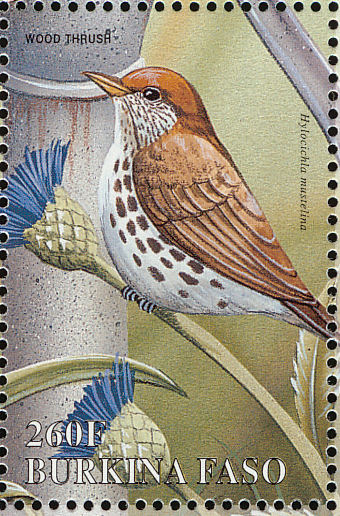
    The haunting flute-like song of wood thrushes (Hylocichla mustelina) is also disappearing from the woods in northeastern Ohio and Pennsylvania. For the past 50 years, their numbers have decreased more than 60 percent. Originally, forest loss in Central America was thought to be the primary cause of wood thrush decline, but scientists from the Smithsonian Migratory Bird Center (SMBC) have found that the steepest regional declines have likely been the result of loss of habitat on breeding grounds in North America.

    “The wood thrush is an umbrella species for other migratory birds and non-migratory species that depend on eastern deciduous forest,” Smithsonian’s Clark Rushing has said. “There’s a whole suite of species that have similar habitat requirements, so protecting wood thrush in these places will be beneficial for these other species too.”

    What can we do locally to stop or slow down the decimation of native bird populations? Unless we own thousands of acres of land, reestablishing deciduous forests can be a bit difficult. But there is one practice we can easily undertake as homeowners and gardeners to help preserve and protect many native bird species.

    We can plant natives. Planting native grasses, perennials, shrubs and trees offer protection and food sources for all of our North American birds. Indigenous insects that won’t nibble on exotic plants thrive on native species. That may seem like a good thing to gardeners, but almost all birds need bugs as a food source during the breeding season, and for many species, insects are their primary diet No bugs, no birds!

    Source: Star Beacon, May 30, 2017
    http://www.starbeacon.com/news/local_news/area-bird-population-in-trouble/article_3ba28f95-97aa-576f-87ea-1b70224a837c.html
  • End of the cuckoo bird? Sound of iconic creature becoming increasingly rare

    End of the cuckoo bird? Sound of iconic creature becoming increasingly rare

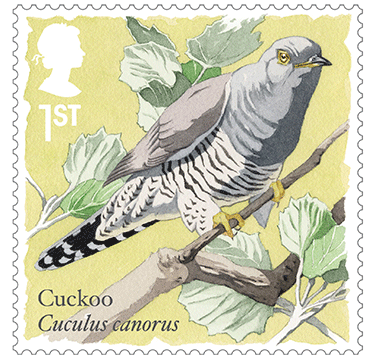
    It is the epitome of spring’s awakening but this year the sound of the cuckoo (Cuculus canorus) has become increasingly rare. The bird has declined by two thirds in twenty years. Reasons for its scarcity are unclear but one possibility is associated with its overwintering grounds in Africa. Another factor may be related to the cuckoo’s diet which consists of hairy caterpillars and the larvae of the garden tiger moth that has suffered a massive decline, along with moths in general. Pesticide spraying and grubbing out of hedgerows are probably to blame too. In 2016 it was estimated there were 13,000 to 26,000 pairs in Britain. Earlier this year it was reported how cuckoos will be given a helping hand after the National Trust outlined plans to create tens of thousands of acres of wildlife-friendly areas on its land. Habitats such as wetlands, lowland meadows, woodlands, hedgerows and field margins will be created or restored across a 10th of the trust’s 620,000 acres. The plans also aim to ensure half of all National Trust farmland is nature-friendly by 2025. The National Trust is working across England, Wales and Northern Ireland to protect species ranging from large blue butterflies to water voles, mountain hares, smooth snakes and bluebells on the land it owns or manages.

    Source: Express, May 29, 2017
    http://www.express.co.uk/news/nature/810632/Cuckoo-sound-bird-decline-risk-National-Trust

  • Grünfinken sind rar im Landkreis Mittelsachsen

    Grünfinken sind rar im Landkreis Mittelsachsen

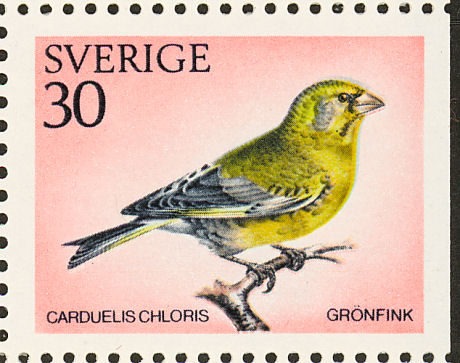
    Der Grünfink (Chloris chloris, Syn.: Carduelis chloris) hat sich rar gemacht im Landkreis Mittelsachsen. Zur diesjährigen Stunde der Gartenvögel, einer Mitmachaktion des Naturschutzbundes (Nabu), ist der Vogel im Kreis nur rund 244-mal von den Naturfreunden gesichtet worden. Ganze 30 Prozent weniger als im vergangenen Jahr. 2016 sah das noch anders auch, aber auch 2015 wurden ähnlich wenige Vertreter dieser Art gezählt.

    Siegfried Reimer, Naturschutzbeauftragter des Altkreises Döbeln, fehlt das Gezwitscher des Grünfinks. Auch ihm ist aufgefallen, dass der Vogel im Wohngebiet Döbeln-Ost II nicht mehr zu hören ist. „Er führt das auf das Nahrungsangebot zurück. Gerade während die Vögel brüten, benötigten sie vor allem eiweißreiche Nahrung. „Aber die Wiesen werden kurz gehalten, die Rapsflächen totgegiftet. Da sind keine Insekten mehr zu finden“, begründet der Naturschutzbeauftragte.

    Quelle: Sächsische Zeitung, 30.05.17
    http://www.sz-online.de/nachrichten/gruenfinken-sind-rar-3692883.html