
Neonicotinoid are the most commonly used class of insecticides. Between 2005 and 2010 neonicotinoid use in the USA and UK more than doubled. Anecdotal evidence suggests similar trends exist in New Zealand, where neonicotinoid seed coatings are now often applied prophylactically in contravention of the principles of Integrated Pest Management. This widespread use of neonicotinoid insecticides is controversial due to a lack of understanding about their persistence in the environment and the long-term consequences of their use. We present a novel, simple, low-cost method for the extraction and quantification of five neonicotinoids from soil with a detection limit <1 ng g-1. We have applied this method to soil collected from maize paddocks in New Zealand and found clothianidin and imidacloprid in 48 out of 50 samples. Neonicotinoid concentrations ranged from 0.5 to 9.4 ng g wet weight -1 imidacloprid and 2.1 to 26.7 ng g wet weight -1 clothianidin. These concentrations are likely to be hazardous to non-target organisms exposed to them. Source: Chris Pook and Iana Gritcan (2017) PeerJ Preprints | https://doi.org/10.7287/peerj.preprints.2919v1
Auteur: Henk Tennekes
-
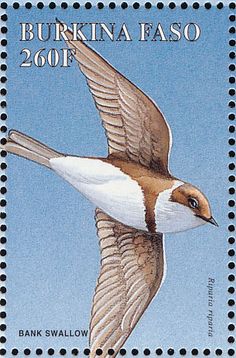
North American Bank Swallow numbers declined by 94% from 1966 to 2014
Swallows are small, speedy, short-winged aerial hunters with slender bodies and pointed wings and a tail, just like a jet airplane. The birds are quick and graceful in flight, often catching a variety of flying insects in midair during a long, dizzying air travel pattern near the water or in a meadow. These short-billed aerial hunters know exactly what they are doing. A single Barn swallow (Hirundo rustica) , for example, can consume 60 insects per hour, an amazing 850 per day. The small birds are surely one of Mother Nature’s most successful avian insect predators. They are not lazy birds either. Swallows can fly several miles from their nest site to forage for not only insects, but in some cases for spiders, snails, seeds and berries too.
A quick glance during sunset and you might think the birds were bats. The quick aerial feeding lifestyle of a swallow gives it some resemblance to a Little Brown Bat. Both hunt for insects and can dart quickly through the air, abruptly changing directions on the wing to catch a mosquito, fly, bee, or winged ant.
But as Dr. David W. Winkler, a professor and curator of birds at Cornell, points out in a July 16, 2002 interview in The New York Times there is a big difference in the way swallows and bats forage for food. “Swallows are definitely visual foragers,” and “hunt only until dark, when the bats take over.” While echolocation is used by bats to catch prey, Dr. Winkler goes on to explain that swallows have ultraviolet light vision. This helps the birds find insects, including moths and butterflies, which have body coatings that strongly reflect UV light. Their eyes could also be polarized to help spot an insect from long distances. With these important tools, “swallows can come back to the nest with up to 50 live insects in their mouths.”
One would think the birds are the best free, nontoxic pest control in the world. Yet, they cannot do it alone. With millions or billions of insects hatching out of eggs each summer, and with only a limited number of swallows in any one area, the birds can only really play a small role in mosquito population reduction. But this only means we need to increase the amount of nesting boxes, habitat and homes to expand the swallow population.
Each year several species of swallows migrate to nesting sites around New York Harbor. While not as famous as the “Swallows of Capistrano” in San Juan Capistrano, California, they are no less entertaining to observe during their spring arrival in April and during their fanciful feeding and breeding activates throughout late spring and summer.
In the past two decades I have observed generally five species of swallows nesting around the harbor: Purple martins (Progne subis), Tree swallows (Tachycineta bicolor), Bank swallows (Riparia riparia), Cliff swallows (Petrochelidon pyrrhonota), and Barn swallows. Occasionally a rough-winged swallow (Stelgidopteryx serripennis) will also be spotted near the water, but unlike most other swallows, the rough-winged species does not form colonies and is solitary in nesting to make it more difficult to study.In greater profusion are tree swallows, which have taken advantage of the abundance of Blue bird houses in fields, marshes, and near shorelines throughout New York Harbor to build nests and raise young. The birds love to live near the water, where there is a wealth of flying insects for food. Tree swallows arrive early around the harbor in the spring, migrating from far away wintering areas in Florida or farther south into Mexico, Cuba or Central America. The birds can sometimes arrive to the harbor as early as March, usually after several days with temperatures above 60°F, providing hope that spring is right around the corner, but more importantly for swallows to stake out prime nesting territories.
Barn and Cliff swallows are also frequent birds around the estuary. Just the other day, I spotted about two dozen Barn swallows in flight at Sandy Hook NRA. They were quickly dipping down to a large wet field to take clumps of mud in their tiny beaks. As my grandfather used to say, “it’s a sure sign of summer when you see Barn swallows flying back and forth with mud in their beaks to a barn or building where they build a nest.”
Nowadays their nests can also be found under bridges or docks, or overhanging on decks and patios or built under eaves of buildings. Both Barn and Cliff swallows construct nests formed from mud pellets that they collect in their beaks. Barn swallow nests are cup shaped, while Cliff swallow nests are gourd-shaped. Both male and female will make up to 1,000 trips to collect mud and build a nest made of mud pellets lined with dried grass, hair, and feathers. But the birds do not stay long here, spending only enough time to raise a family. Southbound fall migration for Barn swallows to Central or South America may begin as early as mid-July around New York Harbor, and mid-August for Cliff swallows to South America.
Bank swallows are the smallest of our swallows, only about five inches in length. The small birds migrate to the harbor from Central America and are usually seen in flocks, nesting in sandy holes along streamside cliffs or in the bluffs on beaches. The birds prefer to nest in burrows excavated in a steep bank of loose soil using their tiny bills and small feet. It’s an amazing achievement when you consider one bird makes one burrow with no help. A male swallow will dig a burrow into the bank before he has a mate. When males have completed creating their burrows, females will then hover in front of potential nests to choose a mate and his nest site. Sometimes dozens of holes in a sandy cliff can be seen while paddling along a stream bank around New York Harbor.
From the smallest to the largest swallow. Purple martins, also a member of the swallow family, can reach up to 8 ½ inches in length. They migrate all the way from South America to exclusively nest in their own private home, a manufactured martin house placed in an open area near the water around New York Harbor. The birds learned a long time ago that the closer they nest to humans, the fewer predators will move forward to steal their eggs. As a result, much of the eastern North American population now nests completely in Purple martin housing. It’s like a condominium complex, with dozens of martins nesting in the same spot.
But this is a good thing. We need more homes and habitat for the swallows that call New York Harbor home during the summer. The Purple martin population has been declining around New York Harbor for several decades due to the loss of nesting sites.
This is true for other swallows as well. For example, North American Bank Swallow numbers declined by over 5% per year from 1966 to 2014, resulting in a cumulative decline of 94%, according to the North American Breeding Bird Survey.
Yet, population status can vary greatly. When the availability of good nesting sites and food are abundant then populations increase, but comprehensive development along waterways do not often take into consideration the needs of swallows and the poor birds often find themselves ousted from once prime habitat. Bad-mannered people who do not understand the needs of wildlife or dislike having birds nesting on or near their buildings or structure often destroy good nesting sites.
Even when favorable nesting locations for swallows are found, it’s often not easy being a baby bird. Nests may fall apart or young swallows may fall out of nests or die from nest infestations of parasitic insects and mites. Increasing predator populations in urban-suburban environments, including crows, starlings, house sparrows, domestic cats, and rats also play a role in decreasing significantly swallow populations by injuring or killing eggs and nestlings. Weather as well can limit the swallow population. The birds are sensitive to cold snaps that last more than three or four days. This makes it more difficult to forage for insects and many birds starve for the lack of food.
With all this stress, it’s anyone’s guess how long the swallows of New York Harbor can last. But for now, the birds are busy nesting and raising families that will hopefully keep this group of birds going on around this urban-suburban estuary.
Later in the year, the swallows will once again begin their long southbound migration to tropical climates to spend the winter. They often gather in large groups (sometimes as many as 2,000 birds) on telephone wires before departing. Swallows migrate during the day, foraging for food and continuing being successful insect predators along the way.
To view more pictures, video, or stories of wildlife around Sandy Hook Bay, Raritan Bay, and Lower New York Bay, please visit my nature blog, NY Harbor Nature at http://www.nyharbornature.com
Source: AH Herald, May 30, 2017
http://www.ahherald.com/columns-list/old-oak-trail/24213-the-swallows-of-new-york-harbor -

Murray-Darling Basin’s water birds in dramatic decline, study shows
New research has found a dramatic decline in water birds in the Murray-Darling Basin, with numbers down about 70 per cent in the past three decades. A University of New South Wales team found the alarming drop after crunching 32 years of data. The study has been published today in the Global Change Biology journal. Director of the UNSW Centre for Ecosystem Science, Richard Kingsford, who surveys up to 2,000 wetlands around Australia annually, headed up the research. “We survey all water birds from pelicans to swans to sharp tail sandpipers — which are migratory shore birds — egrets and ibis,” he said.
“We found that more than 70 per cent decline in water bird numbers, and there is a big issue here as we compared one river basin with no dams and the other with dams — the Murray-Darling Basin — and most of that decline was in the Murray-Darling Basin wetlands.” The Murray-Darling Basin has 240 dams and stores 30,000 gigalitres of water. The similarly sized Lake Eyre in South Australia has only one dam. The scientists found between 1983 and 2014 there were no significant changes in water bird numbers in the Lake Eyre Basin.
Their analysis of the Murray-Darling however found an alarming reduction in dozens of water bird species. “The birds have either died or they haven’t bred as much as they did in the past, what we expected in the past,” Professor Kingsford said. “We separated that group into all of the birds that eat fish, all of the birds that eat invertebrates and vegetation, and what we’re seeing is that all of those groups are also declining, which tells you the whole of the ecosystem is in decline.”
Source: ABC News, June 5, 2017
http://www.abc.net.au/news/2017-06-05/murray-darling-basin-waterbirds-population-declining/8587720 -
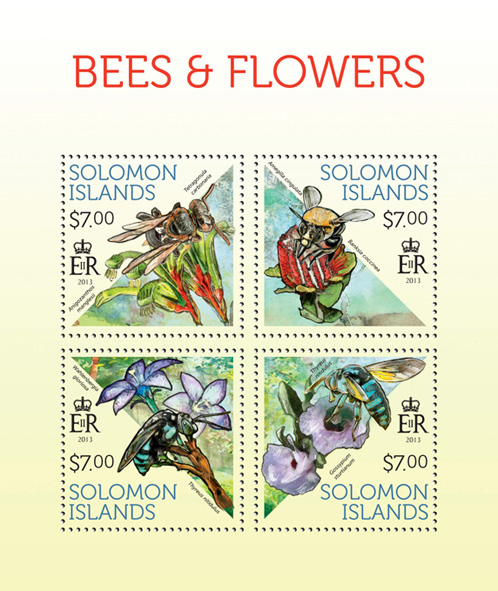
Bees are disappearing in India
Since around 2002, farmers in Odisha have been noticing that fewer bees visit their fields each year. It was not just one single species of bees that began to disappear, but several, many of which farmers knew were linked to the health of their fields. They are not alone. For years, similar anecdotal information has been streaming in from farmers in places as far apart as Punjab and Kerala, Maharashtra and Tripura. Scientists so far have found it difficult to verify this information, largely because of the lack of already existing data to compare it with. A study published in the peer-reviewed journal Biological Conservation in May 2017 now tries to augment India’s information by looking at data from farmers instead.
“We asked farmers if they could identify various kinds of bees and they actually stated the percentage-wise declines of these bee populations in this area,” said Parthib Basu, a co-author of the study, and lead scientist at the Centre for Pollination Studies, which comes under the Department of Zoology at the University of Calcutta. “These are perhaps first-ever published accounts of such a decline in such terms from India.”
The study confirms a view that has been considered unorthodox by some in the scientific community – that those who live on the land are often its closest observers and that their contributions to scientific knowledge should not be dismissed.
Ominous reports of bee colonies collapsing seemingly without reason have been reported around the world at least since 2006. Reports of species extinctions have become increasingly common in the last few decades, but the case of bees has particularly alarming implications for human existence.
This is because bees are pollinators, which is to say that they help plants to transfer pollen from male to female parts and so help in fertilisation. While staple crops such as paddy and wheat self-pollinate, many vegetables and fruits rely heavily on external pollinators such as bees to reproduce. In the absence of these pollinators, productivity might decline as much as 80% for some plant species.
The mystery has perplexed scientists around the world for 20 years now. Three studies released around 2012 narrowed down the cause to neonicotinoids, a very popular class of pesticides that can be lethal for bees’ functioning. Studies after that have complicated the adverse relationship between bees and pesticides, linking their decline also to intensive agriculture that is known to contribute to lower biodiversity.
India might not have monocropping on the vast scale of Europe or North America, but many of its farmers do practice intensive agriculture – where land is not being deforested and consumed for industrial purposes.
This and other studies from the Centre for Pollination Studies make perhaps the most significant contribution to the growing knowledge base around bees in India. Since 2011, Basu and his team of scientists, along with local field workers – all of whom are mentioned as co-authors in these papers for their work in collecting data – have been documenting different aspects of the bees’ decline, including higher rates of oxidation in honey bees exposed to pesticides, which makes them age faster.
As expected, land with lower pesticide use had higher diversity of bee species, according to another study from the centre. A third study showed that bees exposed to pesticide stress lost their sense of smell due to warping of their antennae – and so were unable to return to their hives, which contributes, again, both to their eventual starvation and to the collapse of the hive at large.
“These changes must have been taking place with the introduction of pesticides over the last four to five decades,” Basu said. “We started with farmers’ perceptions that bees were reducing and now we also know the reasons.”
Source: Scroll.in, June 5, 2017
https://scroll.in/article/839067/bees-are-disappearing-in-india-and-we-are-slowly-learning-why -

Die stetige Intensivierung der Agrarwirtschaft muss ein Ende haben
Zur heutigen Vorstellung der Roten Liste gefährdeter Biotope durch Umweltministerin Hendricks erklärt Steffi Lemke, Sprecherin für Naturschutz: Der Bericht ist ein Desaster für die Bundesregierung. Wenn Weiden und Wiesen in ihrem ökologischen Gleichgewicht derart bedroht sind, wirft das auch ein schlechtes Licht auf die Umweltministerin. Dass fast zwei Drittel der Lebensräume in Gefahr sind, hat weitreichende Folgen für die Artenvielfalt. Drei von vier hier heimischen Vögeln sind gefährdet. 35 Prozent der Ackerwildkräuter und 39 Wildbienenarten sind ausgestorben. 40 Prozent der Tagfalter sind vom Aussterben bedroht.
Die Bundesregierung scheitert selbst an ihren eigenen Zielen. Schon vor 10 Jahren im November 2007 wurde unter dem damaligen Umweltminister Gabriel die Nationale Strategie zur biologischen Vielfalt beschlossen – die Probleme sind allemal bekannt und erforscht, die Lösungen liegen vielfach auf dem Tisch. Doch von einem konsequenten Schutz der Artenvielfalt sind wir noch weit entfernt.
Umweltministerin Hendricks tat sich immer wieder durch blumige Ankündigungen hervor. Doch wenn es um die harte Auseinandersetzung ging, lies sie sich von Landwirtschaftsminister Schmidt über den Tisch ziehen. Dabei ist die industrielle Landwirtschaft die größte Bedrohung für die Artenvielfalt und die Offenlandschaften. Die stetige Intensivierung der Agrarwirtschaft muss ein Ende haben.
Wir brauchen weniger Pestizide auf die Felder, ein Verbot von Glyphosat in Europa, eine strenge Düngegesetzgebung, und einen Stopp des Flächenfraß – diese Initiativen fehlen in Frau Hendriks Bilanz.
Quelle: gruene-bundestag.de
http://www.bundesumweltportal.de/berlin/6-berlin/bilanz-hendricks-verlorene-jahre-fuer-den-naturschutz.html -

The Disturbing Origins Of ADHD
Hyperactivity Disorder or ADHD is a disorder of modern times, affecting more and more of America’s children. While the origins of ADHD are surprising and disturbing, alleviating or even reversing symptoms is possible. Twelve percent of U.S. children and teens had a diagnosis of Attention Deficit/Hyperactivity Disorder (ADHD) in 2011, a number that has jumped by 43 percent since 2003, according to a large national study based on parental reports of an ADHD diagnosis according to a recent analysis.
Because of other pesticide use from generations before us you may or may not be surprised to learn that toxic heavy metals have been moving through the tissues of your prior relatives and you for generations. According to research, “heavy metals are commonly found in both polluted and unpolluted environments, water, and soils, because most of them naturally occur all around the globe. Although heavy metals are commonly found in the Earth’s crust, they are found in elevated amounts in agricultural soil because of outrageous use of commercial fertilizers, and of contamination caused by manufacturing plants. Heavy metals, it seems are everywhere – including your child’s body.”
Although not fully understood, the current science tells us that heavy metal toxicity is genetic, instead of inherited – use the term epigenetics and assert that heavy metals alters gene expression from generation to generation. Science also classifies children in polluted areas to have a higher heavy metal load, when in fact heavy metals affect everyone. Heavy metals aren’t only passed on from generation to generation, they’re in our food, thanks liberal use of commercial pesticides, as well as on our lawns and in the air and the only protection we have against them are eating the proper foods in our diet that help remove them.
Source: Emax Health, June 3, 2017
https://www.emaxhealth.com/13638/disturbing-origins-adhd -
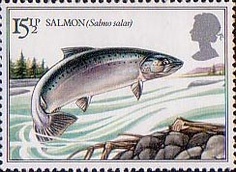
Scottish government accused of colluding with drug giant over pesticides scandal
The Scottish Government allowed a US drug company to secretly rubbish a scientific study blaming one of its pesticides for killing wildlife in Scottish sea lochs. The Sunday Herald has uncovered that the £76 billion New Jersey multinational, Merck, hired reviewers to criticise evidence in a scientific study that the company’s fish farm chemical was causing widespread environmental damage. The scientists behind the study and the Scottish Environment Protection Agency (Sepa) privately protested about Merck’s involvement. But they were overruled by government and salmon industry officials who insisted that the company’s role should be kept secret.
Merck’s behind-the-scenes influence has been exposed by more than 70 megabytes of internal documents released by the Crown Estate under freedom of information law. They also show that government and industry agreed not to issue a press release on the study. The revelations have been described as “extraordinary” by environmentalists, who are demanding a ban on the pesticide. Merck said that the study had “limitations” and the Scottish Government defended the anonymity of reviewers.
Merck, known as MSD Animal Health in the UK, makes Slice, a pesticide containing emamectin benzoate to kill the sea lice that plague caged salmon. The Sunday Herald disclosed in February that at least 45 lochs were contaminated with the chemical. We subsequently reported that Sepa had suppressed a report about emamectin and ditched a plan to ban it after pressure from the fish farming industry. But until now the role of Merck has remained hidden.
Central to the saga is a study carried out by the Scottish Association for Marine Science (SAMS) in Oban for the Scottish Aquaculture Research Forum (SARF). SARF is a charity funded by the Scottish Government and the fish farming industry to support a “sustainable” fish farming industry. The study, which was posted online in August 2016, suggested that emamectin contamination of the seabed was causing “substantial, wide-scale reductions” in crabs, lobsters and other crustaceans. But it was contained within a second report that cast major doubts on its findings. The second report was said to have been the result of concerns from “independent” but unnamed referees. But internal communications name Merck as responsible for the criticisms.
In a 25-page response to the criticisms in December 2015 Professor Kenny Black and Dr Tom Wilding from SAMS said that four of the five reviewers were “from Merck”. In an email to SARF in May 2016 they warned that “questions will be asked about the independence of the review process”. In another email the following month they expressed concern that refusing to admit the company’s role “might reflect negatively” on the review “if/when this information becomes public.” Their concerns were supported by Sepa’s fish farming expert, Douglas Sinclair, who described the criticisms from Merck’s referees as “rather harsh”. However he added that Sepa would not make “an issue” of the matter given it was likely to be a “lone voice” late in the process.
Other emails show officials from the Scottish Government, the Crown Estate and the fish farming industry on SARF’s board of trustees all agreed that the identity of referees should remain confidential. They also decided not to press release the study. The documents were obtained by the wild fish campaign group, Salmon and Trout Conservation Scotland. “This is a classic of how to deal with the unwanted results of environmental research,” said the group’s lawyer, Guy Linley-Adams. “Allow those most threatened by the research to organise and hold sway over a peer review process, ensure that reviewers are set up to review extremely critically, give them anonymity. And then try to bury the report for good measure.” Linley-Adams described Sepa’s failure to stand up to the process as “shocking” and demanded that it bans emamectin. He accused the Scottish Government of going “along for the ride with the fish farming lobby”.
Dr Richard Luxmoore, senior nature conservation adviser at the National Trust for Scotland, said: “It is extraordinary that SARF could think it acceptable to use consultants employed by the manufacturers of the chemicals to review a report on their environmental impact.” He added: “The efforts that these reviews have made to pick holes in a study of environmental pollution are remarkable. They read not like objective evaluations, but more like a concerted attempt to discredit an inconvenient truth.”
The Scottish Creel Fishermen’s Federation has labelled pollution from fish farms as “the biggest darkness on our doorstep”. The federation’s national coordinator, Alistair Sinclair, accused the government of “playing fast and loose with the marine environment”.
Merck’s UK arm, MSD Animal Health, stressed the value of emamectin in controlling sea lice, and its support for high quality research. “We have noted some limitations in the retrospective analysis purporting to assess the effects of emamectin benzoate on benthic crustaceans,” said a company spokeswoman.
Emamectin had been approved by regulatory agencies in all countries where sea lice were a significant problem for the salmon industry, she added. “It has been used for more than 15 years for the safe and effective treatment and prevention of infestations of all parasitic stages of sea lice on Atlantic salmon.”
The Scottish Government highlighted its commitment to “sustainable growth” of the fish farming industry. “It is normal for the reviewers of scientific work to be anonymous and several reviewers are used to make that process robust,” said a spokesman.
According to the fish farming industry, the SAMS study was inconclusive. “The board of SARF felt that it was important for a layman’s commentary to be published alongside the report to explain their reservations and set its findings in proper context,” said Scott Landsburgh, chief executive the Scottish Salmon Producers’ Organisation.
SAMS said it stood by its study, adding that it reported its results “openly and without prejudice.” Sepa pointed out that the experts involved in peer reviews were not always named. The Crown Estate just said that the report had been published. SARF did not respond to requests to comment.
Source: Sunday Herald, 4 June 2017
http://www.heraldscotland.com/news/15326945.Scottish_government_accused_of_colluding_with_drug_giant_over_pesticides_scandal/ -

Pesticides can cause brain damage and organic food is the future, EU report says
Eating food with high levels of pesticides has an adverse effect on the brain, according to a review of existing scientific evidence commissioned by the European Parliament. The MEPs wanted to know whether organic food was healthier than conventionally grown crops and asked experts to look at the relevant research. A report based on the review said a California study had found that children whose mothers had traces of organophosphate metabolites – the basis for many pesticides – during pregnancy were more likely to have “adverse mental development at two years of age, attention problems at three-and-a-half and five years, and poorer intellectual development at seven years”.
Another study calculated that an estimated 13 million IQ points a year are lost as a result of pesticides, which represents a loss of approximately €125bn (£109bn) across the European Union. The experts also raised concerns about pesticide regulation. While they undergo “a comprehensive risk assessment before market release … important gaps remain,” they said. “At least 100 different pesticides … [are] known to cause adverse neurological effects in adults and all of these substances must therefore be suspected of being capable of damaging developing brains as well,” they added.
Organic food, however, contains low pesticide levels and the “potential risks to human health are largely avoided”.Professor Ewa Rembiałkowska, of Warsaw University, said: “There are indications that organic crops have a lower cadmium content than conventional crops due to differences in fertiliser use and soil organic matter, an issue that is highly relevant to human health. “Organic milk has a higher content of beneficial omega-3 fatty acids compared to conventional milk, although we cannot currently derive any specific health benefit from this.” And Professor Johannes Kahl said: “We find that people who prefer organic food also have overall healthier dietary preferences, including more vegetables, fruits, and wholegrain products and less meat. “These patterns are also favourable from the perspective of environmental sustainability.”
The report concluded that there was a link between organic food consumption and a decreased risk of allergic diseases, as well as potential benefits for overweight or obesity people.
Source: The Independent, 3 June 2017
http://www.independent.co.uk/environment/environment-report-eu-pesticide-link-brain-damage-lower-iq-billions-of-pounds-lost-organic-food-a7771056.html -
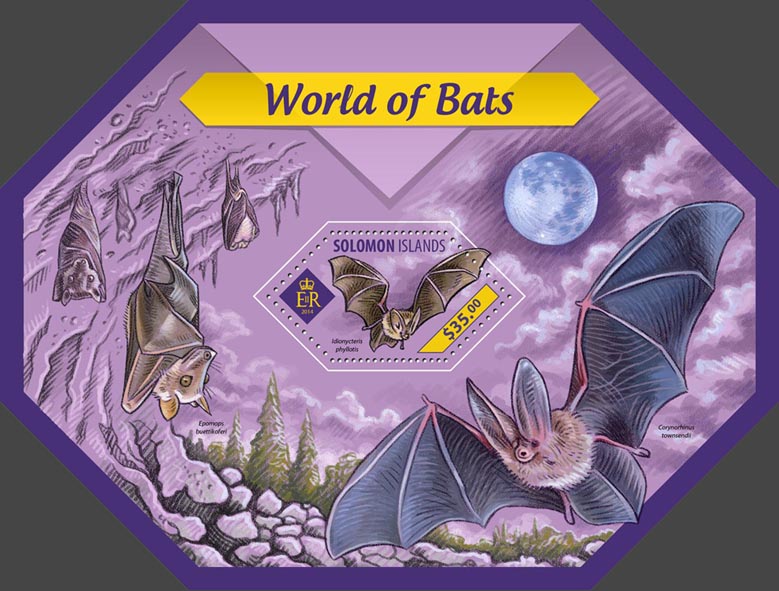
Mysterieuze ziekte velt vleermuis
De Vleermuiswerkgroep Groningen is bezorgd. Door een raadselachtige ziekte zijn vijf dwergvleermuizen overleden. De werkgroep vreest voor een virus. Afgelopen week kreeg Anja Sjoerdsma vijf zieke zwangere dwergvleermuizen binnen in haar Vleermuisopvang in Adorp. Ze werden gevonden op verschillende plekken in de provincie Groningen: Tolbert, Zuidhorn, Zuidwolde (Bedum), Ruischerbrug en Uskwerd. Vier zijn al overleden. ,,De vijfde uit Uskwerd werd vrijdag binnen gebracht. Zij redt het denk ik ook niet’’, zegt Sjoerdsma. De dieren wilden niet eten of drinken en hadden een lichte tong. Ook werd er in Groningen op een balkon een dood mannetje gevonden met dezelfde symptomen. ,,Als het maar eentje was, maakte ik me geen zorgen. Maar dit zijn er al vijf’’, zegt Klarissa Nienhuys, coördinator van Vleermuisgroep Groningen. ,,Ze krijgen maar een jong per jaar. Een derde daarvan overleeft het in het wild vaak niet. Als tijdens de kraamtijd moeders en zwangere vrouwtjes dood gaan, blijft er straks niets over.’’ Sjoerdsma is ook ongerust. ,,Ik heb geen idee wat voor ziekte het is. Ik wil geen paniek zaaien, maar mensen alert maken.’’
Het veterinair laboratorium in Lelystad onderzoekt de dieren nu. Dit onderzoek kan drie weken duren.
Bron: Dagblad van het Noorden, 02-06-17
http://www.dvhn.nl/groningen/Mysterieuze-ziekte-velt-vleermuis-22260866.html -

Gesamtmenge der ausgebrachten Pflanzenschutzmittel stieg zwischen 2009 und 2015 auf 34.700 Tonnen
Der Vogelbestand schwindet, die Bienen sterben, kaum Summen und Zwitschern, der Frühling bleibt stumm. Berichte dieses Tenors hat es in den vergangenen Wochen viele gegeben. Der Rückgang der Insekten und Vögel ist eng mit landwirtschaftlichen Monokulturen und dem Einsatz von Pestiziden aller Art verknüpft. Das Umweltbundesamt kommt in einer Stellungnahme aus diesem Frühjahr zu dem Ergebnis, dass das Ausbringen der Mittel „zahlreiche Risiken für die Umwelt einschließlich der biologischen Vielfalt“ berge. Die Biodiversität in der Agrarlandschaft nehme weiter ab. Dessen ungeachtet sei „der Absatz von Pflanzenschutzmitteln in den letzten Jahren weiter angestiegen“. Diesen Befund bestätigt nun die Bundesregierung auf eine Anfrage der Grünenfraktion im Bundestag in erschreckendem Umfang. Danach stieg die Gesamtmenge der in Deutschland ausgebrachten Pflanzschutzmittel zwischen 2009 und 2015 um rund 4600 auf 34.700 Tonnen.
„Wenn immer mehr giftige Pestizide auf unsere Äcker gespritzt werden, darf sich niemand wundern, wenn Schmetterlinge, Bienen und Lerchen verschwinden“, sagte Fraktionsvize Oliver Krischer dieser Zeitung.
Quelle: Berliner Zeitung, 11.05.17
http://www.berliner-zeitung.de/politik/gruenenanfrage-fraktionsvize-gibt-bundesregierung-schuld-an-steigenden-pestizidwerten-26883948