Auteur: Henk Tennekes

  • Midwestern streams were found to contain 52 pesticides on average

    Midwestern streams were found to contain 52 pesticides on average

    More than 180 pesticides and their by-products were detected in small streams throughout 11 Midwestern states, some at concentrations likely to harm aquatic insects, according to a new study by the U.S. Geological Survey. The mixtures of pesticides are more complex than previously reported by the USGS—94 pesticides and 89 pesticide byproducts were detected. On average, 52 pesticide compounds were identified in each stream. At least one pesticide in at least half of the 100 streams sampled exceeded a threshold predicted to cause harm to aquatic insects and other stream organisms, ranging from acute effects—like death after a short-term exposure—to chronic effects—like longer-term impairments to reproduction and development. Two to four pesticides exceeded that threshold in more than a quarter of the streams. Aquatic insects, like mayfly and stonefly larvae, are critical to stream health because they are an essential link in the aquatic food web.

    While numerous pesticides were detected at low levels, only a few—atrazine, acetochlor, metolachlor, imidacloprid, fipronil, and organophosphate insecticides—were predicted to be major contributors to toxicity. The first three are widely used agricultural herbicides, and the latter three are insecticides used in both residential and agricultural settings.

    This is one of the most extensive assessments of pesticides in streams to date: 1,200 samples were collected at 100 Midwest streams over a 12-week period during the 2013 growing season and analyzed for 228 pesticide compounds. Numbers of streams tested in each state include: Illinois (19 sites), Indiana (15), Iowa (17), Kansas (3), Kentucky (3), Minnesota (7), Missouri (14), Nebraska (8), Ohio (7), South Dakota (1), and Wisconsin (6).

    Source: USGS, August 9, 2017
    https://www.usgs.gov/news/pesticides-prevalent-midwestern-streams

  • Imidacloprid may impact bobwhite quail embryonic development and chick survival

    Imidacloprid may impact bobwhite quail embryonic development and chick survival

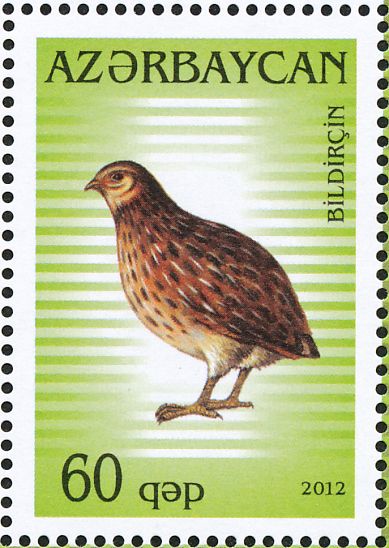
    The goal of this research was to investigate the effects of the neonicotinoid imidacloprid on the morphological and physiological development of northern bobwhite quail (Colinus virginianus). Bobwhite eggs (n = 390) were injected with imidacloprid concentrations of 0 (sham), 10, 50, 100, and 150 mg/kg of egg mass, which was administered at day 0 (pre-incubation), 3, 6, 9, or 12 of growth. Embryos were dissected, weighed, staged, and examined for any overt structural deformities after 19 days of incubation. The mass of the embryonic heart, liver, lungs and kidneys was also recorded. The majority of treatments produced no discernible differences in embryo morphology; however, in some instances, embryos were subject to increased frequency of anatomical deformity and altered organ masses. Some impacts were more pronounced in specific dosing periods, implying that there may be critical windows of development when embryos are more susceptible to neonicotinoid exposure. This investigation suggests that imidacloprid has the potential to impact bobwhite quail embryonic development and chick survival.

    Source:

    Amanda Gobeli et al. Comparative Biochemistry and Physiology Part C: Toxicology & Pharmacology, Volume 195, May 2017, Pages 9-15
    https://doi.org/10.1016/j.cbpc.2017.02.001
    http://www.sciencedirect.com/science/article/pii/S1532045617300303

  • Occurrence of imidacloprid in Italian house dust

    Occurrence of imidacloprid in Italian house dust

    The occurrence of pesticides intended for non-agricultural use was investigated in 206 dust samples drawn from vacuum-cleaner bags from residential flats in Italy. The results indicated the presence of imidacloprid (IMI) in 30% of the samples. According to the estimated dust intake in infants/toddlers aged 6–24 months (16–100 mg d−1) and cats (200 mg d−1), it was possible to obtain risk characterization with respect to the Acceptable Daily Intake (ADI) for IMI of 0.060 mg/kg body weight (bw) proposed by EFSA and the chronic Population Adjusted Dose (cPAD) of 0.019 mg/kg bw d−1 by US-EPA. Under the worst-case scenario, the presence of IMI in dust indicates potential exceedance of the cPAD in kittens, to be considered as sentinel also accounting for combined exposure. This study highlights the relevance of consumer empowerment about the responsible use of pesticides as biocidal products in indoor environment.

    Source:
    Severyn Salis, Cecilia Testa, Paola Roncada, Sara Armorini, Nicola Rubattu, Angelo Ferrari, Roberto Miniero & Gianfranco Brambilla (2017)
    Journal of Environmental Science and Health, Part B
    http://dx.doi.org/10.1080/03601234.2017.1331675
    http://www.tandfonline.com/doi/citedby/10.1080/03601234.2017.1331675?scroll=top&needAccess=true

  • Photolysis on environmental surfaces increases toxicity of imidacloprid

    Photolysis on environmental surfaces increases toxicity of imidacloprid

    Imidacloprid (IMD) is the most widely used neonicotinoid insecticide found on environmental surfaces and in water. Analysis of surface-bound IMD photolysis products was performed using attenuated total reflectance Fourier transfer infrared (ATR-FTIR) analysis, electrospray ionization (ESI-MS), direct analysis in real time mass spectrometry (DART-MS), and transmission FTIR for gas-phase products. Photolysis quantum yields (ϕ) for loss of IMD were determined to be (1.6 ± 0.6) × 10–3 (1s) at 305 nm and (8.5 ± 2.1) × 10–3 (1s) at 254 nm. The major product is the imidacloprid urea derivative (IMD-UR, 84% yield), with smaller amounts of the desnitro-imidacloprid (DN-IMD, 16% yield) product, and gaseous nitrous oxide (N2O). Theoretical calculations show that the first step of the main mechanism is the photodissociation of NO2, which then recombines with the ground electronic state of IMD radical to form IMD-UR and N2O in a thermally driven process. The photolytic lifetime of IMD at a solar zenith angle of 35° is calculated to be 16 h, indicating the significant reaction of IMD over the course of a day. Desnitro-imidacloprid has been identified by others as having increased binding to target receptors compared to IMD, suggesting that photolysis on environmental surfaces increases toxicity.

    Source:
    Kifle Z. Aregahegn, Dorit Shemesh, R. Benny Gerber, and Barbara J. Finlayson-Pitts.
    Environ. Sci. Technol., 2017, 51 (5), pp 2660–2668
    DOI: 10.1021/acs.est.6b04842
    http://pubs.acs.org/doi/full/10.1021/acs.est.6b04842

  • Comparative toxicity of imidacloprid and thiacloprid to different species of soil invertebrates

    Comparative toxicity of imidacloprid and thiacloprid to different species of soil invertebrates

    This study determined the toxicity of imidacloprid and thiacloprid to five species of soil invertebrates: earthworms (Eisenia andrei), enchytraeids (Enchytraeus crypticus), Collembola (Folsomia candida), oribatid mites (Oppia nitens) and isopods (Porcellio scaber). Tests focused on survival and reproduction or growth, after 3–5 weeks exposure in natural LUFA 2.2 standard soil. Imidacloprid was more toxic than thiacloprid for all species tested. F. candida and E. andrei were the most sensitive species, with LC50s of 0.20–0.62 and 0.77 mg/kg dry soil for imidacloprid and 2.7–3.9 and 7.1 mg/kg dry soil for thiacloprid. EC50s for effects on the reproduction of F. candida and E. andrei were 0.097–0.30 and 0.39 mg/kg dry soil for imidacloprid and 1.7–2.4 and 0.44 mg/kg dry soil for thiacloprid. The least sensitive species were O. nitens and P. scaber. Enchytraeids were a factor of 5–40 less sensitive than the taxonomically related earthworm, depending on the endpoint considered. Although not all the species showed high sensitivity to the neonicotinoids tested, these results raise awareness about the effects these insecticides can have on non-target soil invertebrates.

    Source:
    Cláudia de Lima e Silva,Nicola Brennan, Jitske M. Brouwer, Daniël Commandeur, Rudo A. Verweij, Cornelis A. M. van Gestel. Ecotoxicology May 2017, Volume 26, Issue 4, pp 555–564
    https://link.springer.com/article/10.1007/s10646-017-1790-7

  • Comparative ecotoxicity of imidacloprid and dinotefuran to aquatic insects in rice mesocosms

    Comparative ecotoxicity of imidacloprid and dinotefuran to aquatic insects in rice mesocosms

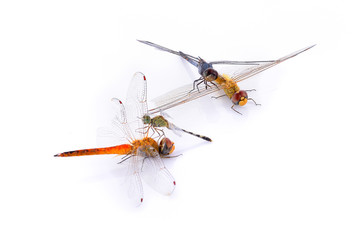
    In this study, effects of two neonicotinoid insecticides, imidacloprid and dinotefuran, on aquatic insect assemblages were evaluated in experimental rice mesocosms. During the 5-month period of the rice-growing season, residual concentrations of imidacloprid were 5–10 times higher than those of dinotefuran in both soil and water. Imidacloprid treatment (10 kg/ha) reduced significantly the populations of, Crocothemis servilia mariannae and Lyriothemis pachygastra nymphs, whereas those of Orthetrum albistylum speciosum increased slightly throughout the experimental period. However, Notonecta triguttata, which numbers were high from the start, later declined, indicating possible delayed chronic toxicity, while Guignotus japonicus disappeared. In contrast, dinotefuran (10 kg/ha) did not decrease the populations of any species, but rather increased the abundance of some insects, particularly Chironominae spp. larvae and C. servilia mariannae nymphs, with the latter being 1.7x higher than those of controls. This was an indirect effect resulting from increased prey (e.g., chironomid larvae) and lack of competition with other dragonfly species. The susceptibilities of dragonfly nymphs to neonicotinoids, particularly imidacloprid, were consistent with those reported elsewhere.
    Source:
    Koji Kobashi et al. Ecotoxicology and Environmental Safety 138 (2017) 122–129

  • Die Insekten sterben lautlos

    Die Insekten sterben lautlos

    Dass die Insekten auf dem Rückzug sind, ist vielen Menschen nicht bewusst. Eine Ausnahme bilden die Bienen. Ihr Niedergang ist bereits länger bekannt, was unter anderem daran liegt, dass sie als fleissige und nützliche Tiere gelten. Der Rest ist meistens nur lästig. Erst langsam spricht sich herum, dass auch Falter, Fliegen und Wespen bedroht sind.

    Es ist bezeichnend, dass ihr Verschwinden vor allem als Windschutzscheiben-Phänomen wahrgenommen wird. Wo noch vor wenigen Jahrzehnten hartnäckiger Fliegen- und Wespenbrei die Sicht beim Autofahren behinderte, klatschen heute kaum noch Insekten auf die Scheibe.

    Wer über das Ausmass des Sterbens mehr erfahren möchte, muss nach Nordrhein-Westfalen fahren. Am Niederrhein führt der Entomologische Verein Krefeld seit Jahrzehnten Buch über den Zustand der Insektenwelt. Der Verein ist längst eine Institution, nicht nur unter Experten. Seit 1905 trägt er Bestandszahlen von Standorten im Rheinland zusammen. Auf ihr Archiv sind sie in Krefeld besonders stolz.

    Dass heute überhaupt belastbare Zahlen vorliegen, ist das einzigartige Verdienst des Krefelder Vereins. Ohne seine Erhebungen wäre wohl immer noch nicht bekannt, wie schlecht es um die Insekten wirklich steht. Im Dezember 2013 entschloss sich der Verein, eine seiner «Entomologischen Mitteilungen» herauszugeben. Der Inhalt hatte es in sich: Mehr als drei Viertel aller Insekten sind verschwunden – und das in weniger als 25 Jahren. Die Medien griffen das Thema sofort auf. Und die Leute sprachen plötzlich vom Insektensterben.

    Diese Zahl tauchte in Zeitungen auf, in Pressemitteilungen der Umweltverbände und kürzlich auch im Wahlprogramm der deutschen Grünen. Tatsächlich stammt der Wert aber nur von zwei Standorten in einem Krefelder Naturschutzgebiet. Gingen dort Ende der achtziger Jahre noch 1400 Gramm Insekten unterschiedlichster Arten in die Falle, sammelten sich in den vergangenen Jahren bloss noch 300 Gramm.

    Der Rückgang umfasst Fliegen und Mücken, aber auch Schmetterlinge und Bienen. Bei den Schwebfliegen ging die Zahl an einem anderen Standort von exakt 17 291 Exemplaren und 143 Arten im Jahr 1989 auf 2737 Exemplare und 104 Arten zurück.

    Aber kann man die beiden Befunde aus dem Orbroicher Bruch einfach auf ganz Mitteleuropa übertragen? «Natürlich nicht», sagt Martin Sorg. Es handle sich um punktuelle Messungen. Aber überall, wo man nachschaue, seien die Bestände rückläufig. Nicht nur die Standorte in Nordrhein-Westfalen sind klar im Minus, sondern auch Messungen aus Südengland, den Niederlanden und Ungarn. Zudem, so Sorg, sei der Rückgang von Insektenpopulationen ein Thema, das ihm auch in alten Texten immer wieder begegne.

    Umweltverbände und grüne Politiker haben die Zahlen aus Krefeld eigenwillig interpretiert und einfach landesweit hochgerechnet. Das wiederum führte zu jenen Alarmismusvorwürfen, mit denen sich Insektenforscher nun konfrontiert sehen. Jedenfalls tobt ein Kampf um Meinungshoheit, obwohl an den Zahlen der Wissenschafter grundsätzlich nichts auszusetzen ist. Das Insektensterben ist Fakt. Dennoch sind die Entomologen vorsichtig geworden.

    Es gibt nur einen Grund für Optimismus: ihre zähe Natur. Man könne Insekten eigentlich nicht ausrotten, sagen Insektenforscher.

    Deutlich wird das, wenn sie klare Ursachen des Insektensterbens benennen sollen. Eine einfache Erklärung gebe es nicht, sagen sie. Aber immer wieder fällt ein Begriff: Pestizide. Ein grosses Problem sind die Monokulturen. Sie laugen die Böden aus und verbrauchen grosse Mengen Dünger und Pflanzenschutzmittel. Vielfalt ist auf diesen Feldern nicht vorgesehen, deshalb gibt es praktisch keine Hecken, keine Bäume, keine Pfützen und damit keinen Lebensraum für Käfer, Heuschrecken und Libellen.

    Der wohl wichtigste Grund für das Sterben klingt am Ende ziemlich simpel: Insekten finden immer weniger Raum. «Die Hauptursache ist die Intensivierung der Landwirtschaft», bestätigt der Tierökologe Johannes Steidle von der Universität Hohenheim. Viele seiner Kollegen, wie der Berner Ökologe Wolfgang Nentwig, sind ähnlicher Meinung. Allerdings sehen die Wissenschafter die Verantwortung nicht bei den Bauern allein, sondern auch beim Rest der Gesellschaft, der auf billigen Lebensmitteln besteht.

    Zudem wird seit Jahren immer häufiger gespritzt. Das wirksamste und bequemste Mittel, lästige Insekten loszuwerden, ist das Nervengift Imidacloprid, das zu der Gruppe der sogenannten Neonikotinoide gehört. Da das Saatgut mit dem Wirkstoff gebeizt wird, verbreitet er sich über die ganze Pflanze und steckt somit auch in Pollen und Nektar. Etliche Wissenschafter halten die Mittel für gefährlich, die Zulassungsbehörden sahen bisher allerdings keinen Grund, sie zu verbieten. Auch die Hersteller bestreiten negative Folgen.

    Es ist paradox: Dort, wo auf den ersten Blick nur ein paar Unkräuter gedeihen, fühlen sich die Insekten am wohlsten. Sie mögen das karge, sich selbst überlassene Land, laben sich an Blüten von Wildkräutern und verstecken sich in Totholz. Für die Insekten mögen solche Landschaften ein Paradies sein, für den Menschen sind sie unprofitables Land. Deshalb wird Totholz meist gleich beseitigt, eine Magerwiese mithilfe von Dünger in ein hochleistungsfähiges Rapsfeld umgewandelt.

    Ändert sich nichts, wird sich das Insektensterben fortsetzen. Am Ende gibt es nur einen Grund für etwas Optimismus: ihre zähe Natur. Man könne Insekten eigentlich nicht ausrotten, sagen Insektenforscher. Hoffentlich behalten sie recht.

    In der Schweiz stark bedroht:

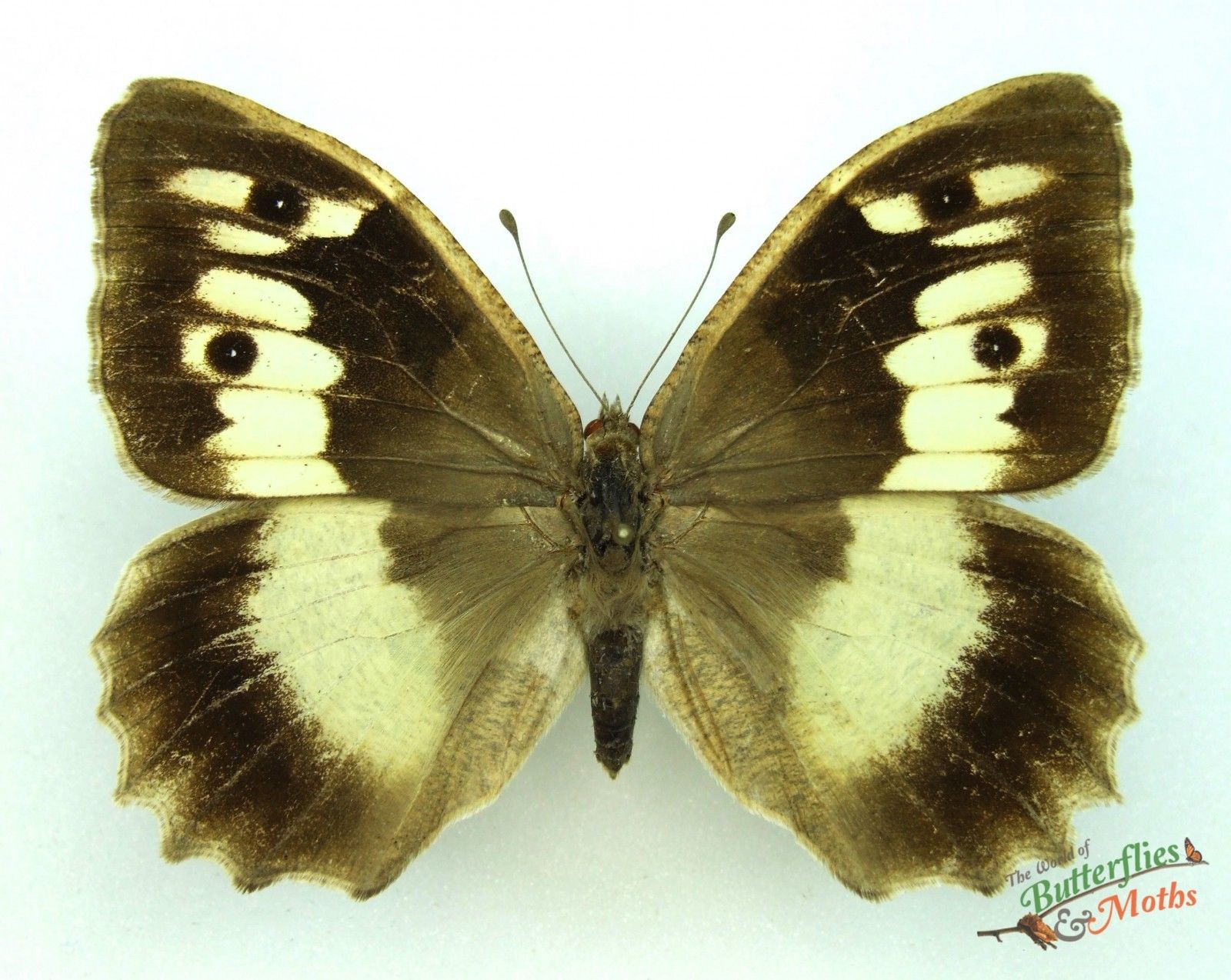
    Felsenfalter (Chazara briseis): Dieser Tagfalter ist einer der seltensten Schmetterlinge in der Schweiz, es sind nur zwei Reliktpopulationen im Jura und im Münstertal (GR) bekannt. Sein Lebensraum – extensiv bewirtschaftete Trockenweiden in den Alpen – verschwindet mit der zunehmenden Vergandung.

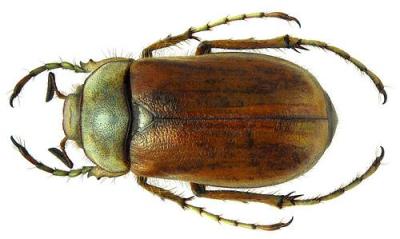
    Berliner Prachtkäfer (Dicerca berolinensis): Auch dieser Käfer ist in der Schweiz vom Aussterben bedroht. Seine Larven entwickeln sich in urwüchsigen Laubwäldern, deren Holz noch steht, sich aber im Absterben befindet. Weil der Berliner Prachtkäfer so selten ist, richtet er kaum wirtschaftlichen Schaden an.

    Sägeschrecke (Saga pedo): Diese Heuschrecke gehört zu den seltensten Insekten Europas, hierzulande ist sie vom Aussterben bedroht. Bis jetzt wurden fast nur Weibchen beobachtet, die bis zu neun Zentimeter gross werden. Man vermutet, dass sich die Sägeschrecke durch Jungfernzeugung vermehrt.

    Quelle: NZZ, 11.08.17
    https://nzzas.nzz.ch/wissen/die-insekten-sterben-lautlos-ld.1310137

  • Rare, elusive, endangered yellow-eyed penguin is slipping towards extinction

    Rare, elusive, endangered yellow-eyed penguin is slipping towards extinction

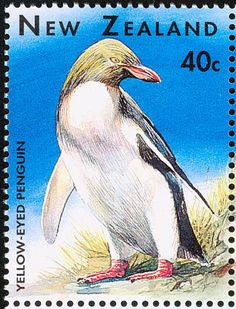
    South Otago Forest & Bird is staging a “yellow-eyed penguins in crisis” march in Balclutha next week. Members will be taking to the South Otago town’s main street footpath on Thursday, to highlight the plight of the nationally endangered species. The rate of population decline in coastal Otago and the Catlins indicated the yellow-eyed penguin (Megadyptes antipodes) would disappear by 2060, or sooner, South Otago Forest & Bird chairman Roy Johnstone said. “Yellow-eyed penguins are in crisis and if nothing is done soon to protect them, then we will lose the population on the mainland.”

    Quoting from figures obtained from the recent yellow-eyed penguin symposium held in Dunedin, Forest & Bird says in the past five years, nest numbers on the Otago coast have halved. Nests are down to 260, from 520 in 2012. In same period, nest numbers at Long Point in the Catlins have dropped to 19, from 53. Findings also show that chick and adult starvation between 2013 and 2015, along with barracoota and shark attacks, were significant factors in the population decline.

    Forest & Bird had been advocating for the creation of a marine reserve protected area as a practical solution to the problem, and the funding of penguin rehabilitation and restoration programmes, Johnstone said.

    Source: Stuff, August 11, 2017
    https://www.stuff.co.nz/southland-times/news/95669054/yelloweyed-penguin-crisis-march-to-be-held-in-balclutha

  • One of the West’s iconic birds is in trouble

    One of the West’s iconic birds is in trouble

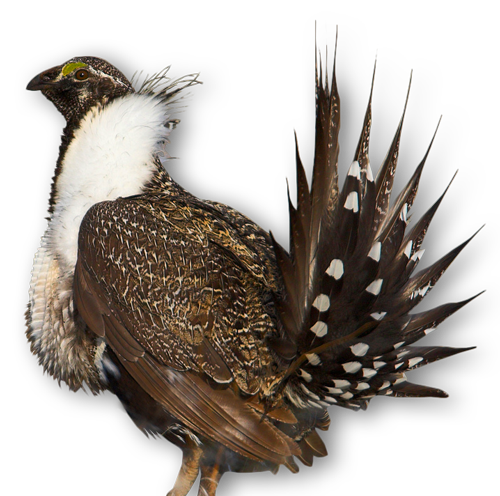
    Sage grouse (Centrocercus urophasianus) are iconic birds in the West — including in Washington, Oregon and Idaho. But their numbers in 11 states have dramatically declined with their loss of habitat. It’s difficult to know exact sage grouse population numbers. The U.S. Fish and Wildlife Service estimates somewhere between 200,000 to 500,000 sage grouse live across the range — a number conservation groups worry will now continue to decline. Sage grouse are considered to be an indicator species — improvements to help sage grouse would also help the more than 350 other animals that call the sagebrush home.

    Source: Crosscut, August 9, 2017
    http://crosscut.com/2017/08/wests-bird-sage-grouse-recommendations-ryan-zinke/

  • Hooded grebes have become a critically endangered species

    Hooded grebes have become a critically endangered species

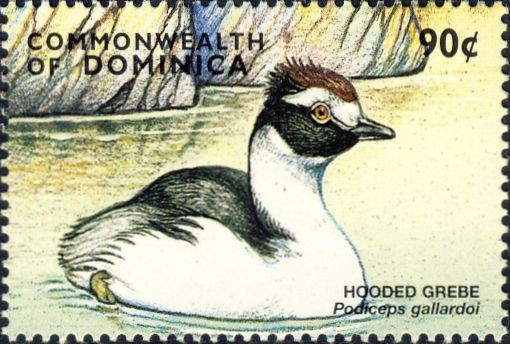
    Argentina is the birthplace of tango, an iconic dance style dating back to the 1880s. Long before the first tango steps were taken, however, another dance was already in full swing across parts of Patagonia: the hypnotic grooves of the hooded grebe (Podiceps gallardoi). That dance is still going on today, as you can see in “Tango in the Wind,” a new documentary about hooded grebes. Yet despite their impressive moves, the hooded grebes’ dance is increasingly in danger of disappearing. That’s because hooded grebes themselves have become a critically endangered species, with only about 1,000 individuals remaining in the wild.

    About 20 different species make up the grebe family, including the great crested grebes (Podiceps cristatus) of Eurasia as well as North America’s western grebes (Aechmophorus occidentalis) and Clark’s grebes (Aechmophorus clarkii). Many of these are well-known for their elaborate courtship dances, some of which even involve the birds running on top of water by taking up to 20 steps per second.

    Source: Mother Nature Network, 8 August 2017
    https://www.mnn.com/earth-matters/animals/blogs/hooded-grebe-critically-endangered-species-and-critically-acclaimed-dancer