Auteur: Henk Tennekes

  • New rules on pesticides near schools to go into effect

    New rules on pesticides near schools to go into effect

    State Superintendent of Public Instruction Tom Torlakson praised the California Department of Pesticide Regulation for adopting new rules to further protect students and schools from pesticide exposure. New rules will take effect on Jan. 1 regulating pesticide use near schools and licensed child-care facilities. “Children, teachers, school staff, parents and school communities need safe healthy school environments to learn and succeed, and that includes protection from unintended, unhealthy pesticide exposure,” Torlakson said. “I am pleased we will have an additional layer of protection.”

    With the new regulations, schools must be notified in advance if pesticides will be used nearby. Pesticide applications will be prohibited within a quarter mile of schools and facilities between 6 a.m. and 6 p.m., Monday through Friday. “These rules will help to further protect the health of children, teachers and school staff from unintended pesticide exposure,” said Department of Pesticide Regulation director Brian Leahy. “They build on our existing strict regulations and give an additional layer of protection.”

    Although numerous local rules already exist to protect students from pesticide applications near schools, it is the first consistent statewide standard. The policy was created during a two-year process that included statewide outreach and approximately 19,000 public comments. For information, visit cde.ca.gov and cdpr.ca.gov.

    Source: Beverly Press, November 16, 2017

    New rules on pesticides near schools to go into effect

  • De glastuinbouw veroorzaakte ook in 2016 oppervlaktewaterverontreiniging met imidacloprid

    De glastuinbouw veroorzaakte ook in 2016 oppervlaktewaterverontreiniging met imidacloprid

    Het Hoogreemraadschap (HH) van Delfland heeft een meetnet om de waterkwaliteit van het glastuinbouwgebied te volgen: er zijn 23 meetlocaties in het meetnet voor de glastuinbouw, namelijk op 3 referentielocaties buiten het glastuinbouwgebied, 5 boezemlocaties en 15 locaties in glastuinbouwgebied. Op deze locaties zijn elke maand bestrijdingsmiddelen, stikstof en fosfaat gemonitord. De polders waar in 2016 gemiddeld de meeste bestrijdingsmiddelen zijn aangetroffen, zijn: Oude Campspolder, Polder Berkel, Polder Noordland en de Oranjepolder. Per meting werden hier ongeveer 14 stoffen aangetroffen. In het hele meetnet glastuinbouwgebied zijn 21 verschillende bestrijdingsmiddelen gemeten die de norm hebben overschreden. De stoffen die op de meeste locaties de norm overschrijden zijn imidacloprid, azoxystrobine en carbendazim. De hoogste overschrijdingen zijn afkomstig van de stoffen deltamethrin, fiprinil en dichloorvos.

    Bron: HH van Delfland. Waterkwaliteitsrapportage 2016

  • Neonicotinoïden zijn giftig voor zangvogels

    Neonicotinoïden zijn giftig voor zangvogels

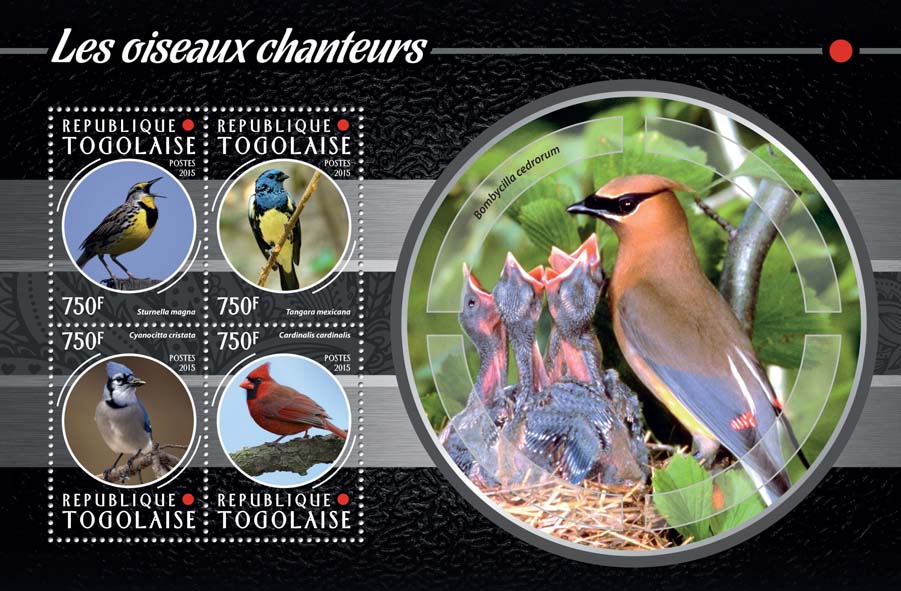
    Uit nieuw onderzoek van Margaret Eng en Christy Morrissey van de universiteit van Saskatchewan (Canada) blijkt dat neonicotinoïden ook giftig zijn voor zangvogels. De effecten traden op nadat ze gevangen vogels (mussen) gedurende drie dagen per maagsonde een dosering gaven die equivalent is aan consumptie van drie of vier met imidacloprid behandelde koolzaadjes. Imidacloprid zorgde ervoor dat ze 25% van hun lichaamsgewicht verloren. Bovendien ontdekten ze dat hun oriëntatievermogen, dat ze nodig hebben tijdens de jaarlijkse trek, significant werd beïnvloed. Margaret Eng legt uit: “De vogels lopen door consumptie van met imidacloprid behandelde zaadkorrels zeer waarschijnlijk achter op hun trekschema, of kiezen per abuis een andere route. Daarmee nemen hun overlevingskansen af, of komen ze te laat om zich voort te planten.”

    Bron: Animals Today, 16-11-17
    https://www.animalstoday.nl/neonicotinoiden-giftig-voor-zangvogels/

  • Most endangered insect species in Britain

    Most endangered insect species in Britain

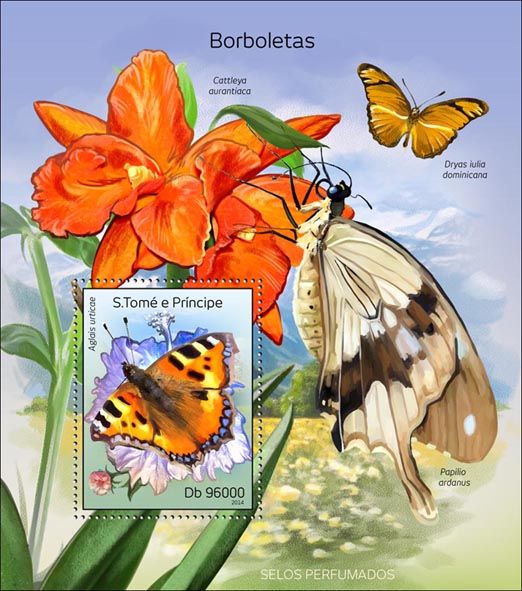
    1. Small tortoiseshell butterfly (Aglais urticae). Once a common sight in gardens, parks and hedgerows, the small tortoiseshell is in steep decline. Once one of our commonest butterfly species, in 2013 it was reported that numbers had dropped by 77% in the previous 10 years.

    2. New Forest cicada (Cicadetta montana). Normally associated with Mediterranean holidays, the cicada can be heard in UK. Or it could – it’s last stronghold in the New Forest has fallen silent. Their population is now confined to small areas of the New Forest in Hampshire and there have been no recorded sightings of the bug since the turn of the Millennium.

    3. Cosnard’s net-winged Beetle (Erotides cosnardi). A type of soldier beetle, Cosnard’s net-winged beetle is found in only a handful of sites nationwide. Only found in the Forest of Dean/Wye Gorge area and on the South Downs. Research by Natural England earlier this year suggested that this was just one many breeds of soldier beetle at risk. Around 15% of the species are endangered.

    4. Wart-biter Cricket (Decticus verrucivorus). This cricket – whose name comes from an old tradition of using them to bite warts off skin – can only be found in four naturally occurring locations across East Sussex, Dorset and Wiltshire. While another population has been re-introduced in Kent the wart-biter is at a high-risk of extinction.

    5. V-moth (Macaria wauaria). We should be concerned when once-common species such as this V moth decline calamitously. Although it can be found across most of the country, today’s V-moth population is thought to be less than 1% of its 1960s levels.

    6. Bearded false darkling beetle (Melandrya barbata). Almost entirely confined to the New Forest, the bearded false darkling beetle may soon be lost to Britain. This brilliant beetle is only to be found in five areas of south-east Britain. One such location is the New Forest.

    Source: Countryfile, 21 Oct 2017
    http://www.countryfile.com/countryside/10-most-endangered-animal-species-britain

  • Hedgehog population may have halved in just five years

    Hedgehog population may have halved in just five years

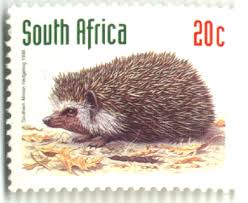
    Hedgehog numbers could have dropped by as much as a half over the past five years, warns University of Sussex Professor Fiona Mathews ahead of the launch of a major new survey into their current population levels. She warned that a shortage of food could be a key reason for the hedgehog decline due to the conversion of lawns into parking spaces and the high use of pesticides in gardens.

    The Mammal Society is launching its annual Hedgehog Watch survey which will run until December 1 and is encouraging as many residents as possible to take part in reporting hedgehog sightings. The survey data collected will be analysed at the University of Sussex. Prof Mathews, Mammal Society chair, said: “Although many people never see hedgehogs, in other areas they seem to be thriving. We need to find out why that is, so we can give start to help them to recover. Even a population decline at the lower end of estimates could be devastating if it continues unchecked. So we want people to tell us whether or not they saw a hedgehog last year. There is still a lot of uncertainty over how much hedgehog numbers are declining and that is why the Hedgehog Watch Survey is so important to give us a better understanding of the current situation.”

    Source: Pitchcare, 12 No 2017
    https://www.pitchcare.com/news-media/university-of-sussex-to-analyse-hedgehog-numbers-amidst-fears-population-may-have-halved-in-just-five-years.html

  • Neonicotinoids reduce the strength and duration of a bumblebee’s buzz, which impairs foraging

    Neonicotinoids reduce the strength and duration of a bumblebee’s buzz, which impairs foraging

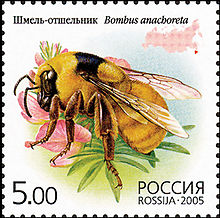
    Ecologists at the University of Stirling in Scotland have found that neonicotinoids reduce the strength and duration of a bumblebee’s buzz. Their study was published this week in the journal Scientific Reports. Buzzing is more important than you might think. The vibrations of a bee’s wingbeat help it shake pollen from flowers and onto its body. This pollen then gets deposited on the next flower the bee visits, resulting in pollination. Less buzzing equals less pollination, and reduces the bees’ ability to forage for themselves.

    “Our result is the first to demonstrate quantitative changes in the type of buzzes produced by bees exposed to field-realistic levels of neonicotinoid,” Dr Penelope Whitehorn, the University of Stirling Research Fellow who led the research, said in a statement. “We also show that buzz pollinating bees exposed to the pesticide also collect fewer pollen grains.”

    The researchers analyzed the duration of the acoustic signals produced by bumblebees during a pollinating session. They found that the bees subjected to chronic pesticide exposure, at concentrations similar to those found in the real world, had a shorter buzz and lower buzzing effort than control bees. In turn, this meant those bees also collected significantly less pollen. Dr Whitehorn added: “We found that control bees, who were not exposed to the pesticide, improved their pollen collection as they gained experience, which we interpreted as an ability to learn to buzz pollinate better.

    Source: IFL Science, November 2017
    http://www.iflscience.com/environment/pesticides-make-bees-lose-their-buzz-and-thats-a-very-bad-thing/

  • Neonicotinoid insecticides impair foraging behavior, navigation, learning, and memory in honey bees

    Neonicotinoid insecticides impair foraging behavior, navigation, learning, and memory in honey bees

    The decline of pollinators worldwide is of growing concern and has been related to the use of plant protecting chemicals. Most studies have focused on three neonicotinoid insecticides, clothianidin, imidacloprid and thiamethoxam, currently subject to a moratorium in the EU. Here we focus on thiacloprid, a widely used cyano-substituted neonicotinoid thought to be less toxic to honey bees and of which use has increased in the last years. Honey bees (Apis mellifera carnica) were exposed chronically to thiacloprid in the field for several weeks at a sublethal concentration. Foraging behavior, homing success, navigation performance, and social communication were impaired, and thiacloprid residue levels increased both in the foragers and the nest mates over time. For the first time, we present the necessary data for the risk evaluation of thiacloprid taken up chronically by honey bees in field conditions.

    Source:
    Inaugural-Dissertation to obtain the academic degree Doctor rerum naturalium (Dr. rer. Nat.) Submitted to the Department of Biology, Chemistry, and Pharmacy Of Freie Universität Berlin by LÉA TISON from Bordeaux, France, December 2016 (attached)

  • In the last two decades there have been an alarming number of amphibian extinctions

    In the last two decades there have been an alarming number of amphibian extinctions

    Amphibians, a unique group of vertebrates containing over 7,000 known species, are threatened worldwide. A 2004 global assessment found that nearly one-third (32%) of the world’s amphibians are threatened, representing 1,856 species. Amphibians have existed on earth for over 300 million years, yet in just the last two decades there have been an alarming number of extinctions, nearly 168 species are believed to have gone extinct and at least 2,469 (43%) more have populations that are declining. This indicates that the number of extinct and threatened species will probably continue to rise.

    Amphibian diversity is highest in the tropics, especially in the Amazon. Brazil has the most described species, over a 1,000 species. By contrast, the United States is nearly the same size as Brazil with about a third of the amphibian species (although it has many more salamanders!).

    Source:
    AmphibiaWeb, March 3, 2017
    https://amphibiaweb.org/declines/declines.html
    Cartography by Christina Lew, February 2017

  • Das Schweigen der Hummeln

    Das Schweigen der Hummeln

    Getreide, Kartoffeln, Tomaten – viele Nutzpflanzen sind, nicht nur für einen hohen Ertrag, auf die Bestäubung durch Insekten angewiesen. Dass Pestizide das Bestäubungsverhalten von Hummeln beeinträchtigen, haben Forscherinnen und Forscher des Karlsruher Instituts für Technologie (KIT) und der University of Stirling herausgefunden. Ihre Ergebnisse stellen sie in der Fachzeitschrift Scientific Reports vor.

    Hummeln setzen Pollen per Vibrationsbestäubung frei: Sie erzeugen mit ihrem Flügelschlag Frequenzen, die die Pollen aus der Blüte herausschütteln. So entsteht das bekannte Summen, das zwei Zwecken dient: Bestäubung anderer Blüten und Sammeln von Nahrung.

    „Wir haben die Wirkung des Pestizids Neonicotinoid auf Hummeln untersucht und herausgefunden, dass es die Vibrationen, und somit auch das Summen, negativ beeinflusst“, sagt Dr. Penelope Whitehorn. Die Biologin, die jetzt am Institut für Meteorologie und Klimaforschung – Atmosphärische Umweltforschung (IMK-IFU) des KIT forscht, leitete die Studie an der University of Stirling.

    Zusammen mit Dr. Mario Vallejo-Marin, University of Stirling, untersuchte sie durch das Pestizid belastete Hummelkolonien, überwachte deren Verhalten und nahm über einen längeren Zeitraum das Summen mit Mikrofonen auf. Danach analysierten die Wissenschaftler das akustische Signal, das die Hummeln bei der Vibrationsbestäubung erzeugen, um Veränderungen im Summen festzustellen. Sie fanden heraus, dass die permanente Belastung durch das Pestizid die Vibrationen verringert. Dies wiederum reduziere die Menge der gesammelten Pollen und somit die Nahrung der Hummeln, so die Forscher.

    „Hummeln einer Kontrollgruppe, die dem Pestizid nicht ausgesetzt waren, lernten in ihrer Entwicklung nach und nach dazu, wie sie mehr Pollen sammeln und besser Blumen bestäuben können“, so Whitehorn. „Die Hummeln, die mit dem Pestizid in Berührung kamen, entwickelten ihre Fähigkeiten nicht weiter. Sie sammelten am Ende des Experiments zwischen 47 und 56 Prozent weniger Pollen als die Kontrollgruppe.“

    „Unsere Forschungsergebnisse leisten einen wesentlichen Beitrag zu der Frage, wie sich Pestizide auf die Hummelpopulation und ihre Bestäubungsleistung auswirken. Sie weisen auch darauf hin, dass die Belastung durch Pestizide die Fähigkeiten der Hummeln beeinträchtigen kann, komplexe Verhaltensweisen wie die Vibrationsbestäubung weiterzuentwicklen“, sagt Vallejo-Marin. „Der nächste Schritt unserer Forschung wäre nun, den Mechanismus zu bestimmen, durch den das Pestizid die Hummeln beeinflusst. Wir glauben, dass Pestizide sich auf das Gedächtnis und die kognitiven Fähigkeiten von Hummeln auswirken. Beides sind wichtige Voraussetzung für komplexe Verhaltensweisen.“

    Das Paper „Neonicotinoid pesticide limits improvement in buzz pollination by bumblebees“ veröffentlichten die Wissenschaftler jetzt in der Fachzeitschrift Scientific Reports: https://www.nature.com/articles/s41598-017-14660-x.

    Weiterer Pressekontakt:
    Sandra Wiebe, Volontärin, Tel.: +49 721 608 46212, Fax: +49 721 608 43658, E-Mail: sandra.wiebe@kit.edu


  • Wo die Libellen schwirren, ist die Welt in Ordnung

    Wo die Libellen schwirren, ist die Welt in Ordnung

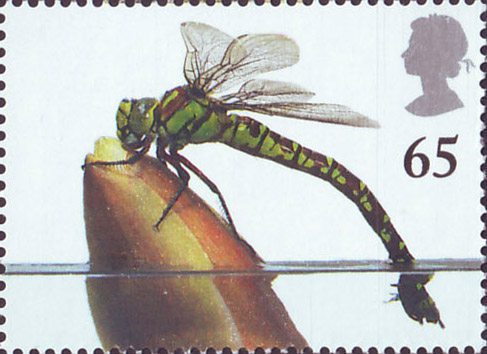
    Biologin Sandra Bischoff vom Nabu Oldenburg beschäftigt sich seit fast zehn Jahren mit Libellen und anderen Insekten. Am Dienstag, 14. November, will sie mit ihrem Vortrag „Libellen vor der Haustür“ im Huder Rathaus den Zuhörern diese besonderen Insekten näher bringen. Das Insektensterben ist derzeit in aller Munde. Auch die Libellen sind stark gefährdet. Von den 81 Arten stehen laut Bischoff bereits 42 auf der Roten Liste. In unserer Region sind 76 Arten aus neun Familien anzutreffen. Die einen fallen auf, weil sie sehr groß sind, andere sieht man kaum.

    Nur wenige wissen, dass Libellen als erwachsene Tiere nur wenige Wochen leben. „Die meiste Zeit ihres Lebens verbringen sie als Larven im Wasser“, so Sandra Bischoff. Und hier beginnt auch schon das Problem. Wenn Gewässer verschmutzen oder gar austrocknen oder auch zu intensiv gepflegt werden. Dann sind die Lebensräume beeinträchtigt. Sandra Bischoff will in ihrem Vortrag aufzeigen, was Privatleute zum Beispiel am Gartenteich tun können, damit die Libellenlarven überleben. Aber auch bei der Gewässerpflege im Großen müsse ein Umdenken stattfinden, indem man zum Beispiel in einem Jahr den einen und erst im Jahr darauf den anderen Uferrandstreifen mähe.

    „Fangen darf man Libellen nicht“, sagt die Biologin. Aber beobachten und fotografieren. Wie das gelingt, will sie in ihrem Vortrag ebenfalls erklären. Für Sandra Bischoff ist es wichtig, dass die Menschen die Insekten kennen, die sie in ihrem Garten antreffen. Anhand von zahlreichen Fotos und auch Präparaten zeigt die Biologin die Arten, die bei uns am häufigsten durch die Gärten fliegen. Dazu gehören die Blaugrüne Mosaikjungfer, die Plattbauch-Libelle oder auch die verschiedenen Azur-Jungfern.

    Eine der imposantesten und größten Libellen ist die Königs-Libelle mit Flügelspannweiten von bis zu elf Zentimetern. Sie braucht als Lebensraum größere Gewässer. „Libellen sind übrigens große Flugkünstler“, sagt Sandra Bischoff. Sie seien bis zu 50 km/h schnell. Und gut sehen können die schnell-fliegenden Insekten um vieles besser als die Menschen.

    Der Vortrag findet am Dienstag, 14. November, ab 19.30 Uhr im Huder Rathaus an der Parkstraße statt. Der Eintritt kostet drei Euro. Veranstalter ist die Regio-VHS in Zusammenarbeit mit den Nabu-Ortsgruppen Hude und Ganderkesee und der Gesellschaft der Freunde des Hasbruchs.
    Quelle: Nord West Zeitung, im November 2017
    https://www.nwzonline.de/oldenburg-kreis/bildung/hude-natur-wo-die-libellen-schwirren-ist-die-welt-in-ordnung_a_32,1,1309188269.html