Auteur: Henk Tennekes

  • US review shows pesticides pose a threat to endangered fish species

    US review shows pesticides pose a threat to endangered fish species

    Federal scientists have determined that a family of widely used pesticides poses a threat to dozens of endangered and threatened species, including Pacific salmon, Atlantic sturgeon and Puget Sound orcas. The National Marine Fisheries Service issued its new biological opinion on three organophosphate pesticides – chlorpyrifos, diazinon and malathion – after a yearslong court fight by environmental groups. At the urging of pesticide manufacturers, the Trump administration had sought a two-year delay of a court-ordered deadline to issue the findings by the end of 2017, but it was unsuccessful.

    The exhaustive 3,700-page federal review , dated Dec. 29, concludes that chlorpyrifos and malathion jeopardize 38 out of the 77 species under the jurisdiction of the fisheries service and that diazinon was found to jeopardize 25 of the listed species. The report makes detailed recommendations to the Environmental Protection Agency for new restrictions on how and where the pesticides can be sprayed to help limit the harm.

    EPA Administrator Scott Pruitt in March reversed an Obama-era effort to bar the use of chlorpyrifos on fruits and vegetables after peer-reviewed academic studies found that even tiny levels of exposure could hinder the development of children’s brains. EPA’s press office did not respond Friday to a request seeking comment about the latest federal study on the threat to protected species.

    Organophosphorus gas was originally developed as a chemical weapon before World War II. Dow Chemical, based in Midland, Michigan, has been selling chlorpyrifos for spraying on citrus fruits, apples, cherries and other crops since the 1960s. It is among the most widely used agricultural pesticides in the United States, with Dow selling about 5 million pounds (2.3 million kilograms) domestically each year.

    Source: My Wabash Valley, Jan 12, 2018
    http://www.mywabashvalley.com/news/us-review-shows-pesticides-harm-threatened-salmon-whales/912488860

  • Eendagsvliegen bijna verdwenen uit Britse rivieren

    Eendagsvliegen bijna verdwenen uit Britse rivieren

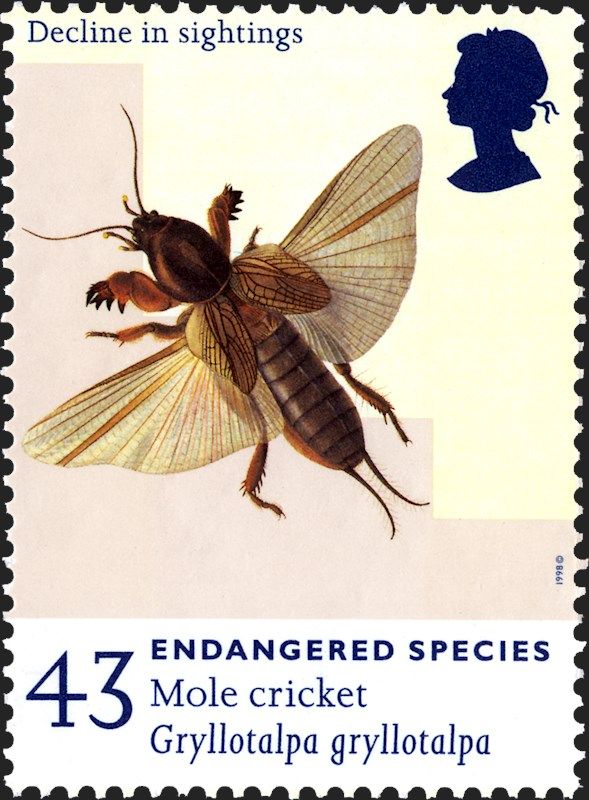
    Ooit waren wolken uitkomende eendagsvliegen een te bezichtigen spektakel boven Britse rivieren. De naam eendagsvlieg is bedrieglijk: de larven leven een of twee jaar. Het geslachtsrijpe imago leeft van enkele uren tot enkele dagen, vandaar de naam. Bovendien zijn het geen vliegen, ze vormen een eigen orde, die Ephemeroptera wordt genoemd – wat dan wel weer eendagsvleugeligen zou zijn in vertaling.

    Eendagsvliegen of haften vormen een belangrijke schakel in de voedselketen van zoet water: libellen, vleermuizen, zwaluwen en vissen leven in de tijd van de zwermen van de eendagsvlieg.
    Maar onder andere door insectengif is het uitkomen van de eieren sterk teruggelopen, tot tachtig procent. De neonicotinoïden, samen met fosfaat en fijn sediment – alles voortbrengselen van grootschalige landbouw/veeteelt – maken de zwermen een verschijnsel uit het verleden althans iets sterk uitgedunds.

    Bron: Krapuul, 11-02-18
    http://www.krapuul.nl/natuur-en-milieu-2/dieren-2/insecten/insectageddon/2676305/eendagsvliegen-bijna-verdwenen-uit-britse-rivieren/

  • Symposium in het Provinciehuis Drenthe over bestrijdingsmiddelen in het milieu

    Symposium in het Provinciehuis Drenthe over bestrijdingsmiddelen in het milieu

    In het Drentse grond- en oppervlaktewater komen regelmatig te hoge concentraties bestrijdingsmiddelen voor. Bronnen zijn de intensieve land- en tuinbouw maar ook het stedelijk gebied. Bestrijdingsmiddelen vormen een risico voor mens en natuur. Bovendien heeft Nederland zich onder meer verplicht om uiterlijk in 2027 de waterkwaliteit op orde te hebben. Vrijdagmiddag 16 februari 2018 vanaf 13 uur organiseert de Natuur en Milieufederatie Drenthe het symposium Bestrijdingsmiddelen in het milieu in het Provinciehuis Drenthe (Westerbrink 1, 9405 BJ Assen), Tijdens het symposium informeren wij u over het voorkomen van bestrijdingsmiddelen in het Drentse water. Toxicologen Henk Tennekes en Martin van den Berg delen hun kennis over de risico’s van bestrijdingsmiddelen voor mens en natuur. Het doel? Met elkaar in gesprek over het gezamenlijk werken aan het terugdringen van het bestrijdingsmiddelengebruik en de verbetering van de waterkwaliteit. De voordracht van Tennekes is bijgevoegd.

    Programma
    13.00 uur Ontvangst met koffie en thee

    13.15 uur Opening door dagvoorzitter Sascha Gabizon, directeur WECF

    Welkom door gedeputeerde Cees Bijl
    Bestrijdingsmiddelen in het Drentse oppervlaktewater, Margriet Samwel-Mantingh (WECF)

    Catastrofale gevolgen van bestrijdingsmiddelen voor insecten, Henk Tennekes (toxicoloog)
    Maken wij ons terecht zorgen over gebruik van bestrijdingsmiddelen? Martin v.d. Berg (toxicoloog)
    Aanpak provincie Drenthe, Wim van Oosterom (Provincie Drenthe)

    14.45 uur Pauze

    LTO Ambitie plantgezondheid 2030, Annemarie Breukers (LTO Nederland)
    Naar een verantwoorde gewasbescherming, Jelmer Buijs (landbouwkundig adviseur)

    Paneldiscussie met o.a. Dirk Jan Beuling (vakgroep akkerbouw LTO Nederland), André Hoogedijk (KAVB), Riksta Zwart (Waterbedrijf Groningen) en Rodina Fournell (Bollenboos)

    16.30 uur Afsluiting, napraten met een drankje en een hapje

  • The Northern Pintail is in Steep Decline

    The Northern Pintail is in Steep Decline

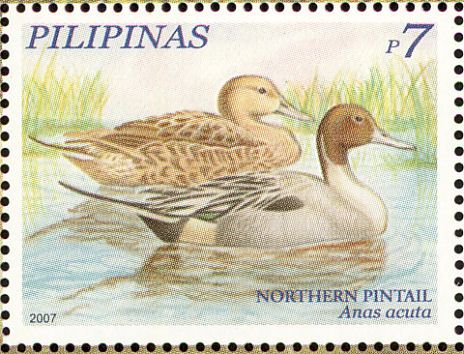
    The Northern Pintail (Anas acuta) is a dabbling duck. Diet is mostly plant material, including seeds of grasses, sedges, pondweeds, and waste grain in fields. In summer its diet includes more animal matter, such as insects, crustaceans, mollusks, and sometimes tadpoles and small fish. It forages in shallow water by upending or by submerging its head and neck while swimming, looking for food in the underwater mud. It also forages by walking on land.The North American Breeding Bird Survey noted a cumulative decline of the Northern Pintail population of 72% between 1966 and 2012. The 2014 State of the Birds report listed this species as a common bird in steep decline.

    The Northern Pintail is vulnerable to nest losses from farming operations because it uses cropland as nesting habitat. The species is also vulnerable to nest predation by mammals such as coyotes, red foxes, mink, raccoons, badgers, and ground squirrels. Nest parasitism is also a problem for this species. The introduced Ring-necked Pheasant along with other native duck species such as Redhead, Ruddy Duck, Common Goldeneye, and Blue-winged Teal will lay eggs in a Northern Pintail nest. When this happens, the hatchability of the Northern Pintail eggs can be reduced by a third.

    Source: My Edmonds News, 5 Jan 2018
    http://myedmondsnews.com/2018/01/bird-lore-northern-pintail/

  • Devastating impact of river pollution on mayflies, killing about 80% of all eggs

    Devastating impact of river pollution on mayflies, killing about 80% of all eggs

    Clouds of emerging mayflies were once a regular sight on English summer evenings and they are a key part of the food chain that supports fish, birds and mammals. But modest levels of pollution found in many English rivers are having a devastating impact on mayflies, new research suggests, killing about 80% of all eggs. In October, a study found that the abundance of flying insects has plunged by 75% in 25 years, prompting warnings that the world is “on course for ecological Armageddon”, with profound impacts on human society.

    Paul Knight, chief executive of Salmon and Trout Conservation (STC), which is conducting an in-depth three-year survey of rivers, said: “The results of this groundbreaking new study are irrefutable. We believe this is just the tip of the iceberg. Lose your invertebrates and other species will follow.”

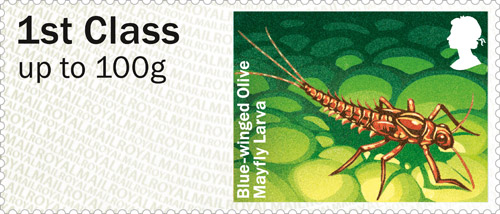
    The new research looked at the blue-winged olive, a common mayfly present across the British Isles and most of continental Europe. Its numbers have fallen significantly in recent decades and it has almost vanished from some English rivers.

    “The young life stages are the most vulnerable, just as with human babies,” said Nick Everall, at the Aquascience Consultancy and who led the research published in the journal Environmental Pollution. Blue-winged olive eggs are laid on river beds and then have to survive for up to eight months over winter before hatching into nymphs. “Mayflies such as the blue-winged olive are a crucial component in the aquatic food chain but numbers have declined substantially in many UK rivers over the past 30 years, particularly in chalk streams,” said Everall, whose study was supported by STC. “Their continuing loss can affect the survival of other important species such as wild fish, bird life and mammals,” he said.

    Source: The Guardian, 11 Jan 2018
    https://www.theguardian.com/environment/2018/jan/11/insect-declines-new-alarm-over-mayfly-is-tip-of-iceberg-warn-experts

  • De Hermelijn was vrijwel afwezig in een studie naar kleine marterachtigen rondom Deventer

    De Hermelijn was vrijwel afwezig in een studie naar kleine marterachtigen rondom Deventer

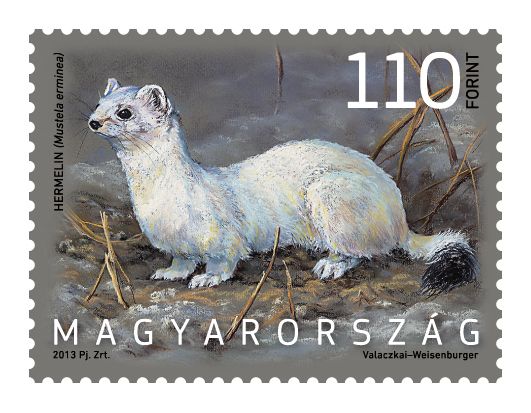
    Ecologisch adviesbureau Silvavir voerde een onderzoek naar kleine marterachtigen uit tussen oktober 2016 en augustus 2017 in opdracht van de Zoogdiervereniging en met financiële steun van het Prins Bernhard Cultuurfonds. Met onderzoeksinstrumenten speciaal gericht op onderzoek naar wezel (Mustela nivalis) en hermelijn (Mustela erminea) onderzocht het bureau 64 locaties in vier gebieden rondom Deventer. Wezels werden het meest aangetroffen; hermelijnen slechts sporadisch.

    Het verdwijnen van kleinschalig landschap met hun specifieke habitat heeft waarschijnlijk geleid tot het verdwijnen van kleine marterachtigen uit grote delen van Nederland. De hermelijn is zowel overdag als ’s nachts actief, met rustpauzes tussendoor. Het is een carnivoor, die voornamelijk op knaagdieren als woelmuizen jaagt. Ook vogels en haasachtigen (die groter zijn dan hijzelf) worden gedood.

    Bronnen: Nature Today, 11-01-18

    Wikipedia
    https://nl.wikipedia.org/wiki/Hermelijn_(dier)

  • Clothianidin induces anxiety-related behavior in male mice

    Clothianidin induces anxiety-related behavior in male mice

    Experimental studies have revealed that neonicotinoids pose potential risks for the nervous systems of non-target species, but the brain regions responsible for their behavioral effects remain incompletely understood. This study aimed to assess the neurobehavioral effects of clothianidin (CTD), a later neonicotinoid developed in 2001 and widely used worldwide, and to explore the target regions of neonicotinoids in the mammalian brain. A single-administration of 5 or 50 mg/kg CTD to male C57BL/6N mice at or below the no-observed-adverse-effect level (NOAEL) induced an acute increase in anxiety during the elevated plus-maze test. In addition, mice in the CTD-administered group spontaneously emitted human-audible vocalizations (4–16 kHz), which are behavioral signs of aversive emotions, and showed increased numbers of c-fos immunoreactive cells in the paraventricular thalamic nucleus and dentate gyrus of the hippocampus. In conclusion, mice exposed to NOAEL-dose CTD would be rendered vulnerable to a novel environment via the activation of thalamic and hippocampal regions related to stress responses. These findings should provide critical insight into the neurobehavioral effects of neonicotinoids on mammals.

    Source: Hirano T. et al. (2018). Toxicology Letters 282: 57-63
    https://www.sciencedirect.com/science/article/pii/S0378427417314224

  • Vleermuizen kunnen de hitte niet aan

    Vleermuizen kunnen de hitte niet aan

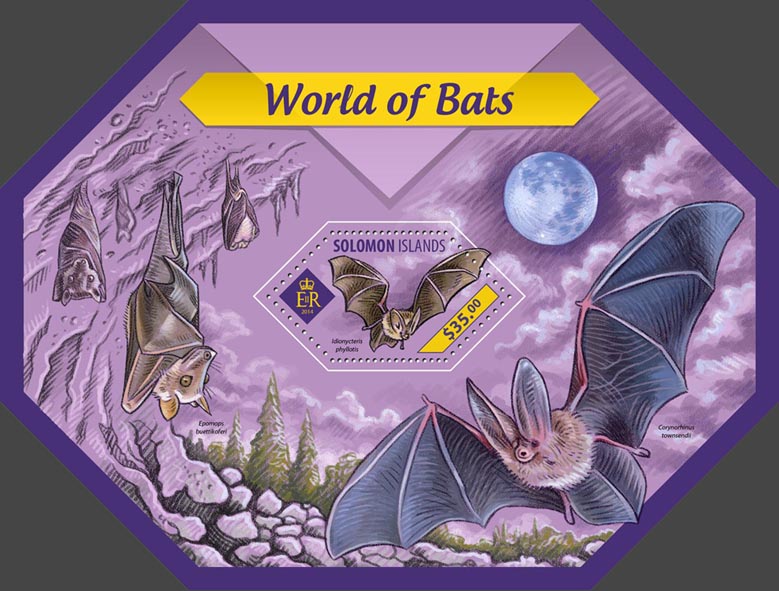
    De hittegolf in Australië eist zijn tol. Met name vleermuizen vallen gewoon uit de bomen omdat ze de hoge temperaturen niet meer aankunnen, melden de lokale media. Reddingswerkers en vrijwilligers probeerden de diertjes te redden, maar vaak tevergeefs. Vooral jonge vliegende honden hebben het lastig bij temperaturen die vlot oplopen tot meer dan 40 graden Celsius. ‘Ze worden gewoon gekookt’, zegt een medewerker. Er zijn al honderden dode dieren geteld, maar gevreesd wordt dat de uiteindelijke dodentol zal oplopen tot in de duizenden.

    Bron: De Standaard, 09-01-18
    http://www.standaard.be/cnt/dmf20180109_03288386

  • Der Star, ein Vogel in Schwierigkeiten

    Der Star, ein Vogel in Schwierigkeiten

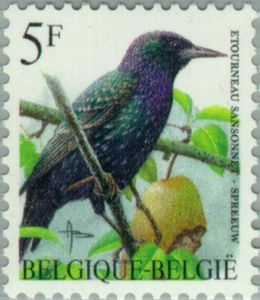
    Die Zeiten, in denen man im Herbst Tausende Stare (Sturnus vulgaris) in großen Wolken fliegen sah, scheinen vorbei. Eine Stunde vor Sonnenuntergang sammeln sich die Stare an ihrem Schlafplatz, am liebsten in der Nähe von Schilf, und fliegen rasant durch die Lüfte. Mit ihren Flugmanövern zeigen sie, dass sie mehrere Formationen und „Gestalten“ am abendlichen Himmel mühelos beherrschen. Der Beobachter staunt, dass sie nicht versehentlich zusammenstoßen. In ganz Deutschland sind in den vergangenen zwei Jahren circa eine Million Brutpaare verlorengegangen.

    In Sachsen gehört der Star noch zu den häufigen Brutvogelarten. Jedoch: 2007 als ungefährdet eingestuft, gehörte der Vogel vor drei Jahren schon zu den Gefährdeten auf der „Vorwarnliste“. Auch in Meißen und Umgebung zeigt sich ein starker Rückgang dieser Art. Nahrungsmangel bereitet unseren „Allerweltsvogel“ Star Probleme. Gründe für den Rückgang des Vogels sind der Verlust und die intensive Nutzung von Weiden, Wiesen und Feldern, auf denen der Star darum nicht mehr genug Nahrung wie Regenwürmer und Insektenlarven findet. Werden Nutztiere nur im Stall gehalten, fehlt der Mist, der Insekten anlockt. Hinzu kommen, laut Nabu, Biozide und Agrochemikalien.

    Quellen: Sächsische Zeitung, 08.01.18
    https://www.sz-online.de/nachrichten/ein-vogel-in-schwierigkeiten-3853878.html
    Kölnische Rundschau, 05.01.18
    https://www.rundschau-online.de/29439056

  • Snowy Owl classed as Vulnerable for the first time

    Snowy Owl classed as Vulnerable for the first time

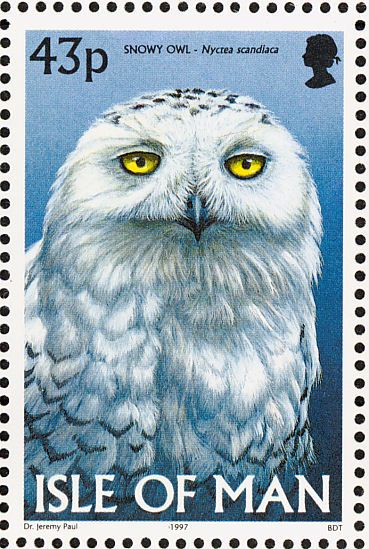
    Striking, widespread and widely recognised, thanks in part to the Harry Potter books, the Snowy Owl Bubo scandiacus was previously listed as Least Concern, the lowest threat category of the IUCN Red List. However, this assessment was based on earlier figures that estimated the global population to number around 200,000 individuals, and the absence of evidence of significant declines.

    More recent work by Eugene Potapov, Richard Sale and other researchers suggests that this difficult-to-survey species has a more patchy distribution than previously thought, concentrating in seven loose agglomerations. As a result, the earlier figures have been revised down to c. 14,000 pairs. However, the situation is complicated as the species’ population and range naturally fluctuates in response to the availability of its prey, which during the summer breeding season consists almost exclusively of various larger species of lemmings of the genera Dicrostonyx and Lemmus. In poor years it is now estimated that the global population could drop as low as 7,000 (or perhaps even 5,000) pairs.

    Source: Birdlife, 4 Jan 2018
    https://www.birdlife.org/worldwide/news/snowy-owl-faces-frosty-future-classed-vulnerable-first-time