Auteur: Henk Tennekes

  • Der Schwalbenbestand in der Region Friedrichshafen hat sich innerhalb von 13 Jahren um rund die Hälfte verringert

    Der Schwalbenbestand in der Region Friedrichshafen hat sich innerhalb von 13 Jahren um rund die Hälfte verringert

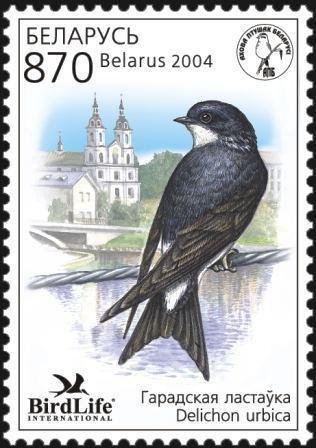
    Die Mehlschwalbe (Delichon urbicum) ist die in der Region Friedrichshafen am häufigsten vorkommende Schwalbenart, trotzdem geht der Bestand seit 1980 kontinuierlich zurück, wie die Stadtverwaltung mitteilt. Eine Mehlschwalbenkartierung in Friedrichshafen im Sommer 2017 hat den drastischen Rückgang aufgezeichnet.

    Mitarbeiter der Abteilung Umwelt und Naturschutz des Amts für Bürgerservice, Sicherheit und Umwelt und Ehrenamtliche des BUND Friedrichshafen haben über den Sommer die Gebiete Schreienesch und Fischbach nach bewohnten Mehlschwalbennestern abgesucht und die Standorte kartiert. Auch Bürger zeigten Einsatz und beteiligten sich bei der Suche. Die Ergebnisse sind im Vergleich zur letzten Kartierung 2004 erschreckend: Der Schwalbenbestand hat sich innerhalb von 13 Jahren um rund die Hälfte verringert. In Fischbach gibt es zwar keine Vergleichszahlen, die Mehlschwalbenpopulation ist aber auch dort gefährdet, da sich fast alle Nester an nur drei Gebäuden befinden.

  • Die Zahl der weltweit bedrohten Tier- und Pflanzenarten hat dieses Jahr einen neuen Rekordstand erreicht

    Die Zahl der weltweit bedrohten Tier- und Pflanzenarten hat dieses Jahr einen neuen Rekordstand erreicht

    Mit rund 25’800 bedrohten Tier- und Pflanzenarten sei im zu Ende gehenden Jahr ein neuer dramatischer Höchststand erreicht worden. Ein Jahr zuvor waren es noch 24’000 bedrohte Arten. “Wir Menschen verursachen das grösste Artensterben seit Ende der Dinosaurier”, resümierte Eberhard Brandes, Vorstand des WWF Deutschland. Auch in der Schweiz gingen die Bestände einiger Arten merklich zurück. Mehr als 40 Prozent der Insektenarten in der Schweiz gälten als bedroht, darunter Bienen und Schmetterlinge, sagte WWF-Sprecherin Perrette Rey in Lausanne auf Anfrage.

    Wenn diese Entwicklung nicht gestoppt werde, habe Europa bald schon zu wenig bestäubende Insekten, die für die Landwirtschaft von entscheidender Bedeutung sind. Verantwortlich für das Massensterben von Insekten seien der Klimawandel und der intensive Einsatz von Pestiziden, sagte Rey. Auch Amphibien und insektenfressende Vögel seien vom Rückgang der Insektenarten betroffen.

    Quelle; Aargauer Zeitung, 27.12.17
    https://www.aargauerzeitung.ch/leben/forschung-technik/anzahl-bedrohter-tier-und-pflanzenarten-auf-neuem-hoechststand-132037210

  • Black tern numbers plummet in Great Lakes wetlands

    Black tern numbers plummet in Great Lakes wetlands

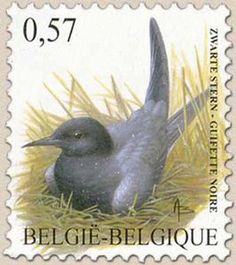
    The once-abundant black tern (Chlidonias niger) is far less abundant in Great Lakes wetlands. And there’s a high risk that more colonies will be abandoned, according to a new study. Since 1991, the number of active black tern colonies has plummeted nearly 90 percent, the study found. “Decline of black terns in the Great Lakes region has been severe, and preventing abandonment of remaining colonies is an important stop-gap measure for maintaining the bird’s presence until the causes of its decline are better understood,” study authors Katherine Wyman and Francesca Cuthbert of the University of Minnesota wrote. In Michigan, black terns are “not doing well,” and the Department of Natural Resources has listed them as a species of “special concern,” said Rachelle Roake, the Michigan Audubon Society’s conservation science coordinator. Bird survey data show generally a 3-to-8 percent annual decline since the 1960s, Roake said. She cautions that survey data is more difficult to collect for waterbirds like the terns. Terns, which feed on fish and insects, generally nest in deep-water wetlands colonies with two to 50 breeding pairs.

    Source: Record Eagle, Dec 28, 2017
    http://www.record-eagle.com/news/local_news/black-tern-numbers-plummet/article_6b913741-5bba-5988-845f-3431b90cba11.html

  • The population of 28 British bird species more than halved over periods of 31–48 years

    The population of 28 British bird species more than halved over periods of 31–48 years

    The 20th annual BirdTrends report highlights the rapid decline of the greenfinch, whose population has dropped by 59pc in the UK in just ten years. Bird experts say the decline is caused by a widespread and severe outbreak of a disease called trichomonosis, which first affected bird populations in 2006. The steepest long-term populations declines measured are for Turtle Dove, Tree Sparrow, Willow Tit, Grey Partridge and Nightingale, which have all declined by 90% or more since 1967, as, almost certainly, has Lesser Spotted Woodpecker. The endangered turtle dove shows the steepest decline of any species in the BTO BirdTrends report (98pc) which suggests it may soon disappear as a British breeding bird.

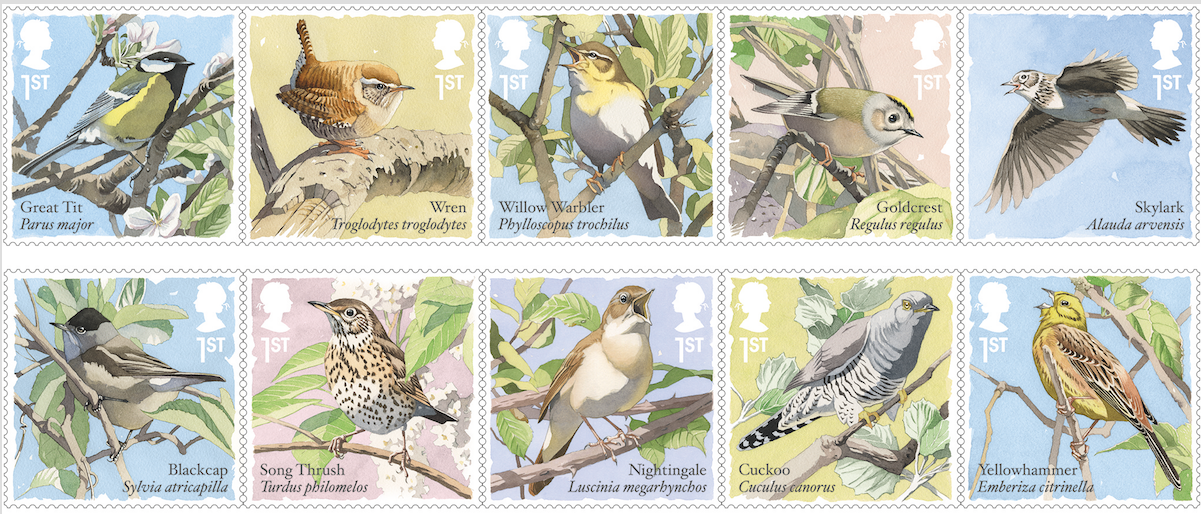
    The bird is one of 28 species in the report showing “statistically significant population declines” of more than 50pc over long-term periods of 31–48 years. These are grey partridge (Perdix perdix), little grebe (Tachybaptus ruficollis), lapwing (Vanellus vanellus), redshank (Tringa totanus), woodcock (Scolopax rusticola), snipe (Gallinago gallinago), turtle dove (Streptopelia turtur), cuckoo (Cuculus canorus), little owl (Athene noctua), willow tit (Poecile montanus), marsh tit (Poecile palustris), skylark (Alauda arvensis), house martin (Delichon urbicum), willow warbler (Phylloscopus trochilus), whitethroat (Sylvia communis), starling (Sturnus vulgaris), song thrush (Turdus philomelos) , mistle thrush (Turdus viscivorus), spotted flycatcher (Muscicapa striata), nightingale (Luscinia megarhynchos), house sparrow (Passer domesticus), tree sparrow (Passer montanus), yellow wagtail (Motacilla flava), tree pipit (Anthus trivialis), linnet (Linaria cannabina) , lesser redpoll (Acanthis cabaret), yellowhammer (Emberiza citrinella) and corn bunting (Emberiza calandra).

    A further seven species raise lower-level concern, as a result of statistically significant long-term declines of between 25% and 50%. These are Common Sandpiper (Actitis hypoleucos), Sedge Warbler (Acrocephalus schoenobaenus), Dunnock (Prunella modularis), Grey Wagtail (Motacilla cinerea), Meadow Pipit (Anthus pratensis), Bullfinch (Pyrrhula pyrrhula) and Greenfinch (Carduelis chloris). The recent dramatic declines in Greenfinch populations reverse a period of sustained increase.

    Sources:
    Eastern Daily Press, 29 Dec 2017
    http://www.edp24.co.uk/business/farming/bto-birdtrends-report-reveals-wildlife-winners-and-losers-of-2017-1-5336194
    BTO
    https://www.bto.org/about-birds/birdtrends/2017/key-findings/declining-species
  • Annual bird count shows decline of species

    Annual bird count shows decline of species

    With more than 15 centimetres of snow on the ground, clear skies and temperatures ranging between -13 and -22, the 70th annual Christmas Bird Count is a wrap for 2017. The count, held on Sunday, Dec 17, had more than 50 volunteers helping identify and count 82 bird species and 16,910 individual birds. According to the report filed by Mark D. Read with the Kingston Field Naturalists, this count is below the 20-year average of identifying 103 species and is less than 2015’s low count of 84.

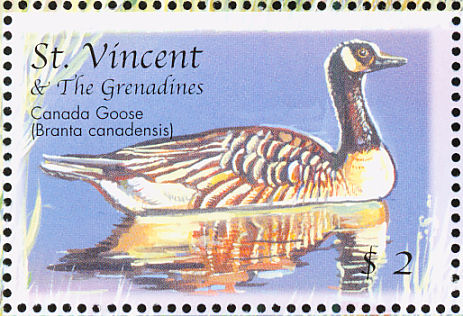
    “The number of birds was approximately 34,000 down on the 20-year average of 50,960,” Read said in the report. “Like last year, two-thirds of this decrease was directly attributed to just two species — Canada Goose (Branta canadensis )and mallard (Anas platyrhynchos) — perhaps this year due to extensive inland ice and thick, rising mist over Lake Ontario.” The total number of individual birds identified is down as well, from a 20-year average of 50,960 to 16,910.

    Source: The Whig, Dec 27, 2017

    Annual bird count shows decline of species

  • Vleermuizen staan bloot aan neonicotinoïde insecticiden

    Vleermuizen staan bloot aan neonicotinoïde insecticiden

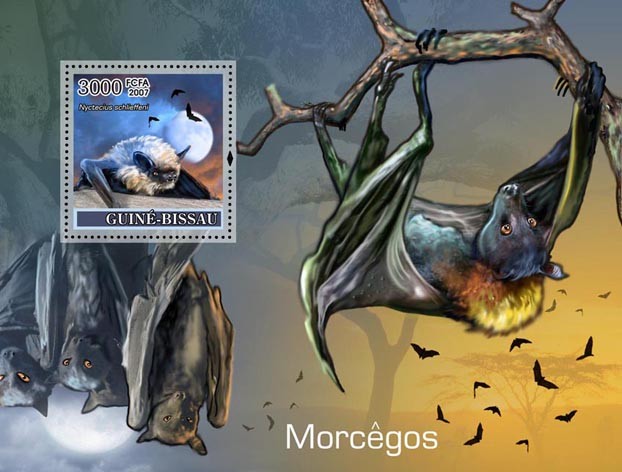
    De ingekorven vleermuis (Myotis emarginatus) heeft vaste vliegroutes en foerageert een substantieel deel van de tijd in veestallen maar jaagt ook vlak boven het bladerdak van bomen. De soort jaagt op spinnen en op kleine insecten, voornamelijk tweevleugeligen als vliegen en muggen, maar ook op nachtvlinders, rupsen, gaasvliegen en kevers. Op drie kraamkamerlocaties in Limburg (Lilbosch, Maria Hoop en Eijsden) zijn in de periode 2013-2015 dode individuen en mest verzameld. De neonicotinoide insecticiden imidacloprid en thiamethoxam werden in mestmonsters aangetroffen in concentraties van respectievelijk 10 en 14 microgram per kilogram (ppb). Daaruit kan worden afgeleid dat deze vleermuizen via prooi-insecten blootstaan aan neonicotinoïde insecticiden.

    Bronnen:
    Adriaan Guldemond, Peter Leendertse en Joost Lommen (CLM) en René Janssen (Bionet). Vleermuizen en pesticiden. Analyse van de ingekorven vleermuis in Limburg. CLM, rapport-918, december 2016.
    Wikipedia
    https://nl.wikipedia.org/wiki/Ingekorven_vleermuis

  • Immunosuppression in Honeybee Queens by Thiacloprid and Clothianidin

    Immunosuppression in Honeybee Queens by Thiacloprid and Clothianidin

    Queen health is crucial to colony survival of honeybees, since reproduction and colony growth rely solely on the queen. Queen failure is considered a relevant cause of colony losses, yet few data exist concerning effects of environmental stressors on queens. Here we demonstrate for the first time that exposure to field-realistic concentrations of neonicotinoid pesticides can severely affect the immunocompetence of queens of western honeybees (Apis mellifera L.). In young queens exposed to thiacloprid (200 µg/l or 2000 µg/l) or clothianidin (10 µg/l or 50 µg/l), the total hemocyte number and the proportion of active, differentiated hemocytes was significantly reduced. Moreover, functional aspects of the immune defence namely the wound healing/melanisation response, as well as the antimicrobial activity of the hemolymph were impaired. Our results demonstrate that neonicotinoid insecticides can negatively affect the immunocompetence of queens, possibly leading to an impaired disease resistance capacity.

    Source:
    Annely Brandt et al. Scientific Reports 7, Article number: 4673 (2017)
    doi:10.1038/s41598-017-04734-1

  • Pesticide exposure can reduce the ability of amphibians to resist parasite infections

    Pesticide exposure can reduce the ability of amphibians to resist parasite infections

    Across host–parasite systems, there is evidence that pesticide exposure increases parasite loads and mortality following infection. However, whether these effects are driven by reductions in host resistance to infection or slower rates of parasite clearance is often unclear. Using controlled laboratory experiments, we examined the ability of larval northern leopard frogs (Lithobates pipiens) and American toads (Anaxyrus americanus) to resist and clear trematode (Echinoparyphium sp.) infections following exposure to the insecticide carbaryl. Northern leopard frogs exposed to 1 mg/L of carbaryl had 61% higher parasite loads compared with unexposed individuals, while there was no immediate effect of carbaryl on parasite encystment in American toads. However, when tadpoles were exposed to carbaryl and moved to freshwater for 14 days before the parasite challenge, we recovered 37 and 63% more parasites from carbaryl-exposed northern leopard frogs and American toads, respectively, compared with the control. No effects on clearance were found for either species. Collectively, our results suggest that pesticide exposure can reduce the ability of amphibians to resist parasite infections and that these effects can persist weeks following exposure.

    Source: Pochini KM and Hoverman JT (2017). Parasitology 144: 817-822

  • Combined neonicotinoid pesticide and parasite stress alter honeybee queens’ physiology and survival

    Combined neonicotinoid pesticide and parasite stress alter honeybee queens’ physiology and survival

    Honeybee colony survival strongly relies on the queen to overcome worker losses exposed to combined stressors like pesticides and parasites. Queen’s capacity to withstand these stressors is however very little known. The effects of the common neonicotinoid pesticide imidacloprid in a chronic and sublethal exposure together with the wide distributed parasite Nosema ceranae have therefore been investigated on queen’s physiology and survivorship in laboratory and field conditions. Early physiological changes were observed on queens, particularly the increase of enzyme activities (catalase [CAT] and glutathione-S-transferase [GST] in the heads) related to protective responses to xenobiotics and oxidative stress against pesticide and parasite alone or combined. Stressors also alter the activity of two other enzymes (carboxylesterase alpha [CaE α] and carboxylesterase para [CaE p] in the midguts) involved in metabolic and detoxification functions. Furthermore, single and combined effects of pesticide and parasite decrease survivorship of queens introduced into mating hives for three months. Because colony demographic regulation relies on queen’s fertility, the compromise of its physiology and life can seriously menace colony survival under pressure of combined stressors.

    Source:
    Claudia Dussaubat et al. Scientific Reports 6, Article number: 31430 (2016)
    doi:10.1038/srep3143

  • A deadly fungus is infecting snake species seemingly at random

    A deadly fungus is infecting snake species seemingly at random

    A deadly fungal disease that’s infecting snakes in the eastern and midwestern United States doesn’t appear to discriminate by species, size or habitat, researchers report online December 20 in Science Advances. The infection, caused by the fungal pathogen Ophidiomyces ophiodiicola, can cover snakes’ bodies with lesions that make it hard for the reptiles to do normal snake things like slither and eat. Many eventually die from the infection. Fungal spores hang around in the soil and can spread to snakes that pick the particles up. The disease has been likened to the chytrid fungus that’s wiping out amphibian populations worldwide, or the white-nose syndrome that’s killing off entire caves of bats.

    In snakes, the disease not only “could result in the downfall of vulnerable species, but could also impact whole communities,” says Bruce Kingsbury, a biologist at Indiana University–Purdue University Fort Wayne, who was not part of the study. Snakes are important predators in many ecosystems — if the reptiles go, then populations of small mammals that they help control could boom, throwing the ecosystem out of whack.

    Source: Science News, Dec 20, 2017

    A deadly fungus is infecting snake species seemingly at random