Auteur: Henk Tennekes

  • Greenfinches are disappearing from our gardens

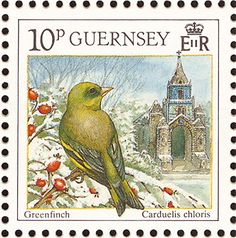
    Greenfinches are disappearing from our gardens

    The greenfinch (Carduelis chloris) is disappearing from UK gardens because of a deadly disease – with numbers more than halving in a decade, new research has warned. The greenfinch’s colourful plumage and distinctive twittering once made it one of our most familiar feathered friends. But numbers have plunged by an alarming 59 per cent in just 10 years – sparking concerns for its very future on these shores, warn bird watchers.

    The decline is caused by a widespread and severe outbreak of a disease called trichomonosis, that was first seen in finches in the UK in 2005. The disease – also known as canker or bird bath disease – is spread by waterborn parasites on bird tables and also affects pigeons. The scale of the greenfinch’s rapid decline has shocked experts – and raised a high level alert for its long term health for the first time.

    It was not even a conservation fear when the UK’s list of endangered birds was last updated in 2015.
    But now it faces being moved straight to the ‘red list’ – indicating species of greatest concern – should the decline continue at the current rate.

    Read more: http://www.dailymail.co.uk/sciencetech/article-5202777/Greenfinches-disappearing-gardens.html#ixzz51z2PZeDX

  • De ontwikkeling van Noord-Hollandse boerenlandvogels wordt bepaald door het insecten aanbod

    De ontwikkeling van Noord-Hollandse boerenlandvogels wordt bepaald door het insecten aanbod

    Landschap Noord-Holland presenteert haar Jaarboek Boerenlandvogels Noord-Holland 2017. Het jaarboek schetst een beeld van de aantallen boerenlandvogels in het voorjaar van 2017. Sommige eenden van het boerenland doen het goed. Vooral het aantal broedparen krakeenden neemt al vanaf 2005 spectaculair toe. Krakeenden (Anas strepera) zijn planteneters, die foerageren langs de oevers van de wateren (o.a. op wieren op basaltblokken) waar ze verblijven. Het gaat de krakeend in Nederland voor de wind. Vergeleken met enkele decennia geleden is de populatie in Nederland geëxplodeerd, van 550-800 paren in 1973-1975 tot 6.000 tot 7.000 paren in 1998-2000. Volgens SOVON was er sinds 1990 significante toename van >5% per jaar.

    De slobeend (Anas clypeata) is het zorgenkindje. Deze soort neemt al sinds 1990 in aantallen af en die trend heeft zich in 2017 voortgezet. De slobeend zoekt zowel aan de oppervlakte als duikend voedsel en eet garnaaltjes, slakken, insecten en larven, en zaden van waterplanten. Volgens SOVON was er sinds 1990 een significante afname in aantallen broedvogels en waren er in 2007 nog circa 8500 broedparen in Nederland. Omdat de afname in aantallen broedvogels zorgelijk is, werd soort in 2004 als kwetsbaar op de Nederlandse rode lijst gezet.

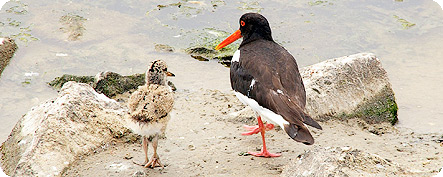
    Voor de scholekster luidt Landschap Noord-Holland de noodklok. 15% tot 20% van de Nederlandse populatie scholeksters broedt in Noord-Holland en sinds 1990 loopt het aantal broedparen terug. Die neerwaartse trend blijft doorzetten. De Scholekster Haematopus ostralegus is in snel tempo bezig veel terrein te verliezen. De afname van de Scholekster begon omstreeks 1990. In amper 15 jaar is de populatie met 50% afgenomen! Als de huidige negatieve trend zich voortzet is de Scholekster in 2020 in Nederland uitgestorven als weidevogel. Recent onderzoek heeft uitgewezen dat van alle scholeksters 77 procent in het agrarisch land broedt, 4 procent in de stad een nest heeft en 19 procent op de kwelders zit. Scholeksters die zich hebben gespecialiseerd in het leven op het boerenland eten vooral wormen en insectenlarven.

    De kievit (Vanellus vanellus) stabiliseert in aantallen broedparen, terwijl de grutto (Limosa limosa) in aantal nog steeds afneemt. Met de veldleeuwerik (Alauda arvensis) gaat het helaas al jaren dramatisch slecht. Belangrijkste oorzaak van de achteruitgang van aantallen boerenlandvogels is de intensieve landbouw, waar weinig plaats is voor insecten en voedzaam bodemleven. Juist die insecten en dat bodemleven hebben vogels nodig om henzelf en hun jongen groot te brengen.

    Gebruikte bron: De Heemsteder, 20-12-17

    Hoopvol beeld voor weidevogels in Noord-Holland maar alarm voor de scholekster


    Deze website

  • Jedes fünfte Reptil weltweit ist bedroht

    Jedes fünfte Reptil weltweit ist bedroht

    Reptilien existieren seit mehr als 300 Millionen Jahren. Jetzt allerdings müssen sie um ihr Überleben kämpfen: Jedes fünfte Reptil auf der Erde ist inzwischen vom Aussterben bedroht, das zeigt eine erste umfassende Analyse ihres Bedrohungsstatus durch mehr als 200 Forscher im Auftrag der International Union for Conservation of Nature (IUCN). Trotzdem aber ist über die Zahl der Reptilienarten und ihren Status erstaunlich wenig bekannt, wie die Forscher berichten. Zwar seien 9.084 Spezies dieser Tiergruppe bisher beschrieben, aber molekularbiologische Indizien sprechen dafür, dass es noch zahlreiche unbekannte Reptilienarten gibt. Und von den bekannten Arten sind bisher nur 35 Prozent für die Rote Liste der bedrohten Arten überhaupt bewertet worden. Halbwegs vollständige Erhebungen gebe es nur für Europa und einige Inselgruppen, der Reptilienbestand im Rest der Welt sei nur extrem lückenhaft erfasst, so Böhm und ihre Kollegen.

    Um dies zu ändern, haben die Wissenschaftler nun erstmals einen globalen Status der Reptilien in ihrer Studie ermittelt. Dafür analysierten sie die Verbreitung und die Gefährdung einer Stichprobe von 1.500 Arten aus allen Gruppen der Reptilien. Sie untersuchten dabei sowohl, welche Arten besonders bedroht sind, als auch, wo die Hotspots der Gefährdung liegen.

    Das Ergebnis: Durchschnittlich 19 Prozent der Reptilienarten weltweit sind akut vom Aussterben bedroht. Damit liegen in punkto Gefährdung zwar hinter Amphibien und Säugetieren, aber noch vor den Vögeln, wie die Forscher erklären. Deutlich höher liegt die Zahl der bedrohten Reptilien allerdings bei den im Meer und im Süßwasser lebenden Arten: Dort sind es sogar 30 Prozent. Betrachte man nur die Gruppe der Schildkröten, steige die Zahl der bedrohten Arten sogar auf gut die Hälfte.

    “Unsere Ergebnisse läuten die Alarmglocken für diese Tiergruppe und ihren Bedrohungszustand weltweit”, konstatiert Philip Bowles von der IUCN-Kommission. Gleichzeitig ermögliche das genauere Wissen darum, wodurch und wo die Reptilien besonders gefährdet seien nun auch einen gezielteren Schutz. Als Hotspots der Bedrohung identifizierten die Forscher die Karibik, Madagaskar, die ecuadorianischen Anden, den Nordosten Indiens und Zentralasien, sowie den Osten Chinas und einige Pazifikinseln. Aber auch in Europa und Nordamerika gebe es zahlreiche Arten, die bereits als potenziell gefährdet gelten, betonen Böhm und ihre Kollegen.

    Quelle: Scinexx, 18.02.2013
    http://www.scinexx.de/wissen-aktuell-15589-2013-02-18.html

  • Seit vielen Jahren warnt Paul Nothers eindringlich vor dem Insektensterben

    Seit vielen Jahren warnt Paul Nothers eindringlich vor dem Insektensterben

    Paul Nothers ist ein Mann, der genau hinschaut. Lange bevor die Grünen ihr Augenmerk auf den Umweltschutz legten, setzte sich der graduierte Landwirt und passionierte Jäger schon für Umwelt- und Naturschutz ein. Seit vielen Jahren warnt er eindringlich vor dem Insektensterben und dem Einsatz von Herbiziden und Pestiziden, allen voran Neonikotinoide und Glyphosat. Heute wird er 85 Jahre alt.

    Seit mehr als 55 Jahren lebt er mit seiner Ehefrau Hildegard, Kindern und Enkelkindern auf dem Hof seiner Familie in Hinterorbroich. Als er dort hinzog, war die Welt nach seinen Worten noch in Ordnung. „Insekten überall, Wild, Hasen, Kaninchen, Rebhühner und Fasane im Überfluss. Singvögel hörte und sah man ständig. Wer eine längere Fahrt im Auto unternahm, musste bald seine Windschutzscheibe von Insekten säubern.“ Das ist lange her. Längst steht eine Fülle von Tierarten kurz vor dem Aussterben.

    Den Einsatz von Pestiziden in der Landwirtschaft verfolgt er schon lange mit großer Sorge. 1962 erschien in den USA der Ökobestseller von Rachel Carson „Der stumme Frühling“. Darin beschrieb die Autorin den Beginn einer Ökokatastrophe durch neue Pestizide auf DDt-Basis und damals neue Herbizide wie Agent Orange. „Viele dieser tödlichen Gifte wurden in den letzten Jahrzehnten verboten.

    Für ihn steht Deutschland heute vor einer ähnlichen Katastrophe – nur viel gefährlicher, „da wir nicht massenweise tote Vögel sehen.“ Sie verschwinden ebenso wie die Insekten sang- und klanglos. Der Einsatz neuartige Pestizide in der Landwirtschaft wie Neonikotinoide sind – nicht nur für ihn – der Grund dafür. Der niederländische Toxikologe Henk Tennekes hat in seiner Veröffentlichung „Das Ende der Arten-Vielfalt: Neuartige Pestizide töten Insekten und Vögel“ den Zusammenhang aufgegriffen. Diese Insektizide werden längst zur Saatgutbehandlung eingesetzt, ihr Gift wandert in der aufkeimenden Pflanze vom Stängel bis in die Blüten und Pollen. „Jedes Insekt, das dann davon nascht, stirbt.“

    Dass der Rückgang der Insekten keine bloße Vermutung ist, hat der Entomologische Verein in einer über Jahrzehnte dauernden Beobachtung und Zählung inzwischen nachgewiesen. Nothers stellte dem Verein 1989 als erstes sein Grundstück zur Verfügung. Eine brisante Veröffentlichung im Fachmagazin „Plos One“ von Wissenschaftlern aus Deutschland, Großbritannien und den Niederlanden hat jetzt vor kurzem den Beweis erbracht, dass die Insekten-Population in den vergangenen 27 Jahren um knapp 80 Prozent zurückgegangen ist. Wissenschaftler hatten die Beobachtungen des Krefelder Vereins ausgewertet.

    Quelle: Westdeutsche Zeitung, 03.12.17
    http://www.wz.de/lokales/krefeld/die-natur-liegt-ihm-am-herzen-1.2568994

  • Low nutrient diets resulting from intensive agriculture make bees more vulnerable to neonicotinoids

    Low nutrient diets resulting from intensive agriculture make bees more vulnerable to neonicotinoids

    Intensive agriculture is known to decrease the quality of nutrients, in the form of sugars, available in the nectar and pollen that bees eat. Now scientists have found that when bees eat a low sugar diet, they are 50 per cent more likely to die as a result of neonicotinoid exposure. “These findings should cause us to rethink our current pesticide risk assessment procedures, which, based upon our findings, may underestimate the toxic effects of pesticides on bees,” said Dr Simone Tosi, a University of California San Diego researcher who co-authored the study. “Our results provide the first demonstration that these stressors can synergistically interact and cause significant harm to animal survival.” Crucially, the combination of the low nutrition diet and exposure to pesticides was more than the sum of its parts when it came to impacting bee survival. Their results were published in the journal Proceedings of the Royal Society B: http://rspb.royalsocietypublishing.org/content/284/1869/20171711

    Source: The Independent, 20 Dec 2017
    http://www.independent.co.uk/environment/pesticides-bees-harm-more-thought-study-new-a8119381.html

  • Bumble Bee Queens Slower to Start Colonies After Minimal Neonic Exposure

    Bumble Bee Queens Slower to Start Colonies After Minimal Neonic Exposure

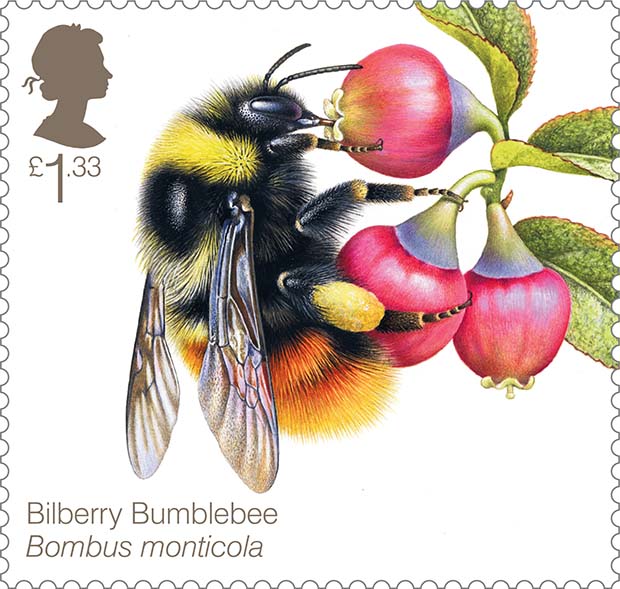
    Spring is an important period for bumble bees, as that’s when new colonies get their start. When a solitary bumble bee queen emerges from hibernation, she initiates a nest and then does the foraging work herself, until her first offspring hatch, develop into workers, and relieve her from all duties but egg laying. Thus, should any harm befall the queen in this early period, it can have ripple effects on the health of the developing colony.

    According to a new study published last week in Environmental Entomology, queens of the bumble bee species Bombus impatiens that encounter the neonicotinoid insecticide imidacloprid in that foraging period show delayed nest initiation and brood emergence—if they survive the exposure at all.

    Researchers at the University of Minnesota conducted an experiment in which they exposed B. impatiens queens to imidacloprid at levels between 1 and 25 parts per billion (ppb) in a sugar syrup, to “reflect a typical flower bloom period during which bees may become exposed to neonicotinoids when foraging on contaminated nectar and pollen in the environment.” They then measured how many queens survived, how long they took to start a nest, and how many eggs they laid.

    Queens treated with the insecticide at 1, 10, and 25 ppb died in greater numbers, and sooner, compared to untreated queens (though no significant difference was found at the 5 ppb treatment level). Meanwhile, though untreated queens began laying eggs between 13 and 20 days after the experiment began, queens exposed to imidacloprid were slower to begin their nests, some taking several weeks longer, “which suggests a possible dose-dependent delay and recovery by queens once exposure ended,” according to the authors of the study, Judy Wu-Smart, Ph.D., a doctoral candidate at the University of Minnesota at the time of the study and now an assistant professor and extension specialist at the University of Nebraska-Lincoln, and Marla Spivak, Ph.D., distinguished McKnight professor at Minnesota.

    Wu-Smart says she and Spivak were surprised to see that some of the queens (35 percent) died at the lowest exposure level, 1 ppb. “Previous studies with bumble bees examined the impacts of neonics on worker bees and or queenless microcolonies of bumble bees. In these studies, low doses, such as the 1 ppb we used, did not cause mortality in worker bees as it did in our study on queens, indicating that queens may be more susceptible than worker bumble bees,” says Wu-Smart.

    Other studies have shown that the effect of neonicotinoids can vary from species to species, as well. “Therefore,” Wu-Smart says, “non-target risk assessments for pesticides need to consider species- and caste-specific differences when measuring toxicological impacts on physiological and behavioral responses.”

    Pesticides are among a variety of contributing factors to declining bee populations in North America. Wu-Smart says the results of this research further underline the importance of minimizing non-target exposure of pesticides such as neonicotinoids.

    “This study illustrates a particular time in the season, during spring nesting, in which reproductive queen bees may be more vulnerable to neonicotinoid exposure. Therefore, mitigation actions should focus on reducing exposure risk during this time,” she says.

    Link to article:
    https://academic.oup.com/ee/advance-article-abstract/doi/10.1093/ee/nvx175/4716919?redirectedFrom=fulltext

    Source: Entomology Today, December 19, 2017

    Bumble Bee Queens Slower to Start Colonies After Neonic Exposure
  • Neonicotinoid insecticides are driving declines of widespread butterflies

    Neonicotinoid insecticides are driving declines of widespread butterflies

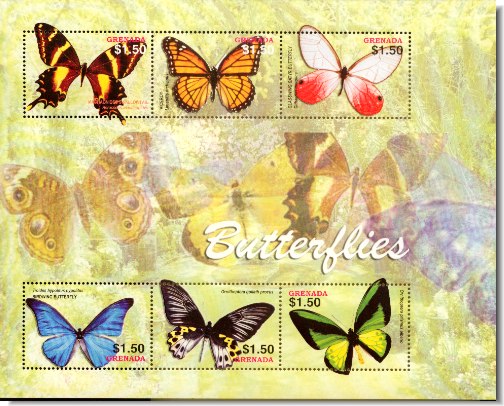
    In England, the total abundance of widespread butterfly species declined by 58% on farmed land between 2000 and 2009 despite both a doubling in conservation spending in the UK, and predictions that climate change should benefit most species. Here we build models of the UK population indices from 1985 to 2012 for 17 widespread butterfly species that commonly occur at farmland sites. Of the factors we tested, three correlated significantly with butterfly populations. Summer temperature and the index for a species the previous year are both positively associated with butterfly indices. By contrast, the number of hectares of farmland where neonicotinoid pesticides are used is negatively associated with butterfly indices. Indices for 15 of the 17 species show negative associations with neonicotinoid usage. The declines in butterflies have largely occurred in England, where neonicotinoid usage is at its highest. In Scotland, where neonicotinoid usage is comparatively low, butterfly numbers are stable.

    Source:
    Gilburn AS, Bunnefeld N, Wilson JM, Botham MS, Brereton TM, Fox R, Goulson D. (2015) Are neonicotinoid insecticides driving declines of widespread butterflies? PeerJ 3:e1402 https://doi.org/10.7717/peerj.1402

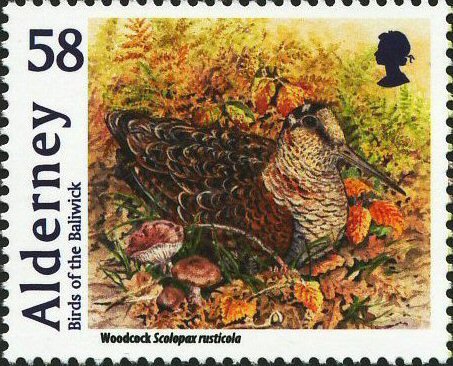
  • The woodcock is in steep decline

    The woodcock is in steep decline

    As their common name implies, the woodcocks (Scolopax rusticola) are woodland birds. They feed at night or in the evenings, searching for invertebrates in soft ground with their long bills. The population of British woodcock is now so imperilled that a game-shoot owner turned conservationist has started a national campaign to save the dwindling species. Figures indicate the number of breeding woodcock males has shrunk to possibly fewer than 55,000, down 30 per cent since 2003. Experts suggest that numbers could have been affected by collapsing insect populations.

    Source: Telegraph, 19 Dec 17
    http://www.telegraph.co.uk/news/2017/12/19/dont-shoot-woodcock-numbers-real-trouble-say-conservationists/

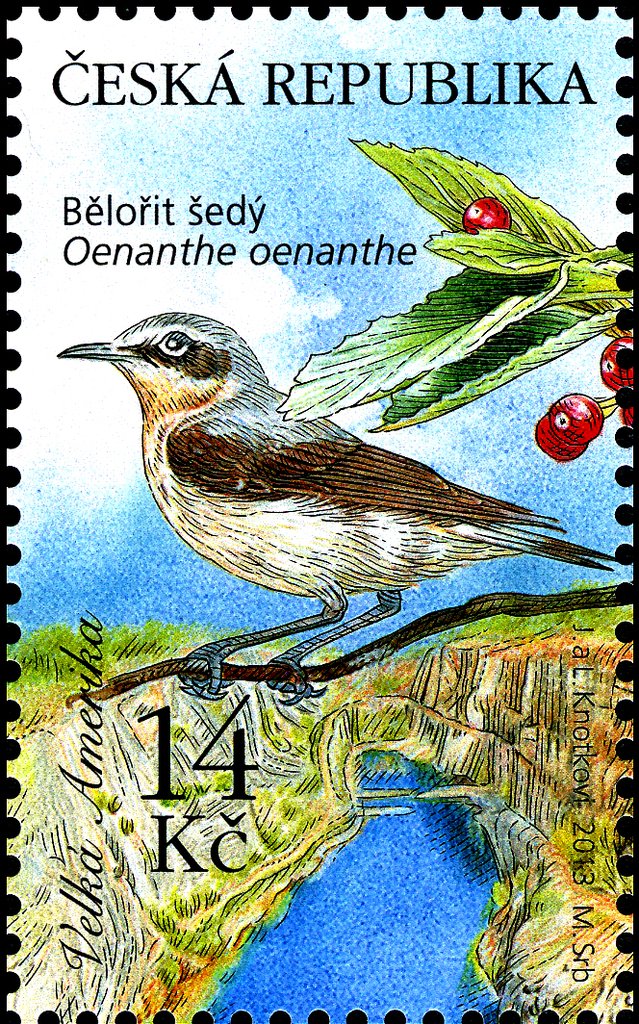
  • De tapuit verdwijnt als broedvogel in het Dwingelderveld

    De tapuit verdwijnt als broedvogel in het Dwingelderveld

    Rond 1960 hebben naar schatting 2.500 – 3.000 tapuiten Oenanthe oenanthe in Nederland gebroed. De tapuit is in enkele tientallen jaren tijd een van de zeldzaamste broedvogels van ons land geworden. De achteruitgang is fors, met maar liefst 90% sinds 1990. Grote delen van het binnenland, zoals Noord-Brabant, Limburg en de Veluwe zijn nagenoeg verlaten door deze vroeger algemene soort, die vele volksnamen kent. In het verleden broedde de tapuit (Oenanthe oenanthe) op het Dwingelderveld in de droge heide, waar voldoende broedgelegenheid aanwezig was in de vorm van de vele konijnenholen. In 1988 werd een maximum van 34 broedparen bereikt. Sinds 2003 broeden er gemiddeld nog twee paren per jaar in het gebied; in 2014 slecht één paar. De neergang loopt parallel aan de instorting van de populatie in het grootste deel van ons land.

    Bronnen: Beheerplan Dwingelderveld, Provincie Drenthe, november 2016
    https://www.bij12.nl/assets/nw16100605-beheerplan_n2000_dwingelderveld_def_lr.pdf
    Nature Today, 19-04-16
    https://www.naturetoday.com/intl/nl/nature-reports/message/?msg=22659

  • Drastic decline of New Hampshire’s bumble bee population over the last 150 years

    Drastic decline of New Hampshire’s bumble bee population over the last 150 years

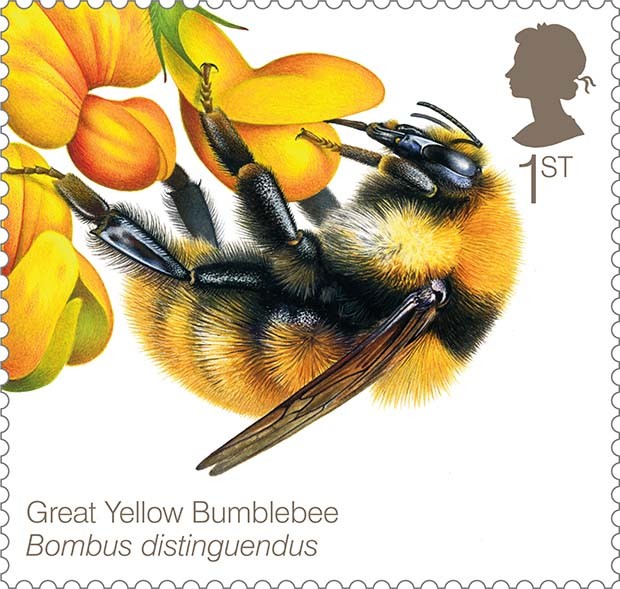
    In the first long-term study of New Hampshire’s bumble bee population, researchers with the New Hampshire Agricultural Experiment Station at the University of New Hampshire have found three of the state’s most important bumble bee species have experienced drastic declines and range constriction over the last 150 years, with a fourth bee also in significant decline.

    Scientists found drastic decline in Bombus affinis, Bombus fervidus, and Bombus terricola, as well as significant decline in Bombus vagans, with data suggesting it has been ecologically replaced by Bombus impatiens over time. The rusty patch bumble bee, Bombus affinis, was the first bee listed as an endangered species in the continental United States earlier this year. This species is thought to be locally extinct in New Hampshire as was last collected in 1993. Among other species of greatest conservation need, Bombus fervidushas declined by 96 percent over the past 150 years, and Bombus terricola has declined by 71 percent. Bombus vagans has also experienced a significant decline of 42 percent in New Hampshire. The researchers suggest Bombus vagans receive future conservation consideration. Their analyses also found a severe constriction of the geographic range of Bombus terricola to high elevation regions in the latter half of the 20th century, and its role as pollinator of several alpine plants necessitates immediate conservation action.

    Source: Morning AgClips, Dec 18, 2017

    UNH finds drastic decline in bumble bees