Auteur: Henk Tennekes

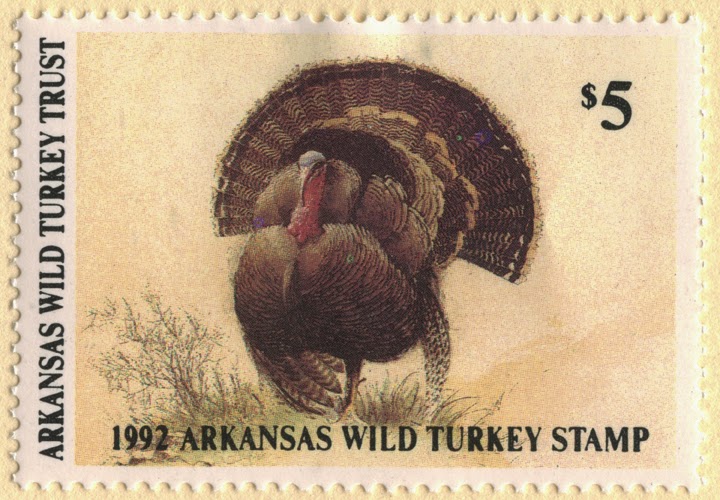
  • Wild turkeys are in trouble again

    Wild turkeys are in trouble again

    The wild turkey population peaked around 2001 at around 6.7 million birds in North America. But in the years since, it has dropped by about 15 percent. The eastern wild turkey—the most abundant subspecies, which reigns east of the Mississippi River—appears to be declining across parts of the Northeast, Southeast, and Midwest. In New York, hunters in the western part of the state were the first to notice the difference.

    Under the right circumstances, turkeys can lay plenty of eggs and see many of their progeny survive to adulthood. But wildlife biologists in Pennsylvania are often counting only two young turkeys per hen making it to the fall. The birds are struggling to find the right kinds of shelter and food. Many of the young forests where turkeys like to nest and raise broods are now maturing into open woodlands. For young birds and their mothers, that means less cover from predators and the elements.

    Source: Popular Science, Nov 22, 2017
    https://www.popsci.com/wild-turkey-decline
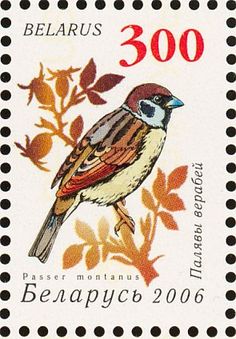
  • Farmland bird decline in the UK was 9% between 2010-15

    Farmland bird decline in the UK was 9% between 2010-15

    Birds living and breeding on the UK’s farmland have seen numbers decline by almost a tenth in five years, official figures show. Farmland bird populations have declined by 56% since 1970, largely due to agricultural changes including the loss of mixed farming, a switch to autumn sowing of crops, a reduction in hay meadows and the stripping out of hedgerows. While the majority of the decline happened in between the late 1970s and 1980s as farming practices changed rapidly, there was a 9% decline between 2010 and 2015, the statistics from the Department for Environment, Food and Rural Affairs (Defra) show. The latest figures have prompted renewed calls for an overhaul of farming as the UK leaves the EU and its system of agricultural subsidies, to support wildlife and farming.

    The data showed some “specialist” species, those restricted to or highly dependent on farmland habitats, have seen precipitous falls. Corn buntings (Emberiza calandra), grey partridge (Perdix perdix), turtle doves (Streptopelia turtur) and tree sparrows (Passer montanus) have all suffered declines of more than 90% since 1970, though others such as stock doves and goldfinches saw populations double. For turtle doves in particular, dramatic falls continue, with numbers down 71% between 2010 and 2015. Elsewhere in the countryside, woodland birds have seen numbers remain relatively stable over the last five years, although they are down almost a quarter (23%) since 1970. Across all species, including farmland, woodland, wetland and waterbirds and seabirds, numbers are down around 8% on 1970, the figures show.

    Source: The Guardian, 23 Nov 2017
    https://www.theguardian.com/environment/2017/nov/23/farmland-bird-decline-prompts-renewed-calls-for-agriculture-overhaul

  • Chronic exposure to neonicotinoids reduces honey bee health near corn crops

    Chronic exposure to neonicotinoids reduces honey bee health near corn crops

    Experiments linking neonicotinoids and declining bee health have been criticized for not simulating realistic exposure. Here we quantified the duration and magnitude of neonicotinoid exposure in Canada’s corn-growing regions and used these data to design realistic experiments to investigate the effect of such insecticides on honey bees. Colonies near corn were naturally exposed to neonicotinoids for up to 4 months—the majority of the honey bee’s active season. Realistic experiments showed that neonicotinoids increased worker mortality and were associated with declines in social immunity and increased queenlessness over time. We also discovered that the acute toxicity of neonicotinoids to honey bees doubles in the presence of a commonly encountered fungicide. Our work demonstrates that field-realistic exposure to neonicotinoids can reduce honey bee health in corn-growing regions.

    Source: Tsvetkov et al., Science 356, 1395–1397 (2017)

  • Immunosuppression in Honeybee Queens by the Neonicotinoids Thiacloprid and Clothianidin

    Immunosuppression in Honeybee Queens by the Neonicotinoids Thiacloprid and Clothianidin

    Queen health is crucial to colony survival of honeybees, since reproduction and colony growth rely solely on the queen. Queen failure is considered a relevant cause of colony losses, yet few data exist concerning effects of environmental stressors on queens. Here we demonstrate for the first time that exposure to field-realistic concentrations of neonicotinoid pesticides can severely affect the immunocompetence of queens of western honeybees (Apis mellifera L.). In young queens exposed to thiacloprid (200 µg/l or 2000 µg/l) or clothianidin (10 µg/l or 50 µg/l), the total hemocyte number and the proportion of active, differentiated hemocytes was significantly reduced. Moreover, functional aspects of the immune defence namely the wound healing/melanisation response, as well as the antimicrobial activity of the hemolymph were impaired. Our results demonstrate that neonicotinoid insecticides can negatively affect the immunocompetence of queens, possibly leading to an impaired disease resistance capacity.

    Source:
    Annely Brandt, Katharina Grikscheit, Reinhold Siede, Robert Grosse, Marina Doris Meixner & Ralph Büchler. Scientific Reports 7, Article number: 4673 (2017). doi:10.1038/s41598-017-04734-1

  • Die Vogelarten der Nadelwälder im Kanton Zug zeigen negative Entwicklungen

    Die Vogelarten der Nadelwälder im Kanton Zug zeigen negative Entwicklungen

    Im Kanton Zug haben sich die Brutvögel in den Naturschutzgebieten während der letzten vier Jahrzehnte unterschiedlich entwickelt. Am meisten unter Druck gekommen sind die Vögel der Moore. So ist der Kiebitz vom Aussterben bedroht. Sein Bestand ging von zehn Paaren auf ein einziges zurück. Eine mehrheitlich negative Entwicklung ist auch bei den Vögeln der Nadelwälder zu beobachten, wie die Direktion des Innern am Dienstag mitteilte. Dies zeigen Daten, die zwischen 1979 und 2016 erhoben wurden.

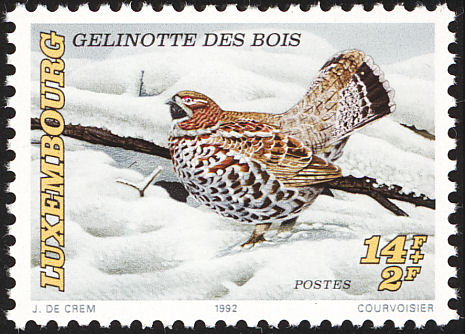
    Die Arten der Nadelwälder, zum Beispiel Haselhuhn (Tetrastes bonasia, Syn.: Bonasa bonasia) und Waldschnepfe (Scolopax rusticola), zeigen mehrheitlich negative Entwicklungen. Die Arten der Moore, wozu der Kiebitz (Vanellus vanellus) und die Feldlerche (Alauda arvensis) zählen, sind am meisten unter Druck geraten. Besonders stark rückläufig sind auch die Bestände der bodenbrütenden Arten.

    Quelle: Tierwelt, 28.11.17
    http://www.tierwelt.ch/?rub=4495&id=45352

  • Nesting Kittiwake numbers have plummeted by 87% on the Orkney and Shetland Islands since 2000

    Nesting Kittiwake numbers have plummeted by 87% on the Orkney and Shetland Islands since 2000

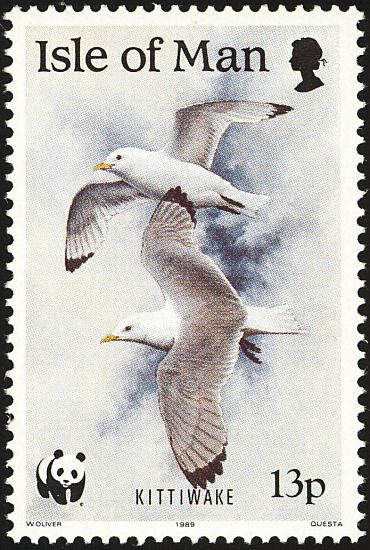
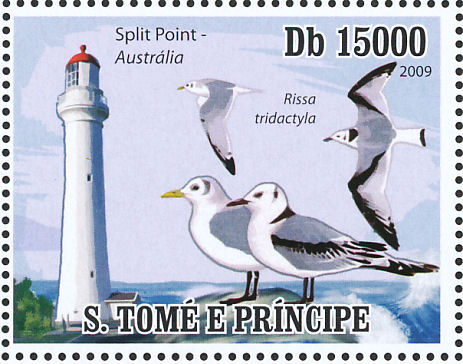
    The Kittiwake bird (Rissa tridactyla) has been placed on the world’s most-threatened birds list. The Kittiwake is a small cliff-nesting species of gull names for its distinctive “kitt-i-wake” call. Ireland is home to significant numbers of the Kittiwake species, which breed at colonies around the Irish coast. It has now been considered to be globally threatened, as it was listed on the International Union for Conservation of Nature Red List of Threatened Species. Globally, the species is thought to have declined by around 40% since the 1970s, leading to its reclassification as “vulnerable” on the IUCN Red List.

    Nesting Kittiwake numbers have plummeted by 87% on the Orkney and Shetland Islands, and by 96% on the Hebridean island of St Kilda since 2000. Bird Watch Ireland outlined that overfishing and ocean changes caused by climate change have affected the availability and quality of the Kittiwake’s key prey species, especially sandeels, during the breeding season. Without sufficient food, Kittiwake colonies in the North Atlantic and Pacific have been struggling to feed their chicks, causing “disastrous” chick survival rates in recent years. Dr Stephen Newton, senior seabird conservation office with BirdWatch Ireland, said that there has been a substantial decline in many Kittiwake colonies in Ireland. “For example, at the key colony on the island of Ireland’s Eye, off Howth in Co Dublin, Kittiwake numbers have declined by 50% over the past 16 years, to just 400 pairs today,” Newton said. “Kittiwakes need to fledge on average about 0.8 young each year to maintain a stable population. This threshold is not being reached at many colonies, and in turn declines in breeding numbers are now being recorded.” Bird Watch Ireland noted that the driving force of poor Kittiwake performance in Ireland is not fully known, but poor food supply is certainly a factor. GPS tracking of several adult Kittiwakes from Dublin showed they were flying to areas close to the Isle of Man and North Wales in their attempts to find food.

    Source: The Journal, 13 Dec 17
    http://www.thejournal.ie/kittiwake-bird-threatened-species-3747548-Dec2017/

  • Kittiwake numbers ‘down 50% in 25 years’ in Wales

    Kittiwake numbers ‘down 50% in 25 years’ in Wales

    A seabird placed on an endangered species list has seen its numbers in Wales decline by 50% in 25 years, an expert has said. The kittiwake (Rissa tridactyla) , along with the Atlantic puffin (Fratercula arctica), joined the IUCN Red List of endangered species on 12 December. The two both nest in Wales and are part of a group of nine UK-visiting birds which were put on the global list. Many of Wales’ seabirds are found on south west coastal islands such as Skomer and Skokholm off Pembrokeshire. Stephen Bladwell, biodiversity manager for RSPB Cymru, said it was “quite challenging” to monitor seabird numbers, but said the charity had seen a 50% drop in kittiwake numbers over the past quarter-century. “They held on in Wales for a little bit longer so Wales seemed to be bucking the trend, but it’s catching up,” he said.

    Source: BBC News, 17 December 2017
    http://www.bbc.com/news/uk-wales-42338555

  • Neonicotinoide: Neuer Zoff zwischen Hendricks und Schmidt droht

    Neonicotinoide: Neuer Zoff zwischen Hendricks und Schmidt droht

    Neonicotinoide werden mit dem Bienensterben in Verbindung gebracht. Umweltministerin Hendricks will wie die EU-Kommission ein Verbot in der Freilandanwendung. Agrarminister Schmidt sträubt sich noch dagegen dagegen. Nach dem Glyphosat-Streit zwischen Umweltministerin Hendricks und Agrarminister Schmidt droht nun neuer Zoff zwischen den beiden geschäftsführenden Bundesministern, die in einigen Teilbereichen eben unterschiedliche Ansichten vertreten. Dieses mal handelt es sich um die Neonicotinoide, die zur Schädlingsbekämpfung eingesetzt werden, jedoch auch für das Bienensterben verantwortlich zeichnen sollen.

    “Vor dem Hintergrund des Insektensterbens und der Rolle, die Pflanzenschutzmittel dabei spielen, ist ein Verbot der Freilandanwendung von Neonicotinoiden die einzig richtige Schlussfolgerung der EU für Umwelt- und Verbraucherschutz”, so die Sozialdemokratin Hendricks zur “Passauer Neuen Presse”. Deshalb fordert sie ein Aus für den Einsatz des Pestizids in der Landwirtschaft. “Ich hoffe sehr, dass Deutschland insgesamt hier an der Seite der EU-Kommission steht und den Weg für das Verbot freimacht.”

    Allerdings sieht ihr christsozialer Ministerkollege dies anders. So seien nach Ansicht des Agrarministeriums (welches sich auch als Bauernlobby versteht) die Vorschläge der Europäischen Kommission hinsichtlich der Verordnung von Einschränkungen beim Einsatz von Neonicotinoiden “noch nicht entscheidungsreif”. Er will auf den Bricht der Europäischen Behörde für Lebensmittelsicherheit (Efsa) warten, der im Frühjahr veröffentlicht werden soll. Für den Fall, dass die Efsa tatsächlich die Schädlichkeit des Insektizids belegen könne, wolle auch er sich gegen die weitere Zulassung aussprechen.

    Quelle: Contra Magazin, 12.12.17
    https://www.contra-magazin.com/2017/12/neonicotinoide-neuer-zoff-zwischen-hendricks-und-schmidt-droht/

  • New EPA Assessment: Neonicotinoid Pesticides Pose Serious Risks to Birds, Aquatic Invertebrates

    New EPA Assessment: Neonicotinoid Pesticides Pose Serious Risks to Birds, Aquatic Invertebrates

    The U.S. Environmental Protection Agency released multiple scientific assessments today that found commonly used neonicotinoid pesticides can kill and harm birds of all sizes. Separate analyses also found the pesticides pose significant danger to aquatic invertebrates, which play a crucial role in supporting larger ecosystems. The troubling assessments come on the heels of earlier EPA analyses and thousands of scientific studies that have identified substantial risks to pollinators and aquatic invertebrates from this class of pesticides. “The EPA’s assessments confirm neonicotinoid pesticides are extremely harmful to birds and aquatic life at the very center of our ecosystems,” said Lori Ann Burd, director of the Center for Biological Diversity’s environmental health program. “With bird, aquatic invertebrate and bee populations in decline, the only way to prevent further catastrophic damage is to follow Europe’s lead and ban these dangerous pesticides.”

    In today’s assessment the EPA found that risks posed to certain birds from eating neonic-treated seeds exceeded the agency’s level of concern — the level at which harm is known to occur — by as much as 200-fold. In addition to killing birds, a recent scientific study also found, neonic pesticides significantly impair the migratory ability of seed-eating songbirds. Today’s analysis found that if neonic-treated seeds make up just 1 percent to 6 percent of a bird’s diet, serious harms could result.

    Source: Center for Biological Diversity, Dec 15, 2017
    http://www.biologicaldiversity.org/news/press_releases/2017/pesticides-12-15-2017.php

  • Why Insects Are Indispensable

    Why Insects Are Indispensable

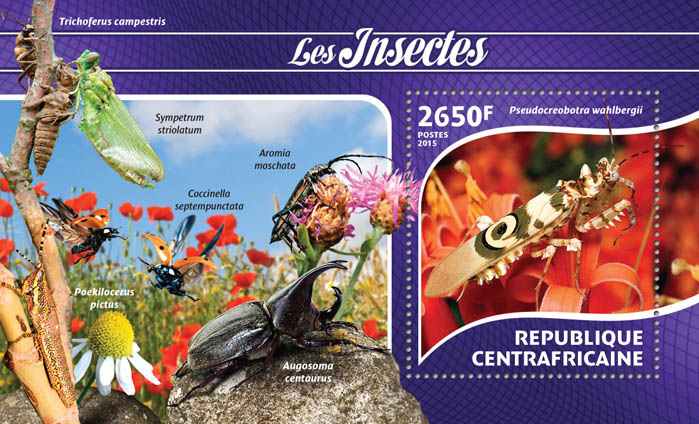
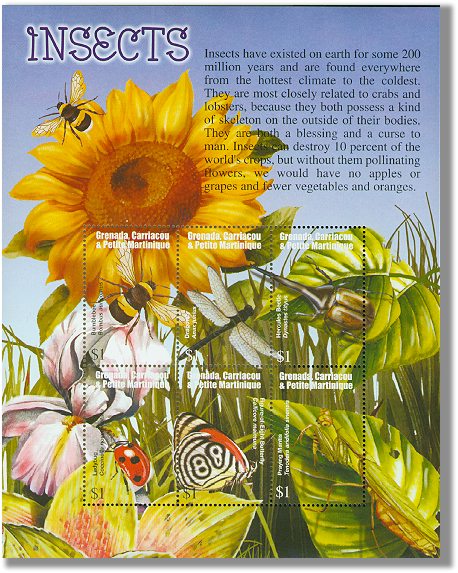
    Insects have been on Earth 1,000 times longer than humans have. In many ways, they created the world we live in. They helped call the universe of flowering plants into being. They are to terrestrial food chains what plankton is to oceanic ones. Without insects and other land-based arthropods, EO Wilson, the renowned Harvard entomologist, and inventor of sociobiology, estimates that humanity would last all of a few months. After that, most of the amphibians, reptiles, birds and mammals would go, along with the flowering plants. The planet would become an immense compost heap, covered in shoals of carcasses and dead trees that refused to rot. Briefly, fungi would bloom in untold numbers. Then, they too would die off. The Earth would revert to what it was like in the Silurian period, 440m years ago, when life was just beginning to colonise the soil – a spongy, silent place, filled with mosses and liverworts, waiting for the first shrimp brave enough to try its luck on land.

    Source: The Guardian, 14 Dec 17
    https://www.theguardian.com/environment/2017/dec/14/a-different-dimension-of-loss-great-insect-die-off-sixth-extinction