Auteur: Henk Tennekes

  • Migratory birds in Chilika decline by over 50,000

    Migratory birds in Chilika decline by over 50,000

    Chilika lake is a brackish water lagoon, spread over the Puri, Khurda and Ganjam districts of Odisha state on the east coast of India, at the mouth of the Daya River, flowing into the Bay of Bengal, covering an area of over 1,100 km2. It is the largest coastal lagoon in India. The number of migratory birds has declined by 53,729 in Odisha’s Chilika and Nalabana Bird Sanctuary this winter as compared to previous year, the annual bird census revealed.

    According to the annual bird census report released on Thursday, a total of 8,93,390 birds of 147 species were spotted in Chilika this winter in comparison to 9,47,119 birds during 2016-17. Similarly, 3,20,826 birds were spotted in Nalabana during the winter season in 2017-18. Out of total number birds, the highest number of birds was spotted in Nalabana area. Only 720 birds were spotted in Rambha.

    A new species of bird namely River laping was spotted in Chilika this year, informed Divisional Forest Officer (DFO) Bikash Ranjan Das.

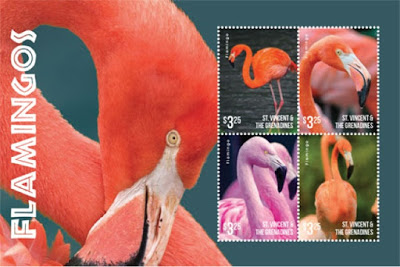
    While the number of Flamingos was recorded 314, the number of pintail birds was 1,36,874, Gadwall birds 1,34,369, Common Coot birds 84,958 and the number of Eurasian wigeon birds was 1,56,671. Frequent poaching activity in the Chilika lake has come as a major discouragement for the migratory birds who come as far as from Siberian region for their annual sojourn.

    The bird census was conducted by 21 groups comprising 100 members from wildlife organisations, several ornithologists, OUAT, Bombay Natural History of Society, wildlife activists, bird lovers and students of various universities on January 3 morning in Balugaon, Tangi, Chilika, Satapada and Rambha range under Khordha forest division and Brahmagiri range under Puri forest division.

    A total of 8,93,390 birds of 147 species were spotted in Chilika, Asia’s largest brackish water lake, this winter in comparison to 9,47,119 birds during 2016-17.
    3,20,826 birds were spotted in Nalabana during the winter season in 2017-18. Out of the total number of birds, the highest number of birds was spotted in Nalabana area.
    Only 720 birds were spotted in Rambha.

    Source:
    The Asian Age, 5 Jan 2018
    http://www.asianage.com/india/all-india/050118/migratory-birds-in-chilika-decline-by-over-50000.html
    Wikipedia
    https://en.wikipedia.org/wiki/Chilika_Lake
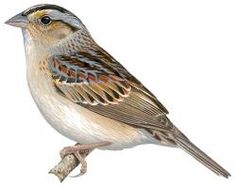
  • Florida’s grasshopper sparrows could be extinct within two years

    Florida’s grasshopper sparrows could be extinct within two years

    Despite $1 million worth of conservation efforts, U.S. Fish and Wildlife Service officials say Florida grasshopper sparrows (Ammodramus savannarum) are facing challenges in growing its population both in the wild and in captivity. The sparrow is largely endangered because of its dependence on its natural habitat: the dry prairies of central Florida. The subspecies was first discovered in 1902. However, it faced a population decline in the 1970s as prairie grasslands were converted to improve cattle pastures, sod production and other agricultural purposes. About 19 percent of original dry prairies remain in Florida today. A decline is noted in all three conservation lands where they remain, reports the Audubon Florida, with 2016 reporting the lowest counts in history.

    – Avon Park Bombing Range: declined from 130 singing males in 1999 to only 10 in 2004
    – Kissimmee Prairie Preserve State Park: declined from 150 a decade ago to only a few found on the property.
    – Three Lakes Wildlife Management Area: as many as 140 singing males have been counted in the past but recent counts find about 60 singing males

    If the grasshopper sparrow disappears, it would be the first bird species to go extinct in the U.S. since the dusky seaside sparrow did in 1987, reports the Tampa Bay Times.

    Source: Fox13 News, 03-01-2018
    http://www.fox13news.com/news/florida-news/florida-grasshopper-sparrows-face-extinction

  • Systemic pesticide concerns extend beyond the bees

    Systemic pesticide concerns extend beyond the bees

    In the summer of 2010, Henk Tennekes from Experimental Toxicology Services Nederland at Zutphen warned that the accumulation of neonicotinoids in the environment would not only decimate useful insects but also have a knock-on effect on other species, including birds (Curr. Biol. (2011) 21, R137–R139). At the time, Tennekes did not find much support for his views and went on to publish his warnings as a book — The Systemic Insecticides: A Disaster in the Making. Recent papers from other researchers are now supporting his concerns, as they show that the damage arising from systemic pesticides isn’t limited to pollinators and that many other species, from earthworms to birds, are also affected.

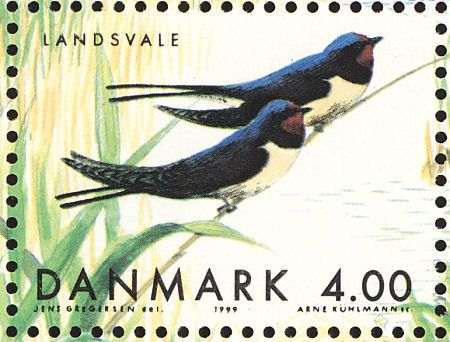
    A recent study has combined the highly detailed records of bird populations on the one hand and surface water contamination with pesticides on the other to demonstrate that the rate of decline of several insectivorous birds in plots all across the Netherlands correlates significantly with the contamination of surface water with the neonicotinoid imidacloprid in the same area (Nature (2014) 511, 341–343). The species showing statistically significant correlation include: Eurasian skylark (Alauda arvensis), barn swallow (Hirundo rustica), yellow wagtail (Motacilla flava), common starling (Sturnus vulgaris), common whitethroat (Sylvia communis), and mistle thrush (Turdus viscivorus).

    While correlation does not prove causation, the authors have carefully controlled for several possible causes, leaving the pesticide contamination as a likely factor contributing to the bird decline. The mechanism of the effect could go via the availability of insects for the birds to feed their brood with — it doesn’t have to involve acute toxicity to the birds themselves. The cascading effect though the food chain is supported by an earlier Dutch study led by Jeroen van der Sluijs (Utrecht University), which found a strong reduction of macro-invertebrate abundance in surface water polluted with imidacloprid (PLoS ONE (2013) 8, e62374).

    Source: Michael Gross (2014) Current Biology Vol 24 No 16, R717-R720
    Michael Gross is a science writer based at Oxford.

  • Nordsachsen: Der Rotmilan im Sinkflug

    Nordsachsen: Der Rotmilan im Sinkflug

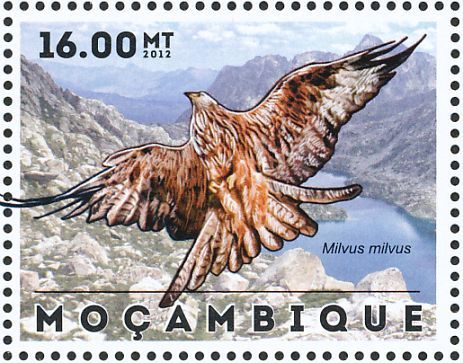
    Im Herbst zieht er in den Süden und überwintert in Spanien, in Südfrankreich und Portugal. Wenn er wieder in hiesigen Gefilden ist, bietet der rostrote, im Flug spielerisch wirkende Greifvogel mit den schwarzen und weißen Federn auf der Unterseite und dem weißen Kopf mit seiner unverwechselbaren Silhouette einen beeindruckenden Anblick. Dann, von Mitte März bis Ende Juli, ist Peter Solluntsch häufig auf Muldewiesen rund um Eilenburg, Püchau, Zschepplin, Bad Düben und anderen Ecken unterwegs, beobachtet den majestätisch schwebenden Greifvogel, erfasst die Brutbestände.

    Der Rotmilan gilt als Deutschlands heimlicher Wappenvogel, immerhin brütet über die Hälfte des Weltbestandes hier, zwischen 14 000 und 18 000 Brut-Paare mögen es derzeit sein. Allein in Nordsachsen gibt es ein 850 Quadratkilometer großes Projektgebiet, nördlich von Leipzig im Landkreis Nordsachsen, hier über weite Flächen der Leipziger Tieflandsbucht bis hin zur Magdeburger Börde soll es auch die größte Dichte im gesamten Freistaat geben. Allerdings bereitet die Art den Naturschützern seit Jahren große Sorgen: Seit den frühen 1990er-Jahren verzeichnen sie einen Rückgang der Bestände um gut ein Drittel. Ob auch immer weniger Vögel über Nordsachsen ziehen, soll das Projekt zeigen.

    Das Hauptproblem für den Rotmilan (Milvus milvus) sei in erster Linie der Nahrungsmangel, sagt Solluntsch. In diesen Tagen liegen die aktuellen Zahlen der Brutsaison 2017 vor. 53 Paare haben gebrütet, 69 Jungvögel sind flügge geworden. 77 Prozent Bruterfolg klingt erstmal nicht schlecht, pro Brutpaar heißt das 1,7 Jungvögel und dies sagt aber eben auch aus: „Dieser Wert ist der schlechteste seit 2014. Er müsste eigentlich über 2 liegen, damit die Population stabil bleibt.“ Das Jahr aber war ein schlechtes Mäusejahr. Dies führe auch dazu, dass weniger Paare brüten und Jungtiere unterversorgt sind.

    Quelle: Leipziger Volkszeitung, 28.12.17
    http://www.lvz.de/Region/Eilenburg/Nordsachsen-Der-Rotmilan-im-Sinkflug

  • Schwalben verschwinden

    Schwalben verschwinden

    Jahrhundertelang waren Schwalben ganz selbstverständliche Mitbewohner – nicht nur in den Dörfern auf Bauernhöfen, sondern auch in den Städten. Heute finden diese Vögel immer seltener geeignete Nistmöglichkeiten, und auch das Nahrungsangebot wird knapp. Sowohl Rauchschwalbe (Hirundo rustica) als auch Mehlschwalbe (Delichon urbicum) stehen in Baden-Württemberg mittlerweile auf der Roten Liste, ihre Bestände sinken. Die Rauchschwalbe gilt im ganzen Ländle bereits als gefährdet – die Bestände haben in den letzten 25 Jahren um mehr als die Hälfte abgenommen.

    Auch in Eberbach gehen die Schwalben-Bestände zurück. Auf dem Breitenstein und in Pleutersbach brüten Rauchschwalben-Paare. In den übrigen Ortsteilen sind sie stark zurückgegangen und teilweise verschwunden. Auch die Mehlschwalben-Bestände in Eberbach und in den Ortsteilen sind stark geschrumpft. So ist die Anzahl der Brutpaare in der Innenstadt von 1981 bis 2014 von 174 besetzten Nestern auf 40 Nester (um 77 Prozent) zurückgegangen. In Friedrichsdorf gab es in der gleichen Zeit einen Rückgang von 85 Prozent.

    Quelle: Rhein-Neckar Zeitung, 02.01.18
    https://www.rnz.de/nachrichten/eberbach_artikel,-nabu-eberbach-schwalben-verschwinden-_arid,327593.html

  • Earth has entered an era of mass extinction unparalleled since the dinosaurs died out 66 million years ago

    Earth has entered an era of mass extinction unparalleled since the dinosaurs died out 66 million years ago

    A 2015 study co-authored by Paul Ehrlich, professor emeritus of biology, and colleagues showed that Earth has entered an era of mass extinction unparalleled since the dinosaurs died out 66 million years ago. The specter of extinction hangs over about 41 percent of all amphibian species and 26 percent of all mammals, according to the International Union for Conservation of Nature (IUCN), which maintains a list of threatened and extinct species.

    The new analysis, published in Proceedings of the National Academy of Sciences, looks beyond species extinctions to provide a clear picture of dwindling populations and ranges. The researchers mapped the ranges of 27,600 species of birds, amphibians, mammals and reptiles—a sample representing nearly half of known terrestrial vertebrate species – and analyzed population losses in a sample of 177 well-studied mammal species between 1900 and 2015.

    Using range reduction as a proxy for population loss, the study finds more than 30 percent of vertebrate species are declining in population size and range. Of the 177 mammals for which the researchers had detailed data, all have lost 30 percent or more of their geographic ranges and more than 40 percent have lost more than 80 percent of their ranges. Tropical regions have had the greatest number of decreasing species while temperate regions have seen similar or higher proportions of decreasing species. Particularly hard hit have been the mammals of south and southeast Asia, where all the large-bodied species of mammals analyzed have lost more than 80 percent of their geographic ranges.

    The study’s maps suggest that as much as 50 percent of the number of animal individuals that once shared Earth have disappeared, as have billions of animal populations. This amounts to “a massive erosion of the greatest biological diversity in the history of Earth,” the authors write.

    “The massive loss of populations and species reflects our lack of empathy to all the wild species that have been our companions since our origins,” said the new study’s lead author, Gerardo Ceballos of the National Autonomous University of Mexico. “It is a prelude to the disappearance of many more species and the decline of natural systems that make civilization possible.”

    Source: Alternet, Dec 21, 2017
    https://www.alternet.org/environment/scientists-say-humans-lack-empathy-leading-global-species-annihilation

  • Three reptile species go extinct in Australia

    Three reptile species go extinct in Australia

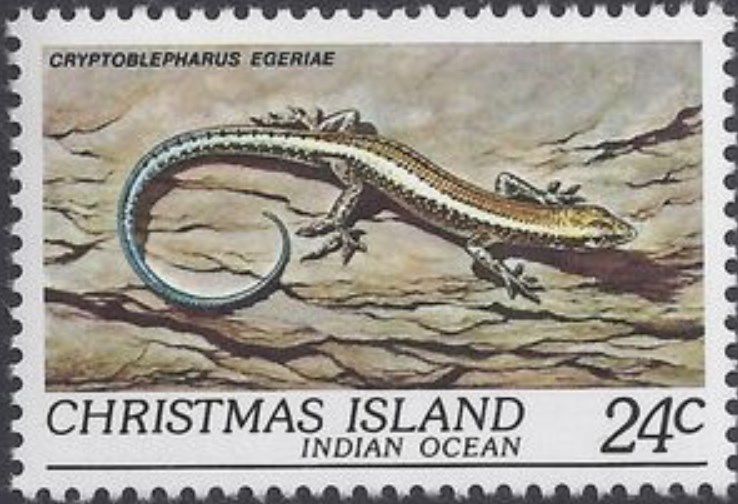
    Three species of reptile on Christmas Island in Australia have been declared extinct in the wild, according to a study released on Tuesday. Lister’s gecko (Lepidodactylus listeri), , the blue-tailed skink (Cryptoblepharus egeriae) and the Christmas Island forest-skink (Emoia nativitatis) were downgraded from “critically endangered” to “extinct in the wild” in the International Union for the Conservation of Nature’s (IUCN) latest report. “The extinctions … are an intriguing ‘whodunnit’, as their cause remains unclear,” said John Woinarski, professor of conservation biology at Charles Darwin University in northern Australia. Populations of reptiles on Christmas Island, an Australian territory just south of Indonesia, have been declining rapidly since the 1970s, the IUCN said. Scientists tried in vain to establish a captive breeding programme for the forest skink and it has now been declared extinct in the wild. Lister’s gecko and blue-tailed skink both have “well-established” captive breeding populations but are now also extinct in the wild. “In this case, the extent and severity of decline was revealed too late to save these Christmas Island reptiles,” said Mr Woinarski.

    The IUCN also sounded the alarm over the western ringtail possum (Pseudocheirus occidentalis), which was downgraded from vulnerable to critically endangered due to a fall in species numbers by 80 percent over the past 10 years.

    Source: The Telegraph, Dec 5, 2017
    http://www.telegraph.co.uk/news/2017/12/05/scientists-baffled-three-reptile-species-go-extinct-australia/

  • Herbicides to Blame for UK’s Declining Turtle Dove Population

    Herbicides to Blame for UK’s Declining Turtle Dove Population

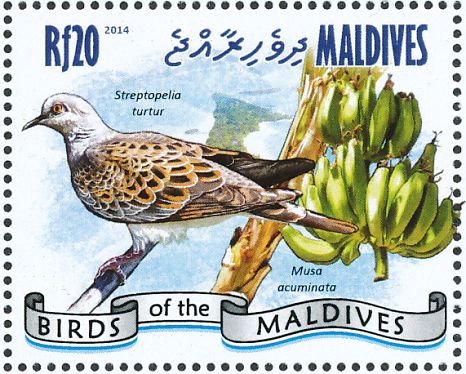
    The number of turtle dove (Streptopelia turtur) breeding pairs in the UK has dropped to a record low of 14,000, making an 84 percent drop since 1995.”The turtle dove is the fastest declining bird in the country [England] and within ten years we could lose this icon of the British countryside completely,” said a spokesman for the Royal Society for the Protection of Birds. Turtle doves in the United Kingdom are found in just a few areas of Southern England and migrate during the winter toward Africa. Turtle doves are obligate granivors, feeding predominantly on seeds of certain arable weeds form farm countryside, such as fumitory, clover and vetch. However, increased herbicide use in England has decimated vegetation (considered “weeds”) that turtle doves have traditionally eaten. In the 1960’s, arable weeds, including fumitory and chickweed, made up more than 75 percent of the adult diet, but parents are now heavily reliant on cultivated wheat and oilseed corps.

    Source: Ecowatch, Dec. 13, 2013
    https://www.ecowatch.com/pesticides-to-blame-for-uks-declining-turtle-dove-population-1881838014.html

  • Een gigantisch ecosysteem, de insectenwereld, valt uit elkaar

    Een gigantisch ecosysteem, de insectenwereld, valt uit elkaar

    Hoewel de wereld het niet ziet, stort een gigantisch ecosysteem in elkaar. Het heeft ons veel tijd gekost om deze catastrofe te begrijpen, om twee redenen: een culturele en een wetenschappelijke. Ten eerste geven we in het algemeen niet om insecten (behalve bijen en vlinders). Zelfs natuurliefhebbers zijn gefixeerd op gewervelde dieren, op wezens van bont en veren, en in de bevolking als geheel is er weinig sympathie voor het lot van insecten. We huiveren vaak van die kleine soms stekende beestjes. Minder insecten in de wereld ? Velen zouden juichen.

    Ten tweede is er, voor de overgrote meerderheid van insectensoorten, geen monitoring van de aantallen. Het is ook een bijna onmogelijke opgave. Alleen in het Verenigd Koninkrijk zijn er al ongeveer 25.000 insectensoorten en de meeste zijn onbekend behalve voor een paar specialisten.

    Dus wat is de toekomst voor insecten van de 21e eeuw? Het zal nog erger worden, omdat we worstelen om negen miljard mensen te voeden die naar verwachting tegen 2050 in de wereld zullen leven, en mogelijk 12 miljard in 2100. De landbouw wordt nog intensiever om dat te mogelijk te maken. Denk je echt dat er de komende jaren minder insecticiden zullen worden gespoten op landbouwgronden over de hele wereld? Denk er nog eens over na. Het is een ongemakkelijke maar onontkoombare waarheid: zelfs de meest succesvolle organismen die ooit op aarde hebben bestaan, worden nu – net als de rest van de natuur – overweldigd door de gigantische schaal van menselijke activiteiten.

    Bron: Michael McCarthy/The Guardian, 29 december 2017
    https://www.alternet.org/environment/giant-insect-ecosystem-collapsing-due-humans-its-catastrophe

  • The insect world is falling apart

    The insect world is falling apart

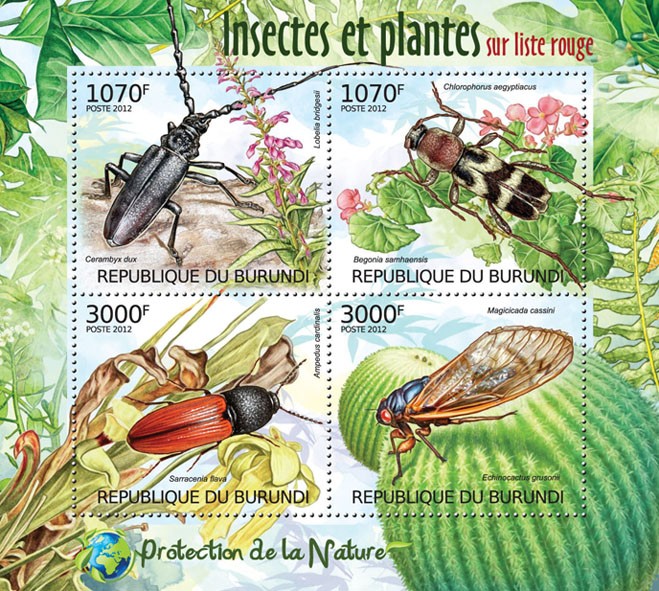
    Though unnoticed by the world at large, a whole giant ecosystem is collapsing. It has taken us a lot of time to understand this catastrophe for two reasons: one cultural, one scientific. Firstly, we generally do not care for insects (bees and butterflies excepted). In the population as a whole there is little sympathy for the fate of the chitin-skeletoned little things that creep and crawl; our default reaction is a shudder. Fewer bugs in the world? Many would cheer.

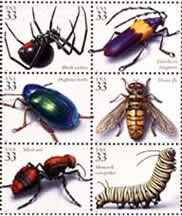
    Secondly, for the overwhelming majority of insect species, there is no monitoring or measurement of numbers taking place. It is a practical impossibility: in the U.K. alone there are about 24,500 insect species—about 1,800 species of bugs, 4,000 species of beetles, 7,000 species of flies and another 7,000 species of bees, wasps and ants—and most are unknown to all but a few specialists.

    So what is the future for 21st-century insects? It will be worse still, as we struggle to feed the nine billion people expected to be inhabiting the world by 2050, and the possible 12 billion by 2100, and agriculture intensifies even further to let us do so. You think there will be fewer insecticides sprayed on farmlands around the globe in the years to come? Think again. It is the most uncomfortable of truths, but one which stares us in the face: that even the most successful organisms that have ever existed on earth are now being overwhelmed by the titanic scale of the human enterprise, as indeed, is the whole natural world.

    Source: Michael McCarthy/The Guardian, Dec 29, 2017
    https://www.alternet.org/environment/giant-insect-ecosystem-collapsing-due-humans-its-catastrophe