Auteur: Henk Tennekes

  • Bird population decline in Athagarh forest division

    Bird population decline in Athagarh forest division

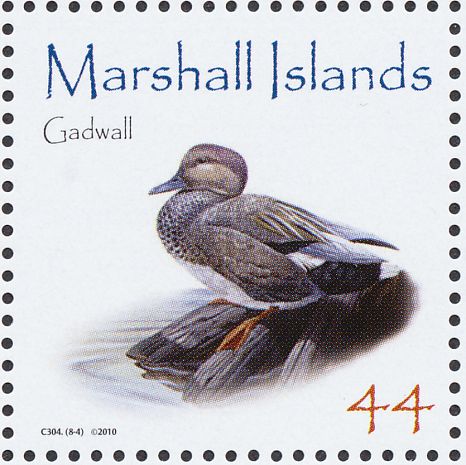
    There has been decline in the population of birds in Athagarh forest division in Cuttack. At least 16,948 birds were sighted in the forest division during the bird census which was carried out in the first week of January. The number of birds counted this year is much less against last year’s 19,476. Adding to it, not a single migratory bird has been spotted in the region this time. It is a matter of concern as in previous years migratory species like Red Crested Pochard (Netta rufina), northern Pintail (Anas acuta) Gadwall (Mareca strepera), Brahmani duck (Tadorna ferruginea) and Wigeon (Anas penelope) were spotted in the division. Even in 2015, a rare species of bird Small Pratincole (Glareola lactea), was also sighted in Athagarh division. In that year, over 28,000 birds were counted during the census.

    Source:Times of India, Jan 15, 2018
    https://timesofindia.indiatimes.com/city/cuttack/odisha-bird-population-decline-in-athagarh-forest-division/articleshow/62511448.cms

  • Finnish populations of the pochard have fallen a staggering 80% in the past 20 years

    Finnish populations of the pochard have fallen a staggering 80% in the past 20 years

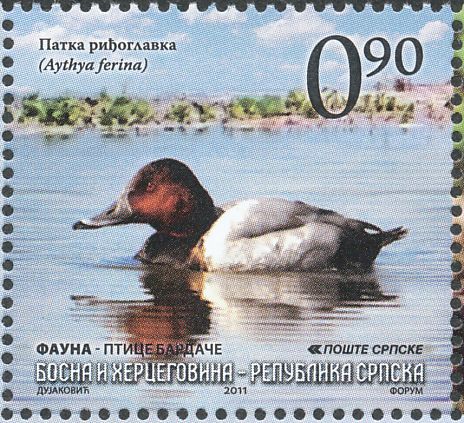
    Nature preservation group BirdLife Finland reports that domestic populations of the endangered common pochard have decreased massively in the past two decades. BirdLife’s calculations show that Finnish populations of the common pochard (Aythya ferina) have fallen a staggering 80 percent in the past 20 years. The organisation hopes to help revive the species by naming it the year’s top bird.In the early 1970s the Kokemäki river delta in Satakunta was bustling with some 250 pairs of pochards. Local calculations from a few years ago put the figure at just 30. These birds feed mainly by diving or dabbling. They eat aquatic plants with some molluscs, aquatic insects and small fish. They often feed at night, and will up-end for food as well as the more characteristic diving.

    Sources:

    YLE News, 24 Jan 2018
    https://yle.fi/uutiset/osasto/news/bird_of_the_year_endangered_pochard_population_in_steep_decline/10038556
    Wikipedia
    https://en.wikipedia.org/wiki/Common_pochard

  • Study findings suggest that imidacloprid would accumulate in trout in continuous waterborne exposures

    Study findings suggest that imidacloprid would accumulate in trout in continuous waterborne exposures

    Imidacloprid (IMI) is the largest selling insecticide internationally. Little is known about the toxicokinetics of IMI in fish, however. In vivo time-course studies were conducted to study the distribution and elimination of IMI in rainbow trout. Animals confined to respirometer-metabolism chambers were injected with a low (47.6 ìg/kg), medium (117.5 ìg/kg) or high (232.7 ìg/kg) dose directly into the bloodstream and allowed to depurate. The fish were then sampled to characterize the loss of IMI from plasma and its appearance in expired water (all dose groups) and urine (medium dose group only). In vitro biotransformation of IMI was evaluated using trout liver S9 fractions. The plasma time-course data indicated an early (< 12 h) distributional phase followed by a log-linear terminal elimination phase. Mean total clearance (CLT) values determined by non-compartmental analysis were 21.8, 27.0 and 19.5 mL/h/kg for the low, medium and high dose groups, respectively. Estimated half-lives for the same groups were 67.0, 68.4 and 68.1 h, while mean fitted values for the steady-state volume of distribution (VSS) were 1.72, 2.23 and 1.81 L/kg. Measured branchial elimination rates were much lower than expected, suggesting that IMI is highly bound in blood. Renal clearance rates were greater than measured rates of branchial clearance (60% of CLT in the medium dose group), possibly indicating a role for renal membrane transporters. There was no evidence for hepatic biotransformation of IMI. Collectively, these findings suggest that IMI would accumulate in trout in continuous waterborne exposures. Source: Frew, J., J. Brown, P. Fitzsimmons, A. Hoffman, M. Sadilek, C. Grue, AND J. Nichols. Toxicokinetics of the neonicotinoid insecticide imidacloprid in rainbow trout (Oncorhynchus mykiss). COMPARATIVE BIOCHEMISTRY AND PHYSIOLOGY PART C: TOXICOLOGY & PHARMACOLOGY . Elsevier Science Ltd, New York, NY, 205:34-42, (2018). https://cfpub.epa.gov/si/si_public_record_report.cfm?dirEntryId=339605

  • Chaffinch and greenfinch numbers plummet in Falkirk

    Chaffinch and greenfinch numbers plummet in Falkirk

    Readers are being asked to regularly clean out their bird baths and feeders – to help stop the decline of chaffinch (Fringilla coelebs),and greenfinch (Chloris chloris) numbers in the Falkirk district. In recent years, the RSPB has been worried about the decline of both species in its annual Big Garden Birdwatch poll. Last year’s results were no different. In 2016, chaffinch was fifth in the poll in Falkirk, with an average of 2.3 birds being spotted in 47.6 per cent of gardens. However, last year, it had dropped to eighth place with just 1.6 birds being spotted in 42.9 per cent of gardens – a 30 per cent reduction. A worrying reduction in the greenfinch, which was number 18 on the poll, was also recorded in Falkirk, with a 26.3 per cent decline. But it is discovering facts like these that helps the RSPB protect and safeguard birds. Andy Robinson, an RSPB conservation officer, said: “In some semi-rural areas, you’ll be lucky to see a greenfinch and, sadly, chaffinch are now being affected too. “Both birds have been really badly hit by the disease trichomoniasis.

    Read more at: https://www.falkirkherald.co.uk/lifestyle/chaffinch-and-greenfinch-numbers-plummet-in-falkirk-1-4674128

  • Concern as Irish corncrake population nearly halves in three years

    Concern as Irish corncrake population nearly halves in three years

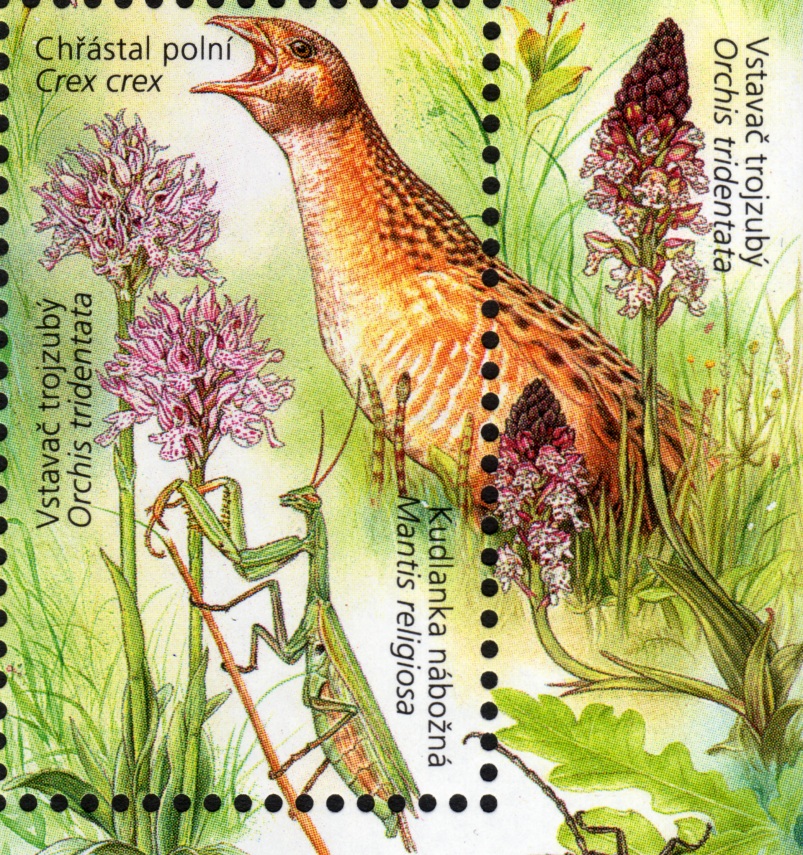
    There has been a further decline in corncrake (Crex crex) numbers recorded during the 2017 breeding season, according to a National Parks and Wildlife Service (NPWS) cited by nature conservation group Birdwatch Ireland. In the past three years, the number of breeding pairs has dropped dramatically from 230 in 2014 to 140 in 2017. Conservative estimates put the population at the beginning of the 20th century in the tens of thousands. However, this fell to an estimated 4,000 by the 1960s.. The decline in corncrakes corresponds with the replacement of traditional farming systems by modern agricultural methods.

    Source: Irish Farmers Journal, 5 February 2018
    https://www.farmersjournal.ie/concern-as-corncrake-population-nearly-halves-in-three-years-344478

  • Count marks sharp drop in monarch butterflies wintering in California

    Count marks sharp drop in monarch butterflies wintering in California

    The number of monarchs wintering in California has dropped to a five-year low, despite more volunteers counting more sites in search of the orange-and-black insect that is arguably the most admired of North American butterflies, a report said on Friday. The latest tally of 200,000 monarchs in forested groves in California’s central coast has dropped from the 1.2 million counted two decades ago, indicating the number of butterflies found west of the Rocky Mountains, or the so-called western population, continues to sharply decline, the Xerces Society for Invertebrate Conservation said in a report. “It’s certainly concerning,” said Sarina Jepsen, endangered species program director for the Xerces Society.

    Western monarchs are born on milkweed plants in such states as Arizona, Idaho, Utah and Washington before embarking on a seasonal migration to California. The annual count in California, done at the end of autumn by dozens of volunteers and scientists, last saw a severe low in 2012, with 144,812 butterflies across 136 sites, she said. In another troubling trend, the 200,000 butterflies found in the 2017 survey stemmed from monitoring of 262 sites, which were even more sites than were tracked the previous year when 300,000 monarchs were counted, Jepsen said.

    Source: Reuters, Feb 3, 2018
    https://www.reuters.com/article/us-california-butterflies/count-marks-sharp-drop-in-monarch-butterflies-wintering-in-california-idUSKBN1FN06N

  • De meeste weidevogellegsels in West-Overijssel worden door vossen opgegeten

    De meeste weidevogellegsels in West-Overijssel worden door vossen opgegeten

    Het aantal nesten van weidevogels dat succesvol uitkomt is ‘alarmerend laag’ in delen van West-Overijssel. Dat blijkt uit een uitgebreid predatieonderzoek dat in opdracht van Agrarisch Natuur Collectief Noordwest-Overijssel in 2016 en 2017 is uitgevoerd in drie Overijsselse gebieden. Dooronder ook het Staphorsterveld tussen Hasselt en Zwartsluis. Afhankelijk van het gebied en de weidevogelsoort wordt 44 tot 67 procent van de legsels opgegeten.

    Het door Altenburg&Wymenga uitgevoerde onderzoek vond plaats in de gebieden: Staphorsterveld, Tolhuislanden en Lierderbroek. Betrokken weidevogelvrijwilligers hebben binnen het onderzoek het verloop van vele nesten gevolgd en camera’s geplaatst bij 140 nesten. Aan de hand van deze beelden kon het resultaat van het nest en de predator vastgesteld worden.

    Uit het onderzoek komt naar voren dat de vos veruit het grootste aandeel heeft in de predatie van weidevogellegsels. Ongeveer 70 procent van de gepredeerde nesten wordt door de vos leeggehaald. Naast de vos is lokaal ook predatie door zwarte kraai en steenmarter vastgesteld.

    Bron: De Stadskoerier, 01-02-18
    https://destadskoerier.nl/algemeen/aantal-nesten-van-weidevogels-dat-uitkomt-alarmerend-laag

  • Insektensterben: Auch häufige Arten werden selten

    Insektensterben: Auch häufige Arten werden selten

    Senckenberg-Wissenschaftler konnten gemeinsam mit Kollegen der Technischen Universität München nachweisen, dass derzeit weit verbreiteten Insekten zukünftig ein hoher Artenverlust droht. Als Gründe für den Rückgang dieser „Generalisten“ nennt das Forscherteam eine Verinselung von Lebensräumen sowie die Intensivierung der Landwirtschaft. Auch die genetische Diversität der untersuchten Schmetterlingsarten wird laut der heute im Fachjournal „Biological Conservation“ veröffentlichten Studie zukünftig stark abnehmen – die Insekten reagieren in Folge sensibler auf Umweltveränderungen.

    Insekten werden immer weniger – in einigen Regionen wurde ein dramatischer Rückgang von bis zu 75 Prozent in den letzten Jahrzehnten nachgewiesen. „Bisher sind wir davon ausgegangen, dass besonders die Spezialisten unter den Insekten, also Tier die auf einen besonderen Lebensraum angewiesen sind, vom Artensterben bedroht sind“, erklärt Prof. Dr. Thomas Schmitt, Direktor des Senckenberg Deutsches Entomologisches Institut in Müncheberg und fährt fort: „In unserer aktuellen Studie zeigen wir, dass auch sogenannten ‚Allerweltsarten’ in Zukunft massiv gefährdet sind.“

    Das Wissenschaftlerteam legt in seiner Studie dar, dass Arten mit geringen Ansprüchen an ihr Habitat auf den Austausch zwischen verschiedenen Populationen angewiesen sind. „Unsere Untersuchungen machen deutlich, dass weit verbreitete Arten einen merklich vielfältigeren innerartlichen Genpool haben, als Arten, die sich auf einen speziellen Lebensraum angepasst haben“, erläutert Dr. Jan Christian Habel von der TU München und fährt fort: „Haben die Tiere – aufgrund von Verinselung ihrer Lebensräume – nicht mehr die Möglichkeit diese genetische Vielfalt durch Austausch aufrecht zu erhalten, wird ihnen zukünftig die Anpassungsfähigkeit an veränderte Umweltbedingungen fehlen.“
    Die Insektenforscher aus München und Müncheberg sprechen hier von einer „zeitlichen Verschiebung potentieller Ursachen des Artenrückgangs“: Anfänglich sind besonders die auf ein bestimmtes Ökosystem spezialisierten Insekten, wie beispielsweise die Schmetterlingsart Roter Apollo (Parnassius apollo) durch den Verlust von qualitativ wertvollen Lebensraum bedroht. Mit zunehmender Zeit und weiterer Verschlechterung der Lebensräume sowie des Zusammenbruchs von Habitatnetzwerken nimmt die Gefährdung für weit verbreitete, „anspruchslose“ Arten zu, wie zum Beispiel den Perlgrasfalter (Coenonympha arcania).

    „Für den praktischen Naturschutz heißt dieses Ergebnis, dass es zukünftig nicht mehr ausreichen wird kleine, isolierte Schutzgebiete zu erhalten – diese sind zwar ein Gewinn für spezialisierte Arten mit einfacher genetischer Struktur; die Masse an Arten, die auf einen Austausch zwischen lokalen Populationen angewiesen ist, werden wir so mittel- oder langfristig aber verlieren“, prognostiziert Schmitt und schließt: „Dies führt zu einem weiteren Rückgang von zahlreichen Insektenarten – mit dramatischen Auswirkungen auf ganze Nahrungsnetze und Ökosysteme.“
    Quelle:
    Judith Jördens
    Pressestelle
    Senckenberg Gesellschaft für Naturforschung
    Tel. 069- 7542 1434
    pressestelle@senckenberg.de
    Kontakt:
    Prof. Dr. Thomas Schmitt
    Senckenberg Deutsches Entomologisches Institut Müncheberg (SDEI)
    Tel. 033432 – 73 698 3700
    thomas.schmitt@senckenberg.de
  • De baardvleermuizen overwinteren niet meer in Westerbork

    De baardvleermuizen overwinteren niet meer in Westerbork

    De aardappelkelder van voormalig Kamp Westerbork was tot voor kort de belangrijkste winterverblijfplaats voor baardvleermuizen in (Noord-)Nederland. Sinds 2012 loopt het aantal overwinterende vleermuizen echter sterk terug. Waar in 2012 zo’n duizend individuen werden geteld, waren er dat deze winter nog maar 81. De Baardvleermuis is een vleermuissoort van kleinschalig landschap en bossen. Zij jaagt in en langs bossen, in rivier- en beekdalen en ook wel boven weilanden. De soort komt verspreid in vrijwel geheel Nederland voor, maar niet in grote aantallen.

    Bron: Nature Today, 30-01-18
    https://www.naturetoday.com/intl/nl/nature-reports/message/?msg=24102

  • Veel minder merels in Nederlandse tuinen

    Veel minder merels in Nederlandse tuinen

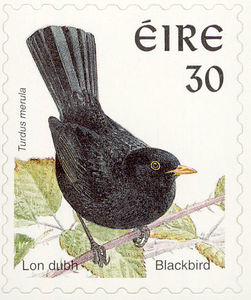
    Meer dan 50.000 mensen telden dit weekend in hun eigen tuin het aantal vogels. Het was de vijftiende Nationale Tuinvogeltelling van Vogelbescherming Nederland en Sovon Vogelonderzoek. Tijdens de vogeltelling zijn dit jaar veel minder merels geteld dan in andere jaren. Gemiddeld werd in elke tuin anderhalve merel geteld, terwijl dit in voorgaande jaren boven de twee lag. Oorzaak van de achteruitgang van de merel is mogelijk het voor merels dodelijke usutu-virus. Vooral in Oost-Nederland waren merels de afgelopen jaren het slachtoffer van dit virus.

    De huismus was net als voorgaande jaren veruit de meest getelde vogelsoort. De top-10 die nu is gemeld, is een voorlopige notering:

    1. Huismus Passer domesticus
    2. Koolmees Parus major
    3. Pimpelmees Cyanistes caeruleus
    4. Kauw Corvus monedula
    5. Merel Turdus merula
    6. Vink Fringilla coelebs
    7. Turkse tortel Streptopelia decaocto
    8. Houtduif Columba palumbus
    9. Ekster Pica pica
    10. Roodborst Erithacus rubecula

    Bron: NOS, 28-1-18
    https://nos.nl/artikel/2214245-veel-minder-merels-geteld-in-nationale-vogeltelling.html