Auteur: Henk Tennekes

  • Een halve eeuw na Rachel Carson’s Silent Spring is de cirkel rond

    Een halve eeuw na Rachel Carson’s Silent Spring is de cirkel rond

    Rachel Carson publiceerde op 27 september 1962 het boek Silent Spring (Dode Lente), dat waarschuwde voor de schadelijke effecten van pesticiden op het leefmilieu, vooral op vogels, zonder te weten dat insecten die van vitaal belang zijn voor biodiversiteit en voedsel daarin centraal zouden staan. De Nederlandse toxicoloog Henk Tennekes publiceerde in september 2010 een wetenschappelijk artikel in een vaktijdschrift voor toxicologie, gevolgd door het boek “A Disaster in the Making” en beschreeef de ecologische ramp als volgt: “De pesticidenindustrie creëert een ‘giftig landschap’ waarin alleen het cultuurgewas kan overleven. Dr. Tennekes’ boek verklaart hoe systemische pesticiden een verwoestend effect hebben op de leefomgeving.

    “Pesticiden kunnen problemen veroorzaken wanneer ze vanuit de bodem in het grond- en oppervlaktewater terecht komen. De chemicaliën diffunderen door het milieu en kunnen het waterleven en vogels beïnvloeden. Systemische insecticiden kunnen bij uitstek zulke problemen veroorzaken, omdat ze niet alleen oplosbaar zijn in water en mobiel in de bodem, maar ook niet gemakkelijk in bodem en water worden afgebroken. Dat betekent dat organismen die in het water en op het land leven chronisch worden blootgesteld aan deze stoffen. ”

    Tennekes’ boek is een dringende herinnering aan de boodschap van Rachel Carson. Op basis van zijn wetenschappelijk onderzoek (als toxicoloog) illustreert hij de ecologische ramp die al is begonnen.

    Bron: Ecocolmena, 28-02-2018
    https://ecocolmena.com/efsa-confirma-neonicotinoides-peligrosos-abejas-polinizadores-silvestres/

  • EFSA confirma que los neonicotinoides son peligrosos para las abejas y polinizadores silvestres

    EFSA confirma que los neonicotinoides son peligrosos para las abejas y polinizadores silvestres

    Rachel Carson escribió el 27 de septiembre de 1962 Primavera Silenciosa, (Silent Spring) que advertía de los efectos perjudiciales de los pesticidas en el medio ambiente -especialmente en las aves- sin saber que los polinizadores vitales para la biodiversidad y la alimentación serían uno de los más perjudicados en su libro ya culpaba a la industria química de la creciente contaminación.​ En septiembre del 2010 el Dr Toxicólogo Henk Tennekes publicó un articulo científico en una revista de toxicología, Siguió un libro….. “Un Desastre en Potencia”. Una descripción del libro dice: “La industria de los plaguicidas está creando un ‘Paisaje venenoso’ en el que lo único que se le permitirá vivir será el cultivo con insecticida que aporta los beneficios. El libro del Dr. Tennekes sugiere que los pesticidas sistémicos están teniendo un efecto devastador en nuestro medio ambiente. Esto puede confirmar los temores de muchas personas informadas, científicos independientes y organizaciones de conservación.

    “Los pesticidas pueden causar problemas cuando se filtran fuera del almacenamiento o son arrastrados fuera del suelo a las vías fluviales y subterráneas. Los químicos se difunden a través del ambiente y pueden afectar la vida marina y de aves. Los insecticidas sistémicos son propensos a causar tales problemas porque no solo son solubles en agua y móviles en el suelo, tampoco se degradan fácilmente en el suelo y el agua, es decir, persisten en el suelo y el agua, y los organismos acuáticos y terrestres pueden estar crónicamente expuestos a estas sustancias “.

    El libro de Tennekes es un recordatorio urgente del mensaje de Rachel Carson. Basándose en su investigación científica (como toxicólogo publicado), ilustra el colapso ecológico que ya comenzó a suceder.

    Source: Ecocolmena, 28/02/2018
    https://ecocolmena.com/efsa-confirma-neonicotinoides-peligrosos-abejas-polinizadores-silvestres/

  • In Sachsen stehen aktuell 1275 Insektenarten auf der Roten Liste, von denen 98 bereits ausgestorben und 122 vom Aussterben bedroht sind

    In Sachsen stehen aktuell 1275 Insektenarten auf der Roten Liste, von denen 98 bereits ausgestorben und 122 vom Aussterben bedroht sind

    In Sachsen verschwinden immer mehr Insekten – und damit die Bestäuber unserer Kulturpflanzen und die Nahrungsgrundlage vieler Tiere. Die Situation ist so prekär, dass Grüne und Linke von der Staatsregierung ein aktives Gegensteuern verlangen. Am Freitag schildert ein Insekten-Experte dem Umweltausschuss des Landtages, was dringend zu tun ist.

    Monokulturen und Überdüngung auf den Feldern, massenhafter Einsatz von Pestiziden und immer weniger Grünflächen in Ballungsräumen haben den Bestand der Insekten deutlich dezimiert. In Sachsen stehen aktuell 1275 Insektenarten auf der Roten Liste, von denen 98 bereits ausgestorben und 122 vom Aussterben bedroht sind, schlagen über 100 sächsische Naturwissenschaftler in einem offenen Brief Alarm.

    Einer der Autoren ist Dr. Matthias Nuß (51), Sektionsleiter Schmetterlinge im Senckenberg Museum für Tierkunde. Als Sachverständiger tritt er heute im Umweltausschuss auf, unterstützt dort einen gemeinsamen Antrag von Grünen und Linken, den Insektenschutz in Sachsen zur politischen Chefsache zu machen. Die Staatsregierung solle in einer Studie Ausmaß, Ursachen und Folgen des Insektensterbens im Freistaat analysieren und daraus schnellstmöglich Maßnahmen zum Artenschutz herleiten, so die Forderung beider Fraktionen.

    Von der Politik verlangt Insektenforscher Nuß neben einer aktiven Ursachenforschung vor allem einen ökologischen Wandel der Agrar-Förderung. „Die Vergabe von Subventionen muss sehr viel mehr an eine nachhaltige Bewirtschaftung mit Blick auf Bodenfruchtbarkeit, Qualität von Grund- und Oberflächenwasser sowie Erhalt der Artenvielfalt gekoppelt werden“, so die Forderung des Experten>

    Quelle: Tag24, 02.03.18
    https://www.tag24.de/nachrichten/dresden-saechsischer-landtag-umweltausschuss-anhoerung-insekten-experte-insektensterben-462888

  • Denmark lost nearly 3 million farmland birds in the last 4 decades

    Denmark lost nearly 3 million farmland birds in the last 4 decades

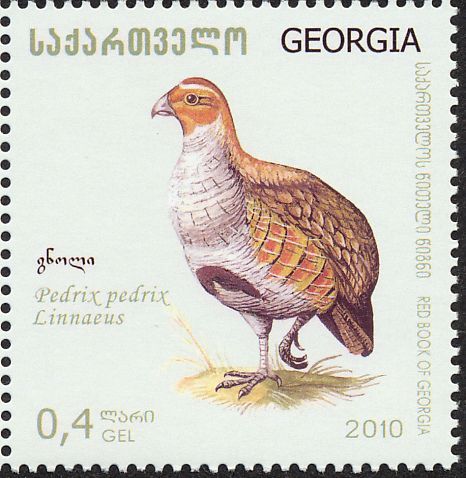
    Nearly three million birds have disappeared from Denmark’s farmlands in the space of four decades, according to a report. 15 of 22 species of bird connected to farmland habitats have shrunk in population size, while seven species have increased, reports the Fugle & Nature (Birds and Nature) magazine. Counts by the Danish Ornithological Society (DOF) over the last 40 years have shown significant reductions – in some cases well over 50 percent – in populations of species such as the northern lapwing (Vanellus vanellus), grey partridge (Perdix perdix) and skylark (Alauda arvensis) over that time.

    DOF expert Niels Andersen found an overall loss in arable land populations of 2,950,000 birds after comparing figures with overall population estimates recorded by DOF in 2011. The result of the analysis shows a dramatic decrease in bird populations in farmland areas, Andersen said.

    “This shows that we have lost a lot of everyday nature over the last 40 years. A few generations ago, many of us grew up in the country and had the lapwing’s screech imprinted on our brains, or grew up listening to the skylark’s song,” he said.

    Other species to be affected by the fall in populations include the yellowhammer, common linnet and swallow.

    “The advance of agricultural production has had a price for biological diversity. The small biotopes where farmland birds could find a habitat are gone,” Andersen said.

    DOF chairperson Egon Østergaard said there was no quick fix to the problem. “This is caused by a changed in agricultural methods, and that animals now live in stables. We could appeal to farmers to not remove the last natural areas out there. But it is economic factors that determine how farmers must work their land,” Østergaard said. Farmers who prioritise natural habitats should be more highly rewarded, he added. The DOF chairperson said he hoped changes to the EU’s agricultural support policies in 2020 could bring potential improvements to the situation.

    Source: The Local, 6 Feb 2018
    https://www.thelocal.dk/20180206/three-million-birds-have-left-denmark-since-1970s-report

  • Immune suppression by neonicotinoids could be at the root of insect decline

    Immune suppression by neonicotinoids could be at the root of insect decline

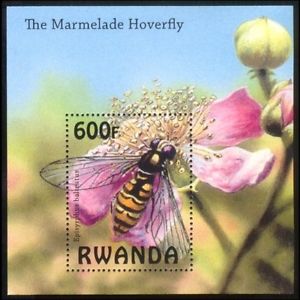
    Scientists have identified infectious diseases as a key driver of bee population decline and have shown for the first time the extent to which the diseases are shared with other pollinator groups, in research published this week. Researchers from Royal Holloway, University of London, Oxford University and Cornell University have shown that viruses that are harmful to honeybees are also present in hoverfly pollinators. The study suggests that hoverflies are exposed to the same diseases, and may move the infections around when they feed from the same flowers as the honeybees.

    Hoverflies are very mobile – unlike honeybees – and can undertake large-scale annual migrations. Thus the study suggests hoverflies have the potential to spread diseases throughout landscapes, or even across entire continents. Global declines of insect pollinators jeopardise the delivery of pollination services in both agricultural and natural ecosystems. Dr Emily Bailes, post doctoral research assistant at Royal Holloway, who led the research, said: “We have seen a decline in bees in the UK for several years, but this study shows for the first time that hoverflies may be moving these diseases much further than bees normally would.

    “This is because of their annual migrations across Europe. This could expose local bee populations to new strains of the diseases and make them more likely to become infected, much like different flu strains in humans. We therefore need to think of ways to limit this transfer between species.

    “What we don’t know yet is whether the hoverflies are just moving the diseases around, or if [the diseases] are also causing harm to the hoverflies. This is important to find out because hoverflies are also extremely valuable pollinators, and several species are known to be in decline.”

    During the study, honeybees and four of the most common species of hoverfly were collected from grassland and woodland near Oxford. The samples were screened for the six most common honeybee viruses, of which three were detected in both honeybees and hoverflies.

    Professor Owen Lewis, from Oxford University and senior author of the paper, added: “Most people think of honeybees as the main pollinators of our crops and wildflowers.

    “However, wild insects such as hoverflies are hugely important too. The new results suggest that the fates of these pollinating insects may be tightly linked, if diseases such as viruses can spread between them.”

    Source: Catherine Harte in The Ecologist, 1 March 2018
    https://theecologist.org/2018/mar/01/why-decline-honeybee-can-be-linked-health-hoverfly
    This story is based on a news release from Royal Holloway, University of London.

    Outbreaks of infectious diseases in honey bees, fish, amphibians, bats and birds in the past two decades have coincided with the increasing use of systemic insecticides, notably the neonicotinoids and fipronil. A link between insecticides and such diseases is hypothesised. Firstly, the disease outbreaks started in countries and regions where systemic insecticides were used for the first time, and later they spread to other countries. Secondly, recent evidence of immune suppression in bees and fish caused by neonicotinoids has provided an important clue to understand the sub-lethal impact of these insecticides not only on these organisms, but probably on other wildlife affected by emerging infectious diseases.

    Source:
    Rosemary Mason, Henk A Tennekes, Francisco Sanchez-Bayo, Palle Uhd Jepsen (2012) Immune suppression by neonicotinoid insecticides at the root of global wildlife declines. Journal of Environmental Immunology and Toxicology 2013; 1:3-12. DOI: 10.7178/jeit.1
  • Uitstervende insecten: kom in actie en koop biologisch !

    Uitstervende insecten: kom in actie en koop biologisch !

    De Europese Commissie stelt aan de lidstaten voor om drie neonicotinoïde producten (imidacloprid, clothianidin en thiamethoxam) te verbieden. Daar had al duidelijkheid in moeten komen, maar dat is uitgesteld. Frustrerend, want er is niet zo veel tijd meer om het tij te keren. Bij een verbod duurt het minstens vijf jaar tot deze stoffen compleet zijn afgebroken en niet meer voorkomen in het milieu. En dus zal ook bij een verbod de insectensterfte nog een tijd lang toenemen. En dat terwijl we al driekwart van de insecten kwijt zijn. Het is ernst: pak jij de handschoen op of wacht je op de regering?

    De industrie er tot nu toe in geslaagd deze stoffen grotendeels te handhaven op de markt, dankzij vooringenomen onderzoek dat de rol van neonicotinoïden bij insectensterfte bagatelliseert. De schuld voor de bijensterfte zou door ziekteverwekkers, zoals de varroamijt en virussen komen. Wat vergeten werd te vertellen, is dat insecten juist gevoelig worden voor deze ziekteverwekkers omdat de neonicotinoïden hun immuunsysteem onderdrukken.

    Vogelbescherming pleit ook voor een algemeen verbod op het gebruik van neonicotinoïden totdat aangetoond kan worden dat deze middelen geen impact hebben op vogels en het milieu. Om hen daarin te ondersteunen organiseert Ekoplaza de Vogelvriendelijke Weken. Wij laten zien dat onze boeren en telers zorg hebben voor biodiversiteit. Behalve dat zij geen neonicotinoïde middelen gebruiken, gaan ze vaak nog een stap verder door aanpassingen op het bedrijf om de biodiversiteit in stand te houden.

    Het is daarom hoog tijd dat de consument gaat handelen. Door zijn koopgedrag kan hij een radicale verandering in de landbouw teweegbrengen. Door voedsel te kopen, geproduceerd zonder bestrijdingsmiddelen die de gezondheid van mens en milieu in gevaar brengen. Ekoplaza kan hier een voortrekkersrol in spelen en uitgroeien tot een van de belangrijkste vernieuwers van de voedselproductie.

    Bron: Lekker (W)eten, lente 2018

  • Entomologists across Australia are reporting lower than average numbers of wild insects

    Entomologists across Australia are reporting lower than average numbers of wild insects

    A global crash in insect populations has found its way to Australia, with entomologists across the country reporting lower than average numbers of wild insects. Entomologist and owner of the Australian Insect Farm, near Innisfail in far north Queensland, Jack Hasenpusch is usually able to collect swarms of wild insects at this time of year. “I’ve been wondering for the last few years why some of the insects have been dropping off and put it down to lack of rainfall,” Mr Hasenpusch said. “This year has really taken the cake with the lack of insects, it’s left me dumbfounded, I can’t figure out what’s going on.” Mr Hasenpusch said entomologists he had spoken to from Sydney, Brisbane, Perth and even as far away as New Caledonia and Italy all had similar stories. The Australian Butterfly Sanctuary in Kuranda, west of Cairns, has had difficulty breeding the far north’s iconic Ulysses butterfly for more than two years.

    University of Sydney entomologist Dr Cameron Webb said researchers around the world widely acknowledge that insect populations are in decline, but are at a loss to determine the cause. “On one hand it might be the widespread use of insecticides, on the other hand it might be urbanisation and the fact that we’re eliminating some of the plants where it’s really critical that these insects complete their development,” Dr Webb said. At this stage, reports of insect population declines in Australia are only anecdotal, and it is difficult to make accurate predictions or assessments about insect numbers. On the other hand, it is important to listen to the entomologists, ecologists and researchers who are in the field on a regular basis.

    Dr Webb, who primarily researches mosquitoes, said numbers were also in decline across New South Wales this year, which was indicative of the situation in other insect populations. “We’ve had a really strange summer; it’s been very dry, sometimes it’s been brutally hot but sometimes it’s been cooler than average,” he said. Mosquito populations, much like a lot of other insects, rely on the combination of water, humidity and temperature to complete their lifecycle. According to Dr Webb, when conditions are less than ideal the lifespan of mosquitoes and other insects plummets, thus reducing the sustainability of the entire population. “If you’re used to living for about three weeks when it’s nice and warm and humid, and then you’re only living for a week or so because it’s really hot and dry then you don’t have to chance to lay as many eggs, or do as much mating,” he said. “Those things have a knock on effect and it means the overall populations can often be much lower.”

    Source: ABC, 24 Feb 2018
    http://www.abc.net.au/news/2018-02-24/decline-in-insect-population-baffles-scientists/9481136

  • Kathmandu’s silent spring

    Kathmandu’s silent spring

    The publication in 1962 of Rachel Carson’s book Silent Spring drew public attention to how pesticides had killed much of North America’s songbirds. The book launched an international environmental movement. A similar silence has descended upon Kathmandu Valley, as once ubiquitous birds like sparrows and mynahs decline. And ornithologists who have studied this trend say that in Nepal, too, it is the rampant use of pesticides that is mainly to blame.

    “There is a direct correlation between the increase in pesticide use and the decrease in the number of birds in a neighbourhood,” explains Jyotendra Thakuri of Bird Conservation Nepal (BCN). Pesticides kill insects on which urban birds depend on for food. BCN has been conducting urban bird monitoring in Kathmandu Valley and has counted ever-lower numbers of birds each time. Other common birds like drongo, egrets, red-vented bulbul, owls and even fruit bats are equally hard to find. The house sparrow, once a bird common in every continent except Antarctica, had to be included in the IUCN list of threatened species in 2002 in the UK after a sudden decline in its population. In India, there has been as much as 90% decline in sparrow populations in several states.

    Source: Nepali Times, February 2018
    http://nepalitimes.com/article/Nepali-Times-Buzz/decline-in-migratory-and-urban-birds-in-Nepal,4205

  • Vermont’s grassland birds continue to decline in numbers

    Vermont’s grassland birds continue to decline in numbers

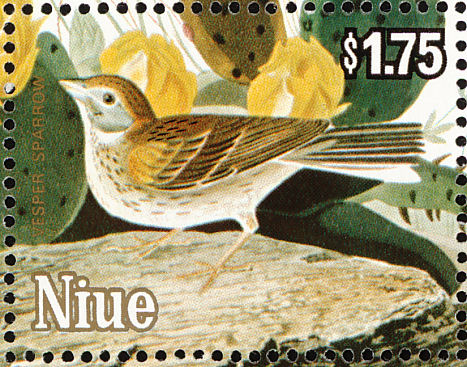
    Grassland-nesting bird populations continue to decline in numbers in Vermont, according to recent surveys conducted by the Vermont Fish & Wildlife Department and the U.S. Fish and Wildlife Service. Bird species that nest in grasslands include vesper sparrows (Pooecetes gramineus), grasshopper sparrows (Ammodramus savannarum), bobolinks (Dolichonyx oryzivorus), and eastern meadowlarks (Sturnella magna), among others. The birds nest in hayfields or cow pastures, and are threatened by changes in agricultural and land use practices, according to biologist John Buck of the Vermont Fish & Wildlife Department.

    The history of grassland bird nesting over the past two centuries follows closely with changes in agricultural practices in North America. When eastern forests were converted into pasture for sheep and cows, grassland birds began nesting in these newly created grassland habitats. As natural prairies in the midwestern and western states and provinces were plowed under to make way for corn and soy crops in the twentieth century, nesting grounds for these bird species were lost. Additionally, as eastern pastures began once again reverting to forests, this further reduced grassland bird habitat continent-wide and contributed to the birds’ decline.

    Source: Bannington Banner, July 24, 2017
    http://www.benningtonbanner.com/stories/vermonts-grassland-birds-on-the-decline,514589

  • More than a quarter of Europe’s crickets and grasshoppers are being driven to extinction

    More than a quarter of Europe’s crickets and grasshoppers are being driven to extinction

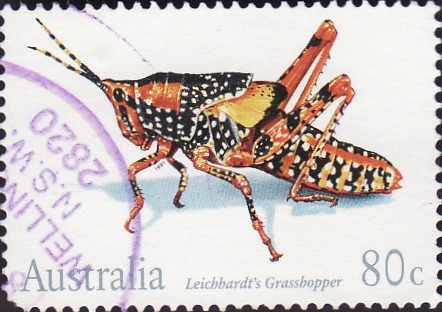
    The first comprehensive assessment of Europe’s crickets and grasshoppers has found that more than a quarter of species are being driven to extinction. According to the International Union for Conservation of Nature (IUCN), the insect group is the most threatened of those assessed so far in Europe. Europe harbours more than 1,000 species of grasshopper and cricket. If we don’t act now the sound of crickets could become a thing of the past, said the IUCN.

    Crickets, bush crickets and grasshoppers – a group known as Orthoptera – live on grassland. They are an important food source for birds and reptiles, and their decline could affect entire ecosystems. The assessment took place over two years and involved more than 150 scientists. Axel Hochkirch is chair of the IUCN invertebrate conservation sub-committee and lead author of the report. “If we lose grasshoppers and other Orthoptera like crickets and bush crickets, we will lose diversity,” he told BBC News. “They are very good indicators of biodiversity in open ecosystems.”

    Source: BBC News, 10 Feb 2018
    http://www.bbc.com/news/science-environment-38920199