Auteur: Henk Tennekes

  • Neonicotinoids act like endocrine disrupting chemicals in newly-emerged bees and winter bees

    Neonicotinoids act like endocrine disrupting chemicals in newly-emerged bees and winter bees

    Pesticides can act as endocrine disrupting chemicals (EDCs) in animals providing characteristic multiphasic dose-response curves and non-lethal endpoints in toxicity studies. However, it is not known if neonicotinoids act as EDCs in bees. To address this issue, we performed oral acute and chronic toxicity studies including concentrations recorded in nectar and pollen, applying acetamiprid, clothianidin, imidacloprid, and thiamethoxam to bumble bees, honey bees and leafcutter bees, the three most common bee species managed for pollination. In acute toxicity studies, late-onset symptoms, such as ataxia, were recorded as non-lethal endpoints for all three bee species. Clothianidin and thiamethoxam produced biphasic dose-response curves for all three bee species. Clothianidin and thiamethoxam were extremely toxic to winter worker honey bees prior to brood production in spring, making this the most sensitive bee stage identified to date. Chronic exposure to field-realistic levels of neonicotinoids reduced bee survival and caused significant late-onset symptoms for all three bee species. Given these findings, neonicotinoid risk should be reevaluated to address the EDC-like behavior and the sensitivity of winter worker honey bees.

    Source:
    Danica Baines, Emily Wilton, Abbe Pawluk, Michael de Gorter & Nora Chomistek. Scientific Reports volume 7, Article number: 10979 (2017) doi:10.1038/s41598-017-10489-6
    https://www.nature.com/articles/s41598-017-10489-6.pdf

  • Neonicotinoids Insecticides Expose Pregnant Women To Hormonal Disturbances, Endangering The Babies

    Neonicotinoids Insecticides Expose Pregnant Women To Hormonal Disturbances, Endangering The Babies

    The neonicotinoids insecticides expose pregnant women to hormonal disturbances which could affect the unborn babies, according to a Quebec scientific study. If the effects of neonicotinoid insecticides have been studied on bees, they have been little studied on humans. However, a Canadian research organization, the National Institute for Scientific Research, has decided to study the impacts of these products on human health. “To our knowledge, we are the first to issue a warning about the effect of neonicotinoids as endocrine disruptors on humans,” told Elyse Caron-Beaudouin, one of the researchers who participated in the study.

    In this study, the scientists focused on pregnant women. The researchers used a laboratory tool that mimics the cellular relationship between the fetus and the placenta.

    The tool was then subjected to neonicotinoids at concentrations found in the environment of agricultural regions. As a result, it has been discovered that this insecticide disrupted normal hormonal function, increasing the aromatase production, which is involved in estrogen secretion. This discovery is important because the development of the fetus depends on a normal production of estrogen and any disturbance can have serious consequences on the future newborn.

    Thus, a smaller birth weight and a smaller head circumference can occur in the case of lower estrogen production, while, on the other hand, an increase in the production of estrogen promotes the development of cancer in the unborns.

    Researchers are now urging the Canadian government to combine their results with broader studies, regretting that this work came after these insecticides have been put on the market. Contamination of the environment with neonicotinoids is general in Quebec, for example, where they are found in 99% of corn and canola fields (rapeseed variety) and in 50% of soybean crops. Besides, the presence of neonicotinoids has recently been found in the St. Lawrence River, Lawrence, and the Great Lakes, too.

    According to this study, the neonicotinoids insecticides expose pregnant women to hormonal disturbances, which may have serious consequences on the fetuses, including a higher risk of cancer development.

    Source: Health Thoroughfare, 5 April 2018
    https://www.healththoroughfare.com/news/neonicotinoids-insecticides-expose-pregnant-women-to-hormonal-disturbances-endangering-the-babies/7104

  • Das Aussterben der Großtrappen ist nur noch eine Frage der Zeit

    Das Aussterben der Großtrappen ist nur noch eine Frage der Zeit

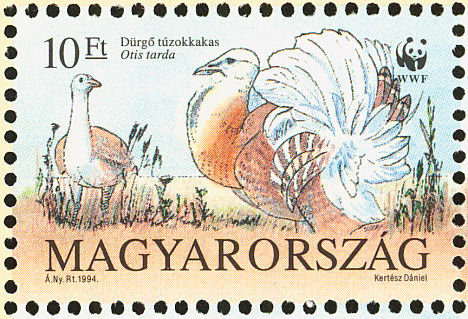
    Als 1996 ganze 57 Großtrappen (Otis tarda) in Deutschland gezählt wurden, schien das endgültige Aussterben der charismatischen Vogelart nur noch eine Frage weniger Monate zu sein. Dabei waren gerade mal 60 Jahre vergangen, als alleine in der Mark Brandenburg noch 3.400 Großtrappen gezählt wurden. Was war geschehen? Und was musste geschehen, dass der Exodus für Deutschland doch noch verhindert werden konnte?

    So wie die Großtrappe durch die Landwirtschaft profitieren konnte, so schwer ist sie in den letzten Jahrzehnten durch die Landwirtschaft in Bedrängnis geraten. Insbesondere die Intensivierung und der Einsatz von insektenvernichtenden Pestiziden macht ihnen zu schaffen.

    Verschwanden die Trappen zuerst aus den rein landwirtschaftlichen Nutzflächen, fanden sie wenig später auch in den Grünländern keinen Platz mehr zum Überleben. In den 1970er und 1980er wurde im Freiland keine Großtrappe mehr flügge. Die Küken sind schlicht und einfach verhungert! Nicht nur, dass es überhaupt wenig Insekten gab, sie konnten sie in den dichten, überdüngten Wiesen auch gar nicht finden!

    Großtrappen verfüttern ihren Küken in den ersten beiden Lebenswochen fast ein Kilogramm Insekten. Dass dies nicht mit einer Handvoll Fliegen und Spinnen zu bewerkstelligen ist, lässt sich denken. Mehr als zehntausend Insekten sind nötig, um diese Masse zu erreichen. Und je häufiger Henne und Küken suchen müssen, desto wahrscheinlicher ist es, dass die Küken verhungern.

    Quelle: Liga Vogelschutz
    http://www.liga-vogelschutz.org/themen/warum-sterben-die-grosstrappen-aus/

  • Kamerbrief over de inperking van het gebruik van neonicotinoïden

    Kamerbrief over de inperking van het gebruik van neonicotinoïden

    Minister Schouten (LNV) informeert de Tweede Kamer over de Nederlandse inzet in het Standing Committee on Plants, Animals, Food and Feed (SCoPAFF) en de landbouwkundige impactanalyse inzake neonicotinoïden,

    Bron: Rijksoverheid, 4 april 2018
    https://www.rijksoverheid.nl/documenten/kamerstukken/2018/04/04/kamerbrief-over-de-inperking-van-het-gebruik-van-neonicotinoiden

  • Almost 30 per cent fewer blackbirds across Hampshire

    Almost 30 per cent fewer blackbirds across Hampshire

    THE number of smaller birds across Hampshire represents a “worrying trend” according to the Royal Society for the Protection of Birds. According to the charity, there are almost 30 per cent fewer blackbirds in the county, which follows the national crash in numbers of the house sparrow and starling. Across the south east, blackbirds are down 22 per cent, and robins dropped 18 per cent, while sightings of the tiny wren went down 14 per cent in the region.

    Source: Romsey Advertiser, 4 April 2018
    http://www.romseyadvertiser.co.uk/news/16136123.worrying-trend-for-some-small-birds-across-hampshire-warns-rspb/

  • Pestizide bedrohen Frosch, Unke und Molch

    Pestizide bedrohen Frosch, Unke und Molch

    Nicht nur der Autoverkehr und viel befahrene Straßen quer durch die Landschaft, sondern auch Pestizide gefährden zunehmend Frösche, Kröten, Unken und Molche. “Große Rückgänge selbst bei einstigen Allerweltsarten wie dem Grasfrosch sind ein überdeutliches Alarmzeichen”, sagte der Vorsitzende des Bundes Naturschutz in Bayern (BN), Hubert Weiger, am Mittwoch in Scheyern im Landkreis Pfaffenhofen an der Ilm. Dort starteten Aktivisten vor gut 40 Jahren ihre Rettungsaktionen, bei denen heute bayernweit rund 6000 Helfer Amphibienwege an Straßen mit Zäunen schützen und die Tiere über Straßen tragen. Ihre Arbeit könne aber nichts ausrichten gegen die Folgen einer immer intensiveren Landwirtschaft, sagte Weiger.

    Pflanzenschutzmittel dringen über die feuchte, durchlässige Haut der Tiere ein, töten sie oder schwächen ihr Immunsystem. Pestizide können zudem die Entwicklung von der Kaulquappe zum erwachsenen Tier stören. Auch das Insektensterben erschwere Kröten, Fröschen und Molchen das Überleben, denn Insekten sind eine wichtige Nahrungsquelle.

    Weiger forderte eine Veränderung der Agrarpolitik mit mehr ökologischen Anbauflächen, eine bessere Vernetzung der Lebensräume von Amphibien und weniger Pflanzenschutzmittel auf den Feldern. Glyphosat müsse verboten und die Auswirkungen neuer Pestizide auf Amphibien im Zulassungsverfahren berücksichtigt werden.

    In den Tropen seien Arten durch Pestizide ausgestorben, hieß es beim BN. In Bayern leben 19 Arten, doch ein Aussterben einzelner Arten sei auch hier nicht ausgeschlossen. “Wenn wir nicht handeln, könnte es sein, dass eines Tages das Quaken der Frösche so selten zu hören ist wie der Gesang von Braunkehlchen oder des Kiebitzes”, sagte Weiger.

    Quelle: Passauer Neue Presse, 04.04.18
    http://www.pnp.de/nachrichten/bayern/2896873_Umweltschuetzer-Pestizide-bedrohen-Frosch-Unke-und-Molch.html

  • Viele bayerische Flüsse und Bäche bedroht

    Viele bayerische Flüsse und Bäche bedroht

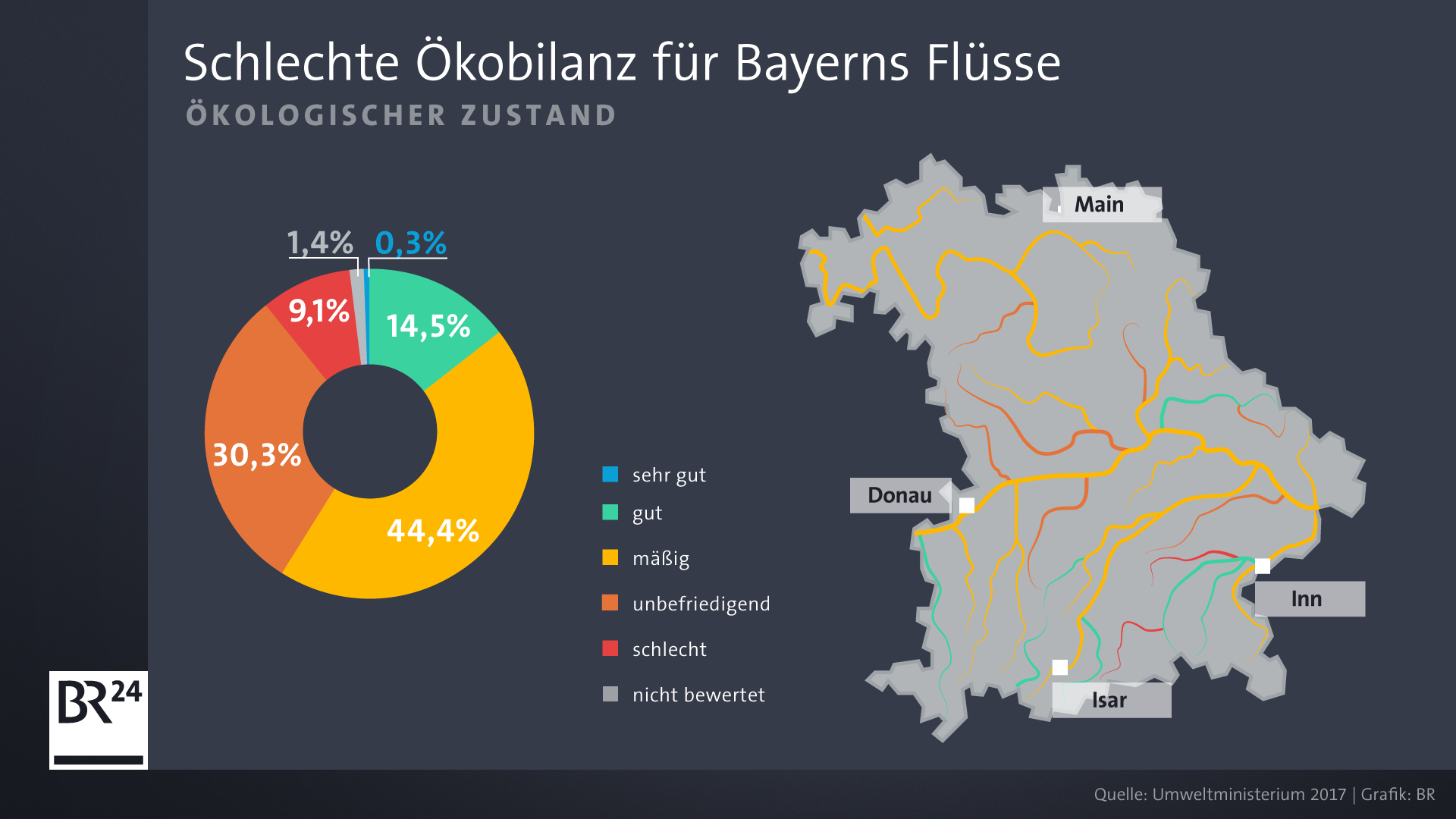
    Nur rund 15 Prozent der Flüsse und Bäche in Bayern sind in einem guten bis sehr guten ökologischen Zustand. Das bedeutet: Hier gedeihen Wasserpflanzen, Fische, aber auch Insektenlarven. 85 Prozent dagegen bekommen die Bewertung: mäßig, unbefriedigend bis schlecht. Die Einteilung in die unterschiedlichen Kategorien gilt EU-weit. Die Zahlen aus Bayern entstammen der Broschüre “Gewässer in Bayern” aus dem Jahr 2017, auf sie hat sich auf BR-Nachfrage heute das Bayerische Landesamt für Umwelt berufen.

    Quelle: BR, 03.04.18
    https://www.br.de/nachrichten/bayerns-fluesse-und-baeche-in-schlechtem-zustand-100.html

  • Berufsfischer beklagen Rückgang bei Felchen

    Berufsfischer beklagen Rückgang bei Felchen

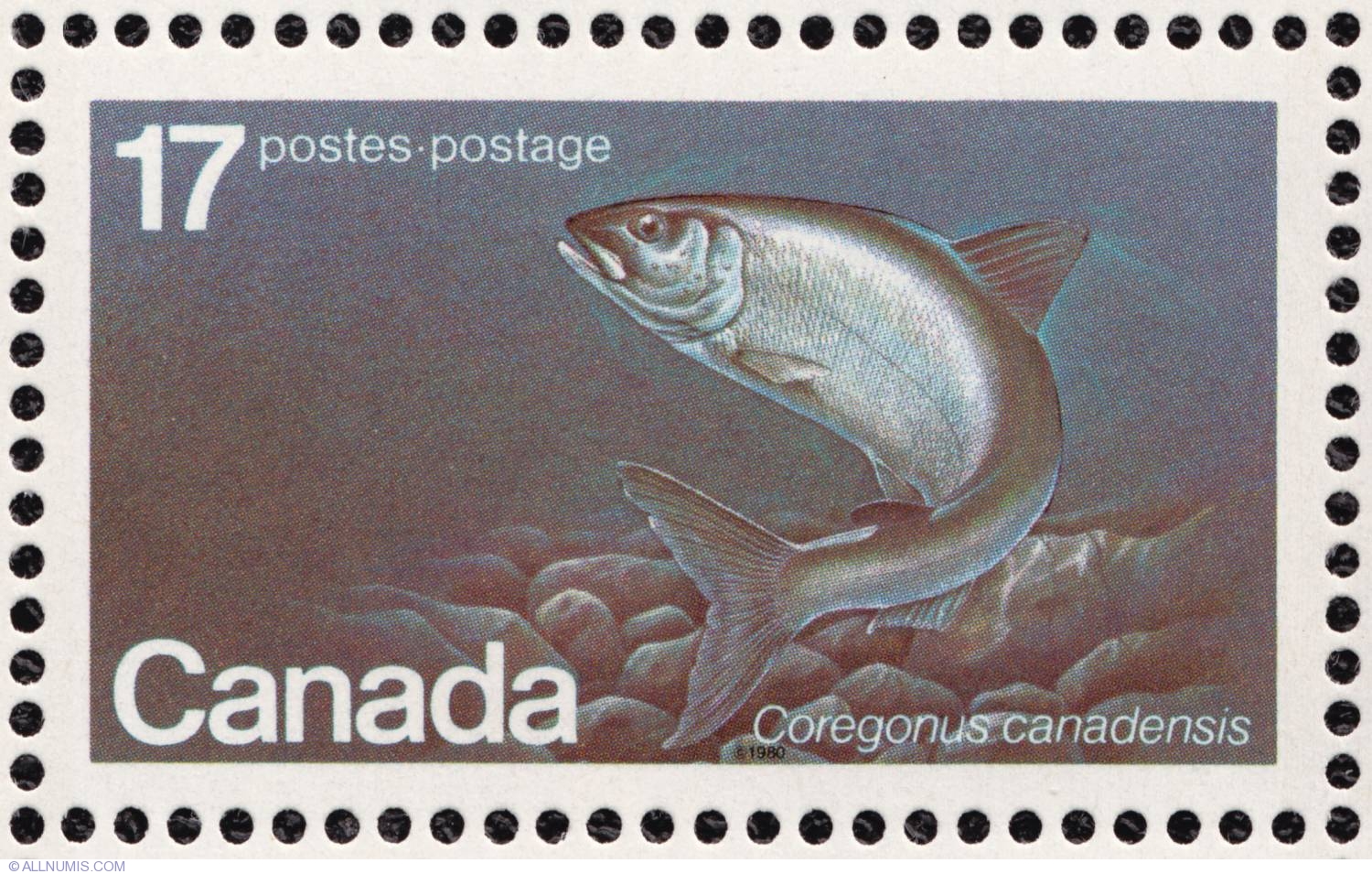
    Einen deutlichen Einbruch bei den Fängen bilanzieren die 26 Berufsfischer von der Insel Reichenau und der Höri fürs Jahr 2017. Besonders stark zurückgegangen ist die Zahl bei den in der Gastronomie beliebten Felchen, der wirtschaftlich wichtigsten Fischart, die dennoch 54,2 Prozent des Fangs ausmachte. 98 329 Kilogramm Fisch habe man gefangen, berichtete Werner Keller, der zweite Vorsitzende des Fischereivereins Untersee und Rhein, bei der Hauptversammlung im Hotel-Restaurant Mohren. Das waren 36 553 Kilo weniger (minus 27,1 Prozent) als im Jahr 2016.

    Ähnlich schlecht waren die Fänge zuletzt im Jahr 2007 mit gut 100 000 Kilo. Auch damals lag das vor allem am Felchen. Davon landeten 2017 nur 53 281 Kilo in den Netzen der deutschen Unterseefischer, was gegenüber 2016 ein Rückgang von 34 916 Kilo (minus 39,4 Prozent) war. Und im Jahr 2015 habe man noch fast 100 000 Kilo Felchen gefangen, so Keller: „Das ist ein ganz großer Verlust.“ Eine weitere bittere Pille sei der Rückgang beim Hecht gewesen, der mit knapp zehn Prozent des Gesamtfangs zweitwichtigsten Fischart. 9238 Kilo wurden gefangen, das waren 2363 weniger als 2016. Ein Lichtblick war immerhin das Fangergebnis beim Kretzer (Barsch), bei dem die Zahlen in den vergangenen zehn Jahren stark schwankten. 2017 fingen die Berufsfischer mit 8614 Kilo über 2400 Kilo mehr als 2016, das waren knapp neun Prozent des Gesamtfangs. „Die einzige Freude in unserer Statistik“, so Keller. Und fast genauso hoch war das Ergebnis bei der Schleie, der edelsten Weißfischart, bei der es ein leichtes Plus gab. Insgesamt meinte Keller: „Wir hoffen wieder mal auf bessere Zeiten.“

    Quelle: Südkurier, 13.03.2018
    https://www.suedkurier.de/region/kreis-konstanz/reichenau/Viel-weniger-Fische-im-Netz-Berufsfischer-beklagen-Rueckgang-bei-Felchen;art372456,9654894

  • More than 50% of the world’s 356 species of tortoises and turtles are threatened with extinction

    More than 50% of the world’s 356 species of tortoises and turtles are threatened with extinction

    When Lonesome George died in June 2012, it was the end of an entire species. He was the last surviving Pinta giant tortoise (Chelonoidis abingdonii), a Galapagos conservation icon who had lived for more than 100 years. But Lonesome George was not alone in his fate. More than 50 percent of the world’s 356 known species of tortoises and turtles are currently threatened with extinction, or are nearly extinct, a new report warns.

    “This report is a wake-up call — a call to action if you will — for everyone who cares about the future of this iconic group of animals,” Rick Hudson, president of the Turtle Survival Alliance, said in a statement. “We must double down on our commitment to protect them, and though we’ve made impressive strides in the recovery of several species, others are still at risk of slipping through the cracks. Turtles and tortoises face many serious threats today but none more insidious than the illegal wildlife trade.”

    Every four years since 2003, turtle conservationists have been publishing a list of the top 25 most threatened turtle species in the world. The 2018 report presents an updated list of 50 species that are at immediate risk of extinction, selected on the basis of their “survival prospects and extinction risks.”

    Some 58 percent of the top 50 species are native to Asia, the report said, with most species coming from China, followed by Vietnam, India, Indonesia and Madagascar.

    Source: Mongabay, 22 March 2018

    New report highlights top 50 tortoises and turtles on brink of extinction

  • Michael McCarthy: We’ve lost half our wildlife. Now’s the time to shout about it

    Michael McCarthy: We’ve lost half our wildlife. Now’s the time to shout about it

    Most Britons remain blithely unaware that since the Beatles broke up, we have wiped out half our wildlife. Yet we are not alone. Last week, the French woke up in a dramatic way to the fact that their own farmland birds, their skylarks and partridges and meadow pipits, were rapidly disappearing: Le Monde, the most sober of national journals, splashed the fact across the top of its front page. French bird populations in general, two reports indicated, had fallen by a third just in the past 15 years, and the next day scientists said that this was symptomatic of a future facing Europe as a whole, of “biodiversity oblivion”.

    Intensive farming is the problem. Three generations of making agriculture more industrial have given Europe cheap food on a mammoth scale, but a terrible environmental price has eventually been paid, which we are only now understanding. The heart of the matter is universal pesticide use: we benefit from farming wholly based on poison, which has exterminated more and more of the insects at the base of myriad food chains in the natural world.

    In the recent past, few have cared about insect decline, because people in general don’t care about insects, but the numbers are becoming too big to ignore. The startling disclosure last October that since the fall of the Berlin Wall in 1989, the number of flying insects on nature reserves in Germany had dropped by at least 76% – more than three-quarters – went round the world.

    Can anything be done to get us off the road to biodiversity oblivion? The perhaps surprising answer is that yes, it can. We can reorder the basis of our farming, and here we stand at a major crossroads, because that is what the present Conservative government has just promised to do. On 11 January it launched a 25-year environment plan, and followed it up on 27 February with a consultation on the future for food, farming and the environment.

    Both these documents offer to put British agriculture on a wholly new basis (partly made possible by the anticipation of Brexit): the state will continue to pay farmers, but not according to the amount of food they produce, as the EU’s common agricultural policy first ordained, or according to the amount of land they own – the situation at the moment.

    They will be paid according to the amount of environmentally friendly measures they can put in place on their land. The new philosophy is “public money for public goods”, and the environment is explicitly recognised as the principal public good.

    Senior conservationists I have spoken to are enthusiastic about these proposals. If you’re on the left, you might allege that this is mere greenwashing, a renewed attempt to detoxify the Tory brand, and of course, there will be votes in this – those vital young votes especially. But you only have to read the documents to see that this is in no way a political stunt, a crude photo-op like David Cameron with his huskies in the Arctic. These are proposals that have been deeply thought through.

    As they stand, they’re great. The principal problem will be holding the government to them. For instance, the £3.1bn in EU subsidies that British farmers currently receive, if converted into payments for agri-environment measures, would go a very long way to reversing the destruction of our wildlife; but that sum is only guaranteed until 2022. What happens after that? What’s to stop the Treasury clawing a huge chunk of it back?

    What is needed is political pressure on the government to stand by these promises. It has to come ultimately from the base, since ordinary people’s feelings are the beginnings of political will. So what must happen first is that long overdue recognition, by the public as a whole, of just how terribly our countryside has been devastated.

    We all know and love William Blake’s reference to the green and pleasant land; the time has come to acknowledge that it may still be green, but much of it, alas, is now a lifeless landscape, pleasant no longer.

    Source: Michael McCarthy in the Guardian, 26 March 2018
    https://www.theguardian.com/commentisfree/2018/mar/26/wildlife-modern-farming-insects-birds?CMP=share_btn_tw

    • Michael McCarthy is a journalist and naturalist, and author of The Moth Snowstorm: Nature and Joy