Auteur: Henk Tennekes

  • Agricultural intensification threatens 74% of the 1,469 bird species globally at risk of extinction

    Agricultural intensification threatens 74% of the 1,469 bird species globally at risk of extinction

    One in eight bird species is threatened with global extinction, and once widespread creatures such as the puffin, snowy owl and turtle dove are plummeting towards oblivion, according to the definitive study of global bird populations. The State of the World’s Birds, a five-year compendium of population data from the best-studied group of animals on the planet, reveals a biodiversity crisis driven by the expansion and intensification of agriculture. In all, 74% of 1,469 globally threatened birds are affected primarily by farming. Logging, invasive species and hunting are the other main threats.

    “Each time we undertake this assessment we see slightly more species at risk of extinction – the situation is deteriorating and the trends are intensifying,” said Tris Allinson, senior global science officer for BirdLife International, which produced the report. “The species at risk of extinction were once on mountaintops or remote islands, such as the pink pigeon in Mauritius. Now we’re seeing once widespread and familiar species – European turtle doves, Atlantic puffins and kittiwakes – under threat of global extinction.”

    According to the report, at least 40% of bird species worldwide are in decline, with researchers blaming human activity for the losses. After farming, logging is a key factor in declines of 50% of the most globally endangered species, followed by invasive species (39%), hunting and trapping (35%), climate change (33%) and residential and commercial development (28%). The illegal killing of birds – usually because of traditional hunting – results in an estimated 12 to 38 million individual birds dying or being taken each year in the Mediterranean region alone.

    Neonicotinoids – widely implicated in flying insect declines (a key bird food source) – have also been found to be directly detrimental to some bird species. One recent study from the US found that migrating white-crowned sparrows exposed to neonicotinoids lost a quarter of their body mass and fat stores. The neurotoxin also impaired the birds’ migratory orientation.

    Source: The Guardian, 23 April 2018
    https://www.theguardian.com/environment/2018/apr/23/one-in-eight-birds-is-threatened-with-extinction-global-study-finds


  • Neonicotinoids may affect the developing nervous system of children

    Neonicotinoids may affect the developing nervous system of children

    Two popular types of the pesticide neonicotinoid used widely on America’s foods may cause brain impairment and should be restricted, according to a recent study by a team of European scientists. Researchers from the European Food Safety Authority (EFSA) recommended further restrictions on the use of neonicotinoids in the wake of new data which indicate that the class of pesticides “may affect the developing human nervous system” of children. Neonicotinoids have been linked to declining bee populations, and three of them were the subject of rigorous new restrictions passed in Europe in 2013. The European Food Safety Authority (EFSA) report stated that further restrictions of neonicotinoids is needed because the use of such chemicals “may affect the developing human nervous system of children.”

    The European scientists believe that the neonicotinoids are safe only on amounts smaller than what are currently allowed by law. “Acetamiprid and imidacloprid may adversely affect the development of neurons and brain structures associated with functions such as learning and memory,” a press release that accompanied the study states.

    The European scientists began reviewing the impact of the neonicotinoids imidacloprid and acetamiprid after a Japanese study prompted safety concerns in 2012. An excerpt from the neonicotinoids study reads: One study with rats showed that offspring exposed to imidacloprid suffered brain shrinkage, reduced activity of nerve signals controlling movement, and weight loss. Another rat study found that acetamiprid exposure led to reduced weight, reduced survival, and a heightened response to startling sounds.

    A statement released by the European Food Safety Authority reads: [The study] recognizes the available evidence has limitations and recommends further research be carried out to provide more robust data. [But] health concerns raised in the review of the existing data are legitimate.

    The study found that acetamiprid and imidacloprid could negatively impact brain structures and neuron development that are associated with memory and learning. The group wants more stringent controls on the amount of neonicotinoids used in food products. In the United States, both of the chemicals are used with very little regulation.

    A total of one-fifth of the crops sampled in America contain imidacloprid, including 60 percent of cauliflower and broccoli produce, according to Grist. Approximately 10 percent of the crops sampled in the review tested positive for acetamiprid, including 50 percent of summer squash.

    A New York Times report stated that imidacloprid is one of the “most popular” insecticides used in consumer and agricultural products. Bayer developed the neonicotinoid and it is the active ingredient in the company’s Advanced Citrus and Vegetable Insect Control products. The biotech product is sold around the world, including in Home Depot stores throughout the United States.

    Sources:
    Off The Grid News, April 2018

    Popular Pesticides Can Damage Babies’ Brains, Study Finds


    EFSA
    https://efsa.onlinelibrary.wiley.com/doi/epdf/10.2903/j.efsa.2013.3471

  • EFSA report on pesticide residues in food

    EFSA report on pesticide residues in food

    According to Regulation (EC) No 396/2005 on maximum residue levels of pesticides in or on food and feed, European Union Member States, Iceland and Norway monitor pesticide residue levels in food samples and submit the monitoring results to EFSA. This report provides the results of an ad-hoc data extraction and comparison of the monitoring results on organic and conventionally produced food samples. The data extraction focussed on samples taken in the framework of the EU-coordinated control programmes in the reference period 2013, 2014 and 2015 (for a total of 28,912 conventional and 1,940 organic food samples). Overall, 44% of the conventional produced food samples contained one or more quantifiable residues, while in organic food the frequency of samples with measurable pesticide residues was lower (6.5% of the organic samples). The MRL exceedance rate for conventional and organic food amounted to 1.2% and 0.2% of the samples tested, respectively. The calculated average number of pesticides analysed per food sample in organic and conventional food products was considered to be comparable.

    Source: European Food Safety Authority, 2018

  • Bijna de helft van de gangbare landbouwproducten is verontreinigd met bestrijdingsmiddelen

    Bijna de helft van de gangbare landbouwproducten is verontreinigd met bestrijdingsmiddelen

    De Europese autoriteit voor voedselveiligheid (EFSA) heeft naar jaarlijkse gewoonte een rapport gemaakt waarin zowel bij gangbare voeding als bij biovoeding gespeurd wordt naar residu’s van gewasbeschermingsmiddelen. In totaal werden van 30.852 onverwerkte producten stalen genomen en werd er op 213 verschillende middelen getest. Op 44,5 procent van de gangbare producten werden residu’s aangetroffen. Bij de bioproducten gaat het om 6,5 procent.

    EFSA heeft voor de periode tussen 2013 en 2015 een vergelijkend onderzoek gedaan naar de aanwezigheid van residu’s van gewasbeschermingsmiddelen op voedingsmiddelen. Bij de meer dan 30.000 onderzochte stalen waren ook 1.940 stalen van producten die volgens het biolabel geproduceerd werden. De onderzoekers testten de producten op liefst 213 verschillende gewasbeschermingsmiddelen. Ze onderzochten daarbij enkel onbewerkte voeding, van zowel plantaardige als dierlijke oorsprong: groenten, fruit, vlees, melk, eieren en granen.

    De meest in het oog springende cijfers duiden het aandeel producten waarbij waarneembare residu’s van één of meerdere middelen werd teruggevonden. Bij de gangbare producten ligt dat cijfer op 44,5 procent, bij de biologische producten gaat het om 6,5 procent. Bij 0,2 procent van de bioproducten werd de toegelaten drempelwaarde overschreden. Bij de gangbare producten lag dat op 1,2 procent.

    Er wordt in het rapport ook een onderscheid per productgroep gemaakt. Logischerwijs werden bij dierlijke producten veel minder vaak residu’s terug gevonden dan bij plantaardige producten. Bij de gangbare plantaardige producten blijken residu’s het vaakst voor te komen bij fruit. Op meer dan 60 procent van alle stalen van gangbare appel en op meer dan 70 procent van alle stalen van gangbare peren, tafeldruiven, aardbeien, bananen, perziken, appelsienen en mandarijnen werden een of meerdere residu’s teruggevonden.

    Bij de groep groenten en granen wordt het minst vaak residu’s gemeten op kolen (minder dan 15%). Op rijst, aardappelen, prei, erwt en broccoli wordt in meer dan 25 procent van de stalen een of meerdere residu’s gevonden. Bij de overige groenten en granen (tarwe, aubergine, tomaten, zoete pepers, spinazie, rogge, haver, sla, komkommer, bonen) zijn op gemiddeld 35 à 55 procent van de stalen een of meerdere residu’s gevonden. Dierlijke producten als melk, vlees en eieren trekken het algemene totaal naar beneden: bij minder dan 10 procent van alle gangbare, dierlijke stalen werden een of meerdere residu’s teruggevonden.

    Bij de biologische productgroepen blijken het vaakst residuen gevonden te worden bij bananen, spinazie, sla, mandarijnen, haver (meer dan 10% van de stalen); bij alle overige productgroepen worden op minder dan 10 procent van de stalen een of meerdere residu’s gevonden. Het rapport wijst er nog op dat in bio residu’s kunnen voorkomen om verschillende redenen. Zo is een beperkt aantal middelen toegelaten in de biologische teelt. Daarnaast kunnen contaminatie, drift, resterende pesticiden in de bodem en dergelijke meer residuen verklaren.

    Bron: VILT, 19 april 2018
    http://www.vilt.be/445-gangbare-landbouwproducten-bevatten-residus

  • Demise of the monarch amidst plummeting pheasant populations in South Dakota

    Demise of the monarch amidst plummeting pheasant populations in South Dakota

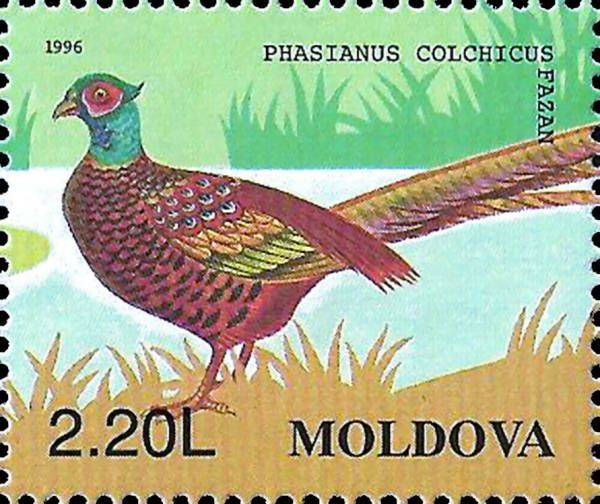
    The state pheasant population has dropped by 45 percent since 2016 — 65 percent lower than the 10-year average. Results from hunting have mirrored the decline. In 2007, the estimated pheasant bag was more than 2 million birds. In 2017, it was just more than 1 million, according to South Dakota Game, Fish and Parks. “Looking at the weather right now, we’re off to a record cold April,” said Travis Runia, senior upland game biologist for Game Fish and Parks. Many factors contribute to the last decade of pheasant decline, Runia said. One of those is extreme weather, such as droughts and harsh winters, but a large factor is the loss of Conservation Reserve Program land.

    Since 2007, South Dakota has lost roughly 700,000 acres of its CRP (Conservation Reserve Program) land due to the way it has been distributed by the government. Areas with highly erodible land are favored more than places like South Dakota, Runia said. CRP land is set aside by ranchers and farmers at the behest of the federal government to preserve the local wildlife population. In South Dakota, the land gives many species, including upland birds, deer and waterfowl, a suitable habitat.

    Many different species of animals benefit from farm bill programs like CRP, including the monarch butterfly, said Eileen Dowd Stukel, wildlife diversity coordinator of South Dakota Game, Fish and Parks. In June 2019, the U.S. Fish and Wildlife Service will determine whether or not the monarch will be put on the endangered species list. To avoid the “demise of the monarch,” Stukel and South Dakota Game, Fish and Parks is working alongside other companies and Midwestern states on a monarch butterfly management plan. According to a draft of the Mid-America Monarch Conservation Strategy, the most pressing issues facing the monarch are the loss of milkweed and nectar resources across the central United States, both of which are integral to monarch migration and reproduction.

    Source: The Collegian, April 18, 2018
    http://sdsucollegian.com/2018/04/18/demise-of-the-monarch-in-midst-plummeting-pheasant-populations/

  • De oorzaak van slechte schoolprestaties ligt mogelijk bij de bestrijdingsmiddelen

    De oorzaak van slechte schoolprestaties ligt mogelijk bij de bestrijdingsmiddelen

    Nederlandse leerlingen in basis- en voortgezet onderwijs scoren steeds slechter. De gemiddelde resultaten voor vakken als lezen, rekenen, natuurwetenschappen en bewegingsonderwijs zijn de afgelopen twintig jaar geleidelijk teruggelopen. Dat concludeert de Onderwijsinspectie in haar jaarlijkse rapport De Staat van het Onderwijs, dat vandaag verschijnt. De PO-raad van basisschoolbesturen noemt het rapport ‘zorgelijk, maar niet heel verrassend.’ Voorzitter Rinda den Besten: ‘We staan voor flinke uitdagingen: een tekort aan bekostiging en een groeiend lerarentekort door te lage salarissen.’ Scholen worstelen volgens de voorzitter bovendien met een overladen lesprogramma. ‘Ondanks dat, moeten we ook naar onszelf kijken wat we beter moeten doen.’

    Het is echter denkbaar dat de oorzaak heel ergens anders ligt. In november 2000 publiceerden de Consumentenbond en de Stichting Natuur en Milieu de documentatie “Verliezen we het verstand?” – Restanten zenuwgif schadelijk voor de hersenontwikkeling van onze kinderen. Citaat: “Gezondheidsschade bij jonge kinderen door de blootstelling aan neurotoxische bestrijdingsmiddelen in voedsel kan resulteren in hersenschade, dat pas op latere leeftijd tot uiting komt in leer- en gedragsproblemen. Extra ernstig hierbij is dat de schade niet hersteld kan worden. Leer- en gedragsproblemen, concentratieverlies en hyperactiviteit komen op tamelijk grote schaal (USA: 17%) voor bij kinderen onder 18 jaar, en er zijn veel aanwijzingen dat chemische stoffen daarbij een belangrijke rol spelen.”

    De studie richtte zich op bestrijdingsmiddelen met een neurotoxische werking. Het gaat om stoffen die horen tot de chemische stofgroepen organofosfaten en carbamaten. Organofosfaten en carbamaten hebben een zelfde werkingmechanisme op het zenuwstelsel, zodat de effecten van verschillende stoffen bij elkaar opgeteld kunnen worden. Kinderen zijn met name extra gevoelig voor de werking van deze stoffen omdat hun zenuwstelsel in ontwikkeling is en zij door hun consumptie een relatief hogere belasting hebben. Organofosfaten en carbamaten worden veelvuldig aangetroffen op bijvoorbeeld fruit en groente. Nieuwe wetenschappelijke studies tonen aan dat jonge kinderen extra gevoelig voor deze stoffen zijn. Het gaat vooral om nadelige en onomkeerbare beïnvloeding van de ontwikkeling van de hersenen met als schadelijk effect leer- en gedragstoornissen. Prenatale blootstelling aan organofosfaat insecticiden werd in 2011 door verschillende Amerikaanse wetenschappers in verband gebracht met verminderde intelligentie bij 7-jarige schoolkinderen.

    Bronnen:
    De Volkskrant, 11 april 2018
    https://www.volkskrant.nl/binnenland/onderwijsinspectie-waarschuwt-scholieren-presteren-steeds-slechter~a4591932/
    Brochure Consumentenbond en Stichting Natuur en Milieu, november 2000

  • Viele märkische Wiesenvögel vom Aussterben bedroht

    Viele märkische Wiesenvögel vom Aussterben bedroht

    Die Naturwacht Brandenburg warnt vor einem Schwund bei den heimischen Vögeln. Dieser Rückgang erfasst nach Recherchen der Initiative immer mehr Arten. Die so genannten “Ranger” der Naturwacht, 92 derzeit, sind im ganzen Land an Flüssen und Seen sowie in Wäldern unterwegs. Dort bauen sie unter anderem Nisthilfen, messen Wasserpegel, errichten Fledermausquartiere oder pflegen Streuobstwiesen. Ohne Gegenmaßnahmen würden schon in wenigen Jahren einige Vogelarten für immer aus märkischen Wäldern verschwinden, sagte Manfred Lütkepohl, der Leiter der Naturwacht Brandenburg, am Mittwoch in Potsdam.

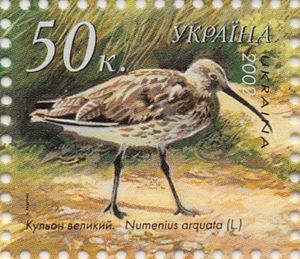
    Zahlreiche Wiesenvögel seien vom Verschwinden bedroht – und dies schon seit Jahren, berichtet Lütkepohl. Die Tiere fänden immer weniger Landschaften, in denen sie heimisch werden könnten. Schon in der DDR habe man viele Wiesen und Weiden entwässert und nach der Wende sei es so weitergegangen. “Es geht zum Beispiel um den Großen Brachvogel, der schon sehr, sehr selten geworden ist und am Rand des Aussterbens steht”, so Lütkepohl, “es geht um die Uferschnepfe, die inzwischen fast ausgestorben ist in Brandenburg, und es geht um den Kiebitz (Vanellus vanellus), der ganz stark rückläufig ist in seinem Bestand.”

    Auch die starke Vermehrung etwa der Füchse trage zu dem Rückgang bei, sagt der Naturschützer. Wenn sich nichts ändere, könnten Uferschnepfe (Limosa limosa) und Großer Brachvogel (Numenius arquata) “in wenigen Jahren schon” in Brandenburg ausgestorben sein.

    Darüber hinaus ist in Brandenburg auch die Zahl der Wasservögel deutlich gesunken, also etwa Entenarten, Hauben-, Rothals-, Schwarz- und Zwergtaucher. Hier hat der Rückgang aber andere Gründe: “Sie sind vor allem durch Fressfeinde gefährdet”, erläutert Lütkepohl. Die Füchse hätten sich in Brandenburg schon seit Anfang der 1990er Jahre stark vermehrt – damals hat man die Bestände gegen Tollwut geimpft.

    Neu hinzugekommen seien “Fressfeinde”, die in Deutschland bisher nicht heimisch waren, so genannte “invasive Arten”, nämlich “insbesondere der Waschbär und der Mink.” Wie der Waschbär stammt auch der Mink, auch Amerikanischer Nerz genannt, aus Nordamerika. Seit den 1950er Jahren haben sich aus Nerzfarmen entlaufene oder freigelassene Tiere auch in Europa ausgebreitet und den heimischen Europäischen Nerz weithin verdrängt. “Die gesamte Fressfeindschaft-Gemeinschaft ist für die Wasservögel zum Problem geworden”, bilanzierte Manfred Lütkepohl.

    Quelle: RBB 24, 11.04.18
    https://www.rbb24.de/panorama/beitrag/2018/04/naturwacht-brandenburg-vogelarten-verschwinden-jahresbericht.html

  • Without Birds, Lizards, and Other Vertebrate Pollinators, Plant Reproduction Could Decline by Two-Thirds

    Without Birds, Lizards, and Other Vertebrate Pollinators, Plant Reproduction Could Decline by Two-Thirds

    Bees tend to get the most attention as pollinators critical to the survival of plant species. But lizards, mice, bats, and other vertebrates also act as important pollinators. A new study finds that fruit and seed production drops an average 63 percent when vertebrates, but not insects, are kept away from plants.

    The research, published in the journal Frontiers in Ecology and the Environment, looked at 126 animal-exclusion experiments on plants that rely on vertebrates and insects for pollination. The starkest example was among bat-pollinated plants, of which there are about 528 species worldwide. When bats were kept away, the fruit production of these plants dropped by an average 83 percent, the study found. Loss of vertebrate pollination in the tropics caused a 71 decline in fruit or seed production.

    Birds are the largest contingent of vertebrate pollinators, with more than 920 species known to pollinate plants across the globe. The study found that when birds are excluded from plants, fruit or seed production declines 46 percent. But the research, led by scientists at the University of Southampton in the UK, also looked at the importance of non-flying mammals as pollinators, including ruffed lemurs, mice, possums, squirrels, and lizards.

    The scientists say the study’s findings could help focus conservation efforts. “Both mammal and bird pollinators are becoming increasingly threatened with extinction over time, with an average of 2.5 species per year having moved one Red List category towards extinction in recent decades,” lead author Fabrizia Ratto, a postgraduate researcher at the University of Southampton, said in a statement. “With such a large potential impact of vertebrate pollinator loss, there is a clear need for prompt, effective conservation action for threatened flower-visiting vertebrate species.”

    Source: Yale Environment 360, April 6, 2018
    https://e360.yale.edu/digest/without-birds-lizards-and-other-vertebrate-pollinators-plant-reproduction-could-decline-by-two-thirds

    Reference:
    Fabrizia Ratto, Benno I Simmons, Rebecca Spake, Veronica Zamora-Gutierrez, Michael A MacDonald, Jennifer C Merriman, Constance J Tremlett, Guy M Poppy, Kelvin S-H Peh, and Lynn V Dicks. Global importance of vertebrate pollinators for plant reproductive success: a meta- analysis.
    Front Ecol Environ 2018; 16(2): 82–90, doi: 10.1002/fee.1763
    https://esajournals.onlinelibrary.wiley.com/doi/epdf/10.1002/fee.1763

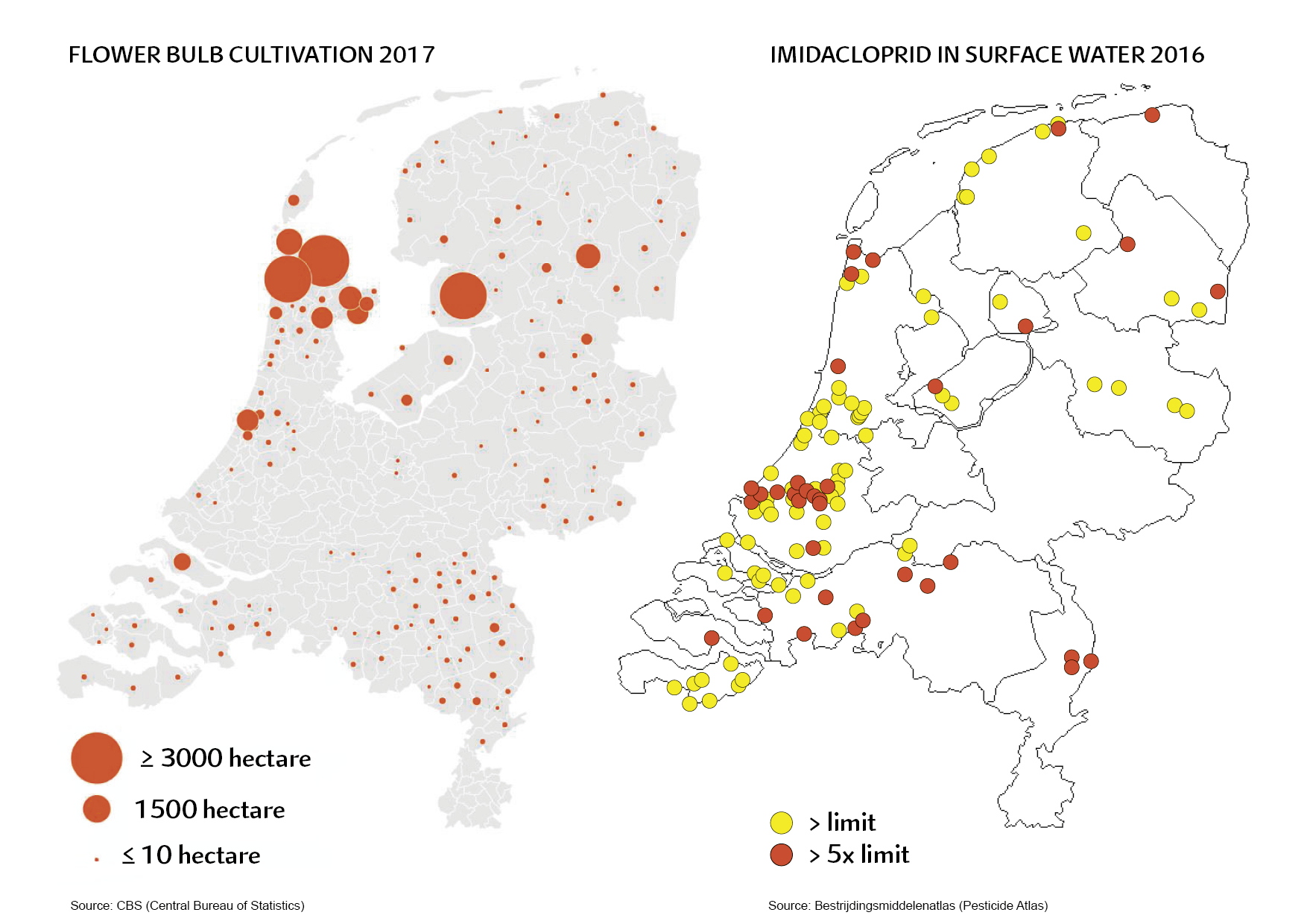
  • Bollenteelt in Drenthe neemt fors toe tot 1.900 hectare

    Bollenteelt in Drenthe neemt fors toe tot 1.900 hectare

    Het areaal bloembollen was in 2017 vergeleken met 2000 met 18 procent gegroeid naar meer dan 26.000 hectare. Sinds 2000 is de bollenteelt in Drenthe ook flink gegroeid. Het areaal verviervoudigde bijna tot 1.900 hectare. Hiermee komt Drenthe, na Noord-Holland, Flevoland en Zuid-Holland, op de vierde plaats van provincies met het grootste areaal bloembollen. De plaats in Drenthe waar de meeste bollenteelt plaatsvindt is Midden-Drenthe met ruim 1.200 hectare. Westerveld staat met 323 hectare op de tweede plaats. Noord-Holland nam in 2017 het leeuwendeel van de bollenteelt voor haar rekening. De helft van het areaal bloembollen, ruim 13.000 hectare, lag in deze provincie. Dat blijkt uit de definitieve cijfers van de CBS-landbouwtelling.

    Bron: Hoogeveensche Courant, 5 april 2018
    https://www.hoogeveenschecourant.nl/nieuws/regio/533629/bollenteelt-in-drenthe-neemt-fors-toe.html

  • Gemeenten Den Helder, Hollands Kroon en Schagen verontreinigen met meer dan 7000 hectare bollenteelt het landschap met imidacloprid

    Gemeenten Den Helder, Hollands Kroon en Schagen verontreinigen met meer dan 7000 hectare bollenteelt het landschap met imidacloprid

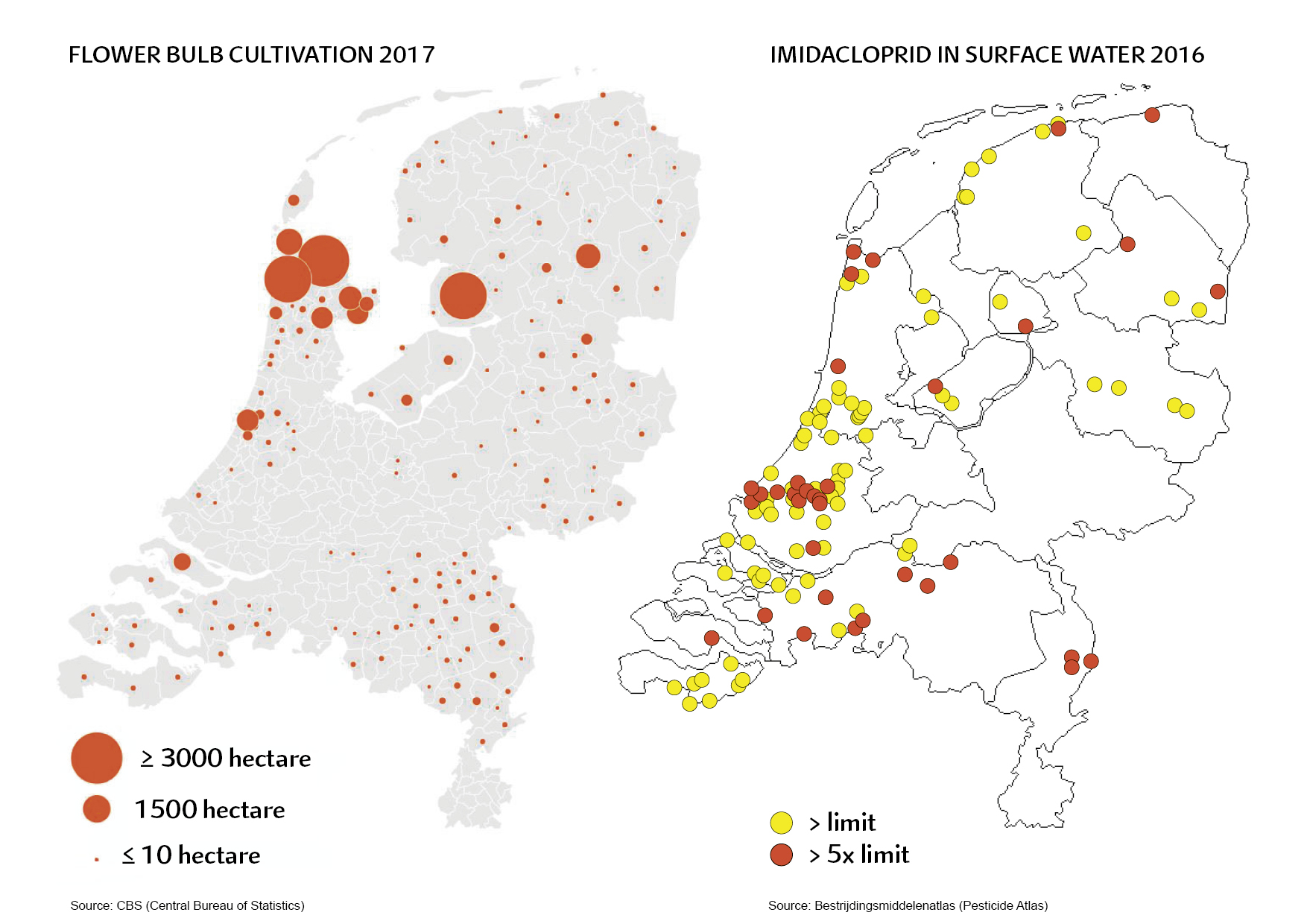
    De oppervlakte landbouwgrond bestemd voor de bollenteelt blijft stijgen. Het areaal bloembollen was in 2017 vergeleken met 2000 met 18 procent gegroeid naar meer dan 26 duizend hectare. Vooral de tulpenbollenteelt is in deze periode toegenomen. Het aantal bloembollentelers is tegelijkertijd gedaald. Dat blijkt uit de definitieve cijfers van de CBS-landbouwtelling.

    Het areaal tulpen is tussen 2000 en 2017 met 38 procent toegenomen, tot ruim 13 duizend hectare. De arealen lelies en hyacinten groeiden met respectievelijk 27 procent en 26 procent, minder hard dan het areaal tulpen.

    Het aantal bedrijven dat zich met de teelt van bloembollen bezighoudt is vergeleken met 2000 met 39 procent afgenomen naar ruim 1 600. De daling van het aantal telers gaat dus gepaard met een stijging van de oppervlakte landbouwgrond die gebruikt wordt voor de bloembollenteelt. De gemiddelde bloembollenteler had in 2017 bijna twee keer zo veel bollenland als in 2000.

    Noord-Holland nam in 2017 het leeuwendeel van de bollenteelt voor haar rekening. De helft van het areaal bloembollen, ruim 13 duizend hectare, lag in deze provincie. De gemeente Hollands Kroon had met ruim 3 300 hectare de grootste oppervlakte bloembollenvelden, gevolgd door de gemeenten Noordoostpolder en Schagen met respectievelijk bijna 2 700 en ruim 2 600 hectare.

    Wel is de teelt steeds meer over het land verspreid. Zo is sinds 2000 de bollenteelt vooral in Drenthe flink gegroeid. Het areaal verviervoudigde bijna tot 1 900 hectare. Hiermee komt Drenthe, na Flevoland en Zuid-Holland, op de vierde plaats van provincies met het grootste areaal bloembollen. De plaats in Drenthe waar de meeste bollenteelt plaatsvindt is Midden-Drenthe met ruim 1 200 hectare.

    Bron: CBS, 22-03-18
    https://www.cbs.nl/nl-nl/nieuws/2018/12/areaal-bloembollen-blijft-groeien