Auteur: Henk Tennekes

  • Ekoplaza doopt zijn 75 winkels om tot gifvrije supermarkten

    Ekoplaza doopt zijn 75 winkels om tot gifvrije supermarkten

    De 75 winkels worden woensdag met een gifvrij ontbijt in het filiaal van Ekoplaza aan de Marathonweg in Amsterdam’ omgedoopt tot gifvrije supermarkten. ‘Tijdens dit ontbijt geeft directeur van Ekoplaza, Erik Does, het startschot voor een gifvrij tijdperk. En kondigt hij bijzondere nieuwe ontwikkelingen aan’, aldus Ekoplaza. ‘In tijden waar mensen steeds meer twijfelen over de kwaliteit van hun eten en steeds beter voor zichzelf en hun omgeving willen zorgen, vinden wij het belangrijk om consumenten helder en juist te informeren. En de food- en retailsector te triggeren actie te ondernemen om hun aanbod steeds een beetje meer gifvrij te maken’, aldus de keten.

    Het ontbijt wordt gepresenteerd door tv-presentator Harm Edens, bekend van tv-programma Dit Was Het Nieuws. Hij zal kort het podium bieden aan een gezelschap van experts, politici en BN’ers, die ook aanschuiven aan dit eerste gifvrije ontbijt. Dit zijn onder meer duurzaamheidsconsultant én activist Maurits Groen, toxicoloog Henk Tennekes, Bastiaan van Schaik, Floortje Dessing, gezondheidsexpert Ralph Moorman, planteneter Boele Ytsma, weervrouw Helga van Leur, politici en partners.

    Bron: Distrifood, 9 juli 2018
    http://www.distrifood.nl/formules/nieuws/2018/07/ekoplaza-doopt-zichzelf-gifvrij-101118061?vakmedianet-approve-cookies=1&_ga=2.259593358.585834177.1531221548-1236730601.1531221548

  • Nieuw advies EFSA voor residuen van bestrijdingsmiddelen in voeding voor zuigelingen en peuters

    Nieuw advies EFSA voor residuen van bestrijdingsmiddelen in voeding voor zuigelingen en peuters

    De Europese voedselveiligheidsautoriteit EFSA heeft een nieuw advies voor residuen van bestrijdingsmiddelen in voeding voor zuigelingen en peuters gepubliceerd. De voorstellen maken deel uit van een uitgebreide evaluatie van de veiligheid van residuen van bestrijdingsmiddelen in voedingsmiddelen die bedoeld zijn voor zuigelingen en jonge kinderen. De maximumgehalten van bepaalde soorten residuen van bestrijdingsmiddelen die aanwezig kunnen zijn in voedingsmiddelen, bedoeld voor zuigelingen en jonge kinderen, zouden opnieuw beoordeeld moeten worden. Dit moet voldoende bescherming bieden voor baby’s jonger dan 16 weken, zelfs bij de hoogst mogelijke blootstellingsniveaus.

    In overeenstemming met de richtlijnen van het wetenschappelijk comité van de EFSA zijn al specifieke veilige innameniveaus vastgesteld voor residuen van bestrijdingsmiddelen voor zuigelingen jonger dan 16 weken. Voor zuigelingen ouder dan 16 weken wordt de huidige procedure nog afdoende beoordeeld.

    Bronnen: EFSA, 28/06/18 & FoodHolland 02/07/2018
    https://www.foodholland.nl/nieuws/artikel.html?id=203730

  • Exposure of hummingbirds and bumble bees to pesticides

    Exposure of hummingbirds and bumble bees to pesticides

    New research reveals that hummingbirds and bumble bees are being exposed to neonicotinoid and other pesticides through routes that are widespread and complex. The findings are published in Environmental Toxicology & Chemistry. To measure exposure to pesticides in these avian pollinators, investigators made novel use of cloacal fluid and fecal pellets from hummingbirds living near blueberry fields in British Columbia. They also collected bumble bees native to Canada, and their pollen, and blueberry leaves and flowers from within conventionally sprayed and organic blueberry farms.

    The researchers detected pesticides and related compounds in cloacal fluid and fecal pellets of hummingbirds revealing for the first time that hummingbirds are exposed to and accumulate pesticide exposures of multiple types. In addition, bumble bees, their pollen, and blueberry flowers contained pesticides, with the highest concentration of the insecticide imidacloprid in pollen from organic farms.

    “Hummingbirds and bumble bees are important pollinators of wild and agricultural plants and they survive each day on a razor’s edge due to their high energy needs,” said lead author Dr. Christine Bishop, of Environment and Climate Change Canada. “Pesticide exposure in these animals may have impacts on their health and the ecosystem services they provide to humans and wildlife.”

    Reference: Christine A. Bishop et al, Hummingbirds and bumble bees exposed to neonicotinoid and organophosphate insecticides in the Fraser Valley, British Columbia, Canada, Environmental Toxicology and Chemistry (2018). DOI: 10.1002/etc.4174

    Read more at: https://phys.org/news/2018-07-exposure-hummingbirds-bumble-bees-pesticides.html#jCp

  • Study finds 29 pesticides in Devon river

    Study finds 29 pesticides in Devon river

    Researchers have found 29 different pesticides in a single river in Devon. Tests on four rivers in the county revealed 34 pesticides in total, as well as nine antimicrobials and veterinary drugs. Scientists said they were surprised and concerned by the results, and warned there would be harmful effects for plants and wildlife. The tests were carried out using a high-quality new technique created by scientists in Greenpeace Research Laboratories at the University of Exeter.

    “We were surprised by both the number and concentrations of pesticides we found,” said lead researcher Jorge Casado. “Our study demonstrates an environmental problem not just in Devon but in any region affected by commercial agriculture.”

    The water samples were taken in rural areas from the rivers Culm, Exe, Otter and Tale. The highest single concentration was of a pesticide called MCPA, recorded at more than 130 nanograms per litre of water. The pesticides included eight that are not approved by the EU – although the researchers say these could have come from residues from historic uses, and some could have been by-products of other pesticides.

    Five of the pesticides found – atrazine, carbendazim, diuron, griseofulvin and imidacloprid – were present in all the samples taken from the rivers. The new testing method developed by the research team is the most accurate ever created. It can detect chemicals even at very low concentrations and can also identify substances researchers may not be looking for. In this case the scientists were screening for more than 250 pesticides, but the testing would also have revealed substances such as plastic additives and vitamins.

    The paper, published in the journal Analytica Chimica Acta, is titled “Multi-residue analysis of pesticides in surface water by liquid chromatography quadrupole-Orbitrap high resolution tandem mass spectrometry.”

    Read more at: https://phys.org/news/2018-07-pesticides-devon-river.html#jCp

  • Bee losses in Virginia over the winter nearly 60 percent

    Bee losses in Virginia over the winter nearly 60 percent

    Winter losses of honeybee colonies over the 2017-2018 season were greater than expected and greater than the average of 30 percent per year for the past decade. “The winter losses were 59.5 percent,” said Keith Tignor, Virginia State Apiarist. He adds that this is the highest rate since 2000 when the state began monitoring winter losses. There was a decrease in colony losses reported for the summer of 2017 when compared to the 2016 summer season. VDACS staff found high levels of Varroa mites and nosema infections in wintering bees. Both of these maladies shorten the lifespan of worker bees, increasing mortality rates in winter months. Nationally, 30.7 percent of managed colonies in the United States were lost during the winter of 2017-2018. This represents a 9.5 percent increase over the previous year.

    Source: Augusta Free Press, June 29, 2018
    https://augustafreepress.com/bee-losses-over-the-winter-nearly-60-percent/

  • The British population of swifts was halved in just 20 years

    The British population of swifts was halved in just 20 years

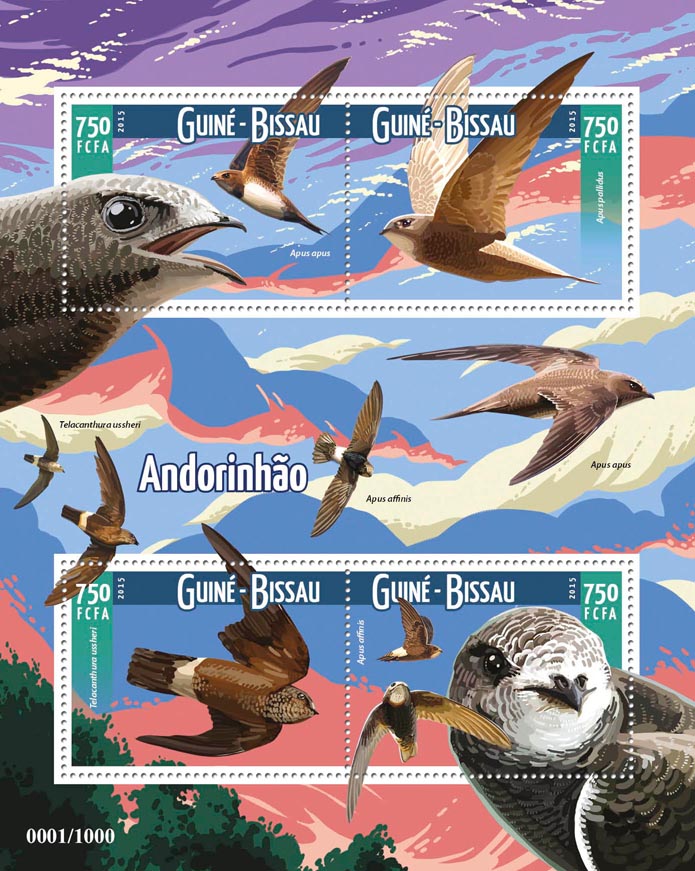
    It is the most miraculous bird, the ultimate winged messenger, exploring our globe, spending its life on the breeze. Sickle-shaped wings silhouetted against the sky, the swift (Apus apus) is the fastest of all birds in level flight and remains entirely airborne for 10 months, or more, feeding, sleeping and mating on the wing. These long-lived creatures can clock up 4 million miles, commuting between English summers and African winters.But this bird is in freefall. A graph produced by the British Trust for Ornithology is terrifying: the British population declined by 51% between 1995 and 2015. And the rate of decline is increasing: down 24% in the five years to 2015.

    Swifts feed on flying insects. We are belatedly waking up to the global calamity that is the loss of insect life. The German study showing a 76% decline in flying insects since 1989 is no anomaly. In Britain, for instance, three-quarters of butterfly species have declined over 40 years, while moth abundance has fallen by more than 40% in the southern half of the country.

    Source: The Guardian, 18 June 2018
    https://www.theguardian.com/commentisfree/2018/jun/18/swifts-tragic-decline-birds

  • Scientists find widely used neonicotinoids in Ontario wild turkeys

    Scientists find widely used neonicotinoids in Ontario wild turkeys

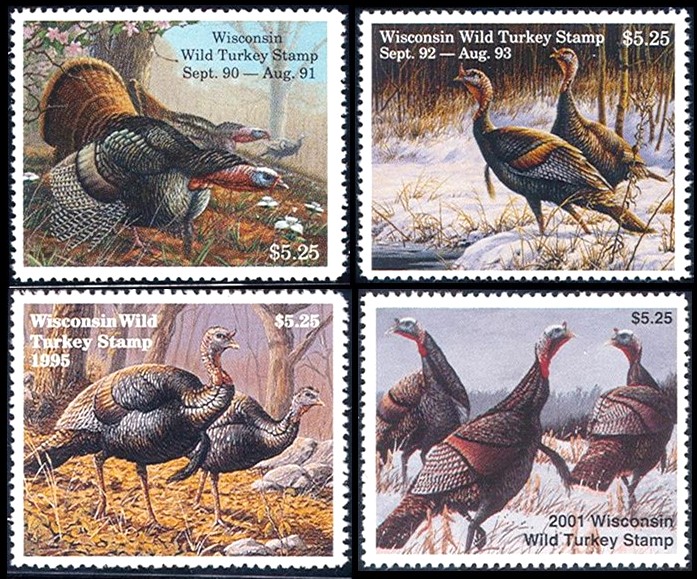
    Scientists with the Ontario Veterinary College at the University of Guelph and Environment and Climate Change Canada examined the livers of 40 wild turkeys in southern Ontario and found nine had detectable levels of neonicotinoids, a group of insecticides that coat the seeds of cash crops such as corn and soy beans to protect them from pests. The insecticide is taken up by the plant and distributed through its tissue as it grows. Researchers found two types of neonicotinoids – clothianidin and thiamethoxam – in the turkey livers, according to the study published in the June issue of the journal Environmental Science and Pollution Research.

    Source: Global News, 19 June 2018

    Scientists find widely used pesticides in Ontario wild turkeys

  • Bangladesh lost 80% of its birds in less than 25 years

    Bangladesh lost 80% of its birds in less than 25 years

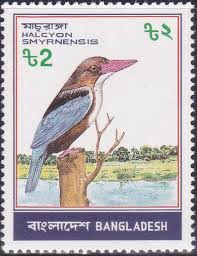
    Once a land of indigenous and migratory birds, Bangladesh is witnessing rapid decline in the number of birds in recent years, conservationists say. In the country’s coastal belt and Sonadia island in particular, the population of birds, as suggested by their movement, came down to a half in a year. Countrywide, the number of birds as counted by their presence here and there, declined by 40,000 this year compared to a year before, according to a census. Enumerators of International Union of Conservation of Nature (IUCN) witnessed the least availability of birds at different points across the country this year. There were around 800,000 birds in 1994 – a population that decreased to 233,000 in 2017 and further to 163,000 in 2018.

    Source: Prothom Alo, 18 June 2018
    http://en.prothomalo.com/environment/news/177863/Bangladesh-losing-bird-population-alarmingly

  • Kaum Fische in Ostschweizer Gewässern

    Kaum Fische in Ostschweizer Gewässern

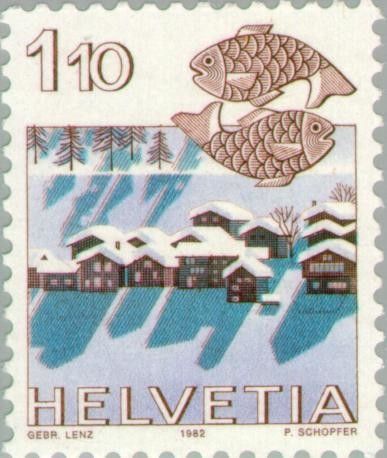
    Der Fischfang im Linthkanal, am Zürichsee und im Walensee geht immer weiter zurück. Seit Beginn der Aufzeichnung vor fast 80 Jahren sind noch nie so wenige Fische gefangen worden. Der Jahresbericht der Fischereikommission für den Zürichsee, Linthkanal und Walensee 2017 zeichnet ein düsteres Bild. Im vergangenen Jahr gingen die Fischfänge im Zürichsee und Zürich-Obersee weiter zurück und lagen um rund zehn Prozent tiefer als im bereits schlechten Vorjahr. Egli gingen so wenige ins Netz wie letztmals vor über 30 Jahren und auch der Rückgang beim Felchenfang war deutlich. Laut dem Schweizerischen Fischerei-Verband ist die Situation Bodensee ebenfalls in einem sehr kritischen Bereich.

    Im Linthkanal wurden nur noch 421 Kilogramm Fisch gefangen. Dies ist der kleinste Fangertrag seit Beginn der Aufzeichnungen im Jahr 1940. Während die Forellenfänge gegenüber dem Vorjahr leicht zugenommen haben, sind die Fänge der Äschen und Felchen nochmals deutlich eingebrochen. Bei den Barben wurde dieses Jahr ein deutlicher Rückgang verzeichnet.

    Im Walensee fingen die Berufsfischer 2017 zehn Prozent weniger als im Mittel der vergangenen zehn Jahre. Am häufigsten zappelten Felchen in ihren Netzen. Zwar stieg der Fanganteil der Albeli ein wenig, dennoch bleibt diese Fischart für die Berufsfischer weiterhin unbedeutend. Die privaten Fischerinnen und Fischer fingen etwas mehr als im Vorjahr, vor allem Hechte, Felchen, Egli und Seeforellen.

    Quelle: FM1 Today, 18.06.18
    http://www.fm1today.ch/kaum-fische-in-ostschweizer-gewaessern/794856

  • Heimische Schmetterlingsarten in Sachsen bedroht

    Heimische Schmetterlingsarten in Sachsen bedroht

    Das Insektensterben trifft nach Angaben der Landesstiftung Natur und Umwelt (Lanu) auch Schmetterlinge. In Sachsen seien bereits je 14 Prozent der 125 heimischen Tagfalterarten ausgestorben und davon bedroht, teilte die Lanu am Freitag bei der Eröffnung der Schmetterlingssaison in Zwickau mit. Auch einst häufige Arten würden seltener.

    Das Insektensterben trifft nach Angaben der Landesstiftung Natur und Umwelt (Lanu) auch Schmetterlinge. In Sachsen seien bereits je 14 Prozent der 125 heimischen Tagfalterarten ausgestorben und davon bedroht, teilte die Lanu am Freitag bei der Eröffnung der Schmetterlingssaison in Zwickau mit.

    Quelle: Dresdner Neueste Nachrichten, 15.06.18
    http://www.dnn.de/Region/Mitteldeutschland/Heimische-Schmetterlingsarten-in-Sachsen-bedroht