Auteur: Henk Tennekes

  • Pesticide levels above the set EU standard in four Irish water supplies

    Pesticide levels above the set EU standard in four Irish water supplies

    Four water supplies, one in Kilkenny, two in Limerick and one in Longford currently have a level of pesticides above the set EU standard, according to Irish Water. The pesticide that is being detected most frequently in drinking water supplies in Ireland is an herbicide called MCPA. This herbicide is in many products used to control thistle, dock and rush. This increase is because products containing MCPA are being used to control weeds on hard surfaces, in gardens, on farms or in forestry. In the coming weeks Irish Water will write to 140,000 homes and businesses on the public water network whose supplies are on the Environmental Protection Agency’s Remedial Action List (RAL).

    The RAL is the list of ‘at risk’ water supplies where the drinking water quality is not as good as it could be. In 53 of the 55 water supply schemes the water is still safe to drink.

    In two schemes, Lough Talt in Sligo and Grangemore in Roscommon, the local communities are currently on a Boil Water Notice making the water unsafe for to drink straight from the tap. Irish Water will outline what we are doing in these 55 areas to improve supply by either an upgrade or a change in how the relevant water treatment plant works.

    Source: Irish Independent, 1 October 2018
    https://www.independent.ie/business/farming/forestry-enviro/environment/pesticides-levels-in-water-supples-in-four-areas-of-the-country-above-eu-standards-irish-water-37376914.html

  • Neonicotinoid Residues in Nectar and Foliage of Systemically Treated Woody Landscape Plants

    Neonicotinoid Residues in Nectar and Foliage of Systemically Treated Woody Landscape Plants

    We measured uptake and dissipation of soil-applied imidacloprid and dinotefuran in nectar and leaves of 2 woody plant species, a broadleaf evergreen tree (Ilex attenuata) and a deciduous shrub (Clethra alnifolia), to assess concentrations to which pollinators and pests might be exposed in landscape settings. Three application timings, autumn (postbloom), spring (prebloom), and summer (early postbloom), were evaluated to see if taking advantage of differences in the neonicotinoids’ systemic mobility and persistence might enable pest control while minimizing transference into nectar. Nectar and tissue samples were collected from in-ground plants and analyzed for residues by high-performance liquid chromatography–tandem mass spectrometry (HPLC–MS/MS) in 2 successive years. Concentrations found in nectar following autumn or spring applications ranged from 166 to 515 ng/g for imidacloprid and from 70 to 1235 ng/g for dinotefuran, depending on plant and timing. These residues exceed concentrations shown to adversely affect individual- and colony-level traits of bees. Summer application mitigated concentrations of imidacloprid (8–31 ng/g), but not dinotefuran (235–1191 ng/g), in nectar. Our data suggest that dinotefuran may be more persistent than is generally believed. Implications for integrated pest and pollinator management in urban landscapes are discussed.

    Source:
    Bernadette M. Mach, Svetlana Bondarenko, and Daniel A. Pottera.
    Environ Toxicol Chem 2017;9999:1–11

  • Glyfosaat blijkt indirect bij te dragen aan de sterfte onder bijen

    Glyfosaat blijkt indirect bij te dragen aan de sterfte onder bijen

    Dat hebben onderzoekers van de universiteit van Texas (Austin) ontdekt. Ze stelden honingbijen bloot aan glyfosaat, het actieve bestanddeel van Roundup. Drie dagen later reeds bleken de bijen behoorlijk wat goede bacteriën in hun darmen kwijt te zijn geraakt. Met name de bacterie Snodgrassella alvi werd hard geraakt. Deze bacterie is heel belangrijk voor de bijen, omdat deze ze helpt om voedsel te verwerken en zich tegen ziekteverwekkers te beschermen.

    Na enige tijd brachten de onderzoekers de honingbijen ook in contact met de ziekteverwekker Serratia marcescens. Dit is een wijdverspreide ziekteverwekker die het wereldwijd op bijen voorzien heeft. Ongeveer de helft van de bijen met een gezonde darmflora was acht dagen na blootstelling aan S. marcescens nog in leven. Van de bijen die eerder aan glyfosaat waren blootgesteld, overleefde slechts 10 procent de ontmoeting met de ziekteverwekker. Het bewijst volgens de onderzoekers dat glyfosaat – indirect – een bijdrage levert aan de sterfte onder bijen en wel door deze middels aantasting van het microbioom vatbaarder te maken voor infecties. “Onderzoek onder mensen, bijen en andere dieren heeft aangetoond dat het microbioom in de darmen een stabiele samenleving is die infecties bestrijdt,” vertelt onderzoeker Nancy Moran. “Dus als je die normale, stabiele samenleving verstoort, ben je vatbaarder voor een invasie van ziekteverwekkers.”

    Bron: Scientias, 25-09-18

    Veelgebruikte pesticide blijkt te rommelen met de darmbacteriën van de honingbij

  • Seit dem Jahr 2000 ist die Zahl der Käfer stark gesunken in der Bundesrepublik

    Seit dem Jahr 2000 ist die Zahl der Käfer stark gesunken in der Bundesrepublik

    Das Insektensterben in der Bundesrepublik hat besorgniserregende Ausmaße erreicht. „Eine aktuelle Studie bestätigt den Rückgang der Biomasse fliegender Insekten um 75 Prozent“, sagt der Greifswalder Zoologieprofessor Michael Schmitt. Es betrifft nicht nur die Bienen, über die in jüngster Zeit viel diskutiert wurde, sondern auch viele andere Arten. In den Jahren 1990 bis 2017 sind 63 Arten und zehn Unterarten der Blatt- und Samenkäfer wahrscheinlich in Mitteleuropa ausgestorben. Denn es gibt keine Nachrichten über ihr Auftreten in der Datenbank CryFaun mehr. Und diese umfasst immerhin 170000 Mitteilungen über Funde in Mitteleuropa. 757 Arten von Blatt- und Samenkäfern sind dort für diesen Raum verzeichnet. Eine hervorragende Adresse für Informationen in Mecklenburg-Vorpommern sei dabei das Müritzeum in Waren, so der Zoologieprofessor. Auch Amateure leisten mit ihren Meldungen einen wichtigen Beitrag für diese Untersuchungen. In dem Arbeitskreis, der sich mit der Problematik der Blatt- und Samenkäfer befasst, ist Michael Schmitt der einzige Hochschullehrer.

    „Wir haben die Entwicklung der letzten 100 Jahre untersucht“, erläutert Michael Schmitt weiter. „Seit der Wende vom 19. zum 20. Jahrhundert nahm die Zahl der Arten und der Funde mit jedem Jahrzehnt zu.“ Aber seit der Jahrtausendwende sei das anders. Der Rückgang sei deutlich, obwohl es auch noch stark zunehmende Blatt- und Samenkäferarten gibt.

    Quelle: Ostsee Zeitung, 21.09.18
    http://www.ostsee-zeitung.de/Vorpommern/Greifswald/Greifswalder-Zoologen-erforschen-Rueckgang

  • Nederlandse boerenlandvogelindicator is sinds 1990 met 30% gedaald

    Nederlandse boerenlandvogelindicator is sinds 1990 met 30% gedaald

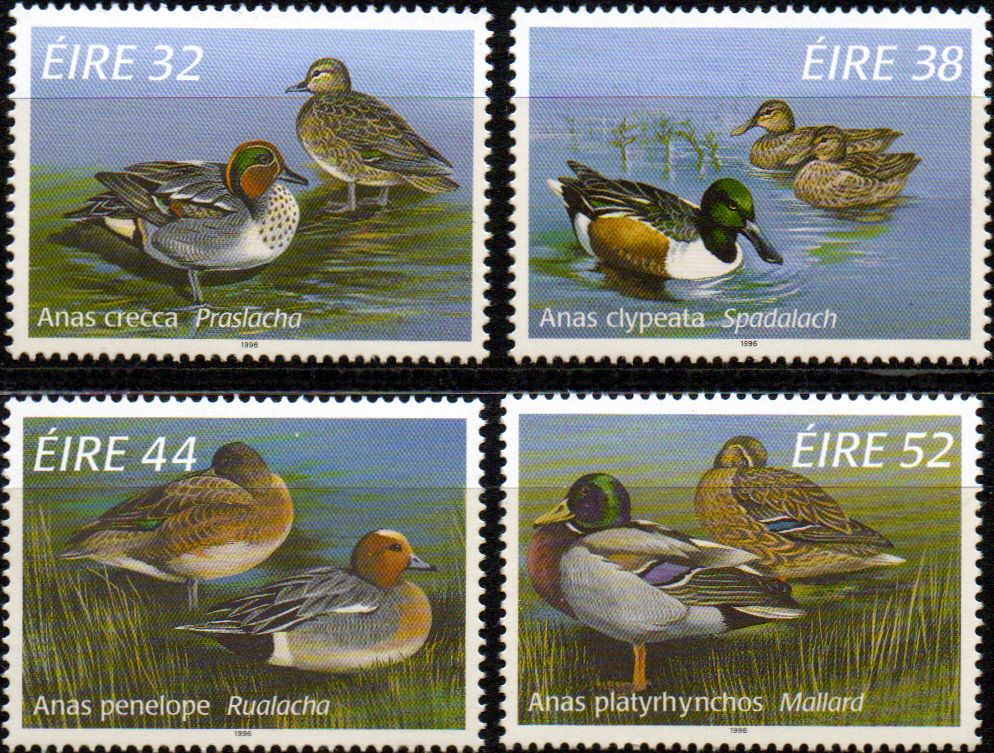
    De kenmerkende broedvogels van het agrarische gebied gaan in Nederland achteruit. Sinds 1990 is de ‘boerenlandvogel indicator’ met ongeveer 30% gedaald. Sinds 1960 is de achteruitgang zelfs meer dan 50%. In de plaats van grote aantallen en een grote diversiteit aan boerenlandvogels zijn het tegenwoordig grote groepen ganzen die het vogelbeeld in het agrarisch gebied bepalen.

    De boerenlandvogelindicator is de nationale variant van de ‘Farmland Bird Indicator’ van de Europese Unie. Voor de Nederlandse versie van deze indicator zijn 27 soorten gekozen die in Nederland voorkomen; 20 daarvan zijn in aantal achteruitgegaan, 5 zijn toegenomen en 2 zijn gelijk gebleven. Sommige van de soorten die achteruit zijn gegaan, zoals de grauwe gors (Emberiza calandra. Synoniem: Miliaria calandra) en kemphaan (Calidris pugnax), waren ook in 1990 al zeldzaam. Maar ook veel algemenere soorten als grutto (Limosa limosa), kievit (Vanellus vanellus) en scholekster (Haematopus ostralegus) verliezen flink terrein.

    De achteruitgang van de boerenlandvogels komt vooral door het intensieve gebruik en beheer van bouw- en grasland. Veranderingen in gewaskeuze, bestrijdingsmiddelengebruik, mechanisering en schaalvergroting van de landbouw hebben geleid tot veranderingen in de voedselsituatie, nestgelegenheid en kuikenoverleving en tot het verdwijnen van kleine landschapselementen als houtwallen en overhoekjes. Ook is broedgebied verloren gegaan door uitbreiding van steden en infrastructuur en door toename van wegverkeer.

    Bron: Compendium voor de Leefomgeving, 21/09/18
    https://www.groeneruimte.nl/nieuws/artikel.html?id=206056

  • 52 Percent of World’s Birds of Prey Populations in Decline

    52 Percent of World’s Birds of Prey Populations in Decline

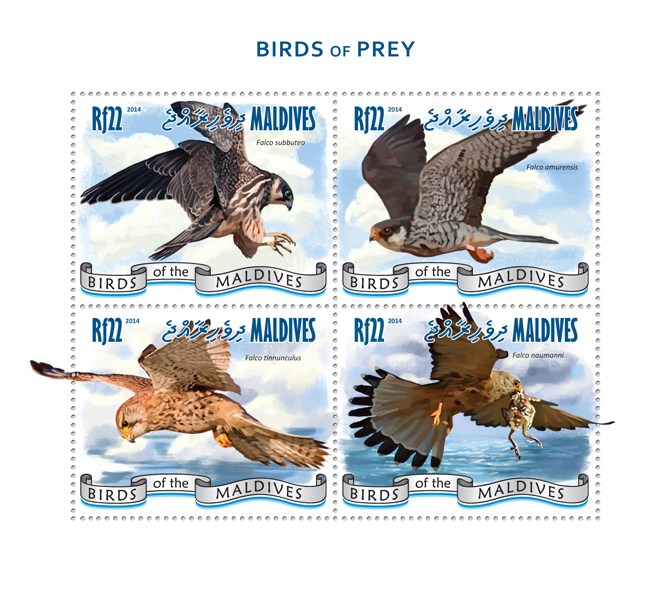
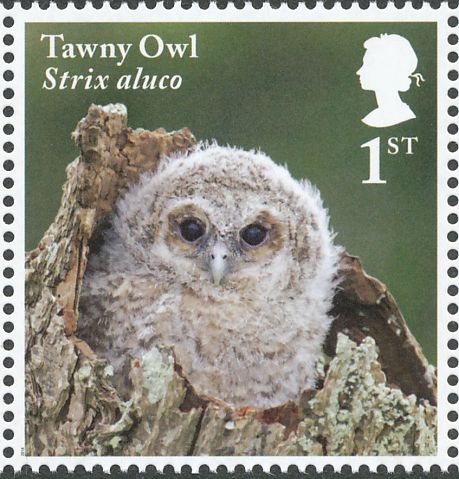
    Grim news for the world’s raptors—an iconic group of birds consisting of hawks, falcons, kites, eagles, vultures and owls. After analyzing the status of all 557 raptor species, biologists discovered that 18 percent of these birds are threatened with extinction and 52 percent have declining global populations, making them more threatened than all birds as a whole. Comparatively, 40 percent of the world’s 11,000 bird species are in decline, according to an April report from BirdLife International.

    The new research, published last week in the journal Biological Conservation, was led by biologists at The Peregrine Fund and in collaboration with nine scientific organizations and is the first to focus specifically on the status of raptors, according to Stuart Butchart chief scientist at BirdLife International and one of the paper’s coauthors.

    “In particular, raptor species that require forest are more likely to be threatened and declining than those that do not, and migratory raptors were significantly more threatened than resident species,” Butchart said on the BirdLife International website. “The greatest concentrations of threatened species are found in South and South-East Asia.”

    “Vultures in South Asia have suffered catastrophic population declines owing to the toxic effects of the veterinary drug diclofenac,” Butchart continued. “In Africa, vultures and owls are killed for their body parts to be used for supposed medicinal benefits. Many other raptors are vulnerable to electrocution or collision with powerlines. But as with most bird species, unsustainable agriculture and logging are the primary threats.”

    Source: EcoWatch, September 11, 2018
    https://www.ecowatch.com/predator-birds-raptors-population-2603985865.html

  • Alarm over toxic pesticide sprayed on Scotland’s woodlands

    Alarm over toxic pesticide sprayed on Scotland’s woodlands

    Scotland’s forests are treated and sprayed every year with hundreds of kilograms of a toxic pesticide blamed for killing bees and butterflies, The Ferret can reveal. Our investigation has uncovered widespread use of the nicotine-based insecticide, acetamiprid, by the forestry industry, provoking concerns from experts and alarm from environmentalists who fear “creeping degradation” of nature. Moves have already been made to curb the pesticide’s use on the island of Mull, and Scottish ministers are facing growing demands from wildlife campaigners for a country-wide ban – backed by veteran SNP minister, Michael Russell MSP.

    The forestry industry, however, is vehemently opposed to a ban, arguing that acetamiprid is vital for killing pine weevils to protect Scotland’s £1 billion wood business. The industry is backed by another SNP veteran, the rural economy minister, Fergus Ewing MSP.

    Acetamiprid is one of a group of manufactured neonicotinoid chemicals lethal to insects. A ban on all outdoor use of three neonicotinoids was agreed by the European Union in April due to evidence showing they could endanger bees and other pollinators – but this did not include acetamiprid, which can still be legally used. Acetamiprid has been brought into “wide scale use” by the forestry industry in the last two years to replace another toxic pesticide thought to endanger wildlife, cypermethrin. It is now regularly used across Scotland to kill the weevils that infest, eat and destroy trees.

    Forestry Commission Scotland told The Ferret that 196 kilograms of acetamiprid, branded Gazelle, were sprayed on 711 hectares of public woodland in 2017-18. The spraying covered four forestry districts: Scottish Lowlands, North Highland, Tay, and Cowal & Trossachs.

    As well as being sprayed after planting, trees are also treated with acetamiprid before they are planted. The private forestry industry was unable to say exactly how much of the chemical it used, but evidence suggests it’s likely to amount to several hundreds of kilograms a year.

    Source: The Ferret, 9 September 2018
    https://theferret.scot/pesticide-scotlands-woodlands/

  • Butterfly numbers in the UK’s woods have dropped by almost 60% since 1990

    Butterfly numbers in the UK’s woods have dropped by almost 60% since 1990

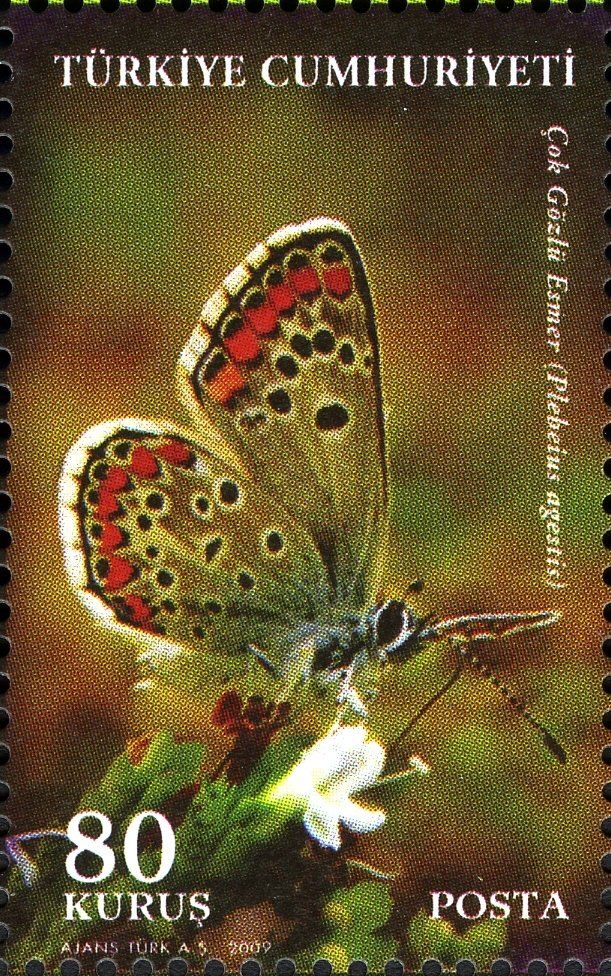
    Since 1990, butterfly numbers have dropped by 58 per cent in woods, a government study has found. The report was published in June 2018 by the Department for environment, food and rural affairs (Defra). Woodland species that are struggling include the brown argus, common blue, peacock and purple hairstreak .In response to the report, charities have claimed that reform is needed to the country’s farming laws in order to protect the environment in the wake of Brexit. They say the latest figures offer more evidence to support expert predictions of an ‘ecological Armageddon’. Researchers in Germany have documented a steep Insect decline at dozens of nature reserves. Their findings have sparked fears the foodchain will collapse because insects are important pollinators and serve as meals for birds and other small creatures.

    Source: Daily Mail, 22 June 2018
    http://www.dailymail.co.uk/sciencetech/article-5873421/Butterfly-numbers-UKs-woods-declined-60-cent-1990.html

  • Breeding birds are in considerable decline in the Ajloun Forest Reserve

    Breeding birds are in considerable decline in the Ajloun Forest Reserve

    Densities and populations of most breeding bird species in Ajloun Forest Reserve have “considerably declined” over the past three years in the evergreen Oak forest, a newly-released study carried out by the studies section at the Royal Society for the Conservation of Nature (RSCN) in 2017 indicated. Ajloun Forest Reserve is located in the Ajloun highlands north of Amman and covers 13 square kilometers. The study, a copy of which was made available to The Jordan Times, was implemented as part of a monitoring programme to evaluate the densities and populations of breeding species within the reserve, which the RSCN eyes as “one of the most important bird areas in northern Jordan”.

    Results of the study indicated that key bird species, the wren (Troglodytes troglodytes) and blue tit (Cyanistes caeruleus) , showed decreases since a similar study was conducted in 2014. The study, however, indicated that while the decline in the population of the blue tit was minor, standing at -9 per cent, the population remained higher than figures recorded in 2006 and 2009. The decline in the population of the wren was for its part higher, standing at -51 per cent, according to the study. Only Sardinian warbler (Sylvia melanocephala), blue tit, blackbird (Turdus merula) and lesser whitethroat (Sylvia curruca) had populations of over 1,000 individuals.

    Source: The Jordan Times, August 14, 2018
    http://jordantimes.com/news/local/breeding-bird-species-%E2%80%98notable-decline%E2%80%99-ajloun-forest-reserve

    .

  • Bird populations in New Mexico are nosediving

    Bird populations in New Mexico are nosediving

    Bird populations in New Mexico are failing to take off — in fact, they’re nosediving. A study conducted by scientists at the Los Alamos National Labs (LANL) found that piñon pine trees are dying in growing numbers, which is having adverse effects on wildlife in the area — especially birds. The study, conducted by Jeanne Fair and Charles Hathcock, concluded that “piñon mortality may be a significant threat to bird communities in the southwestern U.S.” It also stated that piñon-juniper woodlands, in which piñon trees thrive, may disappear completely by the year 2100, according to a LANL press release.

    Piñon pines are the state tree of New Mexico and are found throughout the Southwest. “It’s really quite disturbing,” said Jonathan Hayes, vice president and executive director of Audubon New Mexico, a nature sanctuary in Santa Fe. “The Pajarito Plateau is named that for its bird abundance, so it’s really ironic that we’re seeing huge bird decline in that area.”

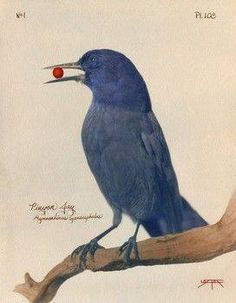
    One species of birds afflicted by the decline is the pinyon jay (Gymnorhinus cyanocephalus). The bird nests in piñon-juniper woodlands, and has seen a significant loss of habitat as the trees continue to die. No pinyon jays were found at any of the study sites in the LANL study. However, the decline in piñon-juniper bird species is not excluded to the pinyon jay. New Mexico Avian Conservation Partners ranks birds species in New Mexico by their vulnerability, and seven piñon-juniper bird species appear on the list. They include the pinyon jay, juniper titmouse (Baeolophus ridgwayi), woodhouse’s scrub-jay (Aphelocoma woodhouseii), black-throated gray warbler (Setophaga nigrescens), gray vireo (Vireo vicinior) and the mountain chickadee (Poecile gambeli).

    Source: Daily Lobo, August 23, 2018
    http://www.dailylobo.com/article/2018/08/birds-trees-dying-in-new-mexico