Auteur: Henk Tennekes

  • Meer dan de helft van de huismussen in Spanje is de laatste 30 jaar verdwenen

    Meer dan de helft van de huismussen in Spanje is de laatste 30 jaar verdwenen

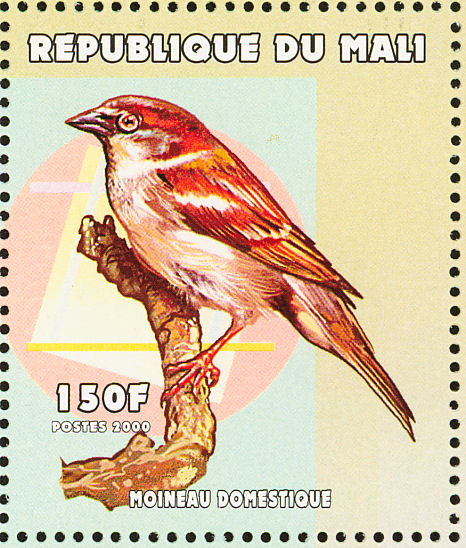
    Het valt veel mensen steeds meer op dat als men door een stad of dorp loopt er steeds minder vogels te zien en horen zijn. Uiteraard ligt het eraan waar je loopt maar over het algemeen is er een flinke afname in verschillende soorten vogels. Bij een vogelsoort is dat, net zoals in andere landen zoals Nederland en België, het meeste te merken. Het gaat hier om de “gorriones” ofwel de “passer domesticus” die beter bekend is onder de naam huismus. Deze kleine zangvogel vormt samen met een dertigtal andere mussensoorten zoals de ringmus het geslacht Passer. De huismus in Spanje was de enige vogelsoort die vele malen meer dan het aantal menselijke inwoners van het land voorkwam met zo’n 160 miljoen exemplaren. Dat aantal is echter schrikbarend teruggenomen met volgens SEO/Birdlife minstens 60% de afgelopen 30 jaar.

    Bron: Spanje Vandaag, 12-11-18
    https://www.spanjevandaag.com/12/11/2018/aantal-vogels-waaronder-de-huismussen-wordt-steeds-minder-in-spanje/

  • Pestizid-Cocktail belastet Europas Äcker

    Pestizid-Cocktail belastet Europas Äcker

    Äcker in Europa sind häufig durch einen Mix verschiedener Pflanzenschutzmittel belastet. Das zeigt eine neue Studie von Forschern der niederländischen Landwirtschafts-Universität Wageningen. „Das Vorhandensein von Rückstände gleich mehrerer unterschiedlicher Pestizide im Boden ist offenbar eher die Regel als die Ausnahme“, heißt es in der Studie. Die Untersuchung wird zu einem Zeitpunkt öffentlich, zu dem Bundesumweltministerin Svenja Schulze (SPD) strengere Regeln für den Einsatz des umstrittenen Unkrautvernichters Glyphosat durchsetzen will – auch gegen Widerstand von Bauernverbänden und Bedenken des Landwirtschaftsministeriums.

    Die niederländischen Forscher haben Bodenproben von landwirtschaftlich genutzten Flächen aus mehreren EU-Ländern, darunter Deutschland, untersucht. Das Ergebnis: In 83 Prozent der Proben fand sich mindestens ein Pestizid, in 58 Prozent sogar mehrere. Die Untersuchung sei eine der größten ihrer Art, schreiben die Forscher: Erstmals seien die Proben auf 76 verschiedene Rückstände und Abbauprodukte von Pflanzenschutzmitteln untersucht worden. Das sein allerdings nur ein Fünftel der insgesamt zugelassenen Pestizide in der EU.

    Quelle: Handelsblatt, 08.11.2018
    https://www.handelsblatt.com/technik/energie-umwelt/umwelt-pestizid-cocktail-belastet-europas-aecker/23594396.html?ticket=ST-2329110-BrBd9QHbrtZhJ4WzTzbt-ap1

  • Florida monarch butterfly populations have dropped 80 percent since 2005

    Florida monarch butterfly populations have dropped 80 percent since 2005

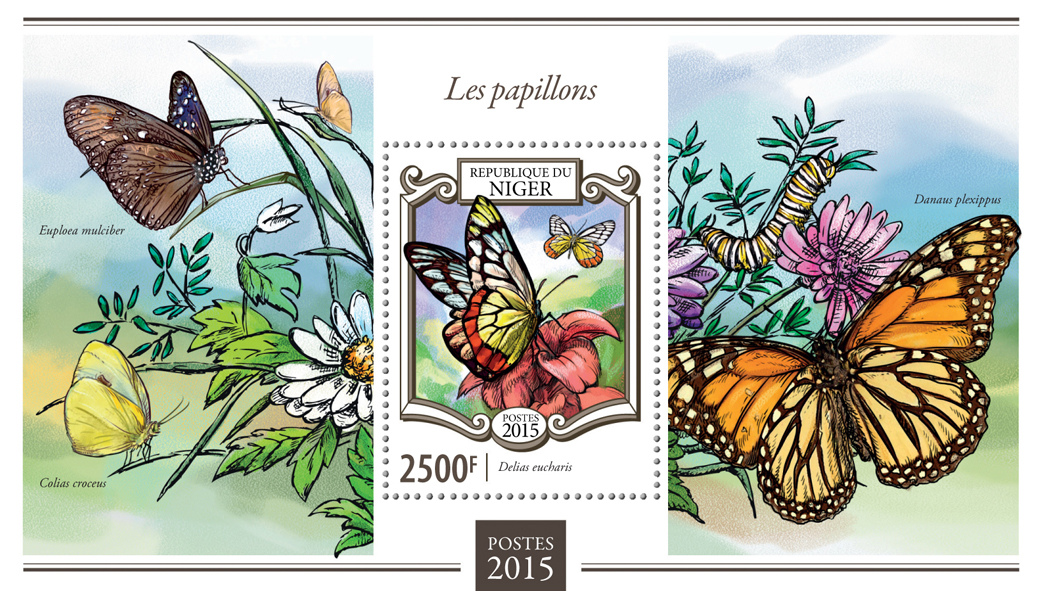
    A 37-year survey of monarch populations in North Central Florida shows that caterpillars and butterflies have been declining since 1985 and have dropped by 80 percent since 2005. This decrease parallels monarchs’ dwindling numbers in their overwintering grounds in Mexico, said study co-author Jaret Daniels, program director and associate curator of the Florida Museum of Natural History’s McGuire Center for Lepidoptera and Biodiversity.

    “It’s alarming in a number of different ways,” said Daniels, who is also an associate professor in the University of Florida’s department of entomology and nematology. “This study shows the tight connection between monarchs and milkweed and highlights very dramatic losses in abundance in Florida that further confirm the monarch is declining.”

    While the drivers of the decline are not clear, the researchers said shrinking native milkweed populations and a boost in glyphosate use in the Midwest are part of the problem. Glyphosate, an herbicide often applied to agricultural fields to eliminate weeds, is lethal to milkweed, the monarchs’ host plant. Less milkweed means less habitat for monarchs, said study co-author Ernest Williams, professor emeritus of biology at Hamilton College in New York.

    Read more at: https://phys.org/news/2018-11-florida-monarch-butterfly-populations-percent.html#jCp

  • Imidacloprid Found to Make Bees Less Social

    Imidacloprid Found to Make Bees Less Social

    Scientists said they’ve found that exposure to the neonicotinoid pesticide imidacloprid produces complex changes in the social behaviors and activities of bumblebees – a very bad thing for creatures who rely on their colonies to survive. Bumblebees exposed to imidacloprid became less social and spent less time together. The bees also spent less time nursing larvae, foraging and constructing the wax canopy which insulates and regulates the temperature of the hive. These findings match earlier studies, but by using an automated, robotic platform for continuous, multicolony monitoring of uniquely identified workers, the study found that the behavioral changes in the bees varied over the course of a day. Behavioral changes appeared to peak at night and when the temperature was cooler. Bees exposed to field-realistic concentrations of imidacloprid experienced problems regulating temperature, which may have been exacerbated by a tendency to move to the edges of the nest rather than remain clustered together at the center.

    The complex changes to bee behavior with neonic exposure highlight the value of using technology to examine the impacts of environmental changes not just on a large scale, but even down the hive.

    Source: Courthouse News Service, 8 November 2018
    https://www.courthousenews.com/class-of-pesticides-found-to-make-bees-less-social/

    Reference:
    James D. Crall et al. Neonicotinoid exposure disrupts bumblebee nest behavior, social networks, and thermoregulation. Science 09 Nov 2018: Vol. 362, Issue 6415, pp. 683-686
    DOI: 10.1126/science.aat1598

  • Zeker tien vogelsoorten in Nederland staan op het punt van uitsterven

    Zeker tien vogelsoorten in Nederland staan op het punt van uitsterven

    De vernietiging van leefgebieden en het verdwijnen van insecten in Nederland hebben de afgelopen decennia veel vogelsoorten bedreigd en zelfs doen uitsterven. Zeker tien vogelsoorten staan op het punt van uitsterven, als er geen maatregelen worden genomen. Dat concludeert het boek Bedreigde vogels in Nederland van de Vogelbescherming, dat woensdag verschijnt.

    In vrijwel alle soorten leefgebieden – stedelijk, moeras, hei en duin – zijn veel soorten sinds 1950 sterk in aantal achteruitgegaan of zelfs uitgestorven. De oorzaak: de verandering van het boerenlandschap, intensivering van de landbouw en de opmars van pesticiden en kunstmest. Vooral het agrarische landschap onderging een dramatische transformatie.

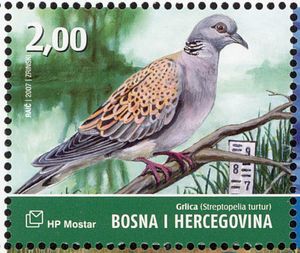
    De zomertortel (Streptopelia turtur) is volgens de Vogelbescherming de eerste ‘kanshebber’ zijn om uit Nederland te verdwijnen. De soort is sinds de jaren vijftig met meer dan 90 procent in aantal achteruitgegaan. Ook weidevogels als de grutto (Limosa limosa) dreigen bij ‘ongewijzigd beleid’ uit te sterven, zo waarschuwt de natuurorganisatie. Naast ingrepen in het (boeren)landschap is het terugdringen van stikstof en pesticiden nodig om de leefomgeving te herstellen, aldus De Pater. Om het tij te keren is minder gif, minder mest, meer water en meer inclusieve landbouw nodig.

    Bron: Volkskrant, november 2018
    https://www.volkskrant.nl/nieuws-achtergrond/zeker-tien-vogelsoorten-in-nederland-staan-op-het-punt-van-uitsterven-door-veranderend-landschap-~b7c5d64c/

  • Fischsterben gefährdet Fischereiverein Thur im Kanton St. Gallen

    Fischsterben gefährdet Fischereiverein Thur im Kanton St. Gallen

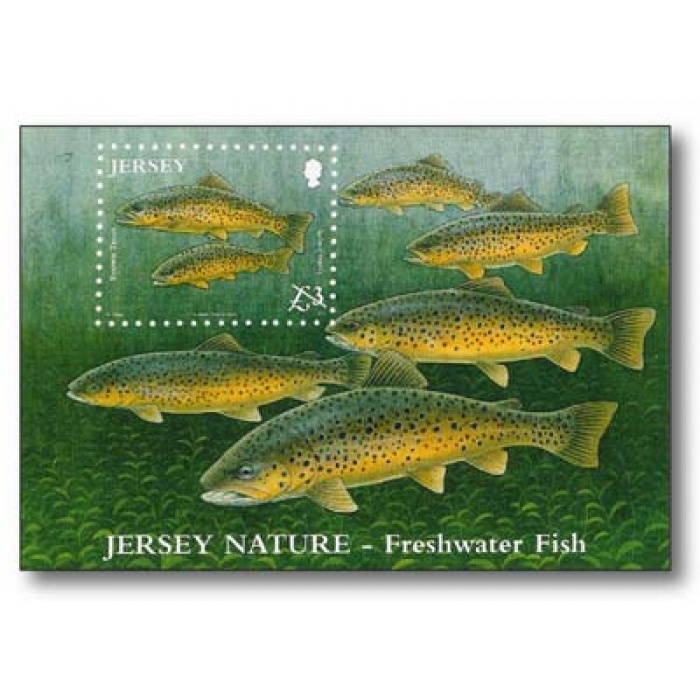
    Was in der Thur unterhalb von Bütschwil vor sich geht, klingt wie ein Krimi: Seit gut vier Jahren sterben dort jeweils von Ende Juli bis im September zahlreiche Bachforellen. «Ich schätze, dass wir seither 80 bis 90 Prozent von diesen verloren haben», sagt Markus Brunner. Er ist Hobbyfischer und Präsident des Fischereivereins Thur, der diesen Abschnitt des Flusses vom Kanton St. Gallen gepachtet hat und im Februar sein 125-jähriges Bestehen feiert. Rund 400 Bachforellen fischten die Hobbyfischer in dieser Saison aus der Thur zwischen Wattwil und Niederbüren, vor 20 Jahren waren es gemäss Brunner noch 20000 bis 25000. Und so verliert der Verein nach und nach seine Mitglieder: Vor zehn Jahren waren es gemäss Brunner über 400, heute sind es noch 338. 300 Mitglieder braucht der Verein, damit er mit den Mitgliederbeiträgen, 250 Franken sind es pro Person, den jährlichen Pachtzins von 75000 Franken an den Kanton St. Gallen entrichten kann.

    Die Ursache für das Fischsterben konnte bisher niemand herausfinden, die Abklärungen laufen auf Hochtouren, erste Ergebnisse werden auf Ende Jahr erwartet. Fachleute stellten zwar fest, dass die toten Tiere Organschäden an Leber und Herz aufwiesen und an Blutarmut litten. Dadurch konnte der Sauerstoff im Körper nicht mehr transportiert werden und die Forellen erstickten.

    Quelle: Tagblatt, 06.11.18
    https://www.tagblatt.ch/ostschweiz/wil/fischsterben-gefaehrdet-fischereiverein-ld.1067628

  • Massive reductions in arthropod abundance in Puerto Rico’s rainforest are indirectly precipitating a collapse of the forest food web

    Massive reductions in arthropod abundance in Puerto Rico’s rainforest are indirectly precipitating a collapse of the forest food web

    Arthropods, invertebrates including insects that have external skeletons, are declining at an alarming rate. While the tropics harbor the majority of arthropod species, little is known about trends in their abundance. We compared arthropod biomass in Puerto Rico’s Luquillo rainforest with data taken during the 1970s and found that biomass had fallen 10 to 60 times. Our analyses revealed synchronous declines in the lizards, frogs, and birds that eat arthropods.

    Source:
    Bradford C. Lister and Andres Garcia
    PNAS October 30, 2018 115 (44) E10397-E10406; published ahead of print October 15, 2018 https://doi.org/10.1073/pnas.1722477115

  • Landbouw gebruikte 5,7 miljoen kg chemische middelen in 2016

    Landbouw gebruikte 5,7 miljoen kg chemische middelen in 2016

    In 2016 heeft de landbouw 5,7 miljoen kilogram chemische gewasbeschermingsmiddelen gebruikt. Dit blijkt uit nieuw onderzoek van het CBS over het gebruik van gewasbeschermingsmiddelen in de landbouw. In 2016 werd bijna 2,8 miljoen kilogram aan chemische gewasbeschermingsmiddelen ingezet ter bestrijding van schimmels en bacteriën. Voor onkruidbestrijding en loofdoding is bijna 1,5 miljoen kilogram gebruikt. Het gebruik van chemische gewasbeschermingsmiddelen ter bestrijding van insecten en mijten was 96 duizend kilogram werkzame stof in 2016.

    De akkerbouw gebruikte in 2016 bijna 3,6 miljoen kilogram chemische gewasbeschermingsmiddelen, waarvan 2,3 miljoen kilogram voor de bescherming van consumptie-, poot- en zetmeelaardappelen. Dat is 40 procent van alle chemische middelen die in 2016 in de landbouw zijn gebruikt. Bij de teelt van bloembollen is 1,2 miljoen kilogram gebruikt, bij de fruitteelt 500 duizend kilogram.

    Leliebollen zijn het meest middelenintensieve gewas. Per hectare is in 2016 125 kilogram chemische beschermingsmiddelen gebruikt, waarvan 93 kilogram minerale olie. Bij de teelt van appels, peren, bloemen onder glas, tulpen, overige bloembollen en pootaardappelen lag het gebruik over alle middelen tussen 20 kilogram en 35 kilogram actieve stof per hectare. Bij de overige gewassen is dit gebruik lager.

    De oppervlakte landbouwgrond waarop chemische gewasbeschermingsmiddelen zijn gebruikt, was in 2016 5 procent lager dan in 2012. De dosering per hectare nam toe van 7,8 kg per hectare in 2012 naar 8,0 kg per hectare in 2016. Dit hangt vooral samen met de verschuivingen in teeltoppervlakten. Zo is de beteelde oppervlakte van middelenintensieve gewassen zoals tulpen en lelies in deze periode met 17 procent en 19 procent gestegen. De oppervlakte van middelenextensieve gewassen zoals snijmaïs en tarwe is juist gedaald.

    Bron: CBS, 26-7-18
    https://www.cbs.nl/nl-nl/nieuws/2018/30/landbouw-gebruikt-5-7-miljoen-kg-chemische-middelen

  • The small tortoiseshell suffered its worst summer in the history of the butterfly count

    The small tortoiseshell suffered its worst summer in the history of the butterfly count

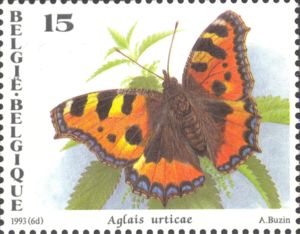
    Fears are growing for the small tortoiseshell butterfly Aglais urticae after this once-common garden insect continued its baffling decline despite the hot summer proving a boon to most species. The small tortoiseshell suffered its worst summer in the history of the Big Butterfly Count with sightings falling by 32% compared with last year, according to the charity Butterfly Conservation. The hot, dry weather is believed to have boosted many of Britain’s 59 native butterfly species this summer as a record 100,000 people spotted nearly one million butterflies during the three-week count, the world’s largest butterfly survey. Most common was the small white, with numbers up 161% on the previous year, while the large white came second, up 104%. The three “cabbage whites” – the large white, small white and green-veined white – made up 55% of the total butterflies recorded. “It was definitely a white summer and the blues did really well too,” said Richard Fox of Butterfly Conservation. “We suspect it was a good summer for most species.”

    After fears over the decline of the common blue, this small butterfly bounced back with its best results since 2010, while the commonest blue butterfly seen in gardens, the holly blue, recorded its highest ever numbers in the count’s history.

    The small tortoiseshell’s decline is not following a typical insect boom-and-bust cycle, however, with the population of this once-ubiquitous species falling by 75% since 1976. Its decline is a particular puzzle, according to Fox, because its caterpillar’s foodplant, the stinging nettle, is almost certainly more widespread in Britain than at any point in history. The nettle thrives on nitrate-rich land caused by vehicle emissions and farm fertilisers. Studies show that the small tortoiseshell caterpillars thrive on nitrate-rich nettles as well.

    Fox said: “We know a lot about the decline of rare specialist species in Britain but the once-common ‘wider countryside’ species such as small tortoiseshell, gatekeeper and small skipper are undergoing big declines which we don’t understand. It might be to do with climate change or general land management such as pesticide use. “If that rate of decline continues then the small tortoiseshell may become a threatened species. How our wider countryside species are faring is very much one of Butterfly Conservation’s priorities, and the Big Butterfly Count is really useful in providing data about them.”

    Source
    The Guardian, 24 September 2018
    https://www.theguardian.com/environment/2018/sep/24/small-tortoiseshell-butterfly-as-decline-continues

  • At long last American entomologists start to realize that insect decline is a general problem

    At long last American entomologists start to realize that insect decline is a general problem

    A staple of summer – swarms of bugs – seems to be a thing of the past. And that’s got scientists worried. Pesky mosquitoes, disease-carrying ticks, crop-munching aphids and cockroaches are doing just fine. But the more beneficial flying insects of summer – native bees, moths, butterflies, ladybugs, lovebugs, mayflies and fireflies – appear to be less abundant. Scientists think something is amiss, but they can’t be certain: In the past, they didn’t systematically count the population of flying insects, so they can’t make a proper comparison to today. Nevertheless, they’re pretty sure across the globe there are fewer insects that are crucial to as much as 80 percent of what we eat.

    Yes, some insects are pests. But they also pollinate plants, are a key link in the food chain and help decompose life. “You have total ecosystem collapse if you lose your insects. How much worse can it get than that?” said University of Delaware entomologist Doug Tallamy. If they disappeared, “the world would start to rot.” He noted Harvard biologist E.O. Wilson once called bugs: “The little things that run the world.”

    The 89-year-old Wilson recalled that he once frolicked in a “Washington alive with insects, especially butterflies.” Now, “the flying insects are virtually gone.” It hit home last year when he drove from suburban Boston to Vermont and decided to count how many bugs hit his windshield. The result: A single moth.

    Research has shown dwindling individual species in specific places, including lightning bugs, moths and bumblebees. One study estimated a 14 percent decline in ladybugs in the United States and Canada from 1987 to 2006. University of Florida urban entomologist Philip Koehler said he’s seen a recent decrease in lovebugs – insects that fly connected and coated Florida’s windshields in the 1970s and 1980s. This year, he said, “was kind of disappointing, I thought.”

    University of Nevada, Reno, researcher Lee Dyer and his colleagues have been looking at insects at the La Selva Biological Station in Costa Rica since 1991. There’s a big insect trap sheet under black light that decades ago would be covered with bugs. Now, “there’s no insects on that sheet,” he said.

    But there’s not much research looking at all flying insects in big areas. Last year, a study that found an 82 percent mid-summer decline in the number and weight of bugs captured in traps in 63 nature preserves in Germany compared with 27 years earlier. It was one of the few, if only, broad studies. Scientists say similar comparisons can’t be done elsewhere because similar bug counts weren’t done decades ago. “We don’t know how much we’re losing if we don’t know how much we have,” said University of Hawaii entomologist Helen Spafford.

    The lack of older data makes it “unclear to what degree we’re experiencing an arthropocalypse,” said University of Illinois entomologist May Berenbaum. Individual studies aren’t convincing in themselves, “but the sheer accumulated weight of evidence seems to be shifting” to show a problem, she said.

    After the German study, countries started asking if they have similar problems, said ecologist Toke Thomas Hoye of Aarhus University in Denmark. He studied flies in a few spots in remote Greenland and noticed an 80 percent drop in numbers since 1996. “It’s clearly not a German thing,” said University of Connecticut entomologist David Wagner, who has chronicled declines in moth populations in the northeastern United States. “We just need to find out how widespread the phenomenon is.”

    Source: The Detroit News, September 22, 2018
    https://eu.detroitnews.com/story/news/environment/2018/09/21/scientists-non-pest-insect-decline-threatens-ecosystem/37896147/