Auteur: Henk Tennekes

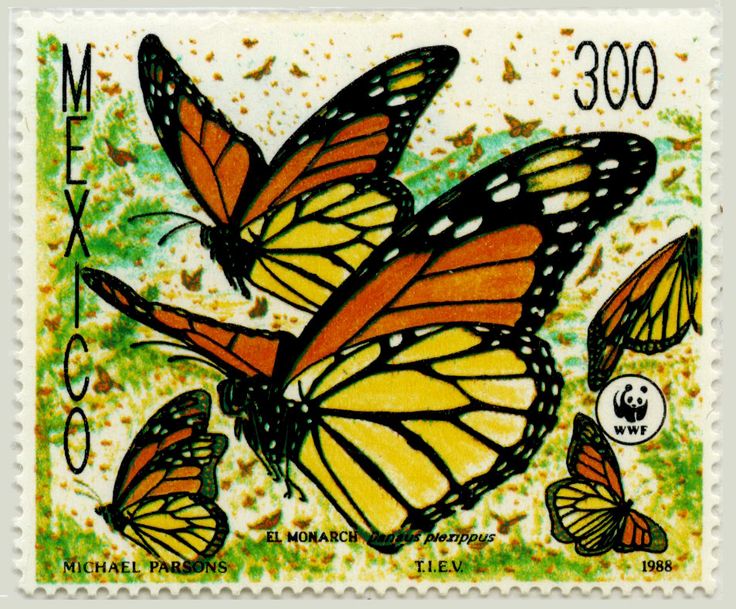
  • Monarch butterfly numbers plummet 86 percent in California

    Monarch butterfly numbers plummet 86 percent in California

    The number of monarch butterflies turning up at California’s overwintering sites has dropped by about 86 percent compared to only a year ago, according to the Xerces Society, which organizes a yearly count of the iconic creatures. That’s bad news for a species whose numbers have already declined an estimated 97 percent since the 1980s. Each year, monarchs in the western United States migrate from inland areas to California’s coastline to spend the winter, usually between September and February.

    “It’s been the worst year we’ve ever seen,” said Emma Pelton, a conservation biologist with the Xerces Society who helps lead the annual Thanksgiving count. “We already know we’re dealing with a really small population, and now we have a really bad year and all of a sudden, we’re kind of in crisis mode where we have very, very few butterflies left.”

    Results from the count so far show that the number of monarchs at 97 California overwintering sites has dropped from around 148,000 in 2017 to just over 20,400 this year. Counts for dozens of other sites are still being tabulated, but the outlook is troubling, Pelton said.

    Source: Independent Mail, Jan 7, 2019
    https://eu.independentmail.com/story/news/nation/2019/01/07/monarch-butterfly-numbers-drop-86-california/2499761002/

  • Neonicotinoids differently modulate acetycholine‐induced currents on mammalian α7 nicotinic acetylcholine receptors

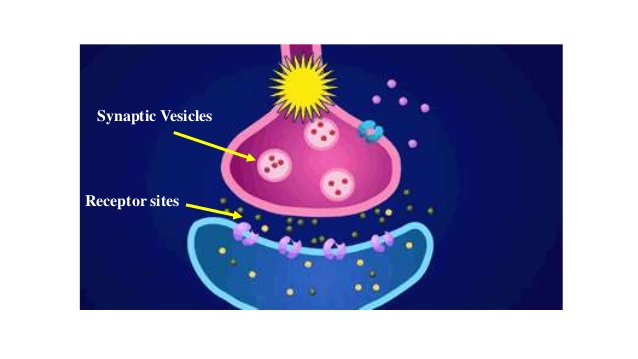
    Neonicotinoids differently modulate acetycholine‐induced currents on mammalian α7 nicotinic acetylcholine receptors

    Neonicotinoid insecticides are described as poor agonists of mammalian nicotinic ACh receptors. In this paper, we show that their effects on mammalian nicotinic receptors differ between compounds.
    Two‐electrode voltage‐clamp electrophysiology was used to characterize the pharmacology of three neonicotinoid insecticides on nicotinic α7 receptors expressed in Xenopus oocytes. Single and combined application of clothianidin, acetamiprid and thiamethoxam were tested. Two neonicotinoid insecticides, clothianidin and acetamiprid, were partial agonists of mammalian neuronal α7 nicotinic receptors, whereas another neonicotinoid insecticide, thiamethoxam, which is converted to clothianidin in insect and plant tissues, had no effect. Pretreatment with clothianidin and acetamiprid (10 μM) ACh significantly enhanced the subsequent currents evoked by ACh (100 μM ) whereas pretreatment with thiamethoxam (10 μM) reduced ACh‐induced current amplitudes.A combination of the three neonicotinoids decreased the ACh‐evoked currents. The present findings suggest that neonicotinoid insecticides differ markedly in their direct effects on mammalian α7 nicotinic ACh receptors and can also modulate ACh‐induced currents. Furthermore, our data indicate a previously unknown modulation of mammalian α7 nicotinic receptors by a combination of clothianidin, acetamiprid and thiamethoxam.

    Source:
    Alison Cartereau et al. Br J Pharmacol. First published: 29 August 2017 https://doi.org/10.1111/bph.14018
    https://bpspubs.onlinelibrary.wiley.com/doi/abs/10.1111/bph.14018

  • Exposure to imidacloprid during early development induces long-lasting changes in behavior and brain function in mice

    Exposure to imidacloprid during early development induces long-lasting changes in behavior and brain function in mice

    We assessed the effects of the neonicotinoid imidacloprid (IMI) in adult male and female mice after in utero and early postnatal exposure. Pregnant mice were infused with IMI (0.5 mg/kg/day) from gestational day 4 to the end of nursing at postnatal day 21. The young adult offspring were studied in a series of biochemical and behavioral tests. To assess reproducibility, the behavioral analyses were conducted in three separate studies using multiple exposed litters. Exposure to IMI reduced fecundity, and in adult offspring, decreased body weight in male but not female pups. Offspring from IMI-treated mothers displayed lower triglycerides, elevated motor activity, enhanced social dominance, reduced depressive-like behavior, and a diminution in social aggression compared to vehicle treated controls. Low levels of IMI were detected in the brains and livers of the treated mothers, while trace levels were detected in some offspring. Our results demonstrate that transient exposure to a neonicotinoid over the early developmental period induces long-lasting changes in behavior and brain function in mice.

    Source: Burke AP et al. Scientific Reports volume 8, Article number: 16639 (2018)

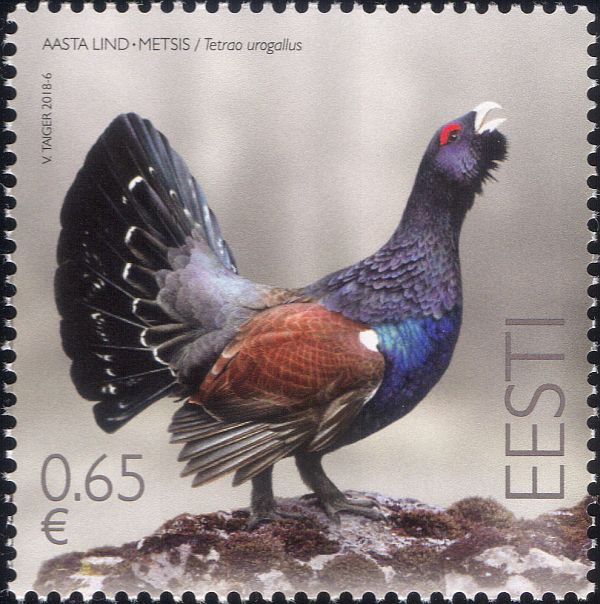
  • The blackbird has become nearly extinct in Prague and Central Bohemia

    The blackbird has become nearly extinct in Prague and Central Bohemia

    The common blackbird has disappeared from about 50 percent of Czech gardens, following the outbreak of a dangerous mosquito-carried African bird disease in the summer of last year, the Czech Union for Nature Conservation said on Thursday. The blackbird (Turdus merula), which used to be the country’s most common garden species, has become nearly extinct in Prague and Central Bohemia after being hit by the Usutu virus. The disease, which can also be transmitted to other bird species, was first detected in the country in 2011.

    Source: Radio Praha, 3 Jan 2019
    https://www.radio.cz/en/section/news/deadly-african-disease-causes-sharp-decline-of-blackbirds

  • We’re Edging Toward Biological Annihilation

    We’re Edging Toward Biological Annihilation

    When American entomologist Bradford Lister first visited El Yunque National Forest in Puerto Rico in 1976, little did he know that a long-term study he was about to embark on would, 40 years later, reveal a “hyperalarming” new reality. In those decades, populations of arthropods, including insects and creepy crawlies like spiders and centipedes, had plunged by an almost unimaginable 98% in El Yunque, the only tropical rainforest within the US National Forest System. Unsurprisingly, insectivores (populations of animals that feed on insects), including birds, lizards, and toads, had experienced similarly dramatic plunges, with some species vanishing entirely from that rainforest.

    If anything, the 148-page Living Planet Report published this October by the World Wildlife Fund International and the Zoological Society of London only intensified the sense of urgency in their paper. As a comprehensive survey of the health of our planet and the impact of human activity on other species, its key message was grim indeed: between 1970 and 2014, it found, monitored populations of vertebrates had declined in abundance by an average of 60% globally, with particularly pronounced losses in the tropics and in freshwater systems. South and Central America suffered a dramatic loss of 89% of such vertebrates, while freshwater populations of vertebrates declined by a lesser but still staggering 83% worldwide. The results were based on 16,704 populations of 4,005 vertebrate species, which meant that the study was not claiming a comprehensive census of all vertebrate populations. It should instead be treated as a barometer of trends in monitored populations of them.

    Source: Truthaut, 28 December 2018

    From Insects to Starfish, We’re Edging Toward Biological Annihilation

  • Study Suggests Drastic Decline of Insects in Rain Forests

    Study Suggests Drastic Decline of Insects in Rain Forests

    The researchers measured the forest’s insects and other invertebrates, including spiders and centipedes by using trap methods with sticky plates and nets in the canopy. They collected the critters and larvae that crawled through the vegetation and examined the density of population. Each technique revealed that the dry weight of the captured insects were very less when compared to 1976. The researchers observed that there has been a significant decline in the population of insects of all species since 1976. Moreover, the catch rate of insects in sticky ground traps reduced by 60-fold when compared between January 1977 and January 2013.

    The researchers measured the biomass of anole lizards, which feeds on arthropods, and found that it dropped by more than 30 percent since 1970s. The findings were published in the journal Proceedings of the National Academy of Sciences on October 15, 2018.

    David Wagner, an expert in invertebrate conservation at the University of Connecticut who was not involved with this research, said, “the study in PNAS is a real wake-up call – a clarion call – that the phenomenon could be much, much bigger, and across many more ecosystems.”

    Source: Industry Chronicle, 28 December 2018
    https://www.industrychronicle.com/study-suggests-drastic-decline-of-insects-in-rain-forests/

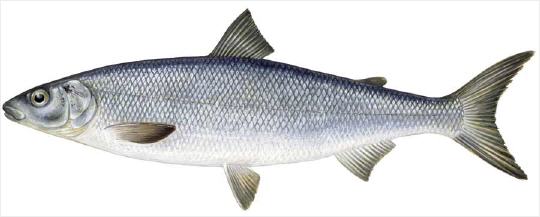
  • Felchen-Mangel: Kein Laichfischfang –  im Bodensee aktuell zu wenig laichreife Felchen

    Felchen-Mangel: Kein Laichfischfang – im Bodensee aktuell zu wenig laichreife Felchen

    Versuchsfänge haben gezeigt, dass es im Bodensee aktuell zu wenig laichreife Felchen gibt. Erstmals seit 1964 müssen die Fischer darauf verzichten, den Laich zu befruchten, um im Frühling die Zahl der jungen Fische zu erhöhen. So läuft es üblicherweise: Die Berufsfischer fahren im Dezember auf den See, fangen laichreife Fische, gewinnen den Laich, führen die Befruchtung durch und liefern die befruchteten Eier bei den Brutanstalten ab. Ende März/Anfang April werde dann die fressfähige Brut in den See entlassen, heisst es in der Mitteilung der Internationalen Bevollmächtigtenkonferenz für die Bodenseefischerei vom Mittwoch. Durch diese Massnahme sei jeweils eine Stabilisierung der jährlichen Erträge erreicht worden.

    Seit 1964 gibt es am Obersee sechs Brutanstalten in Hard, Nonnenhorn, Langenargen, Romanshorn, Ermatingen und Steinach. Und seit 1964 werden die laichreifen Felchen aus dem See gefangen. Nun fällt die Aktion erstmals aus. Den Ausschlag gaben ausgedehnte Versuchsfänge. Sie zeigten, dass nur sehr wenige laichreife Blaufelchen die oberen Wasserschichten zur Eiabgabe aufgesucht hatten.

    Bei den Gangfischen wurde bis zuletzt auf ein besseres Ergebnis gehofft. Doch auch bei diesen Fischen wäre nur eine äusserst geringe Menge an Laich zu gewinnen. Deshalb sagten die Sachverständigen der Bevollmächtigtenkonferenz den diesjährigen Laichfischfang insgesamt ab.

    Quelle: Schweizer Bauer, 26.12.18
    https://www.schweizerbauer.ch/tiere/uebrige-tiere/felchen-mangel-kein-laichfischfang-46493.html

  • Field-level clothianidin exposure affects bumblebees

    Field-level clothianidin exposure affects bumblebees

    Neonicotinoids are implicated in bee declines and laboratory studies imply that they impair the bee immune system, thereby precipitating a rise in pathogen levels. To establish whether such synergisms reduce bee performance in real-world agricultural landscapes, we analysed the microbial composition of the bumblebee (Bombus terrestris) samples from our recent landscape study on the impacts of field-level clothianidin exposure. We related clothianidin exposure and microbial composition to both individual- and colony-level performance parameters, to better understand the direct and indirect mechanistic effects of neonicotinoid exposure on bumblebees. We show that exposure to clothianidin from seed-coated oilseed rape reduces bumblebee size and numbers, particularly of reproductives. However, exposure does not affect the levels of non-pathogenic bacteria or viruses, nor induce rises in the levels or virulence of intracellular parasites. We conclude that field exposure to the neonicotinoid clothianidin affects bumblebee performance but generally not their pathogenic or beneficial microbiota.

    Source:
    Dimitry Wintermantel et al. Field-level clothianidin exposure affects bumblebees but generally not their pathogens. Nature Communications volume 9, Article number: 5446 (2018)
    https://www.nature.com/articles/s41467-018-07914-3

  • Moun­tain birds are de­clin­ing in Europe

    Moun­tain birds are de­clin­ing in Europe

    Population data for European mountain birds have been for the first time combined in a recent study, with worrying results: the abundances of mountain-specialist birds has declined by as much as 10% in the 2000s. The recently released study examined the population trends of 44 bird species in the 2000s in the mountain and fell regions of Fennoscandia, Great Britain, the Alps and the Iberian Peninsula. A decline was seen in 14 of the observed species.

    “On average, population decline among the species studied was 7% over the 13-year research period, making the situation of mountain birds distinctly worse compared to, for example, European forest birds, whose numbers did not change during the same period,” explains Aleksi Lehikoinen, an Academy of Finland research fellow at the Finnish Museum of Natural History Luomus (part of the University of Helsinki), who headed the study.

    The situation is the direst for species that only inhabit mountain regions and are unable to live in other European environments. For these species, known as mountain specialists, the numbers dwindled by as much as 10% during the monitoring period.

    Source: Science Daily, 13 Dec 2018
    https://www.sciencedaily.com/releases/2018/12/181213112105.htm

    Journal Reference: Aleksi Lehikoinen et al. Declining population trends of European mountain birds. Global Change Biology, 2018; DOI: 10.1111/gcb.14522

  • Study reveals striking decline of Vermont’s bumble bees

    Study reveals striking decline of Vermont’s bumble bees

    A new study examining 100 years of bumble bee records reveals that almost half of Vermont’s species, which are vital pollinators, have either vanished or are in serious decline. After conducting the state’s most extensive search for bumble bees, and combing through historical records from museum collections, the team has concluded that four of Vermont’s 17 bumble bee species appear to have gone extinct. The study, led by University of Vermont (UVM) and Vermont Center for Ecostudies (VCE) researchers, was published in the Journal of Insect Conservation.

    “We’re losing bumble bees even before we fully understand their benefits to our economy and well-being, or how they fit into ecosystems,” said Kent McFarland, conservation biologist at VCE.

    Acquiring the data to understand the conservation status of Vermont’s bumble bees was no small feat. From 2012 to 2014, study authors and a corps of over 50 trained citizen scientists searched the entire state, amassing a database exceeding 10,000 individual encounters with bumble bees from all of Vermont’s counties and biophysical regions, and in 81% of the state’s 255 municipalities.

    To compare current bumble bee diversity and distribution in Vermont to historic records, the team assembled a database of nearly 2,000 bumble bee records, some from as early as 1915, from 13 public and private insect collections. The largest repository of specimens is held at the University of Vermont’s Zadock Thompson Natural History Collection.

    While the researchers cannot pinpoint what may have caused these sudden bumble bee population declines, habitat loss, parasites, pesticides, and climate change have all been implicated by recent bee studies in North America.

    Read more at: https://phys.org/news/2018-12-reveals-decline-vermont-bumble-bees.html#jCp