Auteur: Henk Tennekes

  • Auch Spatzenfedern sind mit Neonicotinoiden belastet

    Auch Spatzenfedern sind mit Neonicotinoiden belastet

    Forscher der Schweizer Universität Neuenburg haben die Federn von Spatzen (Passer domesticus) in der Nähe von Ackerflächen auf Pestizide hin untersucht und sind auf Neonicotinoide gestoßen. Forscher um Fabrice Helfenstein und Segolene Humann-Guilleminot untersuchten nun, ob Vögel, die sich von Samen oder Insekten ernähren, einer Kontamination mit Neonicotinoiden ausgesetzt sind. Von den Ergebnissen berichten die Wissenschafter im Fachblatt “Science of the Total Environment”. Spatzen eigneten sich dafür besonders, weil sie sehr ortstreu sind und sich auch zur Nahrungssuche nie weit von ihrem Brutplatz entfernen. Daher wählten die Forscher Spatzen, die in der Nähe von 47 landwirtschaftlichen Betrieben im Schweizer Mittelland lebten, und sammelten ihre Federn. Darunter waren sowohl konventionelle wie auch Biobetriebe.

    Das Ergebnis: In sämtlichen der rund 600 Proben fand sich mindestens ein Neonicotinoid, wobei die Konzentrationen stark schwankten. Durchschnittlich lagen die Werte bei 1,7 bis 9,2 Nanogramm Neonicotinoid pro Gramm Federn. Die niedrigsten Werte wiesen die Federn von Spatzen bei Biobetrieben auf, die höchsten bei konventionell bewirtschafteten Betrieben.

    “In einigen Proben haben wir hohe Konzentrationen gemessen”, so Helfenstein. Bis zu 140 Nanogramm Neonicotinoid pro Gramm Federn seien gemessen worden, was Anlass zur Sorgen um die Gesundheit der Vögel gebe.

    Quelle: Der Standard, 16.01.19
    https://www.derstandard.de/story/2000096461073/auch-spatzenfedern-sind-mit-neonicotinoiden-belastet

  • Pesticides discovered in 83% of examined European soils

    Pesticides discovered in 83% of examined European soils

    Today, 2,000 pesticides with 500 chemical substances are being used in Europe. However, data on how such substances affect soil quality is incomplete and fragmented, and fails to clearly reflect their overall impact on soil systems and human health. First-time research conducted in the course of two EU-funded projects, iSQAPER and RECARE, is shedding light on the state of European soils. The results are far from reassuring. According to a paper published in the journal Science of the Total Environment, pesticide residues were found in the vast majority of agricultural soils tested in 11 European countries.

    Pesticide residues were found in 83% of the analysed agricultural soils in 166 different pesticide combinations. The most common mixtures detected at the highest concentrations were the controversial weedkiller glyphosate and its metabolite aminomethylphosphonic acid, followed by the commonly used pesticide dichlorodiphenyltrichloroethane (banned in the EU in 1986), and the broad-spectrum fungicides boscalid, epoxiconazole and tebuconazole.

    Source: Infosurhoy, 20 Jan 2019
    http://infosurhoy.com/cocoon/saii/xhtml/en_GB/science/science-pesticides-discovered-in-additional-than-80-of-examined-european-soils-report/

  • Christmas beetles are slowly disappearing

    Christmas beetles are slowly disappearing

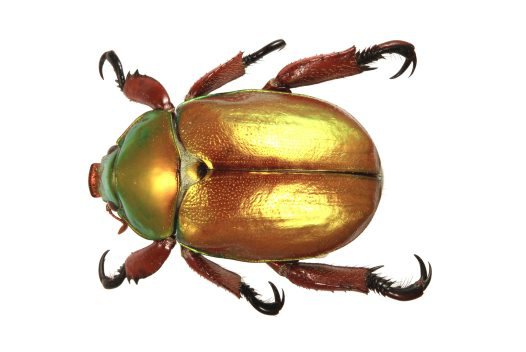
    Have you seen any Christmas beetles this year? Scientists say although populations differ between states, it is just one of many insects slowly disappearing and they are not sure why. Tanya Latty, an entomologist from the University of Sydney, said it was a question many people had been asking.
    “What we do know at least anecdotally is that lots of people have said, ‘when I was a kid there would be Christmas beetles everywhere and now you rarely see them’,” Dr Latty said. “And that seems to be really consistent, which is pretty decent evidence that there may be something going on, that their populations could be going down.” Dr Latty described insects as “the little things that run the world”, and said their worldwide decline across species was catastrophic. “They underpin many of our ecosystems, they are food for bigger things, they clean up the waste, they’re the pollinators, predators that keep pest populations under control.

    There are around 35 species of Christmas beetles across Australia, with most emerging between mid-November and late December when the larvae hatches. While no definitive studies have been conducted on the decline in Christmas beetles, scientists have noted population numbers could vary from state to state. “In New South Wales people nostalgically remember hordes of Christmas beetles descending on their Christmas parties, which is no longer happening,” Macquarie University entomologist Chris Reid said. “However, Queensland sources on the other hand claim that populations have actually boomed in recent years due to the increase in grassland, where the larvae feed on the grass roots and they actually cite the adults as a pest species.”

    Source: ABC News, 27 Dec 2018
    https://www.abc.net.au/news/2018-12-27/where-have-all-the-christmas-beetles-gone/10669820

  • California’s most famous butterfly nearing death spiral

    California’s most famous butterfly nearing death spiral

    Western monarch butterflies spend the winter in more than 300 forested groves along the California coast, including large populations in Riverside and Los Angeles counties, Pacific Grove, Monterey and at Natural Bridges State Beach in Santa Cruz. They can normally be seen from November to March. With the number of butterflies declining rapidly, here are four things governments and the public can do to help:

    Protect and manage California overwintering sites.

    Restore breeding and migratory habitat in California, particularly habitat along the coast range, foothills and Sacramento Valley.

    Stop spraying pesticides and herbicides near milkweed, their primary habitat.

    Protect, manage, and restore summer breeding and fall migration habitat outside of California.

    “It is very apt to say this is a canary in a coal mine for a lot of our native pollinators,” Pelton said. “There’s a tight link in a loss of insects and our songbirds, which rely on insects. We have declines in songbirds, and I think that links directly to declines in insects.”

    The die-off has been blamed on a variety of things, including urban sprawl, the spraying of pesticides and herbicides on corn and soybean crops, and the plowing under of the monarch’s milkweed habitat along their migratory route.

    A University of Michigan experiment published in July found that higher carbon dioxide levels have reduced a natural toxin in milkweed that feeding monarch caterpillars utilize to fight off parasites. The study showed a 77 percent reduction in parasite tolerance in the butterflies hatched on milkweed grown under high concentrations of carbon dioxide, which comes from car and factory emissions and is what scientists say is the primary cause of climate change.

    If nothing is done, Pelton said, the California butterflies, first observed by a Russian expedition looking for a passage across the Arctic Ocean in 1816, could be on an “extinction vortex,” a time when there are not enough butterflies left to recover.

    Nobody knows how low the monarch population can go before it’s too late, but a 2017 study funded by The U.S. Fish and Wildlife Service and published in the journal Biological Conservation calculated that the point of no return would likely come when there are fewer than 30,000 butterflies.

    “If this prediction is true, we are now below the quasi-extinction threshold,” Pelton said. “This is a crisis.”

    There are two major migrations of monarch butterflies — the eastern and western populations — which scientists believe divide themselves at the Rocky Mountains when they head south for the winter from their summer homes in Canada and the Pacific Northwest.

    The more abundant eastern monarchs, which spend their winters in Mexico instead of California, are famous because they cover whole sections of forest in a kaleidoscope of color. It is the largest insect migration in the world, but it too is in trouble. The eastern monarchs have declined more than 90 percent since 1996, when scientists estimated there were 1 billion nesting in the trees.

    The journeys of both populations are remarkable in that it takes several generations of butterflies to make the six- to nine-month-long trek south for the winter. When they head back, starting in February or March, the mothers will die after laying eggs on milkweed, where the caterpillars grow up. Once they are ready to fly, the young butterflies somehow know where to go, without ever having even seen their mothers.

    The California population is declining at an average of 7 percent a year, according to the Fish and Wildlife study. At the time, there were about 300,000 monarchs in California. That’s slightly worse than the 6 percent drop seen in the eastern monarch population.

    In all, monarch populations in North America have plunged more than 95 percent since the 1980s, researchers have said.

    Source: San Francisco Chronicle, Jan 18, 2019
    https://www.sfchronicle.com/news/article/California-s-most-famous-butterfly-nearing-13539657.php

  • Syngenta and Bayer Agree to Ban of 12 Bee-Harming Pesticides

    Syngenta and Bayer Agree to Ban of 12 Bee-Harming Pesticides

    Twelve pesticides made with chemicals shown to harm bees and other pollinators are slated to be banned as part of a proposed settlement with the manufacturers, the EPA announced Dec. 12. The pesticides, marketed by Syngenta AG., Bayer AG, and Valent USA Corp., contain either thiamethoxam or clothianidin, two chemicals in the neonicotinoid class that are linked to declining bee populations. The companies are asking the Environmental Protection Agency to voluntarily cancel the registration of six Syngenta products, four Valent products, and two Bayer products containing the chemicals as part of a proposed settlement with the agency and environmental groups, the EPA said in a Dec. 12 Federal Register notice. The EPA must also complete determinations of how the chemicals may harm threatened and endangered species by June 30, 2022. A federal court is expected to approve the agreement in early 2019.

    “This is an crucial and hard-won victory for endangered species and the environment, and a vital step in addressing the urgent issue of bee-killing neonics,” George Kimbrell, legal director for the Center for Food Safety who argued on behalf of beekeepers in the litigation, told Bloomberg Environment in an email.

    Source: Bloomberg Law News Jan 11, 2019

  • Wageningse experts over de oorzaken van bijensterfte vanaf 2009

    Wageningse experts over de oorzaken van bijensterfte vanaf 2009

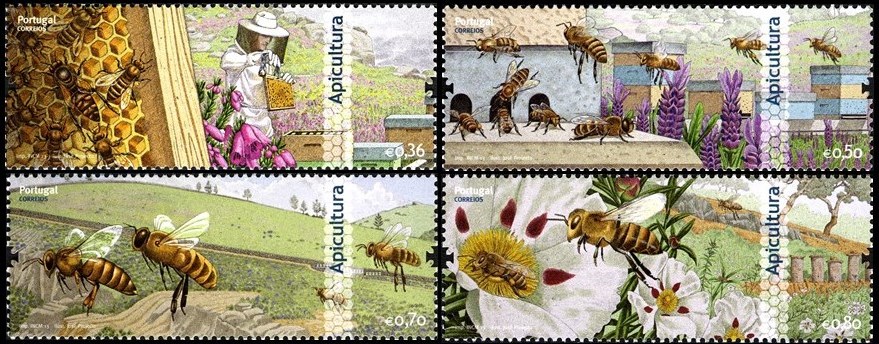
    Akkerwijzer in 2009: Sinds 2000 sterven bijen massaal. Bijonderzoeker Tjeerd Blacquière van Universiteit Wageningen, maakt zich zorgen over deze situatie. Imkers kennen het fenomeen dat bijenvolken sterven. Gemiddeld sterft 10 procent in de winter. De afgelopen jaren lag dat percentage hoger en fluctueert dit. Blacquière wijt de sterfte aan de varraomijt. Romeé van der Zee, bijendeskundige uit Tersoal, denkt dat Nosema ceranea, een soort schimmel, de boosdoener is. Een andere oorzaak van de afname van de bijenvolken is de vergrijzing van de imkers. Vlak na de Tweede Wereldoorlog telde Nederland meer dan 30.000 imkers. Zestig jaar later is dat aantal gezakt naar 7.000.

    Het is een feit dat de afgelopen jaren het sterftecijfer hoger ligt dan de gewenste 10 procent. Alleen er is veel discussie over de oorzaak daarvan. Er worden drie oorzaken genoemd: de varraomijt, de Nosema ceranea en de vergrijzing van de imkers. Tot nu toe kan niet een oorzaak aangewezen worden. Blijkbaar spelen alle drie factoren een rol. Voor de bestrijding van de varraomijt zijn volgens Blacquière adequate middelen in de handel. ‘De professionele imkers gebruiken deze middelen goed waardoor zij de varraomijt onder controle hebben. Bij deze groep zie je geen massale sterfte zoals bij de hobby imkers.’

    Zembla in 2011: Wereldwijd zijn publicaties verschenen waarin het verband tussen pesticiden en bijensterfte wordt aangetoond. ZEMBLA sprak daarover met de Franse wetenschapper prof. Jean-Marc Bonmatin, verbonden aan de Universiteit van Orleans. Bonmatin: ‘Lange, gecompliceerde studies hebben uitgewezen dat pesticiden zoals imidacloprid voor bijen een probleem geven en dus heeft in Frankrijk de Minister van Landbouw besloten dat middel te verbieden.’

    In Nederland is het middel niet verboden. De belangrijkste adviseur van het Ministerie van Landbouw, bijenonderzoeker dr. T. Blacquiere van Plant Research International (PRI, onderdeel van de Wageningse Universiteit), maakt zich weinig zorgen over de pesticiden. In ZEMBLA zegt hij dat hij de invloed van pesticiden op bijen nooit heeft onderzocht. Volgens hem zijn er andere oorzaken van de bijensterfte: ‘Het komt door slechte imkers en door de varroamijt, een parasiet waar onze honingbij niet tegen is opgewassen.’

    Simon Vink (WUR) in 2017:
    De invloed van imidacloprid (en andere neonicotonoïden) op bijen is aan discussie onderhevig. Behalve het gebruik van insecticiden, zijn voor het sterven van bijen meerdere oorzaken aan te wijzen, zoals de aanwezigheid van parasitaire Varraomijt en de sterke afname van het areaal aan waardplanten, zoals werd aangetoond door onderzoeker Tjeerd Blacquière.

    Bronnen:
    Akkerwijzer in 2009:
    https://www.akkerwijzer.nl/artikel/87449-bijen-hebben-een-economische-waarde/
    Zembla in 2011:
    https://zembla.bnnvara.nl/nieuws/moord-op-de-honingbij
    Simon Vink (WUR) in 2017:
    https://www.wur.nl/nl/Dossiers/dossier/Imidacloprid.htm

  • Truths about pesticides

    Truths about pesticides

    Chemical agriculture is destroying the ecosystems that sustain all life. Pesticides are a key culprit in the decline of bees, butterflies and other pollinators — leading some scientists to warn of a “second silent spring.” , Pesticides wreak havoc on the soil by killing the organisms that are the basis of soil life. And they pollute rivers, lakes and oceans, leading to fish die-offs.

    The chemical industry claims that the pesticide residues in our food, air and water are too small to affect us. But new research shows that very small exposures do matter. We now know that small amounts of pesticides can act like drugs and alter our brain development, hormones, immune systems and more. Chemicals that affect our hormone systems, called endocrine disrupting chemicals (EDCs), can be especially problematic at very low doses. EDCs may scramble, block or mimic the cellular mechanisms responsible for developing and managing the body’s reproductive, neurological, metabolic or immunological systems. Endocrine disruptors are associated with hormone-influenced cancers such as thyroid, breast and prostate, as well as learning disabilities, brain development problems, birth defects, obesity, diabetes and reproductive disorders.

    Timing of chemical exposure can be critically important, especially for chemicals that disrupt our endocrine systems. Fetal development and infancy are periods of particular susceptibility, as this is the time when young bodies are busy growing and cells are multiplying and differentiating. The health effects of pesticide exposure during these stages can result in lifelong impacts, including ADHD, learning disabilities, autoimmune disorder and cancers later in life. While the Environmental Protection Agency sets legal limits, referred to as “tolerances,” for pesticide residues on food, many scientists and medical professionals say that these limits are outdated and may not be set low enough to protect people who are the most vulnerable, including infants and children.

    Source: Friends of the Earth
    https://foe.org/organic-for-all/learn-truth-pesticide-companies/

  • Das Glühwürmchen wird seltener

    Das Glühwürmchen wird seltener

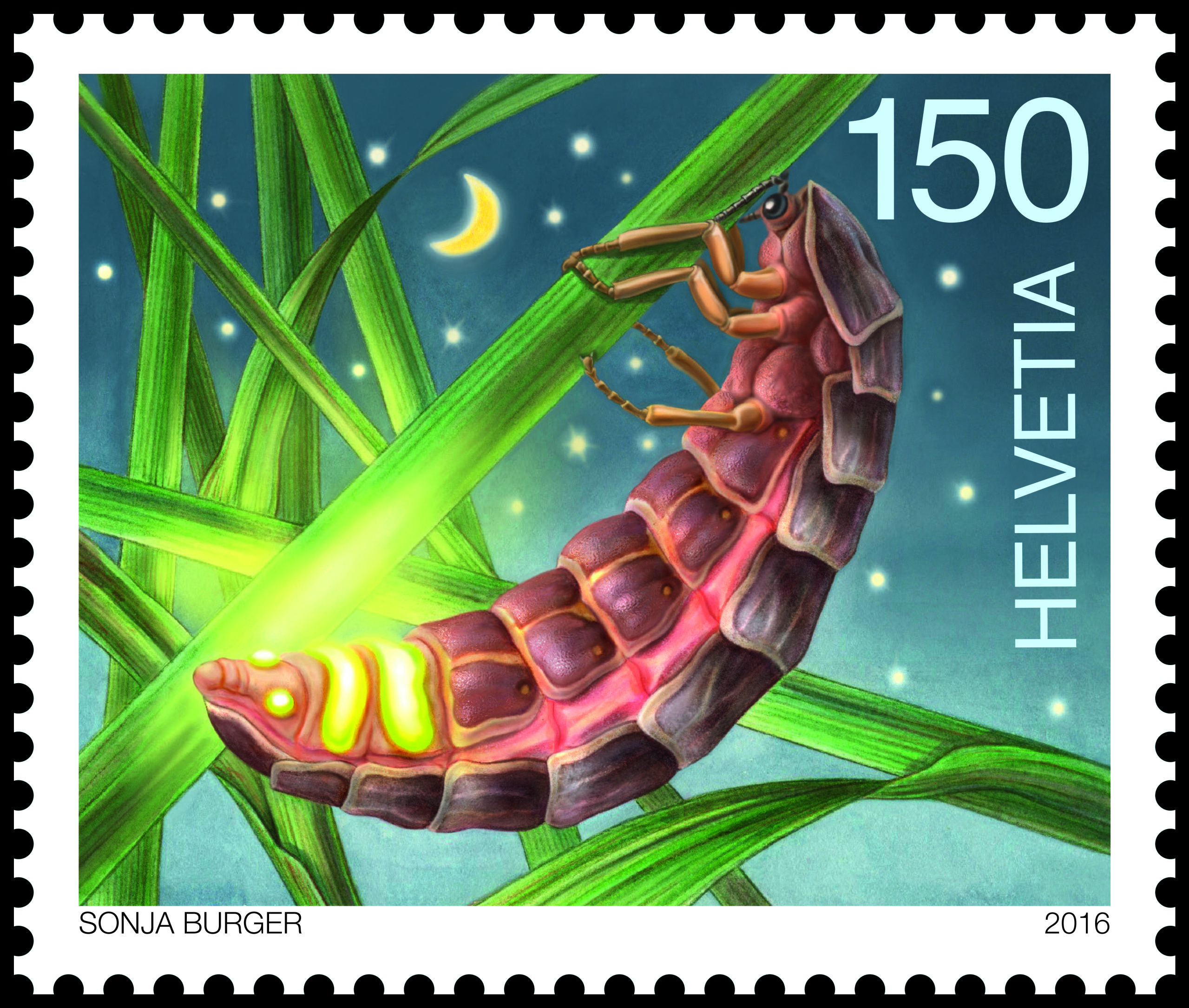
    Zwei Sorten Leuchtkäfer sind in der Schweiz verbreitet: Beim Grossen Leuchtkäfer (Lampyris noctiluca) leuchten nur die flügellosen Weibchen, beim Kleinen Leuchtkäfer (Lamprohiza splendidula) glitzern auch die fliegenden Männchen. Das bezaubernde Leuchten ist allerdings nicht mehr sehr häufig zu beobachten: Auch die Leuchtkäfer sind vom allgemeinen Insektensterben betroffen. Um darauf hinzuweisen, hat Pro Natura sie zum Tier des Jahres 2019 ernannt.

    Die Gründe für das Insektensterben sind vielseitig: Pestizide töten nicht nur Schädlinge, sondern auch Bienen, Schmetterlinge und Heuschrecken. Und in der begradigten, gepflügten und gemähten Landschaft wurden die Lebensräume vieler Insekten zerstört. Das gilt exemplarisch für die Leuchtkäfer. Sie benötigen auf kleinem Raum eine vielseitig bewachsene Umgebung mit sonnigen und schattigen Orten. Damit die heute oft isoliert lebenden Kolonien von Leuchtkäfern andere Artgenossen finden können, brauchen sie geschützte Verbindungswege: ­bewachsene Bachufer, unberührte Hecken, verwilderte Strassengräben. Auch solche Strukturen sind über die Jahre verschwunden. Neue Leuchtkäferkolonien gezielt anzusiedeln, ist hingegen ausgesprochen schwierig – daran scheitern sogar Experten.

    Quelle: Berner Zeitung, 03.01.19
    https://www.bernerzeitung.ch/wissen/natur/Das-Gluehwuermchen-wird-seltener/story/26833545

  • Organic food may reduce your risk of cancer

    Organic food may reduce your risk of cancer

    To reduce your risk of cancer, you know you should quit smoking, exercise regularly, wear sunscreen, and take advantage of screening tests. New research suggests another item might be added to this list: Choose organic foods over conventional ones. A study of nearly 70,000 French adults who were tracked for an average of 4.5 years found that those who ate the most organic foods were less likely to develop certain kinds of cancer than the people who ate the least. Because of the way the study was conducted, it is impossible to say that the organic foods people ate were the reason why they had fewer cases of cancer. But the results are significant enough to warrant follow-up studies, the researchers wrote.

    “Further research is required to identify which specific factors are responsible for potential protective effects of organic food consumption on cancer risk,” they wrote Monday in the journal JAMA Internal Medicine.

    The researchers have an idea about what factors those may be: pesticides. At least three of them — glyphosate, malathion and diazinon — probably cause cancer, and others may be carcinogenic as well, according to the International Agency for Research on Cancer.

    “Organic products are less likely to contain pesticide residues than conventional foods,” they wrote. That’s because the rules farmers must follow in order to use the organic label generally prohibit the use of synthetic pesticides (although pesticides based on natural compounds like hydrogen peroxide and soaps are allowed).

    Previous studies have found that pesticide residue is more prevalent on conventionally grown produce than on its organic counterparts. For instance, a report out this year from the European Food Safety Authority found residue from one or more pesticides on 44% of the conventionally produced food samples that were tested. Meanwhile, 6.5% of the organic food samples tested had detectable pesticide residues.

    And there’s evidence that those pesticides are metabolized in the body. The urine of people who eat few (if any) organic foods contains higher concentrations of chemicals derived from pesticides than the urine of people who eat organic food regularly.

    In the U.S., more than 9 out of 10 people have measurable amounts of pesticides in their urine or their blood, and these concentrations are known to fall when people switch from conventionally produced foods to organic ones.

    Consuming fewer pesticide-related chemicals certainly seems like a good idea. But whether that’s associated with an actual health benefit is unclear.

    So a team from Inserm, the French equivalent of the U.S. National Institutes of Health, went looking for data.

    In an ideal world, they would recruit thousands of volunteers and randomly divide them into two groups: one that follows an organic diet and one that doesn’t. They would monitor these volunteers to make sure they were keeping to their assigned diets and observe the other things they do that could influence their cancer risk. Then, after many years, they would count up the number of cancers diagnosed in each of the groups and see if there was a difference that could be explained only by the amount of organic food they ate.

    But this is not an ideal world, so the researchers had to make do with the data that were available.

    They focused on people who joined a large, ongoing health and nutrition study starting in 2009. They were questioned about 16 categories of foods — including fruits, vegetables, eggs and wine — and how often they ate organic versions of them. Once a year, they provided health updates, including whether they had been diagnosed with cancer.

    By the end of 2016, there were 68,946 French adults who met all of these criteria and were included in the analysis. Their average age when they joined the study was 44, and 78% of them were women.

    Between 2009 and 2016, cancer was diagnosed in 1,340 of the volunteers. The most common type was breast cancer (459 cases), followed by prostate cancer (180 cases), skin cancer (135 cases), colorectal cancer (99 cases), non-Hodgkin’s lymphoma (47 cases) and other types of lymphomas (15 cases).

    The study authors ranked the volunteers according to how frequently they ate organic foods and divided them into four equally sized groups. This revealed that the people who ate organic food most often had higher incomes, more education and higher-status jobs. They were also more likely to exercise, to have quit smoking, and to eat higher amounts of healthful foods such as fruits and vegetables. All of these things are associated with a lower risk of cancer.

    After they took these and other demographic factors into account, they found that the people who ate organic food most frequently were 25% less likely to develop any kind of cancer than the people who ate organic food the least. The overall effect of choosing lots of organic foods was similar in magnitude to having a family history of cancer.

    When they considered each type of cancer separately, they found that only three had a statistically significant association with organic food consumption.

    One of them was postmenopausal breast cancer: The women who ate organic foods most often were 34% less likely to receive this diagnosis than women who ate organic foods the least. (There were hints of reduced risk for premenopausal breast cancers as well, but the difference was smaller and could have been due to chance.)

    Another was non-Hodgkin’s lymphoma: The most frequent eaters of organic foods were 86% less likely to get this form of cancer than their counterparts on the other end of the spectrum. The difference between the two groups was just barely big enough to be statistically significant.

    The last category was all lymphomas: People who ate organic food most often were 76% less likely to get cancers of the lymph system than people who ate organic foods the least.

    Some of these findings were in line with past studies, and some were not. In particular, the French researchers compared their results with data from the Million Women Study in the United Kingdom. In the Million Women Study, participants who ate organic food regularly had a 21% lower risk of non-Hodgkin’s lymphoma than participants who didn’t eat organic food at all. However, there was no reduction in overall cancer risk, and the risk of breast cancer was slightly higher among women who ate organic food routinely than it was for women who didn’t eat it at all.

    “It now seems important to evaluate chronic effects of low-dose pesticide residue exposure from the diet,” the French researchers concluded.

    A team from the Harvard T. H. Chan School of Public Health noted several strengths of the new report in a commentary that was also published Monday.

    Glyphosate, malathion and diazinon have all been associated with non-Hodgkin’s lymphoma, so the researchers may be on to something, the Harvard authors wrote. They also praised the study for including tens of thousands of people and following them prospectively instead of retrospectively.

    But there are also several shortcomings that limit the strength of the study’s results, they added.

    For instance, no attempt was made to confirm people’s claims about the amount of organic food they ate. The French researchers also assumed that the more organic foods a person ate, the lower their exposure to pesticide residue would be. This may be true, but there is no data to back it up.

    “At the current stage of research, the relationship between organic food consumption and cancer risk is still unclear,” the Harvard researchers wrote.

    What’s “urgently” needed is a more detailed study that would address some of the problems in the French report, according to the commentary.

    “If future studies provide more solid evidence supporting the consumption of organic foods for cancer prevention, measures to lower costs and ensure equitable access to organic products will be crucial,” the Harvard authors wrote.

    In the meantime, “concerns over pesticide risks should not discourage intake of conventional fruits and vegetables,” they advised. “The benefits of consuming conventionally grown produce are likely to outweigh the possible risks from pesticide exposure.”

    Source: Los Angeles Times, Oct 22, 2018
    https://www.latimes.com/science/sciencenow/la-sci-sn-organic-food-cancer-20181022-story.html

  • Der Konsum von biologischen Lebensmitteln steht mit einem geringeren Risiko für Krebs in Verbindung

    Der Konsum von biologischen Lebensmitteln steht mit einem geringeren Risiko für Krebs in Verbindung

    Eine neue Studie der angesehensten französischen medizinischen und landwirtschaftlichen Forschungsinstitutionen fand unter Leitung der Universität Sorbonne in Paris, Frankreich, heraus, dass der Konsum von biologischen Lebensmitteln mit einem geringeren Risiko für Krebs in Verbindung steht. Joanna Lewis, Leiterin für Politik bei der Soil Association, sagte: „Diese Studie meint, dass in der Krebsprävention größere Aufmerksamkeit darauf verwendet werden sollte, biologische Lebensmittel weitverbreiteter verfügbar zu machen, damit die Belastung durch Pestizide verringert wird.“

    Die Studie beobachtete 7 Jahre lang die Ernährung und Gesundheit von fast 70.000 Menschen und ermöglichte somit, Störfaktoren in Lebensstil und Ernährung aufzudecken (Verbraucher von Biolebensmitteln haben tendenziell auch gesündere Lebensstile und Ernährungen).

    Joanna Lewis fügte hinzu: „Gesündere Ernährungen und biologische Lebensmittel sollten für alle ein Recht sein, kein Privileg für ein paar. Der stärkste Beleg für ein geringeres Krebsrisikos steht in Verbindung mit einer gesünderen Ernährung: Steigerung des Obst- und Gemüsekonsums und Verringerung des Konsums von verarbeitetem Fleisch, raffinierten Kohlenhydraten und Zucker.“

    Quelle: Frucht Portal, 03.01.19
    https://www.fruchtportal.de/artikel/soil-association-biologische-lebensmittel-helfen-bei-der-krebspravention/036900