Auteur: Henk Tennekes

  • Asocial behaviours induced in worker bees by imidacloprid lead to colony collapse

    Asocial behaviours induced in worker bees by imidacloprid lead to colony collapse

    Imidacloprid – a type of neonicotinoid – changes the way that worker bees interact with the colony’s larvae: they become less social, stop nursing larvae, experience altered social and spatial dynamics within nests, and cease hive insulation construction. A research team led by James Crall of Harvard University investigated the effects of imidacloprid using a robotic platform for continuous, multicolony monitoring of uniquely identified workers. Their research showed that the behaviours induced by imidacloprid lead to colony collapse.

    The team concluded: “Our results show that neonicotinoids induce widespread disruption of worker behavior within the nest that may contribute to impaired growth, highlighting the potential of automated techniques for characterizing the multifaceted, dynamic impacts of stressors on behavior in bee colonies.”

    Source: The Ecologist, 28 Jan 2019
    https://theecologist.org/2019/jan/28/citizen-scientists-and-bee-populations

  • Relationship between Urinary N-Desmethyl-Acetamiprid and Typical Symptoms including Neurological Findings

    Relationship between Urinary N-Desmethyl-Acetamiprid and Typical Symptoms including Neurological Findings

    We previously determined a metabolite of acetamiprid, N-desmethyl-acetamiprid in the urine of a patient, who exhibited some typical symptoms including neurological findings. We sought to investigate the association between urinary N-desmethyl-acetamiprid and the symptoms by a prevalence case-control study. Spot urine samples were collected from 35 symptomatic patients of unknown origin and 50 non-symptomatic volunteers (non-symptomatic group, NSG, 4–87 year-old). Patients with recent memory loss, finger tremor, and more than five of six symptoms (headache, general fatigue, palpitation/chest pain, abdominal pain, muscle pain/weakness/spasm, and cough) were in the typical symptomatic group (TSG, n = 19, 5–69 year-old); the rest were in the atypical symptomatic group (ASG, n = 16, 5–78 year-old). N-desmethyl-acetamiprid and six neonicotinoids in the urine were quantified by liquid chromatography-tandem mass spectrometry. The detection of N-desmethyl-acetamiprid was the most frequent and highest in TSG (47.4%, 6.0 ppb (frequency, maximum)), followed by in ASG (12.5%, 4.4 ppb) and in NSG (6.0%, 2.2 ppb), however acetamiprid was not detected. Thiamethoxam was detected in TSG (31.6%, 1.4 ppb), in ASG (6.3%, 1.9 ppb), but not in NSG. Nitenpyram was detected in TSG (10.5%, 1.2 ppb), in ASG (6.3%, not quantified) and in NSG (2.0%, not quantified). Clothianidin was only detected in ASG (6.3%, not quantified), and in NSG (2.0%, 1.6 ppb). Thiacloprid was detected in ASG (6.3%, 0.1 ppb). The cases in TSG with detection of N-desmethyl-acetamiprid and thiamethoxam were aged 5 to 62 years and 13 to 62 years, respectively. Detection of N-desmethyl-acetamiprid was associated with increased prevalence of the symptoms (odds ratio: 14, 95% confidence interval: 3.5–57). Urinary N-desmethyl-acetamiprid can be used as a biomarker for environmental exposure to acetamiprid.

    Source:
    Marfo JT et al. (2015) Relationship between Urinary N-Desmethyl-Acetamiprid and Typical Symptoms including Neurological Findings: A Prevalence Case-Control Study. PLoS ONE 10(11): e0142172. https://doi.org/10.1371/journal.pone.0142172


  • Associations between Autism Spectrum Disorders and Maternally-Reported Use of Imidacloprid

    Associations between Autism Spectrum Disorders and Maternally-Reported Use of Imidacloprid

    The environmental contribution to autism spectrum disorders (ASD) is largely unknown, but household pesticides are receiving increased attention. We examined associations between ASD and maternally-reported use of imidacloprid, a common flea and tick treatment for pets. Our analytic dataset included complete information for 262 typically developing controls and 407 children with ASD. Compared with exposure among controls, the odds of prenatal imidacloprid exposure among children with ASD were slightly higher, with an odds ratio (OR) of 1.3 (95% Credible Interval [CrI] 0.78, 2.2). A susceptibility window analysis yielded higher ORs for exposures during pregnancy than for early life exposures, whereas limiting to frequent users of imidacloprid, the OR increased to 2.0 (95% CI 1.0, 3.9). The association between imidacloprid exposure and ASD warrants further investigation, and this work highlights the need for validation studies regarding prenatal exposures in ASD.

    Source: Keil AP et al. (2014). Environmental Health 13:3
    https://ehjournal.biomedcentral.com/articles/10.1186/1476-069X-13-3

  • Low levels of neonicotinoids are present in commonly-consumed fruits and vegetables sold in the US

    Low levels of neonicotinoids are present in commonly-consumed fruits and vegetables sold in the US

    Residue data for seven neonicotinoid pesticides collected between 1999 and 2015 by the US Department of Agriculture’s Pesticide Data Program (PDP) were collated and summarized by year across various food commodities, including fruit, vegetable, meat, dairy, grain, honey, and baby food, as well as water to qualitatively describe and examine trends in contamination frequency and residue concentrations. The highest detection frequencies (DFs) for neonicotinoids by year on all commodities were generally below 20%. Average DFs over the entire study period, 1999–2015, for domestic and imported commodities were similar at 4.5%. For all the samples (both domestic and imported) imidacloprid was the neonicotinoid with the highest overall detection frequency at 12.0%. However, higher DFs were observed for specific food commodity-neonicotinoid combinations such as: cherries (45.9%), apples (29.5%), pears (24.1%) and strawberries (21.3%) for acetamiprid; and cauliflower (57.5%), celery (20.9%), cherries (26.3%), cilantro (30.6%), grapes (28.9%), collard greens (24.9%), kale (31.4%), lettuce (45.6%), potatoes (31.2%) and spinach (38.7%) for imidacloprid. Neonicotinoids were also detected in organic commodities, (DF < 6%). Individual commodities with at least 5% of samples testing positive for two or more neonicotinoids included apples, celery, and cherries. Generally, neonicotinoid residues on food commodities did not exceed US Environmental Protection Agency tolerance levels. Increases in detection trends for both finished and untreated water samples for imidacloprid were observed from 2004 to 2011. Conclusions Analysis of PDP data indicates that low levels of neonicotinoids are present in commonly-consumed fruits and vegetables sold in the US. Trends in detection frequencies suggest an increase in use of acetamiprid, clothianidin and thiamethoxam as replacements for imidacloprid. Given these findings, more extensive surveillance of the food and water supply is warranted, as well as biomonitoring studies and assessment of cumulative daily intake in high risk groups, including pregnant women and infants. Source: Hillary A. Craddock et al. (2019). Environmental Health 18:7 https://doi.org/10.1186/s12940-018-0441

  • Neonicotinoids detected in surface water and sediment of the Pearl Rivers, South China

    Neonicotinoids detected in surface water and sediment of the Pearl Rivers, South China

    Occurrence and distribution of five neonicotinoids (NEOs) in surface water and sediment were studied in the Pearl Rivers, including three trunk streams, Dongjiang, Beijiang, Xijiang River (DR, BR and XR), South China. At least one neonicotinoid was detected in surface water and sediment of the Pearl Rivers, with imidacloprid (IMI) and thiamethoxam (THM) being the frequently detected NEOs. Total amount of NEOs (∑5neonics) in surface water and sediment ranged from 24.0 to 322 ng/L, and from 0.11 to 11.6 ng/g dw, respectively. Moreover, the order of contamination level of NEOs in the Pearl Rivers was as follows: XR > DR > BR for surface water, and BR > DR > XR for sediment. Local agricultural activities and effluents of wastewater treatment plants (WWTPs) could be major sources of NEOs in the Pearl Rivers. Solubilization and dilution of NEOs between surface water and sediment during different seasons (spring and summer) could be attributed to rainfall intensities or climate of the Pearl River Delta. An ecological risk assessment of the exposure to current environmental concentration of imidacloprid and ∑5NEOs suggests a threat to sensitive non-target invertebrates, including aquatic invertebrates.

    Source: Zhang C et al (2019). Chemosphere 217: 437-446
    https://www.sciencedirect.com/science/article/pii/S0045653518321210

  • Deltaplan Biodiversiteitsherstel negeert de grootste sleutelproblemen op het Nederlandse platteland

    Deltaplan Biodiversiteitsherstel negeert de grootste sleutelproblemen op het Nederlandse platteland

    De laatste decennia is het Nederlandse platteland veranderd in een ecologische woestijn. De verstikkende deken van ammoniak en landbouwgif die over ons landschap ligt, heeft vergaande gevolgen, niet alleen voor de natuur, maar ook voor onze gezondheid en voor het agrarische bedrijf. Iedereen heeft dan ook lang uitgekeken naar het Deltaplan Biodiversiteitsherstel dat een oplossing zou presenteren. Maar zelden was de teleurstelling zo groot. Het plan negeert de grootste sleutelproblemen op het Nederlandse platteland: het te kleine natuurareaal en een landbouw die extreem vervuilend is. Het Deltaplan besteedt vreemd genoeg geen woord aan uitbreiding van het areaal natuur. Ook de ontwikkeling van een schone landbouw wordt door het Deltaplan geen stap dichterbij gebracht. Verder dan wat geneuzel over de ontwikkeling van nieuwe verdienmodellen en gebiedsgerichte samenwerking komen de auteurs niet.

    Bron: Frank Berendse in de Volkskrant van 23-01-19
    https://www.volkskrant.nl/columns-opinie/hoogleraar-natuurbeheer-deltaplan-negeert-de-grootste-sleutelproblemen-op-het-nederlandse-platteland~b0438aa0/

    Frank Berendse is emeritus hoogleraar natuurbeheer aan Wageningen Universiteit.

    Brief aan de Tweede Kamer van minister Schouten (LNV) met reactie op het Deltaplan Biodiversiteitsherstel is bijgevoegd.

  • Aale vom Aussterben bedroht

    Aale vom Aussterben bedroht

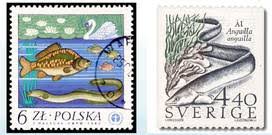
    In den vergangenen Jahrzehnten ist der Bestand des Europäischen Aals dramatisch zurückgegangen. Der Fisch gilt als vom Aussterben bedroht. Nach Schätzungen von Experten leben in Europa inzwischen 95 Prozent weniger Aale als während der 1970er-Jahre. Die Ursachen für den Rückgang seien noch unklar, sagte Reinhold Hanel, Leiter des Thünen-Instituts für Fischereiökologie in Bremerhaven.

    In Europa kommen Hanel zufolge nur noch etwa fünf Prozent der Jungaal-Anzahl an, die dort noch vor 40 Jahren gezählt wurde. Genaue Bestandszahlen seien aber nicht bekannt – dazu seien der Weg und das Leben des Aals zu komplex und zu schwer nachzuvollziehen. “Die Datenlage ist trotz internationaler Forschung gering. Es gibt vieles, das man nicht weiß”, so Hanel weiter.

    Bedroht: Der Europäische Aal
    Laut Experten wird der Europäische Aal (Anguilla anguilla) vor Nordamerika in den Tiefen der Sargassosee, einem Gebiet südöstlich von Bermuda, geboren. Mit dem Golfstrom werden die winzigen Jungaale über eine Zeit von einem bis drei Jahre an die Küsten Europas getrieben. Vor dem Erreichen der Küste verwandeln sie sich in Glasaale und wandern nach einer weiteren Umwandlung als Gelbaale in die Flüsse und Seen. Dort verbringen sie einen Großteil ihres Lebens, um sich eine Fettschicht anzufressen. Nach 8 bis 14 Jahren schwimmen sie als Blankaale zurück an ihren Geburtsort, wo sie wieder laichen und anschließend sterben. Die Tiere stehen auf der roten Liste und sind vom Aussterben bedroht.

    Die Europäische Union hat bereits vor zehn Jahren reagiert und forderte in einer Verordnung von 2007 die Mitgliedsstaaten auf, Pläne für den Schutz der Fische zu entwickeln. Im vergangenen Jahr wurde zusätzlich eine dreimonatige Schutzzeit in der Nord- und Ostsee beschlossen. Während dieser Zeit dürfen Aale nicht gefangen werden. Umweltschützer fordern sogar ein generelles Fangverbot, wie etwa in Irland. Beim Aalfang in Deutschland habe sich bereits viel verändert, es gebe mehr Bürokratie als bei anderen Fischarten, hieß es beim Deutschen Fischereiverband. Jeder Aalfischer müsse gelistet sein und seine Fangmengen dokumentieren. Als Folge seien die Fangmengen aus deutschen Flüssen deutlich zurückgegangen: von 769 Tonnen im Jahr 2007 auf 463 Tonnen im Jahr 2016.

    Quelle: NDR, 27.08.2018
    https://www.ndr.de/nachrichten/niedersachsen/oldenburg_ostfriesland/Starker-Rueckgang-Aale-vom-Aussterben-bedroht,aale260.html

  • Lachmöwen zieht es immer seltener an den Bodensee

    Lachmöwen zieht es immer seltener an den Bodensee

    Möwen gehörten lange Zeit zum bekannten Bild des Bodensees und gelten für manche noch immer als Quälgeister. Doch wie bei vielen anderen Vogelarten am größten Binnengewässer Deutschlands ist ein markanter Artenschwund eingetreten. Die oft riesigen Schwärme von Möwen, die einst die Schiffe und Fähren umkreisten, scheinen Vergangenheit zu sein. Ornithologen und Naturschützer gehen davon aus, dass von früher 30 000 bis 40 000 Lachmöwen – der am Bodensee häufigsten Art – zurzeit gerade mal noch etwa 10 000 hier überwintern.

    Etwa 300 Vogelarten gibt es an dem 536 Quadratkilometer großen Bodensee. Die Möwen sind dabei oft diejenigen, die Anwohnern und Touristen besonders ins Auge fallen. Harald Jacoby, der langjährige ehrenamtliche Vorsitzender des Nabu-Naturschutzzentrums Wollmatinger Ried, hat auf Anhieb keine eindeutige Erklärung für die markanten Rückgänge. Neben den Einflüssen intensivierter Landwirtschaft, so glaubt Jacoby, liege dies aber womöglich auch am zuletzt immer sauberer gewordenen Bodensee. Weniger Nährstoffeinträge und weniger Phosphate – die auch die Zahl der Fische reduzierten – wirke sich eben auch auf die Nahrungskette aus, sagt er. „Insgesamt gibt es weniger Bioproduktion in den Flachwasserzonen und im Seeschlamm. Das führt auch zu weniger großen Beständen an Schnecken oder Algen.“ Folglich könnten sich auch weniger Konsumenten insgesamt ernähren, so Jacoby, der die Lachmöwe „als Allesfresser“ bezeichnet, der teilweise auch „von den Abfällen der Wohlstandsgesellschaft“ gelebt habe.

    Die letzten Zählungen im Dezember, so berichtet Jacoby, seien noch einmal sehr ernüchternd gewesen: „Da haben wir nur etwa 6000 Möwen zusammengebracht.“ Er geht aber davon aus, dass diese Zahl nicht den gesamten Bestand beschreibe – anders als bei den Entenarten, die an den See gebunden bleiben, seien „die Möwen tagsüber unterwegs auf Wiesen und Feldern oder eben in den Bodenseehäfen“. Jacoby benennt den Höhepunkt überwinternder Möwen am Bodensee mit den Jahren 1975 bis 1980. Seitdem gebe es „einen kontinuierlichen Rückgang“. Zurzeit seien es nur noch 20 Paare, die am Bodensee auch brüteten. Früher seien es, allein im besagten Ried, noch bis zu 100 Möwen-Pärchen gewesen.

    Quelle: Stuttgarter Nachrichten, 09,01.19
    https://www.stuttgarter-nachrichten.de/inhalt.bodensee-lachmoewen-zieht-es-immer-seltener-an-den-bodensee.d31e7601-86ad-49ed-b91f-0565f7c0a484.html

  • Pesticides are to blame for millions of birds lost from the New Zealand countryside over the past 30 years

    Pesticides are to blame for millions of birds lost from the New Zealand countryside over the past 30 years

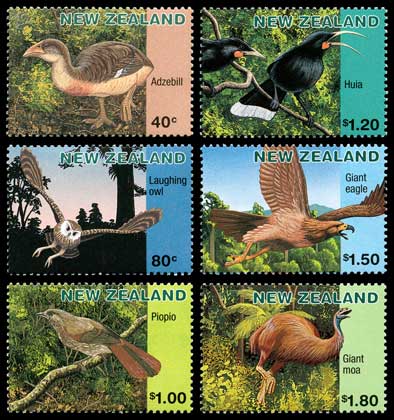
    Millions of birds have been lost from New Zealand countryside over the past 30 years. Most of them were introduced birds so have not been missed, but surely someone should have recognised that their loss indicated something had gone very wrong with farmland ecosystems. It is the decline of insects that has had the greatest impact on birds. There is no monitoring of insects in New Zealand to my knowledge. However, the front car window, acting as an informal splatter test for insects, has revealed their precipitous decline, along with insect-eating birds, over the last 30 years, in line with what is happening on the rest of the planet. The widespread use of pesticides is undoubtedly to blame.

    Source: Stuff, 23 Jan 2019
    https://www.stuff.co.nz/environment/109993132/why-havent-we-noticed-the-decline-of-new-zealands-birds

  • Half of Michigan’s Bumblebee Species in Decline, One Extinct

    Half of Michigan’s Bumblebee Species in Decline, One Extinct

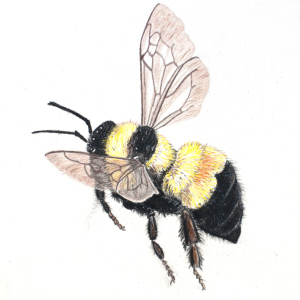
    In Michigan, half of its bumblebee species have declined by 50 percent or more, Michigan Radio reported. “Of those twelve species, about half of them have declined and the other half are stable,” Thomas Wood, a post-doctoral research associate at Michigan State University, told the radio station. Of the six species that have declined, their numbers dropped by more than 50 percent, Wood added. One species, the rusty patched bumblebee (Bombus affinis), has even gone extinct in Michigan. In 2017, the U.S. Fish and Wildlife Service classified the rusty patched bumblebee as an endangered species, the first bumblebee in the country and the first wild bee of any kind in the continental U.S. to receive Endangered Species Act protection.

    The bee, identified by its reddish abdomen, was once common and abundant across 28 states from Connecticut to South Dakota, the District of Columbia and two Canadian provinces, but its population plummeted by 87 percent since the late 1990s. Neonicotinoids are “acutely toxic to bees and they’re used in agriculture. Almost all the corn that’s planted in Michigan, and in the Midwest more generally, is treated with these insecticides,” Wood explained.

    Source: Ecowatch, Jan 16, 2019
    https://www.ecowatch.com/half-of-michigan-bumblebee-species-in-trouble-2626169790.html