Auteur: Henk Tennekes

  • The Ontario Beekeepers Association is accusing the federal government of not going far enough in regard to a series of recently-announced measures aimed at curtailing a drastic rise in bee deaths

    The Ontario Beekeepers Association is accusing the federal government of not going far enough in regard to a series of recently-announced measures aimed at curtailing a drastic rise in bee deaths

    Tibor Szabo, the OBA’s 1st vice president, told OurWindsor.ca that despite the Pest Management Regulatory Agency’s announcement Friday focusing on a tightening of rules in respect to the use of neonicotinoid seed treatments, the plan as currently written is nowhere near sufficient. Some of the protective measures for corn and soybeans – which the PMRA hopes to have in place for the 2014 season – are set to include requiring the use of safer dust-reducing seed flow lubricants; requiring adherence to safer seed planting practices; requiring new pesticide and seed package labels with enhanced warnings; and, requiring updated value information be provided to support the continued need for neonicotinoid treatment on up to 100% of the corn seed and 50% of the soybean seed. “I’m concerned with the continuing emphasis focusing only on seeding dust as the cause of the pesticide bee kills. Has anyone ever actually traced all of the Neonic’s found on dead bees, stored pollen and water sources to the dust at planting time? Is there any real evidence to support this assumption?” said Szabo, adding that another relevant cause is water and soil contamination, which can be linked to pollen and nectar due to mobility dynamics. “Since 80 to 90% of active ingredients do not enter the target crop and that NNI’s are persistent and water soluble, it seems to me that this source is more likely at the core of a number of bee losses. And yet this isn’t addressed or queried anywhere in the release of intent notice,” he said.

    Tibor Szabo, the OBA’s 1st vice president, told OurWindsor.ca that despite the Pest Management Regulatory Agency’s announcement Friday focusing on a tightening of rules in respect to the use of neonicotinoid seed treatments, the plan as currently written is nowhere near sufficient. Some of the protective measures for corn and soybeans – which the PMRA hopes to have in place for the 2014 season – are set to include requiring the use of safer dust-reducing seed flow lubricants; requiring adherence to safer seed planting practices; requiring new pesticide and seed package labels with enhanced warnings; and, requiring updated value information be provided to support the continued need for neonicotinoid treatment on up to 100% of the corn seed and 50% of the soybean seed. “I’m concerned with the continuing emphasis focusing only on seeding dust as the cause of the pesticide bee kills. Has anyone ever actually traced all of the Neonic’s found on dead bees, stored pollen and water sources to the dust at planting time? Is there any real evidence to support this assumption?” said Szabo, adding that another relevant cause is water and soil contamination, which can be linked to pollen and nectar due to mobility dynamics. “Since 80 to 90% of active ingredients do not enter the target crop and that NNI’s are persistent and water soluble, it seems to me that this source is more likely at the core of a number of bee losses. And yet this isn’t addressed or queried anywhere in the release of intent notice,” he said.

    Source: Our Windsor, Sept 17, 2013
    http://www.ourwindsor.ca/news-story/4084942-insecticide-crackdown-not-thorough-enough-to-save-bees-oba/

  • Een stof uit het gif van een tarantula lijkt bruikbaar als nieuw insecticide

    Een stof uit het gif van een tarantula lijkt bruikbaar als nieuw insecticide

    Spinnengif is doorgaans pas schadelijk wanneer het in een prooi wordt geïnjecteerd. Maar Australische wetenschappers ontdekten in het gif van een tarantula een eiwit dat bij insecten ook dodelijk is als ze ervan eten. Het eiwit is even werkzaam als imidacloprid, een insecticide dat mee aan de basis zou liggen van de massale bijensterfte. Het gif bleek vooral doeltreffend tegen rupsen, die een plaag vormen in de katoenteelt. Wetenschappers vermoeden dat de stof potentieel heeft als bio-insecticide. Ook een alternatief scenario waarbij de genen die coderen voor de productie van het eiwit in planten worden ingebracht, behoort tot de mogelijkheden.

    Spinnengif is doorgaans pas schadelijk wanneer het in een prooi wordt geïnjecteerd. Maar Australische wetenschappers ontdekten in het gif van een tarantula een eiwit dat bij insecten ook dodelijk is als ze ervan eten. Het eiwit is even werkzaam als imidacloprid, een insecticide dat mee aan de basis zou liggen van de massale bijensterfte. Het gif bleek vooral doeltreffend tegen rupsen, die een plaag vormen in de katoenteelt. Wetenschappers vermoeden dat de stof potentieel heeft als bio-insecticide. Ook een alternatief scenario waarbij de genen die coderen voor de productie van het eiwit in planten worden ingebracht, behoort tot de mogelijkheden.

    ‘Momenteel verspreiden de meeste insecticiden zich in alle delen van de plant, en zijn ze al dodelijk als insecten er gewoon mee in contact komen’, zegt Maggie Hardy van de University of Queensland (Australië). ‘Aangezien het eiwit pas schadelijk is als het wordt opgegeten, zal er voor nuttige insecten die niet van de plant eten, zoals bijen, vermoedelijk minder gevaar dreigen. Bijkomend voordeel is dat het ook werkt tegen insecten die al resistent zijn tegen andere insecticiden.
    Bron: EOS Wetenschap, 11-09-13
    http://eoswetenschap.eu/artikel/spinnengif-als-insecticide

  • Costa Rica’s iconic spectacled caiman is not safe from pesticides

    Costa Rica’s iconic spectacled caiman is not safe from pesticides

    Costa Rica’s iconic spectacled caiman, a cousin of the crocodile, is protected by thousands of acres of prime forest preserved in the Tortuguero Conservation Area. But recent research shows that these conservation efforts alone might not be enough to protect the species from damaging human impacts. Up in the headlands of the Rio Suerte, upstream from the coastal tropical forests where caimans make their homes, is prime banana plantation territory. Researchers from the University of British Columbia found high levels of pesticides in the blood of the caimans that live downstream, including chemicals that are known to act as endocrine disruptors. Bananas, ubiquitous in our grocery stores, are one of those few fruits and vegetables the “locally grown” craze has missed. We import them by the millions and expect them to be cheap and identical—a commodity fruit. But growing bananas to meet the global demand requires massive plantations that use lots and lots of pesticides.

    Costa Rica’s iconic spectacled caiman, a cousin of the crocodile, is protected by thousands of acres of prime forest preserved in the Tortuguero Conservation Area. But recent research shows that these conservation efforts alone might not be enough to protect the species from damaging human impacts. Up in the headlands of the Rio Suerte, upstream from the coastal tropical forests where caimans make their homes, is prime banana plantation territory. Researchers from the University of British Columbia found high levels of pesticides in the blood of the caimans that live downstream, including chemicals that are known to act as endocrine disruptors. Bananas, ubiquitous in our grocery stores, are one of those few fruits and vegetables the “locally grown” craze has missed. We import them by the millions and expect them to be cheap and identical—a commodity fruit. But growing bananas to meet the global demand requires massive plantations that use lots and lots of pesticides.

    The bananas we typically eat, the Cavendish variety, are seedless and produced by cutting techniques. That means that all the plants are very closely related, genetically, which creates an easy target for fungus and insects.

    In the tropics, heavy rains frequently wash the pesticides off the crops, leading to increased spraying and high levels of pesticide contamination in the runoff that flows downstream. In the past twenty years, total pesticide use in Central America has doubled, according to figures cited by the researchers.
    Source: Costarican Times, 21 Sept 2013

    CR Crocodiles Not Safe from Pesticides

  • Women in Northern California farm towns gave birth to smaller babies if they lived within three miles of strawberry fields and other crops treated with the pesticide methyl bromide, according to researchers

    Women in Northern California farm towns gave birth to smaller babies if they lived within three miles of strawberry fields and other crops treated with the pesticide methyl bromide, according to researchers

    “There’s been very little research on residential exposure to methyl bromide. Our study is the first to look at methyl bromide and birth outcomes,” said Kim Harley, study author and associate director of the Center for Environmental Research and Children’s Health at the University of California, Berkeley. The soil fumigant, which is injected into the soil before planting, can volatize into the air, exposing nearby neighborhoods. Use of methyl bromide has been declining over the past decade under an international treaty that phases out chemicals that deplete the Earth’s protective ozone layer. Strawberries and a few other crops are exempt under the ban because they are deemed “critical uses.”

    “There’s been very little research on residential exposure to methyl bromide. Our study is the first to look at methyl bromide and birth outcomes,” said Kim Harley, study author and associate director of the Center for Environmental Research and Children’s Health at the University of California, Berkeley. The soil fumigant, which is injected into the soil before planting, can volatize into the air, exposing nearby neighborhoods. Use of methyl bromide has been declining over the past decade under an international treaty that phases out chemicals that deplete the Earth’s protective ozone layer. Strawberries and a few other crops are exempt under the ban because they are deemed “critical uses.”

    The researchers studied babies born to 442 pregnant women, mostly Latinas from Mexico, living in the Salinas Valley in 1999 and 2000, when methyl bromide was widely used. Its use near each woman’s home was based on data from the state’s Pesticide Use Reporting system.

    Use of the pesticide within three miles of the home during the second trimester of pregnancy was associated with an average birth weight about 4 ounces less than babies from areas with no methyl bromide use.

    That 4-ounce difference is about half the birth weight decrease linked to smoking during pregnancy, the researchers said.

    The significance of the slightly smaller babies when it comes to their health is unknown because they are within normal ranges. Only 4 percent of the babies were born at what is considered a low birth weight, less than 5.5 pounds. Low birth weight babies may be at risk for developmental delays and learning problems.

    “This data would be more meaningful if it demonstrated that exposure led to abnormality,” wrote Giffe Johnson, a toxicologist at the University of Southern Florida who studies pesticide levels in agricultural workers.

    Harley said that while the clinical significance of the findings remains unclear, “for a baby on the low end of normal birth weight, 4 ounces could make a big difference.”

    Harley also noted that while this group of agricultural workers, and Mexican immigrants in general, tend to have healthy birth weight babies, “across the board, we saw a shift toward slightly lighter babies.”

    One major limitation is that no one knows how much methyl bromide the women were actually exposed to. Their exposures were estimated based on their addresses, with no actual measurements.

    “A woman could work 12-hour shifts 40 miles from home or spend little time outdoors near her own home. It’s impossible to say whether these estimates represent an accurate picture of exposure,” said Myles Cockburn, an epidemiologist at the University of Southern California who studies pesticides.

    About 41 percent of the women did some field work while pregnant, although few worked in fields that had been treated with methyl bromide.

    The link to birth weight was reported only for exposures in the second trimester, not for the first or third trimesters. “The second and third trimesters are major periods for fetal growth. The second trimester may be a critical period for exposure to the pesticide,” Harley said.

    Previously, animal studies have suggested that methyl bromide may harm fetal development.

    While strawberry growers have been trying to replace methyl bromide for several years, no suitable alternatives have been found to work on a large scale.

    Methyl bromide use has been cut nearly in half in California since 2002, but growers there still used almost 4 million pounds in 2011, according to the California Department of Pesticide Regulation.

    Despite the decline in usage, “the findings remain very relevant for the farm worker population, especially those living in agricultural areas where strawberries are grown,” Harley said.

    The methyl bromide study is part of a 14-year, ongoing project by the scientists to investigate potential health effects of environmental exposures on children born in the Salinas Valley, one of the nation’s most productive agricultural regions.

    The California Strawberry Commission and CropLife America, a trade group representing pesticide manufacturers, were unavailable for comment on the new study.

    Source: Scientific American
    http://www.scientificamerican.com/article.cfm?id=women-living-near-pesticide-treated-fields-have-smaller-babies

  • The myths surrounding the effectiveness of the industrial food system

    The myths surrounding the effectiveness of the industrial food system

    In this Communiqué, ETC Group identifies the major corporate players that control industrial farm inputs. Together with our companion poster, Who will feed us? The industrial food chain or the peasant food web?, ETC Group aims to de-construct the myths surrounding the effectiveness of the industrial food system. ETC Group has been monitoring the power and global reach of agro-industrial corporations for several decades – including the increasingly consolidated control of agricultural inputs for the industrial food chain: proprietary seeds and livestock genetics, chemical pesticides and fertilizers and animal pharmaceuticals. Collectively, these inputs are the chemical and biological engines that drive industrial agriculture. This update documents the continuing concentration (surprise, surprise), but it also brings us to three conclusions important to both peasant producers and policy makers. 1. Cartels are commonplace, 2. The “invisible hold” of the market is growing, and 3. Climate research shows that we don’t know (that) we don’t know our food system.

    In this Communiqué, ETC Group identifies the major corporate players that control industrial farm inputs. Together with our companion poster, Who will feed us? The industrial food chain or the peasant food web?, ETC Group aims to de-construct the myths surrounding the effectiveness of the industrial food system. ETC Group has been monitoring the power and global reach of agro-industrial corporations for several decades – including the increasingly consolidated control of agricultural inputs for the industrial food chain: proprietary seeds and livestock genetics, chemical pesticides and fertilizers and animal pharmaceuticals. Collectively, these inputs are the chemical and biological engines that drive industrial agriculture. This update documents the continuing concentration (surprise, surprise), but it also brings us to three conclusions important to both peasant producers and policy makers. 1. Cartels are commonplace, 2. The “invisible hold” of the market is growing, and 3. Climate research shows that we don’t know (that) we don’t know our food system.

  • Ctgb voert Europese restricties op neonicotinoïden door

    Ctgb voert Europese restricties op neonicotinoïden door

    De Europese Commissie besloot 24 mei j.l. om restricties in te stellen voor het gebruik van imidacloprid, thiamethoxam en clothianidin. Het Ctgb past op verzoek van staatssecretaris S. Dijksma van Economische zaken de Nederlandse toelatingen op basis van de genoemde neonicotinoïden conform het Europese besluit aan. Dit betekent dat per 30 september a.s. elf toelatingen komen te vervallen, het gebruik van zeven toelatingen beperkt zal worden en particulier gebruik van middelen op basis van de 3 genoemde neonicotinoïden niet meer is toegestaan. Het besluit betreft in Nederland toepassingen in zaadcoating, spuittoepassingen en met name toepassingen in erwt en maïs (zie bestrijdingsmiddelendatabank op www.ctgb.nl). Daarnaast zijn alle toelatingen voor particuliere gebruik van imidacloprid, thiamethoxam en clothianidin niet meer toegestaan. Voor Nederland betekent dit dat per 30 september 2013 elf toelatingen komen te vervallen en zeven toelatingen zullen worden beperkt. In een reactie schrijft de toxicoloog Henk Tennekes dat het Ctgb daarmee indirect toegeeft jarenlang de risico’s van de neonicotinoiden voor bijen te hebben onderschat. In 2011 werd bij de herbeoordeling van de neonicotinoiden geen enkele toelating ingetrokken en het bezwaar van de Bijenstichting tegen de toelating van Merit Turf ongegrond verklaard, aldus Tennekes.

    De Europese Commissie besloot 24 mei j.l. om restricties in te stellen voor het gebruik van imidacloprid, thiamethoxam en clothianidin. Het Ctgb past op verzoek van staatssecretaris S. Dijksma van Economische zaken de Nederlandse toelatingen op basis van de genoemde neonicotinoïden conform het Europese besluit aan. Dit betekent dat per 30 september a.s. elf toelatingen komen te vervallen, het gebruik van zeven toelatingen beperkt zal worden en particulier gebruik van middelen op basis van de 3 genoemde neonicotinoïden niet meer is toegestaan. Het besluit betreft in Nederland toepassingen in zaadcoating, spuittoepassingen en met name toepassingen in erwt en maïs (zie bestrijdingsmiddelendatabank op www.ctgb.nl). Daarnaast zijn alle toelatingen voor particuliere gebruik van imidacloprid, thiamethoxam en clothianidin niet meer toegestaan. Voor Nederland betekent dit dat per 30 september 2013 elf toelatingen komen te vervallen en zeven toelatingen zullen worden beperkt. In een reactie schrijft de toxicoloog Henk Tennekes dat het Ctgb daarmee indirect toegeeft jarenlang de risico’s van de neonicotinoiden voor bijen te hebben onderschat. In 2011 werd bij de herbeoordeling van de neonicotinoiden geen enkele toelating ingetrokken en het bezwaar van de Bijenstichting tegen de toelating van Merit Turf ongegrond verklaard, aldus Tennekes.

    Het Ctgb heeft de afgelopen maanden de besluiten tot intrekking en aanpassing van de toelatingen opgesteld. Toelatinghouders hebben conform de wettelijke eisen tijd gekregen voor hoor en wederhoor. Deze zienswijzen van de toelatinghouders zijn verwerkt en voor de inwerkingtreding van 30 september afgerond. Het Commissiebesluit heeft betrekking op risico’s voor de gezondheid van bijen, vandaar dat het Ctgb conform Europese wetgeving geen gebruik zal maken van een respijtperiode (opgebruik- en aflevertermijn). De volgende toelatingen komen te vervallen:

    – Pokon Plantstick (op basis van imidacloprid)

    – Axoris Quick Gran (op basis van thiamethoxam)

    – Axoris Quick Liquid (op basis van thiamethoxam)

    – Axoris Quick Spray (op basis van thiamethoxam)

    – Axoris Quick Sticks (op basis van thiamethoxam)

    – Cruiser 350 FS (op basis van thiamethoxam)

    – Provado Garden (op basis van imidacloprid)

    – Admire N (op basis van imidacloprid)

    – Admire N Pin (op basis van imidacloprid)

    – Gazon Insect (op basis van imidacloprid)

    – Poncho Rood (op basis van clothianidin)
    De volgende toelatingen worden gewijzigd waarbij het gebruik wordt beperkt:

    – Kohinor 700 WG (op basis van imidacloprid)

    – Kohinor 70 WG (op basis van imidacloprid)

    – Cruiser SB (op basis van thiamethoxam)

    – Gaucho Tuinbouw (op basis van imidacloprid)

    – Admire O-teq (op basis van imidacloprid)

    – Admire (op basis van imidacloprid)

    – Merit Turf (op basis van imidacloprid)
    Van de gewijzigde toelatingen is het nieuwe gebruiksvoorschrift te vinden in de bestrijdingsmiddelendatabank op www.ctgb.nl Ctgb persbericht 16 september 2013
    De Commissie is tot dit besluit gekomen nadat de lidstaten eerder niet tot een gekwalificeerde meerderheid, nodig om in te grijpen, konden komen. Het besluit is gebaseerd op de EFSA herevaluatie over het effect van de 3 neonicotinoïden op de gezondheid van bijen, welke in januari is gepubliceerd.
    Het Commissiebesluit is in lijn met het advies dat het Ctgb gaf aan het ministerie van EZ en waarop het Nederlandse voorstel is gebaseerd. Het Ctgb adviseerde naar aanleiding van de EFSA dat herevaluatie noodzakelijk is en sprak de voorkeur uit voor het nemen van communautaire maatregelen.
    Bron: Ctgb persbericht, 16-09-2013

  • Homeowners’ insecticide use affects bumblebees

    Homeowners’ insecticide use affects bumblebees

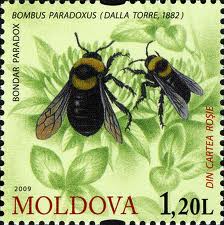
    Although bee advocates have focused on farmers and their use of insecticides, homeowner use of chemicals also can affect bee populations. Many homeowners apply neonicotinoids, a widely used class of insecticides, when lawn weeds, such as dandelions and white clovers, are blooming; This practice can have a negative effect on native pollinator populations. Jonathan Larson, a University of Kentucky doctoral student, recently published the results of his homeowner research in the journal PLOS ONE. Declines in honeybee populations have captured media headlines. But other pollinators, such as bumblebees, also are on the decline due to diseases, pesticides and habitat loss. “With honeybee populations struggling, we need to rely on native bees, such as bumblebees, to pick up the slack on plant pollination,” Dan Potter, UK entomologist and Larson’s adviser, said in the release. “Many native bees are much more efficient at pollinating certain types of crops, like tomatoes, urban flowering plants and vegetables grown in home gardens.”

    Although bee advocates have focused on farmers and their use of insecticides, homeowner use of chemicals also can affect bee populations. Many homeowners apply neonicotinoids, a widely used class of insecticides, when lawn weeds, such as dandelions and white clovers, are blooming; This practice can have a negative effect on native pollinator populations. Jonathan Larson, a University of Kentucky doctoral student, recently published the results of his homeowner research in the journal PLOS ONE. Declines in honeybee populations have captured media headlines. But other pollinators, such as bumblebees, also are on the decline due to diseases, pesticides and habitat loss. “With honeybee populations struggling, we need to rely on native bees, such as bumblebees, to pick up the slack on plant pollination,” Dan Potter, UK entomologist and Larson’s adviser, said in the release. “Many native bees are much more efficient at pollinating certain types of crops, like tomatoes, urban flowering plants and vegetables grown in home gardens.”

    Larson looked at how chlothianidin, a neonicotinoid marketed to commercial growers as Belay, negatively affected bumblebee queen production. He also found the chemical slowed worker foraging and increased mortality rates within five days of exposure compared with control hives. Even after the exposed hives were moved to untreated fields to forage for six weeks, they had a hard time gaining weight compared to bees that had never been exposed to insecticides. Larson found that if homeowners mowed clover that had been treated, and thereby removed the blooms, the new flowers didn’t affect bumblebee colonies. Bumblebees exposed to chlorantraniliprole, which is marketed to commercial growers under the brands Coragen and Altacor, developed and reproduced normally, according to the release.
    See more at: http://www.thegrower.com/news/Study-Homeowners-insecticide-use-affects-bumblebees-223509661.html#sthash.bb85if7V.dpuf

  • A Canadian farmer concerned about declining bird populations has reason to be worrisome, officials say

    A Canadian farmer concerned about declining bird populations has reason to be worrisome, officials say

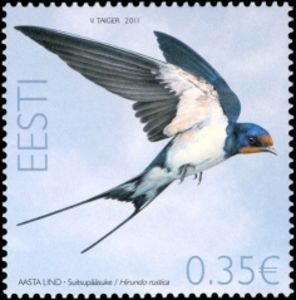
    Dave Jamieson says he’s noticed fewer birds and bird species at his Bright’s Grove dairy farm in recent years, and wants to know why. “They’re just not around at all… I can go out all day and I’m lucky to see one,” he said, pointing to the disappearance of barn swallows (Hirundo rustica), chimney swifts (Chaetura pelagica) and other birds. “How come nobody notices these birds aren’t around?” Jamieson, who has lived on the property all his life, said he used to see more than a dozen barn swallow nests at one time. “In the last three years, there’s only been about four; and this is the first year they’ve never had babies,” he said. “Even when you drive along the road, and look at the hydro lines – where birds used to sit all the time – they’re not there anymore.” Jamieson said he’s so concerned, he’s contacted Sarnia City Hall and the Ministry of Natural Resources office in Chatham, but hasn’t received a response. But a biologist with Bird Studies Canada said Jamieson’s concerns reflect new and alarming trends among Canada’s bird populations. “There’s a real dramatic change in the bird landscape going on in Canada,” said Jody Allair, biologist and science educator, pointing to a ground-breaking report released last year called The State of Canada’s Birds.

    Dave Jamieson says he’s noticed fewer birds and bird species at his Bright’s Grove dairy farm in recent years, and wants to know why. “They’re just not around at all… I can go out all day and I’m lucky to see one,” he said, pointing to the disappearance of barn swallows (Hirundo rustica), chimney swifts (Chaetura pelagica) and other birds. “How come nobody notices these birds aren’t around?” Jamieson, who has lived on the property all his life, said he used to see more than a dozen barn swallow nests at one time. “In the last three years, there’s only been about four; and this is the first year they’ve never had babies,” he said. “Even when you drive along the road, and look at the hydro lines – where birds used to sit all the time – they’re not there anymore.” Jamieson said he’s so concerned, he’s contacted Sarnia City Hall and the Ministry of Natural Resources office in Chatham, but hasn’t received a response. But a biologist with Bird Studies Canada said Jamieson’s concerns reflect new and alarming trends among Canada’s bird populations. “There’s a real dramatic change in the bird landscape going on in Canada,” said Jody Allair, biologist and science educator, pointing to a ground-breaking report released last year called The State of Canada’s Birds.

    The document, spearheaded by Bird Studies Canada, Environment Canada, and a number of other groups, marked the first-ever major assessment of Canada’s bird populations, drawing on 40 years of data.

    It revealed that Canadian breeding bird populations have dropped 12% across the board, since 1970.

    Two particular groupings of birds experiencing significant declines – particularly in the lower Great Lakes area – are the grassland and aerial insectivores, Allair said.

    “Barn swallows are declining quite dramatically; they are now a designated threatened species in Canada,” he said.

    The report notes that aerial insectivores – birds that catch insects in flight – primarily swallows, have declined here and across the country. In this region, the chimney swift, purple martin (Progne subis) and bank swallow (Riparia riparia) populations have all declined by approximately 95% since 1970.

    Though the exact cause of the decline is unknown, the report points to a number of factors including reduced insect populations and loss of nesting habitat.

    Meanwhile, Grassland birds like meadowlarks (Sturnella magna) and bobolinks (Dolichonyx oryzivorus) have declined by 70% with several species at risk of local extinction.

    “The major theme here is that, some birds that we used to think were quite common, like barn swallows, are no longer that way,” said Allair. “People still see them, but they don’t realize there are far fewer of them now than there were even 20 years ago.”

    Allair said the next step is identifying the causal factors for decline; some theories include climate change, and changes in insect abundance.

    “Whether you’re a birder or not, it’s really important… birds are an important indicator of change,” he said. “When we see changes in bird populations, we know there are other changes happening in the environment, and we need to pay attention.

    Source: Chatham Daily News, 30 August 2013
    http://www.chathamdailynews.ca/2013/08/30/report-reflects-dramatic-declines-in-bird-populations

  • The badger has become one of the species demonised with little justification

    The badger has become one of the species demonised with little justification

    Last week, the first badgers were killed. Allegedly on ‘best scientific advice’. Even though the Krebs Report, in response to the trial culls nearly 30 years ago, said it would not work. Even though a top government scientist said the whole plan was ‘crazy’. Notwithstanding the outcry from wildlife NGOs and the public alike, DEFRA has appeared oblivious to other means of controlling bovine tuberculosis (bTB), and has gone ahead with the cull anyway. The argument about the badger cull is certainly the most noteworthy wildlife conflict within the UK in recent years – but there are also many other individual species that have received warrants for their extermination. While some are culled for ecological reasons – deer for example, where man has taken over from the wolves and lynx we made extinct in this country, many species seem to have become demonised with little justification. Wildlife management can usually be resolved without a trigger-happy approach. In the case of the badger cull, improving bio-security on cattle farms would be a good place to start. But the first response to rural problems never seems to be the improvement of current practice, and a disturbing trend has appeared, which shifts blame to the natural world rather than farming practice. Badgers, and many others on the hit list, have become ‘wild scapegoats’. If we don’t speak up for them, all the creatures below may soon be targeted like the badger.

    Last week, the first badgers were killed. Allegedly on ‘best scientific advice’. Even though the Krebs Report, in response to the trial culls nearly 30 years ago, said it would not work. Even though a top government scientist said the whole plan was ‘crazy’. Notwithstanding the outcry from wildlife NGOs and the public alike, DEFRA has appeared oblivious to other means of controlling bovine tuberculosis (bTB), and has gone ahead with the cull anyway. The argument about the badger cull is certainly the most noteworthy wildlife conflict within the UK in recent years – but there are also many other individual species that have received warrants for their extermination. While some are culled for ecological reasons – deer for example, where man has taken over from the wolves and lynx we made extinct in this country, many species seem to have become demonised with little justification. Wildlife management can usually be resolved without a trigger-happy approach. In the case of the badger cull, improving bio-security on cattle farms would be a good place to start. But the first response to rural problems never seems to be the improvement of current practice, and a disturbing trend has appeared, which shifts blame to the natural world rather than farming practice. Badgers, and many others on the hit list, have become ‘wild scapegoats’. If we don’t speak up for them, all the creatures below may soon be targeted like the badger.

    Urban foxes:

    As a successful opportunist with a wide and varied diet, it was never going to be long before Britain’s red foxes started gorging on the huge levels of food waste we leave behind in our towns and cities. Sure enough, in the last half century these adaptable canids have become as familiar as rats, pigeons and grey squirrels within our urban ecosystems.

    Since a couple of extremely rare attacks on infants, including the ‘Koupparis twins in 2010 and a ‘one-month old baby in February this year’, calls for a cull ‘continue to appear’. Horrible as these as these incidents are, they need to be put into perspective. Around 6,000 people a year are hospitalised after attacks by domestic dogs – and no-one’s calling for cull of them. But the one-in-a-thousand actions of a couple of unusually habituated foxes has been enough for Boris Johnson to call all of them ‘a pest and a menace’ to be tackled urgently.

    There’s been no official population count of urban foxes, but many believe there are now too many for the urban ecosystem to sustain. However, while they are certainly doing very well for themselves, outbreaks of sarcoptic mange will often keep numbers down naturally. An outbreak in Bristol 19 years ago for example killed an estimated 95 per cent of the city’s foxes, from which they are still recovering.

    Cormorants:

    An incredibly efficient hunter of fish usually associated with seas and coasts, cormorants have become increasingly common in freshwater ecosystems since the 1970s. Luckily for the cormorant, we have angling lakes stuffed full of big fish – practically a free buffet. Like all great opportunists, the birds don’t ignore this. There are now an estimated 25,000 wintering inland.

    Of course, this doesn’t go down so well with anglers. Certainly ones I have spoken, say the ‘black death’, as they call the birds, “can empty a lake in a day”. Whilst such dramatic claims can’t be taken as scientific gospel, licenses that enable fishery managers to kill a limited number in serious cases have been granted since 1996. As all UK cormorants are part of a protected European population, it would require a continental cull of between thirty to 60,000 birds annually to make any difference.

    Recent studies have found that lethal control has little effect on numbers, with further birds simply replacing those that have been displaced. Despite this, the Angling Trust have been campaigning for three years to add cormorants to the general control license – making it an issue that’s going nowhere fast.

    Buzzards:

    Frequently soaring and mewing over farmland, motorways and even suburban gardens, it’s hard to believe buzzards were once so rare in Britain, but only forty or fifty years ago they were contained to a few populations on the moors and uplands.

    There are two generally accepted reasons as to how these became one of Britain’s most common raptors today: the banning of biomagnifying pesticides such as DDT, and full protection under 1981’s Wildlife & Countryside Protection Act.

    But with the way Government have been treating these birds recently, it seems the latter has been noticed less and less. The furore started in June 2012 when the Department of Environment, Farming and Rural Affairs (Defra) announced plans to ‘issue licenses to destroy nests and take buzzards into captivity’, all to protect the 30 million pheasants released into the countryside each year for shooting.

    While no one seems to have questioned the ecological consequences of releasing so many non-native birds into our woodlands, the fact that raptors, including buzzards, are responsible for about two to four per cent of pheasant deaths seemed to be enough for Defra to ignore any proposals for non-destructive methods.

    A rapid and angry response from the public and conservation NGOs followed, and Defra quickly backed off. Or so it seemed. In May this year it was revealed that Natural England had ‘issued four licenses that allowed the destruction of buzzard nests on shooting estates’.

    With the Government’s so-called conservation bodies motioning at the forefront of this initiative, and the head of Defra Richard Benyon an enthusiastic pheasant shooter, it really is hard to see whether nature comes into our government’s ideas of “rural affairs” at all.

    Pine martens:

    The pine marten – a charismatic, arboreal member of the weasel family, once widespread across the country as Britain’s second commonest carnivore. It is now second rarest. Loss of forest habitat and persecution from 19th Century gamekeepers ensured populations became restricted to the remotest parts of Scotland, northern England and Wales. Afforestation and protected status today is giving it relief for a slow come-back, but it’s slow reproductive rate and poor dispersal to new territories means it still only numbers about 4,000 in the wilder parts of the country.

    So it may seem strange that there are some who wish to see the removal of pine marten from their home range, or even a cull. The latter was certainly the proposal from the ‘Scottish Gamekeepers Association back in February 2012′.

    Their reasoning stems from, ironically, the protection of another rare animal – the capercaillie: our largest grouse species, a specialist of Caledonian pine forest and a bird that’s declining through a number of factors. The estimated 12,000 or so left have had an onslaught of crises thrown at them, from habitat loss, disturbance, collision with deer fences and yes, predation – but pine martens are just one of a group of predators which also includes foxes, corvids and stoats.

    While pine marten are starting to recover in number, a 2011 study found their abundance had no effect on capercaillie breeding success. Considering pine marten and capercaillie have evolved and lived together for over thousands of years, perfectly balanced in their ecosystem, and the large majority of capercaillie threats come from human sources, the idea of removing or killing one endangered species to save another just doesn’t make sense.

    Hen harriers:

    While there have been no official call for culls or control of these moorland raptors (‘bar Irish councillor John Sheahan in July’), there has been so much killing-on-the-quiet that, sadly, it is well and truly on the hit list – ‘no surprise that the only two breeding pairs left in England failed to breed this year’.

    Grouse shooting on managed moorland estates brings in significant income, given the popularity of the pursuit among the wealthy gentry. To shoot two grouse it can cost between £70 to £170, depending on method. As such, land managers are keen to keep their moors as full of grouse as they can. So a £5,000 fine or six-year sentence has not deterred some gamekeepers from tackling hen harriers, an active predator of red grouse, with lethal means.

    Government scientists have stated that despite the fact England could support 300 harrier pairs, this continuous decline is down to persecution. There have been several confirmed cases – notably the ”Sandringham incident” and ‘last year’s confirmed poisoning’ – and there are likely to be many more that go undetected.

    The RSPB’s conservation director, Martin Harper, ‘has called for a government investigation and tougher laws surrounding those exterminating this already declining bird’. But when our decision-makers are the kind who’ll ignore scientific fact in favour of culling badgers or call for intense buzzard control to protect their pheasant shoots, is it more likely they’ll just continue to brush hen harriers under the carpet, to extinction?
    Source: Peter Cooper in The Independent, 12 September 2013
    http://blogs.independent.co.uk/2013/09/13/the-british-wildlife-hit-list-species-under-threat-in-the-uk/

  • De tapuit staat op de rand van de afgrond

    De tapuit staat op de rand van de afgrond

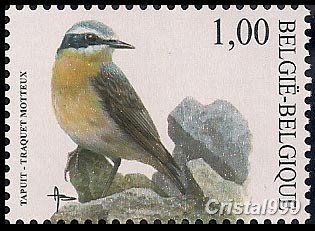
    De tapuit (Oenanthe oenanthe), een karakteristieke zangvogel voor duin en heide, lijkt uit Nederland te verdwijnen. Waren er rond 1980 nog tussen de 1.900 en 2.500 broedparen, in 2004 bedroeg de aantalschatting slechts 350-450 paar, en in 2005-2008 slechts 220 – 275 paar. De aantallen broedvogels in enkele resterende bolwerken zijn dit voorjaar sterk achteruitgegaan. Zo broeden er momenteel nog maar vier paren in het Noord-Hollands Duinreservaat. In 1988 waren dit er nog 165. Tussen Callantsoog en Den Helder zijn de aantallen ten opzichte van voorgaande jaren met bijna een kwart afgenomen en resteren nog vijftig broedparen. Dit blijkt uit onderzoek van Stichting Bargerveen en Sovon. De soort is hard op weg om te verdwijnen als broedvogel uit Nederland.

    De tapuit (Oenanthe oenanthe), een karakteristieke zangvogel voor duin en heide, lijkt uit Nederland te verdwijnen. Waren er rond 1980 nog tussen de 1.900 en 2.500 broedparen, in 2004 bedroeg de aantalschatting slechts 350-450 paar, en in 2005-2008 slechts 220 – 275 paar. De aantallen broedvogels in enkele resterende bolwerken zijn dit voorjaar sterk achteruitgegaan. Zo broeden er momenteel nog maar vier paren in het Noord-Hollands Duinreservaat. In 1988 waren dit er nog 165. Tussen Callantsoog en Den Helder zijn de aantallen ten opzichte van voorgaande jaren met bijna een kwart afgenomen en resteren nog vijftig broedparen. Dit blijkt uit onderzoek van Stichting Bargerveen en Sovon. De soort is hard op weg om te verdwijnen als broedvogel uit Nederland.

    Bronnen:
    Reformatorisch Dagblad & deze website
    http://www.refdag.nl/achtergrond/natuur-techniek/tapuit_op_rand_van_afgrond_1_766174