Auteur: Henk Tennekes

  • De eikelmuis wordt schaarser in Zuid-LImburg

    De eikelmuis wordt schaarser in Zuid-LImburg

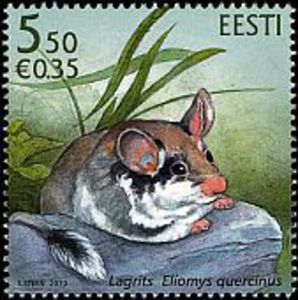
    De eikelmuis Eliomys quercinus behoort tot de slaapmuizen en houdt zich graag op in een kleinschalig cultuurlandschap. Kleine bossages, stenige objecten, bomen en rommelhoekjes hebben zijn voorkeur. Hoogstamboomgaarden zijn een waar hof van Eden voor hem. Zuid-Limburg lijkt dus de ideale plek voor de eikelmuis. Hoogstamboomgaarden leveren een belangrijke bijdrage aan het uitgebreide menu van deze kleine alleseter met zijn fraaie zwarte gezichtsmasker. Gedurende het seizoen vindt hij in gemengde boomgaarden alles van zijn gading. In het voorjaar zijn dat vooral de kers en aardbei, in de zomer appel, peer en pruim en in het najaar appels. Verder is hij dol op huisjesslakken, insecten en zaden en vult hij zijn kostje af en toe aan met jonge vogels en bosmuizen. Vroeger regelmatig gezien in de kist met appels op de boerderij, nu nagenoeg uit het beeld verdwenen. Van oudsher kwam hij in ons land in een 15-tal gebieden voor. In het najaar was hij een regelmatig geziene gast op boerderijen, wanneer de kisten met appels gestapeld op het achtererf stonden. In de loop der jaren is echter een sterke achteruitgang waargenomen in het voorkomen van de eikelmuis. De laatste jaren zijn alleen nog uit het Savelsbos tekenen van leven gekomen. Maar ook hier waren waarnemingen schaars.

    De eikelmuis Eliomys quercinus behoort tot de slaapmuizen en houdt zich graag op in een kleinschalig cultuurlandschap. Kleine bossages, stenige objecten, bomen en rommelhoekjes hebben zijn voorkeur. Hoogstamboomgaarden zijn een waar hof van Eden voor hem. Zuid-Limburg lijkt dus de ideale plek voor de eikelmuis. Hoogstamboomgaarden leveren een belangrijke bijdrage aan het uitgebreide menu van deze kleine alleseter met zijn fraaie zwarte gezichtsmasker. Gedurende het seizoen vindt hij in gemengde boomgaarden alles van zijn gading. In het voorjaar zijn dat vooral de kers en aardbei, in de zomer appel, peer en pruim en in het najaar appels. Verder is hij dol op huisjesslakken, insecten en zaden en vult hij zijn kostje af en toe aan met jonge vogels en bosmuizen. Vroeger regelmatig gezien in de kist met appels op de boerderij, nu nagenoeg uit het beeld verdwenen. Van oudsher kwam hij in ons land in een 15-tal gebieden voor. In het najaar was hij een regelmatig geziene gast op boerderijen, wanneer de kisten met appels gestapeld op het achtererf stonden. In de loop der jaren is echter een sterke achteruitgang waargenomen in het voorkomen van de eikelmuis. De laatste jaren zijn alleen nog uit het Savelsbos tekenen van leven gekomen. Maar ook hier waren waarnemingen schaars.

    Bron:
    Uit IKL Hoogstamnieuws, voorjaar 2005
    http://www.ikl-limburg.nl/in-de-media/okt-dec-2013/item/1188-eikelmuis.html
  • Kraniche haben weniger Nachwuchs

    Kraniche haben weniger Nachwuchs

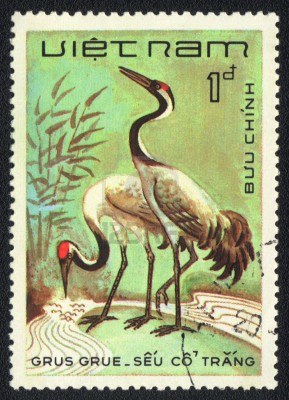
    Der Zug der Kraniche (Grus grus) hat begonnen. Wie jeden Herbst ziehen die storchenähnlichen Vögel mit ihren unüberhörbaren Lauten von Skandinavien zu ihren Überwinterungsgebieten in den Süden. Der trompetende Ruf der Kraniche ist dann auch über Deutschland zu hören. Denn an der Ostseeküste in Vorpommern liegt eines der größten Kranich-Rastgebiete Europas. Auf ihrer Reise Richtung Süden sind hier bisher knapp 5000 Tiere angekommen. Und das bereitet den deutschen Forschern nach ersten Zählungen Sorge: Unter den Vögeln sind viel zu wenig Jungtiere. Zum Vergleich: Erhebungen der letzten Jahre in Frankreich und Spanien ergaben eine Population von über 300.000 Tieren – doppelt so viele wie noch in den neunziger Jahren. Laut dem Kranichinformationszentrum in Groß Mohrdorf sind in diesem Jahr nur halb so viele Jungtiere unter den Zugvögeln wie üblich. Schon seit drei Jahren gebe es immer weniger Nachwuchs.

    Der Zug der Kraniche (Grus grus) hat begonnen. Wie jeden Herbst ziehen die storchenähnlichen Vögel mit ihren unüberhörbaren Lauten von Skandinavien zu ihren Überwinterungsgebieten in den Süden. Der trompetende Ruf der Kraniche ist dann auch über Deutschland zu hören. Denn an der Ostseeküste in Vorpommern liegt eines der größten Kranich-Rastgebiete Europas. Auf ihrer Reise Richtung Süden sind hier bisher knapp 5000 Tiere angekommen. Und das bereitet den deutschen Forschern nach ersten Zählungen Sorge: Unter den Vögeln sind viel zu wenig Jungtiere. Zum Vergleich: Erhebungen der letzten Jahre in Frankreich und Spanien ergaben eine Population von über 300.000 Tieren – doppelt so viele wie noch in den neunziger Jahren. Laut dem Kranichinformationszentrum in Groß Mohrdorf sind in diesem Jahr nur halb so viele Jungtiere unter den Zugvögeln wie üblich. Schon seit drei Jahren gebe es immer weniger Nachwuchs.

    Quelle: DW 19.09.2013
    http://www.dw.de/kraniche-haben-weniger-nachwuchs/a-17098368

  • Hansjörg Ernst betreut seit mehr als 30 Jahren die Vögel am Arlesheimer See

    Hansjörg Ernst betreut seit mehr als 30 Jahren die Vögel am Arlesheimer See

    Wenn er von „seinen Vögeln“ erzählt, geht ein Strahlen über sein Gesicht und seine Stimme wird fester. „Vögel faszinieren mich schon seit meiner Jugend, ihr Gesang und ihre Schönheit erfreuen mich jeden Tag“, sagt Hansjörg Ernst, der seit mehr als 30 Jahren die Vogelfreistätte im Gebiet des Arlesheimer Sees im Mooswald nahe des Autobahnanschlusses Freiburg-Süd betreut. Der See ist seit 1966 als Naturschutzgebiet ausgewiesen und ein wichtiger Rast- und Nistplatz für Vögel. Die Liebe zu den Vögeln ist zuhause beim Ehepaar Ernst allgegenwärtig: An den Wänden hängen Wandteppiche mit gewebten Vogelmotiven darauf, auf den Fenstersimsen stehen Tonvögelchen und im Garten findet man zahlreiche Vogelkästen und Wassertränken. Sein immenses Wissen über die unterschiedlichen Vogelarten, Brutgewohnheiten und Flugverhalten hat sich Ernst selbst angeeignet, durch viel Lesen und Beobachten: “Wer es nicht fühlt, der wird es nie erjagen”, zitiert er Goethe. Stolz erklärt der Vogelliebhaber, dass die Vogelvielfalt am Arlesheimer See seit seiner Entstehung stark zugenommen habe. 160 Vogelarten wurden seither gezählt. “Allerdings”, so der 77-Jährige, “ist in den letzten Jahren ein Rückgang der Vögel zu verzeichnen.”

    Wenn er von „seinen Vögeln“ erzählt, geht ein Strahlen über sein Gesicht und seine Stimme wird fester. „Vögel faszinieren mich schon seit meiner Jugend, ihr Gesang und ihre Schönheit erfreuen mich jeden Tag“, sagt Hansjörg Ernst, der seit mehr als 30 Jahren die Vogelfreistätte im Gebiet des Arlesheimer Sees im Mooswald nahe des Autobahnanschlusses Freiburg-Süd betreut. Der See ist seit 1966 als Naturschutzgebiet ausgewiesen und ein wichtiger Rast- und Nistplatz für Vögel. Die Liebe zu den Vögeln ist zuhause beim Ehepaar Ernst allgegenwärtig: An den Wänden hängen Wandteppiche mit gewebten Vogelmotiven darauf, auf den Fenstersimsen stehen Tonvögelchen und im Garten findet man zahlreiche Vogelkästen und Wassertränken. Sein immenses Wissen über die unterschiedlichen Vogelarten, Brutgewohnheiten und Flugverhalten hat sich Ernst selbst angeeignet, durch viel Lesen und Beobachten: “Wer es nicht fühlt, der wird es nie erjagen”, zitiert er Goethe. Stolz erklärt der Vogelliebhaber, dass die Vogelvielfalt am Arlesheimer See seit seiner Entstehung stark zugenommen habe. 160 Vogelarten wurden seither gezählt. “Allerdings”, so der 77-Jährige, “ist in den letzten Jahren ein Rückgang der Vögel zu verzeichnen.”

    Bevor Ernst an Parkinson erkrankt ist, war er beinahe täglich am Arlesheimer See und hat nach dem Rechten geschaut, doch nun schafft er es nur noch einmal in der Woche. “Meistens am Sonntagvormittag”, so der Hobbyornithologe. Zusammen mit drei Kollegen kümmert er sich dennoch weiter voller Hingabe um den See. “Es ist wichtig, dass man die Ufer vor Verbuschung schützt. Zu den Anfängen des Sees war dies noch nicht notwendig, aber mit den Jahren wächst alles zu”, erklärt Ernst. Diese Arbeiten lassen sich erst nach der Brutzeit verrichten

    In der jetzigen Jahreszeit, im Spätsommer, zieht es Hansjörg Ernst, gleich den Zugvögeln, auch jedes Jahr in den Süden. 20-mal war der Vogelliebhaber schon in Afrika und hat dort zusammen mit Gleichgesinnten Vogelarten bestimmt. Gerne würde er wieder einmal dorthin fliegen, seine Krankheit lässt dies allerdings nicht zu. In seinem Garten in Freiburg fühlen sich jedoch auch viele Vögel wohl und so hat er immer etwas zu tun; mal muss ein Gitter vor einem Nistkasten angebracht werden, damit der Marder nicht an die Eier kommt, mal ein Baum ausgeputzt werden. Ernst verrichtet diese Arbeiten alle selbst, auch wenn inzwischen alles etwas langsamer geht: “Aber die Vögel danken es mir mit ihrem herrlichen Gesang.”

    Quelle: Badische Zeitung, 19.09.2013
    http://www.badische-zeitung.de/freiburg/hansjoerg-ernst-betreut-seit-mehr-als-30-jahren-die-voegel-am-arlesheimer-see–75339936.html

  • Friends of the Earth Canada Objects to Feds’ Renewal of Bee-Toxic Pesticide

    Friends of the Earth Canada Objects to Feds’ Renewal of Bee-Toxic Pesticide

    Friends of the Earth Canada has filed a notice of objection to Health Canada’s decision under the Pest Control Products Act to renew conditional registration of a bee-toxic pesticide, clothianidin, despite lack of due diligence by the applicant companies. Health Canada’s agency dealing with pesticides is recommending renewing use of clothianidin on potatoes, grape, pome fruits (like apples), stone fruits and turf even though the applicant chemical companies have not met conditions of their earlier registration. Because the pesticide accumulates in pollen and nectar, the chemical companies were required back in 2009 to do a hive study to assess chronic toxicity to bees and a study of the behaviour of clothianidin in plants. Friends of the Earth believes this research is even more important today than it was in 2009 given the dramatic die-off of Canada’s pollinators like honey bees. “Canada’s Minister of Health should put protection of the environment and the safety of bees ahead of profits of chemical companies,” says Beatrice Olivastri, CEO, Friends of the Earth Canada. “Clothianidin should be off the market until proven safe to bees and other pollinators.”

    Friends of the Earth Canada has filed a notice of objection to Health Canada’s decision under the Pest Control Products Act to renew conditional registration of a bee-toxic pesticide, clothianidin, despite lack of due diligence by the applicant companies. Health Canada’s agency dealing with pesticides is recommending renewing use of clothianidin on potatoes, grape, pome fruits (like apples), stone fruits and turf even though the applicant chemical companies have not met conditions of their earlier registration. Because the pesticide accumulates in pollen and nectar, the chemical companies were required back in 2009 to do a hive study to assess chronic toxicity to bees and a study of the behaviour of clothianidin in plants. Friends of the Earth believes this research is even more important today than it was in 2009 given the dramatic die-off of Canada’s pollinators like honey bees. “Canada’s Minister of Health should put protection of the environment and the safety of bees ahead of profits of chemical companies,” says Beatrice Olivastri, CEO, Friends of the Earth Canada. “Clothianidin should be off the market until proven safe to bees and other pollinators.”

    Clothianidin is described by Health Canada as highly toxic to bees and mammals and moderately toxic to birds. It is already under increased scrutiny in its use with corn and soy bean crops in Canada where massive bee deaths have occurred. The European Union has put in place a two year ban on its use.

    Background information:

    Health Canada, Registration Decision RD2013-14, Clutch 50 WDG, Arena 50 WDG and Clothianidin Insecticides, 23 July 2013 http://www.hc-sc.gc.ca/cps-spc/pubs/pest/_decisions/rd2013-14/index-eng.php

    Notice of Objection to a Registration Decision under Subsection 35(1) of the Pest Control Products Act, filed by Friends of the Earth Canada.

    Source: Friends of the Earth Canada
    http://www.northumberlandview.ca/index.php?module=news&type=user&func=display&sid=24367

  • Chronic sublethal stress causes bee colony failure

    Chronic sublethal stress causes bee colony failure

    Current bee population declines and colony failures are well documented yet poorly understood and no single factor has been identified as a leading cause. The evidence is equivocal and puzzling: for instance, many pathogens and parasites can be found in both failing and surviving colonies and field pesticide exposure is typically sublethal. Here, we investigate how these results can be due to sublethal stress impairing colony function. We mathematically modelled stress on individual bees which impairs colony function and found how positive density dependence can cause multiple dynamic outcomes: some colonies fail while others thrive. We then exposed bumblebee colonies to sublethal levels of a neonicotinoid pesticide. The dynamics of colony failure, which we observed, were most accurately described by our model. We argue that our model can explain the enigmatic aspects of bee colony failures, highlighting an important role for sublethal stress in colony declines.

    Current bee population declines and colony failures are well documented yet poorly understood and no single factor has been identified as a leading cause. The evidence is equivocal and puzzling: for instance, many pathogens and parasites can be found in both failing and surviving colonies and field pesticide exposure is typically sublethal. Here, we investigate how these results can be due to sublethal stress impairing colony function. We mathematically modelled stress on individual bees which impairs colony function and found how positive density dependence can cause multiple dynamic outcomes: some colonies fail while others thrive. We then exposed bumblebee colonies to sublethal levels of a neonicotinoid pesticide. The dynamics of colony failure, which we observed, were most accurately described by our model. We argue that our model can explain the enigmatic aspects of bee colony failures, highlighting an important role for sublethal stress in colony declines.

    Source:
    Bryden, J., Gill, R. J., Mitton, R. A. A., Raine, N. E., Jansen, V. A. A. (2013), Chronic sublethal stress causes bee colony failure. Ecology Letters. doi: 10.1111/ele.12188
    http://onlinelibrary.wiley.com/doi/10.1111/ele.12188/abstract

  • Neonicotinoiden hebben op termijn een dodelijke werking op honing bijen

    Neonicotinoiden hebben op termijn een dodelijke werking op honing bijen

    Wetenschappers discussiëren al lange tijd over het gevaar van neonicotinoïde pesticiden voor bijenkolonies. Britse onderzoekers hebben nu een verklaring gevonden voor de soms tegenstrijdige bevindingen. In lage concentraties blijken de pesticiden subtiele veranderingen in het gedrag van bijen te veroorzaken, die er uiteindelijk toe kunnen leiden dat een kolonie ineenstort. Zij stelden bijen bloot aan lage concentraties van een neonicotinoïde pesticide, vergelijkbaar met wat bijen in landbouwgebieden kunnen tegenkomen. Deze concentraties zijn niet dodelijk, maar ze veroorzaken wel stress bij de insecten. Die kunnen daardoor hun rol in de kolonie niet goed vervullen. ‘Het is alsof je iemand steeds zwaardere gewichten op de schouders legt’, verklaart een van de onderzoekers. ‘Zo iemand kan in eerste instantie gewoon doorlopen, maar wanneer het te zwaar wordt, stort hij in.’ Zo is een lage dosis landbouwgif niet direct dodelijk, maar wanneer te veel bijen in een kolonie te veel stress te verduren krijgen en hun werk niet meer goed kunnen doen, stort de kolonie ineen. Het onderzoek staat in het tijdschrift Ecology Letters.

    Wetenschappers discussiëren al lange tijd over het gevaar van neonicotinoïde pesticiden voor bijenkolonies. Britse onderzoekers hebben nu een verklaring gevonden voor de soms tegenstrijdige bevindingen. In lage concentraties blijken de pesticiden subtiele veranderingen in het gedrag van bijen te veroorzaken, die er uiteindelijk toe kunnen leiden dat een kolonie ineenstort. Zij stelden bijen bloot aan lage concentraties van een neonicotinoïde pesticide, vergelijkbaar met wat bijen in landbouwgebieden kunnen tegenkomen. Deze concentraties zijn niet dodelijk, maar ze veroorzaken wel stress bij de insecten. Die kunnen daardoor hun rol in de kolonie niet goed vervullen. ‘Het is alsof je iemand steeds zwaardere gewichten op de schouders legt’, verklaart een van de onderzoekers. ‘Zo iemand kan in eerste instantie gewoon doorlopen, maar wanneer het te zwaar wordt, stort hij in.’ Zo is een lage dosis landbouwgif niet direct dodelijk, maar wanneer te veel bijen in een kolonie te veel stress te verduren krijgen en hun werk niet meer goed kunnen doen, stort de kolonie ineen. Het onderzoek staat in het tijdschrift Ecology Letters.

    Bron: Nederlands Dagblad, 07-10-2013
    https://www.nd.nl/artikelen/2013/oktober/07/landbouwgif-bezorgt-bijen-stress
    Referentie:
    Bryden, J., Gill, R. J., Mitton, R. A. A., Raine, N. E., Jansen, V. A. A. (2013), Chronic sublethal stress causes bee colony failure. Ecology Letters. doi: 10.1111/ele.12188
    http://onlinelibrary.wiley.com/doi/10.1111/ele.12188/abstract

  • UNEP Year Book 2013: Many chemicals have biological effects at doses previously considered negligible

    UNEP Year Book 2013: Many chemicals have biological effects at doses previously considered negligible

    An increasing body of scientific evidence indicates that many chemicals have biological effects at doses previously considered negligible. It is increasingly evident that more subtle deleterious effects can occur due to longer-term exposure to relatively low doses of chemicals, individually or in mixtures. New concerns have recently been raised about the impact of pesticides on non-target organisms including insects, especially bees, and amphibians. Studies suggest that low doses of neonicotinoids, a group of neurotoxic chemicals widely used in many countries as insecticides, could have sublethal effects on honey bees and bumble bees with serious consequences for wild populations of these crucially important pollinators and therefore for agriculture and the environment. It has also been suggested that detailed investigation of the effect of neonicotinoids on mammalian brain function, especially brain development, is needed to protect human health, especially that of children.

    An increasing body of scientific evidence indicates that many chemicals have biological effects at doses previously considered negligible. It is increasingly evident that more subtle deleterious effects can occur due to longer-term exposure to relatively low doses of chemicals, individually or in mixtures. New concerns have recently been raised about the impact of pesticides on non-target organisms including insects, especially bees, and amphibians. Studies suggest that low doses of neonicotinoids, a group of neurotoxic chemicals widely used in many countries as insecticides, could have sublethal effects on honey bees and bumble bees with serious consequences for wild populations of these crucially important pollinators and therefore for agriculture and the environment. It has also been suggested that detailed investigation of the effect of neonicotinoids on mammalian brain function, especially brain development, is needed to protect human health, especially that of children.

    Source:
    UNEP Year Book 2013

  • The majority of synergistic effects of pesticides in honeybees are ascribed to the inhibition of detoxifying P450 enzymes

    The majority of synergistic effects of pesticides in honeybees are ascribed to the inhibition of detoxifying P450 enzymes

    During foraging activities honeybees are frequently exposed to different xenobiotics, most of them are agrochemical pesticides and beehive chemicals. The understanding of synergy mechanisms between xenobiotics is very important for the control of defined mixtures use and also for the prediction of potential toxicity of newly developed substances in agriculture and apiculture. This review is focused on the effects, mechanisms and molecular targets of xenobiotics in honeybees and possible complex mechanisms of their synergisms. The majority of synergistic effects observed in honeybees were ascribed to the inhibition of detoxifying midgut enzymes P450 involved in xenobiotic metabolism. The main inhibitors of P450 enzymes are specific compounds used to prolong the effects of pesticides as well as some fungicides. Some insecticides can also interact with these enzymes and influence the xenobiotics.

    During foraging activities honeybees are frequently exposed to different xenobiotics, most of them are agrochemical pesticides and beehive chemicals. The understanding of synergy mechanisms between xenobiotics is very important for the control of defined mixtures use and also for the prediction of potential toxicity of newly developed substances in agriculture and apiculture. This review is focused on the effects, mechanisms and molecular targets of xenobiotics in honeybees and possible complex mechanisms of their synergisms. The majority of synergistic effects observed in honeybees were ascribed to the inhibition of detoxifying midgut enzymes P450 involved in xenobiotic metabolism. The main inhibitors of P450 enzymes are specific compounds used to prolong the effects of pesticides as well as some fungicides. Some insecticides can also interact with these enzymes and influence the xenobiotics.

    Source:
    Gordana Glavan and Janko Božič (2013) The synergy of xenobiotics in honey bee Apis mellifera: mechanisms
    and effects. Acta Biologica Slovenica, 56 (1): 11-25

  • Yellow-Billed Cuckoo Proposed For Protection In The West

    Yellow-Billed Cuckoo Proposed For Protection In The West

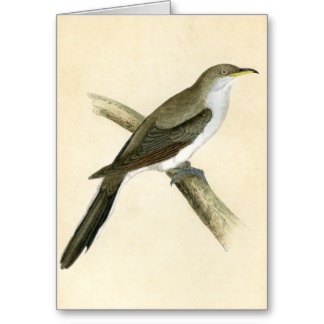
    The U.S. Fish and Wildlife Service proposed Endangered Species Act protection today for the yellow-billed cuckoo (Coccyzus americanus), following a 2011 agreement with the Center for Biological Diversity to speed protection decisions for 757 imperiled species nationwide. “The decline of the cuckoo across the West is a symbol of the tragic decline of our rivers,” said Noah Greenwald, the Center’s endangered species director. “With just a little more care, we can restore those rivers — not just for cuckoos and hundreds of other animals and plants, but for people too.” Once common from the shores of Lake Washington in Seattle to the mouth of the Colorado River, today it can be found in only a handful of locations: portions of the Sacramento and Kern Rivers in California, the Colorado, Verde and San Pedro rivers in Arizona, the Gila and Rio Grande rivers in New Mexico and scattered locations in Colorado, Nevada and Utah. “The petition to protect yellow-billed cuckoos was the first I ever worked on, back in 1998,” said Greenwald. “I had no idea then that getting protection for this severely imperiled songbird would take 15 years, but I’m glad it finally has a great chance of recovering.”

    The U.S. Fish and Wildlife Service proposed Endangered Species Act protection today for the yellow-billed cuckoo (Coccyzus americanus), following a 2011 agreement with the Center for Biological Diversity to speed protection decisions for 757 imperiled species nationwide. “The decline of the cuckoo across the West is a symbol of the tragic decline of our rivers,” said Noah Greenwald, the Center’s endangered species director. “With just a little more care, we can restore those rivers — not just for cuckoos and hundreds of other animals and plants, but for people too.” Once common from the shores of Lake Washington in Seattle to the mouth of the Colorado River, today it can be found in only a handful of locations: portions of the Sacramento and Kern Rivers in California, the Colorado, Verde and San Pedro rivers in Arizona, the Gila and Rio Grande rivers in New Mexico and scattered locations in Colorado, Nevada and Utah. “The petition to protect yellow-billed cuckoos was the first I ever worked on, back in 1998,” said Greenwald. “I had no idea then that getting protection for this severely imperiled songbird would take 15 years, but I’m glad it finally has a great chance of recovering.”

    Source: KRWG TV/FM, October 2, 2013
    http://krwg.org/post/yellow-billed-cuckoo-proposed-protection-west

  • Exclusive Scottish Highland beach fly threatened

    Exclusive Scottish Highland beach fly threatened

    A FLY which has apparently never ventured beyond a tiny strip of an east Highland beach could be facing extinction, scientists warn. Fonseca’s seed fly is on the nation’s Biodiversity Action Plan but a paper by Scottish Natural Heritage (SNH) highlights just how limited the insect’s world is thought to be. Experts believe the fly, Botanophila fonsecai, is restricted to a 328-feet long strip of land on the north shore of the Dornoch Firth. The population is small and is subject to environmental changes, while its beach habitat is frequently being trampled by humans taking part in recreational activities on the beach. “Consequently, B. fonsecai is particularly susceptible to extinction,” SNH scientists say.

    A FLY which has apparently never ventured beyond a tiny strip of an east Highland beach could be facing extinction, scientists warn. Fonseca’s seed fly is on the nation’s Biodiversity Action Plan but a paper by Scottish Natural Heritage (SNH) highlights just how limited the insect’s world is thought to be. Experts believe the fly, Botanophila fonsecai, is restricted to a 328-feet long strip of land on the north shore of the Dornoch Firth. The population is small and is subject to environmental changes, while its beach habitat is frequently being trampled by humans taking part in recreational activities on the beach. “Consequently, B. fonsecai is particularly susceptible to extinction,” SNH scientists say.

    In 2010 Botanophila fonsecai was found at four sites: Dornoch Point, Dornoch Sands, Dornoch north dunes and Embo dunes.

    Compared to collection data from the 1970s and 1980s, populations were low, which could be interpreted as decline, a missed peak of activity or normal population variability.

    No host plants could be found. But, four specimens seemed to be associated with bare sand in lyme grass.

    While it has never been found elsewhere, SNH thinks there are expanses of dunes on the east and north coast of Scotland that may harbour the species.

    These include: other beach sites on the east of Sutherland; from Keiss Links north of Wick along the north coast to Durness; along the Moray Firth coast including Culbin Dunes, Whiteness Head and Findhorn; the dunes from Lossiemouth to Aberdeen and Aberdeen southwards.

    Source: Herald Scotland, 26 September 2013
    http://www.heraldscotland.com/news/environment/exclusive-highland-beach-fly-threatened.22245257