Auteur: Henk Tennekes

  • Poisonous pesticides misappropriated by tyrannical governments

    Poisonous pesticides misappropriated by tyrannical governments

    In the closing years of the nineteenth century German scientists sought for the ‘silver bullet’ – an elixir to relieve all aches and pains. Their discovery of an opium derivative appeared to be just that – a ‘heroic’ medicine. So they christen it ‘heroin.’ Half-a-century later Germany researchers were once again attempting to dscover a substitute for the nicotine insecticides then in short supply. In 1938 four scientists at IG Farben in Wuppertal-Elberfeld created just such a stronger pesticide. It was named in honour of its discoverers Schrader, Ambros, Rüdiger and Van der Linde: sarin. Sixty-five years later, sarin was used as a chemical weapon by the Bashar al-Assad’s Syrian regime to kill more than 1,400 people on 21 August, incurring the world’s wrath. Sarin is an organophosphate, a group of highly successful and widely used chemicals used for control of a broad spectrum of crop insect and arachnid pests. They include such popular preparations as malathion, diazinon and chlorpyrifos (Dursban®), dimethoate (Cygon®) and dichlorvos (Vapona®) all widely distributed for home use at least until recently. Most are still available for agricultural and forestry use, accompanied by an alarming number of other organophosphates, many of whose tongue-twisting names conceal their lethal nature.

    In the closing years of the nineteenth century German scientists sought for the ‘silver bullet’ – an elixir to relieve all aches and pains. Their discovery of an opium derivative appeared to be just that – a ‘heroic’ medicine. So they christen it ‘heroin.’ Half-a-century later Germany researchers were once again attempting to dscover a substitute for the nicotine insecticides then in short supply. In 1938 four scientists at IG Farben in Wuppertal-Elberfeld created just such a stronger pesticide. It was named in honour of its discoverers Schrader, Ambros, Rüdiger and Van der Linde: sarin. Sixty-five years later, sarin was used as a chemical weapon by the Bashar al-Assad’s Syrian regime to kill more than 1,400 people on 21 August, incurring the world’s wrath. Sarin is an organophosphate, a group of highly successful and widely used chemicals used for control of a broad spectrum of crop insect and arachnid pests. They include such popular preparations as malathion, diazinon and chlorpyrifos (Dursban®), dimethoate (Cygon®) and dichlorvos (Vapona®) all widely distributed for home use at least until recently. Most are still available for agricultural and forestry use, accompanied by an alarming number of other organophosphates, many of whose tongue-twisting names conceal their lethal nature.

    Exactly how poisonous are these pesticides? Researchers measure the amount required to kill half a number of test rats as expressed in micrograms of pesticide per kilogram of the rat’s weight either orally or dermal. Such is known as the ‘lethal dose 50%’ or LD50. The lower such LD50 then, the more hazardous is the chemical.

    In years past, a spring rite was to paint the trunks of paper birch with dimethoate (Cygon®), which, when absorbed into the tree, eliminated birch leafminer. However, the dermal LD50 of Dimethoate (Cygon®) measures just 150. By comparison, another still popular organophosphate, Malathion, comes in with a dermal LD50 of 4000.

    No LD50 appears to have been published for sarin but the clear, colourless, and tasteless organophosphorus compound that has no odour and is heavier than air has been said by the World Health Organization WHO) to be 26 times more deadly than cyanide gas.

    Sarin is made by mixing commercially available sodium fluoride with dimethyl-methylphosphate, phosphorus, alcohol, carbon, hydrogen and oxygen in the right amounts and in the right sequence, according to the Federation of American Scientists, which warns that “it is somewhat complicated and dangerous to produce.” It adds, “It is debatable how easy it is for the layperson to synthesize sarin.”

    Notwithstanding this, in 1994 the Japanese sect Aum Shinnikyo released impure sarin from the back of a truck driven around a residential complex in Matsumoto, Nagano Prefecture, killing eight and injuring over 200. Unsatisfied with this, in March of the following year, they tried again releasing sarin into the Tokyo Metro, causing 13 deaths and 6000 injuries.

    In the hands of tyrants who have a disdain for their subjects’ lives, the result can be even more spectacular. When Saddam Hussein ordered sarin to be released in March 1988 at Halabja in northern Iraq, it caused an estimated 5,000 deaths.

    Although Saddam was later executed, the world was hardly stirred to the same extent as it was with the 21 August of this year’s Damascus killing of 1,429, including 426 children. Syria now appears to be joining almost every other nation in joining international agreement prohibiting chemical weapons such as sarin. Two of the holdouts are Israel and Egypt . . .

    It has been said that a gun can point two ways. Similarly was the discovery by IG Farben researchers in 1938. It has been argued that without the inclusion of such pesticides the ‘Green Revolution’ that allowed for vastly increased food production to secure the growing world population in the latter half of the past century. Today we face with growing understanding the risks posed by such apparent advances to the environment and human health – and to entire populations when misappropriated by tyrannical governments.

    Source: Canada Free Press, October 26, 2013
    http://canadafreepress.com/index.php/article/58830
  • Early-life exposure to the herbicide atrazine makes frogs more susceptible to death from chytrid fungal disease

    Early-life exposure to the herbicide atrazine makes frogs more susceptible to death from chytrid fungal disease

    Early-life exposure to the herbicide atrazine makes frogs more susceptible to death from chytrid (Batrachochytrium dendrobatidis), a fungal disease implicated in amphibian declines across the globe. The research, Early-life exposure to a herbicide has enduring effects on pathogen-induced mortality, published in the Proceedings of the Royal Society B and led by University of South Florida (USF) biologist Jason Rohr, Ph.D, provides critical information for scientists hoping to stem the global demise of amphibian populations. “Understanding how stressors cause enduring health effects is important because these stressors might then be avoided or mitigated during formative developmental stages to prevent lasting increases in disease susceptibility,” Dr. Rohr explains.

    Early-life exposure to the herbicide atrazine makes frogs more susceptible to death from chytrid (Batrachochytrium dendrobatidis), a fungal disease implicated in amphibian declines across the globe. The research, Early-life exposure to a herbicide has enduring effects on pathogen-induced mortality, published in the Proceedings of the Royal Society B and led by University of South Florida (USF) biologist Jason Rohr, Ph.D, provides critical information for scientists hoping to stem the global demise of amphibian populations. “Understanding how stressors cause enduring health effects is important because these stressors might then be avoided or mitigated during formative developmental stages to prevent lasting increases in disease susceptibility,” Dr. Rohr explains.

    Researchers exposed tadpoles to atrazine at levels found in the environment for a period of six days during the animal’s development, in combination with exposure to chytrid fungus (linked to worldwide amphibian decline), resulted in increased mortality 46 days later. According to the study, “[E]arly-life exposure to atrazine altered growth and development, which resulted in exposure to chytrid at more susceptible developmental stages and sizes, and reduced tolerance of infection, elevating mortality risk at an equivalent fungal burden to frogs unexposed to atrazine. Moreover, there was no evidence of recovery from atrazine exposure.”

    “These findings are important because they suggest that amphibians might need to be exposed only to atrazine briefly as larvae for atrazine to cause persistent increases in their risk of chytrid-induced mortality,” said Dr. Rohr. “Our findings suggest that reducing early-life exposure of amphibians to atrazine could reduce lasting increases in the risk of mortality from a disease associated with worldwide amphibian declines.”

    This research is the latest linking global species declines to pesticide-induced stress. In fact, there are many striking similarities between this research and studies on the decline of pollinator populations. Recent studies linking neonicotinoid pesticides to honey bee declines also put an emphasis on the impacts these chemicals have on immune system functioning. One study published in the journal Proceedings of the National Academy of Sciences, Neonicotinoid clothianidin adversely affects insect immunity and promotes replication of a viral pathogen in honey bees, shows that exposure to neonicotinoid pesticides results in increased levels of a particular protein in bees that inhibit a key molecule involved in immune response, making the insects more susceptible to attack by harmful viruses. A study entitled Chronic sublethal stress causes bee colony failure, published in the journal Ecology Letters, found that low-level exposure to the pesticide imidacloprid at levels bees encounter in the field causes subtle impacts on individual bees that eventually cause colonies to collapse.

    Although atrazine alone did not result in higher frog mortality rates, earlier findings from Dr. Rohr consistently show the potential for the chemical to negatively affect frog biology by affecting their growth and immune and endocrine systems. A number of studies conducted by Tyrone Hayes, Ph.D., of the University of California Berkeley reveal that even minute doses of atrazine can induce hermaphroditism in male frogs, in effect “chemically castrating” the population. As discussed in Dr. Hayes’ article in Pesticides and You titled Protecting Life: From Research to Regulation, adapted from his speech at Beyond Pesticides’ 31st National Pesticide Forum, this “chemical castration” is not limited to amphibians, but has been repeated in fish, reptiles, birds, and mammals by other researchers studying atrazine. However, Dr. Hayes’ important work is at risk due to government cutbacks, industry attacks, and exceedingly high fees from the UC Berkeley’s Office of Laboratory Animal Care. In response, Beyond Pesticides has established The Fund for Independent Science to support Dr. Hayes’ work. Donations can be pledged to help raise the funds necessary to keep this critical research going forward.

    Apart from atrazine, a number of other agricultural chemicals adversely impact frog populations. A 2012 study entitled New effects of Roundup on amphibians: Predators reduce herbicide mortality; herbicides induce antipredator morphology by Rick Relyea, PhD reveals that the widely used herbicide Roundup causes stress that results in the same morphological changes in frogs that would occur if the frog were exposed to a predator. Research published earlier this year, Terrestrial pesticide exposure of amphibians: An underestimated cause of global decline?, shows that the commonly used fungicide Headline (pyraclostrobin) and Captan Omya (captan) caused 100% mortality in the frogs tested when the products were applied at rates recommended by the label. Researcher Carsten Brühl, Ph.D. at the University of Koblenz-Landau in Germany calls the results “alarming” with the potential for “large-scale effects” on amphibians.

    In his talk, Dr. Hayes explains, “If I didn’t have the lab data and the field data, you would never guess why these frog populations were disappearing. You would think it was disease. But in fact, pesticides and other stressors are playing an incredible role in terms of determining how susceptible the animals are to disease… Over 70% of all amphibian species are in decline. This is a group of animals that have been around since the days of the dinosaurs and we are losing species now faster than the dinosaurs disappeared from earth. This sixth mass extinction will be the first time that a mass extinction on earth will be caused by a single species.”

    Dr. Rohr emphasizes prevention as an important way to interpret the results of this research and moderate amphibian declines. “Identifying which, when, and how stressors cause enduring effects on disease risk could facilitate disease prevention in wildlife and humans, an approach that is often more cost-effective and efficient than reactive medicine,” Dr. Rohr said.

    Organic agriculture can play a role in reducing and eventually eliminating the load of synthetic pesticides in our environment, which, as evidenced, result in cascading complications to natural ecosystems and numerous externalities unable to be accounted for through the risk assessment process employed by the U.S. Environmental Protection Agency and other regulatory bodies. Support a healthy future for the planet and yourself by purchasing organic products whenever possible. For more information on amphibian declines and how to contribute to Dr. Hayes important work, see The Fund for Independent Science. See Beyond Pesticides’ program page for additional information on the benefits of organic agriculture.

    All unattributed positions and opinions in this piece are those of Beyond Pesticides.

    Sources: Science Daily, http://www.beyondpesticides.org, eNews Park Forest, 29 Oct 2013
    http://www.enewspf.com/latest-news/science/science-a-environmental/47433-exposure-to-atrazine-in-combination-with-fungus-increases-mortality-of-frogs.html

  • A transition to pollinator-friendly alternatives to neonicotinoids is urgently needed

    A transition to pollinator-friendly alternatives to neonicotinoids is urgently needed

    In less than 20 years, neonicotinoids have become the most widely used class of insecticides with a global market share of more than 25%. For pollinators, this has transformed the agrochemical landscape. These chemicals mimic the acetylcholine neurotransmitter and are highly neurotoxic to insects. Their systemic mode of action inside plants means phloemic and xylemic transport that results in translocation to pollen and nectar. Their wide application, persistence in soil and water and potential for uptake by succeeding crops and wild plants make neonicotinoids bioavailable to pollinators at sublethal concentrations for most of the year. This results in the frequent presence of neonicotinoids in honeybee hives. At field realistic doses, neonicotinoids cause a wide range of adverse sublethal effects in honeybee and bumblebee colonies, affecting colony performance through impairment of foraging success, brood and larval development, memory and learning, damage to the central nervous system, susceptibility to diseases, hive hygiene etc. Neonicotinoids exhibit a toxicity that can be amplified by various other agrochemicals and they synergistically reinforce infectious agents such as Nosema ceranae which together can produce colony collapse. The limited available data suggest that they are likely to exhibit similar toxicity to virtually all other wild insect pollinators. The worldwide production of neonicotinoids is still increasing. Therefore a transition to pollinator-friendly alternatives to neonicotinoids is urgently needed for the sake of the sustainability of pollinator ecosystem services.

    In less than 20 years, neonicotinoids have become the most widely used class of insecticides with a global market share of more than 25%. For pollinators, this has transformed the agrochemical landscape. These chemicals mimic the acetylcholine neurotransmitter and are highly neurotoxic to insects. Their systemic mode of action inside plants means phloemic and xylemic transport that results in translocation to pollen and nectar. Their wide application, persistence in soil and water and potential for uptake by succeeding crops and wild plants make neonicotinoids bioavailable to pollinators at sublethal concentrations for most of the year. This results in the frequent presence of neonicotinoids in honeybee hives. At field realistic doses, neonicotinoids cause a wide range of adverse sublethal effects in honeybee and bumblebee colonies, affecting colony performance through impairment of foraging success, brood and larval development, memory and learning, damage to the central nervous system, susceptibility to diseases, hive hygiene etc. Neonicotinoids exhibit a toxicity that can be amplified by various other agrochemicals and they synergistically reinforce infectious agents such as Nosema ceranae which together can produce colony collapse. The limited available data suggest that they are likely to exhibit similar toxicity to virtually all other wild insect pollinators. The worldwide production of neonicotinoids is still increasing. Therefore a transition to pollinator-friendly alternatives to neonicotinoids is urgently needed for the sake of the sustainability of pollinator ecosystem services.

    Source: Van der Sluijs JP et al. Current Opinion in Environmental Sustainability 2013, 5:293–305

  • In Argentinien leiden Menschen unter dem massiven und illegalen Einsatz von Pestiziden

    In Argentinien leiden Menschen unter dem massiven und illegalen Einsatz von Pestiziden

    Sie kommen mit körperlichen Defekten zur Welt oder erkranken überdurchschnittlich oft an Krebs: In Argentinien leiden Menschen unter dem massiven und illegalen Einsatz von Pestiziden. Das Gift trägt wesentlich zum wirtschaftlichen Erfolg des Landes durch Soja-Produktion bei. Mithilfe moderner Biotechnologie ist Argentinien zum weltweit drittgrößten Soja-Hersteller aufgestiegen. Der massive Einsatz chemischer Mittel hat an diesem Erfolg großen Anteil. Doch die giftigen Stoffe werden teilweise direkt neben Wohnhäusern und Schulen ausgebracht und kontaminieren das Trinkwasser. Wissenschaftler und Ärzte warnen vor der unkontrollierten Nutzung der Chemikalien: Sie glauben, dass aus diesem Grund immer mehr Menschen in Argentinien erkranken.

    Sie kommen mit körperlichen Defekten zur Welt oder erkranken überdurchschnittlich oft an Krebs: In Argentinien leiden Menschen unter dem massiven und illegalen Einsatz von Pestiziden. Das Gift trägt wesentlich zum wirtschaftlichen Erfolg des Landes durch Soja-Produktion bei. Mithilfe moderner Biotechnologie ist Argentinien zum weltweit drittgrößten Soja-Hersteller aufgestiegen. Der massive Einsatz chemischer Mittel hat an diesem Erfolg großen Anteil. Doch die giftigen Stoffe werden teilweise direkt neben Wohnhäusern und Schulen ausgebracht und kontaminieren das Trinkwasser. Wissenschaftler und Ärzte warnen vor der unkontrollierten Nutzung der Chemikalien: Sie glauben, dass aus diesem Grund immer mehr Menschen in Argentinien erkranken.

    Direkt neben einer Schule in der Provinz Entre Ríos würden sogar während des Unterrichts illegal Pestizide gesprüht, beklagen Lehrer. Sie berichten, dass die Farmarbeiter die gesetzlich festgelegte Grenze von 50 Meter Abstand zu mehreren Schulen nicht einhielten. Fünf Lehrer haben deswegen Klage eingereicht. Die Provinz Santa Fe ist eines der größten Sojaanbaugebiete in Argentinien. Umfragen unter 65.000 Bewohnern haben gezeigt, dass die Krebsraten dort zwei- bis viermal höher ausfallen als im nationalen Durchschnitt. Auch Schilddrüsenunterfunktion und chronische Atembeschwerden kommen überdurchschnittlich häufig vor.
    Fabian Tomasi, 47, ist ein ehemaliger Farmarbeiter. Er befüllte die Tanks von Sprühflugzeugen, die Chemikalien über die Felder verteilen. Man habe ihm nie fachgerecht gezeigt, wie er mit Pestiziden umgehen muss: “Ich habe mit Millionen Litern Gift gearbeitet – ohne Handschuhe, Schutzmaske oder irgendeine andere Spezialkleidung. Ich wusste nicht, welche Konsequenzen das hat, bis ich später mit Wissenschaftlern geredet habe”, sagt Tomasi. Heute leidet er an einer Nervenkrankheit.
    Camila Veron ist zwei Jahre alt. Das Mädchen wurde mit fehlerhaften Organen geboren und ist schwer behindert. Ärzte vermuten, dass Agrochemikalien dafür verantwortlich sein könnten. “Sie sagten mir, es sei möglicherweise das Trinkwasser gewesen, denn sie sprühen in der Region viele Pestizide”, sagt die Mutter, Silvia Achaval. Für die Ärzte ist es schwer, Erkrankungen wie Krebs oder Behinderungen auf spezifische Chemikalien zurückzuführen. Sie fordern, dass die Regierung Ermittlungen einleitet.
    Der Körper von Aixa Cano, 5, ist von behaarten Muttermalen bedeckt. Ihre Ärzte können sich den Defekt nicht erklären, gehen aber davon aus, dass auch Aixa in Kontakt mit Pestiziden gekommen ist. Sie stammt, wie Camila, aus der Provinz Chaco. Seit dort Chemikalien eingesetzt werden, kommen in Chaco viermal mehr Kinder mit Geburtsfehlern zur Welt.
    Gegen die Macht der Landwirtschaft wehren sich Menschen wie Oscar Alfredo Di Vincensi. Er ist aus Protest gegen den massiven Einsatz von Chemikalien in Hungerstreik getreten und fordert, dass die Pestizide nur in einer Entfernung von einem Kilometer zu Wohnhäusern gesprüht werden dürfen. Um auf diese Distanz aufmerksam zu machen, stellte er sich mit einem Absperrbanner in ein Feld – und wurde von einem Traktor mit Pestiziden besprüht.
    Auch Sofia Gatica protestiert. Sie blockierte im September gemeinsam mit anderen Demonstranten Lastwagen des amerikanischen Saatgutherstellers Monsanto in Malvinas Argeninas in der Provinz Córdoba. Dort plant der US-Konzern seine größte Fabrik in Lateinamerika. Vor 17 Jahren versprach das Unternehmen steigende Gewinne. Seitdem hat sich genmanipuliertes Soja, Getreide und Baumwolle in Argentinien stark ausgebreitet, der Einsatz von Pestiziden hat sich verachtfacht.

    Sofia Gatica ist auch persönlich betroffen. Nachdem ihr Neugeborenes an Nierenversagen starb, wehrte sie sich mit rechtlichen Mitteln. Ihr Klage führte zur ersten Verurteilung wegen illegalem Einsatzes von Pestiziden in Argentinien.
    Ein Schild in Malvinas Argentinas wendet sich an Präsidentin Cristina Fernández de Kirchner und Provinz-Gouverneur José Manuel de la Sota: “Stoppt die Ausbeutung und die Kontamination! Monsanto raus aus Córdoba und Argentinien!”

    Quelle: Süddeutsche Zeitung, 24.10.2013
    http://www.sueddeutsche.de/

  • Italiaanse onderzoekers tonen aan hoe neonicotinoïden de immuunrespons van bijen kunnen aantasten

    Italiaanse onderzoekers tonen aan hoe neonicotinoïden de immuunrespons van bijen kunnen aantasten

    Italiaanse onderzoekers denken te weten hoe neonicotinoïden precies de immuunrespons van bijen aantasten. De resulterende overgevoeligheid voor virussen zou het tikje kunnen zijn dat een toch al verzwakt bijenvolk de das omdoet, zo valt op te maken uit een publicatie in PNAS. Dat laatste lijkt te worden bevestigd door een publicatie in Ecology Letters die laat zien dat een op zich niet dodelijke, maar wel chronische blootstelling aan deze omstreden landbouwgiffen een bijenvolk kán laten uitsterven – als het pech heeft. Volgens de Italianen heeft het allemaal te maken met een tot nu toe onbekend eiwit dat NF-kB onderdrukt, een eiwitcomplex dat op zijn beurt de immuunrespons aanstuurt. Minstens twee neonicotinoïden, om precies te zijn clothianidin en imidacloprid, blijken de expressie te stimuleren van het gen dat codeert voor dat onbekende eiwit – hoe precies is overigens nog niet duidelijk. Daardoor vermindert de immuunrespons, en stijgt de kans dat virussen die respons overleven en individuele bijen doodgaan of op zijn minst worden verzwakt.

    Italiaanse onderzoekers denken te weten hoe neonicotinoïden precies de immuunrespons van bijen aantasten. De resulterende overgevoeligheid voor virussen zou het tikje kunnen zijn dat een toch al verzwakt bijenvolk de das omdoet, zo valt op te maken uit een publicatie in PNAS. Dat laatste lijkt te worden bevestigd door een publicatie in Ecology Letters die laat zien dat een op zich niet dodelijke, maar wel chronische blootstelling aan deze omstreden landbouwgiffen een bijenvolk kán laten uitsterven – als het pech heeft. Volgens de Italianen heeft het allemaal te maken met een tot nu toe onbekend eiwit dat NF-kB onderdrukt, een eiwitcomplex dat op zijn beurt de immuunrespons aanstuurt. Minstens twee neonicotinoïden, om precies te zijn clothianidin en imidacloprid, blijken de expressie te stimuleren van het gen dat codeert voor dat onbekende eiwit – hoe precies is overigens nog niet duidelijk. Daardoor vermindert de immuunrespons, en stijgt de kans dat virussen die respons overleven en individuele bijen doodgaan of op zijn minst worden verzwakt.

    Dat het bij zoogdieren zo werkt was al langer bekend, dat het bij bijen ook zo gaat is nieuw.

    Dat daardoor ook een hele bijenkolonie kan uitsterven, is volgens onderzoekers van de Royal Holloway University of London. In Ecology Letters maken de Britten met een combinatie van computermodellen en empirische gegevens aannemelijk dat bij bijenvolken sprake is van een kritisch stressniveau. Zolang je daar ruim onder blijft, compenseert de aanwas van nieuwe bijen de uitval als gevolg van virusinfecties en andere ziektes. Zit je er boven, dan klapt uiteindelijk de hele kolonie in elkaar. En zit je ongeveer óp dat kritische niveau, dan is het een kwestie van statistiek of de kolonie overleeft of niet.

    Bron: C2W, 23-10-2013
    http://www.c2w.nl/landbouwgif-geeft-bijen-laatste-zetje.347572.lynkx

  • Zorgen om de biodiversiteit van Hoeksche Waards Landschap

    Zorgen om de biodiversiteit van Hoeksche Waards Landschap

    ‘Natuurlijke berm geeft energie’ is de titel van het rapport, dat de werkgroep C-factor van Hoeksche Waards Landschap (HWL) heeft samengesteld vanuit de zorg dat steeds meer bloemrijk grasland verdwijnt. Het gevolg is niet alleen een minder mooi aanzien, maar het betekent vooral een verlies van biodiversiteit. Doelstelling van de werkgroep is een biodiversiteit gericht beheer van de groenblauwe dooradering en een bijdrage leveren aan de nuttige toepassing van koolstof die is vastgelegd in het plantenmateriaal. In de Hoeksche Waard wordt 224 hectare aan dijktaluds en bermen door HWL ecologisch beheerd. Het totaal aantal hectares zonder productie functie is meer dan duizend. Er is een enorme winst te behalen als het op biodiversiteit gerichte beheer fors wordt uitgebreid. Het rapport is op te vragen via milieu@hwl.nl en binnenkort af te halen in Klein Profijt (Oud-Beijerland) en het Nationaal landschap centrum (NLC) (Numansdorp).

    ‘Natuurlijke berm geeft energie’ is de titel van het rapport, dat de werkgroep C-factor van Hoeksche Waards Landschap (HWL) heeft samengesteld vanuit de zorg dat steeds meer bloemrijk grasland verdwijnt. Het gevolg is niet alleen een minder mooi aanzien, maar het betekent vooral een verlies van biodiversiteit. Doelstelling van de werkgroep is een biodiversiteit gericht beheer van de groenblauwe dooradering en een bijdrage leveren aan de nuttige toepassing van koolstof die is vastgelegd in het plantenmateriaal. In de Hoeksche Waard wordt 224 hectare aan dijktaluds en bermen door HWL ecologisch beheerd. Het totaal aantal hectares zonder productie functie is meer dan duizend. Er is een enorme winst te behalen als het op biodiversiteit gerichte beheer fors wordt uitgebreid. Het rapport is op te vragen via milieu@hwl.nl en binnenkort af te halen in Klein Profijt (Oud-Beijerland) en het Nationaal landschap centrum (NLC) (Numansdorp).

    Bron: De Weekkrant, 23-10-2013
    http://www.deweekkrant.nl/artikel/2013/oktober/23/zorgen_over_biodiversiteit_in_rapport_van_hwl

  • Neonicotinoids make some ants suicidally aggressive

    Neonicotinoids make some ants suicidally aggressive

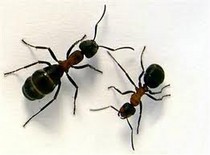
    New Zealand is facing an invasion of Argentine ants (Linepithema humile), which compete with native southern ants (Monomorium antarcticum). The insects often meet in urban or agricultural areas, where neonicotinoids are in use. So ecologist Rafael Barbieri, a graduate student in the lab of Philip Lester at Victoria University of Wellington, wondered whether the behavioural changes that have been associated with sublethal neonicotinoid exposure in other insects affect how the two species interact. “Any changes in behaviour could potentially affect the structure of the entire community,” he says. As the team describes in Proceedings of the Royal Society B1, Barbieri exposed the ants to extremely low doses of a common neonicotinoid and examined how the insecticide affected each species’ behaviour. He did not observe an effect on the foraging behaviour or survivability of either species in isolation, although they did cut the brood size of the invasive Argentine ant in half. But it was when the two species met that the real effects were seen. When the southern ant was exposed to the potent neurotoxins, it became much less aggressive towards the invader. This increased the survival odds of the Argentine ant, and could help it to spread. However, when invasive ants were exposed to the insecticides, they became much more aggressive towards unexposed Southern ants — so aggressive, in fact, that they risked their own lives to attack. As a result, unexposed natives were able to completely eradicate their exposed rivals.

    New Zealand is facing an invasion of Argentine ants (Linepithema humile), which compete with native southern ants (Monomorium antarcticum). The insects often meet in urban or agricultural areas, where neonicotinoids are in use. So ecologist Rafael Barbieri, a graduate student in the lab of Philip Lester at Victoria University of Wellington, wondered whether the behavioural changes that have been associated with sublethal neonicotinoid exposure in other insects affect how the two species interact. “Any changes in behaviour could potentially affect the structure of the entire community,” he says. As the team describes in Proceedings of the Royal Society B1, Barbieri exposed the ants to extremely low doses of a common neonicotinoid and examined how the insecticide affected each species’ behaviour. He did not observe an effect on the foraging behaviour or survivability of either species in isolation, although they did cut the brood size of the invasive Argentine ant in half. But it was when the two species met that the real effects were seen. When the southern ant was exposed to the potent neurotoxins, it became much less aggressive towards the invader. This increased the survival odds of the Argentine ant, and could help it to spread. However, when invasive ants were exposed to the insecticides, they became much more aggressive towards unexposed Southern ants — so aggressive, in fact, that they risked their own lives to attack. As a result, unexposed natives were able to completely eradicate their exposed rivals.

    The mixed results make it difficult to predict whether, and how, neonicotinoids will exacerbate the invasion of Argentine ants, says Scott Black, executive director of the Xerces Society for Invertebrate Conservation in Portland, Oregon. But it is another example of how low levels of these insecticides can change behaviour in many different kinds of insects. “It adds to the growing body of literature that raises concerns over the expanding overuse of these insecticides,” says Black. “We need to find where and how they can be safely used.”

    Barbieri agrees that the biggest problem with neonicotinoids, and indeed any pesticides, is what he calls “reckless use”. But he suggests that the chemicals could be used to counter the Argentine ant invasion. Because they reduced the invaders’ brood size, and made the invaders less likely to survive against unexposed natives, a judicious use of neonicotinoids could be an effective way of controlling the spread of the Argentine ant. “There’s no doubt that neonicotinoids are fantastic to control insect pests,” says Barbieri. “But we should be more careful in the way we use them in nature.”

    Source: Nature, 23 October 2013
    http://www.nature.com/news/pesticide-makes-invading-ants-suicidally-aggressive-1.14003

  • More than 100 butterfly species extinct in Singapore

    More than 100 butterfly species extinct in Singapore

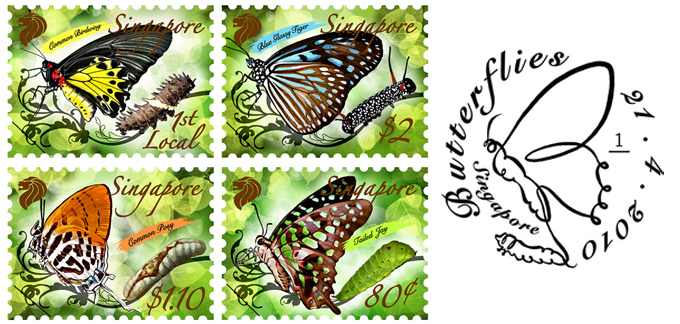
    Butterflies in Singapore have decreased in both number and variety since the 1980s. Excluding new butterfly species, some 117 are now believed to be extinct; there have been no reliable observations of them for at least the past two decades. A comparison with past recorded checklists shows there are now 306 species, down from 386 in the 1950s to 1980s. Citing these figures, butterfly expert Khew Sin Khoon, who is also an honorary research affiliate at the Raffles Museum of Biodiversity Research, said the trend was mainly due to the loss of habitats. “Butterflies are tightly correlated with plants, and as Singapore developed, the habitats that they prefer may have been destroyed… Some of the caterpillar host plants may have (also) gone extinct,” he said. It is not known when the sharpest decline in the number of butterfly species took place but Mr Khew said the peak of development occurred in the 1970s and 1980s when tracts of land were cleared to make way for new homes. Ecologist Anuj Jain, 29, said that over the years, developments around forests have resulted in what he calls “fragmented forests”. “If the forest is big, you have a bigger interior but if you have smaller forests, it means there are more areas for light exposure,” said Mr Anuj, who heads the Butterfly Interest Group at Nature Society of Singapore (NSS). “Although some species are adaptable to light conditions, most butterflies like to hide in darker areas.”More recently, the increased fumigation in residential areas is also threatening butterflies and caterpillars, said Mr Khew.

    Butterflies in Singapore have decreased in both number and variety since the 1980s. Excluding new butterfly species, some 117 are now believed to be extinct; there have been no reliable observations of them for at least the past two decades. A comparison with past recorded checklists shows there are now 306 species, down from 386 in the 1950s to 1980s. Citing these figures, butterfly expert Khew Sin Khoon, who is also an honorary research affiliate at the Raffles Museum of Biodiversity Research, said the trend was mainly due to the loss of habitats. “Butterflies are tightly correlated with plants, and as Singapore developed, the habitats that they prefer may have been destroyed… Some of the caterpillar host plants may have (also) gone extinct,” he said. It is not known when the sharpest decline in the number of butterfly species took place but Mr Khew said the peak of development occurred in the 1970s and 1980s when tracts of land were cleared to make way for new homes. Ecologist Anuj Jain, 29, said that over the years, developments around forests have resulted in what he calls “fragmented forests”. “If the forest is big, you have a bigger interior but if you have smaller forests, it means there are more areas for light exposure,” said Mr Anuj, who heads the Butterfly Interest Group at Nature Society of Singapore (NSS). “Although some species are adaptable to light conditions, most butterflies like to hide in darker areas.”More recently, the increased fumigation in residential areas is also threatening butterflies and caterpillars, said Mr Khew.

    A National Environment Agency spokesman, however, said that while fogging could have some impact on other non-target insect species, a pragmatic and balanced approach that prioritises human life in outbreak situations should be adopted. “Insecticide use should be reduced during non-epidemic periods in order to prevent the development of resistance and minimise the impact on other species,” he added.

    Source: Asia One, 22 October 2013
    http://news.asiaone.com/news/science-and-tech/more-100-butterfly-species-extinct-0

  • A new report has linked unregulated agrochemical use in Argentina to increased cancer rates, birth defects and other health problems there

    A new report has linked unregulated agrochemical use in Argentina to increased cancer rates, birth defects and other health problems there

    The Associated Press’ report described pesticide use near heavily populated areas, children being regularly exposed to harmful agrochemicals, the contamination of water supplies, and workers who were not properly trained to handle such pesticides. The AP report focused on regions in Argentina that produce soybeans, cotton and corn. According to the news agency, Argentina adopted the use of genetically modified organisms, GMOs, as well as agrochemicals from Monsanto Co., in 1996 and all of the country’s soy crops, with corn and cotton just behind, are genetically modified. Despite the claims from Monsanto that pesticide use would decrease with GMO crops, the new report indicates instead a dramatic increase, from nine million gallons used in 1990 to 84 million gallons in 2013. That number, per square acre, is more than double the pesticide use in the United States, reports AP.

    The Associated Press’ report described pesticide use near heavily populated areas, children being regularly exposed to harmful agrochemicals, the contamination of water supplies, and workers who were not properly trained to handle such pesticides. The AP report focused on regions in Argentina that produce soybeans, cotton and corn. According to the news agency, Argentina adopted the use of genetically modified organisms, GMOs, as well as agrochemicals from Monsanto Co., in 1996 and all of the country’s soy crops, with corn and cotton just behind, are genetically modified. Despite the claims from Monsanto that pesticide use would decrease with GMO crops, the new report indicates instead a dramatic increase, from nine million gallons used in 1990 to 84 million gallons in 2013. That number, per square acre, is more than double the pesticide use in the United States, reports AP.

    The biggest problem, and what led to the increased use in pesticides, is developed resistance. While production can be increased by using GMOs and resorting to a “no-till” method of farming, which does not disturb the top soil and reduces costs and time, pests develop a resistance to pesticides which leads to more spraying. As noted by AP, the main ingredient in Monsanto’s Roundup brand is Glyphosate, which is considered safe to the point the U.S. Environmental Protection Agency increased the safety threshold of glyphosate residue in food in May of this year.

    Despite warnings and regulations, pesticide misuse is rampant in Argentina and has led to many health problems, reports AP. According to the findings, “Cancer rates in provincial towns surrounded by soy farming are 2 to 4 times higher than the national average.” In the farming village of Avia Terai, 31% said a family member had cancer, compared with 3% in the ranching village of Charadai. They also documented children with malformed skulls, exposed spinal cords, blindness and deafness, neurological damage and strange skin problems. While it is not clear if birth defect rates featured such an increase across all provinces, one province (Chaco) did see a fourfold increase since 1996, when GMOs were first introduced. In Chaco, the nation’s poorest province, children became four times more likely to be born with devastating birth defects in the decade since biotechnology dramatically expanded industrial agriculture. Hospital records show birth defects quadrupled in Chaco, from 19.1 per 10 000 to 85.3 per 10 000, in the decade after genetically modified crops were approved. Monsanto spokesman Thomas Helscher notes the problem is not the chemicals but the misuse and was quoted as saying, “Monsanto takes the stewardship of products seriously and we communicate regularly with our customers regarding proper use of our products.”

    The AP’s report is just the latest in a series of negative developments affecting public and government policy on GMOs. As reported on Huffington Post, Mexico banned the use of genetically modified corn, while the controversial “Monsanto Protection Act” was defeated in the United States. In response to increased concern, Monsanto and DuPont launched a website about agrochemicals and GMOs. Scientists are also disseminating new information on the possible health risks associated with pesticides and genetically modified foods, and hoping to counter common misconceptions about the issue.
    Sources:
    International Business Times, 20 October 2013
    http://www.ibtimes.com/agrochemicals-linked-higher-cancer-birth-defect-rates-some-argentine-provinces-report-1433122
    Heath24, 21 October 2013
    http://www.health24.com/Lifestyle/Environmental-health/News/Argentines-link-health-problems-to-pesticides-20131021

  • The number of wild birds in the UK is still falling, despite efforts to protect them by changing farming practices

    The number of wild birds in the UK is still falling, despite efforts to protect them by changing farming practices

    Conservationists have urged the environment secretary, Owen Paterson, to use the money newly available from the EU’s common agricultural policy to step up protection measures. Since 2003, there has been a 13% decline in the population of farmland birds. In the five years to the end of 2012, the decline was 8% overall. The decline has slowed, according to the Wild Bird Indicator statistics released by the government on Thursday, and some species are in better health than they were in the 1970s when data began to be comprehensively collected. However, conservationists are concerned that the drop in numbers is continuing, with a halving of farmland bird numbers in the past 40 years. Woodland birds are down 17%.

    Conservationists have urged the environment secretary, Owen Paterson, to use the money newly available from the EU’s common agricultural policy to step up protection measures. Since 2003, there has been a 13% decline in the population of farmland birds. In the five years to the end of 2012, the decline was 8% overall. The decline has slowed, according to the Wild Bird Indicator statistics released by the government on Thursday, and some species are in better health than they were in the 1970s when data began to be comprehensively collected. However, conservationists are concerned that the drop in numbers is continuing, with a halving of farmland bird numbers in the past 40 years. Woodland birds are down 17%.

    Source: The Guardian, 17 October 2013
    http://www.theguardian.com/environment/2013/oct/17/wild-birds-uk-decline