Auteur: Henk Tennekes

  • De Waalse bijenhouders verloren 35 % van hun bijenvolken in 2012-2013

    De Waalse bijenhouders verloren 35 % van hun bijenvolken in 2012-2013

    De sterfte onder de bijen in Wallonië is met 6,6 % toegenomen in vergelijking met vorig jaar. Dat blijkt uit een nationale monitoringstudie die reeds gedurende tien jaar wordt uitgevoerd door Gembloux Agro-Bio Tech en BeeOdiversity, een onderneming die ijvert voor de instandhouding van de biodiversiteit en de bijen. De resultaten tonen dat de Waalse bijenhouders in 2012-2013 35 % van hun bijenkolonies hebben verloren.

    De sterfte onder de bijen in Wallonië is met 6,6 % toegenomen in vergelijking met vorig jaar. Dat blijkt uit een nationale monitoringstudie die reeds gedurende tien jaar wordt uitgevoerd door Gembloux Agro-Bio Tech en BeeOdiversity, een onderneming die ijvert voor de instandhouding van de biodiversiteit en de bijen. De resultaten tonen dat de Waalse bijenhouders in 2012-2013 35 % van hun bijenkolonies hebben verloren.

    Bron: Landbouwleven, 8 november 2013
    http://www.landbouwleven.be/artikels/waalse-bijenhouders-verloren-35-van-hun-bijenkolonies-2012-2013

  • De Houtduiven, Huismussen, Kauwen, Spreeuwen en Turkse Tortels hollen achteruit in de stad

    De Houtduiven, Huismussen, Kauwen, Spreeuwen en Turkse Tortels hollen achteruit in de stad

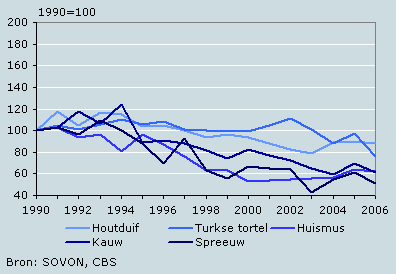
    Vandaag heeft het CBS Centraal Bureau voor de Statistiek een bericht doen verschijnen op hun site over de achteruitgang van het aantal stadsvogels. Steden zijn voor veel vogels van groot belang als leefgebied. Maar de negen vogelsoorten die in de tuinvogeltellingen van 2003 tot en met 2006 het meest voorkomen in de stad, nemen als geheel in aantal af. De trends van de afzonderlijke soorten vertonen echter duidelijke verschillen. Goed gaat het in de stad met de populaties van de Koolmees (Parus major), de Merel (Turdus merula), de Pimpelmees (Cyanistes caeruleus, vroeger Parus caeruleus) en de Vink (Fringilla coelebs). Hun aantallen nemen toe of blijven stabiel. Met andere vogelsoorten gaat het minder goed. Het aantal Houtduiven (Columba palumbus), Huismussen (Passer domesticus), Kauwen (Corvus monedula), Spreeuwen (Sturnus vulgaris) en Turkse Tortels (Streptopelia decaocto) in de stad neemt de laatste jaren af. Lees verder op: www.cbs.nl

    Vandaag heeft het CBS Centraal Bureau voor de Statistiek een bericht doen verschijnen op hun site over de achteruitgang van het aantal stadsvogels. Steden zijn voor veel vogels van groot belang als leefgebied. Maar de negen vogelsoorten die in de tuinvogeltellingen van 2003 tot en met 2006 het meest voorkomen in de stad, nemen als geheel in aantal af. De trends van de afzonderlijke soorten vertonen echter duidelijke verschillen. Goed gaat het in de stad met de populaties van de Koolmees (Parus major), de Merel (Turdus merula), de Pimpelmees (Cyanistes caeruleus, vroeger Parus caeruleus) en de Vink (Fringilla coelebs). Hun aantallen nemen toe of blijven stabiel. Met andere vogelsoorten gaat het minder goed. Het aantal Houtduiven (Columba palumbus), Huismussen (Passer domesticus), Kauwen (Corvus monedula), Spreeuwen (Sturnus vulgaris) en Turkse Tortels (Streptopelia decaocto) in de stad neemt de laatste jaren af. Lees verder op: www.cbs.nl

    Bron: Natuurbericht
    http://www.natuurbericht.nl/?id=12

  • Action en justice de BASF contre la restriction d’usage de l’insecticide Fipronil par la Commission

    Action en justice de BASF contre la restriction d’usage de l’insecticide Fipronil par la Commission

    Le groupe BASF annonce le mardi 5 novembre 2013 qu’il engage une action en justice auprès du tribunal de l’Union européenne contre la décision de la Commission de restreindre les principales utilisations de l’insecticide fipronil pour le traitement des semences dans l’UE. BASF reste convaincu que le déclin des populations d’abeilles est un phénomène complexe, d’origine multifactorielle, et que la restriction du fipronil ne permettra pas de l’endiguer. « Avant de prendre cette décision, nous avons dialogué avec la Commission européenne, mais malheureusement, les données pertinentes recueillies lors de nos études scientifiques n’ont pas été prises en compte », a déclaré Jürgen Oldeweme, senior vice-président en charge de la sécurité des produits et des affaires réglementaires de la division de la protection des plantes de BASF.

    Le groupe BASF annonce le mardi 5 novembre 2013 qu’il engage une action en justice auprès du tribunal de l’Union européenne contre la décision de la Commission de restreindre les principales utilisations de l’insecticide fipronil pour le traitement des semences dans l’UE. BASF reste convaincu que le déclin des populations d’abeilles est un phénomène complexe, d’origine multifactorielle, et que la restriction du fipronil ne permettra pas de l’endiguer. « Avant de prendre cette décision, nous avons dialogué avec la Commission européenne, mais malheureusement, les données pertinentes recueillies lors de nos études scientifiques n’ont pas été prises en compte », a déclaré Jürgen Oldeweme, senior vice-président en charge de la sécurité des produits et des affaires réglementaires de la division de la protection des plantes de BASF.

    BASF explique dans ce communiqué que l’entreprise « contribue activement à l’amélioration de la santé des abeilles en développant de nouveaux produits qui luttent contre les parasites, les pathogènes et les maladies. Le groupe soutient activement la mise sur le marché dans plusieurs pays européens d’un produit vétérinaire destiné à combattre le varroa, un acarien destructeur qui nuit à la santé des abeilles domestiques. »

    Read more at http://www.lafranceagricole.fr/actualite-agricole/fipronil-abeilles-action-en-justice-de-basf-contre-la-restriction-d-usage-de-l-insecticide-par-la-commission-79684.html#MJxfdRCGMgOHkVxS.99

  • Researchers link pesticides to infertility in women

    Researchers link pesticides to infertility in women

    Researchers at the Fred Hutchinson Cancer Research Center have discovered two pesticides they believe cause an increased risk of endometriosis, a condition that can lead to infertility in women. Endometriosis occurs when the tissue that lines the inside of the uterus grows outside of the organ and attaches to other structures or organs. The condition most often affects the ovaries, fallopian tubes and lining of the pelvic cavity. While it is not fatal, endometriosis can cause chronic pelvic pain, painful menstrual periods and infertility. The condition affects up to 10 percent of reproductive-age women.

    Researchers at the Fred Hutchinson Cancer Research Center have discovered two pesticides they believe cause an increased risk of endometriosis, a condition that can lead to infertility in women. Endometriosis occurs when the tissue that lines the inside of the uterus grows outside of the organ and attaches to other structures or organs. The condition most often affects the ovaries, fallopian tubes and lining of the pelvic cavity. While it is not fatal, endometriosis can cause chronic pelvic pain, painful menstrual periods and infertility. The condition affects up to 10 percent of reproductive-age women.

    “For many women, the symptoms of endometriosis can be chronic and debilitating, negatively affecting health-related quality of life, personal relationships and work productivity,” said Dr. Kristen Upson, a lead researcher at Fred Hutch.

    Unfortunately, Upson said experts don’t know why endometriosis develops in some women and not others, making it difficult to prevent. To learn more, a team of researchers at Fred Hutch conducted a study to discover what role environmental chemicals might play in a woman’s risk of developing the disease.

    Researchers looked at 248 women newly diagnosed with endometriosis and 538 women without the disease within Group Health Cooperative. They found women with higher exposures to two pesticides – beta-hexachlorocyclohexane and mirex – had a 30- to 70-percent increase in endometriosis risk.

    “Since endometriosis is an estrogen-driven condition, we were interested in investigating the role of environmental chemicals that have estrogenic properties, such as organochlorine pesticides, on the risk of the disease,” Upson said.

    Beta-hexachlorocyclohexane and mirex have both been banned in the United States for decades, Upson said. But, women are still exposed through diet, particularly meat, dairy and fish.

    “We found it interesting that despite organochlorine pesticides being restricted in use, these chemicals were detectable in the blood samples of women in our study and were associated with increased endometriosis risk,” Upson said. “The take-home message from our study is that persistent environmental chemicals, even those used in the past, may affect the health of the current generation of reproductive-age women with regard to a hormonally driven disease.”

    Pesticides have been shown to have adverse reproductive effects in laboratory studies, altering the function of the uterus and ovaries, as well as hormone production.

    “Given these actions, it’s plausible that organochlorine pesticides could increase the risk of an estrogen-driven disease such as endometriosis,” Upson said. “We hope our findings will help inform current global policymaking to reduce or eliminate their use.”
    Source: KOMO News, November 5, 2013
    http://www.komonews.com/news/health/Local-doctors-link-pesticides-to-infertility-in-women-230694311.html

  • Insecticides Could be to Blame for Behavioral Problems in Children

    Insecticides Could be to Blame for Behavioral Problems in Children

    Millions of children in the U.S. are being exposed to insecticides that are currently used daily in homes around the country. According to a recent study published by Canadian researchers, the exposure to pyrethoid pesticides found in thousands of home products, including cockroach sprays and flea controls, was found to be associated with neurobehavioral deficits in children. In the most recent study, constructing data from children ages six to 11, the Canadian Health Measures Survey researchers analyzed the organophosphate and pyrethoid metabolites in their urine. The researchers used logistic regressions to estimate odd ratios for high scores on the Strengths and Difficulties Questionnaire, which may indicate the presence of certain behavioral problems. During the study, each parent was asked a series of three questions regarding their use of indoor pesticides, pyrethoid pesticides and outdoor pesticides during that month. The results of the study showed a strong correlation between the use of pesticides and high scores on the questionnaire.

    Millions of children in the U.S. are being exposed to insecticides that are currently used daily in homes around the country. According to a recent study published by Canadian researchers, the exposure to pyrethoid pesticides found in thousands of home products, including cockroach sprays and flea controls, was found to be associated with neurobehavioral deficits in children. In the most recent study, constructing data from children ages six to 11, the Canadian Health Measures Survey researchers analyzed the organophosphate and pyrethoid metabolites in their urine. The researchers used logistic regressions to estimate odd ratios for high scores on the Strengths and Difficulties Questionnaire, which may indicate the presence of certain behavioral problems. During the study, each parent was asked a series of three questions regarding their use of indoor pesticides, pyrethoid pesticides and outdoor pesticides during that month. The results of the study showed a strong correlation between the use of pesticides and high scores on the questionnaire.

    The researchers from the University of Montreal found that “97 percent of children had traces of the pyrethoid metabolite cis-DCCA in their urine, and about 91 percent of them had traces of at least one organophosphate metabolite.” These results signify that exposure to pesticides is very common among children and that pesticide residues may linger for long periods of time, accumulating in the body.

    Pesticide products containing high levels of synthetic pyrethoid are issued as being safe by community mosquito management bureaus and pest control operators, but these products are chemically engineered to be very toxic, which make them harder to break down and compromise the body’s ability to detoxify these pesticides. Pyrethoids are well-known irritants and have been related to a variety of symptoms including asthma, tremor and convulsions.

    Source: One Green Planet, November 4, 2013
    http://www.onegreenplanet.org/news/insecticides-could-be-to-blame-for-behavioral-problems-in-children/

  • In just five years, the population of the peregrine falcon in the Forest of Bowland in Lancashire has tumbled from 30 birds to just a single breeding pair

    In just five years, the population of the peregrine falcon in the Forest of Bowland in Lancashire has tumbled from 30 birds to just a single breeding pair

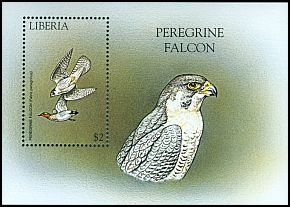
    Once described as the “Switzerland of England”, the Forest of Bowland offers an ideal habitat for the peregrine falcon. With its rocky outcrops and vast tracts of upland, it was until recently home to a thriving population of some 15 pairs of Britain’s fastest bird of prey. But almost as rapidly as Falco peregrinus sweeps from the sky to secure its quarry, the number of the species in the 880-square-kilometre beauty spot stretching across Lancashire has plummeted. In just five years, the population has tumbled from 30 birds to just a single breeding pair. The dramatic decline has set alarm bells ringing among conservationists, who point out that there are now more of these graceful predators living in England’s cities than across a vast swathe of the North stretching from the Peak District to the Yorkshire Moors and the Pennines.

    Once described as the “Switzerland of England”, the Forest of Bowland offers an ideal habitat for the peregrine falcon. With its rocky outcrops and vast tracts of upland, it was until recently home to a thriving population of some 15 pairs of Britain’s fastest bird of prey. But almost as rapidly as Falco peregrinus sweeps from the sky to secure its quarry, the number of the species in the 880-square-kilometre beauty spot stretching across Lancashire has plummeted. In just five years, the population has tumbled from 30 birds to just a single breeding pair. The dramatic decline has set alarm bells ringing among conservationists, who point out that there are now more of these graceful predators living in England’s cities than across a vast swathe of the North stretching from the Peak District to the Yorkshire Moors and the Pennines.

    The reasons for the disappearance of Bowland’s falcons are still not fully understood. But the Royal Society for the Protection of Birds say that elsewhere the illegal killing of raptors – birds of prey – by rogue gamekeepers on moorland used for shooting red grouse is thwarting attempts to conserve species. Hen harriers, once abundant in the UK, are on the verge of extinction in England after the last two pairs this year failed to breed.

    The crisis is also causing strains within the conservation movement, sparking an unseemly row between the RSPB and a group of local raptor campaigners.

    The Independent can reveal that the charity, Europe’s largest dealing with wildlife, has used one of the world’s biggest law firms, Clifford Chance, to write to the North West Raptor Group demanding the removal of “libellous” material from its website. The NWRG claims the RSPB has failed to protect the local peregrine falcons, and has not been candid about the scale of their decline.

    Terry Pickford, the NWRG’s founder, accused the RSPB of “intimidation”, saying the group, which had its licences to monitor bird-of-prey nests in Bowland restricted in 2010 by the Government’s wildlife adviser Natural England, was raising legitimate concerns about the decline in peregrine numbers and the safeguarding of the species. The group had previously complained to the RSPB after two of its members were approached by a warden earlier this year while watching a peregrine site and later asked to attend a police interview. The two men were told they had no case to answer but the RSPB said its warden had acted appropriately.

    Mr Pickford said: “It feels like the RSPB does not like criticism and is going to extraordinary lengths to stop it. We are a small group in Lancashire who believe passionately in what we do and here we are receiving letters from a giant firm of London lawyers threatening legal action. It’s hard not to see it as anything other than intimidation. It makes us even more determined.”

    The RSPB denied its actions were heavy-handed, saying it respected the right of others to criticise but the legal letter had been sent to protect volunteers from what it believed were unsubstantiated and defamatory allegations on the NWRG website. It said Clifford Chance had sent the letter without a fee as part of a “pro bono” charitable partnership. A spokesman said: “Normally we take this type of criticism on the chin but we have a duty of care towards our staff and we must protect them from untrue claims. We are not a litigious organisation and the decision to send this letter was not taken lightly.”

    The row is symptomatic of rising anxiety among conservationists as they see the success stories of bird-of-prey conservation in recent years, such as the widespread return of the red kite across England and a rise in buzzard numbers, offset by problems for some of Britain’s most iconic hawks.

    Source: The Independent, 14 October 2013
    http://www.independent.co.uk/news/uk/home-news/where-have-all-the-falcons-gone-dramatic-decline-has-set-alarm-bells-ringing-among-conservationists-8879908.html

  • Nonstick Chemicals May Be Affecting Tree Swallows Along Mississippi River

    Nonstick Chemicals May Be Affecting Tree Swallows Along Mississippi River

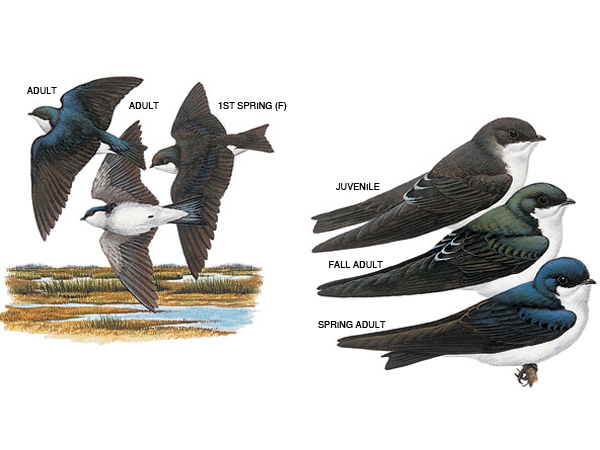
    A new U.S. Geological Study report suggests that chemicals found in nonstick cookware and water repellents could be affecting tree swallows (Tachycineta bicolor) living along the upper Mississippi River. It’s been known that the Mississippi River around and south of the Twin Cities is contaminated with perfluoroalkoxy (PFA), a chemical found in many household products. The report says wastewater discharges and contaminated groundwater from manufacturer 3M’s facilities have created hotspots for PFAs, even though it’s been more than a decade since the company stopped producing them. USGS researchers studying tree swallows in Wisconsin and Minnesota found that birds with high concentrations of PFAs are less likely to hatch.

    A new U.S. Geological Study report suggests that chemicals found in nonstick cookware and water repellents could be affecting tree swallows (Tachycineta bicolor) living along the upper Mississippi River. It’s been known that the Mississippi River around and south of the Twin Cities is contaminated with perfluoroalkoxy (PFA), a chemical found in many household products. The report says wastewater discharges and contaminated groundwater from manufacturer 3M’s facilities have created hotspots for PFAs, even though it’s been more than a decade since the company stopped producing them. USGS researchers studying tree swallows in Wisconsin and Minnesota found that birds with high concentrations of PFAs are less likely to hatch.

    USGS Wildlife Biologist Chris Custer says the probability of problems increases with contamination: “I like to use George Burns [as an example]: he smoked cigars and cigarettes until he was 100 and never got lung cancer. Another person smoking the same amount might die in their thirties. It’s the same thing with bird eggs. You can have the same amount of contamination and in some, it will cause a poor hatching and another with a different genetic makeup might hatch fine.”

    Custer says the chemicals are found in everything, but the exposure is usually so minimal that it does not cause any harm. She says tree swallows may be ultra-sensitive to PFAs.

    The study does recognize that other factors may also be causing the declines in tree swallow populations.

    Source: Wisconsin Public Radio News, 1 November 2103

  • Bayer CropScience en Syngenta halen bakzeil bij de voorzieningenrechter van het College van Beroep voor het bedrijfsleven

    Bayer CropScience en Syngenta halen bakzeil bij de voorzieningenrechter van het College van Beroep voor het bedrijfsleven

    Volgens de voorzieningenrechter van het College van Beroep voor het bedrijfsleven is er geen aanleiding om de besluiten te schorsen waarmee het College voor de toelating van gewasbeschermingsmiddelen en biociden (Ctgb) de toelating voor een aantal gewasbeschermingsmiddelen van Bayer CropScience en Syngenta heeft gewijzigd. Voor Bayer gaat het om wijziging van de toelating van de middelen Admire, Gaucho Tuinbouw en Merit Turf. Voor Syngenta gaat het om wijziging van de toelating van het middel Cruiser SB en de intrekking van de toelating van Cruiser 350 FS. De middelen behoren tot de groep neonicotinoïden. Het Ctgb had de toelatingsbesluiten gewijzigd als gevolg van maatregelen die de Europese Commissie heeft opgelegd ter bescherming van de bijenstand. Bayer CropScience en Syngenta hadden de voorzieningenrechter gevraagd de gewijzigde toelatingsbesluiten te schorsen omdat zij van mening zijn dat deze niet uitsluitend uitvoering geven aan de maatregelen van de Europese Commissie. Met de wijzigingsbesluiten gaat het Ctgb verder dan dat de Europese Commissie vraagt en dat mag volgens Bayer CropScience en Syngenta niet. De voorzieningenrechter is echter van oordeel dat het Ctgb met de gewijzigde toelatingsbesluiten niet buiten de kaders van zijn bevoegdheid is getreden en laat de besluiten daarom in stand.

    Volgens de voorzieningenrechter van het College van Beroep voor het bedrijfsleven is er geen aanleiding om de besluiten te schorsen waarmee het College voor de toelating van gewasbeschermingsmiddelen en biociden (Ctgb) de toelating voor een aantal gewasbeschermingsmiddelen van Bayer CropScience en Syngenta heeft gewijzigd. Voor Bayer gaat het om wijziging van de toelating van de middelen Admire, Gaucho Tuinbouw en Merit Turf. Voor Syngenta gaat het om wijziging van de toelating van het middel Cruiser SB en de intrekking van de toelating van Cruiser 350 FS. De middelen behoren tot de groep neonicotinoïden. Het Ctgb had de toelatingsbesluiten gewijzigd als gevolg van maatregelen die de Europese Commissie heeft opgelegd ter bescherming van de bijenstand. Bayer CropScience en Syngenta hadden de voorzieningenrechter gevraagd de gewijzigde toelatingsbesluiten te schorsen omdat zij van mening zijn dat deze niet uitsluitend uitvoering geven aan de maatregelen van de Europese Commissie. Met de wijzigingsbesluiten gaat het Ctgb verder dan dat de Europese Commissie vraagt en dat mag volgens Bayer CropScience en Syngenta niet. De voorzieningenrechter is echter van oordeel dat het Ctgb met de gewijzigde toelatingsbesluiten niet buiten de kaders van zijn bevoegdheid is getreden en laat de besluiten daarom in stand.

    Bronnen: College van Beroep voor het bedrijfsleven, 04/11/13
    http://uitspraken.rechtspraak.nl/inziendocument?id=ECLI:NL:CBB:2013:218
    AgriHolland
    http://www.agriholland.nl/nieuws/artikel.html?id=153448

  • CH/Ständeratskommission für Massnahmenpaket zu Pestiziden

    CH/Ständeratskommission für Massnahmenpaket zu Pestiziden

    Zum Schutz der Bienen soll der Bund die Risiken durch Pestizide bis 2023 reduzieren. Dies fordert nach dem Nationalrat auch die Wissenschaftskommission (WBK) des Ständerates. Die Kommission empfiehlt dem Ständerat einstimmig, eine entsprechende Motion anzunehmen, wie die Parlamentsdienste am Dienstag mitteilten. Der Vorstoss verlangt ein Massnahmenpaket zur nachhaltigen Nutzung von Pflanzenschutzmitteln. Eine Petition zur Verbesserung der Situation der Honigbienen hat die Kommission abgelehnt. Sie sei überzeugt, dass die Situation der Honigbienen dank der Forschung zu den Auswirkungen von Pflanzenschutzmitteln verbessert werden könne, hält sie fest.National- und Ständerat haben den Bundesrat vor kurzem beauftragt, bis Ende 2015 die Ursachen des Bienensterbens wissenschaftlich untersuchen zu lassen und die nötigen Schutzmassnahmen zu ergreifen.

    Zum Schutz der Bienen soll der Bund die Risiken durch Pestizide bis 2023 reduzieren. Dies fordert nach dem Nationalrat auch die Wissenschaftskommission (WBK) des Ständerates. Die Kommission empfiehlt dem Ständerat einstimmig, eine entsprechende Motion anzunehmen, wie die Parlamentsdienste am Dienstag mitteilten. Der Vorstoss verlangt ein Massnahmenpaket zur nachhaltigen Nutzung von Pflanzenschutzmitteln. Eine Petition zur Verbesserung der Situation der Honigbienen hat die Kommission abgelehnt. Sie sei überzeugt, dass die Situation der Honigbienen dank der Forschung zu den Auswirkungen von Pflanzenschutzmitteln verbessert werden könne, hält sie fest.National- und Ständerat haben den Bundesrat vor kurzem beauftragt, bis Ende 2015 die Ursachen des Bienensterbens wissenschaftlich untersuchen zu lassen und die nötigen Schutzmassnahmen zu ergreifen.

    Der Bund entschied in diesem Jahr, den Einsatz von drei Wirkstoffen, die zur Vorbehandlung von Saatgut eingesetzt werden, ab Anfang Dezember für bestimmte Anwendungen zu verbieten – vorerst für zwei Jahre. Damit folgte er einem Entscheid der EU-Kommission. Die Umweltkommission des Nationalrates forderte ein strengeres Verbot. Dies lehnte der Nationalrat aber ab.

    Im Fokus stehen Stoffe aus der Gruppe der Neonicotinoide. Pflanzenschutzmittel mit diesen Stoffen stehen im Verdacht, die Bienen zu schwächen und damit auch anfälliger zu machen für die Varroa-Milbe. Der Parasit gilt als Hauptursache für die grossen Verluste von Bienenvölkern.
    Quelle: Finanzen, 22.10.2013
    http://www.finanzen.ch/nachrichten/aktien/CH-Staenderatskommission-fuer-Massnahmenpaket-zu-Pestiziden-722676

  • New York City residents have higher pesticide exposure than the U.S. average

    New York City residents have higher pesticide exposure than the U.S. average

    New York City residents are more highly exposed to two types of widely used pesticides than the U.S. average, according to a new study. The findings “underscore the importance of considering pest and pesticide burdens in cities when formulating pesticide use regulations,” the researchers from the city’s Department of Health and Mental Hygiene wrote in the journal Environmental Health Perspectives. Organophosphate metabolites were measured in the urine of 882 New Yorkers, while 1,452 residents were tested for pyrethroid metabolites. Some organophosphates have been banned in the United States in recent years, although many are still heavily used in agriculture. Pyrethroids are used indoors and outdoors in sprays and bug bombs to kill fleas, mosquitoes and other pests. Among New Yorkers who were 20 to 59 years old in 2004, the highest exposed group had between two and six times more organophosphates in their urine than the highest exposed group in a national study. They also had between 1.7 and 2.4 times more pyrethroids than the nationwide group. In previous studies in New York City and in a California farm area, prenatal exposure to organophosphates has been associated with reduced mental skills in children.

    New York City residents are more highly exposed to two types of widely used pesticides than the U.S. average, according to a new study. The findings “underscore the importance of considering pest and pesticide burdens in cities when formulating pesticide use regulations,” the researchers from the city’s Department of Health and Mental Hygiene wrote in the journal Environmental Health Perspectives. Organophosphate metabolites were measured in the urine of 882 New Yorkers, while 1,452 residents were tested for pyrethroid metabolites. Some organophosphates have been banned in the United States in recent years, although many are still heavily used in agriculture. Pyrethroids are used indoors and outdoors in sprays and bug bombs to kill fleas, mosquitoes and other pests. Among New Yorkers who were 20 to 59 years old in 2004, the highest exposed group had between two and six times more organophosphates in their urine than the highest exposed group in a national study. They also had between 1.7 and 2.4 times more pyrethroids than the nationwide group. In previous studies in New York City and in a California farm area, prenatal exposure to organophosphates has been associated with reduced mental skills in children.

    Source: Environmental Health News, October 2, 2013
    http://www.environmentalhealthnews.org/ehs/newscience/2013/10/nyc-pesticides