Auteur: Henk Tennekes

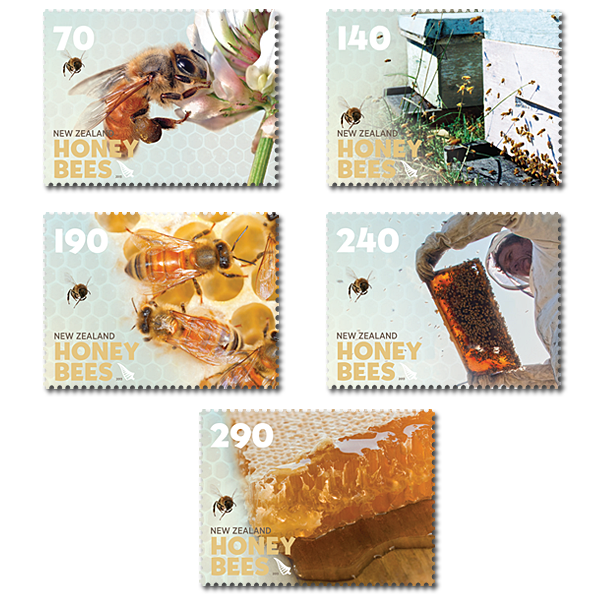
  • Major US retailers are selling “bee-friendly” garden plants laced with pesticides known to be toxic to bees

    Major US retailers are selling “bee-friendly” garden plants laced with pesticides known to be toxic to bees

    Researchers with Friends of the Earth US and the Pesticide Research Institute say that more than half of the nursery plants studied contained residues of “neonicotinoid” pesticides, a substance increasingly thought to be contributing to mass die-offs of global honey-bee populations. “At the levels observed in our report, the high percentage of contaminated plants and concentrations suggest this problem is widespread,” Lisa Archer, a co-author of the new report and director of Friends of the Earth US’s food and technology program, told Inter Press Service (IPS). “Unfortunately, too many home gardeners have likely become a source of exposure to pesticides that have been shown to harm, weaken and kill bees. It’s pretty shocking that consumers who may be purchasing these plants specifically to help bees could, in fact, be poisoning them.”

    Researchers with Friends of the Earth US and the Pesticide Research Institute say that more than half of the nursery plants studied contained residues of “neonicotinoid” pesticides, a substance increasingly thought to be contributing to mass die-offs of global honey-bee populations. “At the levels observed in our report, the high percentage of contaminated plants and concentrations suggest this problem is widespread,” Lisa Archer, a co-author of the new report and director of Friends of the Earth US’s food and technology program, told Inter Press Service (IPS). “Unfortunately, too many home gardeners have likely become a source of exposure to pesticides that have been shown to harm, weaken and kill bees. It’s pretty shocking that consumers who may be purchasing these plants specifically to help bees could, in fact, be poisoning them.”

    Many others may share that shock. These groups delivered a petition signed by some 175,000 people to major retailers, urging them to stop selling neonicotinoid-treated plants.

    Following on a half-decade of mysteriously bad news, last winter was one of the worst on record for US commercial bee populations, with beekeepers reporting mortality rates of 40 percent to 90 percent and the collapse of nearly a third of hives.

    Normal “overwintering” mortality rates should be around 10 percent to 20 percent, experts say.

    In the United States around a third of the food supply (and two-thirds of food crops) is dependent on bee pollination. Broader ecosystems arguably have even more to lose, with some 80 percent of flowering plants relying on bees for their survival.

    Neonicotinoids (or “neonics”) are known as a systemic pesticide, water-soluble substances that can travel throughout a crop via its roots, remaining within the plant for multiple seasons. Today neonics make up the most common class of pesticide in the world, including treatments for nearly all commercially sown grains in the United States.

    Yet, a growing body of scientific evidence is suggesting that low levels of exposure to neonics could be making bee populations more vulnerable to a host of other problems, including parasites and a changing climate, or even simply making it through the winter months.

    WHILE scientists have increasingly focused on the potential impact of the agricultural use of neonics, the study is the first to try to gauge the use of these substances in home and industrial ornamental gardens.

    The report notes that “many of the seedlings and plants sold in nurseries and garden stores across the US have been pre-treated with neonicotinoids at much higher doses than are used on farms.”

    The study sample was very small, just 13 plants known to be highly appealing to pollinators, and the researchers are calling for more extensive research. The plants were purchased at three nationwide retailers in three areas of the United States and then analyzed by an independent laboratory.

    More than half the plants sampled were found with some level of neonic concentration, ranging from 11 micrograms per kilogram (mg/k) to 1,500 mg/k. Some plants were found to be carrying two or even three types of neonics.

    While the lower levels of that spectrum would likely not kill bees, Archer notes that smaller amounts could have significant impact.

    “Adverse effects are definitely possible even with lesser amounts, including impacting on bees’ fertility and ability to navigate, as has been proven in lab settings previously,” she says.

    “Bees already have enough problems as it is, so our hope with this study is that retailers can now take action and lead on this issue, to ensure that consumers at least have access to neonic-free plants.”

    Archer is unaware of the extent of knowledge within the nursery-retail industry about the potential impact of neonics on bee populations, but says she’s willing to give companies the benefit of the doubt that they were unaware of the issue to date.

    A spokesman for Home Depot, a home services giant that operates some 2,250 stores, told IPS that his office hadn’t yet reviewed the new study.

    “But we certainly appreciate the importance of the bee population,” he said, “so we’ll be reaching out to the study groups to learn more.”

    Lowe’s, another large-scale retailer included in the new study, did not respond to a request for comment by deadline.

    IN July US lawmakers introduced national legislation aimed at taking emergency interim measures to safeguard US beehives, after some 50,000 honey bees reportedly died following an application of neonic pesticide in a business parking lot.

    If passed, the bill would halt the use of neonics until the US Environmental Protection Agency (EPA)—the body that approved their use in the first place—undertakes a scheduled reappraisal of the pesticides in 2018.

    “Twelve years ago, EPA became so enamored with systemic insecticides that they approved hundreds of these products,” Peter Jenkins, an attorney with the Centre for Food Safety, an advocacy group that sued the EPA over the issue this spring, told IPS.

    “But it turns out these systemics have major risks that EPA did not fully understand. Now the agency is in a defensive stance… . It will be difficult to reel these products back in, but it can be done.”

    While some suggest that conservative pushback could doom the currently pending pollinator legislation, Jenkins points to recent evidence of notably broad bipartisan support for such action.

    A related provision would have passed the Republican-controlled House of Representatives earlier this year as part of a larger bill that ultimately failed, he says. In addition, the Republican-controlled House committee that oversees financial appropriations for the EPA is currently urging the agency to take related regulatory action.

    To a great extent, global precedent on neonic use is currently coming from Europe. The European Union is set to pass a two-year moratorium on the use of three types of neonics, pending additional research, while the majority of home-garden retailers in the United Kingdom have already stopped selling neonic-treated plants.

    “If retailers can do this in the UK, they can do it here,” Friends of the Earth US’s Archer says. “According to the American Gardening Association, more than 80 percent of consumers are interested in purchasing environment-friendly products, so we’re hoping retailers will see this as an opportunity to be leaders in pollinator protection.”

    Source: Business Mirror, October 5, 2013
    http://www.businessmirror.com.ph/index.php/en/features/biodiversity/20353-many-bee-friendly-plants-laced-with-pesticide
  • Lesser prairie chicken population numbers dropped by more than 50 percent over the past year, according to a study

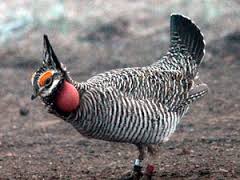
    Lesser prairie chicken population numbers dropped by more than 50 percent over the past year, according to a study

    The finding raises questions about the adequacy of voluntary conservation measures proposed today for the rare grouse in a final rangewide conservation plan intended to preclude the need for Endangered Species Act protections. The study, by Western EcoSystems Technology Inc. of Laramie, Wyo., estimates the total population size at 17,616 individuals in 2013, more than a 50 percent drop from the 2012 estimate of 34,440 birds. The study also estimated there to be 2,036 occupied breeding areas (known as leks) in 2013 — a decline of more than 30 percent from the 2012 estimate of 2,930 leks. Lesser prairie chickens (Tympanuchus cupido) have been on the waiting list for federal protection since 1998. The species was proposed for listing as a result of a 2011 settlement between conservation groups and the Fish and Wildlife Service to speed protections for hundreds of species around the country.

    The finding raises questions about the adequacy of voluntary conservation measures proposed today for the rare grouse in a final rangewide conservation plan intended to preclude the need for Endangered Species Act protections. The study, by Western EcoSystems Technology Inc. of Laramie, Wyo., estimates the total population size at 17,616 individuals in 2013, more than a 50 percent drop from the 2012 estimate of 34,440 birds. The study also estimated there to be 2,036 occupied breeding areas (known as leks) in 2013 — a decline of more than 30 percent from the 2012 estimate of 2,930 leks. Lesser prairie chickens (Tympanuchus cupido) have been on the waiting list for federal protection since 1998. The species was proposed for listing as a result of a 2011 settlement between conservation groups and the Fish and Wildlife Service to speed protections for hundreds of species around the country.

    Source: The Center for Biological Diversity, 24 September 2013
    http://www.biologicaldiversity.org/news/press_releases/2013/lesser-prairie-chicken-09-24-2013.html

  • U.S. Fish and Wildlife Service  denies Endangered Species Act protection to the Kittlitz’s murrelet

    U.S. Fish and Wildlife Service denies Endangered Species Act protection to the Kittlitz’s murrelet

    Responding to a 2001 petition from the Center for Biological Diversity, the U.S. Fish and Wildlife Service today denied Endangered Species Act protection to the Kittlitz’s murrelet (Brachyramphus brevirostris), an Alaskan seabird. “The Kittlitz’s murrelet is one of America’s most imperiled birds, but federal officials have decided not to save the species from extinction,” said Shaye Wolf, the Center’s climate science director. “It’s tragic that our government has denied protection to this clearly endangered seabird, despite overwhelming scientific evidence of drastic population declines.” The Kittlitz’s murrelet — also known as the “glacier murrelet” — forages in coastal waters near glacier outflows, where its fish and zooplankton food is abundant. The number of birds has declined by 80 percent to 90 percent in recent decades in core areas from Glacier Bay to Prince William Sound. In its listing analysis, the Service concluded that Kittlitz’s murrelets in Alaska experienced a large-scale decline of 30 percent per year between 1989 and 2000 and likely have continued to decline at a slower rate since 2000. The Center submitted a petition in 2001 to list the Kittlitz’s murrelet under the U.S. Endangered Species Act. In 2004 the Service determined that the Kittlitz’s murrelet warranted protection but was “precluded” from listing, putting this species on a long waiting list for protection. In 2011 the Center and the Service reached a landmark agreement that ensures that all the species on the federal waiting list for protection as of 2010 get decisions within the next four years. Today’s decision resulted from this agreement.

    Responding to a 2001 petition from the Center for Biological Diversity, the U.S. Fish and Wildlife Service today denied Endangered Species Act protection to the Kittlitz’s murrelet (Brachyramphus brevirostris), an Alaskan seabird. “The Kittlitz’s murrelet is one of America’s most imperiled birds, but federal officials have decided not to save the species from extinction,” said Shaye Wolf, the Center’s climate science director. “It’s tragic that our government has denied protection to this clearly endangered seabird, despite overwhelming scientific evidence of drastic population declines.” The Kittlitz’s murrelet — also known as the “glacier murrelet” — forages in coastal waters near glacier outflows, where its fish and zooplankton food is abundant. The number of birds has declined by 80 percent to 90 percent in recent decades in core areas from Glacier Bay to Prince William Sound. In its listing analysis, the Service concluded that Kittlitz’s murrelets in Alaska experienced a large-scale decline of 30 percent per year between 1989 and 2000 and likely have continued to decline at a slower rate since 2000. The Center submitted a petition in 2001 to list the Kittlitz’s murrelet under the U.S. Endangered Species Act. In 2004 the Service determined that the Kittlitz’s murrelet warranted protection but was “precluded” from listing, putting this species on a long waiting list for protection. In 2011 the Center and the Service reached a landmark agreement that ensures that all the species on the federal waiting list for protection as of 2010 get decisions within the next four years. Today’s decision resulted from this agreement.

    More information on the Kittlitz’s murrelet and the Center’s work to protect the species is available at
    http://www.biologicaldiversity.org/species/birds/Kittlitzs_murrelet/index.html.

    The Center for Biological Diversity is a national, nonprofit conservation organization

  • How The Global Elite Rule The World

    How The Global Elite Rule The World

    Karen Hudes is a graduate of Yale Law School and she worked in the legal department of the World Bank for more than 20 years. In fact, when she was fired for blowing the whistle on corruption inside the World Bank, she held the position of Senior Counsel. She was in a unique position to see exactly how the global elite rule the world, and the information that she is now revealing to the public is absolutely stunning. According to Hudes, the elite use a very tight core of financial institutions and mega-corporations to dominate the planet. The goal is control. They want all of us enslaved to debt, they want all of our governments enslaved to debt, and they want all of our politicians addicted to the huge financial contributions that they funnel into their campaigns. Since the elite also own all of the big media companies, the mainstream media never lets us in on the secret that there is something fundamentally wrong with the way that our system works.

    Karen Hudes is a graduate of Yale Law School and she worked in the legal department of the World Bank for more than 20 years. In fact, when she was fired for blowing the whistle on corruption inside the World Bank, she held the position of Senior Counsel. She was in a unique position to see exactly how the global elite rule the world, and the information that she is now revealing to the public is absolutely stunning. According to Hudes, the elite use a very tight core of financial institutions and mega-corporations to dominate the planet. The goal is control. They want all of us enslaved to debt, they want all of our governments enslaved to debt, and they want all of our politicians addicted to the huge financial contributions that they funnel into their campaigns. Since the elite also own all of the big media companies, the mainstream media never lets us in on the secret that there is something fundamentally wrong with the way that our system works.

    Source: The DC Clothesline, 1 October 2013
    http://dcclothesline.com/2013/10/01/world-bank-whistleblower-karen-hudes-reveals-how-the-global-elite-rule-the-world/

  • The iconic plain-pouched hornbill is pushed to the brink of extinction in Malaysia

    The iconic plain-pouched hornbill is pushed to the brink of extinction in Malaysia

    The plain-pouched hornbill, or Aceros Subruficollis, is one of dozens of species in the hornbill family. Hornbills are typically found in various tropical and subtropical forests in Africa and Asia, but they are an icon for this Southeast Asian nation of 29 million people. The plain-pouched hornbill, which is similar in size to a medium-sized eagle, plays a key role in the ecosystem by dispersing the seeds of various forest fruits. Their decline in the Belum-Temengor forest reserve is similar to their steep falloff in Myanmar. The bird was relatively common and abundant in Myanmar, but there have been no recent recorded sightings, and it appears to have undergone a rapid decline in at least one area in the country. The Malaysian Nature Society has been monitoring seasonal migration movements since 2004, logging a maximum count of 3,261 plain-pouched hornbills in Belum-Temengor. Subsequent counts have been much lower, numbering fewer than 1,000 birds.

    The plain-pouched hornbill, or Aceros Subruficollis, is one of dozens of species in the hornbill family. Hornbills are typically found in various tropical and subtropical forests in Africa and Asia, but they are an icon for this Southeast Asian nation of 29 million people. The plain-pouched hornbill, which is similar in size to a medium-sized eagle, plays a key role in the ecosystem by dispersing the seeds of various forest fruits. Their decline in the Belum-Temengor forest reserve is similar to their steep falloff in Myanmar. The bird was relatively common and abundant in Myanmar, but there have been no recent recorded sightings, and it appears to have undergone a rapid decline in at least one area in the country. The Malaysian Nature Society has been monitoring seasonal migration movements since 2004, logging a maximum count of 3,261 plain-pouched hornbills in Belum-Temengor. Subsequent counts have been much lower, numbering fewer than 1,000 birds.

    Source: Southeast Asia Realtime, 2 October 2013
    http://blogs.wsj.com/searealtime/2013/09/29/experts-trying-to-figure-out-how-to-save-hornbill-bird/

  • The manumea, Samoa’s national bird, is feared near extinction after a 10-day survey of the Savai’i uplands

    The manumea, Samoa’s national bird, is feared near extinction after a 10-day survey of the Savai’i uplands

    The manumea bird (Didunculus strigirostris), which is endemic to Samoa and its national bird, is feared near extinction after a 10-day survey of the Savai’i uplands by a group of scientists resulted in just one sighting. An ornithologist, Rebecca Stirnemann, says she was hoping the manumea, a close relative of the dodo, would be abundant there – with the largely untouched cloud forest acting as a last refuge for the endangered species. But she says the manumea population is much smaller than what was anticipated. She says because of a lack of research as to what could be causing the population’s rapid decline, it is hard to know what can be done. “The manumea, we still know very little about. In fact we don’t even know if the nests are on the ground or high up a tree. So we have no biological information on their breeding, which makes it quite difficult to say well what’s eating it, why are we not seeing any chicks, why are numbers declining? Is it because there’s no food, there’s been a lot of habitat loss, but then it could be invasive species.” Rebecca Stirnemann says they are now doing a survey to find out how many manumea are left in Samoa by targeting areas where local people have reported seeing them.

    The manumea bird (Didunculus strigirostris), which is endemic to Samoa and its national bird, is feared near extinction after a 10-day survey of the Savai’i uplands by a group of scientists resulted in just one sighting. An ornithologist, Rebecca Stirnemann, says she was hoping the manumea, a close relative of the dodo, would be abundant there – with the largely untouched cloud forest acting as a last refuge for the endangered species. But she says the manumea population is much smaller than what was anticipated. She says because of a lack of research as to what could be causing the population’s rapid decline, it is hard to know what can be done. “The manumea, we still know very little about. In fact we don’t even know if the nests are on the ground or high up a tree. So we have no biological information on their breeding, which makes it quite difficult to say well what’s eating it, why are we not seeing any chicks, why are numbers declining? Is it because there’s no food, there’s been a lot of habitat loss, but then it could be invasive species.” Rebecca Stirnemann says they are now doing a survey to find out how many manumea are left in Samoa by targeting areas where local people have reported seeing them.

    Source:
    Radio New Zealand International, 1 October 2013
    http://www.rnzi.com/pages/news.php?op=read&id=79521

  • ‘Gebruik steun aan boeren voor vergroening platteland’

    ‘Gebruik steun aan boeren voor vergroening platteland’

    Een brede coalitie van natuur- en milieuorganisaties wil 110 miljoen inkomenssteun voor boeren overhevelen naar een fonds voor plattelandsontwikkeling. Het voorstel wordt maandagmiddag gedaan tijdens een conferentie in Utrecht. Als Natuurmonumenten, Vogelbescherming Nederland, Landschapsbeheer Nederland, De 12Landschappen, Stichting Natuur en Milieu en Milieudefensie hun zin krijgen, scheelt dat de gemiddelde boer of tuinder 1.800 euro in zijn portemonnee. De 110 miljoen gaat dan naar vergroeningsprojecten op het platteland. Bijvoorbeeld het uitkopen van agrariërs die nu nog boeren op een enclave in een natuurgebied, of investeringen in schoner water, minder bestrijdingsmiddelen en duurzamer stallen waaruit minder ammoniak of fijnstof vrijkomt. Het voorstel van de natuurclubs is een aansporing aan staatssecretaris Sharon Dijksma van Economische Zaken, die zowel landbouw als natuur onder haar hoede heeft. Zij moet nog dit jaar Brussel antwoord geven hoe Nederland invulling wil geven aan het nieuwe Europese Gemeenschappelijk Landbouwbeleid. Daarin kan zij eigen keuzes maken. Boerenorganisatie LTO Nederland keert zich al maanden fel tegen deze afroming. Toen de provincies daar deze zomer warm voor liepen – zij mogen een groot deel van het geld voor plattelandsbeleid uitgeven – noemde voorzitter Albert Jan Maat van LTO dat ‘asociaal’.

    Een brede coalitie van natuur- en milieuorganisaties wil 110 miljoen inkomenssteun voor boeren overhevelen naar een fonds voor plattelandsontwikkeling. Het voorstel wordt maandagmiddag gedaan tijdens een conferentie in Utrecht. Als Natuurmonumenten, Vogelbescherming Nederland, Landschapsbeheer Nederland, De 12Landschappen, Stichting Natuur en Milieu en Milieudefensie hun zin krijgen, scheelt dat de gemiddelde boer of tuinder 1.800 euro in zijn portemonnee. De 110 miljoen gaat dan naar vergroeningsprojecten op het platteland. Bijvoorbeeld het uitkopen van agrariërs die nu nog boeren op een enclave in een natuurgebied, of investeringen in schoner water, minder bestrijdingsmiddelen en duurzamer stallen waaruit minder ammoniak of fijnstof vrijkomt. Het voorstel van de natuurclubs is een aansporing aan staatssecretaris Sharon Dijksma van Economische Zaken, die zowel landbouw als natuur onder haar hoede heeft. Zij moet nog dit jaar Brussel antwoord geven hoe Nederland invulling wil geven aan het nieuwe Europese Gemeenschappelijk Landbouwbeleid. Daarin kan zij eigen keuzes maken. Boerenorganisatie LTO Nederland keert zich al maanden fel tegen deze afroming. Toen de provincies daar deze zomer warm voor liepen – zij mogen een groot deel van het geld voor plattelandsbeleid uitgeven – noemde voorzitter Albert Jan Maat van LTO dat ‘asociaal’.

    Bron: De Volkskrant, 30-09-2013
    http://www.volkskrant.nl/vk/nl/2664/Nieuws/article/detail/3518528/2013/09/30/Gebruik-steun-aan-boeren-voor-vergroening-platteland.dhtml

  • What Americans Grow and Eat

    What Americans Grow and Eat

    Since the first genetically modified crops in the U.S. were approved in the mid-’90s, millions of acres have been planted with these crops. Most of the harvest goes to animal feed and other uses, but it’s estimated that about 70 percent of processed foods in the U.S. contain GMO ingredients. 90% of corn grown in the U.S. in 2013 is genetically modified. Most corn grown in the U.S. is used for animal feed and non-food products like ethanol, but it is also used in processed foods for humans — most often as high-fructose corn syrup. (This is different from the genetically modified sweet corn introduced by Monsanto in 2011.) How it may show up on labels: corn syrup, corn meal, dextrin. 93%of soybeans grown in the U.S. in 2013 are genetically modified. Like corn, much of the nation’s soy crop is used for animal feed and energy. A number of the top brands of soy milk, tofu and other obvious foods are organic and GMO-free. How it may show up on labels: soy protein, soy flour, lethicin. 90%of cotton grown in the U.S. in 2013 is genetically modified. Cotton is mostly used for textiles, but cottonseed oil is used as a cheaper substitute for olive or canola oil in foods like salad dressing and potato chips. How it may show up on labels: cottonseed oil. 90%of canola grown in the U.S. is genetically modified. Canola oil is used in food, while the seed meal is used in livestock feed. How it may show up on labels: canola oil. 95%of sugar beets grown in the U.S. are genetically modified. Monsanto introduced herbicide-resistant sugar beets in 2008, and it has been considered the fastest adoption of any genetically engineered crop. Opponents sought to block the crop in court, and it continues to be contentious. In June, thousands of plants were destroyed by vandals in southwest Oregon. How it may show up on labels: sugar, sucrose. 88% of alfalfa grown in the U.S. is genetically modified. Humans don’t eat alfalfa, but it’s a main source of feed for animals like dairy cows. Critics worry about contamination with organic feed.

    Since the first genetically modified crops in the U.S. were approved in the mid-’90s, millions of acres have been planted with these crops. Most of the harvest goes to animal feed and other uses, but it’s estimated that about 70 percent of processed foods in the U.S. contain GMO ingredients. 90% of corn grown in the U.S. in 2013 is genetically modified. Most corn grown in the U.S. is used for animal feed and non-food products like ethanol, but it is also used in processed foods for humans — most often as high-fructose corn syrup. (This is different from the genetically modified sweet corn introduced by Monsanto in 2011.) How it may show up on labels: corn syrup, corn meal, dextrin. 93%of soybeans grown in the U.S. in 2013 are genetically modified. Like corn, much of the nation’s soy crop is used for animal feed and energy. A number of the top brands of soy milk, tofu and other obvious foods are organic and GMO-free. How it may show up on labels: soy protein, soy flour, lethicin. 90%of cotton grown in the U.S. in 2013 is genetically modified. Cotton is mostly used for textiles, but cottonseed oil is used as a cheaper substitute for olive or canola oil in foods like salad dressing and potato chips. How it may show up on labels: cottonseed oil. 90%of canola grown in the U.S. is genetically modified. Canola oil is used in food, while the seed meal is used in livestock feed. How it may show up on labels: canola oil. 95%of sugar beets grown in the U.S. are genetically modified. Monsanto introduced herbicide-resistant sugar beets in 2008, and it has been considered the fastest adoption of any genetically engineered crop. Opponents sought to block the crop in court, and it continues to be contentious. In June, thousands of plants were destroyed by vandals in southwest Oregon. How it may show up on labels: sugar, sucrose. 88% of alfalfa grown in the U.S. is genetically modified. Humans don’t eat alfalfa, but it’s a main source of feed for animals like dairy cows. Critics worry about contamination with organic feed.

    Other foods:
    •Since 1999, most of Hawaii’s papaya crop is a genetically modified to resist the ringspot virus that devastated the state’s groves in the 1990s.
    •Virus-resistance was engineered into yellow squash and zucchini in the mid-’90s. Very few farmers grow these varieties.
    •Monsanto introduced a genetically modified sweet corn in 2011 to resist insects. This is the first time a whole ear of corn you might find in the grocery aisle could be genetically modified.
    Source: The Evolution of Food, September 25, 2013
    http://www.inlander.com/spokane/article-19762-the-evolution-of-foo.html

  • Suspended prison sentences for pulling up unlawfully planted GM potatoes

    Suspended prison sentences for pulling up unlawfully planted GM potatoes

    Today the Court of Dendermonde, Belgium, convicted 11 activists of organised crime in relation to their participation in a day of action against a GM potato field which took place in Wetteren on May 29th, 2011. The activists were convicted of criminal gang forming, criminal damage and resisting arrest, and were given suspended prison sentences of between 3 and 6 ,months, plus fines, damages and court costs totalling more than 25 thousand euros. There was some relief among the activists on hearing the verdict, but also concern that this verdict creates an extremely dangerous precedent for everyone who values the right of citizens to freedom of speech. This is the first time that environmental activists have been convicted of organised crime charges in Belgium. The activists plan to appeal against todays’ verdict. ”This conviction for organised crime is completely out of proportion with the ‘crime’ of uprooting a few potatoes from a controversial GM crop which was grown for mainly promotional reasons.” said Barbara Van Dyck, one of the defendants. ‘ The aim of the action was to trigger public debate about the introduction of GMOs into agriculture. The field trial itself was later found by a separate court to be unlawful because they did not have a valid permit for the crop.’

    Today the Court of Dendermonde, Belgium, convicted 11 activists of organised crime in relation to their participation in a day of action against a GM potato field which took place in Wetteren on May 29th, 2011. The activists were convicted of criminal gang forming, criminal damage and resisting arrest, and were given suspended prison sentences of between 3 and 6 ,months, plus fines, damages and court costs totalling more than 25 thousand euros. There was some relief among the activists on hearing the verdict, but also concern that this verdict creates an extremely dangerous precedent for everyone who values the right of citizens to freedom of speech. This is the first time that environmental activists have been convicted of organised crime charges in Belgium. The activists plan to appeal against todays’ verdict. ”This conviction for organised crime is completely out of proportion with the ‘crime’ of uprooting a few potatoes from a controversial GM crop which was grown for mainly promotional reasons.” said Barbara Van Dyck, one of the defendants. ‘ The aim of the action was to trigger public debate about the introduction of GMOs into agriculture. The field trial itself was later found by a separate court to be unlawful because they did not have a valid permit for the crop.’

    ‘The criminalisation and harsh sentencing of the activists distracts attention from the real issue:the introduction of genetically modified organisms into agriculture’ added fellow defendant François de Saint-Georges. ‘The patenting of genetically modified seeds takes control of our food system away from farmers and communities and hands it over to a small number multinational companies. The use of GM technology in agriculture denies us food sovereignty and entails unnecessary risks for the environment and human health, and is opposed by people all over the world. We already know how to grow sustainable and healthy food for everyone without GMOs’.

    The eleven activists and their lawyers are now getting ready for the next step. ‘This ruling is contradictory’ points out their lawyer Mieke van den Broek. ‘ convicting people for such a serious crime as forming an organised criminal gang, and then giving them purely symbolic sentences. Legal professionals have already pointed out the many other legal absurdities in this case. (1)

    Green MEP Bart Staes, one of the almost one hundred voluntary defendants in the trial, reacted to today’s ruling:

    ‘ convicting this group of people of charges related to organised crime creates a very dangerous precedent which is extremely damaging for democracy. It threatens to discourage future actions by other social movements such as the peace and environmental movements and the unions.’

    The judge refused to acknowledge the voluntary defendants who had asked to be judged alongside the 11 activists, but these supporters of the action in Wetteren are not deterred and will find other ways to show their solidarity and support.

    Prior to the action there had been very little public debate in Flanders about the need for and desirability of genetically modified organisms. This is now beginning to happen, with more and more people forming an opinion and taking a stand on the issue. It is becoming clear that this is a social question which we cannot afford to leave exclusively in the hands of technical experts.

    Recently, renowned choreographer Anne Teresa de Keersmaeker made a public statement in support of the activists, and last week world famous researcher and activist Vandana Shiva, in Belgium to raise awareness around European seed regulation, encouraged the activists to continue to take action against the undemocratic and unjust industrial agriculture system.

    Despite the growing public opposition the Flemish government is continuing to promote genetically modified crops with new field trials, including a GM maize field which will run from 2012 to 2014, and a proposed seven year GM poplar trial, due to start in 2014.

    Source: FLM (Field Liberation Movement), 24 September 2013

    24.09.2013 – Patattenproces: Voorwaardelijke celstraffen voor het rooien van illegale GGO aardappelen.

  • The 15 kms wipeout of invertebrates between Marlborough and Hungerford may have been caused by as little as a couple of spoonfuls  of chlorpyrifos

    The 15 kms wipeout of invertebrates between Marlborough and Hungerford may have been caused by as little as a couple of spoonfuls of chlorpyrifos

    Angling and fishery organisations have welcomed an announcement from the UK’s Natural Environment Minister Richard Benyon that plans are being drawn up to remove products containing the dangerous insecticide Chlorpyrifos from domestic sale. Mr Benyon was responding to strong representations from the Angling Trust, the national representative body for anglers, and fishery owners along the Kennet Valley in Wiltshire and Berkshire following last month’s devastating pollution of all invertebrate life along a 15 kms stretch of this famous chalk stream by a tiny amount of chlorpyrifos which entered the river via the combined sewerage system. In a recent letter to Mr Benyon Angling Trust campaign chief Martin Salter wrote: “Experience from other countries as well as the catalogue of environmental disasters caused by chlorpyrifos, of which the upper Kennet is but the latest, must surely tell us that the current controls are simply not fit for purpose.” In fact the Angling Trust wants to know why a lethal chemical like chlorpyrifos is allowed to be used anywhere near a river or watercourse. Apparently the 15 kms wipeout of invertebrates between Marlborough and Hungerford may have been caused by as little as a couple of spoonfuls and was almost certainly the result of an irresponsible domestic disposal. “We hope you will agree that the the sooner we follow the lead of Singapore and America and ban the domestic use of chlorpyrifos the better off our rivers will be.”

    Angling and fishery organisations have welcomed an announcement from the UK’s Natural Environment Minister Richard Benyon that plans are being drawn up to remove products containing the dangerous insecticide Chlorpyrifos from domestic sale. Mr Benyon was responding to strong representations from the Angling Trust, the national representative body for anglers, and fishery owners along the Kennet Valley in Wiltshire and Berkshire following last month’s devastating pollution of all invertebrate life along a 15 kms stretch of this famous chalk stream by a tiny amount of chlorpyrifos which entered the river via the combined sewerage system. In a recent letter to Mr Benyon Angling Trust campaign chief Martin Salter wrote: “Experience from other countries as well as the catalogue of environmental disasters caused by chlorpyrifos, of which the upper Kennet is but the latest, must surely tell us that the current controls are simply not fit for purpose.” In fact the Angling Trust wants to know why a lethal chemical like chlorpyrifos is allowed to be used anywhere near a river or watercourse. Apparently the 15 kms wipeout of invertebrates between Marlborough and Hungerford may have been caused by as little as a couple of spoonfuls and was almost certainly the result of an irresponsible domestic disposal. “We hope you will agree that the the sooner we follow the lead of Singapore and America and ban the domestic use of chlorpyrifos the better off our rivers will be.”

    Source: Fish Update 28 August 2013
    http://www.fishupdate.com/news/fullstory.php/aid/20089/Ban_on_domestic_sale_of_insecticide_welcomed_by_fisheries_groups.html