Auteur: Henk Tennekes

  • De toelaatbare blootstelling aan methylisothiocyanaat wordt overschreden na behandeling van akkers met Metam-Natrium

    De toelaatbare blootstelling aan methylisothiocyanaat wordt overschreden na behandeling van akkers met Metam-Natrium

    De emissie van methylisothiocyanaat (MITC) vanuit akkers die behandeld werden met het bodemontsmettingsmiddel metam-natrium (natrium-N-methyldithiocarbamaat) is een potentieel gevaar voor mens en milieu. We hebben de concentraties van MITC gemeten op drie hoogten boven twee akkers na de behandeling met metam-natrium in een dosering van 480 liter ha – 1 (166 kg werkzaam bestanddeel ha – 1) via directe injectie in de bodem. De hoogste MITC lucht concentratie was 7,4 ug m – 3 op 10 cm boven de grond (6-8 uur na het aanbrengen) en de laagste concentratie was 0,2 ug m – 3 op 200 cm boven de grond (30-35 uur na het aanbrengen). De geschatte blootstelling van de luchtwegen aan MITC varieerde tussen 0,35 en 0,02 mg dag -1 in het behandelde gebied. Daarmee wordt de ADI (Acceptable Daily Intake) van 0,001 mg kg lichaamsgewicht -1 voor MITC overschreden.

    De emissie van methylisothiocyanaat (MITC) vanuit akkers die behandeld werden met het bodemontsmettingsmiddel metam-natrium (natrium-N-methyldithiocarbamaat) is een potentieel gevaar voor mens en milieu. We hebben de concentraties van MITC gemeten op drie hoogten boven twee akkers na de behandeling met metam-natrium in een dosering van 480 liter ha – 1 (166 kg werkzaam bestanddeel ha – 1) via directe injectie in de bodem. De hoogste MITC lucht concentratie was 7,4 ug m – 3 op 10 cm boven de grond (6-8 uur na het aanbrengen) en de laagste concentratie was 0,2 ug m – 3 op 200 cm boven de grond (30-35 uur na het aanbrengen). De geschatte blootstelling van de luchtwegen aan MITC varieerde tussen 0,35 en 0,02 mg dag -1 in het behandelde gebied. Daarmee wordt de ADI (Acceptable Daily Intake) van 0,001 mg kg lichaamsgewicht -1 voor MITC overschreden.

    Bronnen:
    Ibrahim A M Saeed et al. Methyl isothiocyanate volatilization from fields treated with metam-sodium. Pest Management Science Volume 56, Issue 9, pages 813–817, September 2000
    IUPAC Pesticide Properties Data Base
    http://sitem.herts.ac.uk/aeru/iupac/887.htm

  • What Happened to Our Quail? Observations of an Old Quail Hunter

    What Happened to Our Quail? Observations of an Old Quail Hunter

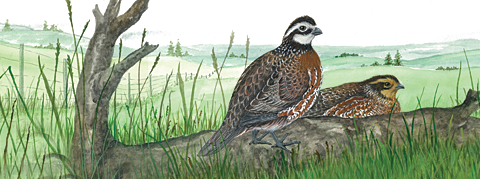
    I know the answer to the question in the headline, but almost no one will believe me. The drastic decline in the quail (Coturnix coturnix) population throughout the South has been a passionate concern of mine for many years. The tragic and drastic decline in quail and other field-bird populations is the result of the massive and widespread spraying of herbicides by agriculture and forestry industries. I am as sure of this as I am that night follows day. There is a curious and almost hostile resistance to this assertion. I have written many letters to various groups and agencies that assume an authoritative role in such problems, but my efforts are always met with an almost hostile indifference. More specifically, I believe that Quail Unlimited and the Texas Parks and Wildlife Deptartment are more a part of the problem than the solution. To my knowledge, they have no experimental data to support their position that herbicides have no significant effect on field-bird populations. I have suggested that Quail Unlimited spray their Quail Demonstration Project acreages with herbicide and see what happens, but they declined.

    I know the answer to the question in the headline, but almost no one will believe me. The drastic decline in the quail (Coturnix coturnix) population throughout the South has been a passionate concern of mine for many years. The tragic and drastic decline in quail and other field-bird populations is the result of the massive and widespread spraying of herbicides by agriculture and forestry industries. I am as sure of this as I am that night follows day. There is a curious and almost hostile resistance to this assertion. I have written many letters to various groups and agencies that assume an authoritative role in such problems, but my efforts are always met with an almost hostile indifference. More specifically, I believe that Quail Unlimited and the Texas Parks and Wildlife Deptartment are more a part of the problem than the solution. To my knowledge, they have no experimental data to support their position that herbicides have no significant effect on field-bird populations. I have suggested that Quail Unlimited spray their Quail Demonstration Project acreages with herbicide and see what happens, but they declined.

    I am a quail hunter, a quail devotee, and an amateur natural historian. Most of what I know about quail has come from Herbert L. Stoddard’s book “The Bobwhite Quail,” and from knowledge acquired over 65 years of quail hunting in East Texas. The most significant statement in Stoddard’s book is this: “Quail live on the seeds from weeds.”

    Quail must have food and cover in the area where they live or they will not thrive. Their numbers expand or contract depending on the availability of food and cover. When these elements are in abundance, quail are much more able to escape predators and resist disease. Knowing that herbicides kill weeds, how can one argue that they have no effect on quail population? This is like arguing that killing all the buffalo had no adverse effect on the lives of Indians.

    Over the years, numerous study groups have been formed to assess the drastic decline in quail and other game-bird populations throughout the South. To my knowledge, most have concluded that the decline is secondary to loss of habitat. I think this would have been correct in the ‘60s but it’s not true now. Timber companies are constantly forming good habitat when they clear-cut the land. Unfortunately, this potential wildlife habitat is rendered valueless by the massive and widespread spraying of herbicides. It is likely that herbicides also kill quail directly through contact and ingestion. They also kill insects, which are another food source for quail. For weeds to thrive in the abundance and variety needed to support a good population of quail, full sun exposure to the land is required. Semi-open pine forests with a sprinkling of hardwoods will support some quail, but not a huntable population.

    In the late ‘60s and early ‘70s, when the timber companies first began the practice of clear cutting, they used the “scrape, rake, and pile” method of clearing the land, leaving long windrows of timber parts and other clearing debris. They also left margins along the creek banks and ravines undisturbed. Receiving full sun exposure, the weeds in these clear-cuts flourished, and so did the quail. Over the next few years the quail population exploded. Good huntable populations of quail could be found in most of the clear-cuts. In the mid ‘70s and early 1980s it was not unusual to find 10 or more coveys in one day. It was a good time to be a quail hunter.

    Enter Herbicides

    This all came to an abrupt end in the mid 1980s. It came to an end at the same time that the timber companies began the practice of spraying their clear-cuts with herbicide. For a time, some birds could still be found in the surrounding woods, but after a year or two these too were gone.

    Herbicides are also harmful to other species and to man. And who knows what is happening from the runoff into our lakes and streams? Anyone who doubts this can do a casual search on the internet and get more detailed information. Just type in “effect of herbicides on wildlife” and you will find a multitude of articles and experimental data on the subject.

    For some strange reason no one wants to have a conversation about this. I’ve gotten cold shoulders from biologists and agencies. But here is what we do know. We know that a drastic decline in the quail population occurred in the mid 1980s. We know that the massive spraying of herbicides began in the mid 1980s. We know that quail live on the seeds from weeds. We know that herbicides kill weeds.

    Historical Overview

    It is important to keep in mind that quail numbers go up or down depending on the availability of food and cover. Their primary food source consists of seeds from weeds. Weeds thrive best when there is full sun exposure to the land. I believe that a relatively modest population of quail inhabited the virgin pine forests of the South. They probably lived both in the forests and in open grasslands that either occurred naturally or as the result of fires or storms. During that time the quail had a food source that is no longer available. The virgin forests were composed mostly of longleaf pine trees. These trees produce a large nutritious seed.

    In the early part of the 20th century the virgin pine forests were completely irradicated by the timber companies. The canopy which shielded the sun from the land was removed. Grass and weeds sprang up as never before and the quail population exploded. Quail hunting will never again be as great as it was in the 1920s and ‘30s. I’m not sure that legal limits even existed in those days. If they did, I doubt that they were observed. Quail were killed by the tub full, but their numbers never seemed to decline from year to year. Prime quail habitat was vast and the number of quail hunters was relatively few. In the small East Texas town of San Augustine where I grew up, there were probably not more than 10 semi-automatic shotguns in the whole town.

    As the trees grew and the canopy began to reform, the quail population began to dwindel. In the 1940s, fairly good hunting could still be found in remaining open areas, around farms, and on farms that had been abandoned. A good hunt in those days was a bag of 8 to 18 quail. Not bad, but not the way it was in the “Golden Era.” There was a gradual continued decline in quail habitat and quail numbers over the next decade. By the mid ‘60s about the most one could expect was to find one or two coveys in a full day’s hunt. Most quail hunters either quit altogether or turned their attention to South Texas for the continued enjoyment of their sport. There was no canopy of trees in South Texas to shield the land from the sun.

    The quail population expands or contracts depending on rainfall. In a good year the quail population in South Texas can be truly spectacular. Weeds need water and weeds need the sun. As the weeds go, so go the quail. I don’t think the crucial connection between the weeds, the seeds, the sun, the rain, and the quail has ever been fully appreciated by state wildlife departments, or by most wildlife biologists. How can this be when the evidence is so plain? It’s a sad and puzzling curiosity.

    The last covey of quail I found in East Texas was late one afternoon as the covey was moving from the woods back into a clear-cut. Their craws were full of acorns. It has always amazed me how they are able to shell the acorns and ingest only the meat. Acorn-fed quail make superb table fare but acorns are not a dependable food source for quail.

    When I could no longer find quail in East Texas, I started hunting in Louisiana. The hunting, however, was no better there than it was here. I could tell by the way the land looked that it had been sprayed with herbicide. I found one or two coveys over there but that was all. One early morning in Louisiana, after getting no response from my quail call on the edge of a clear-cut, I encountered a small group of quail hunters and we had a short visit. They told me that there were no birds in the clear-cuts since they had been sprayed with herbicides. They said they had killed about 60 quail so far during the season, and all the birds they found were in the woods. None were in the clear-cuts. Interestingly, they were locating coveys with a recording of a quail call that they were able to broadcast from their truck with an amphifier and speaker system. They said that they were having no luck at all until they came up with this curious contraption. I headed back to Texas.

    I would like to think that a remnant population of quail is still out there somewhere, but I don’t know. Herbicides are now being sprayed on pasture lands, farms, rights-of -way, roadsides, and just about any place else where a weed might grow. Can it be that quail, field larks, grass birds, robins, whipperwils, robins, frogs, honey bees, and butterflies are all destined to go the way of the buffalo, the passenger pigeon, and the longleaf pine? I don’t know, but I hope not.
    It may be that nothing can be done. It may be that the land and the delicate balance of nature has been so poisoned and polluted that the harm is irreversible. Maybe we old quail hunters long for an era that is gone forever. But we will always have cherished memories, that recall the thrill of the hunt. That may be more than the next generation will have.

    But I’d like to think that we can turn this decline around. The following are initiatives that I would like to see taken:

    1. Stop the massive spraying of herbicides on farms, ranches and clear-cuts.

    2. Obtain cooperation from one of the timber companies to designate 500 or more acres to be cleared by the rake, scrape, and pile method—with no herbicide use.

    3. Try a stocking program if no birds inhabit the
    area after one year.

    If this pilot program is successful, then I would hope that the timber companies would revert to this method of clear-cutting and cease using herbicide. If this results in an increased cost to the timber companies, then perhaps this increased cost could be offset by selling bird hunting permits at whatever price it would take to cover that cost.

    In addition to these measures, I would like to see some of the federal land in the South managed for quail habitat. As with the timber companies, the cost of management should be offset by the sale of hunting permits. To the best of my knowledge, Quail Unlimited, or any of the other wildlife conservation groups, have never advanced an initiative that had any meaningful, positive impact on the quail population. It’s time for a different approach.

    Source:

    Dr. Gordon Jones of Broaddus, Texas in Outdoor Life, 27 November 2013
    http://www.outdoorlife.com/blogs/out-there/2013/11/what-happened-our-quail-observations-old-quail-hunter

  • A mutation in a brain protein makes people exposed to pesticides more likely to develop Parkinson’s disease, according to a study led by San Diego scientists

    A mutation in a brain protein makes people exposed to pesticides more likely to develop Parkinson’s disease, according to a study led by San Diego scientists

    The study, published Wednesday in the journal Cell, also identified the mechanism by which the chemicals induce Parkinson’s in those with the mutation. Stuart Lipton of the Sanford-Burnham Medical Research Institute was the study’s senior author. Scott D. Ryan, also of the institute, was first author. Pesticide exposure has long been known as an increased risk factor for Parkinson’s, which gradually reduces the ability to move. However, the reasons for this vulnerability are unknown. The study found one genetic cause; others may also be involved. Environmental factors help determine whether Parkinson’s actually develops, the scientists say.

    The study, published Wednesday in the journal Cell, also identified the mechanism by which the chemicals induce Parkinson’s in those with the mutation. Stuart Lipton of the Sanford-Burnham Medical Research Institute was the study’s senior author. Scott D. Ryan, also of the institute, was first author. Pesticide exposure has long been known as an increased risk factor for Parkinson’s, which gradually reduces the ability to move. However, the reasons for this vulnerability are unknown. The study found one genetic cause; others may also be involved. Environmental factors help determine whether Parkinson’s actually develops, the scientists say.

    The researchers studied cells from Parkinson’s patients with a mutation suspected of playing a role in the vulnerability. The mutation cause a protein to forms abnormal clumps and filaments in brain cells damaged by Parkinson’s. The clumps, called Lewy bodies, are associated with damage to neurons that make dopamine, a neurotransmitter essential for normal movement. Filaments called Levy neurites also indicate Parkinson’s.
    photoLevy neurites, filaments indicating Parkinson’s disease. These were produced from the skin cells of Parkinson’s patients turned into neurons and exposed to pesticides. — Sanford-Burnham Medical Research Institute. Researchers took skin cells from the patients and turned them into artificial embryonic stem cells, called induced pluripotent stem cells, also being researched as a therapy for Parkinson’s. Some of the cells from each patient were genetically engineered to correct the defect, the rest were left unaltered. This created two sets of cells, identical except for the mutation.

    Then both sets of cells, one with the mutation and one with it corrected, were turned into the dopamine-producing neurons. These neurons were dosed with the pesticides and herbicides. They were the widely used herbicide paraquat, along with the pesticides maneb and rotenone. Paraquat was used in Mexico and the United States to destroy marijuana crops during the 1970s and 1980s in U.S. government-sponsored programs.

    The neurons with the uncorrected mutation were more likely to develop damage characteristic of Parkinson’s, even at much lower doses than those allowed by the EPA. Those with corrected mutation were more resistant.

    To further test their hypothesis, researchers did a similar experiment with human embryonic stem cells that did not carry the mutation. Some of these cells were genetically engineered to give them the mutation. Both sets were then converted into dopamine-producing neurons. As with the patient-derived cells, those cells carrying the mutation also displayed the increased vulnerability to pesticide exposure.

    Steven W. Johnson, head of the Parkinson Center of Oregon, said the study provides a greater understanding of the causes of Parkinson’s disease.

    “The use of a naturally occurring genetic mutation that is expressed by human dopamine neurons is a unique feature of this study,” Johnson said. “Consequently, this study provides considerable support for the “dual hit” hypothesis that postulates that Parkinson’s disease may be the result of both genetic and environmental influences.

    Source: U~T San Diego, 27 November 2013
    http://www.utsandiego.com/news/2013/nov/27/parkinsons-pesticides-sanford-burnham-lipton-ryan/

  • Three leading Australian environmental scientists have called for a substantial change to the way the world responds to wildlife that is going extinct

    Three leading Australian environmental scientists have called for a substantial change to the way the world responds to wildlife that is going extinct

    In a paper provocatively entitled “Counting the books while the library burns”, the researchers produce evidence that many wildlife programs round the world are monitoring species to the point of extinction – often without taking the necessary action to save them. Professor David Lindenmayer and Dr Maxine Piggott of the ARC Centre of Excellence for Environmental Decisions (CEED) and the Australian National University, and Assoc. Professor Brendan Wintle of CEED and the University of Melbourne warn in the journal Frontiers of Ecology that some conservation programs are standing by and watching species die out. Their work, funded through Australia’s National Environmental Research program (NERP), highlights the growing challenge of saving almost 20,000 endangered animals, birds and reptiles from extinction – and proposes a new action plan. “Of the 63,837 species assessed worldwide using the International Union for Conservation of Nature (IUCN) Red List criteria, 865 are extinct or extinct in the wild and 19,817 are listed as critically endangered, endangered, or vulnerable to extinction,” the researchers say. “Since the start of the 21st century alone, at least 10 species of vertebrates are known to have gone extinct, although this is likely to be a substantial underestimate.”

    In a paper provocatively entitled “Counting the books while the library burns”, the researchers produce evidence that many wildlife programs round the world are monitoring species to the point of extinction – often without taking the necessary action to save them. Professor David Lindenmayer and Dr Maxine Piggott of the ARC Centre of Excellence for Environmental Decisions (CEED) and the Australian National University, and Assoc. Professor Brendan Wintle of CEED and the University of Melbourne warn in the journal Frontiers of Ecology that some conservation programs are standing by and watching species die out. Their work, funded through Australia’s National Environmental Research program (NERP), highlights the growing challenge of saving almost 20,000 endangered animals, birds and reptiles from extinction – and proposes a new action plan. “Of the 63,837 species assessed worldwide using the International Union for Conservation of Nature (IUCN) Red List criteria, 865 are extinct or extinct in the wild and 19,817 are listed as critically endangered, endangered, or vulnerable to extinction,” the researchers say. “Since the start of the 21st century alone, at least 10 species of vertebrates are known to have gone extinct, although this is likely to be a substantial underestimate.”

    Prof. Lindenmayer says that monitoring is vital to effective conservation, to understand the ecology as well as the numbers of a species – but monitoring alone is not enough, especially if it shows the species is in decline.

    The team’s study cites 34 cases – mainly mammals and amphibians – from all around the world where the species became locally or totally extinct while it was being monitored. Examples include the Channel Island Fox, the Vancouver Island Marmot, the West African Black Rhino and the Christmas Island Pipistrelle bat.

    They also used the case of Booderee National Park, in NSW, where the greater glider – which was originally quite common, underwent a disastrous decline and disappeared totally in 2007. This followed the local extinction of the yellow-bellied glider in the same park in the 1980s.

    “The original monitoring plan for Booderee did not include trigger points for action – maybe because of lack or resources or uncertainty over why these animals were becoming extinct. But on the basis of this experience we feel it is possible to include triggers in many future conservation monitoring programs,” Prof. Lindenmayer says.

    The team is now recommending a new approach be adopted globally:

    • All conservation monitoring programs should contain well-defined trigger points for pre-planned action

    • Management intervention should occur when it becomes clear that a monitored species is in decline

    • Conservation science should document and learn from cases where there was a failure to save a species.

    “We have drawn attention to some cases where a species was monitored passively until it suffered local, regional, or global extinction due to the absence of a pre-planned intervention program,” the team say.

    “This is not meant as a criticism of ecological or conservation monitoring, since these are critical for understanding the ecology of a species, determining its threat status, and evaluating conservation options. However, our analysis indicates that many existing conservation monitoring programs are not as effective as they could be at collecting information and prompting relevant actions.”

    In future, they recommend, all monitoring programs should be designed to trigger specific management action designed to save the species at risk.

    The Environmental Decisions Hub is funded by the Australian Government’s National Environmental Research Program (NERP). The Hub’s research aims to assist Australian governments in their environmental management and decision making.

    Source: Science Alert, 26 November 2013
    http://www.sciencealert.com.au/news/20132611-25042.html

  • Carl Sagan’s continued relevance – “The Demon Haunted World”, an impassioned argument for the necessity of science in the modern world

    Carl Sagan’s continued relevance – “The Demon Haunted World”, an impassioned argument for the necessity of science in the modern world

    In Carl Sagan’s 1995 book “The Demon Haunted World,” he makes an impassioned argument for the necessity of science in the modern world—acknowledging where science had faltered, but also framing science in relation to pseudo- and even anti-scientific strains of thought. Could the modes of thinking adopted by anti-vaccine crusaders and climate change denialists make him any more relevant? Sagan’s own words show his incredible foresight: “I have a foreboding of an America in my children’s or grandchildren’s time — when the United States is a service and information economy; when nearly all the manufacturing industries have slipped away to other countries; when awesome technological powers are in the hands of a very few, and no one representing the public interest can even grasp the issues; when the people have lost the ability to set their own agendas or knowledgeably question those in authority; when, clutching our crystals and nervously consulting our horoscopes, our critical faculties in decline, unable to distinguish between what feels good and what’s true, we slide, almost without noticing, back into superstition and darkness”.

    In Carl Sagan’s 1995 book “The Demon Haunted World,” he makes an impassioned argument for the necessity of science in the modern world—acknowledging where science had faltered, but also framing science in relation to pseudo- and even anti-scientific strains of thought. Could the modes of thinking adopted by anti-vaccine crusaders and climate change denialists make him any more relevant? Sagan’s own words show his incredible foresight: “I have a foreboding of an America in my children’s or grandchildren’s time — when the United States is a service and information economy; when nearly all the manufacturing industries have slipped away to other countries; when awesome technological powers are in the hands of a very few, and no one representing the public interest can even grasp the issues; when the people have lost the ability to set their own agendas or knowledgeably question those in authority; when, clutching our crystals and nervously consulting our horoscopes, our critical faculties in decline, unable to distinguish between what feels good and what’s true, we slide, almost without noticing, back into superstition and darkness”.

    Source: Scienceline, 14 November 2013

    Surely there must be others: Carl Sagan’s continued relevance

  • Flufftail makes ‘red list’ of species nearing extinction

    Flufftail makes ‘red list’ of species nearing extinction

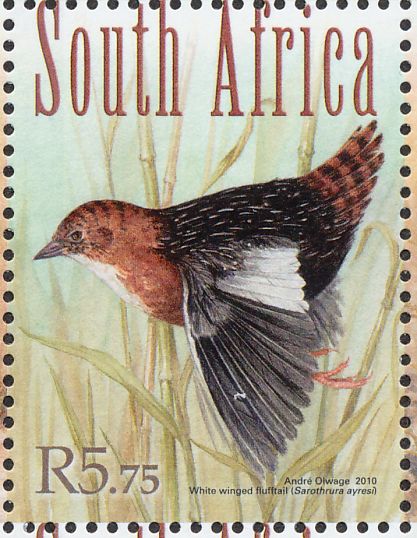
    The White-winged Flufftail, one of Africa’s rarest birds, is on the verge of extinction, conservation body the IUCN warned on Tuesday. The White-winged Flufftail (Sarothrura ayresi) has been listed as critically endangered, putting it on the edge of the extinction abyss. The small, secretive bird is found in Ethiopia, Zimbabwe and South Africa. It feeds on seeds and vegetation as well as insects, spiders, earthworms, small frogs and small fish. The stomach contents of a deceased chick included coleoptera (Dystiscidae) imagines, Diptera larvae (Tipulidae and Tabanidae), and the remains of small crustaceans.

    The White-winged Flufftail, one of Africa’s rarest birds, is on the verge of extinction, conservation body the IUCN warned on Tuesday. The White-winged Flufftail (Sarothrura ayresi) has been listed as critically endangered, putting it on the edge of the extinction abyss. The small, secretive bird is found in Ethiopia, Zimbabwe and South Africa. It feeds on seeds and vegetation as well as insects, spiders, earthworms, small frogs and small fish. The stomach contents of a deceased chick included coleoptera (Dystiscidae) imagines, Diptera larvae (Tipulidae and Tabanidae), and the remains of small crustaceans.

    Sources: The Raw Story, 25 November 2013
    http://www.rawstory.com/rs/2013/11/25/okapi-and-flufftail-make-red-list-of-species-nearing-extinction/
    Birdlife Factsheet
    http://www.birdlife.org/datazone/speciesfactsheet.php?id=2816

  • Fifteen bird species in India remain critically endangered

    Fifteen bird species in India remain critically endangered

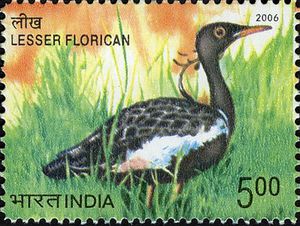
    Fifteen bird species in India remain critically endangered and three bird species that were in the ‘least concern’ category, so far, face greater danger than before, as per the recently-released International Union of Conservation of Nature’s (IUCN) red list. The avian species that fall under the critically endangered category include migratory and non-migratory birds found in wetlands, grasslands, forests as well as scavengers. “The Himalayan Quail and Pink-headed Duck (Rhodonessa caryophyllacea) are practically extinct although they are listed as critically endangered,” said Atul Sathe, manager-communications of the Bombay Natural History Society (BNHS). In the latest list, two birds – the River Lapwing (Vanellus duvaucelii) and River Tern – that were listed as species of least concern have been registered as near threatened. A third bird, the long-tailed duck, which has been sighted in India on a few occasions, has moved from ‘least concern’ to ‘vulnerable’ on the red list, Sathe added.

    Fifteen bird species in India remain critically endangered and three bird species that were in the ‘least concern’ category, so far, face greater danger than before, as per the recently-released International Union of Conservation of Nature’s (IUCN) red list. The avian species that fall under the critically endangered category include migratory and non-migratory birds found in wetlands, grasslands, forests as well as scavengers. “The Himalayan Quail and Pink-headed Duck (Rhodonessa caryophyllacea) are practically extinct although they are listed as critically endangered,” said Atul Sathe, manager-communications of the Bombay Natural History Society (BNHS). In the latest list, two birds – the River Lapwing (Vanellus duvaucelii) and River Tern – that were listed as species of least concern have been registered as near threatened. A third bird, the long-tailed duck, which has been sighted in India on a few occasions, has moved from ‘least concern’ to ‘vulnerable’ on the red list, Sathe added.

    According to the IUCN website, the population of both the River Lapwing (Vanellus duvaucelii) and River Tern (Sterna aurantia) is expected to decline at a moderately rapid rate over the next three generations because of human pressures on riverine ecosystems and the construction of dams.

    Raju Kasambe, the head of the BNHS’s important bird areas, explained that both these birds lay their eggs on the banks of rivers and on small islands that form on the river beds during summer. However, human activities such as bringing cattle and dogs to the riverside result in eggs getting trampled upon.

    “The nesting sites of these birds are not safe,” Kasambe said adding that similar pressures to the habitat had pushed the Indian Skimmer (Rynchops albicollis) to a vulnerable status.

    Source: The Times of India, 27 November 2013
    http://timesofindia.indiatimes.com/city/pune/IUCN-lists-15-Indian-birds-as-critically-endangered/articleshow/26434219.cms

  • Monam Cleanstart kan voorlopig nog gebruikt worden in de lelieteelt. Dat stelt staatssecretaris Sharon Dijksma op vragen van de PvdD

    Monam Cleanstart kan voorlopig nog gebruikt worden in de lelieteelt. Dat stelt staatssecretaris Sharon Dijksma op vragen van de PvdD

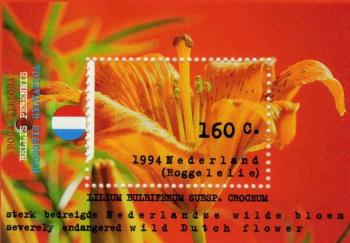
    De PvdD, met bijval van PvdA en GL, stelde dat het middel van de markt moest worden genomen. Uit een recente uitzending van Zembla zou blijken dat de gewasbescherming in de lelieteelt slecht zou zijn voor omwonenden. De partijen willen dat de staatssecretaris een daad stelt door het middel Monam direct van markt te halen. ‘Monam mag alleen gebruikt worden onder zeer strikte voorwaarden en met specifieke apparatuur,’ zei Dijksma. ‘Het middel is toegestaan tot eind 2014. Ik jaag de sector wel op om op zoek te gaan naar alternatieven.’ In januari 2014 komt de Gezondheidsraad met een advies over de effecten van gewasbescherming op de volksgezondheid. Dijksma wil dat advies als basis gebruiken voor een debat over het gebruik van gewasbeschermingsmiddelen. De bewindsvrouw liet weten het College voor de toelating van gewasbeschermingsmiddelen (Ctgb) om advies te hebben gevraagd.

    De PvdD, met bijval van PvdA en GL, stelde dat het middel van de markt moest worden genomen. Uit een recente uitzending van Zembla zou blijken dat de gewasbescherming in de lelieteelt slecht zou zijn voor omwonenden. De partijen willen dat de staatssecretaris een daad stelt door het middel Monam direct van markt te halen. ‘Monam mag alleen gebruikt worden onder zeer strikte voorwaarden en met specifieke apparatuur,’ zei Dijksma. ‘Het middel is toegestaan tot eind 2014. Ik jaag de sector wel op om op zoek te gaan naar alternatieven.’ In januari 2014 komt de Gezondheidsraad met een advies over de effecten van gewasbescherming op de volksgezondheid. Dijksma wil dat advies als basis gebruiken voor een debat over het gebruik van gewasbeschermingsmiddelen. De bewindsvrouw liet weten het College voor de toelating van gewasbeschermingsmiddelen (Ctgb) om advies te hebben gevraagd.

    Dijksma: ‘ik wil graag weten hoe we in de toekomst de effecten van gewasbescherming op de op gezondheid van mensen mee kunnen wegen.’ In een reactie schrijft de toxicoloog Henk Tennekes dat er sterke aanwijzingen zijn dat de LTO het beleid van de staatssecretaris grotendeels bepaalt. Dijksma verleende nog in augustus van dit jaar vrijstelling van Metam-Natrium ondanks een negatief advies van het Ctgb. Na de uitzending van Zembla op 21-11-2013 over het gebruik van metam-natrium in de lelieteelt vond de LTO dat er een onderzoek naar de gezondheid van omwonenden van lelievelden moet komen door de Gezondheidsraad. Staatssecretaris Dijksma heeft de LTO visie, die niets anders is dan een alibi-übung om de eigen verantwoordelijkheid voor het gebruik van het omstreden bestrijdingsmiddel en de daardoor veroorzaakte ziekteverschijnselen bij omwonenden te verdoezelen, één op één overgenomen, aldus Tennekes.

    Vragen Ouwehand

    Vragen van het lid Ouwehand aan de staatssecretaris van Economische Zaken over de noodzaak om omwonenden van bollenvelden beter te beschermen tegen bestrijdingsmiddelen.

    De voorzitter:
    Ik heet de staatssecretaris van Economische Zaken van harte welkom.

    Mevrouw Ouwehand (PvdD):
    Voorzitter. Stel. Je woont naar volle tevredenheid in het buitengebied van Beerze. Tot er ineens lelies worden geteeld op de akker pal naast je tuin, waar twee keer per week de gifspuit over gaat. Afgelopen donderdag zei de betreffende inwoner in ZEMBLA: “We hebben een baby van zes maanden oud. Als je dan leest dat er verhoogd risico is op parkinson, alzheimer, leukemie, vooral bij kinderen, dan word ik daar niet vrolijk van.” We hebben gezien in ZEMBLA hoe groot de gevaren van landbouwgif zijn voor mensen die de pech hebben in de buurt te wonen van een bollenveld. Mensen worden ziek, krijgen ademhalingsproblemen, huiduitslag en ernstige luchtweginfecties. Ook bij het meldpunt Gifklikker, dat de Partij voor de Dieren samen met de Stichting Bollenboos eerder dit jaar oprichtte, krijgen we de ene schrijnende mail na de andere. De mensen zeggen: ik wil niet ziek of dood voor een ander zijn brood. Dat lijkt mij een redelijk uitgangspunt.

    Ik wil van de staatssecretaris weten wat zij gaat doen om omwonenden van akkers te beschermen tegen landbouwgif. Ik noem bijvoorbeeld Monam. Dat spul is verboden, maar Nederland heeft onder voormalig CDA-minister Verburg vrijstelling verleend. Voormalig staatssecretaris Bleker wilde die vrijstelling niet intrekken. De Partij voor de Dieren, Stichting Bollenboos en de omwonenden van lelievelden rekenen op staatssecretaris Dijksma dat zij wel een einde maakt aan het gedoogbeleid voor gevaarlijk landbouwgif. De Partij voor de Dieren wil dat de staatssecretaris toezegt dat zij de aanbevelingen van de Gezondheidsraad integraal overneemt en uitvoert.

    Staatssecretaris Dijksma:
    Voorzitter. Ik dank mevrouw Ouwehand voor de vragen. Het uitgangspunt voor het kabinet is dat gezondheid van mensen altijd voorop moet staan. Dat is ook de wijze waarop het kabinet al deze dossiers zal beoordelen. Het onderzoek van de Gezondheidsraad waar mevrouw Ouwehand naar verwijst, is in concept gereed. Dat onderzoek is overigens door het kabinet gevraagd, door de staatssecretaris van I en M en ondergetekende. Het advies komt begin volgend jaar naar ons toe. De eerste vraag die ik wil beantwoorden, is of we de aanbevelingen serieus nemen en ermee aan de slag gaan. Het antwoord aan mevrouw Ouwehand is: ja, dat doen we. In het concept wordt onder andere voorgesteld om een blootstellingsonderzoek in te stellen om te bekijken welke effecten middelen op omwonenden hebben. Wij zullen dat serieus oppakken. Intussen blijven we ook niet stilzitten. We zullen het CTBG om advies vragen, vooruitlopend op het verschijnen van de EU-beoordelingsmethodiek: wat is de beste manier om ook in de toekomst de effecten van bijvoorbeeld gewasbeschermingsmiddelen op de gezondheid van mensen te kunnen meewegen? Die aanbevelingen, die eraan zitten te komen, nemen wij vanzelfsprekend serieus. Het is wel zo dat het conceptrapport nu naar allerlei betrokkenen wordt gestuurd. Zij kunnen daar hun visie op geven. Dit betekent dat de Kamer de echte kabinetsreactie pas krijgt wanneer het rapport in totaliteit aan mij en aan staatssecretaris Mansveld wordt aangeboden. Dat zal in januari gebeuren.

    Mevrouw Ouwehand (PvdD):
    Dit valt mij wel wat tegen. We wachten al een jaar of drie op dat rapport. Het landbouwgif is in Europa al verboden maar wij maken daarvoor in Nederland nog een uitzondering. In Zembla hebben we kunnen zien hoe ziek mensen ervan worden als de akker toevallig een stormpje ondergaat en het zand waarmee dit gif is vermengd, in de huizen komt en dat kinderen die in dat zand hebben gespeeld, ziek worden en onder de huiduitslag komen te zitten. Dan verwacht ik dat de staatssecretaris zegt dat dat middel, dat toch al verboden is, vanaf nu van de markt gaat en nooit meer terugkomt. Ik verwacht dat de staatssecretaris, als die gifstoffen opnieuw moeten worden beoordeeld op de gezondheidseffecten voor omwonenden, zegt dat we in de tussentijd een stuk terughoudender zullen zijn met die gifstoffen. Ik wil dat de staatssecretaris zegt dat we stoppen met teelten waar iedere week de gifspuit overheen gaat. We kunnen kinderen in afwachting van dat blootstellingsonderzoek toch niet blootstellen aan die gevaren? Ik verwacht meer actie. Of vindt deze staatssecretaris net als de boeren dat mensen die ziek worden van gif, maar moeten verhuizen? Dat kan ik mij eigenlijk niet voorstellen.

    Staatssecretaris Dijksma:
    Nee, dat laatste vind ik zeker niet, maar de samenvatting die mevrouw Ouwehand gaf, doet geen recht aan het kabinetsstandpunt. Mevrouw Ouwehand vroeg of ik de aanbevelingen van de Gezondheidsraad serieus neem. Het antwoord daarop is een volmondig ja. Nog voordat het rapport aan ons wordt aangeboden, zijn wij al begonnen met de voorbereidingen voor het uitvoeren van de aanbevelingen. Het is dus niet zo dat wij achteroverleunen; integendeel. Als je wilt komen tot het beëindigen van bijvoorbeeld het gebruik van middelen of tot het anders gebruiken van middelen, moet je dat echter wel zorgvuldig doen. Daar heb je gegevens voor nodig. Dat zijn precies de gegevens die de Gezondheidsraad op ons verzoek aanlevert. Ik kan het helaas niet helpen dat het conceptrapport nu al uitgebreid wordt bediscussieerd wordt in de media, maar dat het kabinet pas in januari kan beschikken over de ultieme conclusies. Ik heb zojuist echter al toegezegd dat wij vooruitlopend daarop een aantal dingen gaan doen, namelijk het blootstellingsonderzoek starten en intussen aan het CTBG vragen wat dit betekent voor het huidige gebruik en hoe wij hiermee moeten omgaan. Mevrouw Ouwehand krijgt dus wat zij vraagt.

    Mevrouw Ouwehand (PvdD):
    Ik concludeer dat de staatssecretaris geen concrete actie wil toezeggen, zolang het rapport van de Gezondheidsraad nog niet van een kabinetsreactie is voorzien. Dan vraag ik haar toch waarom zij dit jaar nog een vrijstelling heeft verleend voor het gebruik van metam-natrium, dat in Europa is verboden en waarvan het CTBG zegt dat je dat niet moet toelaten omdat de normen voor onder andere vogels en zoogdieren ver worden overschreden. Kan de staatssecretaris toezeggen dat zij dat nooit meer gaat doen? Als zij, zoals zij zegt, in de tussentijd nog niet kan ingrijpen omdat die stoffen opnieuw moeten worden beoordeeld, kan zij dan in elk geval zorgen voor spuitvrije zones, zodat de gifkar niet pal langs een school, een woonhuis of een camping mag omdat daar mensen wonen, leven en recreëren en omdat kinderen daar ziek van kunnen worden?

    Staatssecretaris Dijksma:
    Dat laatste punt maakt nu juist onderdeel uit van het verzoek dat wij bij het Ctgb neerleggen. Dat nemen wij zeer serieus en daar willen wij ook aan werken, maar wel op basis van een advies dat naar ons toe komt. Het middel waarover mevrouw Ouwehand spreekt, mag in Nederland gebruikt worden tot eind 2014, omdat er geen alternatieven voorhanden waren om bepaalde beestjes die bestrijdingsplichtig zijn, ook daadwerkelijk te kunnen bestrijden. Dat betekent dat de sector op zoek moet gaan naar alternatieven. Wij roepen ze daartoe op en wij jagen ze aan. Ondertussen zullen wij dit debat in januari uitgebreid voeren op basis van het kabinetsadvies. Dan zal men zien dat wij het voorstel van de Gezondheidsraad serieus zullen oppakken. Volgens mij verschillen wij niet van mening over de urgentie.

    Mevrouw Ouwehand (PvdD):
    Er zijn een aantal vragen blijven liggen. Ik zal zo direct in de regeling van werkzaamheden een apart debat aanvragen over de gevolgen van landbouwgif voor omwonenden. Het lijkt mij goed als de staatssecretaris die vrijstelling alsnog intrekt.

    Staatssecretaris Dijksma:
    In antwoord op dat verzoek zeg ik dat ik hoop dat we dat debat kunnen hebben op basis van het rapport van de Gezondheidsraad dat in januari verschijnt. Dat is al heel snel. Dan krijgt de Kamer een volledig kabinetsadvies. Wat mij betreft kunnen we het debat dan in volle omvang voeren. Ik zie ernaar uit om dat te doen, want ik denk dat dit heel belangrijk is. Dan kunnen we ook precies vaststellen wat ons te doen staat.

    Mevrouw Jacobi (PvdA):
    Voorzitter. Ik heb nog twee vragen aan de staatssecretaris over Netam natrium, een schimmeldoder. Zou de staatssecretaris kunnen nagaan hoeveel mensen in het ziekenhuis zijn opgenomen of overlijden door resistentie voor deze schimmeldoder? Ik weet dat ik haast moet maken, maar dit is een vraag die even wat concentratie en tijd vraagt. Je hebt mensen die overlijden door antibioticaresistentie, maar er zijn ook mensen die door die schimmeldoder overlijden. Kan de staatssecretaris nagaan hoe groot dit probleem is? Dan kom ik bij mijn tweede vraag …

    De voorzitter:
    Uw tijd is op. U hebt een halve minuut voor het stellen van een vraag. Ik stel voor dat de staatssecretaris deze vraag gaat beantwoorden.

    Staatssecretaris Dijksma:
    Ik denk dat ik daarover in overleg zou moeten treden met mijn collega van VWS. Los daarvan is het misschien goed om te zeggen dat het beestje dat wij bestrijden, een aaltje is en geen schimmel. Het middel dat mevrouw Jacobi noemt, bestrijdt aaltjes en geen schimmels. Er is geen een-op-eenrelatie te leggen met de vraag die beantwoord moet worden.

    De voorzitter:
    Dank u wel. De Partij van de Arbeid heeft haar vragen al opgebruikt, maar de heer Klaver heeft ook nog een vraag. Gaat uw gang.

    De heer Klaver (GroenLinks):
    De staatssecretaris schetst een heel duidelijk proces dat wij langs moeten lopen, maar de mensen die in het buitengebied wonen, hebben nu te maken met de risico’s van het gebruik van landbouwgif. Mijn vraag is wat de staatssecretaris de mensen in het buitengebied, die zich toch al opgejaagd voelen, kan bieden, nog komende week, aan zekerheid over hun gezondheid. Welke voorzorgsmaatregelen kan de staatssecretaris nemen voordat de adviezen er zijn, in januari?

    Staatssecretaris Dijksma:
    Misschien is het dan toch goed om hier te laten weten dat het middel waar we het over hebben, alleen mag worden toegepast onder heel strikte gebruiksvoorschriften. Dat mag slechts een keer per vijf jaar op een perceel worden toegepast, nadat er melding van is gemaakt bij de Dienst Regelingen en de NVWA. Daarmee wordt geprobeerd te voorkomen dat er heel veel mensen en dieren risico’s lopen. Ik denk dat het belangrijk is om vast te stellen dat de telers die deze middelen gebruiken, een heel grote verantwoordelijkheid hebben om dat volgens de regels te doen. Ik denk dat het belangrijk is om in dit debat dat signaal klip-en-klaar te geven, bijna over uw hoofd heen, aan het veld. Ik geloof dat dit ook goed wordt verstaan.

    Mevrouw Ouwehand (PvdD):
    We hebben in de ZEMBLA-uitzending gezien dat de boer bij wie dit incident heeft plaatsgevonden, alle regels had gevolgd. Hij heeft grond geïnjecteerd met gif, waardoor het giftige grond werd. Toen is het gaan stormen en is het giftige zand bij mensen in huis terechtgekomen. Kinderen hebben erin gespeeld, mensen worden er ziek van. Tenzij de staatssecretaris kan garanderen dat er geen voorjaarsstormen meer plaatsvinden waardoor het vergiftigde zand wegwaait, kan zij hier niet volhouden dat met een verantwoordelijkheid die bij de boeren ligt en met het goed naleven van de regels, de gezondheidseffecten voor omwonenden zijn afgedekt.

    Staatssecretaris Dijksma:
    Mevrouw Ouwehand dwingt mij nu bijna om met de Kamer de techniek in te duiken. Als dat nodig is, dan doe ik dat. Dit middel mag alleen worden toegepast met speciaal daarvoor bestemde grondinjectieapparatuur. Het middel moet op minimaal 10 cm diepte worden ingebracht. Er moet dus wel sprake zijn van heel grote stormen, uitzonderlijk grote stormen, wil dat misgaan. Daarmee wil ik het geenszins bagatelliseren, maar ik wil wel vaststellen dat de gebruiksvoorschriften heel precies zijn. Desalniettemin hebben wij de Gezondheidsraad gevraagd om niet alleen voor dit middel, maar meer in algemene zin te kijken naar de effecten van het gebruik van gewasbeschermingsmiddelen op de gezondheid van mensen. Wij nemen de aanbevelingen van de Gezondheidsraad zeer serieus. Wij zullen de Kamer een voorstel doen voor de vraag hoe wij daar vervolgens mee aan de slag gaan.

    Mevrouw Ouwehand (PvdD):
    Alles goed en wel, al ben ik ook teleurgesteld over de middelen die door de toets zijn gekomen, maar dit middel is gewoon verboden. Het Ctgb heeft gezegd dat je het niet moet gebruiken. Minister Verburg heeft vrijstelling verleend, staatssecretaris Bleker heeft vrijstelling verleend en ook deze staatssecretaris gaat daarmee door, terwijl er alternatieven zijn en terwijl wij weten dat het gevaarlijk is. Dat stelt mij echt teleur. Bezin u nog eens, staatssecretaris. Trek die vrijstelling in, dan hebben wij het over de rest van de problemen in januari. Haal dat supergevaarlijke landbouwgif nu van de markt.

    Staatssecretaris Dijksma:
    Ik vind het jammer dat mevrouw Ouwehand een soort patent op zorg lijkt te willen hebben. De een is niet bezorgder dan de ander. Het gaat over de vraag op welke manier je omgaat met de waarschuwingen die je krijgt. Waar gaan ze over? Hoe voer je een en ander uit? Mevrouw Ouwehand trekt allemaal conclusies. Ik zeg: laten wij het debat in januari met elkaar voeren. Als mevrouw Ouwehand dan nog niet tevreden is, kan zij een motie indienen. Dan weten wij vervolgens ook hoe de Kamer erover denkt. Ik zou het jammer vinden om nu, op voorhand, conclusies te trekken. Dat doet echt geen recht aan de grote mate van betrokkenheid bij en zorg over dit onderwerp die het kabinet heeft.

    De voorzitter:
    Ik dank de staatssecretaris voor haar komst naar de Kamer. Wij gaan over naar de volgende vraag.
    Bronnen: Nieuwe Oogst, 26-11-2013
    http://www.nieuweoogst.nu/scripts/edoris/edoris.dll?tem=LTO_TEXT_VIEW&doc_id=186799
    Tweede Kamer, 26-11-2013
    http://www.tweedekamer.nl/kamerstukken/plenaire_verslagen/detail.jsp?vj=2013-2014&nr=28&version=2

  • CLM analyseert de effecten van het moratorium op een aantal toepassingen van clothianidine, thiamethoxam en imidacloprid

    CLM analyseert de effecten van het moratorium op een aantal toepassingen van clothianidine, thiamethoxam en imidacloprid

    De drie neonicotinoïden worden toegepast in verschillende hoeveelheden en in diverse gewassen. Imidacloprid heeft de meest brede toepassing in een 90-tal gewasgroepen variërend van suikerbieten, bloembollen tot sierteelt onder glas, met toelatingen als zaadbehandeling, grondbehandeling, gewasbehandeling en/of druppelbehandeling. Thiamethoxam heeft een brede toepassing in een 30-tal gewasgroepen variërend van snijmaïs tot laan en parkbomen als zaadbehandeling, grondbehandeling en gewasbehandeling. Clothianidine heeft de minst brede toepassing, als zaadbehandeling in maïs, geimporteerd koolzaad en suikerbieten. Het (tijdelijke verbod) vanuit de EU betreft – voor de Nederlandse situatie – alleen zaadbehandeling in maïs en koolzaad en deels gewasbehandeling in fruitteelt, bollenteelt en boomteelt.

    De drie neonicotinoïden worden toegepast in verschillende hoeveelheden en in diverse gewassen. Imidacloprid heeft de meest brede toepassing in een 90-tal gewasgroepen variërend van suikerbieten, bloembollen tot sierteelt onder glas, met toelatingen als zaadbehandeling, grondbehandeling, gewasbehandeling en/of druppelbehandeling. Thiamethoxam heeft een brede toepassing in een 30-tal gewasgroepen variërend van snijmaïs tot laan en parkbomen als zaadbehandeling, grondbehandeling en gewasbehandeling. Clothianidine heeft de minst brede toepassing, als zaadbehandeling in maïs, geimporteerd koolzaad en suikerbieten. Het (tijdelijke verbod) vanuit de EU betreft – voor de Nederlandse situatie – alleen zaadbehandeling in maïs en koolzaad en deels gewasbehandeling in fruitteelt, bollenteelt en boomteelt.

    Globaal wordt geschat dat jaarlijks zo’n 13.000 kilo imidacloprid, ruim 5.000 kilo thiamethoxam en bijna 1.500 kilo clothianidine wordt gebruikt in Nederland. Schatting is dat 14% van de imidacloprid, 14% van de thiamethoxam en 33% van de clothianidine onder het (tijdelijke) verbod valt. Voor de drie neonicotinoïden samen is de schatting dat 15% onder het verbod valt. De verwachting is dat het grootste deel van de toepassingen die tijdelijk verboden worden geen landbouwkundige knelpunten opleveren. Enkele specifieke toepassingen zoals ritnaaldenbestrijding geeft wel een knelpunt. Verder is de kans aanwezig dat telers overschakelen op andere neonicotinoïden zoals thiacloprid en acetamiprid of andere stoffen met mogelijke giftigheid voor bijen zoals deltamethrin.

    Bron: J. van Vliet, L.N.C. Vlaar, P.C. Leendertse. Toepassingen, gebruik en verbod van drie neonicotinoïden in de
    Nederlandse land- en tuinbouw

  • Grüne Bohne: Viele Pflanzenschutzmittelrückstände

    Grüne Bohne: Viele Pflanzenschutzmittelrückstände

    In den zurückliegenden Untersuchungsjahren wurde bei grünen Bohnen immer wieder ein erhöhter Anteil an Höchstmengenüberschreitungen festgestellt, insbesondere bei Bohnen aus Kenia und Marokko. Daher werden auch in diesem Jahr im Rahmen der amtlichen Lebensmittelüberwachung Bohnen auf Rückstände an Pestiziden untersucht. In unserem Bericht sind die Untersuchungsergebnisse von 2010 bis Juni 2013 zusammengefasst. Am CVUA Stuttgart wurden im Berichtszeitraum (2010 bis Juni 2013) insgesamt 180 Proben grüne Bohnen aus verschiedenen Herkunftsländern auf Rückstände von über 600 Pestiziden untersucht. Bei 127 der 180 (70,5%) Proben wurden Rückstände an Pflanzenschutzmitteln festgestellt, wobei 99 Proben (55%) mehr als einen Wirkstoff pro Probe (Mehrfachrückstände) aufwiesen. Insgesamt 18 Proben stammten aus ökologischer Erzeugung, diese waren praktisch rückstandsfrei. Bezogen auf Bohnen aus konventioneller Erzeugung wurden bei 16% der Proben Höchstmengenüberschreitungen festgestellt (Zum Vergleich: in 2012: 24,5%; in 2011: 5,7%; in 2010: 20%; in 2009: 8%). In drei Fällen wurden Rückstandsgehalte eines einzelnen Wirkstoffes festgestellt, die zu einer Überschreitung der toxikologisch noch akzeptablen Aufnahmemenge, der sogenannten akuten Referenzdosis (ARfD) bezogen auf Kleinkinder, führten. Eine Probe davon wurde als möglicherweise gesundheitsschädlich beurteilt.

    In den zurückliegenden Untersuchungsjahren wurde bei grünen Bohnen immer wieder ein erhöhter Anteil an Höchstmengenüberschreitungen festgestellt, insbesondere bei Bohnen aus Kenia und Marokko. Daher werden auch in diesem Jahr im Rahmen der amtlichen Lebensmittelüberwachung Bohnen auf Rückstände an Pestiziden untersucht. In unserem Bericht sind die Untersuchungsergebnisse von 2010 bis Juni 2013 zusammengefasst. Am CVUA Stuttgart wurden im Berichtszeitraum (2010 bis Juni 2013) insgesamt 180 Proben grüne Bohnen aus verschiedenen Herkunftsländern auf Rückstände von über 600 Pestiziden untersucht. Bei 127 der 180 (70,5%) Proben wurden Rückstände an Pflanzenschutzmitteln festgestellt, wobei 99 Proben (55%) mehr als einen Wirkstoff pro Probe (Mehrfachrückstände) aufwiesen. Insgesamt 18 Proben stammten aus ökologischer Erzeugung, diese waren praktisch rückstandsfrei. Bezogen auf Bohnen aus konventioneller Erzeugung wurden bei 16% der Proben Höchstmengenüberschreitungen festgestellt (Zum Vergleich: in 2012: 24,5%; in 2011: 5,7%; in 2010: 20%; in 2009: 8%). In drei Fällen wurden Rückstandsgehalte eines einzelnen Wirkstoffes festgestellt, die zu einer Überschreitung der toxikologisch noch akzeptablen Aufnahmemenge, der sogenannten akuten Referenzdosis (ARfD) bezogen auf Kleinkinder, führten. Eine Probe davon wurde als möglicherweise gesundheitsschädlich beurteilt.

    Die festgestellte Rückstandssituation fiel je nach Herkunftsland ganz unterschiedlich aus. Der Vergleich der Beanstandungen differenziert nach Herkunftsländern zeigt gute Ergebnisse für deutsche Erzeuger. Nur eine Probe musste aufgrund einer Höchstmengenüberschreitung beanstandet werden. Bei zwei von 26 (7,7%) untersuchten einheimischen Bohnen wurden Verstöße gegen die Indikationszulassung festgestellt. Bei importierten Bohnen wurden dagegen teilweise deutlich höhere Beanstandungsquoten festgestellt. Hier muss eine deutliche Besserung angestrebt werden.

    Im Berichtszeitraum wurden insgesamt 180 Proben grüne Bohnen aus verschiedenen Herkunftsländern auf Rückstände von über 600 Pestiziden untersucht. Bei 127 der 180 (70,5%) Proben wurden Rückstände an Pflanzenschutzmitteln festgestellt, wobei 99 Proben (55%) mehr als einen Wirkstoff pro Probe (Mehrfachrückstände) aufwiesen. Bei 26 Proben (14,5%) wurden Rückstandsgehalte über den gesetzlich festgelegten Höchstmengen festgestellt.

    Insgesamt 162 Proben grüne Bohnen stammten aus konventioneller Erzeugung. Die untersuchten Bohnen aus konventioneller Erzeugung stammten aus 9 verschiedenen Herkunftsländern, wobei der überwiegende Anteil der Proben aus Marokko (33,3%), Deutschland (16%), Kenia (15,4%), Ägypten (11,1%) und Spanien (9,3%) stammte. Von insgesamt 162 untersuchten Bohnenproben wurden 26 (16%) aufgrund von Höchstmengenüberschreitungen beanstandet. Die Höchstmengenüberschreitungen bezogen sich fast ausschließlich auf importierte Ware, nur eine dieser Proben stammte aus einheimischem Anbau. Hohe Beanstandungsquoten wurden bei Bohnen aus Thailand (3 von 5 Proben, 60%), Marokko (15 von 54 Proben, 27,8%), Kenia (5 von 25 Proben, 20%) und Äthiopien (1 von 6 Proben, 16,7%) festgestellt, während bei Bohnen aus Ägypten, Senegal und Malaysia in keiner Probe eine gesetzlich festgelegte Rückstandshöchstmenge überschritten wurde.

    In drei Fällen wurde die akute Referenzdosis (ARfD) für den Wirkstoff Oxamyl bezogen auf Kleinkinder überschritten. Bei allen Proben handelte es sich um Proben mit Herkunft Marokko. Zwei Proben (Ausschöpfung ARfD 125% bzw. 794%, nach EFSA PRIMO-Modell) wurden als „nicht sicher“ und damit als für den Verzehr durch den Menschen ungeeignet im Sinne der Verordnung (EG) 178/2002 beurteilt.

    Bei einer Probe war die akute Referenzdosis für den Wirkstoff „Oxamyl“ bezogen auf Kleinkinder so weit überschritten (Ausschöpfung ARfD 3744%, nach EFSA-PRIMO Modell), dass diese Probe als „nicht sicher“ und damit als gesundheitsschädlich im Sinne der Verordnung (EG) 178/2002 beurteilt werden mußte. Aufgrund der überaus hohen Überschreitung der akuten Referenzdosis konnte zumindest für einen Teil der Verbraucher mit hohen Verzehrsmengen an Bohnen eine gesundheitliche Beeinträchtigung nicht mehr mit der zu fordernden Sicherheit ausgeschlossen werden.

    Der Wirkstoff Oxamyl darf innerhalb der EU nur für Anwendungen als Nematizid und Insektizid zugelassen werden (Durchführungsverordnung (EU) Nr. 540/2011 der KOMMISSION vom 25. Mai 2011 zur Durchführung der VO (EG) Nr. 1107/2009 des Europäischen Parlaments und des Rates hinsichtlich der Liste zugelassener Wirkstoffe). In mehreren Mitgliedstaaten bestehen auf nationaler Ebene Zulassungen, in Deutschland besteht derzeit keine Zulassung. Für den Wirkstoff ist eine sehr niedrige ARfD von 0,001 mg/kg Körpergewicht /Tag abgeleitet.

    Neben der Überprüfung der Einhaltung der gesetzlichen Höchstmengen wird im Rahmen der Rückstandsuntersuchungen bei Proben aus einheimischem Anbau zusätzlich überprüft, ob die nachgewiesenen Rückstände aus einer zugelassenen Anwendung stammen.

    In zwei der insgesamt 26 Proben aus einheimischer Erzeugung wurden die Wirkstoffe Captan bzw. Dimoxystrobin nachgewiesen, die für eine Anwendung bei Bohnen nicht zugelassen sind. Pflanzenschutzmittel, die den Wirkstoff Captan oder Dimoxystrobin enthalten, sind in Deutschland zwar zugelassen, es sind jedoch keine Captan oder Dimoxystrobin enthaltenden Pflanzenschutzmittel für eine Anwendung bei Bohnen zugelassen.

    Im Berichtszeitraum wurde in 61% der untersuchten Bohnen aus konventionellem Anbau mehr als ein Wirkstoff pro Probe nachgewiesen (Mehrfachrückstände). Im Mittel enthielten die untersuchten Proben 2,2 Wirkstoffe pro Probe. Maximal wurden 8 verschiedene Wirkstoffe pro Probe nachgewiesen, hierbei handelte es sich um eine grüne Bohne aus Thailand sowie eine Probe aus Marokko.

    Bei der Untersuchung der Bohnen aus konventionellem Anbau wurden insgesamt 82 verschiedene Wirkstoffe nachgewiesen. Es handelt sich hierbei vor allem um Insektizide, Fungizide und Akarizide.

    Rückstände der quaternären Ammoniumverbindungen Didecyldimethylammoniumchlorid (DDAC) und Benzalkoniumchlorid (BAC) wurden ausschließlich in 4 Proben grüne Bohnen aus Kenia nachgewiesen. In Proben anderer Herkünfte waren Rückstände an quarternären Ammoniumverbindungen nicht nachweisbar. In allen vier Proben wurde die allgemeine Rückstandshöchstmenge von 0,01 mg/kg für DDAC und/oder BAC überschritten (3-mal bezüglich DDAC, 2-mal bezüglich BAC). Alle festgestellten Gehalte lagen jedoch unterhalb von 0,1 mg/kg und somit weit unterhalb des vorübergehend von der Europäischen Kommission festgesetzten Eingriffswertes von 0,5 mg/kg. Dieser wurde im Rahmen des Risikomanagements festgesetzt, um vorübergehend die Vermarktung von Erzeugnissen mit Gehalten an DDAC und BAC, die gesundheitlich unbedenklich und Folge einer Kreuzkontamination sind, zu ermöglichen.

    Die Rückstände können entweder durch den Einsatz von QAV enthaltenden Desinfektionsmitteln in lebensmittelverarbeitenden Prozessen, wie Waschen und Verpacken, aber auch durch die Anwendung von Pflanzenstärkungsmitteln, die diese Stoffe unzulässigerweise enthalten, verursacht worden sein. Lediglich Didecyldimethylammoniumchlorid (DDAC) ist durch die Verordnung (EG) Nr. 1107/2009 grundsätzlich als Wirkstoff für Pflanzenschutzmittel genehmigt. In einem Fall wurde als mögliche Ursache für einen in einer Probe festgestellten überhöhten Gehalt eine Kontamination durch die erfolgte Desinfektion von Messern beim Schneideprozess angegeben.

    Insgesamt 18 Proben stammten aus ökologischer Erzeugung, diese waren praktisch rückstandsfrei. Nur in einer Probe wurden 2 Wirkstoffe nachgewiesen (2,6-Dichlorbenzamid, Boscalid), so dass keine Probe beanstandet werden mußte. Alle untersuchten Proben erfüllten die Anforderungen nach den Vorgaben der EG-Öko-Verordnung hinsichtlich der Verwendung von Pflanzenschutzmitteln. (CUVA)
    Quelle: Gabot, 31.10.2013
    http://www.gabot.de/index.php/News-Details/52/0/?&tx_ttnews%5Btt_news%5D=233368&cHash=326676bf8a78e8a8e4d0d661a00364f9