Auteur: Henk Tennekes

  • Persistence of imidacloprid and its major metabolites in sugarcane leaves and juice following its soil application

    Persistence of imidacloprid and its major metabolites in sugarcane leaves and juice following its soil application

    The persistence and metabolism of imidacloprid in sugarcane leaves and juice were studied following application of imidacloprid @ 20 and 80 g a.i. ha−1. Samples of sugarcane leaves were collected at various time intervals (7, 15, 30, 45, 60 and 90 days after treatment), whereas those of juice were collected at the time of harvest. The residues of imidacloprid and its metabolites (6-chloronicotinic acid, nitrosimine, imidacloprid-NTG, olefin, urea and 5-hydroxy) were quantified by high-performance liquid chromatograph. In leaves, the total imidacloprid residues were mainly constituted by the parent compound followed by 6-chloronicotinic acid metabolite. Total residues of imidacloprid and its metabolites were found to be 4.97 and 12.99 mg kg−1 in sugarcane leaves collected 7 days after the application of imidacloprid @ 20 and 80 g a.i. ha−1 respectively. At both the doses, these residues declined to below the detectable limit in the leaves after 90 days of application with the half-life values of 9.68 and 8.14 days of imidacloprid @ 20 and 80 g a.i. ha−1 respectively. The total toxic residues of imidacloprid in sugarcane leaves were 0.90 and 6.29 mg kg−1 at 7 days after treatment of imidacloprid @ 20 and 80 g a.i. ha−1 respectively. The bioconcentration factor in sugarcane leaves was 0.35 and 1.03 in the lower and higher dose respectively at 7 days after treatment. The total residues followed the pseudo first order kinetics with R2 of 0.9243 and 0.944 for recommended dose and four times the recommended dose, respectively. The residues of imidacloprid and its metabolites were not detected in samples of sugarcane juice.

    The persistence and metabolism of imidacloprid in sugarcane leaves and juice were studied following application of imidacloprid @ 20 and 80 g a.i. ha−1. Samples of sugarcane leaves were collected at various time intervals (7, 15, 30, 45, 60 and 90 days after treatment), whereas those of juice were collected at the time of harvest. The residues of imidacloprid and its metabolites (6-chloronicotinic acid, nitrosimine, imidacloprid-NTG, olefin, urea and 5-hydroxy) were quantified by high-performance liquid chromatograph. In leaves, the total imidacloprid residues were mainly constituted by the parent compound followed by 6-chloronicotinic acid metabolite. Total residues of imidacloprid and its metabolites were found to be 4.97 and 12.99 mg kg−1 in sugarcane leaves collected 7 days after the application of imidacloprid @ 20 and 80 g a.i. ha−1 respectively. At both the doses, these residues declined to below the detectable limit in the leaves after 90 days of application with the half-life values of 9.68 and 8.14 days of imidacloprid @ 20 and 80 g a.i. ha−1 respectively. The total toxic residues of imidacloprid in sugarcane leaves were 0.90 and 6.29 mg kg−1 at 7 days after treatment of imidacloprid @ 20 and 80 g a.i. ha−1 respectively. The bioconcentration factor in sugarcane leaves was 0.35 and 1.03 in the lower and higher dose respectively at 7 days after treatment. The total residues followed the pseudo first order kinetics with R2 of 0.9243 and 0.944 for recommended dose and four times the recommended dose, respectively. The residues of imidacloprid and its metabolites were not detected in samples of sugarcane juice.

    Source:
    Smriti Sharma & Balwinder Singh
    International Journal of Environmental Analytical Chemistry
    DOI:10.1080/03067319.2013.853759
    Received: 11 Mar 2013
    Accepted: 4 Oct 2013
    Published online: 18 Nov 2013
    http://www.tandfonline.com/doi/abs/10.1080/03067319.2013.853759

  • We zouden moeten uitgroeien tot een wereldleider in duurzame alternatieven voor schadelijke pesticiden

    We zouden moeten uitgroeien tot een wereldleider in duurzame alternatieven voor schadelijke pesticiden

    De Europese Unie is op 1 december 2013 moedig begonnen met een verbod van twee jaar op bepaalde toepassingen van drie neonicotinoide pesticiden die schadelijk voor honingbijen en andere bestuivers zijn. Het Europese verbod gaat over neuroactieve insecticiden die in hun werking vergelijkbaar zijn met nicotine. De bekende gevolgen voor bijen variëren van negatieve beinvloeding van foerageergedrag en navigatie (die hun vermogen om gewassen te bestuiven vermindert) tot de dood. Bestuivers zijn essentieel voor onze voedselvoorziening en landbouweconomie. Ze zorgen voor meer dan een derde van het voedsel dat we eten, verbeteren de productie van 75 procent van alle soorten gewassen, en zijn essentieel voor talrijke gewassen, zoals amandelen, avocado’s, appels en kersen. Maar we moeten veel meer doen, en uitgroeien tot een wereldleider in duurzame alternatieven voor schadelijke pesticiden.

    De Europese Unie is op 1 december 2013 moedig begonnen met een verbod van twee jaar op bepaalde toepassingen van drie neonicotinoide pesticiden die schadelijk voor honingbijen en andere bestuivers zijn. Het Europese verbod gaat over neuroactieve insecticiden die in hun werking vergelijkbaar zijn met nicotine. De bekende gevolgen voor bijen variëren van negatieve beinvloeding van foerageergedrag en navigatie (die hun vermogen om gewassen te bestuiven vermindert) tot de dood. Bestuivers zijn essentieel voor onze voedselvoorziening en landbouweconomie. Ze zorgen voor meer dan een derde van het voedsel dat we eten, verbeteren de productie van 75 procent van alle soorten gewassen, en zijn essentieel voor talrijke gewassen, zoals amandelen, avocado’s, appels en kersen. Maar we moeten veel meer doen, en uitgroeien tot een wereldleider in duurzame alternatieven voor schadelijke pesticiden.

    Een vloedgolf van wetenschappelijk bewijs toont aan dat deze verbindingen een belangrijke rol spelen in Colony Collapse Disorder, een fenomeen waarmee de sterk verhoogde bijenvolksterfte in de Verenigde Staten sinds 2006 wordt omschreven. Verdere studies tonen aan dat de zogenaamde neonics ook verlammende effecten op wilde bestuivers hebben. Zo voltrok zich afgelopen zomer in Oregon een enorme hommel sterfte na toepassing van neonics op verschillende sierbomen.

    Sommigen verdedigen de neonics, die zich voornamelijk op insecten richten, met het argument dat de boeren door een verbod zouden kunnen terugkeren naar nog giftigere pesticiden. Deze zorg mag legitiem zijn, maar het kan nooit een rechtvaardiging zijn voor de voortzetting van het gebruik van chemische stoffen die de gezondheid van bestuivers ernstig kunnen verstoren. In plaats daarvan moeten beleidsmakers er naar streven het gebruik van alle bestrijdingsmiddelen (insecticiden, fungiciden, herbiciden, enz.) waarvan is aangetoond dat ze schadelijk zijn voor mens en milieu drastisch te verminderen, zodat het alternatief voor een twijfelachtig product niet nog erger is als een neonicotinoide! Concreet zouden de nodige prikkels moeten worden ingebouwd in beleidsmaatregelen, en onderzoeksgelden moeten worden vrijgemaakt, om duurzame alternatieven voor het gebruik van synthetische pesticiden te identificeren en te bevorderen. Dat is veel verstandiger dan het gedogen van de verontreiniging van water, lucht en bodem met giftige bestrijdingsmiddelen. Ieder jaar worden circa 700 miljoen kg werkzame bestanddelen van bestrijdingsmiddelen verspreid in de landbouw van de V.S. en meer als 2 miljard kg wereldwijd. En als de huidige trends in het gebruik van bestrijdingsmiddelen zich voortzetten zal het gebruik tot 2050 nog verder stijgen met een factor 2,7.

    Er zijn alternatieven voor synthetische pesticiden. Het is een misvatting te veronderstellen dat de telers en wetenschappers, er door samenwerking niet in zouden kunnen slagen hoge productiemethoden te ontwikkelen die grotendeels of helemaal onafhankelijk zijn van pesticiden. Vele studies en ervaringen uit de praktijk tonen de haalbaarheid van alternatieve benaderingen aan. In de Verenigde Staten bleek bijvoorbeeld uit een langdurige studie in Idaho dat bepaalde gewasrotatieschema’s het gebruik van herbiciden overbodig maakte. Eerder onderzoek had uitgewezen dat soortgelijke rotatie methoden maïs en soja boeren ook konden helpen om ook ernstige droogte., zoals in 2012 in de VS, het hoofd te bieden. Deze voorbeelden tonen aan dat pesticide-vrije benaderingen in duurzame landbouw tenminste evenwaardig zijn aan pesticide-afhankelijke benaderingen. Ze onderstrepen ook de rol die onderzoek kan spelen in het ontwikkelen van effectieve alternatieven.

    Bron:
    The Berkeley Blog, 1 december 2013
    Europe is banning bee-harmful pesticides; the US should take a lead.
    van Claire Kremen, professor, environmental sciences; co-director, Berkeley Food Institute | 12/1/13
    http://blogs.berkeley.edu/2013/12/01/europe-is-banning-bee-harmful-pesticides-the-us-should-take-a-lead/

  • Claire Kremen: The United States should become a world leader in championing sustainable alternatives to harmful pesticides

    Claire Kremen: The United States should become a world leader in championing sustainable alternatives to harmful pesticides

    Like the European Union – which today (Dec. 1) boldly begins a two-year ban on selected pesticides thought to be harmful to honeybees and other pollinators – the United States should help protect pollinators by banning these pesticides. But the United States should do far more, and become a world leader in championing sustainable alternatives to harmful pesticides.

    Like the European Union – which today (Dec. 1) boldly begins a two-year ban on selected pesticides thought to be harmful to honeybees and other pollinators – the United States should help protect pollinators by banning these pesticides. But the United States should do far more, and become a world leader in championing sustainable alternatives to harmful pesticides.

    Pollinators are vital to our food supply and to California’s agricultural economy. They provide over one third of the food that we eat, improve production for 75 percent of all crop species, and are essential for many key crops grown in California, such as almonds, avocados, apples and cherries. Pollinators’ contribution to Californian agriculture is estimated at $2.7-6.3 billion per year.

    The pesticides banned in Europe today are all neonicotinoids, neuroactive insecticides similar to nicotine. Their known impacts on bees range from interference with foraging and navigation (which reduces their ability to pollinate crops) to death. A tide of scientific evidence is accumulating that implicates these compounds in Colony Collapse Disorder, a phenomenon that has decimated honeybee colonies in the United States since 2006. Additional studies show that so-called neonics have crippling effects on wild pollinators. A massive bumblebee kill occurred last summer in Oregon following application of neonics to several ornamental trees.

    Some defend neonics, which primarily target insects, arguing that farmers may revert to even more broadly toxic pesticides if these compounds are banned. This fear may be valid, but it is not an adequate justification for continuing to use chemicals that may seriously disrupt pollinator health. Instead, policy makers should strive to drastically reduce use of all pesticides (insecticides, fungicides, herbicides, etc.) that have been shown to be harmful to humans and the environment, so that the alternative to a questionable product like a neonic is not something worse! Specifically, US policies should create appropriate incentives in the Farm Bill and other policies, and should designate research funds to identify and promote sustainable alternatives to synthetic pesticide use.

    The continued widespread use of neonics could have important economic consequences. California could be greatly affected – the entire US almond industry, which is completely dependent on pollinators for nut production and is worth $3 billion per year, is located here. Certainly the US EPA should ban the use of neonic pesticides indefinitely, unless they are proven in the future not to be detrimental to pollinator health.

    But the burden of proof is not as simple as testing a single chemical in a lab. It’s a grave concern that breakdown products of some neonics – that is, new chemical compounds produced from metabolism of the original neonic chemical – can have even more toxic effects on insect pollinators than the marketed products.

    Scientists have just begun to examine how neonics might be interacting with other pesticides to affect bee health. Little is yet known about how these compounds, or their breakdown products, might combine with other pesticides used simultaneously or sequentially on farm fields to affect bee or human health.

    Also, targeted pesticides such as neonics are not necessarily free from impacts on mammalian, and therefore, human, health. Recently, imidacloprid, one of the most widely used neonics in our country and one of three now banned in Europe, was shown to cause skeletal abnormalities and to compromise the immune systems of developing rat fetuses, in a study published in the journal of Food and Chemical Toxicology. Chronic exposure in pregnant women could have similar trans-generational effects as those observed in this study.

    The US EPA does, of course, have substantial regulatory procedures for evaluating pesticides before they are marketed, but these cannot possibly include testing all of the possible breakdown products and their potential synergistic reactions with other chemicals released into farm fields, or examining all of the potential trans-generational effects in humans or other organisms. Rather than attempt the impossible, it is far more sensible simply not to release toxic pesticides into our water, air, and soil in the first place.

    As a case in point, on 37 farm fields in one county in California’s Central Valley, where we investigate how farm management practices affect native pollinators, each field in our study was sprayed, on average, 24 times, in 2012 (the range was 2 to 87 times!), collectively including 84 different active ingredients. This variety makes for a potent cocktail with truly unknown effects on pollinators and other organisms.

    Each year 1.5 billion pounds of pesticides (the amount refers to the active ingredients) are released in the United States. The amount of pesticides used globally is similarly astounding (5 billion pounds per year of active ingredients). If current trends in pesticide use continue, these amounts are projected to increase 2.7 times by 2050.

    Alternatives to synthetic pesticides do exist. It is a fallacy to presume that growers and scientists, working together, cannot devise high production practices that are largely or completely pesticide-free. Many studies and experiences in practice show the feasibility of alternative approaches. In East Africa, for example, clever agro-ecological research conducted over 15 years revealed that growing selected fodder, legume and grass species in combination with staple maize and sorghum crops permitted control of two serious pests that plague these crops. As of 2010, this system was adopted by over 30,000 small farmers and not only tripled yields, on average, but also improved livestock production, incomes, soil fertility, and, through these, positively impacted women’s empowerment.

    In the US, a long-term study in Idaho showed that using more complex rotations than the typical two-year corn-soy rotation can control weeds without resorting to herbicide use (some of which are known endocrine disruptors), while maintaining profitability. Interestingly, earlier research and experience showed that similar long-rotations and cultural methods for corn and soy also help farmers to weather severe droughts, such as the one experienced in 2012 in the US corn belt. These examples demonstrate that pesticide-free approaches used in sustainable agriculture are equally or more productive than pesticide-dependent approaches and often have other tangible benefits. They underscore also the role that research can play in developing effective alternatives.

    Beyond prioritizing research on alternatives to pesticides and banning neonics unless proven to be safe, our government should provide far more funding through the Farm Bill or other policies for programs that support growers who adopt sustainable agricultural methods, like planting habitat for natural enemies of crop pests to reduce or eliminate usage of hazardous pesticides. Instead, agricultural spending from the Farm Bill has primarily subsidized conventional corn and soy production and crop insurance programs, without requiring improved environmental practices. It’s time to stop reinforcing a toxic status quo. We need to pass a Farm Bill and strengthen other programs that can provide the incentives and information farmers need to adopt more sustainable practices.

    Contributors’ by lines: Leithen M’Gonigle is a postdoctoral researcher working with Kremen at UC Berkeley on how wild pollinators contribute to our food supply and what farming practices can promote them. Lori Ann Thrupp is a sustainable agriculture expert, and the Executive Director of the Berkeley Food Institute, a new center dedicated to promoting a food system that is diverse, just, resilient and healthy.

    Source: The Berkeley Blog, 1 December 2013
    Europe is banning bee-harmful pesticides; the US should take a lead.
    by Claire Kremen, professor, environmental sciences; co-director, Berkeley Food Institute | 12/1/13

  • Norbert Straumann: Voraussetzungen für ein naturwissenschaftliches Studium

    Norbert Straumann: Voraussetzungen für ein naturwissenschaftliches Studium

    Die Bitte von Herrn Wegenast, ein paar Seiten zu diesem Thema zu schreiben, konnte ich nicht abschlagen, aber zunächst war ich etwas ratlos. Allgemein gehaltene und ausgewogene Artikel darüber gibt es viele. Nach einigem Zögern habe ich mich entschlossen, diese Zeilen aus ganz persönlicher Sicht zu schreiben. Aus eigener Erfahrung weiss ich, wie unerhört wichtig es für junge Menschen ist, neben guten auch ein paar herausragende Lehrer zu haben, die neben persönlichen und pädagogischen Qualitäten ausserdem ein überzeugendes tiefes Verständnis ihres Faches besitzen. Im Umfeld der Schule gibt es nichts, was aufgeweckte neugierige junge Menschen stärker prägen kann. Im Vergleich dazu sind die vielen, noch so gutgemeinten Reformen unwichtig. Aus vielerlei Gründen ist es heute offenbar schwieriger, die Jugend für die “harten” Disziplinen der Naturwissenschaften zu begeistern. Leisten können dies allenfalls qualifizierte Lehrer. Wie kann sonst ein Verständnis für die modernen exakten Naturwissenschaften mit ihren so wesentlichen abstrakten Konstruktionen vermittelt werden? “Was wir betonen müssen, ist die ideale Seite der naturwissenschaftlichen Studien, ihre Schönheit und innere Wahrhaftigkeit; ihre Kraft phrasenloses Denken und rücksichtsloses Schliessen im Schüler zu entwickeln”. Diese Forderung zu den Massstäben des Unterrichts stammt von Arnold Sommerfeld, einem der bedeutendsten Lehrer in den exakten Wissenschaften des 20.Jahrhunderts.

    Die Bitte von Herrn Wegenast, ein paar Seiten zu diesem Thema zu schreiben, konnte ich nicht abschlagen, aber zunächst war ich etwas ratlos. Allgemein gehaltene und ausgewogene Artikel darüber gibt es viele. Nach einigem Zögern habe ich mich entschlossen, diese Zeilen aus ganz persönlicher Sicht zu schreiben. Aus eigener Erfahrung weiss ich, wie unerhört wichtig es für junge Menschen ist, neben guten auch ein paar herausragende Lehrer zu haben, die neben persönlichen und pädagogischen Qualitäten ausserdem ein überzeugendes tiefes Verständnis ihres Faches besitzen. Im Umfeld der Schule gibt es nichts, was aufgeweckte neugierige junge Menschen stärker prägen kann. Im Vergleich dazu sind die vielen, noch so gutgemeinten Reformen unwichtig. Aus vielerlei Gründen ist es heute offenbar schwieriger, die Jugend für die “harten” Disziplinen der Naturwissenschaften zu begeistern. Leisten können dies allenfalls qualifizierte Lehrer. Wie kann sonst ein Verständnis für die modernen exakten Naturwissenschaften mit ihren so wesentlichen abstrakten Konstruktionen vermittelt werden? “Was wir betonen müssen, ist die ideale Seite der naturwissenschaftlichen Studien, ihre Schönheit und innere Wahrhaftigkeit; ihre Kraft phrasenloses Denken und rücksichtsloses Schliessen im Schüler zu entwickeln”. Diese Forderung zu den Massstäben des Unterrichts stammt von Arnold Sommerfeld, einem der bedeutendsten Lehrer in den exakten Wissenschaften des 20.Jahrhunderts.

    Quelle:
    Norbert Straumann.
    VSH-Bulletin Nr. 2/3, August 2003, S. 20 ff.
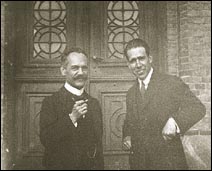
    Bild: Arnold Sommerfeld (links) und Niels Bohr

  • The ‘soft citrus’ fruit served up by supermarkets is popular for all the wrong reasons

    The ‘soft citrus’ fruit served up by supermarkets is popular for all the wrong reasons

    Once it became clear to citrus growers that the British hate to peel anything and can’t face pips in any number, efforts were concentrated on producing easy-to-eat fruit for a nation that must be strong-armed into eating its five a day. The fresh fruit eventually arrived in wooden trays, precious little gifts individually wrapped in tissue paper. They were expensive – there were no bogof deals then. But the mandarins, tangerines and satsumas in today’s fruit section of Tesco, Sainsbury, Morrisons and Asda are on permanent special offer. The most irritating thing about the convenience fruit mountains, however, is not only the manipulation of the skin, but the use of pesticides. When the government-backed Pesticides Residue Committee (PRC) last tested soft citrus in 2008, 24 out of 24 samples were found to contain residues of agricultural chemicals. Nineteen of the samples were from outside the EU, five from the EU and 10 out of the total 24 contained residues of three separate chemicals.

    Once it became clear to citrus growers that the British hate to peel anything and can’t face pips in any number, efforts were concentrated on producing easy-to-eat fruit for a nation that must be strong-armed into eating its five a day. The fresh fruit eventually arrived in wooden trays, precious little gifts individually wrapped in tissue paper. They were expensive – there were no bogof deals then. But the mandarins, tangerines and satsumas in today’s fruit section of Tesco, Sainsbury, Morrisons and Asda are on permanent special offer. The most irritating thing about the convenience fruit mountains, however, is not only the manipulation of the skin, but the use of pesticides. When the government-backed Pesticides Residue Committee (PRC) last tested soft citrus in 2008, 24 out of 24 samples were found to contain residues of agricultural chemicals. Nineteen of the samples were from outside the EU, five from the EU and 10 out of the total 24 contained residues of three separate chemicals.

    Peel is not a barrier to residues. The PRC admits that only 5 per cent of the residues will be found in the flesh of the fruit, so thank heavens few people eat the peel. But while individual, licensed pesticides are deemed safe (until they are quietly withdrawn), cocktails of pesticides are believed to be dangerous. One reason why fruit trees are sprayed is to reduce the risk of diseases that leave marks on the skin. We pay a high price for perfection.

    Source: The Telegraph, 5 December 2009
    http://www.telegraph.co.uk/foodanddrink/seasonal-food-and-drink/6729333/Clementines-a-sweet-and-sour-tale.html

  • Türkische Paprikas in EU mit 15-facher Menge eines Insektizids als erlaubt entdeckt

    Türkische Paprikas in EU mit 15-facher Menge eines Insektizids als erlaubt entdeckt

    Das Schnellwarnsystem für Lebensmittel (Rapid Alert System for Food, RASSF) hat den Eintritt von drei getrennten Paprikaposten aus der Türkei in der Europäischen Union (EU) festgestellt, die zerstört wurden, da sie bei weitem die Maximalen Rückstandsmengen (MRL) mit dem weltweit verwendeten Insektizid Malathion überschritten, die erlaubt sind. Das Brüssel dienende RASSF sagte, das ist ohne Zweifel die schwerste Feststellung bei Gemüse in den letzten Monaten. Und die kompetenten Behörden für dieses Thema in dem UK waren gezwungen, eine Lieferung grüne Bohnen aus Kenia zu zerstören, die einen Cocktail an Pestziden enthielt, darunter die 31,5-fache Menge von Dimethoate als erlaubt. Malathion ist ein starkes phosphororganisches Insektizid. In zwei Fällen waren die in der EU akzeptierten MRL für diese Chemikalie mit Werten von 0,4 und 0,038 Milligramm pro Kilogramm der Substanz bei den Proben überschritten, bei Paprika sind maximal 0,02 Milligramm erlaubt sind. Die dritte Probe hat die MRL jedoch bei weitem überstiegen, da das Malathion bei 0,288 Milligramm pro Kilo lag, was das 14,4-fache des Erlaubten ist.

    Das Schnellwarnsystem für Lebensmittel (Rapid Alert System for Food, RASSF) hat den Eintritt von drei getrennten Paprikaposten aus der Türkei in der Europäischen Union (EU) festgestellt, die zerstört wurden, da sie bei weitem die Maximalen Rückstandsmengen (MRL) mit dem weltweit verwendeten Insektizid Malathion überschritten, die erlaubt sind. Das Brüssel dienende RASSF sagte, das ist ohne Zweifel die schwerste Feststellung bei Gemüse in den letzten Monaten. Und die kompetenten Behörden für dieses Thema in dem UK waren gezwungen, eine Lieferung grüne Bohnen aus Kenia zu zerstören, die einen Cocktail an Pestziden enthielt, darunter die 31,5-fache Menge von Dimethoate als erlaubt. Malathion ist ein starkes phosphororganisches Insektizid. In zwei Fällen waren die in der EU akzeptierten MRL für diese Chemikalie mit Werten von 0,4 und 0,038 Milligramm pro Kilogramm der Substanz bei den Proben überschritten, bei Paprika sind maximal 0,02 Milligramm erlaubt sind. Die dritte Probe hat die MRL jedoch bei weitem überstiegen, da das Malathion bei 0,288 Milligramm pro Kilo lag, was das 14,4-fache des Erlaubten ist.

    In allen drei Fällen von Paprika sagt Rafa Villegas auf www.fhalmeria.com, Bulgarien war das Land, das die Waren erhalten hat, und nachdem die notwendigen Analysen durchgeführt wurden, erhielt es diese Ergebnisse.

    Der Eintritt von Paprikas aus der Türkei in die Europäische Union, normalerweise über Bulgarien, die die MRL überschreiten, ist nicht neu, sondern eher eine Konstante. Außer der Abblockung der Abläufe sollte die EU in Betracht ziehen, Änderungen zu verlangen, wenn Produkte aus der Türkei eintreffen, damit der Import von Obst und Gemüse aus diesem erfolgen kann.

    Quelle: AgroInformación/fhalmeria.com
    Veröffentlichungsdatum: 8.11.2013
    http://www.fruchtportal.de/aktuelles/lesen/52117/Tuerkische-Paprikas-in-EU-mit-15-facher-Menge-eines-Insektizids-als-erlaubt-entdeckt

  • Laten we het eens hebben over gifstoffen en de toename van prostaatkanker

    Laten we het eens hebben over gifstoffen en de toename van prostaatkanker

    Vorig jaar publiceerde de Amerikaanse stichting Environmental Defense het rapport “The Manscape: The Dirt on Toxic Ingredients in Men’s Body Care Products”. De stichting had 17 producten (zoals shampoo, aftershave en scheerschuim) uit het scheergerei van vijf Canadezen voor nader onderzoek naar een extern laboratorium gestuurd. Het onderzoek wees uit dat een deel van de populaire producten stoffen bevatten die schade kunnen toebrengen aan de gezondheid. Chemicaliën zoals 1,4-dioxaan, ftalaten en parabenen (die oestrogeen nabootsen) horen in ieder geval niet thuis in producten voor persoonlijke verzorging. In februari 2013 publiceerden de World Health Organization (WHO) en het Milieuprogramma van de Verenigde Naties (UNEP) het gezaghebbende rapport – Endocrine-disrupting Chemicals – 2012, een diepgaande analyse van de stand van de wetenschap ten aanzien van hormoonontregelende chemische stoffen en hun effecten op de volksgezondheid. Het rapport sprak bezorgdheid uit dat synthetische chemicaliën die in cosmetica voorkomen, zoals ftalaten en parabenen, natuurlijke hormonen nabootsen, waardoor de productie van oestrogeen en de stofwisseling kan worden beïnvloed. Deze chemicaliën zouden in verband kunnen staan met het toenemende aantal hormoon-afhankelijke vormen van kanker, zoals teelbalkanker en schildklierkanker.

    Vorig jaar publiceerde de Amerikaanse stichting Environmental Defense het rapport “The Manscape: The Dirt on Toxic Ingredients in Men’s Body Care Products”. De stichting had 17 producten (zoals shampoo, aftershave en scheerschuim) uit het scheergerei van vijf Canadezen voor nader onderzoek naar een extern laboratorium gestuurd. Het onderzoek wees uit dat een deel van de populaire producten stoffen bevatten die schade kunnen toebrengen aan de gezondheid. Chemicaliën zoals 1,4-dioxaan, ftalaten en parabenen (die oestrogeen nabootsen) horen in ieder geval niet thuis in producten voor persoonlijke verzorging. In februari 2013 publiceerden de World Health Organization (WHO) en het Milieuprogramma van de Verenigde Naties (UNEP) het gezaghebbende rapport – Endocrine-disrupting Chemicals – 2012, een diepgaande analyse van de stand van de wetenschap ten aanzien van hormoonontregelende chemische stoffen en hun effecten op de volksgezondheid. Het rapport sprak bezorgdheid uit dat synthetische chemicaliën die in cosmetica voorkomen, zoals ftalaten en parabenen, natuurlijke hormonen nabootsen, waardoor de productie van oestrogeen en de stofwisseling kan worden beïnvloed. Deze chemicaliën zouden in verband kunnen staan met het toenemende aantal hormoon-afhankelijke vormen van kanker, zoals teelbalkanker en schildklierkanker.

    Het rapport geeft ook aan dat in veel landen de incidentie van prostaatkanker dramatisch stijgt. Hoewel de medische diagnostiek ongetwijfeld in de afgelopen decennia is vooruitgegaan, kan de toename van prostaatkanker niet alleen worden verklaard door verbeterde diagnostische methoden. Uit studies onder allochtone bevolkingsgroepen en uit studies van tweelingen blijkt dat omgevingsgebonden factoren, zoals blootstelling aan chemische stoffen en voeding, ook een belangrijke bijdrage leveren. Volgens het WHO/UNEP rapport is het gebruik van pesticiden in de landbouw in deze kwesties van bijzonder belang.

    Maar we kunnen niet zomaar een uitweg vinden voor dit probleem. Voor veiligere producten moet het beleid veranderen om de gehele industrie te bewegen naar niet-giftige bestanddelen en veiligere productie . Mannen (en vrouwen !) kunnen ook eisen dat de fabrikanten alle ingrediënten in hun producten declareren en de overheid vragen een betere etikettering en een strengere beoordeling van schadelijke chemische stoffen mogelijk te maken.

    Bron: Environmental Defense, 30 november 2013
    http://www.northumberlandview.ca/index.php?module=news&type=user&func=display&sid=25671#.UpoFeM8ajbU.twitter

  • In Chinese hoefijzerneusvleermuizen zijn virussen ontdekt die nauw verwant zijn aan het beruchte SARS-virus

    In Chinese hoefijzerneusvleermuizen zijn virussen ontdekt die nauw verwant zijn aan het beruchte SARS-virus

    Wetenschappers van het EcoHealth Alliance hebben in samenwerking met internationale onderzoekers de SARS-corona-virussen ontdekt bij de zogeheten Rhinolophus sinicus. De onderzoekers vonden minstens zeven verschillende varianten van het SARS-virus. Het onderzoek doet vermoeden dat Chinese vleermuizen nog meer virussen met zich meedragen die kunnen leiden tot grote epidemieën, zoals de SARS-uitbraak van tien jaar geleden. ‘Nog erger, we weten niet hoe dodelijk de virussen zijn als zo’n uitbraak eenmaal plaatsvindt’, zegt studieleider Daszak (hoofd van EcoHealth Alliance) . ‘Daarom moeten we vleermuisterritoria beschermen tegen invloeden van de mens, zodat zij ongestoord kunnen leven. Maar we moeten ook gezondheidsmaatregelen nemen, zoals het ontwikkelen van vaccins, om de kans op besmetting te verkleinen.’ De resultaten van Daszak en collega’s, die deze week werden gepubliceerd in het tijdschrift Nature, zijn afkomstig uit analyses van monsters die in het afgelopen jaar zijn afgenomen bij de hoefijzerneuzen.

    Wetenschappers van het EcoHealth Alliance hebben in samenwerking met internationale onderzoekers de SARS-corona-virussen ontdekt bij de zogeheten Rhinolophus sinicus. De onderzoekers vonden minstens zeven verschillende varianten van het SARS-virus. Het onderzoek doet vermoeden dat Chinese vleermuizen nog meer virussen met zich meedragen die kunnen leiden tot grote epidemieën, zoals de SARS-uitbraak van tien jaar geleden. ‘Nog erger, we weten niet hoe dodelijk de virussen zijn als zo’n uitbraak eenmaal plaatsvindt’, zegt studieleider Daszak (hoofd van EcoHealth Alliance) . ‘Daarom moeten we vleermuisterritoria beschermen tegen invloeden van de mens, zodat zij ongestoord kunnen leven. Maar we moeten ook gezondheidsmaatregelen nemen, zoals het ontwikkelen van vaccins, om de kans op besmetting te verkleinen.’ De resultaten van Daszak en collega’s, die deze week werden gepubliceerd in het tijdschrift Nature, zijn afkomstig uit analyses van monsters die in het afgelopen jaar zijn afgenomen bij de hoefijzerneuzen.

    Bron: New Scientist, 2 november 2013
    http://www.newscientist.nl/nieuws/nieuwe-sars-virussen-opgedoken-in-vleermuizen/

  • Wildlife biologists are trying to connect the dots on a virus that has started to infect North America’s wild turkey population

    Wildlife biologists are trying to connect the dots on a virus that has started to infect North America’s wild turkey population

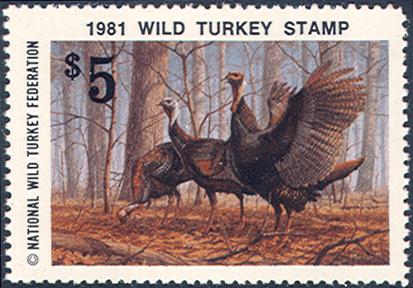
    Lymphoproliferative Disease Virus, known as LPDV, has been present in domestic turkeys in Europe and Israel for decades, but in the last few years, biologists have started confirming cases in wild turkeys (Meleagris gallopavo) in the eastern United States. Some of the infected birds have lesions on their head and feet, although many of the sick fowl are not symptomatic, making their identification difficult. Dr. Justin Brown, assistant research scientist and diagnostician with the University of Georgia’s Southeastern Cooperative Wildlife Disease Study, said his team confirmed its first diagnosis of LPDV in 2009 by a process of elimination. He said the larger wildlife diagnostic laboratories received infected specimens and tested the turkeys for known diseases that cause lymphoid tumors. Brown’s team took the testing one step further, and the discovery was surprising. “[W]e had a virologist who worked up the case a little bit more and screened it for all of the oncogenic, or cancer-inducing, viruses that are in North America,” Brown said. “And when he came up negative on all those, he screened it for LPDV. … And it came up positive — all tissues.”

    Lymphoproliferative Disease Virus, known as LPDV, has been present in domestic turkeys in Europe and Israel for decades, but in the last few years, biologists have started confirming cases in wild turkeys (Meleagris gallopavo) in the eastern United States. Some of the infected birds have lesions on their head and feet, although many of the sick fowl are not symptomatic, making their identification difficult. Dr. Justin Brown, assistant research scientist and diagnostician with the University of Georgia’s Southeastern Cooperative Wildlife Disease Study, said his team confirmed its first diagnosis of LPDV in 2009 by a process of elimination. He said the larger wildlife diagnostic laboratories received infected specimens and tested the turkeys for known diseases that cause lymphoid tumors. Brown’s team took the testing one step further, and the discovery was surprising. “[W]e had a virologist who worked up the case a little bit more and screened it for all of the oncogenic, or cancer-inducing, viruses that are in North America,” Brown said. “And when he came up negative on all those, he screened it for LPDV. … And it came up positive — all tissues.”

    Source: Earth Island Journal, 25 November 2013
    http://www.earthisland.org/journal/index.php/elist/eListRead/a_new_virus_is_attacking_us_wild_turkey_populations/

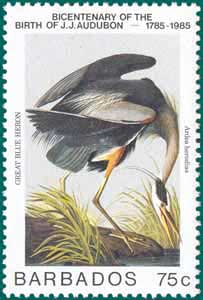
  • The great blue heron, one of the most prevalent of Maine’s wetland birds has gone missing

    The great blue heron, one of the most prevalent of Maine’s wetland birds has gone missing

    The Heron Observation Network, created in 2009 by the state, has helped organize a statewide group of volunteers that will become particularly important in the next year. The result of their work has offered evidence that great blue herons (Ardea herodias) are in decline here. Since 2009 there has been an effort to survey herons after a wealth of data on bald eagles began to point to a decline in the heron populations in Maine. As bald eagle data was gathered over time, heron counts were added. Piggy-backing on the bald eagle study, the heron data began to show a surprising drop in the numbers of this prolific bird. In 2009, data was gathered by volunteers looking at heron nesting sites for the first time. Along the coast, biologists found little more than 400, a further drop from the 600 counted in 1995 in the eagle study.

    The Heron Observation Network, created in 2009 by the state, has helped organize a statewide group of volunteers that will become particularly important in the next year. The result of their work has offered evidence that great blue herons (Ardea herodias) are in decline here. Since 2009 there has been an effort to survey herons after a wealth of data on bald eagles began to point to a decline in the heron populations in Maine. As bald eagle data was gathered over time, heron counts were added. Piggy-backing on the bald eagle study, the heron data began to show a surprising drop in the numbers of this prolific bird. In 2009, data was gathered by volunteers looking at heron nesting sites for the first time. Along the coast, biologists found little more than 400, a further drop from the 600 counted in 1995 in the eagle study.

    Source: Portland Press Herald, 30 November 2013
    http://www.pressherald.com/sports/Deirdre_Fleming__Most_prevalent_wetland_bird_goes_missing_in_Maine_.html