Auteur: Henk Tennekes

  • Un monde sans abeilles

    Un monde sans abeilles

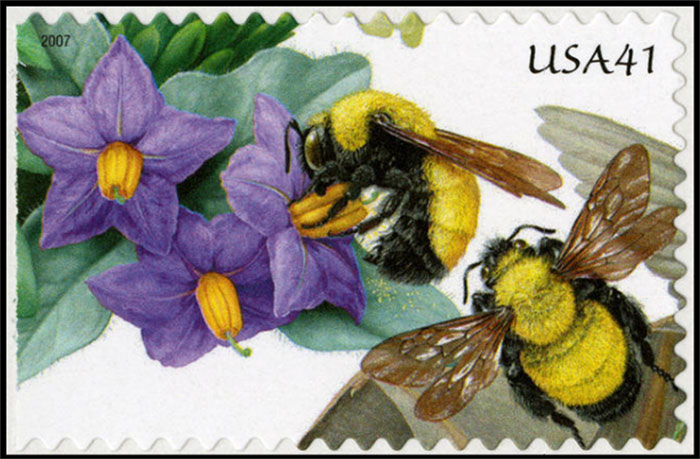
    Depuis plusieurs années, nous observons un déclin des insectes pollinisateurs sauvages en raison notamment de l’agriculture intensive. Victime d’un monde en mutation, l’abeille est menacée par l’usage de pesticides, par la monoculture et la transformation des paysages qu’elle a l’habitude de côtoyer partout sur la planète. Il ne s’agit pas d’un phénomène nouveau ou récent. À toutes les époques, les abeilles ont toujours été une sorte de baromètre écologique et incarnent même l’équilibre entre nature et culture, sur lequel on projette nos angoisses et nos idéaux. Aujourd’hui, nous devons nous faire du souci pour elle, car sa disparition augure un avenir bien sombre pour l’humanité.

    Depuis plusieurs années, nous observons un déclin des insectes pollinisateurs sauvages en raison notamment de l’agriculture intensive. Victime d’un monde en mutation, l’abeille est menacée par l’usage de pesticides, par la monoculture et la transformation des paysages qu’elle a l’habitude de côtoyer partout sur la planète. Il ne s’agit pas d’un phénomène nouveau ou récent. À toutes les époques, les abeilles ont toujours été une sorte de baromètre écologique et incarnent même l’équilibre entre nature et culture, sur lequel on projette nos angoisses et nos idéaux. Aujourd’hui, nous devons nous faire du souci pour elle, car sa disparition augure un avenir bien sombre pour l’humanité.

    En vous expliquant tout ce qu’elles font pour nous, je pense que vous aurez la réponse. Les abeilles et autres insectes pollinisateurs représentent par leur action la reproduction de plus de 80 % des espèces végétales, 35 % de la production alimentaire mondiale en tonnage et la production de plus de trois quarts des cultures dans le monde. Seules 25 % des cultures ne dépendent pas de l’action des insectes pollinisateurs. La plupart des cultures de fruits et légumes, d’épices, de cacao et même du café dépendent de ces insectes pollinisateurs. Excepté pour le blé et le soja, il faut un intervenant extérieur pour 80% des plantes à fleurs.

    L’abeille et la fleur ont donc évolué ensemble depuis cent millions d’années jusqu’à ne plus pouvoir se passer l’une de l’autre. Incapables de s’autoféconder, la plupart des plantes à fleurs déploient d’ingénieux stratagèmes pour attirer les pollinisateurs. Dans leur quête de nectar, ceux-ci, à leur insu, les fertilisent. Parfois le vent, l’eau, les oiseaux et autres animaux peuvent aussi jouer marginalement ce rôle, mais les insectes arrivent largement en tête. De son côté, l’insecte a besoin de nectar et de pollen, riches en sucre et en protéines, pour se nourrir et nourrir ses larves. Les abeilles repèrent les fleurs à pollen notamment grâce à leur couleur. Il leur suffit de trois visites pour qu’elles la mémorisent à vie. Sans ces vaillants insectes, nombre de plantes disparaîtraient de la surface de la Terre.

    Dans l’état du Rhode Island, un supermarché a fait une flagrante démonstration de ce qui arriverait à notre alimentation sans les abeilles. Le commerce avait retiré des étalages toute la nourriture qui existe grâce aux abeilles : 237 aliments sur un total de 453 avaient disparu.
    Elles doivent faire face à de nombreuses menaces. Une étude publiée au début du mois d’octobre affirme que les polluants atmosphériques des moteurs diesel peuvent perturber le processus olfactif grâce auquel les abeilles localisent les fleurs. Les chercheurs mettent même en garde que ce phénomène pourrait être également néfaste pour de nombreuses autres espèces d’insectes. Mais la plus grande menace demeure les pesticides, même à des niveaux jugés sécuritaires. Ce serait la principale raison pour laquelle les abeilles tombent comme des mouches, pour faire un mauvais jeu de mots. Déjà que l’agriculture intensive et la monoculture font disparaître nombres de pâturages si chers aux abeilles. En plus de faire face à la menace des pesticides, les abeilles trouvent de moins en moins de pollen.

    À compter du 1er décembre 2013, trois pesticides utilisés seront interdits dans l’Union européenne. La Commission européenne a confirmé le 24 mai dernier sa décision de restreindre pendant deux ans à compter du 1er décembre l’utilisation de trois pesticides mortels pour les abeilles commercialisés par Bayer et Syngenta, qui ont exercé de fortes pressions pour éviter l’interdiction. Les restrictions visent des pesticides utilisés dans le traitement de végétaux, dont les céréales, attirant les abeilles et les pollinisateurs.

    Malheureusement, un pesticide qui nuit aux abeilles et à la pollinisation est toujours approuvé au Canada. Les composés les plus employés s’appellent clothiamidine et thiamétoxane. Depuis quelques années, la quasi-totalité des semences de maïs vendues au Québec et plus de la moitié des semences de soya sont enrobées avec ces produits. Au cours des deux dernières années, les pesticides de la classe des néonicotinoïdes (dont font partie les trois pesticides bannis d’Europe pour les deux prochaines années), dont fait partie le clothianidine utilisé ici, ont été associés à des cas de mortalités massives d’abeilles au Québec, au Manitoba et en Ontario. Et cela se vérifie dans les champs où butinent les abeilles et où elles s’abreuvent. L’an dernier tous les échantillons d’eau contenaient de la clothiamidine et 60 % de la thiamétoxane. Et on parlait de taux à 100 fois la dose mortelle.

    Ces produits affectent la capacité des abeilles à rechercher leur nourriture et les empêchent de retrouver leur ruche. Leurs fonctions métaboliques, immunitaires et reproductives sont aussi altérées. À la saison où les agriculteurs sèment le maïs et le soya dans les champs qui s’étendent à perte de vue dans le sud du Québec, il se passe dans l’ombre une mortalité d’abeilles sans précédent.

    Comment ces poisons ont été autorisés alors qu’ils menacent l’insecte le plus utile à l’agriculture ?

    Les fabricants disaient que les abeilles ne butinent pas le maïs et ne seraient donc pas exposées. Ils n’avaient cependant pas prévu que des particules de ces pesticides se déposent sur d’autres plantes comme les pissenlits, qui sont très importants pour les abeilles au printemps. La poussière se dépose aussi sur l’eau où les abeilles s’abreuvent devient une autre source de contamination. Le problème est majeur, car depuis quelques années, il est quasiment impossible de se procurer des semences ne contenant pas ces pesticides.

    Dans un monde où jusqu’à 100 000 espèces disparaissent chaque année, la disparition des abeilles pourrait être le summum d’un monde transformé de façon permanente. Et si l’abeille disparaît, l’avenir serait plutôt sombre pour nous. Pour citer Albert Einstein :

    « Si l’abeille disparaissait de la surface du globe, l’homme n’aurait plus que quatre années à vivre » – Albert Einstein
    Source: ASP, le 25 novembre 2013
    http://www.sciencepresse.qc.ca/blogue/2013/11/25/monde-abeilles

  • The year the Monarch didn’t appear – The latest bad news about the dramatic decline of insect populations

    The year the Monarch didn’t appear – The latest bad news about the dramatic decline of insect populations

    On the first of November, when Mexicans celebrate a holiday called the Day of the Dead, some also celebrate the millions of monarch butterflies (Danaus plexippus) that, without fail, fly to the mountainous fir forests of central Mexico on that day. They are believed to be souls of the dead, returned. This year, for or the first time in memory, the monarch butterflies didn’t come, at least not on the Day of the Dead. They began to straggle in a week later than usual, in record-low numbers. Last year’s low of 60 million now seems great compared with the fewer than three million that have shown up so far this year. Some experts fear that the spectacular migration could be near collapse. “It does not look good,” said Lincoln P. Brower, a monarch expert at Sweet Briar College. It is only the latest bad news about the dramatic decline of insect populations. Another insect in serious trouble is the wild bee, which has thousands of species. Nicotine-based pesticides called neonicotinoids are implicated in their decline, but even if they were no longer used, experts say, bees, monarchs and many other species of insect would still be in serious trouble.

    On the first of November, when Mexicans celebrate a holiday called the Day of the Dead, some also celebrate the millions of monarch butterflies that, without fail, fly to the mountainous fir forests of central Mexico on that day. They are believed to be souls of the dead, returned. This year, for or the first time in memory, the monarch butterflies didn’t come, at least not on the Day of the Dead. They began to straggle in a week later than usual, in record-low numbers. Last year’s low of 60 million now seems great compared with the fewer than three million that have shown up so far this year. Some experts fear that the spectacular migration could be near collapse. “It does not look good,” said Lincoln P. Brower, a monarch expert at Sweet Briar College. It is only the latest bad news about the dramatic decline of insect populations. Another insect in serious trouble is the wild bee, which has thousands of species. Nicotine-based pesticides called neonicotinoids are implicated in their decline, but even if they were no longer used, experts say, bees, monarchs and many other species of insect would still be in serious trouble.

    That’s because of another major factor that has not been widely recognized: the precipitous loss of native vegetation across the United States.

    “There’s no question that the loss of habitat is huge,” said Douglas Tallamy, a professor of entomology at the University of Delaware, who has long warned of the perils of disappearing insects. “We notice the monarch and bees because they are iconic insects,” he said. “But what do you think is happening to everything else?”

    A big part of it is the way the United States farms. As the price of corn has soared in recent years, driven by federal subsidies for biofuels, farmers have expanded their fields. That has meant plowing every scrap of earth that can grow a corn plant, including millions of acres of land once reserved in a federal program for conservation purposes.

    Another major cause is farming with Roundup, a herbicide that kills virtually all plants except crops that are genetically modified to survive it.

    As a result, millions of acres of native plants, especially milkweed, an important source of nectar for many species, and vital for monarch butterfly larvae, have been wiped out. One study showed that Iowa has lost almost 60 percent of its milkweed, and another found 90 percent was gone. “The agricultural landscape has been sterilized,” said Dr. Brower.

    The loss of bugs is no small matter. Insects help stitch together the web of life with essential services, breaking plants down into organic matter, for example, and dispersing seeds. They are a prime source of food for birds. Critically, some 80 percent of our food crops are pollinated by insects, primarily the 4,000 or so species of the flying dust mops called bees. “All of them are in trouble,” said Marla Spivak, a professor of apiculture at the University of Minnesota.

    Farm fields are not the only problem. Around the world people have replaced diverse natural habitat with the biological deserts that are roads, parking lots and bluegrass lawns. Meanwhile, the plants people choose for their yards are appealing for showy colors or shapes, not for their ecological role. Studies show that native oak trees in the mid-Atlantic states host as many as 537 species of caterpillars, which are important food for birds and other insects. Willows come in second with 456 species. Ginkgo, on the other hand, which is not native, supports three species, and zelkova, an exotic plant used to replace elm trees that died from disease, supports none. So the shelves are nearly bare for bugs and birds.

    Native trees are not only grocery stores, but insect pharmacies as well. Trees and other plants have beneficial chemicals essential to the health of bugs. Some monarchs, when afflicted with parasites, seek out more toxic types of milkweed because they kill the parasites. Bees use medicinal resins from aspen and willow trees that are antifungal, antimicrobial and antiviral, to line their nests and to fight infection and diseases. “Bees scrape off the resins from the leaves, which is kind of awesome, stick them on their back legs and take them home,” said Dr. Spivak.

    Besides pesticides and lack of habitat, the other big problem bees face is disease. But these problems are not separate. “Say you have a bee with viruses,” and they are run-down, Dr. Spivak said. “And they are in a food desert and have to fly a long distance, and when you find food it has complicated neurotoxins and the immune system just goes ‘uh-uh.’ Or they become disoriented and can’t find their way home. It’s too many stressors all at once.”

    There are numerous organizations and individuals dedicated to rebuilding native plant communities one sterile lawn and farm field at a time. Dr. Tallamy, a longtime evangelizer for native plants, and the author of one of the movement’s manuals, “Bringing Nature Home,” says it’s a cause everyone with a garden or yard can serve. And he says support for it needs to develop quickly to slow down the worsening crisis in biodiversity.

    When the Florida Department of Transportation last year mowed down roadside wildflowers where monarch butterflies fed on their epic migratory journey, “there was a huge outcry,” said Eleanor Dietrich, a wildflower activist in Florida. So much so, transportation officials created a new policy that left critical insect habitat un-mowed.

    That means reversing the hegemony of chemically green lawns. “If you’ve got just lawn grass, you’ve got nothing,” said Mace Vaughan of the Xerces Society, a leading organization in insect conservation. “But as soon as you create a front yard wildflower meadow you go from an occasional honeybee to a lawn that might be full of 20 or 30 species of bees and butterflies and monarchs.”

    First and foremost, said Dr. Tallamy, a home for bugs is a matter of food security. “If the bees were to truly disappear, we would lose 80 percent of the plants,” he said. “That is not an option. That’s a huge problem for mankind.”

    Source:Jim Robbins in The New York Times, 22 November 2013
    http://www.nytimes.com/2013/11/24/sunday-review/the-year-the-monarch-didnt-appear.html#h[]
    Jim Robbins is a frequent contributor to The New York Times and the author of “The Man Who Planted Trees.”

  • Some of Ireland’s most iconic bird species are in dramatic decline with one-in-eight now deemed to face an extinction threat

    Some of Ireland’s most iconic bird species are in dramatic decline with one-in-eight now deemed to face an extinction threat

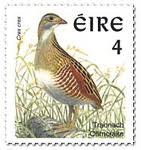
    The warning came as a major ornithological conference in University College Cork (UCC) heard that the species decline has occurred despite the greatest conservation effort in Irish history. The threat is now so severe that, within the next 10 years, some of Ireland’s moved loved bird species may vanish from the island altogether. Some species have seen their numbers plummet by almost 80pc in 25 years. Species now under greatest threat include the Curlew (Numenius arquata), the Corncrake (Crex crex), Barn Owl (Tyto alba) and the Yellowhammer (Emberiza citrinella). Ireland has also witnessed a dramatic decline in the number of seabirds and migratory water fowl in Ireland.

    The warning came as a major ornithological conference in University College Cork (UCC) heard that the species decline has occurred despite the greatest conservation effort in Irish history. The threat is now so severe that, within the next 10 years, some of Ireland’s moved loved bird species may vanish from the island altogether. Some species have seen their numbers plummet by almost 80pc in 25 years. Species now under greatest threat include the Curlew (Numenius arquata), the Corncrake (Crex crex), Barn Owl (Tyto alba) and the Yellowhammer (Emberiza citrinella). Ireland has also witnessed a dramatic decline in the number of seabirds and migratory water fowl in Ireland.

    UCC School of Earth Studies director, Dr John O’Halloran, said it was vital that careful ongoing monitoring of species be maintained alongside planned support measures.

    Over 150 Irish and European scientists attended the event which is staged every five years.

    The statistics on Irish wild bird populations make for grim reading.

    In 1999, 18 bird species were on the ‘red’ or potentially endangered list.

    Now, that number has increased to 25 – despite the greatest conservation effort in Irish history.

    Ornithologists fear that, without continued and expanded efforts, species will quickly start following the Corn Bunting which has now totally vanished from Ireland.

    The study focussed on a total of 199 Irish wild bird species with one-in-eight (25) deemed to face a population threat.

    There have been conservation successes particularly in relation to some raptors or birds of prey.

    These have been the focus of Ireland’s highest profile conservation programmes.

    However, even raptors have been impacted by the decline.

    BirdWatch Ireland and the Royal Society for the Protection of Birds (RSPB) indicated that barn owls, hen harriers, buzzards, long-eared owls and kestrels have suffered significant population declines.

    Source: Irish Independent, 25 November 2013
    http://www.independent.ie/irish-news/extinction-threat-for-irelands-iconic-birds-29779866.html

  • The Pesticide Connection – Medical mystery jump-starts investigation of the link between PARKINSON’S DISEASE and crop-protecting chemicals

    The Pesticide Connection – Medical mystery jump-starts investigation of the link between PARKINSON’S DISEASE and crop-protecting chemicals

    The rats in a room at the University of Pittsburgh regularly get hit with doses of pesticide. But the researchers in J. Timothy Greenamyre’s lab don’t expose the rodents because of an infestation problem. They give the neurotoxin to the animals to learn more about Parkinson’s disease. After receiving a low daily dose of the pesticide rotenone for a week or two, rats in Greenamyre’s lab begin to lose mobility in ways similar to Parkinson’s patients. The rodents move at a glacial pace, they have trouble keeping their balance, and their limbs become impossibly stiff. Even the animals’ brains develop classic signs of the nervous system disorder: Nerve cells in a region called the substantia nigra accumulate clumps of the protein α-synuclein and die. It’s not unusual to use animal models such as these to probe the molecular causes of Parkinson’s, which affects 7 million to 10 million people worldwide, and to test treatments. But their use also raises a question: If a chemical gives lab rats Parkinson’s symptoms, might it do the same to humans exposed in the real world?

    The rats in a room at the University of Pittsburgh regularly get hit with doses of pesticide. But the researchers in J. Timothy Greenamyre’s lab don’t expose the rodents because of an infestation problem. They give the neurotoxin to the animals to learn more about Parkinson’s disease. After receiving a low daily dose of the pesticide rotenone for a week or two, rats in Greenamyre’s lab begin to lose mobility in ways similar to Parkinson’s patients. The rodents move at a glacial pace, they have trouble keeping their balance, and their limbs become impossibly stiff. Even the animals’ brains develop classic signs of the nervous system disorder: Nerve cells in a region called the substantia nigra accumulate clumps of the protein α-synuclein and die. It’s not unusual to use animal models such as these to probe the molecular causes of Parkinson’s, which affects 7 million to 10 million people worldwide, and to test treatments. But their use also raises a question: If a chemical gives lab rats Parkinson’s symptoms, might it do the same to humans exposed in the real world?

    A number of population studies have reported that people living in rural areas and people who work with pesticides have a higher incidence of Parkinson’s disease. In the past five years, some investigations have even associated the use of specific pesticides, such as rotenone, with a higher risk of having the disorder. And most recently, researchers have been investigating whether specific people might be vulnerable to pesticides because of their genes: People are at greater risk if they have mutated versions of enzymes or protein pumps that protect cells against damaging substances.
    On the basis of these results, many in academia say the link between pesticides and Parkinson’s is clear. But others, including pesticide industry representatives, argue that these studies are fraught with bias, and other research has not shown a Parkinson’s-pesticide tie-in. One thing these two camps agree upon, though, is that the story of how scientists connected pesticides to Parkinson’s is a medical mystery worthy of the big screen.

    Source:
    LAUREN K. WOLF, C&EN WASHINGTON – The Pesticide Connection. Medical mystery jump-starts investigation of the link between PARKINSON’S DISEASE and crop-protecting chemicals. CEN.ACS.ORG 11-15, November 25, 2013
    http://cen.acs.org/articles/91/i47/Pesticide-Connection.html

  • Farmers should aim to never use insecticides, says soil scientist Jill Clapperton, of Rhizoterra Inc., Montana, US

    Farmers should aim to never use insecticides, says soil scientist Jill Clapperton, of Rhizoterra Inc., Montana, US

    Speaking at the Vic No-Till annual conference in Ballarat last week, Dr Clapperton said: “It’s bad for you, it’s bad for the environment, it’s bad for the soil – it’s bad for everything. “But some times we need it, I get that. Our goal should be not to need it. “Insecticides are some of our most toxic substances – they kill all insects, beneficial and pests – and insects are probably more manageable than many of our other pests. “Now with our technology we can put things between rows properly and grow mixed covers, we have some opportunities to look at this more. We are starting to understand the different insects and how they interact.” Dr Clapperton is a freelance scientist and farmer, proving her science in her own fields.

    Speaking at the Vic No-Till annual conference in Ballarat last week, Dr Clapperton said: “It’s bad for you, it’s bad for the environment, it’s bad for the soil – it’s bad for everything. “But some times we need it, I get that. Our goal should be not to need it. “Insecticides are some of our most toxic substances – they kill all insects, beneficial and pests – and insects are probably more manageable than many of our other pests. “Now with our technology we can put things between rows properly and grow mixed covers, we have some opportunities to look at this more. We are starting to understand the different insects and how they interact.” Dr Clapperton is a freelance scientist and farmer, proving her science in her own fields.

    “The farm helps me understand some of the problems farmers face,” she said.

    “And we need the yields to fund my research.”

    Her main message to farmers is they need to focus on building diversity of organisms within soils.

    This stabilised the agro-ecosystem, she said.

    “The point is we just don’t know how much we can produce when we do that,” she said. “I am absolutely confident we can produce enough food for our people.”

    Diversity made soils more drought and flood-resistant, and increased farmers’ ability to produce quality, nutrient-rich foods, she said.

    Farmers who had moved to no-till cropping needed to next focus on building the soil habitat through diversity in the agro-ecosystem.

    “And the last step is to connect quality food that you are producing, in an environmentally sustainable way, to the consumer, and know that you are supplying Australians with quality and nutrient-dense food without cost to the environment,” she said.

    Dr Clapperton said farmers should aim to keep their soil undisturbed and “crawling” with bugs.

    “You should see earthworms having sex. If you build it, they (soil organisms) will come,” she said.

    It was possible to change and improve soil types with different management practices, she said.

    “Twenty years ago, we did not think you could change soil types but it has been proven possible,” Dr Clapperton said.

    “One thing I have learnt over the years is that predator-prey relationships are just as important to drive mineralisation of the soil. It is not just all about the microbiology – the predators are what turns the soil over.”

    No-till practices help improve structures within soils that create a good environment for predator-prey relationships.

    “Soil organic matter is the food source,” she said.

    She said it was still early days for no-till practices and there was much to be learned, but the opportunities to improve productivity and the environment were exciting.

    Mulch was a terrific way to insulate to maintain a more stable soil temperatures. This promoted soil biology health.

    “Plants grow best when roots are in that 15-25 degree Celsius range,” Dr Clapperton said.

    Plant coverage also helped stabilise the soil temperatures.

    Counter-intuitively, dense green plant coverage led to less water use than sparse coverage.

    Dr Clapperton said plants with a large root mass were better for soils.

    She advocated growing several species at once, with different root depths, in cropping rotations, as cover crops or within forage pastures.

    “The roots are what drive everything,” she said. “If you don’t have good structure in soil, you have to use more fertilisers, because the plant can’t compete with the microbes (that get out of balance in soils with poor structure).”

    Source: Weekly Times, 29 July 2013
    http://www.weeklytimesnow.com.au/article/2013/07/29/577288_grain-and-hay.html
    Quivira Coalition Conference, Dr. Jill Clapperton – Soil, 2012

  • Het grondontsmettingsmiddel Metam-Natrium staat sinds 12 juli 2012 weer op de Annex I-lijst – In Nederland wordt het middel gezien als essentieel

    Het grondontsmettingsmiddel Metam-Natrium staat sinds 12 juli 2012 weer op de Annex I-lijst – In Nederland wordt het middel gezien als essentieel

    Scofcah, het permanent comité voor voedselveiligheid en diergezondheid van de Europese Commissie, heeft metam-natrium op de Annex I-lijst geplaatst. Daarmee komt het behoud van het grondontsmettingsmiddel een stap dichterbij. Het Annex I-besluit treedt op 12 juli dit jaar in werking. Actieve stoffen van gewasbeschermingsmiddelen moeten op de lijst Annex I staan voordat een middel in een EU-lidstaat mag worden toegelaten. Scofcah heeft wel een aantal beperkingen opgelegd. Een grondontsmetting met metam-natrium (merknaam: Monam Cleanstart) is maximaal eens per drie jaar toegestaan op hetzelfde perceel. In onbedekte teelten, zoals aardappelen en bollen, is maximaal 300 liter per hectare toegestaan.

    Scofcah, het permanent comité voor voedselveiligheid en diergezondheid van de Europese Commissie, heeft metam-natrium op de Annex I-lijst geplaatst. Daarmee komt het behoud van het grondontsmettingsmiddel een stap dichterbij. Het Annex I-besluit treedt op 12 juli dit jaar in werking. Actieve stoffen van gewasbeschermingsmiddelen moeten op de lijst Annex I staan voordat een middel in een EU-lidstaat mag worden toegelaten. Scofcah heeft wel een aantal beperkingen opgelegd. Een grondontsmetting met metam-natrium (merknaam: Monam Cleanstart) is maximaal eens per drie jaar toegestaan op hetzelfde perceel. In onbedekte teelten, zoals aardappelen en bollen, is maximaal 300 liter per hectare toegestaan.

    Cropmanager van distributeur Certis Edwin Hendriks is blij dat de Scofcah metam-natrium op de Annex I lijst heeft geplaatst. ”Er was een dreiging dat de stof verboden zou worden. Het middel is onmisbaar voor de teelt van aardappelen, bollen en veel vermeerderingsgewassen.” In Nederland wordt het middel gezien als essentieel. Gewasbeschermingsspecialist Jaap van Wenum van LTO is ook blij met het besluit van de Scofcah. ”Metam-natrium is het enige grondontsmettingsmiddel in Nederland. Zonder metam-natrium wordt een aantal teelten lastig. Maar voor bijvoorbeeld bollen heb je echt een hogere dosering nodig dan 300 liter per hectare.”

    Hendriks: ”Deze ’essential use’ houdt in dat maximaal 700 tot 750 liter per hectare mag worden gebruikt en dat eens in de vijf jaar de grond kan worden ontsmet. De grens van 300 liter die de Scofcah stelt, werkt wel bij aardappelcystenaaltjes maar niet bij veel andere aaltjes en bodemschimmels. De essential use geldt tot eind 2014. We hopen dat de overheid die verlengt. De basisfabrikant Taminco gaat aanvullende informatie leveren om toepassingen met hogere doseringen te ondersteunen. Plaatsing op de Annex I lijst houdt in dat het middel ook na 2014 behouden blijft. We hopen alleen dat de dosering omhoog gaat.”

    Bron: Boerderij, 21 maart 2012
    http://www.boerderij.nl/Akkerbouw/Nieuws/2012/3/Behoud-ontsmettingmiddel-metam-natrium-dichterbij-1009879W/

  • Een beschrijving van incidenten met het grondontsmettingsmiddel metam-natrium

    Een beschrijving van incidenten met het grondontsmettingsmiddel metam-natrium

    In combinatie met bodemvocht wordt metam-natrium omgezet in het schadelijke gas methylisothiocyanaat (MITC). Onnauwkeurig gebruik en/of stabiele weerscondities (warm, windstil, mistig,….) zorgen ervoor dat de gassen in de omgeving blijven hangen. Buurtbewoners klagen dan over de irriterende werking van deze stoffen (en soms ook over een doordringende geur). Afhankelijk van het bodemtype kan MITC tot 12 dagen of meer in de bodem aanwezig blijven. Naast MITC en waterstofsulfide kunnen ook methylisocyanaat (MIC), koolstofdisulfide en methylamine gevormd worden. Als MIC in contact komt met lucht verspreidt ze zich razendsnel, zoals bij de gasramp in Bhopal in India van 1984.

    In combinatie met bodemvocht wordt metam-natrium omgezet in het schadelijke gas methylisothiocyanaat (MITC). Onnauwkeurig gebruik en/of stabiele weerscondities (warm, windstil, mistig,….) zorgen ervoor dat de gassen in de omgeving blijven hangen. Buurtbewoners klagen dan over de irriterende werking van deze stoffen (en soms ook over een doordringende geur). Afhankelijk van het bodemtype kan MITC tot 12 dagen of meer in de bodem aanwezig blijven. Naast MITC en waterstofsulfide kunnen ook methylisocyanaat (MIC), koolstofdisulfide en methylamine gevormd worden. Als MIC in contact komt met lucht verspreidt ze zich razendsnel, zoals bij de gasramp in Bhopal in India van 1984.

    De Bhopal gas tragedie is ongetwijfeld één van de ergste industriële catastrofes in de geschiedenis van de mensheid die sterfte van 2500-6000 en verminking van meer dan 200 000 mensen tot gevolg had. Er zijn meer dan 500 000 geregistreerde slachtoffers die de tragedie hebben overleefd. Klinische studies hebben chronische ziekten aangetoond in blootgestelde cohorten, zoals longfibrose, astma, chronische obstructieve longziekte (COPD), emfyseem, terugkerende luchtweginfecties, en hoornvliesbeschadigingen. De MIC damp is ongeveer 2 keer zo zwaar als lucht en verspreidt zich dus over de grond. Menging met de lucht erboven verloopt traag door het verschil in dichtheid.

    Bodemontsmetting met metam-natrium wordt toegepast van mei tot eind september, met een piek in juli en augustus. Door het California Pesticide Illness Surveillance Program worden volgende symptomen gerapporteerd na blootstelling aan MITC: Huid – verschillende gradaties van irritatie tot verbranding bij langdurige blootstelling aan de vloeibare vorm; Ogen – Waterige, brandende en jeukende ogen, ‘vervaagd’ zicht (wellicht te wijten aan cornea oedeem secundair aan een lichte cornea verbranding); Luchtwegen – irritatie van neus en keel, hoesten en kortademigheid. In bepaalde gevallen treedt 7 tot 9 uur na de blootstelling acuut longoedeem op; Algemene klachten- nausea, pijn in de borst, hoofdpijn, diarree, gevoel van zwakte, duizeligheid, algeheel malaise, salivatie en braken. Kinderen en ouderen zijn potentieel meer gevoelig dan gezonde volwassenen.

    Bronnen:
    Sam De Coster et al (2008). Incidenten met metam-natrium/metam-kalium: advies voor lokale hulpverleners en huisartsen (bijlage)
    Mishra PK et al. International Journal of Occupational Medicine and Environmental Health 2009;22(3):193 – 202
    Wikipedia
    http://nl.wikipedia.org/wiki/Methylisocyanaat#Toxicologie_en_veiligheid

  • Kröten und Fröschen in Berlin vom Aussterben bedroht

    Kröten und Fröschen in Berlin vom Aussterben bedroht

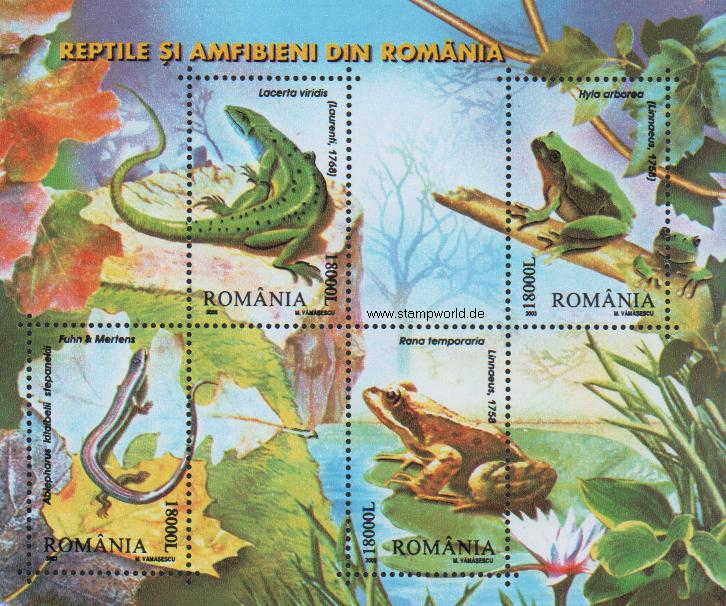
    Sie knattern, pfeifen, quaken: Das Balzritual von Kröten und Fröschen ist eigentlich kaum zu überhören. Doch Forscher registrieren es in Berlin immer seltener: Viele Amphibienarten seien in ihrer Existenz bedroht, warnt der Biologe Rolf Schneider. “Die Entwicklung der vergangenen zehn Jahre ist schrecklich”, sagt der Wissenschaftler der HU Berlin. Wie zuletzt eine Arbeit an seinem Institut ergab, ist etwa die streng geschützte Kreuzkröte im Norden Berlins ausgestorben. Wenig anders wird es der Wechselkröte ergehen, befürchtet Schneider. In Deutschland leben nach Angaben des Bundes für Umwelt und Naturschutz (BUND) 21 der rund 6000 weltweit bekannten Amphibienarten – rund die Hälfte davon gilt als bedroht. “Problematisch ist es für Amphibien vor allem dort, wo Landwirte unser Essen anbauen”, sagt Artenschutzexperte Julian Heiermann vom Naturschutzbund (Nabu). Pestizide machen Insekten den Garaus, die auf dem Speiseplan der Kröten stehen. “Zudem reagiert auch die Haut der Amphibien auf Chemikalien sehr empfindlich.” Überdüngung wiederum zerstört den natürlichen Lebensraum der Kröten: Nitrat lässt Tümpel umkippen. Es gerate vor allem dort ins Wasser, wo intensive Landwirtschaft und Gewässer dicht beieinander liegen, wie in der Uckermark, sagt Heiermann.

    Sie knattern, pfeifen, quaken: Das Balzritual von Kröten und Fröschen ist eigentlich kaum zu überhören. Doch Forscher registrieren es in Berlin immer seltener: Viele Amphibienarten seien in ihrer Existenz bedroht, warnt der Biologe Rolf Schneider. “Die Entwicklung der vergangenen zehn Jahre ist schrecklich”, sagt der Wissenschaftler der HU Berlin. Wie zuletzt eine Arbeit an seinem Institut ergab, ist etwa die streng geschützte Kreuzkröte im Norden Berlins ausgestorben. Wenig anders wird es der Wechselkröte ergehen, befürchtet Schneider. In Deutschland leben nach Angaben des Bundes für Umwelt und Naturschutz (BUND) 21 der rund 6000 weltweit bekannten Amphibienarten – rund die Hälfte davon gilt als bedroht. “Problematisch ist es für Amphibien vor allem dort, wo Landwirte unser Essen anbauen”, sagt Artenschutzexperte Julian Heiermann vom Naturschutzbund (Nabu). Pestizide machen Insekten den Garaus, die auf dem Speiseplan der Kröten stehen. “Zudem reagiert auch die Haut der Amphibien auf Chemikalien sehr empfindlich.” Überdüngung wiederum zerstört den natürlichen Lebensraum der Kröten: Nitrat lässt Tümpel umkippen. Es gerate vor allem dort ins Wasser, wo intensive Landwirtschaft und Gewässer dicht beieinander liegen, wie in der Uckermark, sagt Heiermann.

    Quelle: Märkische Zeitung, 22.11.2013
    http://www.moz.de/artikel-ansicht/dg/0/1/1212996

  • The last croak for Darwin’s frog – Deadly amphibian disease chytridiomycosis has caused the extinction of Darwin’s frogs

    The last croak for Darwin’s frog – Deadly amphibian disease chytridiomycosis has caused the extinction of Darwin’s frogs

    Deadly amphibian disease chytridiomycosis has caused the extinction of Darwin’s frogs, believe scientists from the Zoological Society of London (ZSL) and Universidad Andrés Bello (UNAB), Chile. Although habitat disturbance is recognised as the main threat to the two existing species of Darwin’s frogs (the northern Rhinoderma rufum endemic to Chile, and the southern Rhinoderma darwinii from Chile and Argentina), this cannot account for the plummeting population and disappearance from most of their habitat. Conservation scientists found evidence of amphibian chytridiomycosis causing mortality in wild Darwin’s frogs and linked this with both the population decline of the southern Darwin’s frog, including from undisturbed ecosystems and the presumable extinction of the Northern Darwin’s frog. The findings are published today (20th Nov) in the journal PLOS ONE. Professor Andrew Cunningham, from ZSL’s Institute of Zoology says: “Only a few examples of the “extinction by infection” phenomenon exist. Although not entirely conclusive, the possibility of chytridiomycosis being associated with the extinction of the northern Darwin’s frog gains further support with this study.”

    Deadly amphibian disease chytridiomycosis has caused the extinction of Darwin’s frogs, believe scientists from the Zoological Society of London (ZSL) and Universidad Andrés Bello (UNAB), Chile. Although habitat disturbance is recognised as the main threat to the two existing species of Darwin’s frogs (the northern Rhinoderma rufum endemic to Chile, and the southern Rhinoderma darwinii from Chile and Argentina), this cannot account for the plummeting population and disappearance from most of their habitat. Conservation scientists found evidence of amphibian chytridiomycosis causing mortality in wild Darwin’s frogs and linked this with both the population decline of the southern Darwin’s frog, including from undisturbed ecosystems and the presumable extinction of the Northern Darwin’s frog. The findings are published today (20th Nov) in the journal PLOS ONE. Professor Andrew Cunningham, from ZSL’s Institute of Zoology says: “Only a few examples of the “extinction by infection” phenomenon exist. Although not entirely conclusive, the possibility of chytridiomycosis being associated with the extinction of the northern Darwin’s frog gains further support with this study.”

    Hundreds of specimens of Darwin’s frogs and other amphibians from similar habitats collected between 1835 and 1989 were tested in order to find DNA pieces of Batrachochytrium dendrobatidis (Bd), a fungus that causes the disease chytridiomycosis. In addition, 26 populations of Darwin’s frogs were surveyed in Chile and Argentina between 2008 and 2012 for the presence of Bd.

    Darwin’s frogs were named after Charles Darwin who first discovered R. darwinii in 1834 in south Chile during his famous voyage around the globe. The species have a distinct appearance, having evolved to look like a leaf, with a pointy nose. Research leader Dr. Claudio Soto-Azat, from UNAB and former ZSL PhD student says: “Amphibians have inhabited the earth for 365 million years, far longer than mammals. We may have already lost one species, the Northern Darwin’s frog, but we cannot risk losing the other one. There is still time to protect this incredible species,” Dr Soto-Azat added.

    Amphibians provide an important ecosystem service by maintaining balance in the environment. Without them insect plagues and their subsequent effect on agriculture and public health would be more frequent. ZSL scientists are working to further understand the reasons behind the extinction of Darwin’s frogs, and ensure the long-term survival of the species.

    Source: Zoological Society of London
    Published: Thursday, November 21, 2013 – in Biology & Nature
    http://esciencenews.com/articles/2013/11/21/the.last.croak.darwins.frog

  • Persistent respiratory health effects after a metam sodium pesticide spill

    Persistent respiratory health effects after a metam sodium pesticide spill

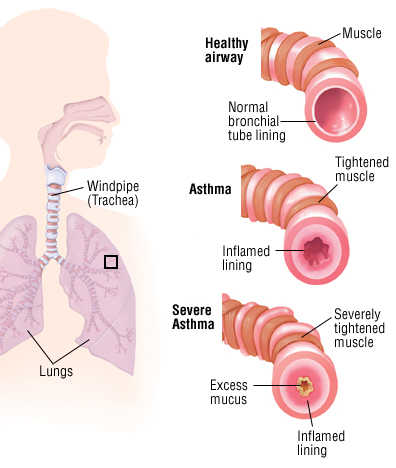
    STUDY OBJECTIVE: To report the occurrence of persistent respiratory disorders, including irritant-induced asthma, among adults living and working near an environmental spill of the pesticide, metam sodium, after the derailment of a tank car. DESIGN: Retrospective clinical case series. SETTING: California communities situated within one-half mile of the Sacramento River, from Mt. Shasta City to Shasta Lake. PATIENTS: 197 adults referred to a university occupational/environmental health clinic or to a private occupational/environmental health practitioner for evaluation of health problems potentially related to the spill. MEASUREMENTS AND RESULTS: History, physical examination, review of medical records, spirometry, and methacholine challenge testing revealed 20 cases of persistent irritant-induced asthma and 10 cases of persistent exacerbation of asthma. CONCLUSIONS: This is the first reported series of cases of persistent irritant-induced asthma involving both community residents and occupationally exposed individuals.

    STUDY OBJECTIVE: To report the occurrence of persistent respiratory disorders, including irritant-induced asthma, among adults living and working near an environmental spill of the pesticide, metam sodium, after the derailment of a tank car. DESIGN: Retrospective clinical case series. SETTING: California communities situated within one-half mile of the Sacramento River, from Mt. Shasta City to Shasta Lake. PATIENTS: 197 adults referred to a university occupational/environmental health clinic or to a private occupational/environmental health practitioner for evaluation of health problems potentially related to the spill. MEASUREMENTS AND RESULTS: History, physical examination, review of medical records, spirometry, and methacholine challenge testing revealed 20 cases of persistent irritant-induced asthma and 10 cases of persistent exacerbation of asthma. CONCLUSIONS: This is the first reported series of cases of persistent irritant-induced asthma involving both community residents and occupationally exposed individuals.

    Source:
    Cone JE, Wugofski L, Balmes JR, Das R, Bowler R, Alexeeff G, Shusterman D. Chest. 1994 Aug;106(2):500-8.
    http://www.ncbi.nlm.nih.gov/pubmed/7774327