Auteur: Henk Tennekes

  • Unbridled pollution and siltation have taken a heavy toll on aquatic life in Wullar, largest freshwater lake in Asia, in north Kashmir

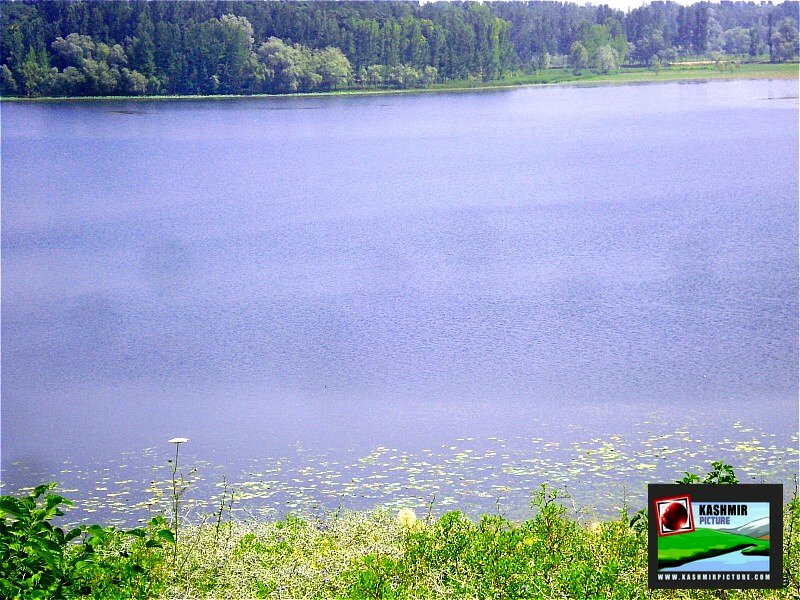
    Unbridled pollution and siltation have taken a heavy toll on aquatic life in Wullar, largest freshwater lake in Asia, in north Kashmir

    Fed by numerous streams and springs, Wullar Lake facilitated combination of capture and culture fisheries and till a few decades ago was main source of fish production in Kashmir. The lake possessed nine commercially important fish species including native Schizothorax. However, in absence of any conservation measures, population of fish species has been gradually declining. “This lake has turned into a cesspool,” said Ghulam Muhammad Bhat, an aged fisherman living on the banks of Wullar at Zurmanz village. Bhat says he used to catch 50-60 kilograms of fish on an average per day till a few decades ago. “Nowadays, I just catch 10-15 kilograms in two-three days,” Bhat said.

    Fed by numerous streams and springs, Wullar Lake facilitated combination of capture and culture fisheries and till a few decades ago was main source of fish production in Kashmir. The lake possessed nine commercially important fish species including native Schizothorax. However, in absence of any conservation measures, population of fish species has been gradually declining. “This lake has turned into a cesspool,” said Ghulam Muhammad Bhat, an aged fisherman living on the banks of Wullar at Zurmanz village. Bhat says he used to catch 50-60 kilograms of fish on an average per day till a few decades ago. “Nowadays, I just catch 10-15 kilograms in two-three days,” Bhat said.

    Heaps of garbage and animal carcasses dot various areas of Wullar, affecting its flora and fauna.
    “Authorities have been acting as mute spectators to Wullar’s deterioration,” said Ghulam Hassan Bhat, president of local fishermen association. With over 3000 active fishermen dependent on Wullar for livelihood, their per capita income has decreased by 20 times with average annual household income decreasing to less than Rs 20,000.
    “Pollution of Wullar has severely affected our livelihood and pushed hundreds of fishermen on the verge of starvation,” said Bhat.
    A survey conducted by an environmental consultancy, Wetland International South Asia, states that the resource mapping trends of Wullar signify drastic decline in its fish catch from 10,544 to 1476 metric tons over the past 50 years.
    “Large quantities of sewage discharged from Srinagar city and major towns into the lake has resulted in increased euthrophication which has adverse impacts on the growth and development of fisheries in general and sensitive species Schizothorax in particular,” it states.
    Dean, Faculty of Fisheries, SKUAST Kashmir, Dr Masood H. Balkhi, attributed decline in fish production in Wullar to multiple factors including degradation and pollution of water quality as a result of siltation, surface run-off from the catchments bringing large quantities of pesticides and insecticides, used as fertilizers in the fields, into the lake.
    “Besides influx of non-biodegradable materials into the lake through the in-flow channels, encroachment on the lake banks destroys breeding grounds of the fish especially Schizothorax species,” Dr Balkhi said. He blamed the indiscriminate fish catching by the fishermen, especially during the breeding season, for decline in the fish production.
    “I attribute all these devastating factors humans. Unless we wake up in time to protect our resources in a coordinated manner and overpower our lust for self, we may not be able to save anything for ourselves and the posterity,” he added.
    Pollution has also taken a heavy toll on Nadru and other water crops besides affecting habitat of migratory birds. Owing to its location, at the western extremity of the Himalayas, the lake has been an important flyway and staging ground for migratory birds including shorebirds, gadwall, cranes, ducks, geese and pintails which migrate to Kashmir to ward off extreme cold in their summer homes in Siberia and Central Asia.
    In recognition of its immense ecological and socio-economic importance, the Wullar was designated as wetland of international importance under the Ramsar Convention in 1990.
    The migratory birds use the lake for feeding during the night when there is no disturbance from fishermen or hunters while, during day, they seek refuge in Hokersar and nearby wetlands. From March to June, large areas of Wullar and the floating vegetation, trees, bushes and reed beds serve as breeding and nesting sites for some of the bird species.
    Experts said encroachment and pollution of the lake over the years has affected the habitat of migratory birds.
    “The littoral zone of the lake support emergent, floating and submerged vegetations that provide food niches to large flocks of waterfowl populations and other birds. Wullar is alarmingly shrinking due to heavy deposition of silt from the catchments, besides nutrients of agriculture fields and sewage from the surrounds, thus affecting its flora and fauna and disturbing habitat of migratory birds,” said Muhammad Shafi Bacha, an environmentalist and Chairman, Wildlife Conservation Fund.
    Source: Greater Kashmir, 9 April 2014
    http://www.greaterkashmir.com/news/2014/Apr/9/wullar-losing-aquatic-life-to-pollution-38.asp
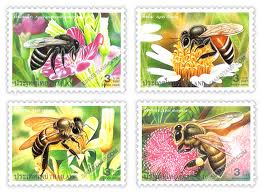
  • A landmark study has revealed the UK is suffering one of the worst rates of honeybee colony deaths in Europe

    A landmark study has revealed the UK is suffering one of the worst rates of honeybee colony deaths in Europe

    In the cold winter of 2012-13, 29% of honeybee colonies in the UK died, with only Belgium suffering a higher rate of losses (34%) of the 17 countries surveyed. By contrast, only 5% of colonies in Italy were lost. Summer losses of colonies were also high in the UK, at 9.7%, with only France (14%) exceeding this. The Epilobee study surveyed 31,800 colonies and is the first pan-European assessment of the rate of colony deaths. It provides a valuable baseline for future research but does not indicate the relative effects of factors such as disease, habitat loss and pesticide use in honeybee decline. Neither does it examine why some countries are worse affected.

    In the cold winter of 2012-13, 29% of honeybee colonies in the UK died, with only Belgium suffering a higher rate of losses (34%) of the 17 countries surveyed. By contrast, only 5% of colonies in Italy were lost. Summer losses of colonies were also high in the UK, at 9.7%, with only France (14%) exceeding this. The Epilobee study surveyed 31,800 colonies and is the first pan-European assessment of the rate of colony deaths. It provides a valuable baseline for future research but does not indicate the relative effects of factors such as disease, habitat loss and pesticide use in honeybee decline. Neither does it examine why some countries are worse affected.

    The European commission said the study revealed mortality rates were better than had been expected. “These data show that, while higher bee colony mortalities do exist in some parts of the EU, bees are neither disappearing, nor is colony collapse disorder taking place.”

    But noted that it did not assess wild pollinators which, alongside honeybees, are vital in pollinating three-quarters of all food crops. “Scientific data on wild pollinators, including wild bees is scarce, but current indicators show a worrying decline. Preliminary results [of other research] already suggest that wild bees face a serious threat,” said an EC statement. A recent European assessment of bumblebees indicated a quarter of the 68 species were threatened with extinction.

    “While overwintering honeybee colony losses in Europe are variable and sometimes considered unacceptable, on the whole they are still much lower than in the US,” said Prof Simon Potts from the University of Reading.

    Prof David Goulson, a biologist at the University of Sussex, criticised the report: “It does seem odd that the EC spent over €3m on a project on bee health and the words pesticide and insecticide are not used once in the document.”

    The commission banned the use of specific insecticides linked to serious harm in bees from December 2013. The EC had requested that pesticide monitoring was included in the Epilobee project. It had requested that pesticide monitoring was included in the Epilobee project but, it said, experts from member states did not consider it “feasible” to do so.

    The UK was one of a minority of nations to oppose the insecticide ban.
    Source: The Guardian, 7 April 2014
    http://www.theguardian.com/environment/2014/apr/07/britain-honey-bee-colony-deaths-worst-europe-study

  • Een Franse bio-wijnboer die weigerde zijn druiven met pesticiden te besproeien is veroordeeld tot een boete van 500 euro

    Een Franse bio-wijnboer die weigerde zijn druiven met pesticiden te besproeien is veroordeeld tot een boete van 500 euro

    Volgens de rechter overtrad hij de officiële richtlijnen. Emmanuel Giboulot kwam eerder al in het nieuws omdat hij door zijn weigering een boete van 30.000 euro riskeerde en zelfs een gevangenisstraf. De boer weigert zijn chardonnay en pinot noir druiven te beschermen tegen flavescence dorée, een ziekte die lelijk huis houdt in de wijnregio Côte-d’Or. Het verplichte pesticide brengt ongewenste schade toe aan bestuivers zoals bijen, zegt hij. Maar de rechter in Dijon had geen oren naar die uitleg en legt een boete op van 1.000 euro, waarvan de helft voorwaardelijk. Hij volgt daarmee de aanklager, die tot dezelfde stap opriep tijdens een pleidooi eind februari. De boer heeft meteen laten weten dat hij in beroep gaat. “Ik voel me niet schuldig”, zei hij in een reactie in de Franse krant ‘Le Monde’. “Het is onaanvaardbaar dat we ons tegenwoordig moeten verstoppen en bang moeten zijn om een standpunt in te nemen.” De zaak doet heel wat stof opwaaien in wijnland Frankrijk. Een online petitie tegen het proces verzamelde meer dan een half miljoen handtekeningen.

    Volgens de rechter overtrad hij de officiële richtlijnen. Emmanuel Giboulot kwam eerder al in het nieuws omdat hij door zijn weigering een boete van 30.000 euro riskeerde en zelfs een gevangenisstraf. De boer weigert zijn chardonnay en pinot noir druiven te beschermen tegen flavescence dorée, een ziekte die lelijk huis houdt in de wijnregio Côte-d’Or. Het verplichte pesticide brengt ongewenste schade toe aan bestuivers zoals bijen, zegt hij. Maar de rechter in Dijon had geen oren naar die uitleg en legt een boete op van 1.000 euro, waarvan de helft voorwaardelijk. Hij volgt daarmee de aanklager, die tot dezelfde stap opriep tijdens een pleidooi eind februari. De boer heeft meteen laten weten dat hij in beroep gaat. “Ik voel me niet schuldig”, zei hij in een reactie in de Franse krant ‘Le Monde’. “Het is onaanvaardbaar dat we ons tegenwoordig moeten verstoppen en bang moeten zijn om een standpunt in te nemen.” De zaak doet heel wat stof opwaaien in wijnland Frankrijk. Een online petitie tegen het proces verzamelde meer dan een half miljoen handtekeningen.

    Bron: De Morgen, 8 april 2014
    http://www.demorgen.be/dm/nl/5397/Milieu/article/detail/1846507/2014/04/08/Franse-boer-krijgt-boete-omdat-hij-geen-pesticiden-gebruikt.dhtml

  • Im Großherzogtum Luxemburg starben in der Zeitspanne zwischen Herbst 2010 und Frühling 2013 rund 40 Prozent des Bienenbestandes

    Im Großherzogtum Luxemburg starben in der Zeitspanne zwischen Herbst 2010 und Frühling 2013 rund 40 Prozent des Bienenbestandes

    Der Verein “natur & ëmwelt” und Greenpeace Luxemburg präsentierten am Dienstmorgen in Kockelscheuer ihre Öffentlichkeitskampagne zum Schutz der Bienen im Großherzogtum. Mit verschiedenen Aktionen wollen die beiden Vereinigungen in den kommenden Wochen auf die Lage der Bienen aufmerksam machen. Seit den späten 1990er-Jahren berichten weltweit Imker von einem plötzlichen und unerklärlichen Rückgang der Bienenvölker und einer ungewöhnlich hohen Sterberate von Honigbienen-Völkern, so Lea Bonblet von “natur&ëmwelt”. Laut den beiden Vereinigungen starben im Großherzogtum in der Zeitspanne zwischen Herbst 2010 und Frühling 2013 rund 40 Prozent des Bienenbestandes. Die Zahl der Bienenvölker sank in dieser Zeit von 5.580 auf 3.258 Einheiten. Schuld an dem Bienensterben seien u.a. die Pestizide, so die Vertreter der beiden Vereinigungen. Im Mai 2013 wurden die drei schlimmsten Neonicotinoide in allen 27 EU-Mitgliedstaaten zum Teil verboten. Zwei Jahre lang dürfen die Stoffe Thiamethoxam und Clothianidin nicht mehr zur Schädlingsbekämpfung verwendet werden. Doch auch die konventionelle Landwirtschaft sowie der schrumpfende Lebensraum und der Mangel an geeigneten Lebensräumen tragen zum Bienensterben bei.

    Der Verein “natur & ëmwelt” und Greenpeace Luxemburg präsentierten am Dienstmorgen in Kockelscheuer ihre Öffentlichkeitskampagne zum Schutz der Bienen im Großherzogtum. Mit verschiedenen Aktionen wollen die beiden Vereinigungen in den kommenden Wochen auf die Lage der Bienen aufmerksam machen. Seit den späten 1990er-Jahren berichten weltweit Imker von einem plötzlichen und unerklärlichen Rückgang der Bienenvölker und einer ungewöhnlich hohen Sterberate von Honigbienen-Völkern, so Lea Bonblet von “natur&ëmwelt”. Laut den beiden Vereinigungen starben im Großherzogtum in der Zeitspanne zwischen Herbst 2010 und Frühling 2013 rund 40 Prozent des Bienenbestandes. Die Zahl der Bienenvölker sank in dieser Zeit von 5.580 auf 3.258 Einheiten. Schuld an dem Bienensterben seien u.a. die Pestizide, so die Vertreter der beiden Vereinigungen. Im Mai 2013 wurden die drei schlimmsten Neonicotinoide in allen 27 EU-Mitgliedstaaten zum Teil verboten. Zwei Jahre lang dürfen die Stoffe Thiamethoxam und Clothianidin nicht mehr zur Schädlingsbekämpfung verwendet werden. Doch auch die konventionelle Landwirtschaft sowie der schrumpfende Lebensraum und der Mangel an geeigneten Lebensräumen tragen zum Bienensterben bei.

    Um die Aufmerksamkeit der Öffentlichkeit auf die Bienenproblematik zu leiten, organisieren die beiden Vereinigungen in den kommenden Wochen folgende Veranstaltungen:
    Samstag, 12. April, von 9 bis 16 Uhr: Seminar “Artgerechte und wesensgemäße Bienenhaltung” im “Haus vun der Natur” (5, Route de Luxembourg) in Kockelscheuer; Teilnahmegebühr: 25 Euro. Um eine Anmeldung wird gebeten bis zum 10. April (www.naturemwelt.lu);
    Samstag, 26. April, von 11 bis 15 Uhr: Seedbombs- und Infostand zum Thema “Rettet die Bienen” in der Escher Fußgängerzone;
    Freitag, 16. Mai, von 16 bis 19 Uhr: Seedbombs- und Infostand zum Thema “Rettet die Bienen” auf dem “Knuedler” in Luxemburg-Stadt;
    Sonntag, 29. Juni, von 10 bis 18 Uhr: “Fest vun der Natur” im “Haus vun der Natur” in Kockelscheuer; Eintritt: 2 Euro, Kinder bezahlen keinen Eintritt.

    Im Rahmen der Sensibilisierungskampagne bieten die beiden Vereinigungen auf Anfrage auch in Gemeinden eine Vorführung des Films „More than Honey“ (91 Minuten, Originalversion mit deutschen bzw. französischen und niederländischen Untertiteln) und Vorträge zum Thema an. Der Unkostenbeitrag für interessierte Gemeinden beträgt 200 Euro. Weitere Informationen und Anfragen für eine Filmvorführung können bei Martina Holbach (Tel. 54.62.52.24, E-Mail: martina.holbach@greenpeace.org).

    Weitere Informationen zur Bienenproblematik und zur Sensibilisierungskampagne sind auf der eigens für die Kampagne erstellten Homepage www.savethebees.lu erhältlich. Im Internet können die Besucher auch eine Petition zur Bienenproblematik unterzeichnen.

    Quelle: Wort.lu, 8. April 2014
    http://www.wort.lu/de/view/bienensterben-in-luxemburg-40-prozent-weniger-bienenvoelker-in-drei-jahren-5343c6c3e4b012fe7ff6635c

  • De bijensterfte lag in de winter van 2012-2013 in geen enkel Europees land zo hoog als in België

    De bijensterfte lag in de winter van 2012-2013 in geen enkel Europees land zo hoog als in België

    Dat blijkt uit een studie die vandaag werd gepubliceerd. Europees commissaris voor Gezondheid Tonio Borg kon vandaag nochtans een gematigd positief verhaal vertellen. In de zeventien onderzochte lidstaten lag de sterfte gemiddeld minder hoog dan verwacht. Vorig jaar nam de Europese commissie nog het besluit om vier pesticiden te verbannen die de bijenpopulaties schaden. De studie van vorige winter toont een duidelijk verschil tussen het noorden en het zuiden van Europa. In Griekenland, Italië, Spanje, Hongarije en Slowakije stierf minder dan 10 procent van de bijen, een percentage dat als acceptabel wordt beschouwd. Denemarken, Zweden, Finland, Estland en Groot-Brittannië overschreden de kaap van 20 procent, wat als onrustwekkend wordt gezien. De hoogste mortaliteit werd waargenomen in België: met 33,6 procent meer dan een derde van de populatie. Voor het onderzoek werden 32.000 gekweekte kolonies bestudeerd. Naar de wilde bijen werd niet gekeken, hoewel hun situatie nog zorgwekkender is, aldus Tonio Borg.

    Dat blijkt uit een studie die vandaag werd gepubliceerd. Europees commissaris voor Gezondheid Tonio Borg kon vandaag nochtans een gematigd positief verhaal vertellen. In de zeventien onderzochte lidstaten lag de sterfte gemiddeld minder hoog dan verwacht. Vorig jaar nam de Europese commissie nog het besluit om vier pesticiden te verbannen die de bijenpopulaties schaden. De studie van vorige winter toont een duidelijk verschil tussen het noorden en het zuiden van Europa. In Griekenland, Italië, Spanje, Hongarije en Slowakije stierf minder dan 10 procent van de bijen, een percentage dat als acceptabel wordt beschouwd. Denemarken, Zweden, Finland, Estland en Groot-Brittannië overschreden de kaap van 20 procent, wat als onrustwekkend wordt gezien. De hoogste mortaliteit werd waargenomen in België: met 33,6 procent meer dan een derde van de populatie. Voor het onderzoek werden 32.000 gekweekte kolonies bestudeerd. Naar de wilde bijen werd niet gekeken, hoewel hun situatie nog zorgwekkender is, aldus Tonio Borg.

    Bron: De Morgen, 8 april 2014
    http://www.demorgen.be/dm/nl/5381/Dieren/article/detail/1845064/2014/04/07/Bijensterfte-nergens-in-Europa-zo-hoog-als-in-Belgie.dhtml

  • Pflanzenschutzmittel in der Landwirtschaft rauben Vögeln und Säugetieren die Nahrungsgrundlage und tragen so zum Artenschwund bei

    Pflanzenschutzmittel in der Landwirtschaft rauben Vögeln und Säugetieren die Nahrungsgrundlage und tragen so zum Artenschwund bei

    Zu diesem Ergebnis kommt eine neue Studie des NABU im Auftrag des Umweltbundesamtes (UBA). Viele Vogelarten, darunter Rebhuhn, Feldlerche und Goldammer, finden durch den Chemikalieneinsatz weniger Nahrung, weil mit den Schädlingen auch Futtertiere wie Schmetterlingsraupen und andere Insekten getötet werden. Herbizide beseitigen außerdem Wildkräuter auf den Äckern, auf denen Insekten leben und die Kleinsäugern und Jungvögeln Schutz bieten. „Es ist dringend nötig, in der Agrarlandschaft mindestens zehn Prozent Vorrangflächen ohne Spritzmittel einzurichten, wenn die Biodiversitätsziele der EU für 2020 noch erreicht werden sollen“, sagte NABU-Präsident Olaf Tschimpke.

    Zu diesem Ergebnis kommt eine neue Studie des NABU im Auftrag des Umweltbundesamtes (UBA). Viele Vogelarten, darunter Rebhuhn, Feldlerche und Goldammer, finden durch den Chemikalieneinsatz weniger Nahrung, weil mit den Schädlingen auch Futtertiere wie Schmetterlingsraupen und andere Insekten getötet werden. Herbizide beseitigen außerdem Wildkräuter auf den Äckern, auf denen Insekten leben und die Kleinsäugern und Jungvögeln Schutz bieten. „Es ist dringend nötig, in der Agrarlandschaft mindestens zehn Prozent Vorrangflächen ohne Spritzmittel einzurichten, wenn die Biodiversitätsziele der EU für 2020 noch erreicht werden sollen“, sagte NABU-Präsident Olaf Tschimpke.

    Betroffen von Pflanzenschutzmitteln sind vor allem die Vögel, die ihre Nahrung auf den Feldern suchen und die sich überwiegend von Insekten und anderen Kleintieren ernähren. Nach dem Einsatz von Insektenvernichtungsmitteln bleibt diesen Vögeln nicht genügend Nahrung, um ihre Brut hochziehen zu können, folglich sinken die Bestände. Diese indirekten Gefährdungen durch Pflanzenschutzmittel sind bei Rebhuhn, Goldammer, Grauammer und Feldlerche wissenschaftlich belegt. Die Studie zeigt, dass vermutlich zahlreiche weitere Arten betroffen sind. Die Wirkungen von Pflanzenschutzmitteln sind oft sehr subtil. So ist es erst durch den Einsatz von Pilzbekämpfungsmitteln (Fungiziden) möglich, Getreide so dicht wie heute üblich zu pflanzen. Die Ackervögel haben weniger Probleme mit den Fungiziden selbst, wohl aber mit den dichten Getreidebeständen, in denen sie buchstäblich keinen Platz zum Leben mehr finden.

    Für die aktuelle Studie haben Forscher des Michael-Otto-Instituts im NABU und des Instituts für Agrarökologie und Biodiversität (IFAB) die Ergebnisse zahlreicher wissenschaftlicher Studien zur Gefährdung von Beständen ausgewertet, bei insgesamt 27 Vogel- und 22 Säugetierarten. Sie wollten wissen, welche Ursachen es für den an vielen Orten beobachteten Artenrückgang gibt und welche Rolle dabei die Pflanzenschutzmittel spielen. Die Studie enthält auch zahlreiche Vorschläge, wie man den Schädigungen durch Pestizide begegnen kann. So werden etwa im Ökolandbau fast keine Pflanzenschutzmittel eingesetzt. Aber auch in der konventionellen Landwirtschaft gibt es viele Möglichkeiten, die Artenvielfalt auf Äckern zu schützen, wie etwa durch Blühstreifen, Brachflächen und dünnere Aussaaten.

    Für die Zulassung von Pflanzenschutzmitteln verlangt die EU mittlerweile, die Wirkung der Mittel auf die Biodiversität zu berücksichtigen. „Es wird höchste Zeit, dass dies in Europa und Deutschland in die Praxis umgesetzt wird. Bisher werden bei der Zulassung nur die toxischen Effekte, nicht aber die indirekten Effekte auf die Natur dokumentiert“, sagte NABU-Agrarexperte Florian Schöne,

    Für Rückfragen:

    Dr. Hermann Hötker, Leiter Michael-Otto-Instititut im NABU, Tel. 04885-570, mobil 0162-9098074

    Florian Schöne, NABU-Agrarexperte, Tel. 030-284984-1615, mobil 0172-5966097.

    NABU-Pressestelle, Telefon: 0 30.28 49 84-1510, -1722, -1952
    Telefax: 0 30.28 49 84-2500, E-Mail: Presse@NABU.de
    7. April 2014

  • Biolandbouw zorgt voor meer biodiversiteit

    Biolandbouw zorgt voor meer biodiversiteit

    Dat hebben onderzoekers van de universiteit van Oxford berekend. Zij voerden een meta-analyse uit op basis van bijna honderd studies uit de voorbije dertig jaar en vergeleken de biodiversiteit tussen biologische en traditionele landbouwmethoden. Biodiversiteit wordt door de onderzoekers gedefinieerd als ‘het aantal of de hoeveelheid van soorten (organismen) die voorkomen’. Het verschil tussen bio- en traditionele landbouw ligt in het al dan niet gebruiken van pesticiden, herbiciden en kunstmatige bemesting. De algemene conclusie is dat de aanwezige biodiversiteit gemiddeld één derde groter is waar biologische landbouwmethoden worden gebruikt. Planten hebben het meeste voordeel bij biolandbouw, hoewel ook grote positieve effecten gevonden worden op andere organismesoorten als vogels en microben. Biolandbouw heeft de grootste positieve effecten op het aantal aanwezige bestuivers, zoals bijvoorbeeld de honingbij. Met betrekking tot het gewastype, is de hogere biodiversiteit vooral opvallend bij de verbouwing van graangewassen. Minder grote effecten worden gevonden bij de verbouwing van groenten en bij boomgaarden.

    Dat hebben onderzoekers van de universiteit van Oxford berekend. Zij voerden een meta-analyse uit op basis van bijna honderd studies uit de voorbije dertig jaar en vergeleken de biodiversiteit tussen biologische en traditionele landbouwmethoden. Biodiversiteit wordt door de onderzoekers gedefinieerd als ‘het aantal of de hoeveelheid van soorten (organismen) die voorkomen’. Het verschil tussen bio- en traditionele landbouw ligt in het al dan niet gebruiken van pesticiden, herbiciden en kunstmatige bemesting. De algemene conclusie is dat de aanwezige biodiversiteit gemiddeld één derde groter is waar biologische landbouwmethoden worden gebruikt. Planten hebben het meeste voordeel bij biolandbouw, hoewel ook grote positieve effecten gevonden worden op andere organismesoorten als vogels en microben. Biolandbouw heeft de grootste positieve effecten op het aantal aanwezige bestuivers, zoals bijvoorbeeld de honingbij. Met betrekking tot het gewastype, is de hogere biodiversiteit vooral opvallend bij de verbouwing van graangewassen. Minder grote effecten worden gevonden bij de verbouwing van groenten en bij boomgaarden.

    Ook de hoeveelheid landbouw in het bredere landschap heeft een invloed op de positieve effecten van biolandbouw. De proportie akkers in het landschap is van groot belang: hoe meer akkers aanwezig zijn in het landschap, hoe belangrijker het effect van de biolandbouw op de biodiversiteit is.

    De onderzoekers merken op dat de resultaten vooral gebaseerd zijn op meetresultaten uit West-Europa en Noord-Amerika, aangezien in andere gebieden de biolandbouw nog niet voldoende werd onderzocht. Dit meta-onderzoek toont in elk geval aan dat de biodiversiteit in biolandbouw flink wat groter is dan in de traditionele landbouw; een effect dat de voorbije 30 jaar relatief constant is gebleven en ook niet lijkt te zullen te verminderen in de toekomst. Met het oog op de schaalvergroting en intensivering van de landbouw, kunnen biologische landbouwmethoden belangrijk tegengewicht bieden aan de progressieve vermindering van biodiversiteit in onze contreien.

    Bron: Lies Loens, Natuurpunt, 31 maart 2014
    http://www.natuurbericht.nl/?id=12366

  • Ook de hommels hebben geen schijn van kans in de industriële landbouw

    Ook de hommels hebben geen schijn van kans in de industriële landbouw

    Het gaat niet goed met de hommels. Vooral intensieve landbouw is net als bij de bijen de grote boosdoener. Een kwart van alle hommelsoorten wordt met uitsterven bedreigd, zo blijkt uit een rapport dat vandaag bekend is gemaakt door IUCN, de wereldwijde koepel van natuurorganisaties. Hommels en bijen zorgen voor bestuiving van groente en fruit. Ze vormen daardoor een belangrijke schakel in de voedselvoorziening. Maar de insecten lijden ernstig onder het gebruik van bestrijdingsmiddelen en gronduitbreiding in de intensieve landbouw. Nederland gebruikt volgens de natuurbeschermers de grootste hoeveelheid bestrijdingsmiddelen per hectare van alle Europese landen.

    Het gaat niet goed met de hommels. Vooral intensieve landbouw is net als bij de bijen de grote boosdoener. Een kwart van alle hommelsoorten wordt met uitsterven bedreigd, zo blijkt uit een rapport dat vandaag bekend is gemaakt door IUCN, de wereldwijde koepel van natuurorganisaties. Hommels en bijen zorgen voor bestuiving van groente en fruit. Ze vormen daardoor een belangrijke schakel in de voedselvoorziening. Maar de insecten lijden ernstig onder het gebruik van bestrijdingsmiddelen en gronduitbreiding in de intensieve landbouw. Nederland gebruikt volgens de natuurbeschermers de grootste hoeveelheid bestrijdingsmiddelen per hectare van alle Europese landen.

    In Nederland komen ongeveer 20 hommelsoorten voor. Er vliegen ruim 300 soorten bijen, maar daarvan is 60 procent bedreigd. Wetenschappers zijn al jaren aan het zoeken naar de exacte oorzaak van de achteruitgang van bijensoorten, maar ze zijn het er nog niet over eens.

    De IUCN pleit voor een verbod op bepaalde bestrijdingsmiddelen en scherpere controle in de landbouw. Ook is het volgens de natuurbeschermers nodig om wegbermen, akkerranden en weilanden in te zaaien met bloemrijke mengsels, zodat bijen en hommels makkelijker voedsel kunnen vinden.

    Bron: Dagblad Trouw, 2 april 2014
    http://www.trouw.nl/tr/nl/4492/Nederland/article/detail/3627109/2014/04/02/Hommels-gaan-de-bijen-achterna-kwart-sterft-uit.dhtml

  • The missed lessons of Sir Austin Bradford Hill

    The missed lessons of Sir Austin Bradford Hill

    Austin Bradford Hill’s landmark 1965 paper contains several important lessons for the current conduct of epidemiology. Unfortunately, it is almost exclusively cited as the source of the “Bradford-Hill criteria” for inferring causation when association is observed, despite Hill’s explicit statement that cause-effect decisions cannot be based on a set of rules. Overlooked are Hill’s important lessons about how to make decisions based on epidemiologic evidence. He advised epidemiologists to avoid over-emphasizing statistical significance testing, given the observation that systematic error is often greater than random error. His compelling and intuitive examples point out the need to consider costs and benefits when making decisions about health-promoting interventions. These lessons, which offer ways to dramatically increase the contribution of health science to decision making, are as needed today as they were when Hill presented them.

    Austin Bradford Hill’s landmark 1965 paper contains several important lessons for the current conduct of epidemiology. Unfortunately, it is almost exclusively cited as the source of the “Bradford-Hill criteria” for inferring causation when association is observed, despite Hill’s explicit statement that cause-effect decisions cannot be based on a set of rules. Overlooked are Hill’s important lessons about how to make decisions based on epidemiologic evidence. He advised epidemiologists to avoid over-emphasizing statistical significance testing, given the observation that systematic error is often greater than random error. His compelling and intuitive examples point out the need to consider costs and benefits when making decisions about health-promoting interventions. These lessons, which offer ways to dramatically increase the contribution of health science to decision making, are as needed today as they were when Hill presented them.

    Source: Carl V Phillips and Karen J Goodman. Epidemiologic Perspectives & Innovations 2004, 1:3 doi:10.1186/1742-5573-1-3

  • A Quarter of All Bumblebees At Risk in Europe

    A Quarter of All Bumblebees At Risk in Europe

    Pesticide contamination and agricultural intensification threaten 24 percent of Europe’s bumblebees, according to research conducted by the International Union for Conservation of Nature (IUCN) and funded by the European Commission. The study is part an ongoing project called European Red List of pollinators, with contribution from experts of the “Status and Trends of European Pollinators” (STEP) project, which assesses the conservation status of all bees —approximately 2000 species— occurring throughout Europe. The study concludes that almost half of the 68 species in the European Union (EU) are in decline, including those at risk of extinction. Of these, a total of 16 species are listed as at risk according to the IUCN’s Red List of Threatened Species, which represents the world most trusted authority on the conservation status of species. In comparison, only 13 percent of bumblebee populations are increasing. “We are very concerned with these findings. Such a high proportion of threatened bumblebees can have serious implications for our food production,” says Ana Nieto, European Biodiversity Officer of IUCN and coordinator of the study. “Protecting bumblebee species and habitats, restoring degraded ecosystems and promoting biodiversity-friendly agricultural practices will be essential to reverse the negative trends in European bumblebee populations.”

    Pesticide contamination and agricultural intensification threaten 24 percent of Europe’s bumblebees, according to research conducted by the International Union for Conservation of Nature (IUCN) and funded by the European Commission. The study is part an ongoing project called European Red List of pollinators, with contribution from experts of the “Status and Trends of European Pollinators” (STEP) project, which assesses the conservation status of all bees —approximately 2000 species— occurring throughout Europe. The study concludes that almost half of the 68 species in the European Union (EU) are in decline, including those at risk of extinction. Of these, a total of 16 species are listed as at risk according to the IUCN’s Red List of Threatened Species, which represents the world most trusted authority on the conservation status of species. In comparison, only 13 percent of bumblebee populations are increasing. “We are very concerned with these findings. Such a high proportion of threatened bumblebees can have serious implications for our food production,” says Ana Nieto, European Biodiversity Officer of IUCN and coordinator of the study. “Protecting bumblebee species and habitats, restoring degraded ecosystems and promoting biodiversity-friendly agricultural practices will be essential to reverse the negative trends in European bumblebee populations.”

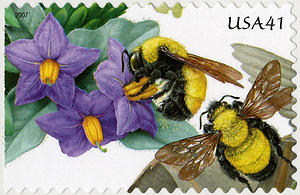
    Bumblebees, like honey bees, are crucial for a functional food system, “Of the five most important insect pollinators of European crops, three are bumblebees, says the IUCN press statement, adding that they contribute 22 billion euros ($30.35 billion) to European agriculture. Some crops, including tomatoes, almost completely rely on bumblebees to produce fruit. Through a technique known as ‘buzz pollination’ bumblebees are able to release the pollen tightly held by the flower –essentially by rapidly moving their wings, causing resonant vibrations bumblebees can shake loose the pollen to accomplish pollination. No bumblebees, no tomatoes.

    Of course, the EU recently implemented a two-year ban on the use of three neonicotinoid pesticides —imidacloprid, clothianidin and thiamethoxam— follows a report identifying “high acute risk” to honey bees. “However, efforts clearly need to be scaled up,” said Janez Potoćnik, EU Environmental Commissioner on the ban, continuing to say that integrating biodiversity requirements into other policies would be necessary.

    In addition to pesticide exposure, the study found that changes in land use, intensification of agriculture, and climate change have severely reduced the habitat available for bumblebees, some of which are highly specialized. For example, Bombus culllumanus, listed as Critically Endangered on the IUCN Red List has declined by more than 80 percent over the past decade, due primarily to the loss of important forage like clover which farmer practices have removed. The populations that were once widespread now only exists in small fragments across Europe.

    Improving forage availability, planting hedgerows, and reducing the use of bee-toxic pesticides would all help underpin stable populations of pollinators, says the IUCN press statement.

    Beyond Pesticides and Center for Food Safety launched the BEE Protective campaign, a national public education effort supporting local action aimed at protecting honey bees and other pollinators from pesticides and contaminated landscapes. BEE Protective includes a variety of educational materials to help encourage municipalities, campuses, and individual homeowners to adopt policies and practices that protect bees and other pollinators from harmful pesticide applications and create pesticide-free refuges for these beneficial organisms. In addition to scientific and regulatory information, BEE Protective also includes a model community pollinator resolution and a pollinator protection pledge. Pollinators are a vital part of our environment and a barometer for healthy ecosystems. Let’s all do our part to BEE Protective of these critical species. Please visit Beyond Pesticides’ Bee Protective webpage to learn more about our efforts to save pollinators and what you can do to help.

    Source: eNews Park Forest, 4 April 2014
    http://www.enewspf.com/latest-news/science/science-a-environmental/51699-a-quarter-of-all-bumblebees-at-risk-in-europe.html