Auteur: Henk Tennekes

  • Two cases of acute poisoning with acetamiprid in humans

    Two cases of acute poisoning with acetamiprid in humans

    Acetamiprid is a potent and a relatively new neonicotinoid insecticide. Animal studies have indicated that it has a low toxicity to mammals. Despite wide usage, human exposure resulting in toxicity is quite limited, and this is the first report in the English literature about acute acetamiprid poisoning in humans. Case Details. We herein describe two cases of acute poisoning with an insecticide formulation containing acetamiprid for suicidal purposes. Both cases experienced severe nausea and vomiting, muscle weakness, hypothermia, convulsions, and clinical manifestations including tachycardia, hypotension, electrocardiogram changes, hypoxia, and thirst in the case with the higher serum concentration of acetamiprid. The symptoms were partially similar to acute organophosphate intoxication. Supportive treatments for a variety of symptoms were sufficient for recovery, and both individuals were discharged without any complications 2 days after ingestion.

    Acetamiprid is a potent and a relatively new neonicotinoid insecticide. Animal studies have indicated that it has a low toxicity to mammals. Despite wide usage, human exposure resulting in toxicity is quite limited, and this is the first report in the English literature about acute acetamiprid poisoning in humans. Case Details. We herein describe two cases of acute poisoning with an insecticide formulation containing acetamiprid for suicidal purposes. Both cases experienced severe nausea and vomiting, muscle weakness, hypothermia, convulsions, and clinical manifestations including tachycardia, hypotension, electrocardiogram changes, hypoxia, and thirst in the case with the higher serum concentration of acetamiprid. The symptoms were partially similar to acute organophosphate intoxication. Supportive treatments for a variety of symptoms were sufficient for recovery, and both individuals were discharged without any complications 2 days after ingestion.

    Tomonori Imamura, Youichi Yanagawa, Kahoko Nishikawa, Naoto Matsumoto, and Toshihisa Sakamoto (2010)Two cases of acute poisoning with acetamiprid in humans
    Clinical Toxicology 48, 851-853 (doi:10.3109/15563650.2010.517207)
    http://informahealthcare.com/doi/abs/10.3109/15563650.2010.517207
  • Pesticide Residues and Bees – A Risk Assessment

    Pesticide Residues and Bees – A Risk Assessment

    Bees are essential pollinators of many plants in natural ecosystems and agricultural crops alike. In recent years the decline and disappearance of bee species in the wild and the collapse of honey bee colonies have concerned ecologists and apiculturalists, who search for causes and solutions to this problem. Whilst biological factors such as viral diseases, mite and parasite infections are undoubtedly involved, it is also evident that pesticides applied to agricultural crops have a negative impact on bees. Most risk assessments have focused on direct acute exposure of bees to agrochemicals from spray drift. However, the large number of pesticide residues found in pollen and honey demand a thorough evaluation of all residual compounds so as to identify those of highest risk to bees. Using data from recent residue surveys and toxicity of pesticides to honey and bumble bees, a comprehensive evaluation of risks under current exposure conditions is presented here. Standard risk assessments are complemented with new approaches that take into account time-cumulative effects over time, especially with dietary exposures. Whilst overall risks appear to be low, our analysis indicates that residues of pyrethroid and neonicotinoid insecticides pose the highest risk by contact exposure of bees with contaminated pollen. However, the synergism of ergosterol inhibiting fungicides with those two classes of insecticides results in much higher risks in spite of the low prevalence of their combined residues. Risks by ingestion of contaminated pollen and honey are of some concern for systemic insecticides, particularly imidacloprid and thiamethoxam, chlorpyrifos and the mixtures of cyhalothrin and ergosterol inhibiting fungicides. More attention should be paid to specific residue mixtures that may result in synergistic toxicity to bees.

    Bees are essential pollinators of many plants in natural ecosystems and agricultural crops alike. In recent years the decline and disappearance of bee species in the wild and the collapse of honey bee colonies have concerned ecologists and apiculturalists, who search for causes and solutions to this problem. Whilst biological factors such as viral diseases, mite and parasite infections are undoubtedly involved, it is also evident that pesticides applied to agricultural crops have a negative impact on bees. Most risk assessments have focused on direct acute exposure of bees to agrochemicals from spray drift. However, the large number of pesticide residues found in pollen and honey demand a thorough evaluation of all residual compounds so as to identify those of highest risk to bees. Using data from recent residue surveys and toxicity of pesticides to honey and bumble bees, a comprehensive evaluation of risks under current exposure conditions is presented here. Standard risk assessments are complemented with new approaches that take into account time-cumulative effects over time, especially with dietary exposures. Whilst overall risks appear to be low, our analysis indicates that residues of pyrethroid and neonicotinoid insecticides pose the highest risk by contact exposure of bees with contaminated pollen. However, the synergism of ergosterol inhibiting fungicides with those two classes of insecticides results in much higher risks in spite of the low prevalence of their combined residues. Risks by ingestion of contaminated pollen and honey are of some concern for systemic insecticides, particularly imidacloprid and thiamethoxam, chlorpyrifos and the mixtures of cyhalothrin and ergosterol inhibiting fungicides. More attention should be paid to specific residue mixtures that may result in synergistic toxicity to bees.

    Source: Sanchez-Bayo F, Goka K (2014) Pesticide Residues and Bees – A Risk Assessment. PLoS ONE 9(4): e94482. doi:10.1371/journal.pone.0094482

  • Neonicotinoid insecticide exposures reported to six poison centers in Texas

    Neonicotinoid insecticide exposures reported to six poison centers in Texas

    Neonicotinoids are a relatively newer class of insecticide. Used primarily in agriculture, neonicotinoids are also used for flea control in domestic animals. Information on human exposures to neonicotinoids is limited. Neonicotinoid exposures reported to Texas poison centers during 2000–2012 were identified and the distribution by selected factors examined. Of 1,142 total exposures, most products contained imidacloprid (77%) or dinotefuran (17%). The exposures were seasonal with half reported during May–August. The most common routes of exposure were ingestion (51%), dermal (44%), and ocular (11%). The distribution by patient age was 5 years or less (28%), 6–19 years (9%), 20 years or more (61%), and unknown (2%); and 64% of the patients were female. Of all, 97% of the exposures were unintentional and 97% occurred at the patient’s own residence. The management site was on-site (92%), already at/en route to a health care facility (6%), and referred to a health care facility (2%). The medical outcomes included no effect (22%), minor effect (11%), moderate effect (1%), not followed judged nontoxic (14%), not followed minimal effects (46%), unable to follow potentially toxic (1%), and unrelated effect (4%). The most commonly reported adverse clinical effects were ocular irritation (6%), dermal irritation (5%), nausea (3%), vomiting (2%), oral irritation (2%), erythema (2%), and red eye (2%). The most frequently reported treatments were dilution/wash (85%) and food (6%). In summary, these data suggest that the majority of neonicotinoid exposures reported to the poison centers may be managed outside of health care facilities with few clinical effects expected

    Neonicotinoids are a relatively newer class of insecticide. Used primarily in agriculture, neonicotinoids are also used for flea control in domestic animals. Information on human exposures to neonicotinoids is limited. Neonicotinoid exposures reported to Texas poison centers during 2000–2012 were identified and the distribution by selected factors examined. Of 1,142 total exposures, most products contained imidacloprid (77%) or dinotefuran (17%). The exposures were seasonal with half reported during May–August. The most common routes of exposure were ingestion (51%), dermal (44%), and ocular (11%). The distribution by patient age was 5 years or less (28%), 6–19 years (9%), 20 years or more (61%), and unknown (2%); and 64% of the patients were female. Of all, 97% of the exposures were unintentional and 97% occurred at the patient’s own residence. The management site was on-site (92%), already at/en route to a health care facility (6%), and referred to a health care facility (2%). The medical outcomes included no effect (22%), minor effect (11%), moderate effect (1%), not followed judged nontoxic (14%), not followed minimal effects (46%), unable to follow potentially toxic (1%), and unrelated effect (4%). The most commonly reported adverse clinical effects were ocular irritation (6%), dermal irritation (5%), nausea (3%), vomiting (2%), oral irritation (2%), erythema (2%), and red eye (2%). The most frequently reported treatments were dilution/wash (85%) and food (6%). In summary, these data suggest that the majority of neonicotinoid exposures reported to the poison centers may be managed outside of health care facilities with few clinical effects expected

    Source: MB Forrester (2014) Human Exp Toxicol, February 10, 2014, doi: 10.1177/0960327114522500
    http://het.sagepub.com/content/early/2014/02/07/0960327114522500.abstract

  • Poor food quality increased the sensitivity of nontarget species to pesticide exposure, potentially leading to an underestimation of adverse effects on aquatic communities in the field

    Poor food quality increased the sensitivity of nontarget species to pesticide exposure, potentially leading to an underestimation of adverse effects on aquatic communities in the field

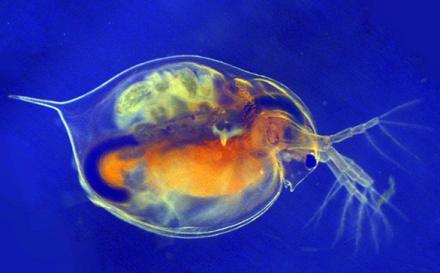
    Aquatic ecosystems are characterized by fluctuating conditions that have direct effects on aquatic communities but also indirect influences such as changing the toxicity of chemicals. Because the effect of food quality on pesticide toxicity has rarely been studied, in the present study Daphnia magna juveniles supplied with 4 different food quality levels were exposed to a range of imidacloprid concentrations for 21 d. Food quality was expressed as carbon:phosphorus ratios of algae Pseudokirchneriella subcapitata (C:P 35, C:P 240, C:P 400, and C:P 1300). Survival, growth rates, and reproduction of D. magna were monitored, and the combined effects of imidacloprid exposure and the phosphorus content of algae were analyzed. A stronger effect on survival was observed at the P-deficient diet (C:P 1300), confirmed by lower 10% effect concentration (EC10) values at days 7, 9, 15, and 21 compared with diets with higher phosphorus contents. Similarly, the growth rate was reduced when D. magna were supplied with algae of low phosphorus content at imidacloprid exposure conditions. The highest reproductive output was observed for D. magna fed the optimal phosphorus diet (C:P 240), both at control and exposed conditions. Poor food quality increased the sensitivity of nontarget species to pesticide exposure, potentially leading to an underestimation of adverse effects on aquatic communities in the field.

    Aquatic ecosystems are characterized by fluctuating conditions that have direct effects on aquatic communities but also indirect influences such as changing the toxicity of chemicals. Because the effect of food quality on pesticide toxicity has rarely been studied, in the present study Daphnia magna juveniles supplied with 4 different food quality levels were exposed to a range of imidacloprid concentrations for 21 d. Food quality was expressed as carbon:phosphorus ratios of algae Pseudokirchneriella subcapitata (C:P 35, C:P 240, C:P 400, and C:P 1300). Survival, growth rates, and reproduction of D. magna were monitored, and the combined effects of imidacloprid exposure and the phosphorus content of algae were analyzed. A stronger effect on survival was observed at the P-deficient diet (C:P 1300), confirmed by lower 10% effect concentration (EC10) values at days 7, 9, 15, and 21 compared with diets with higher phosphorus contents. Similarly, the growth rate was reduced when D. magna were supplied with algae of low phosphorus content at imidacloprid exposure conditions. The highest reproductive output was observed for D. magna fed the optimal phosphorus diet (C:P 240), both at control and exposed conditions. Poor food quality increased the sensitivity of nontarget species to pesticide exposure, potentially leading to an underestimation of adverse effects on aquatic communities in the field.

    Source:
    Ieromina, O., Peijnenburg, W. J.G.M., de Snoo, G., Müller, J., Knepper, T. P. and Vijver, M. G. (2014), Impact of imidacloprid on Daphnia magna under different food quality regimes. Environmental Toxicology and Chemistry, 33: 621–631. doi: 10.1002/etc.2472
    http://onlinelibrary.wiley.com/doi/10.1002/etc.2472/abstract?deniedAccessCustomisedMessage=&userIsAuthenticated=false

  • Mortalité estivale des abeilles : la France est le pays le plus touché en Europe

    Mortalité estivale des abeilles : la France est le pays le plus touché en Europe

    Le déclin des abeilles, pollinisateur indispensables à la biodiversité et à l’agriculture, est un phénomène mondialement connu depuis le milieu des années 1990 et qui porte préjudice à la survie des végétaux. Pour la première fois, une étude européenne évalue plus précisément la disparition des petites ouvrières de la pollinisation et produit une cartographie inédite : le nord de l’Europe est plus touché que le sud, et la France se distingue comme le pays où la mortalité est, de loin, la plus élevée au cours de la saison apicole.

    Le déclin des abeilles, pollinisateur indispensables à la biodiversité et à l’agriculture, est un phénomène mondialement connu depuis le milieu des années 1990 et qui porte préjudice à la survie des végétaux. Pour la première fois, une étude européenne évalue plus précisément la disparition des petites ouvrières de la pollinisation et produit une cartographie inédite : le nord de l’Europe est plus touché que le sud, et la France se distingue comme le pays où la mortalité est, de loin, la plus élevée au cours de la saison apicole.

    L’étude “Epilobee”, présentée à Bruxelles le 7 avril, est une première scientifique. Menée dans dix-sept pays membres de l’Union européenne, elle y compare l’état de santé des ruchers grâce à l’utilisation de “critères harmonisés” pour mesurer le taux de mortalité des abeilles domestiques. L’enquête est d’envergure. Coordonnée par le laboratoire de l’Anses à Sophia Antipolis (Alpes-Maritimes), laboratoire européen de référence pour la santé des abeilles, elle se base sur les observations de 1.350 inspecteurs, qui ont visité à trois reprises (automne 2012, printemps 2013, été 2013) quelque 31.800 colonies d’abeilles dans 3.300 ruchers.

    Mortalité en hiver : le nord est le plus touché

    Pour la mortalité en hiver, période où les abeilles meurent le plus, le nord apparaît le plus touché, avec des taux qui dépassent régulièrement les 20% : 33,6% en Belgique, 28,8% au Royaume Uni, 28,7% en Suède et plus de 23% en Estonie et en Finlande. Au sud de l’Europe, la situation semble moins grave, avec un taux de mortalité qui reste “normal”, soit en-deçà de 10%, dans plusieurs pays comme en Italie (5,3%), la Grèce (6,6%) ou encore l’Espagne (9,5%). La France (14,1%), comme l’Allemagne (13,6%) ou la Pologne (14,8%) se situent à un niveau intermédiaire. Un clivage nord-sud qui s’explique en partie par le climat, mais pas seulement, selon l’Anses.
    Source:Sudouest, 2014/04/08
    http://maplanete.blogs.sudouest.fr/archive/2014/04/08/le-lourd-declin-des-abeilles-au-nord-de-l-europe-1019673.html

  • De trend naar grootschalige en intensieve landbouw lijkt de voornaamste doodsteek te worden voor bijen

    De trend naar grootschalige en intensieve landbouw lijkt de voornaamste doodsteek te worden voor bijen

    Deze week raakte bekend dat één op de drie Belgische honingbijen de winter niet overleeft, een cijfer dat dubbel zo hoog is als het Europese gemiddelde. “Nochtans delen landbouwers en bijen een lange geschiedenis: sinds oudsher maken boeren dankbaar gebruik van bestuivende bijen voor de productie”, zegt Annelore Nys (Natuurpunt). “Het Europees Landbouwbeleid moet zijn subsidies inzetten op natuur- en dus bijvriendelijke landbouwmodellen.” Het tijdelijk Europees verbod op neonicotinoïden, de nieuwe generatie pesticiden, is volgens Natuurpunt maar een eerste stap in het aanpakken van een gelaagd probleem. De vereniging wijst naar het Europees Landbouwbeleid, de grootste budgetpost van Europa, dat blijft inzetten op een verhaal waarvan vooral de grootschalige en intensieve landbouwbedrijven beter worden. “Elk jaar vloeit er bijna 400 miljoen euro aan subsidies naar de Vlaamse landbouwsector, in ruil voor die publieke middelen verwacht de samenleving publieke diensten. Terwijl het redden van de bijenpopulatie een absolute prioriteit zou moeten zijn in het landbouwbeleid, dreigt het net de doodsteek te worden voor onze bijenpopulatie. De recente hervorming van het landbouwbeleid beloofde een ambitieuze vergroening, maar leverde vooral ‘business as usual’. Het initiële voorstel bevatte een veelbelovende piste: elke landbouwer die subsidies wil ontvangen, moet een deel van het akkerland inrichten in functie van natuur. Maar doorheen de onderhandelingen werden een hele rits van uitzonderingsmodaliteiten ingebouwd zodat er op het terrein nauwelijks iets zal veranderen.

    Deze week raakte bekend dat één op de drie Belgische honingbijen de winter niet overleeft, een cijfer dat dubbel zo hoog is als het Europese gemiddelde. “Nochtans delen landbouwers en bijen een lange geschiedenis: sinds oudsher maken boeren dankbaar gebruik van bestuivende bijen voor de productie”, zegt Annelore Nys (Natuurpunt). “Het Europees Landbouwbeleid moet zijn subsidies inzetten op natuur- en dus bijvriendelijke landbouwmodellen.” Het tijdelijk Europees verbod op neonicotinoïden, de nieuwe generatie pesticiden, is volgens Natuurpunt maar een eerste stap in het aanpakken van een gelaagd probleem. De vereniging wijst naar het Europees Landbouwbeleid, de grootste budgetpost van Europa, dat blijft inzetten op een verhaal waarvan vooral de grootschalige en intensieve landbouwbedrijven beter worden. “Elk jaar vloeit er bijna 400 miljoen euro aan subsidies naar de Vlaamse landbouwsector, in ruil voor die publieke middelen verwacht de samenleving publieke diensten. Terwijl het redden van de bijenpopulatie een absolute prioriteit zou moeten zijn in het landbouwbeleid, dreigt het net de doodsteek te worden voor onze bijenpopulatie. De recente hervorming van het landbouwbeleid beloofde een ambitieuze vergroening, maar leverde vooral ‘business as usual’. Het initiële voorstel bevatte een veelbelovende piste: elke landbouwer die subsidies wil ontvangen, moet een deel van het akkerland inrichten in functie van natuur. Maar doorheen de onderhandelingen werden een hele rits van uitzonderingsmodaliteiten ingebouwd zodat er op het terrein nauwelijks iets zal veranderen.

    De Europese commissaris voor Landbouw ging vorige week nogmaals met de zeis door de vergroening van het landbouwbeleid door het gebruik van pesticiden toe te laten op de percelen die ingericht zullen worden voor natuur. Pesticiden zijn bedoeld om biodiversiteit te vernietigen, je kan niet én bijen beschermen én het gebruik van pesticiden stimuleren.”
    Bron: Metro, 9 april 2014
    http://nl.metrotime.be/2014/04/09/news/groen-landbouwbeleid-kan-onze-bijen-redden/

  • Wageningen UR gaat op zoek naar nieuwe technieken voor het verwijderen van gewasbeschermingsmiddelen uit glastuinbouwspuiwater

    Wageningen UR gaat op zoek naar nieuwe technieken voor het verwijderen van gewasbeschermingsmiddelen uit glastuinbouwspuiwater

    Deze technieken kunnen namelijk opgenomen worden in het onderzoek dat Wageningen UR Glastuinbouw doet. Ook in 2014 staan een aantal vervolgonderzoeken op de planning wat betreft de toepassing van zuiveringstechnieken om gewasbeschermingsmiddelen uit glastuinbouw spuiwater te verwijderen. Ook wordt er weer gekeken naar nieuwe technieken. De overheid heeft het voornemen om zuiveringstechnieken vanaf 2016 verplicht te stellen. Wageningen UR Glastuinbouw onderzoekt binnen het project Glastuinbouw Waterproof potentieel geschikte technieken op effectiviteit van verwijdering van gewasbeschermingsmiddelen, toepasbaarheid in een glastuinbouw situatie en kosten. De technieken die in 2012 in een eerste indicatieve proef effectief bleken te zijn, zijn in 2013 aan een nader onderzoek onderworpen. Daarnaast zijn een aantal nieuwe technieken uit de afvalwaterzuivering en de drinkwaterproductie onderzocht. Dit zijn een aantal combinaties van ozon, waterstofperoxide en UV, met verschillende behandelwijzen. Het blijkt dat hier een aantal perspectiefvolle technieken tussen zitten.

    Deze technieken kunnen namelijk opgenomen worden in het onderzoek dat Wageningen UR Glastuinbouw doet. Ook in 2014 staan een aantal vervolgonderzoeken op de planning wat betreft de toepassing van zuiveringstechnieken om gewasbeschermingsmiddelen uit glastuinbouw spuiwater te verwijderen. Ook wordt er weer gekeken naar nieuwe technieken. De overheid heeft het voornemen om zuiveringstechnieken vanaf 2016 verplicht te stellen. Wageningen UR Glastuinbouw onderzoekt binnen het project Glastuinbouw Waterproof potentieel geschikte technieken op effectiviteit van verwijdering van gewasbeschermingsmiddelen, toepasbaarheid in een glastuinbouw situatie en kosten. De technieken die in 2012 in een eerste indicatieve proef effectief bleken te zijn, zijn in 2013 aan een nader onderzoek onderworpen. Daarnaast zijn een aantal nieuwe technieken uit de afvalwaterzuivering en de drinkwaterproductie onderzocht. Dit zijn een aantal combinaties van ozon, waterstofperoxide en UV, met verschillende behandelwijzen. Het blijkt dat hier een aantal perspectiefvolle technieken tussen zitten.

    De resultaten uit het onderzoek in 2012 zijn te vinden op de website www.glastuinbouwwaterproof.nl, de resultaten van het onderzoek uit 2013 zullen binnenkort op dezelfde site gepubliceerd worden. Bedrijven die interesse hebben voor het vervolgonderzoek in 2014 kunnen zich melden bij Jim van Ruijven van Wageningen UR Glastuinbouw.

    Bron: Wageningen UR Glastuinbouw & AgriHolland Nieuws, 03/04/14
    http://www.agriholland.nl/nieuws/artikel.html?id=157893

  • Macro-Invertebrate Decline in Surface Water Polluted with Imidacloprid: A Rebuttal and Some New Analyses

    Macro-Invertebrate Decline in Surface Water Polluted with Imidacloprid: A Rebuttal and Some New Analyses

    Imidacloprid, the largest selling insecticide in the world, has received particular attention from scientists, policymakers and industries due to its potential toxicity to bees and aquatic organisms. The decline of aquatic macro-invertebrates due to imidacloprid concentrations in the Dutch surface waters was hypothesised in a recent paper by Van Dijk, Van Staalduinen and Van der Sluijs (PLOS ONE, May 2013). Although we do not disagree with imidacloprid’s inherent toxicity to aquatic organisms, we have fundamental concerns regarding the way the data were analysed and interpreted. Here, we demonstrate that the underlying toxicity of imidacloprid in the field situation cannot be understood except in the context of other co-occurring pesticides. Although we agree with Van Dijk and co-workers that effects of imidacloprid can emerge between 13 and 67 ng/L we use a different line of evidence. We present an alternative approach to link imidacloprid concentrations and biological data. We analysed the national set of chemical monitoring data of the year 2009 to estimate the relative contribution of imidacloprid compared to other pesticides in relation to environmental quality target and chronic ecotoxicity threshold exceedances. Moreover, we assessed the relative impact of imidacloprid on the pesticide-induced potential affected fractions of the aquatic communities. We conclude that by choosing to test a starting hypothesis using insufficient data on chemistry and biology that are difficult to link, and by ignoring potential collinear effects of other pesticides present in Dutch surface waters Van Dijk and co-workers do not provide direct evidence that reduced taxon richness and abundance of macroinvertebrates can be attributed to the presence of imidacloprid only. Using a different line of evidence we expect ecological effects of imidacloprid at some of the exposure profiles measured in 2009 in the surface waters of the Netherlands.

    Imidacloprid, the largest selling insecticide in the world, has received particular attention from scientists, policymakers and industries due to its potential toxicity to bees and aquatic organisms. The decline of aquatic macro-invertebrates due to imidacloprid concentrations in the Dutch surface waters was hypothesised in a recent paper by Van Dijk, Van Staalduinen and Van der Sluijs (PLOS ONE, May 2013). Although we do not disagree with imidacloprid’s inherent toxicity to aquatic organisms, we have fundamental concerns regarding the way the data were analysed and interpreted. Here, we demonstrate that the underlying toxicity of imidacloprid in the field situation cannot be understood except in the context of other co-occurring pesticides. Although we agree with Van Dijk and co-workers that effects of imidacloprid can emerge between 13 and 67 ng/L we use a different line of evidence. We present an alternative approach to link imidacloprid concentrations and biological data. We analysed the national set of chemical monitoring data of the year 2009 to estimate the relative contribution of imidacloprid compared to other pesticides in relation to environmental quality target and chronic ecotoxicity threshold exceedances. Moreover, we assessed the relative impact of imidacloprid on the pesticide-induced potential affected fractions of the aquatic communities. We conclude that by choosing to test a starting hypothesis using insufficient data on chemistry and biology that are difficult to link, and by ignoring potential collinear effects of other pesticides present in Dutch surface waters Van Dijk and co-workers do not provide direct evidence that reduced taxon richness and abundance of macroinvertebrates can be attributed to the presence of imidacloprid only. Using a different line of evidence we expect ecological effects of imidacloprid at some of the exposure profiles measured in 2009 in the surface waters of the Netherlands.

    Citation: Vijver MG, van den Brink PJ (2014) Macro-Invertebrate Decline in Surface Water Polluted with Imidacloprid: A Rebuttal and Some New Analyses. PLoS ONE 9(2): e89837. doi:10.1371/journal.pone.0089837

  • Disposition and acute toxicity of imidacloprid in female rats after single exposure

    Disposition and acute toxicity of imidacloprid in female rats after single exposure

    Single dose of imidacloprid (IMI-20 mg/kg bodyweight) was orally administered in female rats. Its disposition along with two metabolites 6-chloro nicotinic acid (6-CNA) and 6-hydroxy nicotinic acid (6-HNA) was monitored in organs (brain, liver, kidney, and ovary) and bodily fluids (blood, urine) at 6, 12, 24 and 48 h and faeces at 24 and 48 h. Maximum concentration (Cmax) of IMI and metabolites in each organ and bodily fluid occurred after 12 h. Area under curve (AUC) of IMI ranged from 35 to 358 μg/ml/h; 6-CNA: 27.12–1006.42 μg/ml/h and 6-HNA: 14.98–302.74 μg/ml/h in different organs and bodily fluids. Clearance rate of IMI was maximum in ovary followed by kidney, liver, brain, faeces, blood and urine. Percent inhibition of acetyl-cholinesterase (AChE) was comparable in brain and Red Blood Cells (RBC) at 6–48 h which suggests the RBC-AChE as valid biomarker for assessing IMI exposure. It is evident that IMI was absorbed, metabolized, and excreted showing increased level of serum enzymes like Glutamic oxaloacetic transaminase (GOT), Glutamic pyruvic transaminase (GPT) and biochemical constituents like billirubin and Blood Urea Nitrogen (BUN) at 48 h. These data suggest that IMI is widely distributed, metabolized and induced toxicology effects at 20 mg/kg bodyweight to female rats.

    Single dose of imidacloprid (IMI-20 mg/kg bodyweight) was orally administered in female rats. Its disposition along with two metabolites 6-chloro nicotinic acid (6-CNA) and 6-hydroxy nicotinic acid (6-HNA) was monitored in organs (brain, liver, kidney, and ovary) and bodily fluids (blood, urine) at 6, 12, 24 and 48 h and faeces at 24 and 48 h. Maximum concentration (Cmax) of IMI and metabolites in each organ and bodily fluid occurred after 12 h. Area under curve (AUC) of IMI ranged from 35 to 358 μg/ml/h; 6-CNA: 27.12–1006.42 μg/ml/h and 6-HNA: 14.98–302.74 μg/ml/h in different organs and bodily fluids. Clearance rate of IMI was maximum in ovary followed by kidney, liver, brain, faeces, blood and urine. Percent inhibition of acetyl-cholinesterase (AChE) was comparable in brain and Red Blood Cells (RBC) at 6–48 h which suggests the RBC-AChE as valid biomarker for assessing IMI exposure. It is evident that IMI was absorbed, metabolized, and excreted showing increased level of serum enzymes like Glutamic oxaloacetic transaminase (GOT), Glutamic pyruvic transaminase (GPT) and biochemical constituents like billirubin and Blood Urea Nitrogen (BUN) at 48 h. These data suggest that IMI is widely distributed, metabolized and induced toxicology effects at 20 mg/kg bodyweight to female rats.

    Source:
    Upasana Kapoor et al. (2014) Food & Chemical Toxicology (in press)
    http://dx.doi.org/10.1016/j.fct.2014.03.019

  • Imidacloprid perturbs feeding of Gammarus pulex at environmentally relevant concentrations

    Imidacloprid perturbs feeding of Gammarus pulex at environmentally relevant concentrations

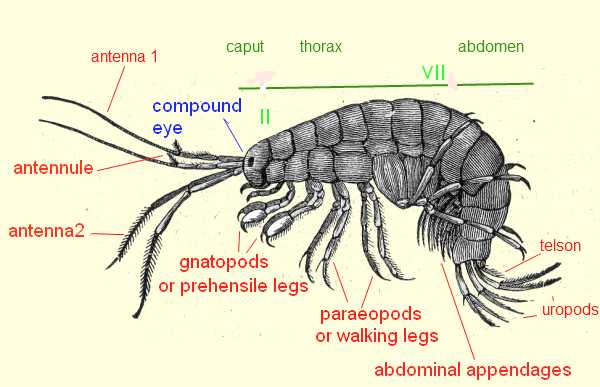
    Changes in food uptake by detritivorous macroinvertebrates could disrupt the ecosystem service of leaf litter breakdown, necessitating the study of shredding under anthropogenic influences. The impact of the neonicotinoid insecticide imidacloprid on the feeding rate of individual Gammarus pulex was measured at a daily resolution both during and after a 4-d exposure period. The authors found that imidacloprid inhibits feeding of G. pulex during exposure at concentrations ≥30 µg/L and that there was no recovery in feeding on transfer into clean media for 3 d. Exposure to imidacloprid at concentrations ≥0.81 µg/L and ≤9.0 µg/L resulted in increased feeding after exposure even though there was no significant effect on feeding during the exposure itself. Comparison with the literature shows that concentrations found to influence feeding lie within the range of estimated and measured environmental concentrations. Additionally, effects on feeding rate were observed at concentrations 2 orders of magnitude lower than those causing mortality. The lethal concentration for 50% of test organisms after 4 d of exposure (270 µg/L, literature data) and the effect concentration for a reduction in feeding by 50% (5.34 µg/L) were used for this comparison. The present study discusses the potential that effects on feeding may evoke effects at the population level or disturb leaf litter breakdown in the environment.

    Changes in food uptake by detritivorous macroinvertebrates could disrupt the ecosystem service of leaf litter breakdown, necessitating the study of shredding under anthropogenic influences. The impact of the neonicotinoid insecticide imidacloprid on the feeding rate of individual Gammarus pulex was measured at a daily resolution both during and after a 4-d exposure period. The authors found that imidacloprid inhibits feeding of G. pulex during exposure at concentrations ≥30 µg/L and that there was no recovery in feeding on transfer into clean media for 3 d. Exposure to imidacloprid at concentrations ≥0.81 µg/L and ≤9.0 µg/L resulted in increased feeding after exposure even though there was no significant effect on feeding during the exposure itself. Comparison with the literature shows that concentrations found to influence feeding lie within the range of estimated and measured environmental concentrations. Additionally, effects on feeding rate were observed at concentrations 2 orders of magnitude lower than those causing mortality. The lethal concentration for 50% of test organisms after 4 d of exposure (270 µg/L, literature data) and the effect concentration for a reduction in feeding by 50% (5.34 µg/L) were used for this comparison. The present study discusses the potential that effects on feeding may evoke effects at the population level or disturb leaf litter breakdown in the environment.

    Source: Alatz A et al. Environ Toxicol Chem 2014;33:648–653 http://onlinelibrary.wiley.com/doi/10.1002/etc.2480/abstract;jsessionid=4DFA8F0337563D994939B2E97E184376.f01t02?deniedAccessCustomisedMessage=&userIsAuthenticated=false