Auteur: Henk Tennekes

  • Binnenkort alleen nog maar te zien in een uniek boek – de zangvogelrijkdom in het Hageland

    Binnenkort alleen nog maar te zien in een uniek boek – de zangvogelrijkdom in het Hageland

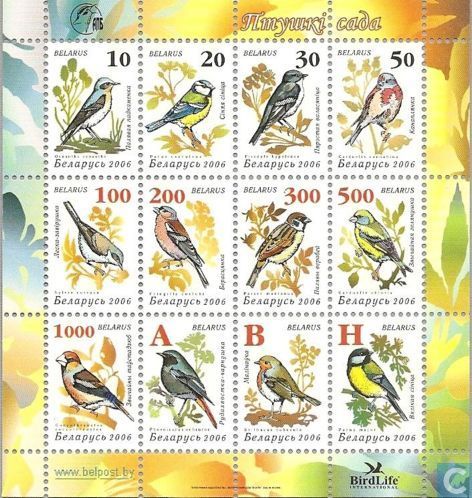
    Natuurpunt Lubbeek brengt eind deze maand een uniek boek uit met de vertaling van de Franstalige manuscripten van de overleden ere-notaris Pierre Halflants. Hij noteerde tijdens zijn talrijke wandelingen tussen 1925 en 1983 in het Hageland het leven en het gedrag van 48 kleine zangvogelsoorten. Hij schreef vier notaboekjes vol met waarnemingen van vogels, wat heel uitzonderlijk was voor die tijd. Alle manuscripten werden in het Frans opgesteld. ‘Deze notities werden nu vertaald’, zegt Gerda Van Hoovels, de secretaris van Natuurpunt Lubbeek. ‘Het boek dateert uit 1945 en geeft duidelijk aan dat er vroeger meer zangvogels in het Hageland waren dan in de Ardennen. Dat Halflants in die tijd en op zo’n jonge leeftijd al vogels observeerde, was een unicum. Naast het Hageland en de Ardennen deed hij ook vogelobservaties in Koksijde en aan de Limburgse vijvers.’ Het boek bevat een uitgebreide beschrijving van 48 zangvogels in zwart-witte pentekeningen. Ook de achteruitgang van het vogelbestand in een veranderend landschap werd beschreven. Een tiental zangvogels die toen leefden zijn ondertussen verdwenen.

    Natuurpunt Lubbeek brengt eind deze maand een uniek boek uit met de vertaling van de Franstalige manuscripten van de overleden ere-notaris Pierre Halflants. Hij noteerde tijdens zijn talrijke wandelingen tussen 1925 en 1983 in het Hageland het leven en het gedrag van 48 kleine zangvogelsoorten. Hij schreef vier notaboekjes vol met waarnemingen van vogels, wat heel uitzonderlijk was voor die tijd. Alle manuscripten werden in het Frans opgesteld. ‘Deze notities werden nu vertaald’, zegt Gerda Van Hoovels, de secretaris van Natuurpunt Lubbeek. ‘Het boek dateert uit 1945 en geeft duidelijk aan dat er vroeger meer zangvogels in het Hageland waren dan in de Ardennen. Dat Halflants in die tijd en op zo’n jonge leeftijd al vogels observeerde, was een unicum. Naast het Hageland en de Ardennen deed hij ook vogelobservaties in Koksijde en aan de Limburgse vijvers.’ Het boek bevat een uitgebreide beschrijving van 48 zangvogels in zwart-witte pentekeningen. Ook de achteruitgang van het vogelbestand in een veranderend landschap werd beschreven. Een tiental zangvogels die toen leefden zijn ondertussen verdwenen.

    Het boek werd in beide landstalen geschreven en telt 105 pagina’s. Het bevat verschillende illustraties en tekeningen. Het wordt voorgesteld op het evenement van Natuurpunt Lubbeek op 27 april in het kasteeldomein van de familie Halflants langs de Gellenberg in Lubbeek.

    Voorintekening tegen twaalf euro via info@natuurpuntlubbeek.be.
    Bron: Het Nieuwsblad, 18 april 2014
    http://www.nieuwsblad.be/article/detail.aspx?articleid=DMF20140417_01072553

  • De Nederlandse regering legt aangenomen Tweede Kamer moties over neonics en triazolen naast zich neer

    De Nederlandse regering legt aangenomen Tweede Kamer moties over neonics en triazolen naast zich neer

    De Tweede Kamer heeft het kabinet in een motie gevraagd een moratorium in te stellen op het gebruik van neonicotinoïden totdat vaststaat dat zij geen schadelijk effect hebben op bijen en de volksgezondheid. Daarnaast werd gevraagd een nationaal traject in gang te zetten voor een volledig nationaal moratorium op alle neonicotinoïden en op fipronil. De aangenomen moties raken 18 gewasbeschermingsmiddelen. Vanuit juridisch oogpunt zijn de moties naar het oordeel van het kabinet niet uitvoerbaar. Dat meldt staatssecretaris Dijksma van Economische Zaken mede namens minister Schippers van Volksgezondheid, Welzijn en Sport en staatssecretaris Mansveld van Infrastructuur en Milieu aan de Tweede Kamer. In een reactie schrijft de toxicoloog Henk Tennekes dat staatssecretaris Dijksma onder toepassing van Art 1 lid 4 van de Europese verordening gewasbescherming (VO-gwb) uit voorzorg alle neonics, fipronil en triazolen kan verbieden. De uitvoerige en verwarrende reactie van de staatssecretaris is haar waarschijnlijk ingefluisterd door een behendige regeringsambtenaar, aldus Tennekes.

    De Tweede Kamer heeft het kabinet in een motie gevraagd een moratorium in te stellen op het gebruik van neonicotinoïden totdat vaststaat dat zij geen schadelijk effect hebben op bijen en de volksgezondheid. Daarnaast werd gevraagd een nationaal traject in gang te zetten voor een volledig nationaal moratorium op alle neonicotinoïden en op fipronil. De aangenomen moties raken 18 gewasbeschermingsmiddelen. Vanuit juridisch oogpunt zijn de moties naar het oordeel van het kabinet niet uitvoerbaar. Dat meldt staatssecretaris Dijksma van Economische Zaken mede namens minister Schippers van Volksgezondheid, Welzijn en Sport en staatssecretaris Mansveld van Infrastructuur en Milieu aan de Tweede Kamer. In een reactie schrijft de toxicoloog Henk Tennekes dat staatssecretaris Dijksma onder toepassing van Art 1 lid 4 van de Europese verordening gewasbescherming (VO-gwb) uit voorzorg alle neonics, fipronil en triazolen kan verbieden. De uitvoerige en verwarrende reactie van de staatssecretaris is haar waarschijnlijk ingefluisterd door een behendige regeringsambtenaar, aldus Tennekes.

    Het kabinet stelt dat op nationaal en op Europees niveau zeer recent de gewasbeschermingsmiddelen met neonicotinoïden en fipronil zijn herbeoordeeld aan de nieuwste stand van de wetenschap als het gaat om de risico’s voor bijen. Daar waar er hoge risico’s voor bijen waren, zijn de toelatingen ingetrokken, c.q. is er ingegrepen in de toelatingen. Sindsdien zijn er geen nieuwe concrete aanwijzingen of feiten dat de Europese goedkeuring van de werkzame stoffen of de Nederlandse toelatingen van middelen niet meer zouden voldoen aan de toelatingscriteria voor bijen. Ook is er geen aantoonbare aanleiding dat er in de huidige toelatingen een ernstig risico aanwezig is voor bijen, waardoor ingrijpen door middel van een noodmaatregel gerechtvaardigd is.

    Op basis van de juridische systematiek in de Verordening gewasbeschermingsmiddel ontbreekt daarmee de rechtsgrond om de toelatingen of middelen te herzien, laat staan te wijzigen of in te trekken. Vanuit juridisch oogpunt zijn de moties naar het oordeel van het kabinet derhalve niet uitvoerbaar.

    Bron: Ministerie van Economische Zaken, 18/04/14 & AgriHolland Nieuws
    http://www.agriholland.nl/nieuws/artikel.html?id=158334

  • De achteruitgang van vissen in de Waddenzee belooft niets goeds voor veel vogelsoorten

    De achteruitgang van vissen in de Waddenzee belooft niets goeds voor veel vogelsoorten

    Vandaag is de nieuwe, interactieve website Waddenzeevismonitor.nl gelanceerd. Op de website is voor elke vissoort te zien hoe deze zich de afgelopen jaren heeft ontwikkeld in de Waddenzee. Het NIOZ, het Koninklijk Nederlands Instituut voor Onderzoek der Zee, meet al vijftig jaar lang het aantal soorten en de hoeveelheden vis in de Waddenzee. Het is nu voor het eerst dat deze onderzoeksgegevens voor een breed publiek toegankelijk worden gemaakt. Het blijkt dat de vangsten de laatste vijftig jaar fors zijn afgenomen. Het aantal vissen is gedaald en sommige vissoorten zijn nagenoeg verdwenen. Op de website kan iedereen eenvoudig vangstaantallen per vissoort opvragen. Ook is het mogelijk de visstand van meerdere vissoorten naast elkaar op te vragen in een grafiek. Van de bijna 80 vissoorten die de afgelopen vijftig jaar in fuik zijn gevangen, is achtergrondinformatie en duidelijk beeldmateriaal opgenomen.

    Vandaag is de nieuwe, interactieve website Waddenzeevismonitor.nl gelanceerd. Op de website is voor elke vissoort te zien hoe deze zich de afgelopen jaren heeft ontwikkeld in de Waddenzee. Het NIOZ, het Koninklijk Nederlands Instituut voor Onderzoek der Zee, meet al vijftig jaar lang het aantal soorten en de hoeveelheden vis in de Waddenzee. Het is nu voor het eerst dat deze onderzoeksgegevens voor een breed publiek toegankelijk worden gemaakt. Het blijkt dat de vangsten de laatste vijftig jaar fors zijn afgenomen. Het aantal vissen is gedaald en sommige vissoorten zijn nagenoeg verdwenen. Op de website kan iedereen eenvoudig vangstaantallen per vissoort opvragen. Ook is het mogelijk de visstand van meerdere vissoorten naast elkaar op te vragen in een grafiek. Van de bijna 80 vissoorten die de afgelopen vijftig jaar in fuik zijn gevangen, is achtergrondinformatie en duidelijk beeldmateriaal opgenomen.

    Als je de gegevens opvraagt van een vissoort als de aal, krijgt een treurig beeld voorgespiegeld. Aal trekt tussen zoet en zout water. De komst van de Afsluitdijk en de afsluiting van de Lauwerszee hebben een verwoestende impact gehad op deze en andere trekvissoorten. De aantallen gevangen aal daalden in vijftig jaar tijd van gemiddeld 24 per vangdag naar 0,13. Ook de harder, een recent populair geworden consumptievis, laat een dalende trend zien. Werden er in de zestiger jaren gemiddeld 10 harders per dag in de fuik gevangen, nu is dat er krap 1 per dag. Positief nieuws is er ook. De zeebaars, een zuidelijke vissoort, laat zich in de zomermaanden in toenemende aantallen in de Waddenzee zien. Deze vissoort profiteert waarschijnlijk van het feit dat de Waddenzee het laatste decennium bijna 2 graden is opgewarmd.

    De website is een initiatief van de Waddenvereniging. Die zag dat er grote behoefte was aan het ontsluiten van objectieve gegevens over de visstand van de Waddenzee. Wouter van der Heij, bioloog bij de Waddenvereniging: ‘Wij maken ons al tientallen jaren zorgen over de teruglopende visstand van de Waddenzee en hopen dat deze website bijdraagt aan het besef dat een gezonde, rijke visstand op de Waddenzee ver weg is. De visstand in de Waddenzee is nog maar een fractie van wat die kan zijn. Uit eerder internationaal onderzoek bleek al dat ecologische rijkdom van de Waddenzee nog geen 30% is van wat die kan zijn.’ Een rijke Waddenzee vol vis is niet alleen van groot ecologisch, maar ook van economisch belang. ‘Dat het beter kan is geen vage droom. Ruim baan voor trekvis via projecten als de Vismigratierivier laten zien dat we niet machteloos hoeven toe te kijken.’

    De data uit de website zijn resultaten van visonderzoek dat het NIOZ al ruim 50 jaar lang verricht op Texel. Met een fuik op de kop van Texel bij het Marsdiep wordt in het voor- en najaar bijna dagelijks de vangst geteld en gemeten. De gegevens zijn uniek, omdat het zo’n langdurige periode betreft. Hierdoor kan een objectief beeld worden gegeven van de ontwikkeling van de visstand in de Waddenzee.

    Vergeleken met ander vis- en visserijonderzoek, wordt er maar mondjesmaat onderzoek gedaan naar het totale spectrum aan vissoorten en -aantallen in de Waddenzee. Van oudsher ligt de nadruk op de voor Nederland commercieel interessante bodembewonende platvissen. Het NIOZ beschikt met de fuikgegevens over langjarige informatie over ook de vrij van de bodem zwemmende vissoorten van de Waddenzee. Het is de bedoeling dat er de komende jaren meer onderzoekslocaties in de Waddenzee bij komen om een nog beter beeld te krijgen. Om die reden werken de Waddenvereniging, het NIOZ en een groep eilanders aan het realiseren van een traditionele takkenfuik onder Terschelling.

    Bronnen: Waddenvereniging en Natuurbericht, 10 april 2014
    http://www.natuurbericht.nl/?id=12403

  • Amphibians and reptiles face a profound, human-driven extinction crisis

    Amphibians and reptiles face a profound, human-driven extinction crisis

    The Center for Biological Diversity filed a formal notice of intent to sue the U.S. Fish and Wildlife Service today for failing to determine whether five increasingly rare northeastern amphibians and reptiles warrant consideration for Endangered Species Act protection. The Center first petitioned for these species — the wood turtle, spotted turtle, green salamander, Peaks of Otter salamander and white-spotted salamander — in July 2012 because habitat loss and other factors are threatening their survival. “These turtles and salamanders are irreplaceable parts of the wild where they live, whether it’s a remote mountain stream or a suburban wetland,” said Collette Adkins Giese, a Center biologist and lawyer focused on protecting amphibians and reptiles. “Losing them will impoverish those places and our own connection with the natural world.”

    The Center for Biological Diversity filed a formal notice of intent to sue the U.S. Fish and Wildlife Service today for failing to determine whether five increasingly rare northeastern amphibians and reptiles warrant consideration for Endangered Species Act protection. The Center first petitioned for these species — the wood turtle, spotted turtle, green salamander, Peaks of Otter salamander and white-spotted salamander — in July 2012 because habitat loss and other factors are threatening their survival. “These turtles and salamanders are irreplaceable parts of the wild where they live, whether it’s a remote mountain stream or a suburban wetland,” said Collette Adkins Giese, a Center biologist and lawyer focused on protecting amphibians and reptiles. “Losing them will impoverish those places and our own connection with the natural world.”

    Due to habitat destruction, toxic pesticides and other human causes, scientists estimate 1 in 4 amphibians and reptiles is at risk of dying out. This loss is alarming because the animals play important roles as predators and prey in their ecosystems and are valuable indicators of environmental health.

    “There’s broad scientific consensus that amphibians and reptiles face a profound, human-driven extinction crisis that requires prompt action,” said Adkins Giese. “The Endangered Species Act has a nearly perfect record of stopping animals from going extinct — it’s hands-down our best tool for saving rare amphibians and reptiles.”

    The Center was joined in its petition for these five species and other amphibians and reptiles by several renowned scientists and herpetologists, including E.O. Wilson, Thomas Lovejoy and Michael Lannoo. And more than 200 scientists sent a letter asking the Service to review the status of the petitioned animals.

    The Fish and Wildlife Service is required to make an initial finding within 90 days of receiving a petition about whether protections may be warranted — but more than a year and a half later, the agency has not acted. The 90-day finding is the first in a series of required decisions and simply requires the Fish and Wildlife Service to determine whether the petition presents sufficient information to warrant further consideration, a process that requires few agency resources.

    View an interactive state-by-state map showing where the petitioned species live and download photos for media use.

    Species Highlights
    Wood Turtles (Connecticut, Iowa, Maryland, Maine, Massachusetts, Michigan, Minnesota, New Hampshire, New Jersey, New York, Ohio, Pennsylvania, Rhode Island, Vermont, Virginia, West Virginia, Wisconsin): Hurt by the pet trade, channelization of rivers and streams, careless timber-harvesting practices along waterways, urbanization, and agricultural practices including pesticide use, the wood turtles’ remaining populations tend to be isolated, greatly reducing the chances of their natural recovery in areas where their numbers have plummeted. Traditionally low survival rates among juvenile wood turtles have been made worse by the increased prevalence of turtle predators, such as raccoons and skunks, which thrive in urbanized areas. Wood turtles have an unusual feeding behavior: They stomp their front feet to cause earthworms to come to the surface.

    Spotted Turtles (Connecticut, Delaware, District of Columbia, Florida, Georgia, Illinois, Indiana, Massachusetts, Maryland, Maine, Michigan, North Carolina, New Hampshire, New Jersey, New York, Ohio, Pennsylvania, Rhode Island, South Carolina, Virginia, Vermont, West Virginia): A small, black turtle with yellow spots on its smooth shell, the spotted turtle is an attractive animal that’s another unfortunate favorite in the pet trade. It ranges from southern Ontario and Maine southward from the Atlantic coastal plain and piedmont to northern Florida and westward through Ontario, New York, Pennsylvania, central Ohio, northern Indiana and Michigan to northeastern Illinois. The turtle has likely suffered a 50 percent overall reduction in population size, with much of this loss irreversible because of habitat loss.

    Peaks of Otter Salamanders (Virginia): Known only to a 12-mile stretch of Virginia’s Blue Ridge Mountains, Peaks of Otter salamanders have one of the most restricted ranges of any salamander in the United States. These darkly pigmented, 5-inch-long salamanders with brassy metallic spots occur only in mature oak and maple forests at high elevations, a trait that makes them particularly vulnerable to climate change. Because Peaks of Otter salamanders are confined to a single ridge top, they are unable to shift their range upslope as the climate warms. While the habitat of these salamanders is offered some protection in the Jefferson National Forest and on the Blue Ridge Parkway, activities like logging continue to threaten their viability.

    Green Salamanders (Alabama, Georgia, Indiana, Kentucky, Maryland, Mississippi, North Carolina, Ohio, Pennsylvania, South Carolina, Tennessee, Virginia, West Virginia): While the range of the green salamander encompasses the entire Appalachian region, it exists only in habitat fragments with remaining populations experiencing extirpations and significant declines. The only member of the “climbing family” of salamanders east of the Rocky Mountains, green salamanders are found on rock outcrops and in arboreal habitats. During the spring and summer, breeding females require cool and moist narrow crevices in which to suspend their eggs, and in fall, the salamanders congregate near deep rock crevices for use during winter hibernation. The salamanders are threatened by logging, road construction, mountaintop removal mining, impoundments, overcollection for the pet trade and climate change.

    White-spotted Salamanders (Virginia, West Virginia): This salamander has a narrow range in the Shenandoah, North and Great North mountains, in George Washington National Forest, Virginia and West Virginia. Its populations are declining and its occupied range is shrinking, mostly due to habitat loss from logging of the old-growth forests upon which it depends. At night these opportunistic carnivores feed on the forest floor during wet conditions, and in day they are found under rocks and logs or in burrows.

    Source:The Center for Biological Diversity, April 15, 2014
    http://www.biologicaldiversity.org/news/press_releases/2014/turtles-and-salamanders-04-15-2014.html

    The Center for Biological Diversity is a national, nonprofit conservation organization with more than 675,000 members and online activists dedicated to the protection of endangered species and wild places.

  • Koning Willem-Alexander heeft de eerste bijenkast op het Wassenaarse landgoed De Horsten in gebruik gesteld

    Koning Willem-Alexander heeft de eerste bijenkast op het Wassenaarse landgoed De Horsten in gebruik gesteld

    Daarnaast is een bijenkast geplaatst in de openbare Prinsessetuin van Paleis Noordeinde in Den Haag. Dat heeft het Koninklijk Huis gemeld. Op De Horsten staan twee bijenkasten. De bijenvolken tellen zo’n zevenduizend diertjes per kast. Dit aantal kan de komende maanden oplopen tot 45 duizend. Deze zomer vliegen er dus zo’n negentigduizend bijen rond op de Horsten, is de verwachting. Willem-Alexander en zijn familie wonen op het landgoed in Wassenaar. De koning kwam met de fiets en probeerde met een imker de bijenkoningin op een van de honingraten te ontdekken. De kasten worden bewoond door zogeheten Buckfast-bijen, een zachtaardig Nederlands bijenras dat wordt geteeld door Stichting Buckfast Marken. De bijen steken en zwermen nauwelijks en verzamelen relatief veel nectar om uiteindelijk honing te maken. De koning kreeg het bijenvolk aangeboden door het natuurprogramma Vroege Vogels van de VARA.

    Daarnaast is een bijenkast geplaatst in de openbare Prinsessetuin van Paleis Noordeinde in Den Haag. Dat heeft het Koninklijk Huis gemeld. Op De Horsten staan twee bijenkasten. De bijenvolken tellen zo’n zevenduizend diertjes per kast. Dit aantal kan de komende maanden oplopen tot 45 duizend. Deze zomer vliegen er dus zo’n negentigduizend bijen rond op de Horsten, is de verwachting. Willem-Alexander en zijn familie wonen op het landgoed in Wassenaar. De koning kwam met de fiets en probeerde met een imker de bijenkoningin op een van de honingraten te ontdekken. De kasten worden bewoond door zogeheten Buckfast-bijen, een zachtaardig Nederlands bijenras dat wordt geteeld door Stichting Buckfast Marken. De bijen steken en zwermen nauwelijks en verzamelen relatief veel nectar om uiteindelijk honing te maken. De koning kreeg het bijenvolk aangeboden door het natuurprogramma Vroege Vogels van de VARA.

    Wageningen University meldde maandagochtend dat imkers de afgelopen twee winters minder bijenvolken hebben verloren dan in de winters daarvoor. Het landelijke sterftepercentage was deze winter 9,2 procent, terwijl het jarenlang op 25 procent heeft gelegen.

    Bron: Nieuws.nl, 14-04-14
    http://www.nieuws.nl/algemeen/20140414/Duizenden-bijen-op-koninklijk-landgoed

  • De zogenaamde ‘vergroeningsmaatregelen’ in het nieuwe landbouwbeleid, waarvan natuur, landschap en milieu zouden moeten profiteren, worden door de LTO vrijwel tot op het bot uitgekleed

    De zogenaamde ‘vergroeningsmaatregelen’ in het nieuwe landbouwbeleid, waarvan natuur, landschap en milieu zouden moeten profiteren, worden door de LTO vrijwel tot op het bot uitgekleed

    Waardevolle akkernatuur en landschapselementen gaan versneld ten onder, in plaats van dat ze gered worden door het nieuwe landbouwbeleid en collectieven. Dat zeiden Vereniging Nederlands Cultuurlandschap, Werkgroep Grauwe Kiekendief en het Louis Bolk Instituut tijdens de landelijke Dag voor Agrarische Natuurverenigingen in Nijkerk.Veertig procent van het geld dat omgaat in de Europese Unie gaat naar landbouwsubsidies, het grootste deel bestaat uit directe inkomenssteun aan boeren. Veel Europarlementariërs en burgers in de Unie vinden dat te veel geld en willen dat Europese boeren er een groenere landbouw voor terug geven. Zo kwam het er eindelijk van dat bij de hernieuwing van het gemeenschappelijk landbouwbeleid aan de subsidie groene eisen zouden worden verbonden. Nederlandse boeren zouden nu echt werk gaan maken van verbetering van landschap, biodiversiteit, milieu en dierenwelzijn op hun bedrijven in ruil voor jaarlijks 230 miljoen euro Europese subsidie. In Nederland dreigt de uitwerking van deze vergroening volledig ontkracht te worden en zelfs averechts effect te krijgen.

    Waardevolle akkernatuur en landschapselementen gaan versneld ten onder, in plaats van dat ze gered worden door het nieuwe landbouwbeleid en collectieven. Dat zeiden Vereniging Nederlands Cultuurlandschap, Werkgroep Grauwe Kiekendief en het Louis Bolk Instituut tijdens de landelijke Dag voor Agrarische Natuurverenigingen in Nijkerk.Veertig procent van het geld dat omgaat in de Europese Unie gaat naar landbouwsubsidies, het grootste deel bestaat uit directe inkomenssteun aan boeren. Veel Europarlementariërs en burgers in de Unie vinden dat te veel geld en willen dat Europese boeren er een groenere landbouw voor terug geven. Zo kwam het er eindelijk van dat bij de hernieuwing van het gemeenschappelijk landbouwbeleid aan de subsidie groene eisen zouden worden verbonden. Nederlandse boeren zouden nu echt werk gaan maken van verbetering van landschap, biodiversiteit, milieu en dierenwelzijn op hun bedrijven in ruil voor jaarlijks 230 miljoen euro Europese subsidie. In Nederland dreigt de uitwerking van deze vergroening volledig ontkracht te worden en zelfs averechts effect te krijgen.

    Met name de LTO, een belangenorganisatie die 39% van de Nederlandse boeren vertegenwoordigt, laat geen gelegenheid voorbij gaan om in Brussel en Den Haag openlijk te pleiten voor minimale ambities. Vooral de zogenaamde ‘vergroeningsmaatregelen’, waarvan natuur, landschap en milieu zouden moeten profiteren, zijn vrijwel tot op het bot uitgekleed.

    In plaats van echte vergroening worden bijvoorbeeld sloten met een grasstrook tot vergroening gerekend! Waardevolle akkernatuur mag waarschijnlijk zelfs vervangen worden door gewassen die met pesticiden worden bespoten, als het aan LTO Nederland ligt. De bijna anderhalf miljoen hectare grasland en maisakkers (tweederde van ons landbouwareaal) zijn zelfs gevrijwaard van vergroening.

    Bron: Piepvandaag, 8 april 2014
    http://www.piepvandaag.nl/vergroening-landbouw-bedreiging/

  • Researchers at National Taiwan University observed that low-level exposure — about 10ppb — to imidacloprid can cause harm to bee larvae

    Researchers at National Taiwan University observed that low-level exposure — about 10ppb — to imidacloprid can cause harm to bee larvae

    Exposure even to low levels of imidacloprid, a widely used pesticide, can harm the central nervous system of bees and may be a reason behind the global bee colony collapse, a National Taiwan University research team said yesterday in Taipei. Reports from around the world in recent years have shown that the population of wild bees has rapidly declined in many parts of the world. As bees contribute to the pollination of many crop species, ensuring production of seeds in many flowering plants and playing an important role in the ecosystem, many scientists are concerned about the rapid decline in bee colonies.

    Exposure even to low levels of imidacloprid, a widely used pesticide, can harm the central nervous system of bees and may be a reason behind the global bee colony collapse, a National Taiwan University research team said yesterday in Taipei. Reports from around the world in recent years have shown that the population of wild bees has rapidly declined in many parts of the world. As bees contribute to the pollination of many crop species, ensuring production of seeds in many flowering plants and playing an important role in the ecosystem, many scientists are concerned about the rapid decline in bee colonies.

    The university formed an interdisciplinary research team in 2008 to study whether the collapse was caused by the prevalent use of pesticides. A special method that the team developed — putting a tattoo on experimental bees — was applied to track the bees and observe the effects of insecticides on them.

    National Taiwan University entomology professor Yang En-cheng (楊恩誠) said researchers discovered that imidacloprid — an insecticide belonging to a class of chemicals called the neonicotinoids — can cause worker bees to lose their way back to their hives.

    “Normally, worker bees fly back to their hives when they have suck enough nectar, but when they consume up to about 50ppb [parts per billion] of imidacloprid, they stay on the flower, rubbing their eyes. We can see that they are uncomfortable, and they don’t fly back immediately,” Yang said.

    Moreover, the team observed that even exposure to low levels — or just 10ppb — of imidacloprid can cause harm to bee larvae, depriving them of their ability to form and retain memories as they grow, thus contributing to the decline of the bee population.

    The use of imidacloprid on certain crops was banned by the EU last year, but it is still widely used in Taiwan, Yang said.

    While Taiwan earns about NT$2.3 billion (US$76 million) from honey each year, the government should evaluate whether it should limit the use of imidacloprid and other neonicotinoids, he said.

    Source: Taipei Times, 15 April 2014
    http://www.taipeitimes.com/News/taiwan/archives/2014/04/15/2003588081

  • Nicotinic acetylcholine receptors in attention circuitry: the role of layer VI neurons of prefrontal cortex

    Nicotinic acetylcholine receptors in attention circuitry: the role of layer VI neurons of prefrontal cortex

    Cholinergic modulation of prefrontal cortex is essential for attention. In essence, it focuses the mind on relevant, transient stimuli in support of goal-directed behavior. The excitation of prefrontal layer VI neurons through nicotinic acetylcholine receptors optimizes local and top-down control of attention. Layer VI of prefrontal cortex is the origin of a dense feedback projection to the thalamus and is one of only a handful of brain regions that express the α5 nicotinic receptor subunit, encoded by the gene chrna5. This accessory nicotinic receptor subunit alters the properties of high-affinity nicotinic receptors in layer VI pyramidal neurons in both development and adulthood. Studies investigating the consequences of genetic deletion of α5, as well as other disruptions to nicotinic receptors, find attention deficits together with altered cholinergic excitation of layer VI neurons and aberrant neuronal morphology. Nicotinic receptors in prefrontal layer VI neurons play an essential role in focusing attention under challenging circumstances. In this regard, they do not act in isolation, but rather in concert with cholinergic receptors in other parts of prefrontal circuitry. This review urges an intensification of focus on the cellular mechanisms and plasticity of prefrontal attention circuitry. Disruptions in attention are one of the greatest contributing factors to disease burden in psychiatric and neurological disorders, and enhancing attention may require different approaches in the normal and disordered prefrontal cortex.

    Cholinergic modulation of prefrontal cortex is essential for attention. In essence, it focuses the mind on relevant, transient stimuli in support of goal-directed behavior. The excitation of prefrontal layer VI neurons through nicotinic acetylcholine receptors optimizes local and top-down control of attention. Layer VI of prefrontal cortex is the origin of a dense feedback projection to the thalamus and is one of only a handful of brain regions that express the α5 nicotinic receptor subunit, encoded by the gene chrna5. This accessory nicotinic receptor subunit alters the properties of high-affinity nicotinic receptors in layer VI pyramidal neurons in both development and adulthood. Studies investigating the consequences of genetic deletion of α5, as well as other disruptions to nicotinic receptors, find attention deficits together with altered cholinergic excitation of layer VI neurons and aberrant neuronal morphology. Nicotinic receptors in prefrontal layer VI neurons play an essential role in focusing attention under challenging circumstances. In this regard, they do not act in isolation, but rather in concert with cholinergic receptors in other parts of prefrontal circuitry. This review urges an intensification of focus on the cellular mechanisms and plasticity of prefrontal attention circuitry. Disruptions in attention are one of the greatest contributing factors to disease burden in psychiatric and neurological disorders, and enhancing attention may require different approaches in the normal and disordered prefrontal cortex.

    Source: E Proulx et al (2014) Cellular and Molecular Life Sciences 71, 1225-44

  • Impaired auditory discrimination learning following perinatal nicotine exposure or β2 nicotinic acetylcholine receptor subunit deletion

    Impaired auditory discrimination learning following perinatal nicotine exposure or β2 nicotinic acetylcholine receptor subunit deletion

    Maternal smoking during pregnancy can impair performance of the exposed offspring in tasks that require auditory stimulus processing and perception; however, the tobacco component(s) responsible for these effects and the underlying neurobiological mechanisms remain uncertain. In this study, we show that administration of nicotine during mouse perinatal development can impair performance in an auditory discrimination paradigm when the exposed animals are mature. This suggests that nicotine disrupts auditory pathways via nicotinic acetylcholine receptors (nAChRs) that are expressed at an early stage of development. We have also determined that mice which lack nAChRs containing the β2 subunit (β2* nAChRs) exhibit similarly compromised performance in this task, suggesting that β2* nAChRs are necessary for normal auditory discrimination or that β2* nAChRs play a critical role in development of the circuitry required for task performance. In contrast, no effect of perinatal nicotine exposure or β2 subunit knockout was found on the acquisition and performance of a differential reinforcement of low rate task. This suggests that the auditory discrimination impairments are not a consequence of a general deficit in learning and memory, but may be the result of compromised auditory stimulus processing in the nicotine-exposed and knockout animals

    Maternal smoking during pregnancy can impair performance of the exposed offspring in tasks that require auditory stimulus processing and perception; however, the tobacco component(s) responsible for these effects and the underlying neurobiological mechanisms remain uncertain. In this study, we show that administration of nicotine during mouse perinatal development can impair performance in an auditory discrimination paradigm when the exposed animals are mature. This suggests that nicotine disrupts auditory pathways via nicotinic acetylcholine receptors (nAChRs) that are expressed at an early stage of development. We have also determined that mice which lack nAChRs containing the β2 subunit (β2* nAChRs) exhibit similarly compromised performance in this task, suggesting that β2* nAChRs are necessary for normal auditory discrimination or that β2* nAChRs play a critical role in development of the circuitry required for task performance. In contrast, no effect of perinatal nicotine exposure or β2 subunit knockout was found on the acquisition and performance of a differential reinforcement of low rate task. This suggests that the auditory discrimination impairments are not a consequence of a general deficit in learning and memory, but may be the result of compromised auditory stimulus processing in the nicotine-exposed and knockout animals

    Source:
    Horst NK et al. (2012) Behavioural Brain Research 231, 170-180
    http://www.sciencedirect.com/science/article/pii/S0166432812001817

  • Tobacco smoke exposure during development can result in lasting alterations in sensory processing and attention

    Tobacco smoke exposure during development can result in lasting alterations in sensory processing and attention

    This suggests that some constituent of smoke, such as the primary addictive component, nicotine, alters neurodevelopment. Although many effects of developmental nicotine exposure have been identified in humans and animal models, very few mechanistic studies have identified the molecular and anatomical basis for a defined behavioral consequence of developmental exposure. We show in this study that a mouse model of developmental nicotine exposure results in hypersensitive passive avoidance in adulthood. We have used transgenic mice in which β2 subunit containing nicotinic acetylcholine receptors (β2* nAChRs) are expressed exclusively on corticothalamic neurons (β2 tr(CT) mice) to identify the receptor subtypes involved and also to define the circuit level site of action responsible for this persistent, nicotine-induced behavioral phenotype. Further characterization of the native nAChRs expressed in this circuit indicates that both (α4)2(β2)3 and (α4)2(β2)2α5 nAChR subtypes are present in corticothalamic projections. Consistent with a role for (α4)2(β2)2α5 nAChRs in mediating the effect of developmental nicotine exposure on adult passive avoidance behavior, constitutive deletion of the α5 nAChR subunit also alters this behavior. A critical period for this developmental consequence of nicotine exposure was defined by limiting exposure to the early post-natal period. Taken together, these studies identify a novel consequence of developmental nicotine exposure in the mouse, define the nAChR subtypes and neural circuit involved in this behavioral change and delimit the neurodevelopmental period critical for vulnerability to a behavioral alteration that persists into adulthood.

    This suggests that some constituent of smoke, such as the primary addictive component, nicotine, alters neurodevelopment. Although many effects of developmental nicotine exposure have been identified in humans and animal models, very few mechanistic studies have identified the molecular and anatomical basis for a defined behavioral consequence of developmental exposure. We show in this study that a mouse model of developmental nicotine exposure results in hypersensitive passive avoidance in adulthood. We have used transgenic mice in which β2 subunit containing nicotinic acetylcholine receptors (β2* nAChRs) are expressed exclusively on corticothalamic neurons (β2 tr(CT) mice) to identify the receptor subtypes involved and also to define the circuit level site of action responsible for this persistent, nicotine-induced behavioral phenotype. Further characterization of the native nAChRs expressed in this circuit indicates that both (α4)2(β2)3 and (α4)2(β2)2α5 nAChR subtypes are present in corticothalamic projections. Consistent with a role for (α4)2(β2)2α5 nAChRs in mediating the effect of developmental nicotine exposure on adult passive avoidance behavior, constitutive deletion of the α5 nAChR subunit also alters this behavior. A critical period for this developmental consequence of nicotine exposure was defined by limiting exposure to the early post-natal period. Taken together, these studies identify a novel consequence of developmental nicotine exposure in the mouse, define the nAChR subtypes and neural circuit involved in this behavioral change and delimit the neurodevelopmental period critical for vulnerability to a behavioral alteration that persists into adulthood.

    Source: Christopher J Heath et al. (2010) Neuropsychopharmacology 35, 2324–2338; doi:10.1038/npp.2010.130; published online 25 August 2010