Auteur: Henk Tennekes

  • L’UICN, Syngenta et le déclin des bourdons

    L’UICN, Syngenta et le déclin des bourdons

    C’est un communiqué d’apparence anodine, rendu public le 2 avril par l’Union internationale pour la conservation de la nature (UICN). La vénérable organisation de défense de la biodiversité, célèbre pour le maintien de sa « liste rouge » des espèces menacées, y dresse un sombre état des lieux de la situation des bourdons d’Europe, importants pollinisateurs : 30 des 68 espèces du genre Bombus présentes sur le continent y sont en déclin et 12 menacées d’extinction. « Le changement climatique, l’intensification de l’agriculture et les changements dans l’utilisation des terres agricoles sont les menaces principales auxquelles ces espèces sont confrontées », précise l’UICN dans son communiqué.

    C’est un communiqué d’apparence anodine, rendu public le 2 avril par l’Union internationale pour la conservation de la nature (UICN). La vénérable organisation de défense de la biodiversité, célèbre pour le maintien de sa « liste rouge » des espèces menacées, y dresse un sombre état des lieux de la situation des bourdons d’Europe, importants pollinisateurs : 30 des 68 espèces du genre Bombus présentes sur le continent y sont en déclin et 12 menacées d’extinction. « Le changement climatique, l’intensification de l’agriculture et les changements dans l’utilisation des terres agricoles sont les menaces principales auxquelles ces espèces sont confrontées », précise l’UICN dans son communiqué.

    Rien, a priori, qui soit matière à polémique. Pourtant, sollicités par Le Monde, plusieurs chercheurs se montrent très circonspects sur la tournure du texte. A mots à peine couverts, certains y voient l’influence de pourparlers en cours entre l’organisation de protection de la biodiversité et Syngenta, un des principaux producteurs d’insecticides agricoles.

    « Le mot “pesticide” n’apparaît qu’une seule fois dans le communiqué et encore au cinquième paragraphe, dans une citation attribuée à un responsable européen », grince un apidologue qui a requis l’anonymat. « Je n’ai jamais vu jusqu’à présent d’éléments clairs liant les déclins de bourdons et d’abeilles au changement climatique », ajoute Dave Goulson, professeur à l’université du Sussex (Royaume-Uni) et spécialiste de la biologie des pollinisateurs.

    Ce n’est pas tout. Les solutions proposées par l’UICN dans son communiqué pour protéger les pollinisateurs sauvages sont précisément celles préconisées par les industriels de l’agrochimie : « mise en place de bordures et de bandes-tampons autour des terres agricoles riches en fleurs » et « préservation des prairies ». A aucun moment, l’UICN n’évoque la restriction d’usage de certains produits phytosanitaires – solution pourtant déjà partiellement mise en place au niveau européen, avec le moratoire en vigueur depuis décembre 2013, notamment sur trois molécules dites « néonicotinoïdes ».

    « CALOMNIE » ?

    Pour Jean-Christophe Vié, directeur adjoint du programme sur les espèces de l’UICN, ces soupçons relèvent de la « calomnie ». « Nous ne recevons pas de fonds de la part de Syngenta, précise-t-il. Il y a des discussions en cours, mais il n’y a pas d’accord conclu. Si un accord est conclu, nous donnerons l’information sur notre site Web, en en publiant les termes. C’est notre politique de transparence. » La perspective d’un tel accord suscite des tensions au sein de l’organisation. Celles-ci couvent depuis la participation de Syngenta au World Conservation Congress de l’UICN, tenu à Jeju (Corée du Sud) en septembre 2012. L’agrochimiste suisse n’a pas répondu aux sollicitations du Monde.

    Selon un courrier interne de l’UICN obtenu par Le Monde, les discussions sont bel et bien en cours. Le document, daté du 5 mars, prévoit « une réunion de haut niveau » d’une journée et demie entre une dizaine de responsables de l’UICN et autant de hauts cadres de la société suisse. Prévue pour avril, la rencontre a été reportée, selon nos informations, dans le courant de mai.

    Elle est rendue possible par la décision C/82/19 du Conseil de l’UICN, qui permet d’« explorer le potentiel de collaboration entre l’UICN et Syngenta », dans la perspective de décider d’une « future relation contractuelle d’ici à la fin 2014 ». Le courrier précise que l’un des objectifs poursuivis est d’« identifier les domaines de convergence et de divergence [entre les deux organisations] pour aboutir à des changements tangibles et positifs » et de « créer un espace de dialogue constructif sur les points de désaccord »…

    En outre, Jean-Christophe Vié rappelle que les évaluations de l’organisation sont confiées à des scientifiques extérieurs. Reste que M. Vié lui-même admet avoir été « surpris » que les cinq experts commis par l’UICN « n’aient pas coché la “case pesticides” ». Dans la liste de menaces déterminées pour chacune des 30 espèces en déclin, le changement climatique est mentionné pour 23 d’entre elles, au côté d’autres causes, comme « les changements de pratiques agricoles ».

    LE BÂT BLESSE

    Pour plusieurs chercheurs interrogés par Le Monde, le bât blesse. Car une seule étude expérimentale dûment publiée fonde l’essentiel de l’attribution de ces déclins au changement climatique. Conduite par deux chercheurs de l’université de Mons (Belgique) – dont l’un était de plus membre du panel de l’UICN –, l’étude en question suggère, de fait, une corrélation entre l’abondance de populations de bourdons et le réchauffement dans une région des Pyrénées. Mais elle demeure limitée à une petite zone et ne semble pas avoir convaincu outre mesure la communauté scientifique : publiée en 2012 dans les Annales de la société entomologique de France, elle n’a, selon la base de données Scopus, jamais été citée par des travaux ultérieurs.

    « Or il y a de nombreuses études montrant les effets des insecticides agricoles sur les bourdons, proteste un biologiste. En particulier, Penelope Whitehorn [université de Stirling] a publié un travail majeur dans la revue Science en 2012 montrant qu’une exposition de bourdons communs à des doses d’imidaclopride [un insecticide néonicotinoïde] rencontrées dans la nature, réduisait de 85 % la production de reines dans une colonie. »

    L’étude, l’une des plus citées sur le sujet, concluait : « Vu l’échelle à laquelle sont utilisés les néonicotinoïdes, ils sont susceptibles d’avoir un impact négatif considérable sur les populations de bourdons dans le monde développé. » Une quinzaine d’études, publiées depuis deux ans, documentent une variété d’effets délétères d’insecticides agricoles sur des bourdons.

    « PAS DE PREUVES DIRECTES »

    « Les menaces listées pour les bourdons résument ce qui peut conduire à des risques d’extinction au niveau européen, et n’ont pas pour vocation d’être une description complète de toutes les menaces pesant à l’échelon local sur les espèces en question, répond Ana Nieto, chargée de la conservation de la biodiversité européenne à l’UICN. De fait, il faut noter que des espèces très répandues peuvent souvent connaître des déclins sévères dans certaines zones, par exemple dus aux pesticides, mais restent communes ailleurs. » Selon l’évaluation de l’UICN, une dizaine d’espèces voient même leur population globalement augmenter. Mme Nieto ajoute que le seul lien d’intérêt déclaré par les cinq experts est un financement de 8 000 euros obtenu en 2009 par l’université de Mons, dont deux des cinq experts sont issus, auprès de sociétés agrochimiques.

    Quant aux éléments de preuves faisant du réchauffement un élément majeur du déclin, Mme Nieto répond qu’il s’appuie également sur les résultats préliminaires du programme européen STEP (Status and Trends of European Pollinators), non encore publiés.

    Interrogé par Le Monde, le coordinateur du projet STEP, Simon Potts (université de Reading), cité dans le communiqué de l’UICN, défend le travail de l’organisation. Il pointe le fait que « si les pesticides peuvent être potentiellement impliqués dans des déclins de populations, il n’y en a pas de preuves directes ». Les études montrant leurs effets délétères ne concernent, selon lui, que l’espèce la plus commune (Bombus terrestris), non les espèces réellement menacées, dont quelques-unes ne vivent d’ailleurs pas en zones de grandes cultures.

    Cet état des connaissances autorise une variété d’opinions. Réagissant au moratoire européen sur trois insecticides néonicotinoïdes, M. Potts déclarait ainsi, en avril 2013 au Guardian : « Le moratoire est une excellente nouvelle pour les pollinisateurs. Le poids des preuves données par les chercheurs indique clairement que nous avons besoin de supprimer progressivement les néonicotinoïdes. Il y a plusieurs alternatives à leur utilisation, et les agriculteurs bénéficieront de populations de pollinisateurs en bonne santé. »

    Mais six mois plus tard, devant la commission parlementaire britannique ad hoc, le chercheur tenait un discours inverse : « A court terme, une interdiction aurait des implications négatives énormes pour les moyens de subsistance des agriculteurs et pour la sécurité alimentaire. »

    Pourquoi un tel revirement ? « Comme devrait l’être tout bon scientifique, je suis ouvert à de nouveaux éléments de preuves, et mes opinions peuvent changer avec de nouvelles découvertes », répond M. Potts, sans plus de précisions.

    Source: Le Monde, 05.05.2014
    http://www.lemonde.fr/sciences/article/2014/05/05/l-uicn-syngenta-et-le-declin-des-bourdons_4411827_1650684.html


  • Environmental Implications of Pesticides with Delayed Toxicity

    Environmental Implications of Pesticides with Delayed Toxicity

    One of the main problems with neonicotinoids is that they have a delayed toxic effect that renders small residual concentrations of the chemicals especially problematic for long-lived beneficial insects such as bees. The argument is simple enough once you grasp the implications of delayed toxicity. Allow me to digress and offer a comparison of toxic time dependence and example chemicals.

    One of the main problems with neonicotinoids is that they have a delayed toxic effect that renders small residual concentrations of the chemicals especially problematic for long-lived beneficial insects such as bees. The argument is simple enough once you grasp the implications of delayed toxicity. Allow me to digress and offer a comparison of toxic time dependence and example chemicals.

    1) Threshold toxicity. Consider CO2 – usually not a poison unless there is so much of the gas that you cannot get enough oxygen to breathe. If the concentration of CO2 got high enough to deprive you of oxygen, it would kill you. However, even long exposure at levels 30% of the toxic threshold are likely to have little effect. Typical insecticides that work this way are dormant oil sprays that essentially suffocate the target insects by plugging up their tracheal breathing tubes.

    2) Linear accumulation – Haber’s Rule. Some toxins exhibit “accumulation to a threshold” behavior. In the 1900′s Fritz Haber noticed this effect with the concentration of chlorine gas. The concentration of the gas multiplied by the length of exposure produced the same lethal effect. The lethal concentration varies as 1/t where t is the exposure time, or LC50 = k/t where LC50 is the concentration that kills half of the subjects and k is proportionality constant. Several insecticides have this behavior, including many of the old fashion organophosphate pesticides. This all makes a certain amount of sense, because if you add up the total exposure over time, you find it takes the same total amount of toxin to kill the organism, proportionally longer if you use proportionally less concentrated toxin.

    3) Delayed and Enhanced Toxicity – We can write out a scaling law as LC50 = k/t˄p. When the time exponent p=0, then we have case 1) above where the toxic threshold is k. When p=1 we have Haber’s Rule, case 2) above. When p>1 we have a situation where the toxic concentration required to kill half of the target organisms is less if the exposure is longer, and furthermore, the total accumulated toxin required to kill the organism is less the longer you wait. Such enhanced toxicity can come about because several conditions about how the toxin operates are met. These included 1) strong binding for the toxic molecules to the sites of activity in the organism, 2) direct action of the toxin biologically (no threshold required to damage biological function) and 3) biological accumulated effects of the toxin. The neonicotinoids often fit exactly these criteria. It is not a standard requirement to evaluate the toxicity time-scaling of pesticides, although it should be. I looked carefully at the literature and found several studies that, taken together, point to approximately a 1/t2 scaling dependence for imidacloprid with bees.
    For honeybees, the LD50 for imidacloprid is about 40ng/bee, or nectar and pollen concentrations around 800 parts per billion (ppb). If we are trying not to kill bees that are 50 days old, then because of the t˄2 toxicity time dependence, we need to limit residual concentrations by a factor of almost 2000, or less than 0.4 ppb in nectar and pollen. Honeybees live for more than 150 days when going through the winter, so we have to extend the scaling further and require less than 0.05 ppb to ensure we aren’t killing these wintering bees prematurely. These are exceedingly small quantities of pesticide, well below the level of detection of many assay measurements. These facts demonstrate that it is impossible to effectively limit contamination levels of these chemicals to the low levels that are consistent with protecting long-lived insects while still killing target insects effectively.

    Source: Squash Practice, 17 November 2013
    http://squashpractice.wordpress.com/2013/11/17/environmental-implications-of-pesticides-with-delayed-toxicity/

  • The future of agriculture is the use of integrated pest management, using good agricultural practices such as crop rotation and native predators

    The future of agriculture is the use of integrated pest management, using good agricultural practices such as crop rotation and native predators

    Clearly, the long-term future is the use of integrated pest management, using good agricultural practices such as crop rotation and native predators. The use of pesticides or biological alternatives seems unavoidable, to ensure our food security, as long as pest insects exist and we depend on large monocultures, with little natural insect forage. Therefore, a risk/benefit balance will need to be sought according to environmental damage caused and our need for the crop resource/economic gain. In the case of the recreational use of pesticides for gardens and for amenity uses (parks, golf courses and road verges) such risks are harder to justify. A limitation of the risks to pollinators from pesticide use and of compromised food security by lost pollinators or a failure to control pest species, can be achieved by a restriction of all pesticides to uses that are essential to our needs. Moreover, the remaining landscape could then be managed to help mitigate against the risks by the provision of improved forage and nesting/overwinter sites.

    Clearly, the long-term future is the use of integrated pest management, using good agricultural practices such as crop rotation and native predators. The use of pesticides or biological alternatives seems unavoidable, to ensure our food security, as long as pest insects exist and we depend on large monocultures, with little natural insect forage. Therefore, a risk/benefit balance will need to be sought according to environmental damage caused and our need for the crop resource/economic gain. In the case of the recreational use of pesticides for gardens and for amenity uses (parks, golf courses and road verges) such risks are harder to justify. A limitation of the risks to pollinators from pesticide use and of compromised food security by lost pollinators or a failure to control pest species, can be achieved by a restriction of all pesticides to uses that are essential to our needs. Moreover, the remaining landscape could then be managed to help mitigate against the risks by the provision of improved forage and nesting/overwinter sites.

    Source:
    Connolly CN. The risk of insecticides to pollinating insects. Commun Integr Biol 2013; 6: e25074; http://dx.doi.org/10.4161/cib.25074
    Correspondence to: Christopher N. Connolly; Email: c.n.connolly@dundee.ac.uk

  • Emission von Pflanzenschutzmitteln während der Aussaat und Deposition in benachbarten Arealen

    Emission von Pflanzenschutzmitteln während der Aussaat und Deposition in benachbarten Arealen

    In sieben Feldversuchen wurde die Abdrift von neonicotinoidhaltigen Stäuben bei der Aussaat von behandeltem Mais, Winterraps bzw. Gerste mit pneumatischen Drillmaschinen bei Nutzung einer Saugtechnik mit Deflektoren zur Abdriftminderung untersucht. Auf den zum etwa 50 m breiten Drillbereich mit echten Wiederholungen benachbarten Flächen blühte Raps bei der Maisaussaat bzw. Senf bei den beiden anderen Kulturen. Staubbürtige Neonicotinoide wurden vergleichend in den blühenden Nachbarkulturen im Pflanzenbewuchs inklusive der Bodendeposition im Bestand und auf offenem Boden in Petrischalen sowie vertikal aufgespannten Gazenetzen analysiert. Die Wirkstoffgehalte in Petrischalen im offenen Bereich und in den Nachbarkulturen fielen bis zu einer Entfernung von 20 m zum Drillbereich nur langsam ab. Saatgutchargen mit höheren Abriebwerten bzw. einem höheren Wirkstoffgehalt im Abriebstaub hatten auch höhere Rückstände im off crop zur Folge. Die nach der Maisaussaat in vier Versuchen ermittelten Wirkstoffgehalte lagen im Abstand von 1 – 5 m in den Petrischalen auf dem Boden im offenen Bereich zwischen 20 – 400 mg/ha, aber als Gesamtsumme deutlich höher in der Nachbarkultur Raps bei 50 – 800 mg/ha. Nach der Aussaat von Gerste (n = 1) bzw. Raps (n = 2) lagen die Werte bei nur 20 – 60 mg/ha in Petrischalen im offenen Bereich und wieder höher bei 30 – 89 mg/ha im benachbarten Senf. In vertikalen Gazenetzen in 3 m Abstand zum Drillen im offenen Bereich ohne Kultur wurden bis zu etwa sieben Mal höhere Gehalte nachgewiesen als im Vergleich zu Petrischalen.

    In sieben Feldversuchen wurde die Abdrift von neonicotinoidhaltigen Stäuben bei der Aussaat von behandeltem Mais, Winterraps bzw. Gerste mit pneumatischen Drillmaschinen bei Nutzung einer Saugtechnik mit Deflektoren zur Abdriftminderung untersucht. Auf den zum etwa 50 m breiten Drillbereich mit echten Wiederholungen benachbarten Flächen blühte Raps bei der Maisaussaat bzw. Senf bei den beiden anderen Kulturen. Staubbürtige Neonicotinoide wurden vergleichend in den blühenden Nachbarkulturen im Pflanzenbewuchs inklusive der Bodendeposition im Bestand und auf offenem Boden in Petrischalen sowie vertikal aufgespannten Gazenetzen analysiert. Die Wirkstoffgehalte in Petrischalen im offenen Bereich und in den Nachbarkulturen fielen bis zu einer Entfernung von 20 m zum Drillbereich nur langsam ab. Saatgutchargen mit höheren Abriebwerten bzw. einem höheren Wirkstoffgehalt im Abriebstaub hatten auch höhere Rückstände im off crop zur Folge. Die nach der Maisaussaat in vier Versuchen ermittelten Wirkstoffgehalte lagen im Abstand von 1 – 5 m in den Petrischalen auf dem Boden im offenen Bereich zwischen 20 – 400 mg/ha, aber als Gesamtsumme deutlich höher in der Nachbarkultur Raps bei 50 – 800 mg/ha. Nach der Aussaat von Gerste (n = 1) bzw. Raps (n = 2) lagen die Werte bei nur 20 – 60 mg/ha in Petrischalen im offenen Bereich und wieder höher bei 30 – 89 mg/ha im benachbarten Senf. In vertikalen Gazenetzen in 3 m Abstand zum Drillen im offenen Bereich ohne Kultur wurden bis zu etwa sieben Mal höhere Gehalte nachgewiesen als im Vergleich zu Petrischalen.

    Quelle:
    Udo Heimbach1*, Matthias Stähler2,, Kristin Schwabe1,, Detlef Schenke2, Jens Pistorius1,
    Pablo-Theodor Georgiadis1
    Emission of pesticides during drilling and deposition in adjacent areas
    Emission von Pflanzenschutzmitteln während der Aussaat und Deposition in benachbarten Arealen
    Internationale Fachtagung zum Forschungsprogramm über den Westlichen Maiswurzelbohrer, 14.-16. November 2012, Berlin
    1. JKI, Institute for Plant Protection in Field Crops and Grassland, Braunschweig, Germany
    2. JKI, Institute for Ecological Chemistry, Plant Analysis and Stored Product Protection, Berlin, Germany
    * Corresponding author, udo.heimbach@jki.bund.de
    DOI 10.5073/jka.2014.444.021

  • Emission of pesticides during drilling and deposition in adjacent areas

    Emission of pesticides during drilling and deposition in adjacent areas

    In seven experiments seeds of maize, oil seed rape and barley, treated with neonicotinoids, were sown using pneumatic drilling equipment with deflectors attached in case of pneumatic suction systems. Directly adjacent to the drilled area of usually about 50 m width were replicated areas with bare soil as well as with crops. During maize (Zea mays) drilling flowering oil seed rape (Brassica napus) and during drilling of barley (Hordeum vulgare) and oil seed rape flowering white mustard (Sinapis alba) was adjacent. The amount of residues in the adjacent non crop areas in Petri dishes being distributed on the bare soil declined only slowly from 1 to 20 m distance from the area drilled. Seed batches with more abrasion and higher content of active substances in the dust resulted in higher residues off crop. After drilling of maize in four experiments in Petri dishes in adjacent non crop areas in 1-5 m distance between 0.02 and 0.40 g a.s./ha of neonicotinoids and in the adjacent oil seed rape a total of 0.05–0.80 g a.s./ha were detected. After drilling oil seed rape or barley these values were only 0.02–0.06 g a.s./ha in Petri dishes in non crop areas and 0.03-0.08 g a.s./ha in total in adjacent white mustard. In gauze net samplers installed vertically in 3 m distance in non crop areas up to seven times higher values were detected compared to Petri dishes.

    In seven experiments seeds of maize, oil seed rape and barley, treated with neonicotinoids, were sown using pneumatic drilling equipment with deflectors attached in case of pneumatic suction systems. Directly adjacent to the drilled area of usually about 50 m width were replicated areas with bare soil as well as with crops. During maize (Zea mays) drilling flowering oil seed rape (Brassica napus) and during drilling of barley (Hordeum vulgare) and oil seed rape flowering white mustard (Sinapis alba) was adjacent. The amount of residues in the adjacent non crop areas in Petri dishes being distributed on the bare soil declined only slowly from 1 to 20 m distance from the area drilled. Seed batches with more abrasion and higher content of active substances in the dust resulted in higher residues off crop. After drilling of maize in four experiments in Petri dishes in adjacent non crop areas in 1-5 m distance between 0.02 and 0.40 g a.s./ha of neonicotinoids and in the adjacent oil seed rape a total of 0.05–0.80 g a.s./ha were detected. After drilling oil seed rape or barley these values were only 0.02–0.06 g a.s./ha in Petri dishes in non crop areas and 0.03-0.08 g a.s./ha in total in adjacent white mustard. In gauze net samplers installed vertically in 3 m distance in non crop areas up to seven times higher values were detected compared to Petri dishes.

    Source:
    Udo Heimbach1*, Matthias Stähler2,, Kristin Schwabe1,, Detlef Schenke2, Jens Pistorius1,
    Pablo-Theodor Georgiadis1
    Emission of pesticides during drilling and deposition in adjacent areas
    Emission von Pflanzenschutzmitteln während der Aussaat und Deposition in benachbarten Arealen
    Internationale Fachtagung zum Forschungsprogramm über den Westlichen Maiswurzelbohrer, 14.-16. November 2012, Berlin
    1. JKI, Institute for Plant Protection in Field Crops and Grassland, Braunschweig, Germany
    2. JKI, Institute for Ecological Chemistry, Plant Analysis and Stored Product Protection, Berlin, Germany
    * Corresponding author, udo.heimbach@jki.bund.de
    DOI 10.5073/jka.2014.444.021

  • Steep rise in autism in Scotland

    Steep rise in autism in Scotland

    THE number of children in Scottish schools needing extra support due to autism has ­risen by 15 per cent to almost 10,000 in just one year, new figures show. In 2013, 9,946 students were listed as having “additional support needs” in Scotland due to autistic spectrum disorder – up 1,296 from 8,650 in the previous year. Overall the number of pupils needing extra help in class due to a wide range of problems, including speech and language disorders and other disabilities, rose 11.5 per cent from 118,034 in 2012 to 131,621 last year. Concerns are now being raised about whether schools and teachers are properly equipped to cope with increases in children needing additional help with their studies, amid calls for further investigations into why numbers are rising at such a rate.

    THE number of children in Scottish schools needing extra support due to autism has ­risen by 15 per cent to almost 10,000 in just one year, new figures show. In 2013, 9,946 students were listed as having “additional support needs” in Scotland due to autistic spectrum disorder – up 1,296 from 8,650 in the previous year. Overall the number of pupils needing extra help in class due to a wide range of problems, including speech and language disorders and other disabilities, rose 11.5 per cent from 118,034 in 2012 to 131,621 last year. Concerns are now being raised about whether schools and teachers are properly equipped to cope with increases in children needing additional help with their studies, amid calls for further investigations into why numbers are rising at such a rate.

    The Scottish Government said increased awareness and better detection of problems such as autism were behind the rising numbers listed as needing extra support in schools.

    Autism is a lifelong developmental disability, affecting how someone communicates and relates to other people and the world around them.

    As it is a spectrum disorder, the severity of its effects vary widely from person to person, with some people able to live relatively independent lives while others with a range of learning disabilities need a lifetime of specialist support.

    Source: Scotsman, May 2014
    http://www.scotsman.com/news/education/autistic-pupils-puts-pressure-on-scottish-schools-1-3398244

  • De gevolgen van genetische manipulatie – 80% van het wilde koolzaad in North Dakota is transgeen

    De gevolgen van genetische manipulatie – 80% van het wilde koolzaad in North Dakota is transgeen

    Wetenschappers hebben aangetoond dat genetisch gemanipuleerde gewassen prima in staat zijn om zich ook in het wild te redden. De onderzoekers bestudeerden koolzaad in North Dakota en ontdekten dat 80 procent van de wilde planten transgeen was en dus genen bevatte die daar van nature niet hoorden. In North Dakota is veel koolzaad te vinden. Een groot deel daarvan is genetisch aangepast zodat het bestand is tegen bepaalde giffen die boeren gebruiken om onkruid uit te roeien. De onderzoekers troffen het genetisch gemanipuleerde koolzaad echter ook langs de kant van de wegen, op vuilnisbelten, nabij tankstations en zelfs op begraafplaatsen aan. Dat is daar overduidelijk niet doelbewust geplant.

    Wetenschappers hebben aangetoond dat genetisch gemanipuleerde gewassen prima in staat zijn om zich ook in het wild te redden. De onderzoekers bestudeerden koolzaad in North Dakota en ontdekten dat 80 procent van de wilde planten transgeen was en dus genen bevatte die daar van nature niet hoorden. In North Dakota is veel koolzaad te vinden. Een groot deel daarvan is genetisch aangepast zodat het bestand is tegen bepaalde giffen die boeren gebruiken om onkruid uit te roeien. De onderzoekers troffen het genetisch gemanipuleerde koolzaad echter ook langs de kant van de wegen, op vuilnisbelten, nabij tankstations en zelfs op begraafplaatsen aan. Dat is daar overduidelijk niet doelbewust geplant.

    Dat wijst erop dat de afstammelingen van het genetisch gemanipuleerde koolzaad zich heel goed en ook langdurig in het wild kunnen redden. Sterker nog; ze profiteren van de aanpassingen, door de genen die hen beschermen tegen giffen te behouden. Er zijn zelfs twee planten ontdekt die een kruising waren tussen twee verschillend gemanipuleerde planten. Dankzij deze genetisch gemanipuleerde ouders was het plantje nu bestand tegen twee soorten giffen.

    Het is voor het eerst dat onderzoekers genetisch gemanipuleerde gewassen in het wild in de Verenigde Staten aantreffen. Eerder ontdekten de wetenschappers in Japan en Canada ook al gemanipuleerde wilde gewassen. De onderzoekers waren vooral verrast door de enorme hoeveelheid koolzaad die ze in North Dakota aantroffen. Koolzaad plant zich heel gemakkelijk voort: de zaden wegen vrijwel niets en verspreiden zich bij de minste of geringste windvlaag.

    Volgens professor Alison Snow – zij was niet bij het onderzoek betrokken – is het niet direct een probleem dat genetisch gemanipuleerde planten in het wild opduiken. Volgens haar hebben overheden en wetenschappers dit aan zien komen en levert het geen gevaar op. Op lange termijn kan het natuurlijk wel voor problemen zorgen. Bijvoorbeeld als het koolzaad land gaat overwoekeren en niet met giffen bestreden kan worden, omdat het daar resistent voor is.

    De kans dat genetisch gemanipuleerde gewassen in Nederland of de EU in het wild opduiken, is wellicht iets kleiner; het beleid van de Verenigde Staten is een stuk minder streng dan dat van de Europese Unie.

    Bron:Scientias, 6 augustus 2010

    Gemanipuleerde gewassen duiken in het wild op

  • De broedpopulaties van grutto, kievit en tureluur namen in 2013 verder af in Noord-Holland

    De broedpopulaties van grutto, kievit en tureluur namen in 2013 verder af in Noord-Holland

    Onlangs verscheen het zesde Jaarboek Weidevogels in Noord-Holland. Het Kenniscentrum Weidevogels laat hiermee zien hoe het staat met de weidevogels in Noord-Holland in 2013. In het jaarboek is het belang van Nederlandse en Europese beschermde natuurgebieden fraai zichtbaar in het westelijk deel van Waterland, waar Landschap Noord-Holland de provinciale weidevogeltelling in 2013 uitvoerde. De aantallen bij verschillende soorten eenden soorten namen toe maar van de kievit en grutto en tureluur werden minder nesten gevonden. Het Jaarboek weidevogels wordt uitgegeven door het Kenniscentrum Weidevogels. Geïnteresseerden kunnen het jaarboek downloaden via: http://www.landschapnoordholland.nl/weidevogelbescherming/kenniscentrumw… of via http://www.kenniscentrumweidevogels.nl.

    Onlangs verscheen het zesde Jaarboek Weidevogels in Noord-Holland. Het Kenniscentrum Weidevogels laat hiermee zien hoe het staat met de weidevogels in Noord-Holland in 2013. In het jaarboek is het belang van Nederlandse en Europese beschermde natuurgebieden fraai zichtbaar in het westelijk deel van Waterland, waar Landschap Noord-Holland de provinciale weidevogeltelling in 2013 uitvoerde. De aantallen bij verschillende soorten eenden soorten namen toe maar van de kievit en grutto en tureluur werden minder nesten gevonden. Het Jaarboek weidevogels wordt uitgegeven door het Kenniscentrum Weidevogels. Geïnteresseerden kunnen het jaarboek downloaden via: http://www.landschapnoordholland.nl/weidevogelbescherming/kenniscentrumw… of via http://www.kenniscentrumweidevogels.nl.

    Bron: Den Helder actueel, 1 mei 2014
    http://www.denhelderactueel.nl/01/05/2014/wisselend-jaar-voor-de-weidevogels-in-noord-holland

  • Eastern diamondback rattlers on the decline

    Eastern diamondback rattlers on the decline

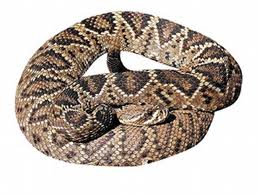
    One of the more mysterious animals in the Lowcountry is really pretty shy, long-lived, a homebody. And dreaded – the Eastern diamondback rattlesnake (Crotalus adamanteus). U.S. Forest Service biologists recently found diamondbacks in Francis Marion National Forest north of Charleston. They plan to attach transmitters, to learn what habitats the snakes are using and how they move and disperse. The snake is getting the close look because it’s being considered as a federal threatened species. But the study joins a radio-tagging of 10 diamondbacks a few years back in the ACE Basin south of Charleston, as well as an ongoing 19-year study by South Carolina Department of Natural Resources herpetologists at the Webb Wildlife Center along the Savannah River. All three studies are aimed at figuring out how to get along with the reptile. Why in the world learn to live with a venomous animal that kills nearly half the people who are severely bitten?

    One of the more mysterious animals in the Lowcountry is really pretty shy, long-lived, a homebody. And dreaded – the Eastern diamondback rattlesnake (Crotalus adamanteus). U.S. Forest Service biologists recently found diamondbacks in Francis Marion National Forest north of Charleston. They plan to attach transmitters, to learn what habitats the snakes are using and how they move and disperse. The snake is getting the close look because it’s being considered as a federal threatened species. But the study joins a radio-tagging of 10 diamondbacks a few years back in the ACE Basin south of Charleston, as well as an ongoing 19-year study by South Carolina Department of Natural Resources herpetologists at the Webb Wildlife Center along the Savannah River. All three studies are aimed at figuring out how to get along with the reptile. Why in the world learn to live with a venomous animal that kills nearly half the people who are severely bitten?

    Diamondbacks are in decline, and they are an alpha predator, a “flagship” species of the longleaf savannah. The savannah is healthy so long as they are around. And the longleaf habitat may be the most important Southeastern coastal forest habitat. It fosters 300 varieties of native plants, myriad birds including the wild turkey, 170 species of reptiles or amphibians and 36 mammals. With timbering and development, the longleaf’s once vast spread across the coastal Southeast has shrunk to a tiny fraction of that acreage. Arborists are now in a multi-state effort to restore the longleaf.

    “You take out one species from that ecosystem and you can alter the entire ecosystem,” said Mark Danaher, forest service wildlife biologist who is part of the team conducting the Francis Marion snake study.
    Source: The Item, 29 April 2014
    http://www.theitem.com/news/ap_state_news/eastern-diamondback-rattlers-on-the-decline/article_ccfd92b8-afbf-56a8-9dfa-48a4ed87fcae.html

  • Bij 80% van de jeugd op het Franse boerenland worden storingen in de hormoonhuishouding vermoed

    Bij 80% van de jeugd op het Franse boerenland worden storingen in de hormoonhuishouding vermoed

    Le Monde brengt een rapport naar buiten van de vereniging Générations futures. Daaruit zou blijken dat 80% van de jeugd in Franse landbouwgebieden (graan, in het Noorden, en druiven in het Oosten en Zuid-Westen van het land) endocrinologisch besmet moet worden geacht door het gebruik van gifstoffen die in de landbouw als gewasbescherming worden gebruikt. Slechts 2% van de jeugd is afkomstig uit gezinnen die in de landbouw actief zijn. Het gaat om een kleine steekproef onder 30 kinderen. Opvallend is het grote aantal residutypen dat is aangetroffen. Er werden 624 verschillende residuen aangetroffen, circa 21 per kind.

    Le Monde brengt een rapport naar buiten van de vereniging Générations futures. Daaruit zou blijken dat 80% van de jeugd in Franse landbouwgebieden (graan, in het Noorden, en druiven in het Oosten en Zuid-Westen van het land) endocrinologisch besmet moet worden geacht door het gebruik van gifstoffen die in de landbouw als gewasbescherming worden gebruikt. Slechts 2% van de jeugd is afkomstig uit gezinnen die in de landbouw actief zijn. Het gaat om een kleine steekproef onder 30 kinderen. Opvallend is het grote aantal residutypen dat is aangetroffen. Er werden 624 verschillende residuen aangetroffen, circa 21 per kind.

    In Frankrijk en de EU bestaan groeiende zorgen over de endocrinologische gevolgen van blootstelling aan gewasbeschermende gifstoffen. De kennis op het gebied van hun effecten is nog nauwelijks ontwikkeld, terwijl het gevoel dat ze diepgaande effecten op langere termijn kunnen hebben toeneemt. Ethisch ontwikkelt zich dan ook een discussie over onze endocrinologische integriteit. De studie suggeert de gedachte dat die meer wordt aangedaan zonder ons medeweten en zonder onze toestemming dan we zelfs maar konden vermoeden. Dat is op zijn minst gevoelsmatig een onderwerp dat het debat verder zal voeden. Inmiddels verbood Stéphane Le Foll, Frankrijks minister van landbouw, het spuiten overdag.

    Bron: Foodlog, 30 april 2014
    http://www.foodlog.nl/short-news/detail/80-jeugd-in-franse-landbouwgebieden-besmet-met-gifresiduen/