Auteur: Henk Tennekes

  • Michiel van Geelen (Greenpeace): Imidacloprid debacle toont symptomen van falend beleid

    Michiel van Geelen (Greenpeace): Imidacloprid debacle toont symptomen van falend beleid

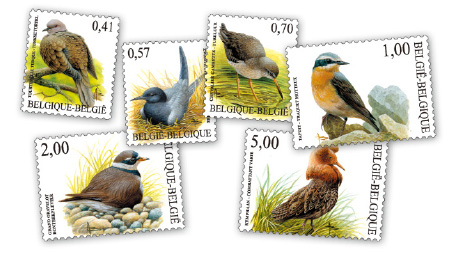
    Onlangs verscheen de zoveelste studie waaruit blijkt dat het gebruik van toegelaten, en dus veilig bevonden, bestrijdingsmiddelen toch schadelijke effecten heeft. Al in 2010 ontdekte de Nederlandse toxicoloog Henk Tennekes dat neonicotinoïden zoals het veel gebruikte imidacloprid bij langere blootstelling letale effecten kunnen veroorzaken bij lage concentraties. Hij waarschuwt sindsdien voor de ernstige achteruitgang van vele soorten insecten en andere ongewervelden en de indirecte effecten hiervan op andere diersoorten. De voorspellingen van Tennekes werden bevestigd door een mei vorig jaar verschenen studie van de Universiteit van Utrecht, waaruit een sterk verband bleek tussen de normoverschrijding van imidacloprid in het oppervlaktewater en de verminderde aanwezigheid van aquatische insecten zoals libellen, waterjuffers en eendagsvliegen. Het meest recente onderzoek werd uitgevoerd door de Radboud universiteit en gepubliceerd in het wetenschappelijke tijdschrift Nature, en liet een sterke correlatie zien tussen de concentratie imidacloprid in oppervlaktewater en de achteruitgang van de vogelstand. Volgens Greenpeace gaat het hierbij niet om incidenten maar om symptomen van een falend toelatingsbeleid. Keer op keer blijkt men de risico’s van pesticiden voor mens en natuur te onderschatten, terwijl het risicobeperkende effect van steeds complexere gebruiksvoorschriften juist wordt overschat. Dit wijst op structurele tekortkomingen van de huidige procedures voor risicoanalyse en toelating van bestrijdingsmiddelen.

    Onlangs verscheen de zoveelste studie waaruit blijkt dat het gebruik van toegelaten, en dus veilig bevonden, bestrijdingsmiddelen toch schadelijke effecten heeft. Al in 2010 ontdekte de Nederlandse toxicoloog Henk Tennekes dat neonicotinoïden zoals het veel gebruikte imidacloprid bij langere blootstelling letale effecten kunnen veroorzaken bij lage concentraties. Hij waarschuwt sindsdien voor de ernstige achteruitgang van vele soorten insecten en andere ongewervelden en de indirecte effecten hiervan op andere diersoorten. De voorspellingen van Tennekes werden bevestigd door een mei vorig jaar verschenen studie van de Universiteit van Utrecht, waaruit een sterk verband bleek tussen de normoverschrijding van imidacloprid in het oppervlaktewater en de verminderde aanwezigheid van aquatische insecten zoals libellen, waterjuffers en eendagsvliegen. Het meest recente onderzoek werd uitgevoerd door de Radboud universiteit en gepubliceerd in het wetenschappelijke tijdschrift Nature, en liet een sterke correlatie zien tussen de concentratie imidacloprid in oppervlaktewater en de achteruitgang van de vogelstand. Volgens Greenpeace gaat het hierbij niet om incidenten maar om symptomen van een falend toelatingsbeleid. Keer op keer blijkt men de risico’s van pesticiden voor mens en natuur te onderschatten, terwijl het risicobeperkende effect van steeds complexere gebruiksvoorschriften juist wordt overschat. Dit wijst op structurele tekortkomingen van de huidige procedures voor risicoanalyse en toelating van bestrijdingsmiddelen.

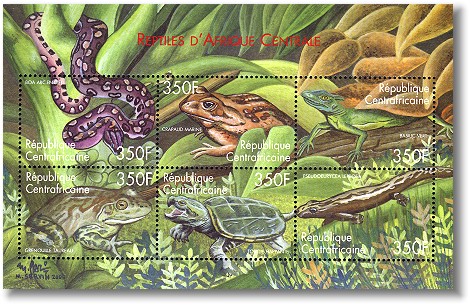
    Vorige maand nog concludeerde de ‘taskforce on systemic pesticides’ op basis van een analyse van ruim 800 wetenschappelijke artikelen, dat systemische insecticiden zoals imidacloprid nadelige effecten hebben op een breed scala aan organismen: van zoogdieren en vogels tot amfibieën en reptielen.

    Het onderzoek van de Radbouduniversiteit liet zien dat de negatieve effecten op vogels al optreden vanaf een, relatief lage, concentratie van 20 nanogram per liter water (ng/L). Ter vergelijking: van de 375 keer dat de waterschappen in 2012 een toetsbare concentratie imidacloprid hebben gemeten, was de concentratie in meer dan een derde van de gevallen hoger dan deze waarde. Imidacloprid is al lange tijd een problematische stof voor de waterkwaliteit. Jaar na jaar scoort de stof hoog in de top 10-lijstjes van probleemstoffen voor de waterkwaliteit. In Nederland kwam imidacloprid in meetbare hoeveelheden voor in 
30 procent van de 4.852 watermonsters die door waterschappen werden verzameld tussen 1998 en 2007.

    Sinds de toelating van deze stof in 1994, is sprake geweest van herhaaldelijke en forse onderschattingen van zowel de toxiciteit als de verspreiding van deze stof in het milieu. Zo heeft het College voor de toelating van gewasbeschermingsmiddelen en biociden (Ctgb) de toelatingsnorm naar aanleiding van ‘voortschrijdend inzicht’ menigmaal aan moeten passen. De eerste toelatingsnorm werd pas in 1997 
(3 jaar na de toelating!) vastgesteld op 830.000 nanogram per liter. Daarna is deze norm in de afgelopen jaren herhaaldelijk aangescherpt. De laatste keer was vorig jaar toen men op een maximale concentratie van 27 ng/L uitkwam. In totaal is de toelatingsnorm dus ruim 31.500 keer lager geworden!

    Het Ctgb negeert bovendien al jaren de laatste stand van de wetenschap met betrekking tot de verschillende manieren waarop bestrijdingsmiddelen in het oppervlaktewater terechtkomen. Deze informatie is al lange tijd bekend, maar nog steeds wordt bij risicobeoordelingen uitgegaan van drift als enig mogelijke emissieroute bij open teelten. De tegenstelling tussen aannames van het Ctgb en de overweldigende hoeveelheid onderzoeksinformatie die het tegenovergestelde aantoont, is schrikbarend.

    Uit de vele onderzoeken blijkt dat de beoordelingssystematiek niet toereikend is voor het in beeld brengen van alle risico’s. Dit vraagt om een grondige herziening van de procedures voor risicobeoordeling en toelating van middelen. Tot die tijd is een verbod op het gebruik en de verkoop van deze systemische insecticiden noodzakelijk, zoals ook al tot twee maal toe is gevraagd door een meerderheid van de Tweede Kamer.

    Greenpeace Nederland maakt zich onder meer hard voor de slimme inzet van biodiversiteit als alternatief voor het gebruik van chemische bestrijdingsmiddelen/kunstmest etcetera. Het gebruik van zeer toxische middelen zoals imidacloprid zijn fundamenteel onverenigbaar met dit streven. Deze stoffen zijn namelijk zeer schadelijk voor nuttige biodiversiteit zoals natuurlijke vijanden van landbouwplagen en bestuivende insecten (onder andere wilde bijen). Daarom roepen we overheden op zo snel mogelijk deze stoffen van de markt te halen en te investeren in de verdere ontwikkeling van gifvrije methoden.

    Geschreven door Michiel van Geelen, campagneleider Landbouw en Voedsel

    Geplaatst in Boerderij Vandaag op 25 juli 2014
    http://www.greenpeace.nl/2014/Opiniestukken/Imidaclopriddebacle-toont-symptomen-van-falend-beleid/

  • Texas Horned Lizard in Decline

    Texas Horned Lizard in Decline

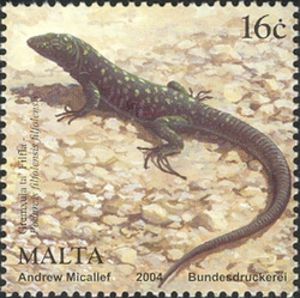
    The Texas horned lizard (Phrynosoma cornutum) also called the horny toad or horned frog, is in decline in most of the state of Texas except West Texas, according to Russell Martin, a wildlife biologist with the Texas Parks and Wildlife Department. West Texas is where there are large oil and gas exploration fields, and where the fight over the proposed endangered species listing of the Dunes Sagebrush lizard (Sceloporus arenicolus) occurred over the last few years. That lizard was not put on the endangered species list. According to the Lubbock Avalanche-Journal, the lizard is doing fairly well in areas of West Texas, but is in decline in Central and East Texas. Martin attributes the decline to urbanization and the drop in harvester ant populations, the main food source for the lizard. The use of pesticides on invasive fire ants has contributed to the drop in harvester ants.

    The Texas horned lizard (Phrynosoma cornutum) also called the horny toad or horned frog, is in decline in most of the state of Texas except West Texas, according to Russell Martin, a wildlife biologist with the Texas Parks and Wildlife Department. West Texas is where there are large oil and gas exploration fields, and where the fight over the proposed endangered species listing of the Dunes Sagebrush lizard (Sceloporus arenicolus) occurred over the last few years. That lizard was not put on the endangered species list. According to the Lubbock Avalanche-Journal, the lizard is doing fairly well in areas of West Texas, but is in decline in Central and East Texas. Martin attributes the decline to urbanization and the drop in harvester ant populations, the main food source for the lizard. The use of pesticides on invasive fire ants has contributed to the drop in harvester ants.

    In addition to Texas, the lizard can also be found in southwestern Missouri, Kansas, much of the Southwestern United States and Mexico. It is against the law in Texas to kill the horned lizard or to collect it and keep it as a pet. While horned lizards are probably the coolest looking reptiles in North America, unless you have a steady supply of harvester ants (these lizards eat thousands of ants everyday) they are virtually impossible to keep.

    Source: Reptiles Magazine, july 15th, 2014
    http://www.reptilesmagazine.com/Lizards/Information-News/Texas-Horned-Lizard-in-Decline/

  • Während der letzten Jahrzehnte ist die Zahl der wirbellosen Tiere stark zurückgegangen. Das hat auch Folgen für die Menschheit

    Während der letzten Jahrzehnte ist die Zahl der wirbellosen Tiere stark zurückgegangen. Das hat auch Folgen für die Menschheit

    Während der letzten 35 Jahre ging nicht nur die Zahl großer Wirbeltiere zurück, auch Insekten und andere Wirbellose mussten vielfach Bestandseinbrüche hinnehmen: Mehr als zwei Drittel der von Biologen beobachteten Bestände an Käfern, Bienen, Muscheln oder Spinnen schrumpften durchschnittlich um knapp die Hälfte. Deutlich mehr Insektenarten in so wichtigen Gruppen wie den Bestäubern zeigten Einbußen, nur wenige Populationen würden wachsen, warnen Biologen um Ben Collen vom University College in London. Allein in Großbritannien beispielsweise – wo ein ausführliches Monitoring auch mit Bürgerbeteiligung abläuft – verschwanden 30 bis 60 Prozent aller Käfer-, Bienen-, Wespen- und Schmetterlingsbestände; dagegen verzeichnen oft so genannte landwirtschaftliche Schädlingen Zuwächse.

    Während der letzten 35 Jahre ging nicht nur die Zahl großer Wirbeltiere zurück, auch Insekten und andere Wirbellose mussten vielfach Bestandseinbrüche hinnehmen: Mehr als zwei Drittel der von Biologen beobachteten Bestände an Käfern, Bienen, Muscheln oder Spinnen schrumpften durchschnittlich um knapp die Hälfte. Deutlich mehr Insektenarten in so wichtigen Gruppen wie den Bestäubern zeigten Einbußen, nur wenige Populationen würden wachsen, warnen Biologen um Ben Collen vom University College in London. Allein in Großbritannien beispielsweise – wo ein ausführliches Monitoring auch mit Bürgerbeteiligung abläuft – verschwanden 30 bis 60 Prozent aller Käfer-, Bienen-, Wespen- und Schmetterlingsbestände; dagegen verzeichnen oft so genannte landwirtschaftliche Schädlingen Zuwächse.

    Der Verlust bei Insekten und anderen Wirbellosen wirke sich jedoch direkt negativ auf das Funktionieren von Ökosystemen oder die Ökonomie aus, so die Forscher weiter. 75 Prozent aller Nutzpflanzen sind demnach auf Insektenbestäubung angewiesen, natürliche Schädlingskontrolle durch Spinnen und andere Tiere habe einen Wert von 4,5 Milliarden US-Dollar nur in den Vereinigten Staaten – Geld, das ansonsten für Pestizide und ähnliches ausgegeben werden müsste. Viele Wirbellose sind entscheidend an Nährstoffkreisläufen beteiligt, die Böden oder die Wasserqualität erhalten und verbessern. All dies stehe auf dem Spiel, wenn die Zahl der Wirbellosen weiter zurückgehe, so die eindringliche Mahnung der Wissenschaftler.

    Quelle: Spektrum, 25.07.14
    http://www.spektrum.de/news/zahl-der-wirbellosen-halbiert/1302405

  • Widespread decline of the Boreal Chorus Frog in eastern Ottawa

    Widespread decline of the Boreal Chorus Frog in eastern Ottawa

    The Boreal Chorus Frog (Pseudacris maculata) was once common in the eastern Ottawa area. To assess its current status, we conducted auditory surveys at 184 wetlands in 2011 and 2012. Boreal Chorus Frogs were heard at only five (2.7%) of the surveyed sites. These five sites were spatially aggregated, with only 0.5–7.5 km between any two sites. Sites occupied by Boreal Chorus Frogs in eastern Ottawa were surrounded by significantly greater agricultural cover (at 1.0-, 1.5-, and 2.0-km radii), less forest cover (1.0- and 2.0-km radii), and less wetland cover (1.5- and 2.0-km radii) than occupied sites in western Ottawa. Sites in eastern Ottawa that were apparently unoccupied were surrounded by significantly greater agricultural cover (only at the 2.0-km radius), similar forest cover (all radii), and less wetland cover (all radii) compared with occupied sites in western Ottawa. Boreal Chorus Frog populations are commonly subject to extirpation resulting from stochastic events. The reduced wetland cover in eastern Ottawa may be accompanied by reduced wetland connectivity, making recolonization of wetlands difficult or impossible. Our data do not show whether wetland connectivity has been reduced, but future research should address this important topic.

    The Boreal Chorus Frog (Pseudacris maculata) was once common in the eastern Ottawa area. To assess its current status, we conducted auditory surveys at 184 wetlands in 2011 and 2012. Boreal Chorus Frogs were heard at only five (2.7%) of the surveyed sites. These five sites were spatially aggregated, with only 0.5–7.5 km between any two sites. Sites occupied by Boreal Chorus Frogs in eastern Ottawa were surrounded by significantly greater agricultural cover (at 1.0-, 1.5-, and 2.0-km radii), less forest cover (1.0- and 2.0-km radii), and less wetland cover (1.5- and 2.0-km radii) than occupied sites in western Ottawa. Sites in eastern Ottawa that were apparently unoccupied were surrounded by significantly greater agricultural cover (only at the 2.0-km radius), similar forest cover (all radii), and less wetland cover (all radii) compared with occupied sites in western Ottawa. Boreal Chorus Frog populations are commonly subject to extirpation resulting from stochastic events. The reduced wetland cover in eastern Ottawa may be accompanied by reduced wetland connectivity, making recolonization of wetlands difficult or impossible. Our data do not show whether wetland connectivity has been reduced, but future research should address this important topic.

    Source: Seburn DC et al. The Canadian Field-Naturalist 128 (2014)

  • In the last few years, the population of bats has dropped 36 percent in the northern part of Georgia

    In the last few years, the population of bats has dropped 36 percent in the northern part of Georgia

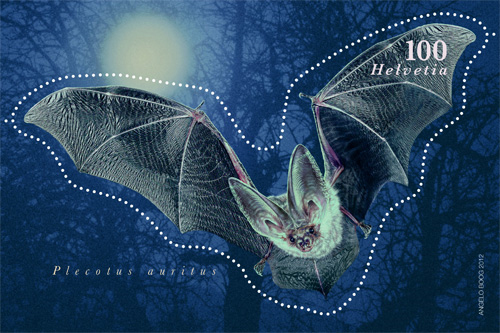
    The Peach State has 16 species of bat, but they’re becoming more scarce by the minute. In the last few years, wildlife officials say the population has dropped 36 percent in the northern part of Georgia. One reason: a fungal disease called white nose syndrome. “They’re finding that it’s traveling further south. They’re still doing a lot of research of what’s causing it,” Daniele Buck said. Buck, senior bird keeper at the Jacksonville Zoo, says pesticides and the loss of roosting locations may also be contributing to the decline. Now, the Georgia Department of Natural Resources wants our help. Biologists are asking coastal homeowners to count and document as many as they can. “You can report the number of bats you see in your neighborhood. Of course, if you do see a bat on the ground — never touch it,” Buck said. While the coastal area doesn’t have caves, bats can be found in marshes, palm fronds and barns. They’re one of the most important species in the ecosystem. Buck says their survival is key. “They eat mosquitos and other insects that can actually be harmful to humans,” he said.

    The Peach State has 16 species of bat, but they’re becoming more scarce by the minute. In the last few years, wildlife officials say the population has dropped 36 percent in the northern part of Georgia. One reason: a fungal disease called white nose syndrome. “They’re finding that it’s traveling further south. They’re still doing a lot of research of what’s causing it,” Daniele Buck said. Buck, senior bird keeper at the Jacksonville Zoo, says pesticides and the loss of roosting locations may also be contributing to the decline. Now, the Georgia Department of Natural Resources wants our help. Biologists are asking coastal homeowners to count and document as many as they can. “You can report the number of bats you see in your neighborhood. Of course, if you do see a bat on the ground — never touch it,” Buck said. While the coastal area doesn’t have caves, bats can be found in marshes, palm fronds and barns. They’re one of the most important species in the ecosystem. Buck says their survival is key. “They eat mosquitos and other insects that can actually be harmful to humans,” he said.

    – See more at: http://www.actionnewsjax.com/news/news/bat-population-declining-georgia/ngfqn/#sthash.zX9HLTGS.dpuf

  • There were 30 million hedgehogs in the UK 50 years ago but their numbers have slumped to just one million.

    There were 30 million hedgehogs in the UK 50 years ago but their numbers have slumped to just one million.

    ONE of the nation’s best-loved garden creatures is in rapid decline right under our noses and needs urgent help to survive. A Somerset wildlife rescue charity is hoping to bring the plight of the hedgehog to the forefront of public attention. The hedgehog population is dwindling rapidly in the West Country, and East Huntspill’s Secret World is hoping a special open weekend will highlight the issue. Secret World founder Pauline Kidner says there were about 30 million hedgehogs in the UK 50 years ago but now it is estimated their numbers have slumped to one million. She said: “So if we carry on at this rate and positive steps are not taken to encourage them and preserve their habitats then they could be almost extinct in 10 years.”

    ONE of the nation’s best-loved garden creatures is in rapid decline right under our noses and needs urgent help to survive. A Somerset wildlife rescue charity is hoping to bring the plight of the hedgehog to the forefront of public attention. The hedgehog population is dwindling rapidly in the West Country, and East Huntspill’s Secret World is hoping a special open weekend will highlight the issue. Secret World founder Pauline Kidner says there were about 30 million hedgehogs in the UK 50 years ago but now it is estimated their numbers have slumped to one million. She said: “So if we carry on at this rate and positive steps are not taken to encourage them and preserve their habitats then they could be almost extinct in 10 years.”

    Source: The Weston, Worle & Somerset Mercury, 19 July 2014
    http://www.thewestonmercury.co.uk/news/help_the_hedgehogs_1_3690245

  • Neonicotinoids were found commonly in streams throughout the Midwest, according to a new USGS study

    Neonicotinoids were found commonly in streams throughout the Midwest, according to a new USGS study

    Insecticides similar to nicotine, known as neonicotinoids, were found commonly in streams throughout the Midwest, according to a new USGS study. This is the first broad-scale investigation of neonicotinoid insecticides in the Midwestern United States and one of the first conducted within the United States. Effective in killing a broad range of insect pests, use of neonicotinoid insecticides has dramatically increased over the last decade across the United States, particularly in the Midwest. The use of clothianidin, one of the chemicals studied, on corn in Iowa alone has almost doubled between 2011 and 2013. “Neonicotinoid insecticides are receiving increased attention by scientists as we explore the possible links between pesticides, nutrition, infectious disease, and other stress factors in the environment possibly associated with honeybee dieoffs.” said USGS scientist Kathryn Kuivila, the research team leader. Neonicotinoid insecticides dissolve easily in water, but do not break down quickly in the environment. This means they are likely to be transported away in runoff from the fields where they were first applied to nearby surface water and groundwater bodies.

    Insecticides similar to nicotine, known as neonicotinoids, were found commonly in streams throughout the Midwest, according to a new USGS study. This is the first broad-scale investigation of neonicotinoid insecticides in the Midwestern United States and one of the first conducted within the United States. Effective in killing a broad range of insect pests, use of neonicotinoid insecticides has dramatically increased over the last decade across the United States, particularly in the Midwest. The use of clothianidin, one of the chemicals studied, on corn in Iowa alone has almost doubled between 2011 and 2013. “Neonicotinoid insecticides are receiving increased attention by scientists as we explore the possible links between pesticides, nutrition, infectious disease, and other stress factors in the environment possibly associated with honeybee dieoffs.” said USGS scientist Kathryn Kuivila, the research team leader. Neonicotinoid insecticides dissolve easily in water, but do not break down quickly in the environment. This means they are likely to be transported away in runoff from the fields where they were first applied to nearby surface water and groundwater bodies.

    In all, nine rivers and streams, including the Mississippi and Missouri Rivers, were included in the study. The rivers studied drain most of Iowa, and parts of Minnesota, Montana, Nebraska, North Dakota, South Dakota, and Wisconsin. These states have the highest use of neonicotinoid insecticides in the Nation, and the chemicals were found in all nine rivers and streams.

    Of the three most often found chemicals, clothianidin was the most commonly detected, showing up in 75 percent of the sites and at the highest concentration. Thiamethoxam was found at 47 percent of the sites, and imidacloprid was found at 23 percent. Two, acetamiprid and dinotefuran, were only found once, and the sixth, thiacloprid, was never detected.

    Instead of being sprayed on growing or full-grown crops, neonicotinoids can be applied to the seed before planting. The use of treated seeds in the United States has increased to the point where most corn and soybeans planted in the United States have a seed treatment (i.e., coating), many of which include neonicotinoid insecticides.

    “We noticed higher levels of these insecticides after rain storms during crop planting, which is similar to the spring flushing of herbicides that has been documented in Midwestern U.S. rivers and streams,” said USGS scientist Michelle Hladik, the report’s lead author. “In fact, the insecticides also were detected prior to their first use during the growing season, which indicates that they can persist from applications in prior years.”

    One of the chemicals, imidacloprid, is known to be toxic to aquatic organisms at 10-100 nanograms per liter if the aquatic organisms are exposed to it for an extended period of time. Clothianidin and thiamethoxam behave similarly to imidacloprid, and are therefore anticipated to have similar effect levels. Maximum concentrations of clothianidin, thiamethoxam and imidacloprid measured in this study were 257, 185, and 42.7 nanograms per liter, respectively.

    The U.S. Environmental Protection Agency has classified all detected neonicotinoids as not likely to be carcinogenic to humans.

    The paper, “Widespread occurrence of neonicotinoid insecticides in streams in a high corn and soybean producing region, USA” and has been published in Environmental Pollution (http://www.sciencedirect.com/science/article/pii/S0269749114002802). Learn more about the study and the long-term USGS effort to gather information on the environmental occurrence of new pesticides in different geographic, climatic, and use settings here. To learn more about USGS environmental health science, please visit the USGS Environmental Health website and sign up for our GeoHealth Newsletter.

    Source:
    U.S. Department of the Interior, U.S. Geological Survey
    Office of Communications and Publishing
    12201 Sunrise Valley Dr, MS 119
    Reston, VA 20192
    Released: 7/24/2014
    http://www.usgs.gov/newsroom/article.asp?ID=3941#.U9IwuPl_tzp

  • Pflanzenschutzmittel nehmen Vögeln die Nahrungsgrundlage

    Pflanzenschutzmittel nehmen Vögeln die Nahrungsgrundlage

    Niederländische Forscher um Caspar Hallmann von der Radboud-Universität in Nijmegen und des SOVON-Zentrums für Ornithologie haben herausgefunden, dass der Rückgang vieler Vogelarten mit dem Einsatz von Schädlingsbekämpfungsmitteln zusammenhängt. Das im Rahmen der Studie untersuchte Pestizid trägt den Namen Imidacloprid und gehört zur Gruppe der Neonicotinoide. Es ist eines der weltweit am häufigsten in der Landwirtschaft verwendeten Insektizide. Neonicotinoide wirken als Kontakt- oder Fraßgifte. Sie schädigen das Nervensystem der Insekten, die mit dieser Substanz behandelte Pflanzen fressen oder diese auch nur berühren.

    Niederländische Forscher um Caspar Hallmann von der Radboud-Universität in Nijmegen und des SOVON-Zentrums für Ornithologie haben herausgefunden, dass der Rückgang vieler Vogelarten mit dem Einsatz von Schädlingsbekämpfungsmitteln zusammenhängt. Das im Rahmen der Studie untersuchte Pestizid trägt den Namen Imidacloprid und gehört zur Gruppe der Neonicotinoide. Es ist eines der weltweit am häufigsten in der Landwirtschaft verwendeten Insektizide. Neonicotinoide wirken als Kontakt- oder Fraßgifte. Sie schädigen das Nervensystem der Insekten, die mit dieser Substanz behandelte Pflanzen fressen oder diese auch nur berühren.

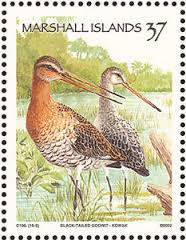
    Während die negativen Auswirkungen auf Bienen und Hummeln durch diese Pflanzenschutzmittel schon seit langem diskutiert werden, war bislang nicht klar, inwieweit auch Vögel durch den Einsatz von Neonicotinoiden geschädigt werden. Die Studie der niederländischen Wissenschaftler liefert nun wichtige Informationen. Die Forscher verglichen die Bestandsentwicklungen von 15 Singvogelarten, darunter Rauchschwalbe und Star, in den Jahren 2003-2010 mit lokalen Imidacloprid-Konzentrationen im Oberflächenwasser von 2003-2009. Der Vergleich zeigt einen deutlichen Zusammenhang zwischen dem Einsatz des Insektizids und dem Rückgang der Vogelarten. Bei Überschreiten eines bestimmten Schwellenwertes nehmen die Vogelarten im Mittel um je 3,5% pro Jahr ab. Der Einsatz von Imidacloprid tötet offenbar so viele Insekten, dass die Vögel nicht mehr genug Nahrung finden.

    Die Wissenschaftler um Hallmann fordern die Politik auf, potenzielle Folgeeffekte von Imidacloprid auf Ökosysteme in Betracht zu ziehen. Ein Verbot von Nicotinoiden ist wünschenswert, doch aufgehalten werden kann der rasant vor sich gehende Artenschwund in unserer Kulturlandschaft nur durch eine grundlegend veränderte Agrarwirtschaft.

    Die Ergebnisse der Studie sind jetzt in der aktuellen Ausgabe der renommierten englischsprachigen Fachzeitschrift „Nature“ unter dem Titel „Declines in insectivorous birds are associated with high neonicotinoid concentrations“ erschienen.
    Quelle: DDA,16.07.14
    http://www.dda-web.de/index.php?cat=aktuelles

  • S O S Save Our Songbirds

    S O S Save Our Songbirds

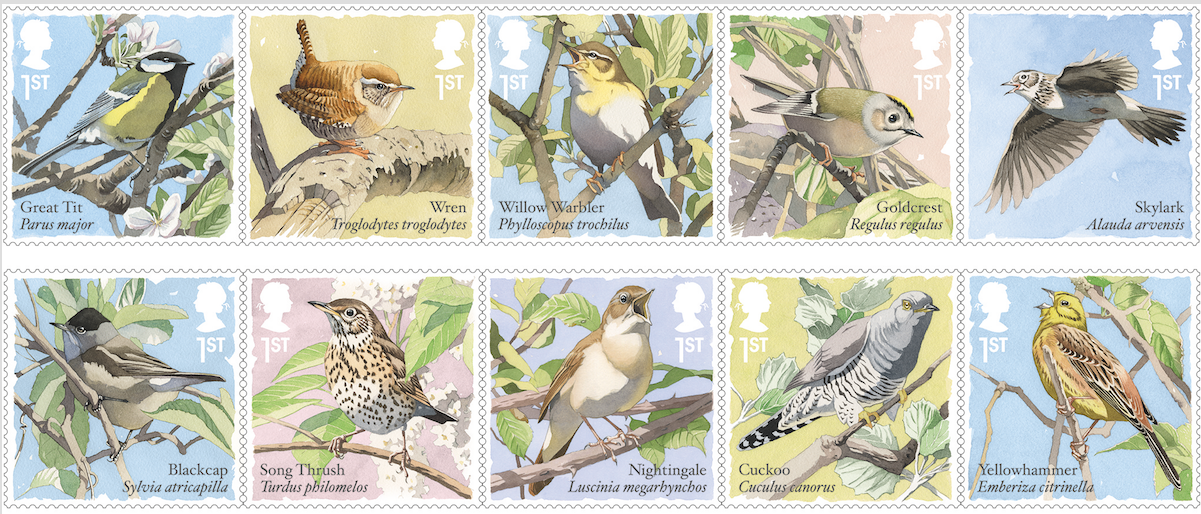
    “Birds are one of humankind’s most important early-warning systems. Ancient cultures used birds to track changes in their world. Now birds are telling us that something is terribly wrong in the environment. SongibirdSOS is the modern day story of the “canary in the coalmine”. “We have lost almost half of the songbirds that filled the skies forty years ago and human activity is responsible for the decline.” Inspired by the groundbreaking work of renowned ornithologist Dr. Bridget Stutchbury (author of SILENCE OF THE SONGBIRDS) SONGBIRDSOS will unravel the mystery of disappearing songbirds by taking a journey with them.

    “Birds are one of humankind’s most important early-warning systems. Ancient cultures used birds to track changes in their world. Now birds are telling us that something is terribly wrong in the environment. SongibirdSOS is the modern day story of the “canary in the coalmine”. “We have lost almost half of the songbirds that filled the skies forty years ago and human activity is responsible for the decline.” Inspired by the groundbreaking work of renowned ornithologist Dr. Bridget Stutchbury (author of SILENCE OF THE SONGBIRDS) SONGBIRDSOS will unravel the mystery of disappearing songbirds by taking a journey with them.

    Sources:
    http://songbirdsos.com/
    http://surynard.com/work-in-progress/

  • Quantitative Analysis of Neonicotinoid Insecticide Residues in Foods: Implication for Dietary Exposures

    Quantitative Analysis of Neonicotinoid Insecticide Residues in Foods: Implication for Dietary Exposures

    This study quantitatively measured neonicotinoids in various foods that are common to human consumption. All fruit and vegetable samples (except nectarine and tomato) and 90% of honey samples were detected positive for at least one neonicotinoid; 72% of fruits, 45% of vegetables, and 50% of honey samples contained at least two different neonicotinoids in one sample, with imidacloprid having the highest detection rate among all samples. All pollen samples from New Zealand contained multiple neonicotinoids, and five of seven pollens from Massachusetts detected positive for imidacloprid. These results show the prevalence of low-level neonicotinoid residues in fruits, vegetables, and honey that are readily available in the market for human consumption and in the environment where honeybees forage. In light of new reports of toxicological effects in mammals, the results strengthen the importance of assessing dietary neonicotinoid intakes and the potential human health effects.

    This study quantitatively measured neonicotinoids in various foods that are common to human consumption. All fruit and vegetable samples (except nectarine and tomato) and 90% of honey samples were detected positive for at least one neonicotinoid; 72% of fruits, 45% of vegetables, and 50% of honey samples contained at least two different neonicotinoids in one sample, with imidacloprid having the highest detection rate among all samples. All pollen samples from New Zealand contained multiple neonicotinoids, and five of seven pollens from Massachusetts detected positive for imidacloprid. These results show the prevalence of low-level neonicotinoid residues in fruits, vegetables, and honey that are readily available in the market for human consumption and in the environment where honeybees forage. In light of new reports of toxicological effects in mammals, the results strengthen the importance of assessing dietary neonicotinoid intakes and the potential human health effects.

    Source: Mei Chen, Lin Tao, John McLean, and Chensheng Lu
    dx.doi.org/10.1021/jf501397m | J. Agric. Food Chem. 2014, 62, 6082−6090