Auteur: Henk Tennekes

  • The insectivorous swallows are in steep decline in Nova Scotia and across the Maritimes

    The insectivorous swallows are in steep decline in Nova Scotia and across the Maritimes

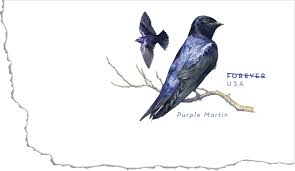
    Swallows, along with other birds that feed primarily on flying insects, are experiencing the greatest population decline of any group of birds in North America. The province was forced to add barn swallows to its list of protected species last year, after the birds experienced a drop of 60 to 98 per cent in numbers in recent years. One of the species, the purple martin, no longer breeds here. “It’s certainly alarming,” Blake Maybank, a naturalist and member of the Nova Scotia Bird Society, said in an interview Tuesday. “It’s happening across a whole suite of bird species, including all the birds that feed on flying insects, whether day or night.” Maybank said there has been a visible decline over the past 20 years of birds that migrate north and south. So what’s happening to the swallow population in Nova Scotia and across the Maritimes? That is what scientists are trying to find out.

    Swallows, along with other birds that feed primarily on flying insects, are experiencing the greatest population decline of any group of birds in North America. The province was forced to add barn swallows to its list of protected species last year, after the birds experienced a drop of 60 to 98 per cent in numbers in recent years. One of the species, the purple martin, no longer breeds here. “It’s certainly alarming,” Blake Maybank, a naturalist and member of the Nova Scotia Bird Society, said in an interview Tuesday. “It’s happening across a whole suite of bird species, including all the birds that feed on flying insects, whether day or night.” Maybank said there has been a visible decline over the past 20 years of birds that migrate north and south. So what’s happening to the swallow population in Nova Scotia and across the Maritimes? That is what scientists are trying to find out.

    Graduate student researchers at Dalhousie University in Halifax are studying swallows in their breeding grounds in an attempt to solve the puzzle.

    Tara Imlay is a Phd candidate at Dalhousie and one of the scientists trying to find answers.

    “It’s pretty serious all across North America,” she said Tuesday. “… Swallows and the larger group of birds known as aerial insectivores are declining rapidly.

    “It’s the steepest decline of any group of birds. … They are dropping off much more quickly than any others.”

    She is examining the relationship between daily insect abundance and the timing of swallow breeding. Imlay is tracking the swallows’ summer routines, insect populations, when the first eggs are laid and when they hatch. She is also examining chick survival rates.

    She is hoping the data will help determine if a lack of insects — their primary food source — is limiting swallow population growth.

    Imlay is also analyzing feather and blood samples collected throughout the summer in an attempt to determine if the birds’ wintering grounds may be having an impact.

    The birds that migrate the farthest are declining the fastest, she said. It could be reduced habitat or pesticide and insecticide use. In some southern regions, birds make up part of the local diet.

    “There are a lot of potential factors that really aren’t well understood,” said Imlay, originally from Wolfville. Understanding the causes for the decline in numbers is necessary in deciding what steps may be taken to reverse the trend.

    The decline is especially alarming because swallows used to be so abundant and widespread, said Sarah Saldanha, a master’s student in biology also involved in the project.

    In search of answers, Imlay and Saldanha spent the summer at a research station near Sackville, N.B., near a large swallow nesting colony. The project is a collaborative effort between Dalhousie, Acadia University and Ducks Unlimited.

    The two scientists are also on Wildlife Preservation Canada’s swallow field team for 2014. The group works to help save critically endangered species.

    In 2013, Nova Scotia added 19 animals and plants to its list of protected species, including the barn swallow, snapping turtle and three bat species.

    The recent additions bring the total number of protected species in the province to 60.
    Source: Herald News, September 16, 2014
    http://thechronicleherald.ca/novascotia/1236869-researchers-seek-to-solve-puzzle-of-swallow-decline

  • Canadees advocatenbureau eist namens bijenhouders schadevergoeding van producenten neonicotinoïden

    Canadees advocatenbureau eist namens bijenhouders schadevergoeding van producenten neonicotinoïden

    Over de schadelijke uitwerking van neonicotinoïden op bijen is inmiddels voldoende bekend. Uit diverse onderzoeken is gebleken dat deze pesticiden een belangrijke rol spelen in de wereldwijde massale bijensterfte, die imkers grote zorgen baart. In diverse landen zijn de neonicotinoïden inmiddels (deels) verboden. Maar het blijven de meest toegepaste pesticiden ter wereld, en dus gaan chemiebedrijven als Bayer CropScience en Syngenta gewoon door met de productie van de gevreesde stoffen. Daartegen is een Canadees advocatenbureau een procedure gestart. Advocatenkantoor Siskids roept zowel professionele als hobbybijenhouders en honingverwerkende bedrijven zich massaal aan te sluiten bij de eis van een schadevergoeding, die omgerekend 283 miljoen euro bedraagt. Ze willen daarmee bereiken dat Bayer CropScience en Syngenta stoppen met de productie van pesticiden die neonicotinoïden bevatten. Binnen de Europese Unie is gedurende 2 jaar de toepassing van 3 soorten neonicotinoïden uitgebannen, om te bestuderen of de bijenpopulaties positief reageren op het verdwijnen van deze gifstoffen uit het milieu.

    Over de schadelijke uitwerking van neonicotinoïden op bijen is inmiddels voldoende bekend. Uit diverse onderzoeken is gebleken dat deze pesticiden een belangrijke rol spelen in de wereldwijde massale bijensterfte, die imkers grote zorgen baart. In diverse landen zijn de neonicotinoïden inmiddels (deels) verboden. Maar het blijven de meest toegepaste pesticiden ter wereld, en dus gaan chemiebedrijven als Bayer CropScience en Syngenta gewoon door met de productie van de gevreesde stoffen. Daartegen is een Canadees advocatenbureau een procedure gestart. Advocatenkantoor Siskids roept zowel professionele als hobbybijenhouders en honingverwerkende bedrijven zich massaal aan te sluiten bij de eis van een schadevergoeding, die omgerekend 283 miljoen euro bedraagt. Ze willen daarmee bereiken dat Bayer CropScience en Syngenta stoppen met de productie van pesticiden die neonicotinoïden bevatten. Binnen de Europese Unie is gedurende 2 jaar de toepassing van 3 soorten neonicotinoïden uitgebannen, om te bestuderen of de bijenpopulaties positief reageren op het verdwijnen van deze gifstoffen uit het milieu.

    Neonicotinoïden worden vooral toegepast op zaden, waardoor de gewassen die daaruit opgroeien in de hele plant sporen van de gewraakte pesticiden bevatten. De gifstoffen worden ook aangetroffen in het stuifmeel en de nectar, waardoor bijen en andere bestuivers ermee in aanraking komen. Naar verluidt beïnvloeden neonicotinoïden het zenuwgestel van de dieren, die daardoor aangetast worden in hun natuurlijke gedrag, met desastreuze gevolgen.
    Al eerder besteedde PiepVandaag aandacht aan een aanklacht van imkers uit de Verenigde Staten tegen de Amerikaanse overheid. Het Environmental Protection Agency (EPA) wordt daarin beschuldigd te weinig te doen om de schade van neonicotinoïden tegen te gaan. EPA kondigde aan vervroegd een onderzoek te starten, waarvan de uitkomst echter pas in 2018 bekend zal zijn. Tot die tijd zal er geen verbod uitgevaardigd worden op het gebruik van neonicotinoïden.
    Het besef dat het welzijn van zowel bijen als mensen nauw samenhangt begint eindelijk door te dringen, maar de macht van de producenten van neonicotinoïden is groot. Toch zal men moeten accepteren dat met het verdwijnen van bijen en andere bestuivers de mens niet lang zal overleven, simpelweg omdat het belangrijkste deel van onze voedselvoorziening afhankelijk is van hun bestuiving. Het gebruik van neonicotinoïden zal dus wereldwijd een halt toegeroepen moeten worden.
    Bronnen: Piepvandaag, Boerderij Vandaag 10-09-2014 Economie; Blz. 6 Ed. 29 Nr.
    http://www.piepvandaag.nl/schadevergoeding-neonicotinoiden/

  • The Invertebrate Toxicology of Neonicotinoid Insecticides Invalidates Traditional Pesticide Risk Assessment

    The Invertebrate Toxicology of Neonicotinoid Insecticides Invalidates Traditional Pesticide Risk Assessment

    Neonicotinoid insecticides exhibit very high toxicity to a wide range of invertebrates, particularly insects, and field-realistic exposure is likely to result in both lethal and a broad range of important sublethal impacts. The compounds are highly persistent in soils, tend to accumulate in soils and sediments, have a high runoff and leaching potential to surface and groundwater and have been detected frequently in the global environment. For imidacloprid, including its neurotoxic metabolites, lethal toxicity can increase up to 100,000 times compared to acute toxicity when the exposure is extended in time (Suchail et al. 2001). Recent studies have shown that chronic toxicity of neonicotinoids can more adequately be expressed by time to 50 % mortality instead of by the 10 day LD50 (Sánchez-Bayo 2009; Maus and Nauen 2010; Tennekes 2010; Tennekes 2011; Tennekes and Sánchez-Bayo 2012; Mason et al. 2013; Rondeau et al. 2014). There is a linear relation between the logarithm of the daily dose and the logarithm of the time to 50 % mortality (Tennekes 2010, 2011; Tennekes and Sánchez-Bayo 2012; Tennekes and Sánchez-Bayo 2013; Rondeau et al. 2014).

    Neonicotinoid insecticides exhibit very high toxicity to a wide range of invertebrates, particularly insects, and field-realistic exposure is likely to result in both lethal and a broad range of important sublethal impacts. The compounds are highly persistent in soils, tend to accumulate in soils and sediments, have a high runoff and leaching potential to surface and groundwater and have been detected frequently in the global environment. For imidacloprid, including its neurotoxic metabolites, lethal toxicity can increase up to 100,000 times compared to acute toxicity when the exposure is extended in time (Suchail et al. 2001). Recent studies have shown that chronic toxicity of neonicotinoids can more adequately be expressed by time to 50 % mortality instead of by the 10 day LD50 (Sánchez-Bayo 2009; Maus and Nauen 2010; Tennekes 2010; Tennekes 2011; Tennekes and Sánchez-Bayo 2012; Mason et al. 2013; Rondeau et al. 2014). There is a linear relation between the logarithm of the daily dose and the logarithm of the time to 50 % mortality (Tennekes 2010, 2011; Tennekes and Sánchez-Bayo 2012; Tennekes and Sánchez-Bayo 2013; Rondeau et al. 2014).

    References
    Mason R, Tennekes HA, Sanchez-Bayo F, Jepsen PU (2013) Immune suppression by neonicotinoid insecticides at the root of global wildlife declines. J Environ Immunol Toxicol 1:3–12
    Maus C, Nauen R (2010) Response to the publication: Tennekes H.A. The significance of the Druckey-Kϋpfmϋller equation for risk assessment— the toxicity of neonicotinoid insecticides is reinforced by exposure time. Toxicology 280:176–177. doi:10.1016/j.tox.2010.11.014
    Rondeau G, Sanchez-Bayo F, Tennekes HA, Decourtye A, Ramirez-Romero R,DesneuxN (2014) Delayed and time-cumulative toxicity of imidacloprid in bees, ants and termites. Nat Sc Rep 4:5566. doi:10.1038/srep05566
    Sánchez-Bayo F (2009) From simple toxicological models to prediction of toxic effects in time. Ecotoxicology 18:343–354
    Suchail S, Guez D, Belzunces LP (2001) Discrepancy between acute and chronic toxicity induced by imidacloprid and its metabolites in Apis mellifera. Environ Toxicol Chem 20:2482–2486
    Tennekes HA (2010) The significance of the Druckrey-Küpfmüller equation for risk assessment—the toxicity of neonicotinoid insecticides to arthropods is reinforced by exposure time. Toxicology 276:1–4
    Tennekes HA (2011) The significance of the Druckrey-Küpfmüller equation for risk assessment—the toxicity of neonicotinoid insecticides to arthropods is reinforced by exposure time: responding to a letter to the editor by Drs. C. Maus and R. Nauen of Bayer CropScience AG. Toxicology 280:173–175
    Tennekes HA, Sánchez-Bayo F (2012) Time-dependent toxicity of neonicotinoids and other toxicants: implications for a new approach to risk assessment. J Environ Anal Toxicol S4:001. doi:10.4172/2161-0525.S4-001
    Tennekes HA, Sánchez-Bayo F (2013) The molecular basis of simple relationships between exposure concentration and toxic effects with time. Toxicology 309:39–51
    Source:
    L. W. Pisa et al. (2014) Effects of neonicotinoids and fipronil on non-target invertebrates. Environ Sci Pollut Res
    DOI 10.1007/s11356-014-3471-x

  • Meer dan de helft van de Amerikaanse vogelsoorten loopt kans tegen 2050 een met uitsterven bedreigde soort te worden

    Meer dan de helft van de Amerikaanse vogelsoorten loopt kans tegen 2050 een met uitsterven bedreigde soort te worden

    Vogels hebben het al zeer moeilijk om te overleven, onder meer door vervuiling, pesticiden en krimpende leefruimte. De klimaatverandering kan daarom voor heel wat soorten de genadeklap worden, stelt de studie van de National Audubon Society in zijn jaarrapport ‘314 Species on the Brink’. Tussen de 314 soorten in het rapport, zijn er heel wat verrassende namen die tot nog toe niet als bedreigd werden gezien, zoals de Amerikaanse zeearend (Haliaeetus leucocephalus), het nationale symbool van de VS. Deze arend ziet zijn leefgebied in de volgende zestig jaar met maar liefst driekwart krimpen. Ook de ijsduiker (Gavia immer), symbool van de staat Minnesota, en de Baltimoretroepiaal (Icterus galbula), symbool van de staat Maryland, krijgen het moeilijk.De organisatie somt 126 soorten op die meer dan de helft van hun huidige habitat zullen verliezen tegen 2050 en geen enkele uitwijkmogelijkheid hebben. Nog eens 188 soorten verliezen de helft van hun habitat tegen 2080, maar kunnen eventueel nog migreren naar betere oorden.

    Vogels hebben het al zeer moeilijk om te overleven, onder meer door vervuiling, pesticiden en krimpende leefruimte. De klimaatverandering kan daarom voor heel wat soorten de genadeklap worden, stelt de studie van de National Audubon Society in zijn jaarrapport ‘314 Species on the Brink’. Tussen de 314 soorten in het rapport, zijn er heel wat verrassende namen die tot nog toe niet als bedreigd werden gezien, zoals de Amerikaanse zeearend (Haliaeetus leucocephalus), het nationale symbool van de VS. Deze arend ziet zijn leefgebied in de volgende zestig jaar met maar liefst driekwart krimpen. Ook de ijsduiker (Gavia immer), symbool van de staat Minnesota, en de Baltimoretroepiaal (Icterus galbula), symbool van de staat Maryland, krijgen het moeilijk.De organisatie somt 126 soorten op die meer dan de helft van hun huidige habitat zullen verliezen tegen 2050 en geen enkele uitwijkmogelijkheid hebben. Nog eens 188 soorten verliezen de helft van hun habitat tegen 2080, maar kunnen eventueel nog migreren naar betere oorden.

    Bron: De Wereld van Morgen, 10/09/2014
    http://www.dewereldmorgen.be/artikel/2014/09/10/helft-vogelsoorten-vs-met-uitsterven-bedreigd

  • De Nederlandse landbouw blijft wereldkampioen in de export van met pesticiden verontreinigde voeding

    De Nederlandse landbouw blijft wereldkampioen in de export van met pesticiden verontreinigde voeding

    Het biologisch landbouwareaal in Europa is tussen 2003 en 2010 met 55% toegenomen. Dit blijkt uit een publicatie van de EU op basis van Eurostat-data. Ook is het aantal biologische landbouwbedrijven toegenomen met 50%. In Nederland blijft de groei van biologische landbouwgrond echter achter, daar ligt het aandeel op 2,7%. Tussen 2002 en 2011 groeide het biologisch areaal in de hele EU van 5,7 naar 9,6 miljoen hectare. In de ‘oude’ lidstaten groeide het biologisch areaal met 5% per jaar. De ‘nieuwe’ lidstaten die sinds 2004 deel uit maken van de EU zijn met een inhaalslag bezig; zij zagen het biologisch areaal jaarlijks met 13% toenemen. Van het totale landbouwareaal is nu 5,4% biologisch; op deze landbouwgrond wordt geen gebruik gemaakt van kunstmest en chemisch-synthetische bestrijdingsmiddelen.

    Het biologisch landbouwareaal in Europa is tussen 2003 en 2010 met 55% toegenomen. Dit blijkt uit een publicatie van de EU op basis van Eurostat-data. Ook is het aantal biologische landbouwbedrijven toegenomen met 50%. In Nederland blijft de groei van biologische landbouwgrond echter achter, daar ligt het aandeel op 2,7%. Tussen 2002 en 2011 groeide het biologisch areaal in de hele EU van 5,7 naar 9,6 miljoen hectare. In de ‘oude’ lidstaten groeide het biologisch areaal met 5% per jaar. De ‘nieuwe’ lidstaten die sinds 2004 deel uit maken van de EU zijn met een inhaalslag bezig; zij zagen het biologisch areaal jaarlijks met 13% toenemen. Van het totale landbouwareaal is nu 5,4% biologisch; op deze landbouwgrond wordt geen gebruik gemaakt van kunstmest en chemisch-synthetische bestrijdingsmiddelen.

    In Nederland is het aandeel biologische landbouwgrond in 2013 slechts 2,7% van het totaal (bron: CBS). Daarmee blijft Nederland ver achter bij het Europees gemiddelde. Bionext pleit voor een extra impuls en vraagt het rijk en de provincies om zelf het goede voorbeeld te geven. De gronden van de rijksoverheid en provincies moeten volledig omschakelen naar biologisch beheer. Provinciale overheden kunnen zich inzetten voor de groei van het biologisch areaal in hun provincie, door hiervoor stimuleringsbeleid op te zetten.

    Miriam van Bree, projectleider Bionext: “Door het aanbieden van omschakelcursussen voor startende biologische ondernemers, het actief bemiddelen voor biologische landbouwgronden en een biologische grondbank kunnen provincies de groei van het biologische areaal stimuleren.” Noord-Holland doet dit al enkele jaren met succes: zij investeren in een stimuleringsprogramma met als doelstelling 7% biologisch areaal in 2015.

    Biologische boerderijen in de EU hebben gemiddeld 34 hectare grond en zijn daarmee groter dan reguliere boerderijen (14 ha). Biologische boeren werken grondgebonden, hebben een buitenuitloop voor het vee en verbouwen een groot deel van het biologische veevoer zelf. Biologische boeren en tuinders in de EU zijn gemiddeld jonger dan hun gangbare collega’s: 61% van de biologische boeren is jonger dan 55 jaar. In de gangbare landbouw gaat de vergrijzing sneller en is slechts 44% jonger dan 55.

    De Eurostat-data van de periode na 2011 zijn nog niet beschikbaar. Uit het jaarrapport van IFOAM EU, de Europese koepel van de biologische sector, blijkt dat het areaal in 2012 opnieuw met ruim 5% is toegenomen. Bionext verwacht dat de Europese groei in de komende jaren doorzet. De IFOAM-cijfers over 2013 zullen bij de BioFach 2015 bekend worden gemaakt.

    Bron: AGF
    Publicatiedatum: 12-8-2014
    http://www.agf.nl/artikel/114199/Biologische-landbouw-groeit-in-Europa,-Nederland-blijft-achter

  • The Dismal State of British Birds – Bluebirds Over The White Cliffs of Dover Will Soon Be Gone Forever

    The Dismal State of British Birds – Bluebirds Over The White Cliffs of Dover Will Soon Be Gone Forever

    Two turtle doves may soon be the most precious gift you could give anyone for Christmas, as along with nearly 100 other types of British bird, they are in real danger of going extinct. Its numbers have declined by 96 per cent in just 40 years, and experts have warned there could be none left within a decade.The marsh warbler (Acrocephalus palustris) and red-backed shrike (Lanius collurio) also appear to be on their last wings, while birds like the wryneck (Jynx torquilla) – a tiny brown woodpecker – and the beautiful golden oriole (Oriolus oriolus) are believed to be close to or have already died out.

    Two turtle doves may soon be the most precious gift you could give anyone for Christmas, as along with nearly 100 other types of British bird, they are in real danger of going extinct. Its numbers have declined by 96 per cent in just 40 years, and experts have warned there could be none left within a decade.The marsh warbler (Acrocephalus palustris) and red-backed shrike (Lanius collurio) also appear to be on their last wings, while birds like the wryneck (Jynx torquilla) – a tiny brown woodpecker – and the beautiful golden oriole (Oriolus oriolus) are believed to be close to or have already died out.

    The last estimate of Britain’s turtle dove (Streptopelia turtur) population was made in 2009 and had their numbers at around 28,000, but the RSPB say their numbers are halving every six years, meaning the number is now closer to 14,000, and they could soon be gone for good.

    Declining at a similarly rapid rate is the willow tit (Parus montanus) – a once common bird whose numbers have plummeted in the last nine years, and now carries the unwanted tag of Britain’s quickest declining bird. Since 1995, there has been an 83 per cent drop in its numbers.
    The RSPB’s list includes species whose numbers are believed to be less than 2,000 pairs.

    Among its most vulnerable are the common scoter (Melanitta nigra), a dark seaduck mostly found in Scotland of which there were thought to be 39 breeding pairs in 2012, and the Slavonian grebe (Podiceps auritus), a bird with golden tufts on its black head whose numbers were at 34 breeding pairs.

    Songbird the marsh warbler was down to just seven pairs in 2012 – compared with 73 when the report started in 1973 – while the red backed shrike, a bird with a blue head and black stripe across its face, is down to its last few pairs.

    The RSPB report refers to numbers from 2012 – a year which proved bad for birds because of a stormy spring and summer – including the wettest June for 100 years – damaging trees and causing flooding.

    Read more: http://www.dailymail.co.uk/news/article-2738954/Turtle-dove-extinct-Britain-decade-rare-birds-gone.html#ixzz3Cx1UU6A8

  • American birds are in deep trouble – about a third of all bird species in the US are in decline

    American birds are in deep trouble – about a third of all bird species in the US are in decline

    Martha the passenger pigeon, who died 100 years ago, is being remembered this month as a prescient symbol of what can happen when man meets nature. A comprehensive new report finds that many more American bird species could meet the same fate. “Right now, about a third of all bird species in the US are in decline,” says Steve Holmer of the American Bird Conservancy, one of the 23 organisations that contributed to the State of the Birds report, the most comprehensive review of bird trends and data ever undertaken in the US. “The decline points to a very broad-scale problem where we’re seeing habitat loss and a variety of threats,” he says. “We’re particularly concerned about the birds that live in deserts and grasslands in the West, such as the sage grouse (Centrocercus urophasianus). These lands are being heavily used and there’s a great deal of oil and gas development, so it’s created a huge conservation challenge.” Birds living on the coasts are faring no better. Almost half of all shorebird species, such as ruddy turnstones (Arenaria interpres), red knots (Calidris canutus) and piping plovers (Charadrius melodus), are either endangered or at risk of becoming endangered.

    Martha the passenger pigeon, who died 100 years ago, is being remembered this month as a prescient symbol of what can happen when man meets nature. A comprehensive new report finds that many more American bird species could meet the same fate. “Right now, about a third of all bird species in the US are in decline,” says Steve Holmer of the American Bird Conservancy, one of the 23 organisations that contributed to the State of the Birds report, the most comprehensive review of bird trends and data ever undertaken in the US. “The decline points to a very broad-scale problem where we’re seeing habitat loss and a variety of threats,” he says. “We’re particularly concerned about the birds that live in deserts and grasslands in the West, such as the sage grouse (Centrocercus urophasianus). These lands are being heavily used and there’s a great deal of oil and gas development, so it’s created a huge conservation challenge.” Birds living on the coasts are faring no better. Almost half of all shorebird species, such as ruddy turnstones (Arenaria interpres), red knots (Calidris canutus) and piping plovers (Charadrius melodus), are either endangered or at risk of becoming endangered.

    In Hawaii the situation is even worse. “Hawaii is the extinction capital of the world,” says Pete Marra, director of the Smithsonian Institution’s Migratory Bird Center. “We’ve seen about 10 extinctions in the past 40 years and all 33 species of endemic Hawaiian birds are in trouble.”

    Avian malaria is one of the biggest threats facing Hawaiian birds. The birds have no natural immunity to the disease.

    “There are other invasive species there like cats, rats and mongoose,” says Marra. “Biologists are working very hard to create enclosures to protect bird populations and keep those invasive species out or even remove them.”

    If it is hard to protect birds contained on an island, imagine the challenges when it comes to migratory birds that cross borders.

    “They only spend three or four months of the year in the US or Canada so there’s only so much we can do,” says Marra. “If they spend most of the year in places like the Caribbean and Central and South America, only international co-operation will help reverse the declines – and international co-operation at levels we haven’t seen before.”

    In 1903, President Theodore Roosevelt created the first federal bird reservation on Pelican Island in Florida. Since then there has been a raft of wildlife legislation including the Wilderness Act, the Migratory Bird Treaty Act and the Endangered Species Act.

    In spite of such action, four more species have been added to this year’s State of the Birds watch list. The whip-poor-will (Antrostomus vociferus; synon. Caprimulgus vociferus), chuck will widow (Antrostomus carolinensis; synon. Caprimulgus carolinensis), bobolink (Dolichonyx oryzivorus) and evening grosbeak (Coccothraustes vespertinus) have become the latest of a total of 230 bird species that are endangered or at risk of becoming endangered.

    But experts say that without such legislation, the plight of birds in the US would be even worse.
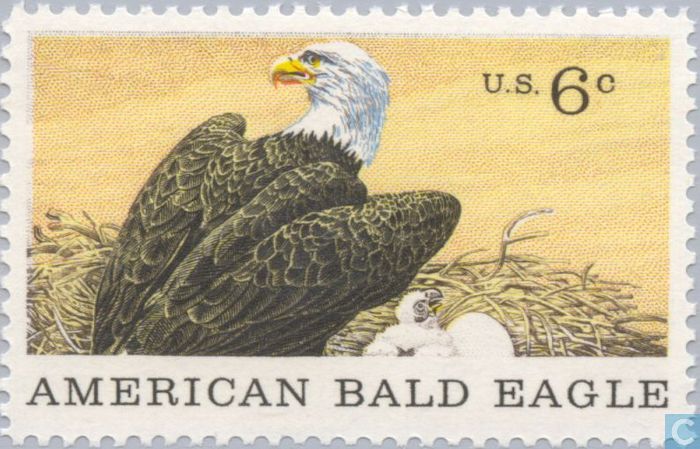
    “In cases where we have done the planning, spent the money, figured out the right recipe for conservation, we find that conservation does in fact work,” says Holmer. “We are seeing a number of species coming back very quickly now – the bald eagle is a great example.”

    Wetlands have also benefitted enormously from conservation, says Dan Ashe, director of the US Fish and Wildlife Service. The North American Wetlands Conservation Act protects a total area the size of Tennessee and has helped reverse declines in species such as the mallard and the blue winged teal.

    “The optimistic message is that we can produce habitat for birds if we develop the land thoughtfully,” says Ashe. “We can provide for economic use as well as the habitat that these species need.”

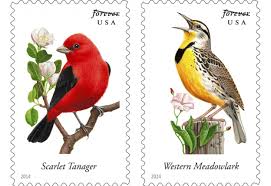
    Species on the brink of extinction are sure to grab headlines. But equally disturbing is the decline of birds that are still considered common, such as the eastern meadowlark (Sturnella magna) and nighthawk (Chordeiles minor). The State of the Birds identifies more than two dozen such species that are in “steep decline”.

    That’s worrying because birds are excellent indicators of overall environmental health, says Marra.

    “We need to keep common birds common,” he says.

    But time is running out.

    “The reality is that we have five, 10, maybe 15 years before we start seeing more declines,” he says. “But some of these species don’t have that much time and I don’t want to see another species become extinct in my lifetime.”

    Source: BBC News, 9 September 2014
    http://www.bbc.com/news/magazine-29116412

  • Another fine mess – de weidevogels zijn zo goed als verdwenen uit de Achterhoek en Liemers

    Another fine mess – de weidevogels zijn zo goed als verdwenen uit de Achterhoek en Liemers

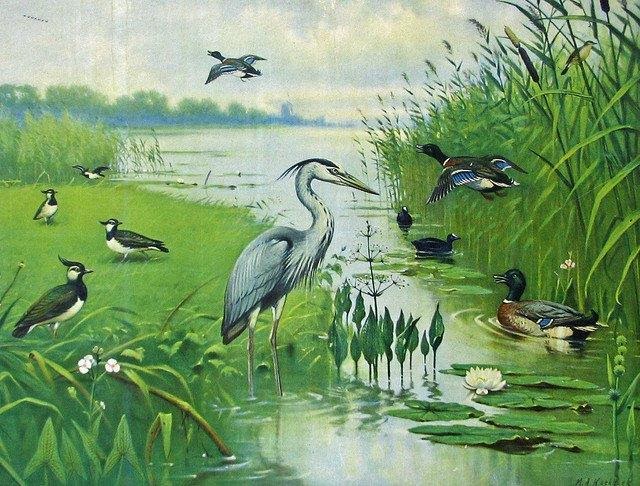
    De weidevogels in Achterhoek en Liemers laten het steeds meer afweten. Dat blijkt uit navraag bij vogelaars. Als 1 van de factoren voor het verdwijnen van de populaties weidevogels zoals kievit, grutto, wulp en scholekster, wordt gewezen naar moeilijk afbreekbare insecticiden, jarenlang in gebruik geweest in met name de maisteelt en nu in de bodem en oppervlaktewater. Neonicotinoiden, zoals imidacloprid, zijn nu deels verboden, omdat de massale bijensterfte er ook aan wordt toegeschreven. Volgens de coordinator van de vrijwillige weidevogelbescherming in gemeente Bronckhorst hadden de vogelaars in dit werkgebied vroeger totaal wel 70 boeren waar ze nesten beschermden, nu nog maar 6.Ook de insectenetende vogels gaan snel in aantal terug. Volgens LTO zou een totaal verbod op neonicotinoiden de landbouw duperen, omdat andere manieren van vraatbestrijding duurder en minder effectief zijn.

    De weidevogels in Achterhoek en Liemers laten het steeds meer afweten. Dat blijkt uit navraag bij vogelaars. Als 1 van de factoren voor het verdwijnen van de populaties weidevogels zoals kievit, grutto, wulp en scholekster, wordt gewezen naar moeilijk afbreekbare insecticiden, jarenlang in gebruik geweest in met name de maisteelt en nu in de bodem en oppervlaktewater. Neonicotinoiden, zoals imidacloprid, zijn nu deels verboden, omdat de massale bijensterfte er ook aan wordt toegeschreven. Volgens de coordinator van de vrijwillige weidevogelbescherming in gemeente Bronckhorst hadden de vogelaars in dit werkgebied vroeger totaal wel 70 boeren waar ze nesten beschermden, nu nog maar 6.Ook de insectenetende vogels gaan snel in aantal terug. Volgens LTO zou een totaal verbod op neonicotinoiden de landbouw duperen, omdat andere manieren van vraatbestrijding duurder en minder effectief zijn.

    Bron: De Gelderlander, 3 september 2014
    http://www.gelderlander.nl/regio/achterhoek/weidevogel-wordt-zeldzame-gast-1.4515543

  • UK wagtails face long-term decline

    UK wagtails face long-term decline

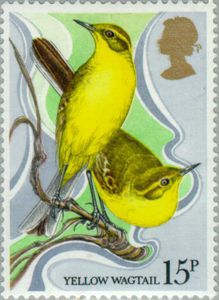
    The three species of wagtail that breed in the UK are suffering long-term declines, a study has revealed. Yellow wagtails, grey wagtails and pied wagtails (Motacilla alba) are all in decline, according to the annual breeding bird survey’s latest report, though conservationists say the reasons for the reductions are not clear. Yellow wagtails (Motacilla flava), farmland birds which migrate to sub-Saharan Africa, have seen numbers reduce by more than two-fifths (43%) between 1995 and 2012. Changes in agriculture are thought to be to blame for the yellow wagtail’s decline, but as it is a migrant, problems overseas cannot be ruled out, the British Trust for Ornithology (BTO) said. Grey wagtails (Motacilla cinerea), a species which lives by rivers, has declined by almost a third (32%) since the survey started 20 years ago, while the familiar pied wagtail has seen declines of 11%. Both birds have shown rapid declines along rivers and canals, according to the waterways breeding bird survey, which focuses on river habitats, and pied wagtails have seen steeper declines in the river-based survey than in the general breeding bird survey which covers all habitats. This suggests there may be issues related to rivers which are affecting both species.

    The three species of wagtail that breed in the UK are suffering long-term declines, a study has revealed. Yellow wagtails, grey wagtails and pied wagtails (Motacilla alba) are all in decline, according to the annual breeding bird survey’s latest report, though conservationists say the reasons for the reductions are not clear. Yellow wagtails (Motacilla flava), farmland birds which migrate to sub-Saharan Africa, have seen numbers reduce by more than two-fifths (43%) between 1995 and 2012. Changes in agriculture are thought to be to blame for the yellow wagtail’s decline, but as it is a migrant, problems overseas cannot be ruled out, the British Trust for Ornithology (BTO) said. Grey wagtails (Motacilla cinerea), a species which lives by rivers, has declined by almost a third (32%) since the survey started 20 years ago, while the familiar pied wagtail has seen declines of 11%. Both birds have shown rapid declines along rivers and canals, according to the waterways breeding bird survey, which focuses on river habitats, and pied wagtails have seen steeper declines in the river-based survey than in the general breeding bird survey which covers all habitats. This suggests there may be issues related to rivers which are affecting both species.

    The “races” of pied and yellow wagtail which breed in the UK nest virtually nowhere else in the world, conservationists added.

    Sarah Harris, survey organiser at the British Trust for Ornithology, said: “I find it fascinating that three seemingly similar birds, the yellow, grey and pied wagtail can lead such different lives and face such a variety of challenges.

    “With the UK races of two of these species – pied and yellow wagtails – being largely confined to our islands, these population changes are of global conservation significance.”

    The results of the survey by the BTO, government advisers the joint nature conservation committee and the RSPB, using counts made by volunteer bird watchers, also show declines for key farmland birds.

    Grey partridge (Perdix perdix) numbers were down by 56% between 1995 and 2012, and skylarks (Alauda arvensis) have declined by nearly a quarter (24%), with increasingly intensive agriculture playing a key role in their declines, the experts said.

    And the latest update reveals that some breeding birds saw a significant year-on-year decline in 2013, as a result of the bad weather conditions in 2012.

    Mark Eaton, RSPB principal conservation scientist, said: “This survey is most valuable for showing us trends stretching back nearly 20 years. However, it also provides a snapshot into changes between years, and this report reveals that 2012 was clearly a bad year for some of our breeding birds.

    “A cold spring followed by the wettest summer on record have to be prime candidates for why many species showed a significant decline in 2013. Of the 36 species which showed a significant change in numbers between 2012 and 2013, 34 decreased. For some species, such as turtle dove (Streptopelia turtur), these recent falls compound long-term declines.”

    Source: The Guardian, 29 August 2014
    http://www.theguardian.com/environment/2014/aug/29/wagtail-decline-uk-bird-survey

  • The insanity of intensive agriculture – number of common farmland breeding birds was nearly halved in Cyprus in last decade

    The insanity of intensive agriculture – number of common farmland breeding birds was nearly halved in Cyprus in last decade

    The latest assessment by BirdLife Cyprus shows that the numbers of common breeding birds in our forests, scrublands and farmland have declined by 10% since 2006. But the really worrying news is that, taken as a group, common breeding birds in our farmland habitats have declined by a dramatic 43% over the same period (2006-2014). The analysis is based on a systematic monitoring scheme for common birds organized by BirdLife Cyprus on behalf of the Department of Agriculture, and covering over 100 randomly selected sites across all habitats (except wetlands) thanks to the efforts of a team of skilled volunteer recorders. The trend data (produced using the widely used TRIM programme analysis) shows ‘dips’ in bird numbers that seem linked to drought years, but the overall downward trend remains a concern. The steep decline in farmland areas and for more farmland-dependent species, as compared to the relatively small decline overall (i.e. when all habitats and all common breeding species are included in the analysis) is alarming and points clearly to the need for more wildlife-friendly farming practices in Cyprus. Notable among the farmland species showing declines are the Chukar, the Roller, the Cyprus Wheatear and the Spanish sparrow.

    The latest assessment by BirdLife Cyprus shows that the numbers of common breeding birds in our forests, scrublands and farmland have declined by 10% since 2006. But the really worrying news is that, taken as a group, common breeding birds in our farmland habitats have declined by a dramatic 43% over the same period (2006-2014). The analysis is based on a systematic monitoring scheme for common birds organized by BirdLife Cyprus on behalf of the Department of Agriculture, and covering over 100 randomly selected sites across all habitats (except wetlands) thanks to the efforts of a team of skilled volunteer recorders. The trend data (produced using the widely used TRIM programme analysis) shows ‘dips’ in bird numbers that seem linked to drought years, but the overall downward trend remains a concern. The steep decline in farmland areas and for more farmland-dependent species, as compared to the relatively small decline overall (i.e. when all habitats and all common breeding species are included in the analysis) is alarming and points clearly to the need for more wildlife-friendly farming practices in Cyprus. Notable among the farmland species showing declines are the Chukar, the Roller, the Cyprus Wheatear and the Spanish sparrow.

    Source: Birdlife Cyprus, August, 2014
    http://www.birdlifecyprus.org/en/news-577-Common_breeding_birds_show_decline_with_farmland_birds_most_at_risk_.html