Auteur: Henk Tennekes

  • Natuur en biodiversiteit worden ondergeschikt gemaakt aan economische belangen

    Natuur en biodiversiteit worden ondergeschikt gemaakt aan economische belangen

    Natuur en biodiversiteit moeten vooral dienstbaar aan de economie zijn, een zuiver natuurdoel is naar de achtergrond geschoven. Dat concludeert Landschapsbeheer Nederland na bestudering van de miljoenennota 2015. Onder de post Natuur en Regio is bij het ministerie van Economische Zaken voor 2015 een bedrag van 293 miljoen euro opgenomen. Deze middelen komen maar gedeeltelijk echt ten goede aan natuur en landschap. Natuur en biodiversiteit worden in de toelichtende tekst van deze begrotingspost beschreven als dienstbaar aan de economie, onder andere in de vorm van levering van grondstoffen, wateropvang en vestigingsklimaat. Een zuiver natuurdoel is naar de achtergrond geschoven. Natuur krijgt daardoor niet de positie en waardering die nodig is, stelt Landschapsbeheer Nederland. Bovendien worden echte natuur- en biodiversiteitsdoelen en ambities op het gebied van soortenbescherming door het kabinet vooral gekoppeld aan internationale afspraken.

    Natuur en biodiversiteit moeten vooral dienstbaar aan de economie zijn, een zuiver natuurdoel is naar de achtergrond geschoven. Dat concludeert Landschapsbeheer Nederland na bestudering van de miljoenennota 2015. Onder de post Natuur en Regio is bij het ministerie van Economische Zaken voor 2015 een bedrag van 293 miljoen euro opgenomen. Deze middelen komen maar gedeeltelijk echt ten goede aan natuur en landschap. Natuur en biodiversiteit worden in de toelichtende tekst van deze begrotingspost beschreven als dienstbaar aan de economie, onder andere in de vorm van levering van grondstoffen, wateropvang en vestigingsklimaat. Een zuiver natuurdoel is naar de achtergrond geschoven. Natuur krijgt daardoor niet de positie en waardering die nodig is, stelt Landschapsbeheer Nederland. Bovendien worden echte natuur- en biodiversiteitsdoelen en ambities op het gebied van soortenbescherming door het kabinet vooral gekoppeld aan internationale afspraken.

    Landschapsbeheer Nederland ziet ook enkele lichtpuntjes. De uitvoering van de Natuurvisie krijgt gestalte. Hierin is veel aandacht voor het betrekken van brede groepen uit de samenleving, zoals in de voortzetting van Groen en Doen. Daarvoor is in 2015 1 miljoen euro in de begroting opgenomen, oplopend tot 10 miljoen euro in 2017. Particuliere natuurinitiatieven kunnen zo worden gestimuleerd. LandschappenNL en haar organisaties kunnen daar belangrijke bijdragen aan leveren. Een ander pluspunt is dat de aanwijzing van de 160 Natura-2000 gebieden in 2015 wordt afgerond.

    Bron: Landschapsbeheer Nederland en Groene Ruimte, 02/10/14
    http://www.groeneruimte.nl/nieuws/artikel.html?id=163206

  • Chronische blootstelling aan pesticiden verhoogt kans op de longziekte COPD

    Chronische blootstelling aan pesticiden verhoogt kans op de longziekte COPD

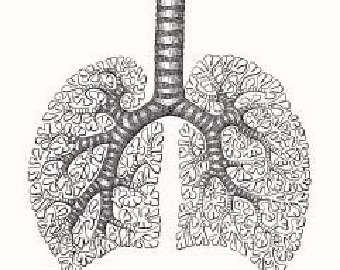
    Boeren en tuinders die met gewasbeschermingsmiddelen werken hebben een verhoogde kans op de longziekte COPD. Dit blijkt uit het promotieonderzoek van Kim de Jong aan de Rijksuniversiteit Groningen. Mensen die op hun werk met bestrijdingsmiddelen in aanraking komen, vertoonden de sterkste, snelste en meest consistente verslechtering van de longfunctie, zo stelt De Jong. In het onderzoek werd gekeken naar de gevolgen van beroepsmatige blootstelling aan sigarettenrook, giftige dampen, stoffen en gassen. Dit bleek te leiden tot een minder goede longfunctie en het vaker voorkomen van COPD. De Jong gebruikte voor haar onderzoek gegevens uit twee andere studies naar de gezondheid van de algemene populatie, die van LifeLines en Vlagtwedde-Vlaardingen.

    Boeren en tuinders die met gewasbeschermingsmiddelen werken hebben een verhoogde kans op de longziekte COPD. Dit blijkt uit het promotieonderzoek van Kim de Jong aan de Rijksuniversiteit Groningen. Mensen die op hun werk met bestrijdingsmiddelen in aanraking komen, vertoonden de sterkste, snelste en meest consistente verslechtering van de longfunctie, zo stelt De Jong. In het onderzoek werd gekeken naar de gevolgen van beroepsmatige blootstelling aan sigarettenrook, giftige dampen, stoffen en gassen. Dit bleek te leiden tot een minder goede longfunctie en het vaker voorkomen van COPD. De Jong gebruikte voor haar onderzoek gegevens uit twee andere studies naar de gezondheid van de algemene populatie, die van LifeLines en Vlagtwedde-Vlaardingen.

    Diegenen die via hun werk in aanraking komen met pesticiden en daarnaast roken of een bepaalde genetische gen-variant hebben, zijn nog kwetsbaarder voor longziekten. De onderzoekster adviseert vervolgonderzoek om duidelijker in kaart te brengen of mensen die in de buurt van kwekerijen of met pesticiden behandeld land wonen of werken meer gezondheidsrisico’s lopen.
    Bron: Boerderij, 1 oktober 2014
    http://www.boerderij.nl/Home/Nieuws/2014/10/Boeren-hebben-grotere-kans-op-COPD-1611784W/?cmpid=NLC|boerderij_vandaag|2014-10-01|Boeren_hebben_grotere_kans_op_COPD

  • Tussen 1970 en 2010 zijn de zoogdier-, vogel-, amfibie-, reptiel- en vispopulaties wereldwijd met 52 procent gekrompen

    Tussen 1970 en 2010 zijn de zoogdier-, vogel-, amfibie-, reptiel- en vispopulaties wereldwijd met 52 procent gekrompen

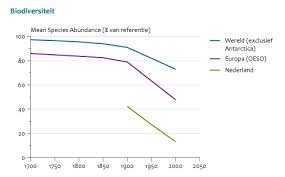
    Met name in arme landen is de biodiversiteit sterk afgenomen. Dat blijkt uit onderzoek van het Wereldnatuurfonds. Het Wereldnatuurfonds presenteert de onderzoeksresultaten in het ‘2014 Living Planet Report‘. Het rapport – dat elke twee jaar verschijnt – richt zich op drie gebieden: de populaties van meer dan tienduizend gewervelde soorten, de menselijke ecologische voetafdruk (consumptie van goederen, productie van broeikasgassen) en de bestaande biocapaciteit (de natuurlijke bronnen die we gebruiken om onder meer drinkwater en voedsel te produceren). “Er is heel veel data te vinden in dit rapport en dat kan overweldigend en complex lijken,” erkent Jon Hoekstra, werkzaam bij WWF. “Wat niet gecompliceerd is, zijn de duidelijke trends die we zien: 39 procent van de wilde dieren op het land is verdween, 39 procent van de wilde dieren in het water is verdwenen, 76 procent van de wilde dieren in zoet water is verdwenen en dat allemaal in de afgelopen veertig jaar.”

    Met name in arme landen is de biodiversiteit sterk afgenomen. Dat blijkt uit onderzoek van het Wereldnatuurfonds. Het Wereldnatuurfonds presenteert de onderzoeksresultaten in het ‘2014 Living Planet Report‘. Het rapport – dat elke twee jaar verschijnt – richt zich op drie gebieden: de populaties van meer dan tienduizend gewervelde soorten, de menselijke ecologische voetafdruk (consumptie van goederen, productie van broeikasgassen) en de bestaande biocapaciteit (de natuurlijke bronnen die we gebruiken om onder meer drinkwater en voedsel te produceren). “Er is heel veel data te vinden in dit rapport en dat kan overweldigend en complex lijken,” erkent Jon Hoekstra, werkzaam bij WWF. “Wat niet gecompliceerd is, zijn de duidelijke trends die we zien: 39 procent van de wilde dieren op het land is verdween, 39 procent van de wilde dieren in het water is verdwenen, 76 procent van de wilde dieren in zoet water is verdwenen en dat allemaal in de afgelopen veertig jaar.”

    Koolstof
    Naast de afname van het aantal organismen wereldwijd wijst het rapport ook uit dat de hoeveelheid koolstof in de atmosfeer gestegen is naar een niveau dat in ieder geval in de afgelopen één miljoen jaar zijn weerga niet kent. Het leidt tot klimaatverandering die reeds wankelende ecosystemen een extra duwtje geeft. Ook de toenemende waterschaarste komt aan bod.

    Rijk versus arm
    Wat opvalt in het rapport is dat de mensen in rijke landen in toenemende mate meer consumeren dan de aarde per hoofd te bieden heeft. In landen met gemiddelde of lage inkomens is de ecologische voetafdruk per hoofd amper groter geworden. Ironisch genoeg gaat het met de dieren in de rijke landen beter dan met de dieren in de arme landen. Gemiddeld is de biodiversiteit in rijke landen met zo’n tien procent toegenomen, terwijl deze in arme landen – waar dus per hoofd minder geconsumeerd wordt – afneemt. “Rijke landen gebruiken vijf keer meer natuurlijke hulpbronnen dan arme landen, maar de arme landen zien de meeste ecosystemen verloren gaan,” stelt onderzoeker Keya Chatterjee. “Eigenlijk besteden de rijke landen het uitputten van de natuurlijke hulpbronnen uit.”

    Hoewel de trends volgens WWF duidelijk zijn, wil dat niet zeggen dat er geen weg terug meer is. Het is nog niet te laat, zo stelt men in het rapport. Maar dan moeten er wel snel maatregelen worden genomen. Zo is het zaak dat we versneld overstappen op een slimmere en en duurzamere vorm van voedsel- en energieproductie. Ook moeten we onze ecologische voetafdruk verkleinen.
    Bron: Scientias,30-09-14

    Aarde is in 40 jaar tijd de helft van haar wilde dieren kwijtgeraakt

  • Effects of herbicide-treated host plants on the development of Mamestra brassicae L. caterpillars

    Effects of herbicide-treated host plants on the development of Mamestra brassicae L. caterpillars

    Herbicides are widely used pesticides that affect plants by changing their chemistry. In doing so, herbicides might also influence the quality of plants as food for herbivores. To study the effects of herbicides on host plant quality, 3 plant species (Plantago lanceolata L., P. major L., and Ranunculus acris L.) were treated with sublethal rates of either a sulfonylurea (Atlantis WG, Bayer CropScience) or a glyphosate (Roundup LB Plus, Monsanto) herbicide, and the development of caterpillars of the cabbage moth Mamestra brassicae L. that fed on these plants was observed.
    Of the 6 tested plant–herbicide combinations, 1 combination (R. acris + sulfonylurea herbicide) resulted in significantly lower caterpillar weight, increased time to pupation, and increased overall development time compared with larvae that were fed unsprayed plants. These results might be caused by a lower nutritional value of these host plants or increased concentrations of secondary metabolites that are involved in plant defense. The results of the present and other studies suggest potential risks to herbivores that feed on host plants treated with sublethal rates of herbicides. However, as the effects of herbicides on host plant quality appear to be species-specific and as there are numerous plant–herbicide–herbivore relationships in agricultural landscapes, a general reduction in herbicide contamination of nontarget habitats (e.g., field margins) might mitigate the negative effects of herbicides on host plant quality.

    Herbicides are widely used pesticides that affect plants by changing their chemistry. In doing so, herbicides might also influence the quality of plants as food for herbivores. To study the effects of herbicides on host plant quality, 3 plant species (Plantago lanceolata L., P. major L., and Ranunculus acris L.) were treated with sublethal rates of either a sulfonylurea (Atlantis WG, Bayer CropScience) or a glyphosate (Roundup LB Plus, Monsanto) herbicide, and the development of caterpillars of the cabbage moth Mamestra brassicae L. that fed on these plants was observed.
    Of the 6 tested plant–herbicide combinations, 1 combination (R. acris + sulfonylurea herbicide) resulted in significantly lower caterpillar weight, increased time to pupation, and increased overall development time compared with larvae that were fed unsprayed plants. These results might be caused by a lower nutritional value of these host plants or increased concentrations of secondary metabolites that are involved in plant defense. The results of the present and other studies suggest potential risks to herbivores that feed on host plants treated with sublethal rates of herbicides. However, as the effects of herbicides on host plant quality appear to be species-specific and as there are numerous plant–herbicide–herbivore relationships in agricultural landscapes, a general reduction in herbicide contamination of nontarget habitats (e.g., field margins) might mitigate the negative effects of herbicides on host plant quality.

    Source:
    Melanie Hahn, Martin Geisthardt and Carsten A. Brühl
    Environmental Toxicology and Chemistry, DOI: 10.1002/etc.2726
    http://onlinelibrary.wiley.com/doi/10.1002/etc.2726/abstract

  • Disparition des insectes : une catastrophe silencieuse

    Disparition des insectes : une catastrophe silencieuse

    Pour François Ramade, professeur émérite d’écologie à l’université de Paris-Sud, les insecticides modernes, notamment les néonicotinoïdes, sont responsables d’une véritable “catastrophe écologique”. Et, selon lui, “la réponse des pouvoirs publics des pays développés et des institutions multilatérales est absente ou dérisoire”. Les personnes de plus de 40 ans se souviennent des pare-brise, phares et calandres de voiture constellés de cadavres d’insectes. La propreté des voitures actuelles est le signe d’une disparition massive d’insectes qui doit nous alarmer. L’agriculture moderne a permis, par l’usage massif d’« intrants », une augmentation considérable de la productivité des cultures. Elle atteint depuis quelques décennies des limites dues à l’impact environnemental de ses pratiques. En effet, l’accroissement de productivité qu’elle a permis n’est pas dû à une révolution biologique dans le contrôle de la photosynthèse, mais à un recours sans cesse accru aux engrais chimiques et aux pesticides, dont les conséquences écologiques néfastes sont connues.

    Pour François Ramade, professeur émérite d’écologie à l’université de Paris-Sud, les insecticides modernes, notamment les néonicotinoïdes, sont responsables d’une véritable “catastrophe écologique”. Et, selon lui, “la réponse des pouvoirs publics des pays développés et des institutions multilatérales est absente ou dérisoire”. Les personnes de plus de 40 ans se souviennent des pare-brise, phares et calandres de voiture constellés de cadavres d’insectes. La propreté des voitures actuelles est le signe d’une disparition massive d’insectes qui doit nous alarmer. L’agriculture moderne a permis, par l’usage massif d’« intrants », une augmentation considérable de la productivité des cultures. Elle atteint depuis quelques décennies des limites dues à l’impact environnemental de ses pratiques. En effet, l’accroissement de productivité qu’elle a permis n’est pas dû à une révolution biologique dans le contrôle de la photosynthèse, mais à un recours sans cesse accru aux engrais chimiques et aux pesticides, dont les conséquences écologiques néfastes sont connues.

    Dès les années 60, la naturaliste américaine Rachel Carson décrivait dans son best-seller Silent Spring la lente éradication des peuplements d’oiseaux par l’usage irréfléchi du DDT et d’autres insecticides organochlorés.

    Adieu abeilles, papillons, oiseaux

    Un danger plus redoutable nous menace avec l’usage des insecticides néonicotinoïdes, dont la molécule dérive de celle de la nicotine. Cette dernière, cause de l’addiction des fumeurs de tabac, est aussi un très puissant insecticide utilisé entre les deux guerres mondiales. Au début des années 90, les chimistes ont mis au point de nouvelles molécules dont l’imidaclopride, la clothianidine ou le thiamethoxam aussi insecticides que la nicotine, mais d’une plus grande stabilité moléculaire. Elles ont aussi pour « avantage » d’être « systémiques » : elles passent directement du sol dans les plantes par absorption radiculaire et pénètrent via la sève jusqu’à l’extrémité des pousses des feuilles et des fleurs. Elles se maintiennent au-delà de deux ans dans les sols, de sorte que, plusieurs saisons après l’épandage, d’autres plantes seront contaminées.

    Ces insecticides sont à l’origine du déclin des pollinisateurs dont les abeilles mais, au-delà, de l’ensemble des insectes et donc de la plupart des oiseaux, majoritairement insectivores. Il faut savoir qu’en sus des abeilles la pollinisation des plantes cultivées est assurée majoritairement (à près de 80 %) par d’autres insectes, surtout des hyménoptères dits apoïdes. Certains d’entre eux sont sociaux, tels les bourdons, mais la plupart de ces bienfaiteurs de l’humanité sont solitaires. Depuis l’introduction des néonicotinoïdes en 1995, on observe un effondrement du nombre d’abeilles et une dégénérescence des ruches. En France, le nombre de ruches a chuté de 2 millions en 1996 à 600 000 aujourd’hui.

    Simultanément s’observe une réduction brutale du nombre de pollinisateurs sauvages et, au-delà, de l’ensemble des insectes, comme l’a montré la récente campagne nationale de dénombrement des papillons. Diverses recherches, dont certaines effectuées en France, ont démontré la responsabilité directe des néonicotinoïdes dans cette hécatombe. Des abeilles butineuses équipées de nano-GPS traitées avec de très faibles doses d’imidaclopride se sont révélées incapables de retrouver leur ruche, ce qui explique la disparition des ouvrières et l’extinction des colonies. Ce déclin massif des insectes pollinisateurs constitue une menace calamiteuse pour l’agriculture. La disparition des abeilles et des hyménoptères apoïdes signifierait la fin de nombreux végétaux cultivés et entraînerait des pertes agricoles pouvant atteindre plusieurs centaines de milliards d’euros par an. Pis encore, la sécurité alimentaire de l’humanité ne serait plus assurée.

    Solutions européennes dérisoires

    Face cette catastrophe écologique en cours, la réponse des pouvoirs publics des pays développés et des institutions multilatérales est absente ou dérisoire. Les agences compétentes de l’ONU, tels la FAO ou le Pnue, ne se sont pas saisies du problème. En France et dans d’autres pays européens, l’interdiction partielle de l’imidaclopride et du fipronil n’est pas suffisante, tout comme la décision récente de l’Union européenne d’interdire pour trois ans le premier de ces insecticides ainsi que la clothianidine et le thiamethoxam. C’est l’interdiction de la totalité des néonicotinoïdes qui s’impose de toute urgence ! Un groupe international d’experts s’est créé en 2009, à l’initiative de Maarten Bijleveld, ancien secrétaire scientifique de la commission écologie de l’Union internationale pour la conservation de la nature (UICN). Il a rassemblé les preuves scientifiques justifiant cette interdiction et milite auprès des pouvoirs publics européens et des institutions internationales pour l’obtenir. Où sont les politiques en charge de notre avenir ?

    * François Ramade est professeur émérite d’écologie à l’université de Paris-Sud (Laboratoire Ecologie, Systématique et Evolution de la faculté des sciences d’Orsay) et auteur du Dictionnaire encyclopédique de l’écologie et des sciences de l’environnement (Dunod).
    Source: Marianne, 2 Septembre 2014
    http://www.marianne.net/Disparition-des-insectes-une-catastrophe-silencieuse_a240801.html
  • Lower maximum permissible levels of imidacloprid in Dutch surface water enforced by National Institute for Public Health and the Environment

    Lower maximum permissible levels of imidacloprid in Dutch surface water enforced by National Institute for Public Health and the Environment

    The neonicotinoid insecticide imidacloprid is among the pesticides that most frequently exceed current water quality standards in Dutch surface waters. Recent research shows that effects of imidacloprid on water organisms occur at concentrations below these standards. Mayflies appear to be particularly sensitive with chronic No Observed Effect Concentrations in the nanogram per liter range. The aim of this study was to derive updated water quality standards in accordance with the methodology of the European Water Framework Directive by evaluating the available recent literature on acute and chronic ecotoxicity of imidacloprid to aquatic organisms in laboratory and semi-field experiments. It is concluded that the standard for longterm exposure should be lowered to 8.3 nanogram per liter, the standard for short-term concentration peaks can be maintained at the current value of 0.2 microgram per liter. The European Commission set restrictions to the use of imidacloprid-based products to reduce the risks for bees and the Dutch national authorities issued emission reduction measures to protect aquatic life. Future monitoring data will ultimately reveal if these measures are sufficient to meet the newly proposed standards.

    The neonicotinoid insecticide imidacloprid is among the pesticides that most frequently exceed current water quality standards in Dutch surface waters. Recent research shows that effects of imidacloprid on water organisms occur at concentrations below these standards. Mayflies appear to be particularly sensitive with chronic No Observed Effect Concentrations in the nanogram per liter range. The aim of this study was to derive updated water quality standards in accordance with the methodology of the European Water Framework Directive by evaluating the available recent literature on acute and chronic ecotoxicity of imidacloprid to aquatic organisms in laboratory and semi-field experiments. It is concluded that the standard for longterm exposure should be lowered to 8.3 nanogram per liter, the standard for short-term concentration peaks can be maintained at the current value of 0.2 microgram per liter. The European Commission set restrictions to the use of imidacloprid-based products to reduce the risks for bees and the Dutch national authorities issued emission reduction measures to protect aquatic life. Future monitoring data will ultimately reveal if these measures are sufficient to meet the newly proposed standards.

    Source:
    C.E. Smit, C.J.A.M. Posthuma-Doodeman, P.L.A. Van Vlaardingen & F.M.W. De Jong (2014): Ecotoxicity
    of Imidacloprid to Aquatic Organisms: Derivation of Water Quality Standards for Peak and Long-term Exposure, Human and Ecological Risk Assessment: An International Journal, DOI: 10.1080/10807039.2014.964071

  • Snake fungal disease diagnosed in Georgia – immune suppression by neonics in reptiles?

    Snake fungal disease diagnosed in Georgia – immune suppression by neonics in reptiles?

    A mysterious and deadly disease is appearing in Georgia’s bats, and a similar illness was diagnosed in July in a snake, according to state wildlife officials. Bats are dying from the white-nose disease, which has killed an estimated 5.7 million bats and driven one species found in Georgia to the brink of extinction. Now snakes are a concern. The first wild snake in Georgia to be diagnosed with snake fungal disease was found on the edge of a blackwater swamp near Statesboro, and the implication is the disease could be spreading. The fungus associated with white-nose disease shares similarities with the one connected to snake fungal disease, including that it occurs naturally in soil, according to a statement from the Georgia Department of Natural Resources.

    A mysterious and deadly disease is appearing in Georgia’s bats, and a similar illness was diagnosed in July in a snake, according to state wildlife officials. Bats are dying from the white-nose disease, which has killed an estimated 5.7 million bats and driven one species found in Georgia to the brink of extinction. Now snakes are a concern. The first wild snake in Georgia to be diagnosed with snake fungal disease was found on the edge of a blackwater swamp near Statesboro, and the implication is the disease could be spreading. The fungus associated with white-nose disease shares similarities with the one connected to snake fungal disease, including that it occurs naturally in soil, according to a statement from the Georgia Department of Natural Resources.

    The deadly effect of white-nose disease on the bat population is evident. The snake disease could be just as deadly, some researchers think:

    All infected snakes in Illinois’ last population of massasauga rattlesnakes died after showing signs of infection.
    In New Hampshire, the disease was associated with a 50-percent decline in the number of timber rattlesnakes, an imperiled species, according to the DNR statement.
    The Georgia snake diagnosed with snake fungal disease causes concern because it is of a species known to be “cryptic and solitary,” according to DNR’s statement. The fact that a mud snake was infected suggests the disease could spread easily within the state’s snake population.

    “I guess the take-home message is that all of our snakes may be susceptible to this,” said John Jensen, a senior wildlife biologist with DNR.

    Another take-home message is to wear protective field gear and disinfect it after an excursion, the DNR recommended.

    The risk of human transmission is unknown, according to an advisory issued by the Northeast Partners in Amphibian and Reptile Conservation. The fungus rarely causes illness in healthy mammals and there has never been a report of human infection.

    Signs of snake fungal infection on this Northern water snake include crusty and thickened scales overlaying raised blisters. Credit: nwhc.usgs.gov
    Signs of snake fungal infection on this Northern water snake include crusty and thickened scales overlaying raised blisters. Credit: nwhc.usgs.gov

    Volunteers are invited to join in the “bat blitz” at Black Rock Mountain State Park, in Rabun County. To actually count bats, volunteers must have experience and a valid rabies vaccination. Bats will be counted Sept. 4-7. A conservation presentation is scheduled for Sept. 5 at 7 p.m. in the park’s amphitheater.

    The event is timed to coincide with a regional bat blitz being coordinated by the Southeastern Bat Diversity Network. The organization seeks to conserve bats in the southeast by preserving their habitat and educating people about the importance of bats.

    The idea of a bat blitz is to put a lot of people into a small area and have them count bats. Volunteers will fan out from Black Rock Mountain Park to conduct counts on state and federal lands located within an hour’s drive of the par

    – See more at: http://saportareport.com/blog/2014/08/bats-snakes-at-growing-risk-of-disease-public-invited-to-join-in-annual-bat-blitz/#sthash.OlG9JBfQ.dpuf

  • The world’s largest frog and Chile’s largest amphibian faces extinction

    The world’s largest frog and Chile’s largest amphibian faces extinction

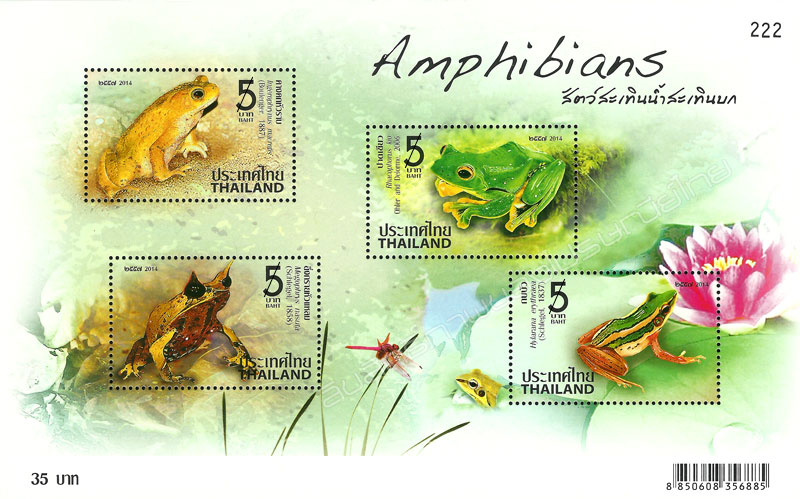
    Calyptocephalella gayi, or the Chilean helmeted bull is the world’s largest frog and Chile’s largest amphibian. It measures around twenty centimeters in length and weighing over one kilo (roughly 2..2 lbs). It can only be found in this country and in 2008 it was listed on the Red List of Threatened Species compiled by the International Union for Conservation of Nature (IUCN). Experts now believe it could take as little as two decades for the species, which has been in existence since before the American continent was formed, to be wiped out completely.The frog was referred to under a different name until experts recently noted the strong similarity between a fossil genus of a Calyptocephalella gayi, which they believed to be extinct, and the twenty centimeter frog which can be found today in Chile. This observation brought the species out of extinction, with experts referring to the creature as a “living fossil,”yet is has swiftly become categorized as a “vulnerable” species, which is Chile’s penultimate category before extinction.

    Calyptocephalella gayi, or the Chilean helmeted bull is the world’s largest frog and Chile’s largest amphibian. It measures around twenty centimeters in length and weighing over one kilo (roughly 2..2 lbs). It can only be found in this country and in 2008 it was listed on the Red List of Threatened Species compiled by the International Union for Conservation of Nature (IUCN). Experts now believe it could take as little as two decades for the species, which has been in existence since before the American continent was formed, to be wiped out completely.The frog was referred to under a different name until experts recently noted the strong similarity between a fossil genus of a Calyptocephalella gayi, which they believed to be extinct, and the twenty centimeter frog which can be found today in Chile. This observation brought the species out of extinction, with experts referring to the creature as a “living fossil,”yet is has swiftly become categorized as a “vulnerable” species, which is Chile’s penultimate category before extinction.

    Human interference in the frog’s natural habitat has drastically reduced the species’ numbers in recent years, with activities such as felling, cultivation of land and the rearing of livestock causing fatal ecosystem degradation.

    The frog’s size has also aided its own downfall, as it proffers enough flesh to be sold as a delicacy in regions across Chile. The introduction of foreign species such as Xenopus laevis has also contributed to the decline in numbers, as they bear a fungus fatal to the Super Frog.

    Few measures are currently being taken by the Chilean authorities to prevent the crisis the species is facing. Whilst hunting is prohibited by law, farmers are known to evade prosecution by claiming to rear the frogs in order to sell them rather than to slaughter them. Strategic attempts to disseminate colonies into Argentina have also proved unsuccessful.

    Experts say that the survival of the species would prove beneficial for the whole ecosystem. The wide-mouthed toad is a great source of pest control, without which farmers could find themselves confronting plagues of insects, such as mosquitos, and/or parasites.

    The species’ disappearance would further affect agriculture as the frog’s song has become a useful tool for farmers, who recognise that their song anticipates rainfall.

    Experts recommend that educating and disseminating information about the Calyptocephalella gayi, and how to preserve their habitat is the only way to prevent the impending extinction.

    Source: I Love Chile News, 17 September 2014
    http://www.ilovechile.cl/2014/09/17/chiles-largest-amphibian-face-extinction/119905

  • Blootstelling aan pesticiden tijdens de zwangerschap verhoogt de kans op een autistisch kind

    Blootstelling aan pesticiden tijdens de zwangerschap verhoogt de kans op een autistisch kind

    Er zijn al diverse oorzaken van autisme bekend: complicaties tijdens de zwangerschap, virale infecties en genetische afwijkingen. De jongste jaren vestigen steeds meer onderzoekers hun aandacht op de gevolgen van milieuverontreinigende middelen. Volgens The Verge bevestigt een nieuwe studie van de universiteit van Californië het verband met autisme. De Amerikaanse wetenschappers bevestigen het vermoeden dat neurotoxinen, gaande van pesticiden tot kwik en diesel, de ontwikkeling van de hersenen bij foetussen beïnvloeden. Hun studie verscheen vandaag in Environmental Health Perspectives. De onderzoekers vergeleken gegevens van het California Pesticide Use Report met de adressen van 970 kinderen die deelnemen aan een lopende studie over autisme. Ze ontdekten verbanden tussen de chemicaliën waaraan de moeders voor de conceptie en tijdens de zwangerschap werden blootgesteld en eventuele ontwikkelingsstoornissen bij hun kind. Om beïnvloeding door andere factoren uit te sluiten, hielden ze ook rekening met de inname van vitamines, socio-economische status en stofwisselingsstoornissen tijdens de zwangerschap.

    Er zijn al diverse oorzaken van autisme bekend: complicaties tijdens de zwangerschap, virale infecties en genetische afwijkingen. De jongste jaren vestigen steeds meer onderzoekers hun aandacht op de gevolgen van milieuverontreinigende middelen. Volgens The Verge bevestigt een nieuwe studie van de universiteit van Californië het verband met autisme. De Amerikaanse wetenschappers bevestigen het vermoeden dat neurotoxinen, gaande van pesticiden tot kwik en diesel, de ontwikkeling van de hersenen bij foetussen beïnvloeden. Hun studie verscheen vandaag in Environmental Health Perspectives. De onderzoekers vergeleken gegevens van het California Pesticide Use Report met de adressen van 970 kinderen die deelnemen aan een lopende studie over autisme. Ze ontdekten verbanden tussen de chemicaliën waaraan de moeders voor de conceptie en tijdens de zwangerschap werden blootgesteld en eventuele ontwikkelingsstoornissen bij hun kind. Om beïnvloeding door andere factoren uit te sluiten, hielden ze ook rekening met de inname van vitamines, socio-economische status en stofwisselingsstoornissen tijdens de zwangerschap.

    60 procent meer kans
    Uit het onderzoek blijkt dat zwangere vrouwen die binnen een straal van 1,6 kilometer van een boerderij of velden wonen 60 procent meer kans hebben op een autistisch kind. Het risico is nog groter bij blootstelling tijdens de laatste drie maanden van de zwangerschap.

    “In Amerika heeft 1 kind op 68 een bepaalde vorm van een autismespectrumstoornis”, laat hoofdonderzoeker Janie Shelton weten aan The Verge. “Vrouwen die laat tijdens de zwangerschap blootgesteld worden aan pesticiden, hebben tot driemaal meer kans op een autistisch kind.” Volgens Shelton zijn er dringend preventieve maatregelen nodig

    Bron: De Morgen, 20-09-14
    http://www.demorgen.be/dm/nl/993/Gezondheid/article/detail/1926477/2014/06/23/Bewezen-blootstelling-aan-pesticiden-vergroot-de-kans-op-autisme.dhtml

  • Genetic engineering is now applied to more than 90% of US corn, soybeans, and cotton acreage

    Genetic engineering is now applied to more than 90% of US corn, soybeans, and cotton acreage

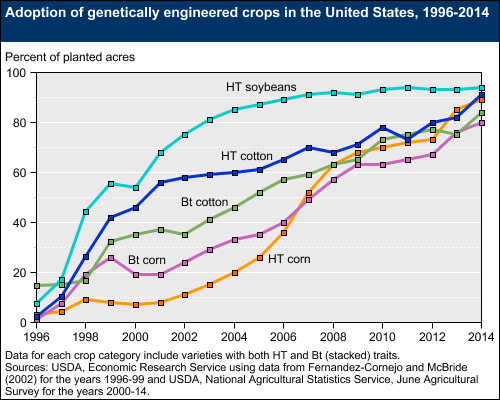
    Herbicide-tolerant (HT) crops, developed to survive application of specific herbicides that previously would have destroyed the crop along with the targeted weeds, provide farmers with a broader variety of options for effective weed control. Based on USDA survey data, HT soybeans went from 17 percent of U.S. soybean acreage in 1997 to 68 percent in 2001 and 94 percent in 2014. Plantings of HT cotton expanded from about 10 percent of U.S. acreage in 1997 to 56 percent in 2001 and 91 percent in 2014. The adoption of HT corn, which had been slower in previous years, has accelerated, reaching 89 percent of U.S. corn acreage in 2014. Insect-resistant crops containing the gene from the soil bacterium Bt (Bacillus thuringiensis) have been available for corn and cotton since 1996. These bacteria produce a protein that is toxic to specific insects, protecting the plant over its entire life. Plantings of Bt corn grew from about 8 percent of U.S. corn acreage in 1997 to 26 percent in 1999, then fell to 19 percent in 2000 and 2001, before climbing to 29 percent in 2003 and 80 percent in 2014. The increases in acreage share in recent years may be largely due to the commercial introduction of new Bt corn varieties resistant to the corn rootworm and the corn earworm, in addition to the European corn borer, which was previously the only pest targeted by Bt corn. Plantings of Bt cotton also expanded rapidly, from 15 percent of U.S. cotton acreage in 1997 to 37 percent in 2001 and 84 percent in 2014.

    Herbicide-tolerant (HT) crops, developed to survive application of specific herbicides that previously would have destroyed the crop along with the targeted weeds, provide farmers with a broader variety of options for effective weed control. Based on USDA survey data, HT soybeans went from 17 percent of U.S. soybean acreage in 1997 to 68 percent in 2001 and 94 percent in 2014. Plantings of HT cotton expanded from about 10 percent of U.S. acreage in 1997 to 56 percent in 2001 and 91 percent in 2014. The adoption of HT corn, which had been slower in previous years, has accelerated, reaching 89 percent of U.S. corn acreage in 2014. Insect-resistant crops containing the gene from the soil bacterium Bt (Bacillus thuringiensis) have been available for corn and cotton since 1996. These bacteria produce a protein that is toxic to specific insects, protecting the plant over its entire life. Plantings of Bt corn grew from about 8 percent of U.S. corn acreage in 1997 to 26 percent in 1999, then fell to 19 percent in 2000 and 2001, before climbing to 29 percent in 2003 and 80 percent in 2014. The increases in acreage share in recent years may be largely due to the commercial introduction of new Bt corn varieties resistant to the corn rootworm and the corn earworm, in addition to the European corn borer, which was previously the only pest targeted by Bt corn. Plantings of Bt cotton also expanded rapidly, from 15 percent of U.S. cotton acreage in 1997 to 37 percent in 2001 and 84 percent in 2014.

    Source: USDA
    http://www.ers.usda.gov/data-products/adoption-of-genetically-engineered-crops-in-the-us/recent-trends-in-ge-adoption.aspx#.VB1R-_l_us1