Auteur: Henk Tennekes

  • De aanhouder wint. Nationaal en Europees verbod op neonicotinoïden op komst

    De aanhouder wint. Nationaal en Europees verbod op neonicotinoïden op komst

    Staatssecretaris Sharon Dijksma wil dat in de nabije toekomst meer ‘groene’ bestrijdingsmiddelen worden gebruikt en minder of helemaal geen middelen die schadelijk zijn voor de natuur, zoals neonicotinoïden. Dijksma (Economische Zaken) meldt dat naar aanleiding van een Europees rapport dat haar ”grote zorgen” baart, schrijft ze vrijdag aan de Tweede Kamer. Uit de Europese studie blijkt dat neonicotinoïden niet alleen plaaginsecten aantasten of doden, maar ook bijen, hommels, zweefvliegen en vlinders. Om die reden wordt het middel ook wel ‘bijengif’ genoemd. Dijksma heeft de toezichthouder, het College voor de toelating van gewasbeschermingsmiddelen en biociden (Ctgb), gevraagd zo snel mogelijk te bekijken of de omstreden nicotinoïden moeten worden verboden. De Kamer liet vorige maand al weten van het gif af te willen, na een motie van de Partij voor de Dieren. Milieuorganisaties Natuur en Milieu en Greenpeace dagen het Ctgb voor de rechter, zo werd vrijdag bekend. Ze vinden dat het college een beslissing om het omstreden middel voor zich uit schuift.

    Staatssecretaris Sharon Dijksma wil dat in de nabije toekomst meer ‘groene’ bestrijdingsmiddelen worden gebruikt en minder of helemaal geen middelen die schadelijk zijn voor de natuur, zoals neonicotinoïden. Dijksma (Economische Zaken) meldt dat naar aanleiding van een Europees rapport dat haar ”grote zorgen” baart, schrijft ze vrijdag aan de Tweede Kamer. Uit de Europese studie blijkt dat neonicotinoïden niet alleen plaaginsecten aantasten of doden, maar ook bijen, hommels, zweefvliegen en vlinders. Om die reden wordt het middel ook wel ‘bijengif’ genoemd. Dijksma heeft de toezichthouder, het College voor de toelating van gewasbeschermingsmiddelen en biociden (Ctgb), gevraagd zo snel mogelijk te bekijken of de omstreden nicotinoïden moeten worden verboden. De Kamer liet vorige maand al weten van het gif af te willen, na een motie van de Partij voor de Dieren. Milieuorganisaties Natuur en Milieu en Greenpeace dagen het Ctgb voor de rechter, zo werd vrijdag bekend. Ze vinden dat het college een beslissing om het omstreden middel voor zich uit schuift.

    Bron: Nu.nl, 10-04-15
    http://www.nu.nl/politiek/4028483/dijksma-wil-bijengif-mogelijk-verbieden.html
  • Das Bienensterben könnte noch dramatischer werden. Experten der EU bestätigten jetzt, dass Pestizide dafür verantwortlich sind.

    Das Bienensterben könnte noch dramatischer werden. Experten der EU bestätigten jetzt, dass Pestizide dafür verantwortlich sind.

    Es ist lange bekannt, dass bestimmte Pestizide schädlich für den Bestand von Honigbienen sein können. Dennoch tun sich Politiker schwer damit, die Chemikalien zur Schädlingsbekämpfung gänzlich zu verbieten. Nun melden sich Wissenschaftler in der Europäischen Union zu Wort. Sie bestätigen, dass der Einsatz bestimmter Gifte für das Bienensterben verantwortlich ist. Es gebe starke Beweise für die negativen Auswirkungen auf andere Organismen durch Neonicotinoid-Insektizide, heißt es in einer am Mittwoch veröffentlichten Studie des EU-Wissenschafsnetzwerks Easac. In dem Bericht werden die Befunde einer Expertengruppe von 13 Forschern zusammengefasst. Das Netzwerk berät Entscheidungsträger in der EU. Die EU-Kommission überprüft bis Dezember die vor zwei Jahren verhängten Beschränkungen für die Pflanzenschutzmittel, die überwiegend von Bayer aus Leverkusen und Syngenta aus der Schweiz produziert werden. Die Mittel werden in mehr als 120 Ländern eingesetzt. Dem Bericht der Wissenschaftler zufolge sind vom Einsatz der Insektizide nicht nur Honigbienen, sondern auch Motten und Schmetterlinge betroffen, die ebenfalls Pflanzen bestäuben. Auch auf insektenfressende Vögel hätten die Pestizide Auswirkungen. Der Studie zufolge drohe durch Pestizideinsatz ein “Bestäubungs-Defizit” – da immer mehr Nutzpflanzen angebaut werden, die in ihrer Entwicklung auf die Bestäubung der Bienen angewiesen sind.

    Es ist lange bekannt, dass bestimmte Pestizide schädlich für den Bestand von Honigbienen sein können. Dennoch tun sich Politiker schwer damit, die Chemikalien zur Schädlingsbekämpfung gänzlich zu verbieten. Nun melden sich Wissenschaftler in der Europäischen Union zu Wort. Sie bestätigen, dass der Einsatz bestimmter Gifte für das Bienensterben verantwortlich ist. Es gebe starke Beweise für die negativen Auswirkungen auf andere Organismen durch Neonicotinoid-Insektizide, heißt es in einer am Mittwoch veröffentlichten Studie des EU-Wissenschafsnetzwerks Easac. In dem Bericht werden die Befunde einer Expertengruppe von 13 Forschern zusammengefasst. Das Netzwerk berät Entscheidungsträger in der EU. Die EU-Kommission überprüft bis Dezember die vor zwei Jahren verhängten Beschränkungen für die Pflanzenschutzmittel, die überwiegend von Bayer aus Leverkusen und Syngenta aus der Schweiz produziert werden. Die Mittel werden in mehr als 120 Ländern eingesetzt. Dem Bericht der Wissenschaftler zufolge sind vom Einsatz der Insektizide nicht nur Honigbienen, sondern auch Motten und Schmetterlinge betroffen, die ebenfalls Pflanzen bestäuben. Auch auf insektenfressende Vögel hätten die Pestizide Auswirkungen. Der Studie zufolge drohe durch Pestizideinsatz ein “Bestäubungs-Defizit” – da immer mehr Nutzpflanzen angebaut werden, die in ihrer Entwicklung auf die Bestäubung der Bienen angewiesen sind.

    Quelle: Spiegel Online, 09.04.2015
    http://www.spiegel.de/wissenschaft/natur/bienensterben-eu-studie-sieht-pestizid-einsatz-als-grund-a-1027661.html

  • Het boek “Disaster in the Making” van Henk Tennekes van 2010 wordt ondersteund door een recent rapport van EASAC

    Het boek “Disaster in the Making” van Henk Tennekes van 2010 wordt ondersteund door een recent rapport van EASAC

    Politici en wetenschappers staren zich in het debat over de zogenoemde ‘neonicotinoïden’ – een veel gebruikte groep gifstoffen voor de landbouw – te veel blind op het wel en wee van de honingbij. Er is groeiend bewijs dat juist andere onschuldige insecten en zelfs vogels ernstige schade van deze gifstoffen ondervinden. Dat schrijft het hoogste onafhankelijke wetenschapsorgaan van Europa, de koepel van wetenschapsacademies van 29 landen EASAC, in een advies aan de Europese Commissie. Die had de EASAC gevraagd om de kennis over de insectendodende neonicotinoïden nog eens goed en eerlijk op een rij te zetten. De uitkomst liegt er niet om: op basis van ruim honderd recente studies stelt het orgaan dat er ‘duidelijk wetenschappelijk bewijs is’ dat ook zeer lage doses neonicotinoïden schadelijk zijn voor soorten waartegen ze helemaal niet zijn bedoeld. Bovendien is er steeds meer bewijs dat de gifstoffen ‘ernstige negatieve effecten’ hebben op soorten als kevers, vliegen en hommels.

    Politici en wetenschappers staren zich in het debat over de zogenoemde ‘neonicotinoïden’ – een veel gebruikte groep gifstoffen voor de landbouw – te veel blind op het wel en wee van de honingbij. Er is groeiend bewijs dat juist andere onschuldige insecten en zelfs vogels ernstige schade van deze gifstoffen ondervinden. Dat schrijft het hoogste onafhankelijke wetenschapsorgaan van Europa, de koepel van wetenschapsacademies van 29 landen EASAC, in een advies aan de Europese Commissie. Die had de EASAC gevraagd om de kennis over de insectendodende neonicotinoïden nog eens goed en eerlijk op een rij te zetten. De uitkomst liegt er niet om: op basis van ruim honderd recente studies stelt het orgaan dat er ‘duidelijk wetenschappelijk bewijs is’ dat ook zeer lage doses neonicotinoïden schadelijk zijn voor soorten waartegen ze helemaal niet zijn bedoeld. Bovendien is er steeds meer bewijs dat de gifstoffen ‘ernstige negatieve effecten’ hebben op soorten als kevers, vliegen en hommels.

    Neonicotinoïden zijn ‘systemisch’: de stoffen worden opgenomen door de plant, vaak nadat ze als coating op de zaadjes zijn aangebracht. Ze zijn bedoeld om insectenplagen in de landbouw tegen te gaan, maar aanwijzingen dat ook andere soorten er last van hebben, zijn er al jaren. Zo ontdekten Nijmeegse wetenschappers afgelopen zomer dat insectenetende vogels als de spreeuw, de boerenzwaluw en de ringmus in aantal zijn gedaald in gebieden waar men veel neonicotinoïden gebruikt. Vermoedelijk komt dat doordat de vogels daar niet genoeg insecten te eten hebben.

    Bron: De Volkskrant, 9 april 2015
    http://www.volkskrant.nl/wetenschap/ravage-door-insecticiden-blijkt-groter-dan-gedacht~a3947085/

  • Pesticides Linked to Honeybee Deaths Pose More Risks, European Group Says

    Pesticides Linked to Honeybee Deaths Pose More Risks, European Group Says

    An influential European scientific body said on Wednesday that a group of pesticides believed to contribute to mass deaths of honeybees is probably more damaging to ecosystems than previously thought and questioned whether the substances had a place in sustainable agriculture. The finding could have repercussions on both sides of the Atlantic for the companies that produce the chemicals, which are known as neonicotinoids because of their chemical similarity to nicotine. Global sales of the chemicals reach into the billions of dollars. Research has been directed largely at the effects of neonicotinoids on honeybees, but that focus “has distorted the debate,” according to the report released on Wednesday by the European Academies Science Advisory Council. The council is an independent body composed of representatives from the national science academies of European Union member states. The European ban is up for review this year, and the council’s report, based on the examination of more than 100 peer-reviewed papers that were published since the food safety agency’s finding, was prepared to provide officials with recommendations on how to proceed.

    An influential European scientific body said on Wednesday that a group of pesticides believed to contribute to mass deaths of honeybees is probably more damaging to ecosystems than previously thought and questioned whether the substances had a place in sustainable agriculture. The finding could have repercussions on both sides of the Atlantic for the companies that produce the chemicals, which are known as neonicotinoids because of their chemical similarity to nicotine. Global sales of the chemicals reach into the billions of dollars. Research has been directed largely at the effects of neonicotinoids on honeybees, but that focus “has distorted the debate,” according to the report released on Wednesday by the European Academies Science Advisory Council. The council is an independent body composed of representatives from the national science academies of European Union member states. The European ban is up for review this year, and the council’s report, based on the examination of more than 100 peer-reviewed papers that were published since the food safety agency’s finding, was prepared to provide officials with recommendations on how to proceed.

    A growing body of evidence shows that the widespread use of the pesticides “has severe effects on a range of organisms that provide ecosystem services like pollination and natural pest control, as well as on biodiversity,” the report’s authors said.

    Predatory insects like parasitic wasps and ladybugs provide billions of dollars’ worth of insect control, they noted, and organisms like earthworms contribute billions more through improved soil productivity. All are harmed by the pesticides.

    Source: New York Times, April 8, 2015
    http://www.nytimes.com/2015/04/09/business/energy-environment/pesticides-probably-more-harmful-than-previously-thought-scientist-group-warns.html?smid=fb-share&_r=0

  • De weidevogels verdwijnen uit de met neonicotinoïden verontreinigde Bommelerwaard

    De weidevogels verdwijnen uit de met neonicotinoïden verontreinigde Bommelerwaard

    De weidevogels in de Bommelerwaard hebben het moeilijk, zo concluderen de leden van de projectgroep Weidevogelbescherming van De Capreton. Niet alleen in de Bommelerwaard, ook de cijfers in de provincie Gelderland laten een dalende lijn zien. De tendens is een krimp met 5 procent per jaar. Onderzoekers van de Universiteit Leiden hebben een langjarig landelijk overzicht van de waterkwaliteit gepubliceerd. Het oppervlaktewater in en om de Bommelerwaard blijkt een grote verscheidenheid aan bestrijdingsmiddelen te bevatten. De afgelopen jaren zijn er steeds rond de 70 verschillende bestrijdingsmiddelen per jaar in het water aangetroffen. De samenstelling van de aangetroffen stoffen is vrij constant over de jaren. Carbendazim, mecoprop, bentazon, diuron, imidacloprid, isoproturon, tolclofos-methyl en aminometylfosfonzuur (AMPA, een afbraakproduct van glyfosaat) zijn stoffen die het meest worden aangetroffen. Deze stoffen, met name imidacloprid, vormen een dodelijke bedreiging voor insecten, die onmisbaar zijn bij de voortplanting van weidevogels.

    De weidevogels in de Bommelerwaard hebben het moeilijk, zo concluderen de leden van de projectgroep Weidevogelbescherming van De Capreton. Niet alleen in de Bommelerwaard, ook de cijfers in de provincie Gelderland laten een dalende lijn zien. De tendens is een krimp met 5 procent per jaar. Onderzoekers van de Universiteit Leiden hebben een langjarig landelijk overzicht van de waterkwaliteit gepubliceerd. Het oppervlaktewater in en om de Bommelerwaard blijkt een grote verscheidenheid aan bestrijdingsmiddelen te bevatten. De afgelopen jaren zijn er steeds rond de 70 verschillende bestrijdingsmiddelen per jaar in het water aangetroffen. De samenstelling van de aangetroffen stoffen is vrij constant over de jaren. Carbendazim, mecoprop, bentazon, diuron, imidacloprid, isoproturon, tolclofos-methyl en aminometylfosfonzuur (AMPA, een afbraakproduct van glyfosaat) zijn stoffen die het meest worden aangetroffen. Deze stoffen, met name imidacloprid, vormen een dodelijke bedreiging voor insecten, die onmisbaar zijn bij de voortplanting van weidevogels.

    Bronnen:
    Brabants Dagblad, 7 april 2015
    http://www.bd.nl/regio/den-bosch-en-omgeving/maasdriel/weidevogels-in-bommelerwaard-steeds-meer-in-de-knel-1.4844691
    Geert R. de Snoo & Martina G. Vijver (2011) Bestrijdingsmiddelen en waterkwaliteit

  • Tasmanian Swift Parrot is on Brink of Extinction, Finds Study

    Tasmanian Swift Parrot is on Brink of Extinction, Finds Study

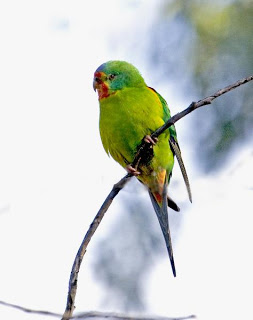
    The critically endangered swift parrot (Lathamus discolor) could become extinct within less than two decades, says a new study published online in the journal Biological Conservation. The bird breeds only in Tasmania, and migrates to mainland Australia in autumn, undertaking the longest migration of any parrot species in the world. The breeding range is always within eight km of the coast, largely restricted to an area of less than 500 sq. km. During the breeding season, nectar from the flowers of Tasmanian blue gum is the principal food source. During the non-breeding period, swift parrots feed extensively on nectar and lerp and other items from eucalypt foliage. The bird also eats psyllid insects and lerps, seeds and fruit. The new five-year study discovered that swift parrots move between different areas of Tasmania each year to breed, depending on where food is available. “Swift parrots are in far worse trouble than anybody previously thought. Everyone, including foresters, environmentalists and members of the public will be severely affected if they go extinct,” said Prof Robert Heinsohn of the Australian National University, who is the lead author on the study. Prof Heinsohn and co-authors predicted that the population of the swift parrots will halve every four years, with a possible decline of 94.7 per cent over 16 years.

    The critically endangered swift parrot (Lathamus discolor) could become extinct within less than two decades, says a new study published online in the journal Biological Conservation. The bird breeds only in Tasmania, and migrates to mainland Australia in autumn, undertaking the longest migration of any parrot species in the world. The breeding range is always within eight km of the coast, largely restricted to an area of less than 500 sq. km. During the breeding season, nectar from the flowers of Tasmanian blue gum is the principal food source. During the non-breeding period, swift parrots feed extensively on nectar and lerp and other items from eucalypt foliage. The bird also eats psyllid insects and lerps, seeds and fruit. The new five-year study discovered that swift parrots move between different areas of Tasmania each year to breed, depending on where food is available. “Swift parrots are in far worse trouble than anybody previously thought. Everyone, including foresters, environmentalists and members of the public will be severely affected if they go extinct,” said Prof Robert Heinsohn of the Australian National University, who is the lead author on the study. Prof Heinsohn and co-authors predicted that the population of the swift parrots will halve every four years, with a possible decline of 94.7 per cent over 16 years.

    Source: Apr 3, 2015 by Sci-News.com
    http://www.sci-news.com/biology/science-tasmanian-swift-parrot-brink-extinction-02664.html

  • Herring decline threatens fragile seabird populations, biologist says

    Herring decline threatens fragile seabird populations, biologist says

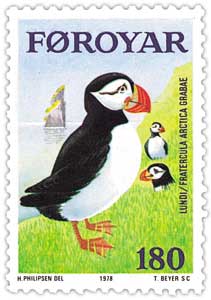
    A seabird biologist says the sharp decline in Bay of Fundy herring stocks is affecting fragile bird breeds on Machias Seal Island and could threaten the populations. Tony Diamond, who has been researching birds there since 1995, is calling on the federal government to study what is happening to the herring. “If the reduction in the amount of herring in the Bay of Fundy continues, then the prediction is that the adult survival of [Atlantic] puffins will decline. And that will have a negative effect on the viability of the population,” he said. The island, located about 20 kilometres southwest of Grand Manan, is an international attraction known for its breeding populations of Atlantic puffins, razorbill auks, Arctic terns, and common terms. Fifteen years ago, the diet puffins and razorbills were feeding their chicks was predominantly made up of juvenile herring, said Diamond. “Herring is the richest source of calories of any of the prey items. So the calories, the amount of energy per gram of prey, is greatest in herring. It’s much greater than in hake, which is the alternative food item,” he said. His observations coincide with a near total collapse in the herring weir fishery in the bay. Over the past three decades, annual herring weir catches averaged 20,000 tonnes in the Bay of Fundy, according to Grand Manan Fishermen’s Association. But in 2013, the latest figures available, the total catch dropped to about 6,000 tonnes. In 2012, less than 500 tonnes was landed. Earlier this month, the fishermen’s association called on the federal government to study what is causing the decline in herring stocks.

    A seabird biologist says the sharp decline in Bay of Fundy herring stocks is affecting fragile bird breeds on Machias Seal Island and could threaten the populations. Tony Diamond, who has been researching birds there since 1995, is calling on the federal government to study what is happening to the herring. “If the reduction in the amount of herring in the Bay of Fundy continues, then the prediction is that the adult survival of [Atlantic] puffins will decline. And that will have a negative effect on the viability of the population,” he said. The island, located about 20 kilometres southwest of Grand Manan, is an international attraction known for its breeding populations of Atlantic puffins, razorbill auks, Arctic terns, and common terms. Fifteen years ago, the diet puffins and razorbills were feeding their chicks was predominantly made up of juvenile herring, said Diamond. “Herring is the richest source of calories of any of the prey items. So the calories, the amount of energy per gram of prey, is greatest in herring. It’s much greater than in hake, which is the alternative food item,” he said. His observations coincide with a near total collapse in the herring weir fishery in the bay. Over the past three decades, annual herring weir catches averaged 20,000 tonnes in the Bay of Fundy, according to Grand Manan Fishermen’s Association. But in 2013, the latest figures available, the total catch dropped to about 6,000 tonnes. In 2012, less than 500 tonnes was landed. Earlier this month, the fishermen’s association called on the federal government to study what is causing the decline in herring stocks.

    Source:
    CBC News, 23 March 2015
    http://www.cbc.ca/news/canada/new-brunswick/herring-decline-threatens-fragile-seabird-populations-biologist-says-1.3006080

  • Concentrations of clothianidin as low as 1 part per billion are harmful to monarch butterfly caterpillars

    Concentrations of clothianidin as low as 1 part per billion are harmful to monarch butterfly caterpillars

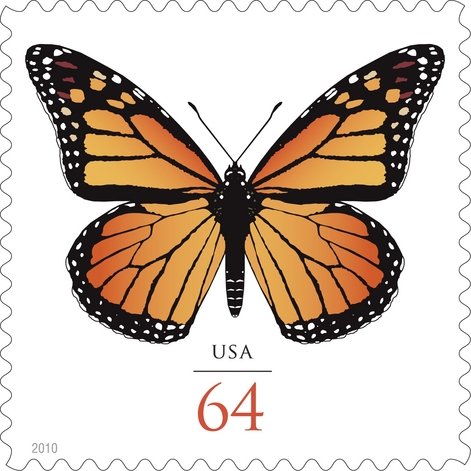
    New research has identified the neonicotinoid insecticide clothianidin as a likely contributor to monarch butterfly declines in North America. The research, published on April 3rd 2015, identifies concentrations of clothianidin as low as 1 part per billion as harmful to monarch butterfly caterpillars. These concentrations of clothianidin were found in the populations of milkweeds sampled by the researchers. Previously, no research had been done on neonicotinoids and butterflies and therefore this is the first report of neonicotinoids affecting monarchs or any other butterflies. The research was conducted in Brookings, South Dakota and is published in the journal Science and Nature (Springer).

    New research has identified the neonicotinoid insecticide clothianidin as a likely contributor to monarch butterfly declines in North America. The research, published on April 3rd 2015, identifies concentrations of clothianidin as low as 1 part per billion as harmful to monarch butterfly caterpillars. These concentrations of clothianidin were found in the populations of milkweeds sampled by the researchers. Previously, no research had been done on neonicotinoids and butterflies and therefore this is the first report of neonicotinoids affecting monarchs or any other butterflies. The research was conducted in Brookings, South Dakota and is published in the journal Science and Nature (Springer).

    Source: Independent Science News, April 2015
    http://www.independentsciencenews.org/#article/1984

  • Oppervlaktewaterverontreiniging met neonicotinoiden bedreigt de vlokreeft, een belangrijk voedselorganisme voor bijna alle vissoorten

    Oppervlaktewaterverontreiniging met neonicotinoiden bedreigt de vlokreeft, een belangrijk voedselorganisme voor bijna alle vissoorten

    Het Tjeukemeer is een van de grootste meren in Friesland. Het water staat via spuisluizen in indirecte verbinding met het IJsselmeer, zodat gedurende het late voorjaar en in de zomer IJsselmeerwater kan worden ingelaten. In de winter fungeert het meer als afwateringsgebied voor een groot gedeelte van Zuid-Oost Friesland. Dankzij de regelmatig uitgevoerde sleepnetbemonsteringen is er een redelijk goed beeld verkregen van de relatieve aantallen van 8 algemene vissoorten namelijk: Paling (Anguilla anguilla). Brasem (Abramis brama), Kolblei (Blicca bfoerkna). Blankvoorn Rutilus rutilus). Spiering (Osmerus eperlanus). Snoekbaars (Stizostedion lucioperca). Baars (Perca fluviatilis) en Pos (Gymnocephalus cernua). Hiervan is Brasem verreweg de meest voorkomende vis. De Paling neemt na 1983 sterk af. Tussen 1973 en 1980 nemen vooral Baars en Pos sterk in aantal af. De vlokreeft (Gammarus tigrinus) is een belangrijk voedselorganisme voor bijna alle vissoorten in het meer. Deze vlokreeftensoort is na 1979 enorm in aantal gedaald. Deze achteruitgang is ongetwijfeld van invloed geweest op de visfauna.

    Het Tjeukemeer is een van de grootste meren in Friesland. Het water staat via spuisluizen in indirecte verbinding met het IJsselmeer, zodat gedurende het late voorjaar en in de zomer IJsselmeerwater kan worden ingelaten. In de winter fungeert het meer als afwateringsgebied voor een groot gedeelte van Zuid-Oost Friesland. Dankzij de regelmatig uitgevoerde sleepnetbemonsteringen is er een redelijk goed beeld verkregen van de relatieve aantallen van 8 algemene vissoorten namelijk: Paling (Anguilla anguilla). Brasem (Abramis brama), Kolblei (Blicca bfoerkna). Blankvoorn Rutilus rutilus). Spiering (Osmerus eperlanus). Snoekbaars (Stizostedion lucioperca). Baars (Perca fluviatilis) en Pos (Gymnocephalus cernua). Hiervan is Brasem verreweg de meest voorkomende vis. De Paling neemt na 1983 sterk af. Tussen 1973 en 1980 nemen vooral Baars en Pos sterk in aantal af. De vlokreeft (Gammarus tigrinus) is een belangrijk voedselorganisme voor bijna alle vissoorten in het meer. Deze vlokreeftensoort is na 1979 enorm in aantal gedaald. Deze achteruitgang is ongetwijfeld van invloed geweest op de visfauna.

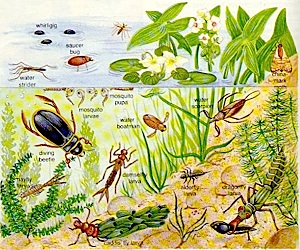
    Vlokreeften zijn enorm gevoelig voor oppervlaktewaterverontreiniging met neonicotinoide insecticiden. Gammarus pulex heeft een (48-uur) LC50 van 3.1 ppm imidacloprid, en G. kischineffensis een (48-uur) LC50 van 23.5 ppm thiamethoxam, en de giftigheid van de stoffen wordt versterkt door de blootstellingstijd, zodat zeer geringe concentraties op termijn een dodelijke werking hebben. De toxiciteit voor vlokreeften wordt beschreven door de Druckrey–Küpfmüller vergelijking ct^n = constant (c = blootstellingsconcentratie en t = blootstellingsduur tot intrede dodelijke werking, waarbij n>1).

    Tessa van Dijk, Marja van Staalduinen en Jeroen van der Sluijs, verbonden aan het Copernicus Instituut voor duurzame ontwikkeling van de UU, maakten gebruik van het feit dat Nederlandse waterbeheerders periodiek de hoeveelheid invertebraten in het oppervlaktewater tellen, en tevens de pesticideconcentraties monitoren. Ze hoefden ‘alleen maar’ beide datasets naast elkaar te leggen om te constateren dat de imidaclopridconcentratie omgekeerd evenredig is aan de faunarijkdom.

    De relatie is statistisch gezien significant voor Amphipoda (vlokreeften), Diptera (vliegen en muggen), Ephemeroptera (haften), Isopoda (pissebedden) and Basommatophora (slakken). De onderzoekers concluderen tevens dat de gemeten imidaclopridconcentraties vaak ver boven de milieukwaliteitsnormen zitten, als gevolg van jarenlang intensief pesticidengebruik in de landbouw. Zeker het maximaal toelaatbaar risiconiveau (MTR), dat voor imidacloprid is vastgelegd op 13 ng/l, wordt heel vaak overschreden, terwijl je zelfs bij die concentratie al merkt dat sommige diersoorten achteruit gaan.
    Bronnen:
    Henrik de Nie & Eddy Lammens (1988). De Levende Natuur 89, 144-150
    Francisco Sánchez-Bayo, persoonlijke correspondentie
    C2W, 2 mei 2013
    http://www.c2w.nl/neonicotinoiden-erger-dan-gedacht.322385.lynkx

  • The toxicological effects of thiamethoxam on Gammarus kischineffensis follow the Druckrey-Küpfmüller equation

    The toxicological effects of thiamethoxam on Gammarus kischineffensis follow the Druckrey-Küpfmüller equation

    Neonicotinoids are a new group of insecticides, and little is known about their toxicity to nontarget freshwater organisms an potential effects on freshwater ecosystems. The aim of this study is to establish the acute toxicity and histopathological effects of thiamethoxam-based pesticide on the gill tissue of Gammarus kischineffensis. In this study G. kischineffensis samples were exposed to 2.5, 5, 7.5, 10, 15, 20, 25, 30, 35, 40, 45, 50, 60, 70, 80, 90 and 100 mg/l of commercial grade thiamethoxam for 96 h. The 24, 48, 72 and 96 h LC50 values were determined as 75.619, 23.505, 8.048 and 3.751 mg/l respectively. In histopathological study the individuals were exposed to 0.004, 0.04 and 0.4 mg/l thiamethoxam concentrations for 14 days. The results showed that the most common changes at all doses of thiamethoxam were vacuolization and hemostatic infiltration in the gill tissue of G. kischineffensis.

    Neonicotinoids are a new group of insecticides, and little is known about their toxicity to nontarget freshwater organisms an potential effects on freshwater ecosystems. The aim of this study is to establish the acute toxicity and histopathological effects of thiamethoxam-based pesticide on the gill tissue of Gammarus kischineffensis. In this study G. kischineffensis samples were exposed to 2.5, 5, 7.5, 10, 15, 20, 25, 30, 35, 40, 45, 50, 60, 70, 80, 90 and 100 mg/l of commercial grade thiamethoxam for 96 h. The 24, 48, 72 and 96 h LC50 values were determined as 75.619, 23.505, 8.048 and 3.751 mg/l respectively. In histopathological study the individuals were exposed to 0.004, 0.04 and 0.4 mg/l thiamethoxam concentrations for 14 days. The results showed that the most common changes at all doses of thiamethoxam were vacuolization and hemostatic infiltration in the gill tissue of G. kischineffensis.

    Source:
    Pelin Uğurlu, Erhan Ünlü, Elif İpek Satar. Environmental Toxicology and Pharmacology
    Volume 39, Issue 2, March 2015, Pages 720–726
    http://www.sciencedirect.com/science/article/pii/S1382668915000307