Auteur: Henk Tennekes

  • Unique field study shows that pesticide harms wild bees

    Unique field study shows that pesticide harms wild bees

    For the first time, a research project has investigated how a neonicotinoid pesticide, clothianidin, affects both honeybees and wild bees under field conditions in agricultural landscapes. The study shows that honeybees can cope with exposure to the pesticide, but that it has a strong negative impact on wild bees. The researchers, from Lund University and Swedish University of Agricultural Sciences, in collaboration with the Swedish Board of Agriculture, have investigated how the neonicotinoid clothianidin affects domesticated and wild bees under Swedish field conditions. The research findings have now been published in the scientific journal Nature, and they show that the insecticide has a negative impact on wild bees. This is severe, because wild bees play an important role in pollination of crops. Wild bees are in Sweden bumblebees and solitary bees. “We saw a clear negative impact on growth and reproduction in bumblebee colonies near treated oilseed rape fields”, said Maj Rundlöf from Lund University, the coordinator and principal investigator for the field study.

    For the first time, a research project has investigated how a neonicotinoid pesticide, clothianidin, affects both honeybees and wild bees under field conditions in agricultural landscapes. The study shows that honeybees can cope with exposure to the pesticide, but that it has a strong negative impact on wild bees. The researchers, from Lund University and Swedish University of Agricultural Sciences, in collaboration with the Swedish Board of Agriculture, have investigated how the neonicotinoid clothianidin affects domesticated and wild bees under Swedish field conditions. The research findings have now been published in the scientific journal Nature, and they show that the insecticide has a negative impact on wild bees. This is severe, because wild bees play an important role in pollination of crops. Wild bees are in Sweden bumblebees and solitary bees. “We saw a clear negative impact on growth and reproduction in bumblebee colonies near treated oilseed rape fields”, said Maj Rundlöf from Lund University, the coordinator and principal investigator for the field study.

    Source: Press release LUND University, 20 April 2015
    Link to article in Nature: http://nature.com/articles/doi:10.1038/nature14420
    Link to video material about the study: https://youtu.be/PPI-R43_B3k

  • De Patrijs legt het loodje op het eiland Ijsselmonde door oppervlaktewaterverontreiniging met imidacloprid

    De Patrijs legt het loodje op het eiland Ijsselmonde door oppervlaktewaterverontreiniging met imidacloprid

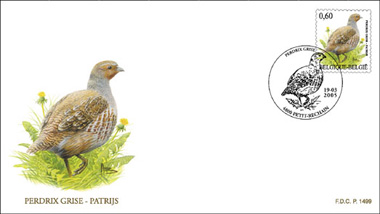
    IJsselmonde is een eiland (streek) in de Maasdelta, omsloten door de Nieuwe Maas in het noorden, de Oude Maas in het zuiden en de Noord in het oosten. Sinds 2013 wordt het gehele eiland IJsselmonde weer geïnventariseerd op de winter- en broedvogels. Hiermee dragen de leden van de vogelwerkgroep bij aan de landelijke Vogelatlas (http://www.vogelatlas.nl). Eén van de opvallende zaken is de enorme achteruitgang van de Patrijs Perdix perdix. Er zijn nauwelijks meer paartjes gevonden op het eiland. Patrijzen eten zowel plantaardig als dierlijk voedsel, maar de jongen leven de eerste weken louter van insecten en ander klein gedierte. Er zijn sterke aanwijzingen dat een verminderd insectenaanbod als gevolg van het gebruik van insecticiden er de oorzaak van is dat de overleving van kuikens te gering is om de patrijzen populaties op niveau te kunnen houden. De jarenlange sterke verontreiniging van het oppervlaktewater met imidacloprid in de regio Rotterdam vormt een enorme bedreiging voor insecten waarvan de jonge patrijs afhankelijk is. Zo verdwijnt een akkervogel die tot ver in de 20e eeuw een algemene broedvogel was, met een populatie van naar schatting enkele honderdduizenden broedparen. Volgens de Vogelbescherming is de populatie sinds 1980 met 95% geslonken.

    IJsselmonde is een eiland (streek) in de Maasdelta, omsloten door de Nieuwe Maas in het noorden, de Oude Maas in het zuiden en de Noord in het oosten. Sinds 2013 wordt het gehele eiland IJsselmonde weer geïnventariseerd op de winter- en broedvogels. Hiermee dragen de leden van de vogelwerkgroep bij aan de landelijke Vogelatlas (http://www.vogelatlas.nl). Eén van de opvallende zaken is de enorme achteruitgang van de Patrijs Perdix perdix. Er zijn nauwelijks meer paartjes gevonden op het eiland. Patrijzen eten zowel plantaardig als dierlijk voedsel, maar de jongen leven de eerste weken louter van insecten en ander klein gedierte. Er zijn sterke aanwijzingen dat een verminderd insectenaanbod als gevolg van het gebruik van insecticiden er de oorzaak van is dat de overleving van kuikens te gering is om de patrijzen populaties op niveau te kunnen houden. De jarenlange sterke verontreiniging van het oppervlaktewater met imidacloprid in de regio Rotterdam vormt een enorme bedreiging voor insecten waarvan de jonge patrijs afhankelijk is. Zo verdwijnt een akkervogel die tot ver in de 20e eeuw een algemene broedvogel was, met een populatie van naar schatting enkele honderdduizenden broedparen. Volgens de Vogelbescherming is de populatie sinds 1980 met 95% geslonken.

    Bron: De Schakel Barendrecht, 22 maart 2015
    http://www.deschakelbarendrecht.nl/nieuws/regionaal/patrijs-dreigt-te-verdwijnen-van-het-eiland-ijsselmonde/2/2167

  • Northern Spotted Owl Continues to Decline

    Northern Spotted Owl Continues to Decline

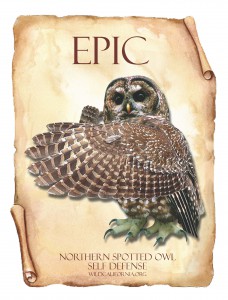
    The status of the Northern Spotted Owl (Strix occidentalis caurina) will be reviewed under the Endangered Species Act, a decision which could lead to uplisting of the Threatened subspecies to Endangered, a change supported by American Bird Conservancy. “American Bird Conservancy appreciates that the U.S. Fish and Wildlife Service is taking this action to help reverse the Northern Spotted Owl’s spiral toward extinction” said Steve Holmer, senior policy advisor for American Bird Conservancy. Long-term demography studies which make up the federal government’s monitoring program for the species show that in 2013 populations in all eight study areas were in decline and well below historic averages for both total numbers and breeding success. “In the Tyee demographic study area near Roseburg, Oregon, the population has seen a severe drop in the last five years; only 29 owl pairs were found in 2013 compared to 66 pairs ten years ago,” said Holmer. “The number of females nesting has decreased, as has the average number of offspring.” The Tyee researchers concluded that “the last three years of reproduction have been the lowest on record and resulted in the fewest number of young produced.”

    The status of the Northern Spotted Owl (Strix occidentalis caurina) will be reviewed under the Endangered Species Act, a decision which could lead to uplisting of the Threatened subspecies to Endangered, a change supported by American Bird Conservancy. “American Bird Conservancy appreciates that the U.S. Fish and Wildlife Service is taking this action to help reverse the Northern Spotted Owl’s spiral toward extinction” said Steve Holmer, senior policy advisor for American Bird Conservancy. Long-term demography studies which make up the federal government’s monitoring program for the species show that in 2013 populations in all eight study areas were in decline and well below historic averages for both total numbers and breeding success. “In the Tyee demographic study area near Roseburg, Oregon, the population has seen a severe drop in the last five years; only 29 owl pairs were found in 2013 compared to 66 pairs ten years ago,” said Holmer. “The number of females nesting has decreased, as has the average number of offspring.” The Tyee researchers concluded that “the last three years of reproduction have been the lowest on record and resulted in the fewest number of young produced.”

    Monitoring in northwestern California found that over the past five years, owl detections have decreased 30 percent. In Oregon’s Coast Range study area, the percentage of sites with spotted owl detection has declined from a high of 88 percent in 1991 to a low of 23 percent in 2013. For three consecutive years no sub-adult owls were seen.

    The Environmental Protection Information Center (EPIC) submitted a reclassification petition for the northern spotted owl to the U.S. Fish and Wildlife Service on August 15, 2012.

    The northern spotted owl primarily inhabits old growth forests in the northern part of its range (Canada to southern Oregon) and landscapes with a mix of old and younger forest types in the southern part of its range (Klamath region and California). The species’ range is the Pacific coast from extreme southern British Columbia to Marin County in northern California. It nests in cavities or on platforms in large trees and will use abandoned nests of other species. The northern spotted owl is primarily nocturnal. Its diet consists mainly of wood rats (Neotoma sp.) and flying squirrels, although it will also eat other small mammals, reptiles, birds and insects.

    Sources:
    American Bird Conservancy, April 7, 2015
    http://www.abcbirds.org/newsandreports/releases/150407.html
    Wikipedia
    http://en.wikipedia.org/wiki/Northern_spotted_owl

  • Umweltbundesamt macht die Landwirtschaft für den schlechten Zustand unserer Böden, des Grundwassers und der biologischen Vielfalt verantwortlich

    Umweltbundesamt macht die Landwirtschaft für den schlechten Zustand unserer Böden, des Grundwassers und der biologischen Vielfalt verantwortlich

    Warum verlieren wir jedes Jahr weltweit 24 Milliarden Tonnen fruchtbaren Boden? Welche Landwirtschaft brauchen wir, um unsere Böden langfristig gesund zu erhalten? Um solche Fragen zu diskutieren, treffen sich vom 19. bis zum 23. April 2015 mehr als 450 Teilnehmer aus Politik Forschung und Praxis auf der 3. Global Soil Week in Berlin. Dazu passend veröffentlichte das Umweltbundesamt (UBA) jüngst einen aufrüttelnden Hintergrundbericht zur Landwirtschaft in Deutschland – und deren Folgen für die Böden. Der Tenor: Stickstoff, Phosphor, Schwermetalle – unsere Landwirte holen zwar das Mögliche aus den Böden heraus. Aber sie tun es nicht nachhaltig. Der übermäßige Einsatz von Mineraldüngern, Gülle und Pestiziden macht die Böden auf Dauer krank. Und schädigt auch das Grundwasser, das Klima und die Artenvielfalt auf den Feldern.

    Warum verlieren wir jedes Jahr weltweit 24 Milliarden Tonnen fruchtbaren Boden? Welche Landwirtschaft brauchen wir, um unsere Böden langfristig gesund zu erhalten? Um solche Fragen zu diskutieren, treffen sich vom 19. bis zum 23. April 2015 mehr als 450 Teilnehmer aus Politik Forschung und Praxis auf der 3. Global Soil Week in Berlin. Dazu passend veröffentlichte das Umweltbundesamt (UBA) jüngst einen aufrüttelnden Hintergrundbericht zur Landwirtschaft in Deutschland – und deren Folgen für die Böden. Der Tenor: Stickstoff, Phosphor, Schwermetalle – unsere Landwirte holen zwar das Mögliche aus den Böden heraus. Aber sie tun es nicht nachhaltig. Der übermäßige Einsatz von Mineraldüngern, Gülle und Pestiziden macht die Böden auf Dauer krank. Und schädigt auch das Grundwasser, das Klima und die Artenvielfalt auf den Feldern.

    Beispiel Stickstoff: Die Landwirtschaft ist mit 57 Prozent die bei weitem größte Quelle von Stickstoff in der Umwelt. Und jedes Jahr werden pro Hektar durchschnittlich 97 Kilogramm mehr auf die Äcker gebracht als die Pflanzen aufnehmen können.

    “Insgesamt ist die intensive Landwirtschaft zu einem der Hauptverursacher für Umwelteinträge verschiedener Stoffe wie Stickstoff, Phosphor, Pflanzenschutzmittel und Schwermetalle in die Umwelt und deren Auswirkungen auf die Vielfalt der Lebensgemeinschaften in der Agrarlandschaft geworden. Sie ist verantwortlich dafür, dass rechtlich verbindliche Umweltqualitätsziele nicht erreicht wurden und werden. Die derzeitige Entwicklung lässt auch nicht erkennen, dass eine baldige Trendumkehr zu erwarten wäre“, bemängeln die Autoren in ungewöhnlich scharfer Form.

    Auch das in der Nationalen Biodiversitätsstrategie festgelegte Ziel, den Artenschwund in der Agrarlandschaft bis 2020 (ursprünglich: 2010) zu stoppen, scheint demnach in Frage gestellt.

    Um die Umweltbelastungen zu reduzieren, fordern die Autoren einen effizienteren Einsatz von Düngemitteln und Pestiziden. Und eine verstärkte Förderung der ökologischen Landwirtschaft, die etwa durch den Verzicht auf Mineraldünger und chemisch-synthetische Pestizide und die Flächenbindung bei der Tierhaltung die Umwelt entlaste.

    Die Nachfrage nach Bio-Lebensmitteln wachse stetig, nicht jedoch die Flächen, auf denen in Deutschland nach den Richtlinien des Ökolandbaus gewirtschaftet werde. Hier, so die Autoren, müsse die Politik Anreize schaffen. “Viele Landwirte sind nur dann bereit auf eine ökologische Wirtschaftsweise umzustellen, wenn die Förderung ausreicht und verlässlich ist. Hierfür sollten entsprechende Anreize gesetzt und für Planungssicherheit gesorgt werden. Je schneller dies geschieht, desto früher lässt sich das in der Nachhaltigkeitsstrategie der Bundesregierung formulierte Ziel umsetzen, die Ökolandbaufläche in Deutschland auf 20 Prozent der landwirtschaftlich genutzten Fläche auszudehnen”, heißt es in dem Hintergrundpapier.
    Quelle: GEO, 16.04.2015
    http://www.geo.de/GEO/natur/oekologie/nachhaltigkeit-landwirtschaft-belastet-boeden-80375.html

  • U.S. Amphibian Populations Declining at Precipitous Rates

    U.S. Amphibian Populations Declining at Precipitous Rates

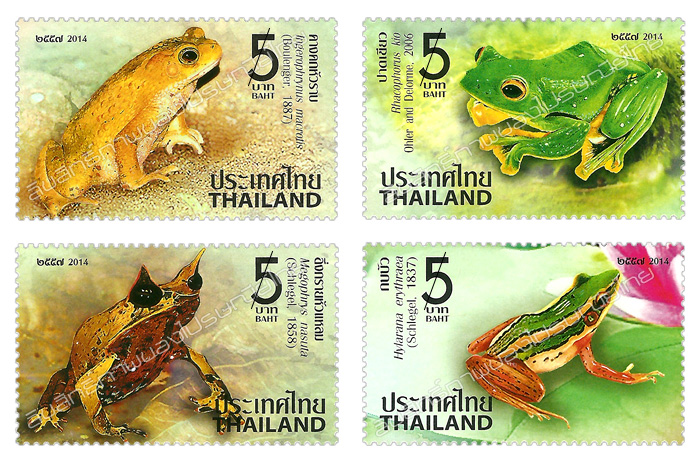
    The first-ever estimate of how fast frogs, toads and salamanders in the United States are disappearing from their habitats reveals they are vanishing at an alarming and rapid rate. According to the study released today in the scientific journal PLOS ONE, even the species of amphibians presumed to be relatively stable and widespread are declining. And these declines are occurring in amphibian populations everywhere, from the swamps in Louisiana and Florida to the high mountains of the Sierras and the Rockies. The study by USGS scientists and collaborators concluded that U.S. amphibian declines may be more widespread and severe than previously realized, and that significant declines are notably occurring even in protected national parks and wildlife refuges.” Amphibians have been a constant presence in our planet’s ponds, streams, lakes and rivers for 350 million years or so, surviving countless changes that caused many other groups of animals to go extinct,” said USGS Director Suzette Kimball. “This is why the findings of this study are so noteworthy; they demonstrate that the pressures amphibians now face exceed the ability of many of these survivors to cope.” On average, populations of all amphibians examined vanished from habitats at a rate of 3.7 percent each year. If the rate observed is representative and remains unchanged, these species would disappear from half of the habitats they currently occupy in about 20 years.

    The first-ever estimate of how fast frogs, toads and salamanders in the United States are disappearing from their habitats reveals they are vanishing at an alarming and rapid rate. According to the study released today in the scientific journal PLOS ONE, even the species of amphibians presumed to be relatively stable and widespread are declining. And these declines are occurring in amphibian populations everywhere, from the swamps in Louisiana and Florida to the high mountains of the Sierras and the Rockies. The study by USGS scientists and collaborators concluded that U.S. amphibian declines may be more widespread and severe than previously realized, and that significant declines are notably occurring even in protected national parks and wildlife refuges.” Amphibians have been a constant presence in our planet’s ponds, streams, lakes and rivers for 350 million years or so, surviving countless changes that caused many other groups of animals to go extinct,” said USGS Director Suzette Kimball. “This is why the findings of this study are so noteworthy; they demonstrate that the pressures amphibians now face exceed the ability of many of these survivors to cope.” On average, populations of all amphibians examined vanished from habitats at a rate of 3.7 percent each year. If the rate observed is representative and remains unchanged, these species would disappear from half of the habitats they currently occupy in about 20 years.

    The more threatened species, considered “Red-Listed” in an assessment by the global organization International Union for Conservation of Nature, disappeared from their studied habitats at a rate of 11.6 percent each year. If the rate observed is representative and remains unchanged, these Red-Listed species would disappear from half of the habitats they currently occupy in about six years.

    “Even though these declines seem small on the surface, they are not,” said USGS ecologist Michael Adams, the lead author of the study. “Small numbers build up to dramatic declines with time. We knew there was a big problem with amphibians, but these numbers are both surprising and of significant concern.”

    For nine years, researchers looked at the rate of change in the number of ponds, lakes and other habitat features that amphibians occupied. In lay terms, this means that scientists documented how fast clusters of amphibians are disappearing across the landscape.

    In all, scientists analyzed nine years of data from 34 sites spanning 48 species. The analysis did not evaluate causes of declines.

    The research was done under the auspices of the USGS Amphibian Research and Monitoring Initiative, which studies amphibian trends and causes of decline. This unique program, known as ARMI, conducts research to address local information needs in a way that can be compared across studies to provide analyses of regional and national trends.

    Brian Gratwicke, amphibian conservation biologist with the Smithsonian Conservation Biology Institute, said, “This is the culmination of an incredible sampling effort and cutting-edge analysis pioneered by the USGS, but it is very bad news for amphibians. Now, more than ever, we need to confront amphibian declines in the U.S. and take actions to conserve our incredible frog and salamander biodiversity.”

    The study offered other surprising insights. For example, declines occurred even in lands managed for conservation of natural resources, such as national parks and national wildlife refuges.

    “The declines of amphibians in these protected areas are particularly worrisome because they suggest that some stressors – such as diseases, contaminants and drought – transcend landscapes,” Adams said. “The fact that amphibian declines are occurring in our most protected areas adds weight to the hypothesis that this is a global phenomenon with implications for managers of all kinds of landscapes, even protected ones.”

    Amphibians seem to be experiencing the worst declines documented among vertebrates, but all major groups of animals associated with freshwater are having problems, according to Adams. While habitat loss is a factor in some areas, other research suggests that things like disease, invasive species, contaminants and perhaps other unknown factors are related to declines in protected areas.

    “This study,” said Adams, “gives us a point of reference that will enable us to track what’s happening in a way that wasn’t possible before.”

    The publication, Trends in amphibian occupancy in the United States, is authored by Adams, M.J., Miller, D.A., Muths, E., Corn, P.S., Campbell Grant, E.H., Bailey, L., Fellers, G.M., Fisher, R.N., Sadinski, W.J., Waddle, H., and Walls, S.C., and is available to the public.

    Read a USGS blog, Front-row seats to climate change, about 3 other recent USGS amphibian studies. For more information about USGS amphibian research, visit http://armi.usgs.gov/

    Source: USGS Newsroom, 5/22/2013
    http://www.usgs.gov/newsroom/article.asp?ID=3597#.VTI2ciHtmko
  • Neonicotinoids exterminate the insectivores: almost one-third of the world’s amphibian species are threatened with extinction

    Neonicotinoids exterminate the insectivores: almost one-third of the world’s amphibian species are threatened with extinction

    With the world in the middle of what scientists are calling a sixth mass extinction, it appears that amphibians are being hit the hardest. Amphibian populations are declining at such an astonishing rate that a number of organizations are calling for immediate help. According to Save the Frogs, frog populations have been declining worldwide at unprecedented rates. Currently, almost one-third of the world’s amphibian species are threatened with extinction. The majority of the declines in population happening within the last 20 years. NZFrog, a frog conservation effort, notes that scientists have been studying the decline of amphibians over the years. However, instead of studying declines, scientists are now watching as these animals become extinct. “We have now moved into the phase of amphibian extinctions rather than studying amphibian declines and 32% of all amphibians are threatened with extinction. When a whole group of a particular type of animal starts to disappear then we need to worry. Amphibians play an essential part in the food web of life as top insectivores and prey to many other animals, and if you remove this important link then one can only guess about the ramifications, but there is no doubt that they will be serious.”

    With the world in the middle of what scientists are calling a sixth mass extinction, it appears that amphibians are being hit the hardest. Amphibian populations are declining at such an astonishing rate that a number of organizations are calling for immediate help. According to Save the Frogs, frog populations have been declining worldwide at unprecedented rates. Currently, almost one-third of the world’s amphibian species are threatened with extinction. The majority of the declines in population happening within the last 20 years. NZFrog, a frog conservation effort, notes that scientists have been studying the decline of amphibians over the years. However, instead of studying declines, scientists are now watching as these animals become extinct. “We have now moved into the phase of amphibian extinctions rather than studying amphibian declines and 32% of all amphibians are threatened with extinction. When a whole group of a particular type of animal starts to disappear then we need to worry. Amphibians play an essential part in the food web of life as top insectivores and prey to many other animals, and if you remove this important link then one can only guess about the ramifications, but there is no doubt that they will be serious.”

    The information regarding an impending amphibian extinction is not new. In fact, The Telegraph noted back in 2008 that over half of Europe’s amphibian species could be extinct by 2050. Naturalist Sir David Attenborough noted at that time that amphibians are the “lifeblood” of the environment and could have devastating effects all around should we be unable to save these dying species.

    “Amphibians are the lifeblood of many environments, playing key roles in the functions of ecosystems, and it is both extraordinary and terrifying that in just a few decades the world could lose half of all these species.”

    So what is causing the rapid decline in amphibian species? Save the Frogs says “amphibian populations are faced with an array of environmental problems, including pollution, infectious diseases, habitat loss, invasive species, climate change, and over-harvesting for the pet and food trades.” Scientists have noted that a fungus called Chytridiomycosis is to blame for a number of amphibian extinctions.

    “First identified in 1998, this potentially lethal skin disease is caused by the chytrid fungus Batrachochytrium dendrobatidis, which has been detected on at least 287 species of amphibians from 36 countries. Chytridiomycosis has caused amphibian population declines in Australia, South America, North America, Central America, New Zealand, Europe, and Africa, and is likely responsible for over 100 species extinctions since the 1970’s.”

    Some scientists believe that amphibians are more susceptible to the fungus due to weakened immune systems from local pollutants. Therefore, the issues surrounding the decline of amphibians is multi-fold. If left unchecked, the consequences could be devastating and amphibians could be a thing of the past.

    Read more at http://www.inquisitr.com/1718925/no-more-amphibians-amphibian-extinction-crisis-a-very-serious-concern-with-numbers-rapidly-declining/#cEo02tjZv3DhHaCK.99

  • Immer mehr Vogelarten sind gefährdet: Von rund 260 Brutvögelarten in Deutschland sind inzwischen 30 vom Aussterben bedroht

    Immer mehr Vogelarten sind gefährdet: Von rund 260 Brutvögelarten in Deutschland sind inzwischen 30 vom Aussterben bedroht

    Das Vogelsterben in Deutschland schreitet offenbar weiter voran. Wie die „Saarbrücker Zeitung“ berichtet, rechnet die Bundesregierung damit, dass insbesondere auf dem Land der Bestand der Brutvögelarten durch die starke Agrarwirtschaft weiter sinken wird. Das geht aus eine Antwort der Bundesregierung auf eine Anfrage der Grünen hervor, die der Zeitung vorliegt. Demnach sind von rund 260 Brutvögelarten in Deutschland inzwischen 30 vom Aussterben bedroht, darunter verschiedene Schwalbenarten, das Auerhuhn (Tetrao urogallus) oder die Uferschnepfe (Limosa limosa). Weitere 24 Arten wie das Rebhuhn (Perdix perdix) gelten als „stark gefährdet“, 14 wie der Baumfalke (Falco subbuteo) oder die Turteltaube (Streptopelia turtur) als „gefährdet“. Eine der wichtigsten Ursachen „für den Rückgang der Artenvielfalt“, so die Regierung, sei „die intensive landwirtschaftliche Nutzung“. Die Zahl der Vögel, die auf Äckern, Wiesen und Weiden brüte, werde daher weiter „im Bestand zurückggehen“.

    Das Vogelsterben in Deutschland schreitet offenbar weiter voran. Wie die „Saarbrücker Zeitung“ berichtet, rechnet die Bundesregierung damit, dass insbesondere auf dem Land der Bestand der Brutvögelarten durch die starke Agrarwirtschaft weiter sinken wird. Das geht aus eine Antwort der Bundesregierung auf eine Anfrage der Grünen hervor, die der Zeitung vorliegt. Demnach sind von rund 260 Brutvögelarten in Deutschland inzwischen 30 vom Aussterben bedroht, darunter verschiedene Schwalbenarten, das Auerhuhn (Tetrao urogallus) oder die Uferschnepfe (Limosa limosa). Weitere 24 Arten wie das Rebhuhn (Perdix perdix) gelten als „stark gefährdet“, 14 wie der Baumfalke (Falco subbuteo) oder die Turteltaube (Streptopelia turtur) als „gefährdet“. Eine der wichtigsten Ursachen „für den Rückgang der Artenvielfalt“, so die Regierung, sei „die intensive landwirtschaftliche Nutzung“. Die Zahl der Vögel, die auf Äckern, Wiesen und Weiden brüte, werde daher weiter „im Bestand zurückggehen“.

    Quelle: Saarbrücker Zeitung, 15.04.2015
    http://www.saarbruecker-zeitung.de/nachrichten/berliner_buero/art182516,5706257

  • Insecticides Pose Alarming Threats to Biodiversity of Global Agricultural Surface Waters

    Insecticides Pose Alarming Threats to Biodiversity of Global Agricultural Surface Waters

    A study performed at the Institute for Environmental Science of the University of Koblenz-Landau evaluated for the first time comprehensive global insecticide contamination data for agricultural surface waters using the legally-accepted regulatory threshold levels (RTLs) as defined during the official pesticide authorisation procedures. The results are alarming: more than 40% of the water-phase samples with a detection of an insecticide concentration, exceeded respective RTLs. Concerning the exposure of sediments (i.e., deposits at the bottom of the surface water bodies), more than 80% of the insecticide concentrations exceeded RTLs, which, however, often are less binding from a regulatory perspective. Overall, the results of this study indicate that insecticides pose substantial threats to the biodiversity of global agricultural surface waters and that the current regulatory risk assessment schemes and pesticide authorisation procedures fail to protect the aquatic environment.

    A study performed at the Institute for Environmental Science of the University of Koblenz-Landau evaluated for the first time comprehensive global insecticide contamination data for agricultural surface waters using the legally-accepted regulatory threshold levels (RTLs) as defined during the official pesticide authorisation procedures. The results are alarming: more than 40% of the water-phase samples with a detection of an insecticide concentration, exceeded respective RTLs. Concerning the exposure of sediments (i.e., deposits at the bottom of the surface water bodies), more than 80% of the insecticide concentrations exceeded RTLs, which, however, often are less binding from a regulatory perspective. Overall, the results of this study indicate that insecticides pose substantial threats to the biodiversity of global agricultural surface waters and that the current regulatory risk assessment schemes and pesticide authorisation procedures fail to protect the aquatic environment.

    The results of this study fundamentally challenge the current regulatory risk assessment procedures for pesticides and indicate threats to the freshwater biodiversity at the global scale. “Potential reasons for these findings are failures of current risk assessment procedures or farmers` non-adherence to pesticide application prescriptions“ says Ralf Schulz, one of the authors of this study. Fundamentally reforming global conventional agricultural systems and the adoption of promising approaches from organic farming are possible ways to meet the twin challenges of providing sufficient food for a growing human population and reversing the adverse impacts of agricultural pesticides on global ecosystems such as surface waters.

    The environmental risk assessment for pesticides, which is mandatorily conducted by regulatory agencies prior to their authorisation, is generally perceived as highly elaborated. These risk assessment procedures should ensure that the agricultural pesticide applications do not lead to unacceptable adverse effects on aquatic and terrestrial ecosystems or on the human health. During the authorisation procedure of a given pesticide, a specific concentration level (i.e., the RTL) is defined at which the ecological effects are considered to be acceptable, e.g., at which no unacceptable effects on the ecological integrity of surface waters and aquatic organisms are expected to occur. After a pesticide is authorised and in use, farmers must adhere to specific application prescriptions, e.g. a 20 m no-spray buffer zone next to a surface water body. These prescriptions should ensure that the RTL is not exceeded in the field. In essence, pesticide registration in the US or the EU is granted only if all risk assessment requirements are met and assuming that farmers adhere to the respective application prescriptions. However, it is important to note that the RTLs defined during the prospective pesticide authorisation procedures do not denote official water quality criteria as the regulatory risk assessment is based on the assumption that these RTL are never exceeded in the field due to the comprehensive risk assessment schemes and farmers application prescriptions.

    The meta-analysis performed by the researchers from the University Koblenz-Landau considered 28 insecticide compounds, of which the majority is currently authorised in the EU or the US, respectively, and it comprised in total 11,300 insecticide concentrations detected in more than 2,500 surface water sites located in 73 countries and that were reported between 1962 and 2012 in 838 peer-reviewed, scientific studies. Overall, 8,166 insecticide concentrations were detected in the water-phase and 3,134 in sediments of global water bodies. However, out of all 11,300 insecticide concentrations, more than 52% (5,915 cases, more than 68.5% of the surface water sites analysed) exceeded the RTL, in parts up to a factor of 10,000 and beyond. According to the authors, these findings indicate substantial threats to global surface waters as insecticide concentrations equalling the RTL (i.e., those considered still acceptable from a regulatory perspective) already led to a 30% reduction of freshwater biodiversity.

    The researchers from the University Koblenz-Landau list in their study several reasons why the actual situation in the field potentially is even worse: First, insecticide contamination data could be retrieved for only about 10% of global agricultural surface waters, which indicates that there is no scientific knowledge on the insecticide contamination of surface waters in large parts of the world, especially concerning Russia or large parts of South America. Moreover, insecticide concentrations in surface waters are very hard to detect as they occur even in highly contaminated surface waters only very briefly, i.e. only during a few days per year. However, due to the high toxicity of insecticides for aquatic organisms, these short-term peak concentrations, which occur repeatedly each year in agricultural surface waters, lead to substantial and long-lasting adverse effects on aquatic communities. Further on, in more than 80% of the samples that were analysed for various pesticide compounds, more than one, in some cases even up to 30 further pesticides were detected. Although the resulting adverse effects of these pesticide mixtures potentially are substantially higher compared to those of single compounds, they are, however, not considered in the regulatory risk assessment procedures. In general, aquatic organisms are highly susceptible already to insecticide surface water concentrations far below benchmark levels defined, for example, those for drinking water. However, as stated above, legally binding environmental quality criteria are available for only very few insecticide compounds.

    The study, that was just published in the scientific journal Proceedings of the National Academy of Sciences of the United States of America, evaluated also whether newer insecticide compounds pose lower risks to surface waters compared to older compounds. However, the opposite was true: Newer, increasingly used insecticides, such as pyrethroids, exceeded the regulatory threshold levels by even 66%, whereas the older and due to other environmental concerns currently banned or less frequently used organochlorine insecticide compounds, led to only 24% RTL exceedances. The authors conclude that the acute environmental risk for surface waters apparently even increased with the development of newer insecticide classes. In addition, the risks of insecticides for aquatic ecosystems are unacceptably high even in highly regulated countries such as the EU or the US although currently used major pesticide legislations were enforced in the regions already at the beginning of the 1990s. Moreover, an in-depth analysis showed that in less regulated countries (e.g., countries in Africa or Asia), 42% of the insecticide concentrations exceeded the RTL; surprisingly, this figure is only slightly lower (i.e., 40% RTL exceedances) in highly regulated countries such as the US, EU, Canada, Japan or Australia.

    Source: AZO Cleantech, April15, 2015
    http://www.azocleantech.com/news.aspx?newsID=21738

  • Henk Tennekes op Radio 1 over de problematiek met de neonicotinoïden

    Henk Tennekes op Radio 1 over de problematiek met de neonicotinoïden

    Het omstreden ‘bijengif’, dat in de landbouw wordt gebruikt, wordt mogelijk verboden. Staatssecretaris Dijksma maakt zich grote zorgen over het schadelijke middel. In Dit is de Nacht (NPO Radio 1) gaan we het ook hebben over bestrijdingsmiddelen. Dit doen we samen met Henk Tennekes, toxicoloog en de eerste klokkenluider die berichtte over het gevaar van de bestrijdingsmiddelen. Aan de telefoon Vera Greutink, blogger bij wroeten.nl en tuinsmakelijk.nl. Zij tuiniert zelf graag en doet dit op natuurlijke wijze. Luister mee naar de uitzending van 14 april 2015
    http://www.radio1.nl/item/283273-Gebruikt-u-bestrijdingsmiddelen-in-uw-tuin?.html

    Het omstreden ‘bijengif’, dat in de landbouw wordt gebruikt, wordt mogelijk verboden. Staatssecretaris Dijksma maakt zich grote zorgen over het schadelijke middel. In Dit is de Nacht (NPO Radio 1) gaan we het ook hebben over bestrijdingsmiddelen. Dit doen we samen met Henk Tennekes, toxicoloog en de eerste klokkenluider die berichtte over het gevaar van de bestrijdingsmiddelen. Aan de telefoon Vera Greutink, blogger bij wroeten.nl en tuinsmakelijk.nl. Zij tuiniert zelf graag en doet dit op natuurlijke wijze. Luister mee naar de uitzending van 14 april 2015
    http://www.radio1.nl/item/283273-Gebruikt-u-bestrijdingsmiddelen-in-uw-tuin?.html

  • Die Fledermaus-Bestände sind in den letzten 50 Jahren teilweise dramatisch zurück gegangen

    Die Fledermaus-Bestände sind in den letzten 50 Jahren teilweise dramatisch zurück gegangen

    21 Fledermausarten kommen in Baden-Württemberg vor, für 20 Arten gibt es auch Fortpflanzungsnachweise in Südwestdeutschland. In Wohngebieten sind vor allem die kleine Zwerg- und die viel größere Breitflügelfledermaus anzutreffen. Dort leben sie meist unbemerkt in Zwischendächern oder hinter Fassadenverkleidungen. Die Fledermaus-Bestände sind in den letzten 50 Jahren teilweise dramatisch zurück gegangen. Die Tiere haben kaum natürliche Feinde – dafür leiden sie umso mehr unter menschlichen Aktivitäten. Die intensive Landwirtschaft führt durch den massiven Insektizid- und Herbizideinsatz zu einem Rückgang der Insekten, der Nahrung der Fledermäuse. Fledermäuse sind auf naturnahe Wälder mit alten höhlenreichen Bäumen angewiesen. Auch hier gibt es Defizite, wobei naturnahe Waldbaukonzepte und Prozessschutzwälder in die richtige Richtung weisen. Weitere Rückgangsursache ist auch die direkte Vergiftung: Vergiftete Insekten oder mit Holzschutzmitteln behandeltes Holz mindern Lebenserwartung und Vermehrungsrate der Fledermäuse.

    21 Fledermausarten kommen in Baden-Württemberg vor, für 20 Arten gibt es auch Fortpflanzungsnachweise in Südwestdeutschland. In Wohngebieten sind vor allem die kleine Zwerg- und die viel größere Breitflügelfledermaus anzutreffen. Dort leben sie meist unbemerkt in Zwischendächern oder hinter Fassadenverkleidungen. Die Fledermaus-Bestände sind in den letzten 50 Jahren teilweise dramatisch zurück gegangen. Die Tiere haben kaum natürliche Feinde – dafür leiden sie umso mehr unter menschlichen Aktivitäten. Die intensive Landwirtschaft führt durch den massiven Insektizid- und Herbizideinsatz zu einem Rückgang der Insekten, der Nahrung der Fledermäuse. Fledermäuse sind auf naturnahe Wälder mit alten höhlenreichen Bäumen angewiesen. Auch hier gibt es Defizite, wobei naturnahe Waldbaukonzepte und Prozessschutzwälder in die richtige Richtung weisen. Weitere Rückgangsursache ist auch die direkte Vergiftung: Vergiftete Insekten oder mit Holzschutzmitteln behandeltes Holz mindern Lebenserwartung und Vermehrungsrate der Fledermäuse.

    Quelle: BUND Baden-Württemberg
    http://www.bund-bawue.de/themen-projekte/artenschutz/fledermaeuse/