Auteur: Henk Tennekes

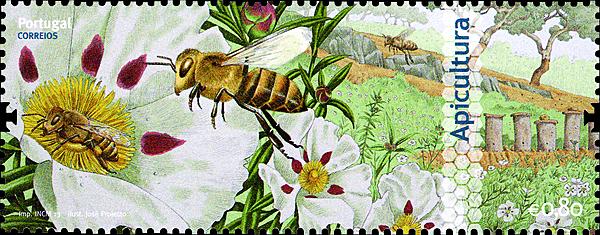
  • Die Berichte von Imkern in Luxemburg sind alamierend. Sie rechnen mit einem Bienensterben von bis zu 100 Prozent

    Die Berichte von Imkern in Luxemburg sind alamierend. Sie rechnen mit einem Bienensterben von bis zu 100 Prozent

    “Bei den Bienen sieht es in diesem Jahr sehr schlecht aus. In Luxemburg rechnet man zwischen 20 bis 100 Prozent Verluste. Viele kleine Imker haben keine Bienen mehr,” erklärt Imker Michel Collette am Donnerstagmorgen auf einer Pressekonferenz von “natur&ëmwelt” und Greenpeace. Noch gibt es keine offiziellen Zahlen, da die jährliche Zählung der Honigbienen noch nicht abgeschlossen sind. Die Berichte von Imkern aus Luxemburg sind aber “alarmierend”, heißt es auf der Pressekonferenz. “Ich bin seit über 50 Jahren Imker, aber ein Bienensterben wie in den letzten Jahren habe ich noch nie erlebt. Es gibt keine Brut und die Beuten (Bienenkiste) sind einfach leer.” Collette spricht von dramatischen Verlusten bei seinen Bienenvölkern über Winter.

    “Bei den Bienen sieht es in diesem Jahr sehr schlecht aus. In Luxemburg rechnet man zwischen 20 bis 100 Prozent Verluste. Viele kleine Imker haben keine Bienen mehr,” erklärt Imker Michel Collette am Donnerstagmorgen auf einer Pressekonferenz von “natur&ëmwelt” und Greenpeace. Noch gibt es keine offiziellen Zahlen, da die jährliche Zählung der Honigbienen noch nicht abgeschlossen sind. Die Berichte von Imkern aus Luxemburg sind aber “alarmierend”, heißt es auf der Pressekonferenz. “Ich bin seit über 50 Jahren Imker, aber ein Bienensterben wie in den letzten Jahren habe ich noch nie erlebt. Es gibt keine Brut und die Beuten (Bienenkiste) sind einfach leer.” Collette spricht von dramatischen Verlusten bei seinen Bienenvölkern über Winter.

    Quelle: Tageblatt, 30.04.15
    http://www.tageblatt.lu/nachrichten/story/23689206

  • The age at which forager bees are first sent out to gather food determines the health status of the bee hive

    The age at which forager bees are first sent out to gather food determines the health status of the bee hive

    Researchers in Western University’s Department of Applied Mathematics have found a red flag beekeepers may be able to use to more accurately determine the health of their hives: the age at which forager bees are first sent out to gather food. Published recently in peer-reviewed journal PLOS ONE, a new study by PhD candidate Matthew Betti suggests that honeybee colonies threatened by pesticides, disease, parasites or other external forces tend to panic and release foragers from the hive earlier than usual. Responsible for gathering enough food for the hive to prosper, if the young bees fail to survive, the colony, already facing a serious threat, can deteriorate even more quickly. Under normal conditions, Betti found forager bees leave the hive around 14-days-old, but that number is smaller under adverse conditions. “It’s like sending a teenager out into the world,” he said. “The human may survive but a nine-day old bee is not likely to make it.”

    Researchers in Western University’s Department of Applied Mathematics have found a red flag beekeepers may be able to use to more accurately determine the health of their hives: the age at which forager bees are first sent out to gather food. Published recently in peer-reviewed journal PLOS ONE, a new study by PhD candidate Matthew Betti suggests that honeybee colonies threatened by pesticides, disease, parasites or other external forces tend to panic and release foragers from the hive earlier than usual. Responsible for gathering enough food for the hive to prosper, if the young bees fail to survive, the colony, already facing a serious threat, can deteriorate even more quickly. Under normal conditions, Betti found forager bees leave the hive around 14-days-old, but that number is smaller under adverse conditions. “It’s like sending a teenager out into the world,” he said. “The human may survive but a nine-day old bee is not likely to make it.”

    Betti’s research and applied mathematics in general can offer an interesting perspective to the ongoing conversations about the plight of pollinators across the globe.

    Source: The Londoner, 30 April 2015
    http://www.thelondoner.ca/2015/04/30/how-math-can-help-us-understand-bee-colony-collapse

  • Neonics are turning bees into zombies by killing vital brain cells, leaving them unable to learn, gather food and reproduce

    Neonics are turning bees into zombies by killing vital brain cells, leaving them unable to learn, gather food and reproduce

    Scientists have reported that a certain class of pesticides is turning bees into zombies by killing vital brain cells, leaving them unable to learn, gather food and reproduce. In a research report published in the FASEB Journal, scientists report that a particular class of pesticides called “neonicotinoids” wreaks havoc on the bee populations, ultimately putting some crops that rely on pollination in jeopardy. Specifically, these pesticides kill bee brain cells, rendering them unable to function and survive. “Our study shows that the neonicotinoid pesticides are a risk to our bees and we should stop using them on plants that bees visit,” said Christopher N. Connolly, Ph.D., a researcher involved in the work from the Medical Research Institute at the Ninewells Medical School at the University of Dundee. To make their discovery, Connolly and colleagues fed bees a sugar solution with very low neonicotinoid pesticide levels typically found in flowers (2.5 parts per billion) and tracked the toxins to the bee brain. They found that pesticide levels in the bees’ brains were sufficient to cause the learning cells to run out of energy. Additionally, the brain cells were even vulnerable to this effect at just one tenth of the level present.

    Scientists have reported that a certain class of pesticides is turning bees into zombies by killing vital brain cells, leaving them unable to learn, gather food and reproduce. In a research report published in the FASEB Journal, scientists report that a particular class of pesticides called “neonicotinoids” wreaks havoc on the bee populations, ultimately putting some crops that rely on pollination in jeopardy. Specifically, these pesticides kill bee brain cells, rendering them unable to function and survive. “Our study shows that the neonicotinoid pesticides are a risk to our bees and we should stop using them on plants that bees visit,” said Christopher N. Connolly, Ph.D., a researcher involved in the work from the Medical Research Institute at the Ninewells Medical School at the University of Dundee. To make their discovery, Connolly and colleagues fed bees a sugar solution with very low neonicotinoid pesticide levels typically found in flowers (2.5 parts per billion) and tracked the toxins to the bee brain. They found that pesticide levels in the bees’ brains were sufficient to cause the learning cells to run out of energy. Additionally, the brain cells were even vulnerable to this effect at just one tenth of the level present.

    When the ability of the bee’s brain to learn is limited, the bee is unable to master key skills such as recognizing the presence of nectar and pollen from the smell emitted from flowers. In addition, scientists fed bumblebee colonies this same very low level of pesticide in a remote site in the Scottish Highlands where they were unlikely to be exposed to any other pesticides.

    They found that just a few of the exposed colonies performed well, colonies were smaller, and nests were in poor condition with fungus taking over. This further suggests that bumblebees exposed to this type of pesticide become poor learners, become unable to properly gather food, and become unable to properly nurture the next generation of bees.

    “It is ironic that neonicotinoids, pesticides developed to preserve the health of plants, ultimately inflict tremendous damage on plant life,” said Gerald Weissmann, M.D., Editor-in-Chief of The FASEB Journal. “These chemicals destroy the insect communities required by plants for their own reproduction.”

    Source: Click Green, 30 April 2015
    http://www.clickgreen.org.uk/research/data/125972-study-links-pesticide-use-to-dying-colonies-of-zombie-bees-.html

  • Surface water contamination with neonicotinoids could explain a serious decline in Lake Scugog’s walleye population since the 1990s

    Surface water contamination with neonicotinoids could explain a serious decline in Lake Scugog’s walleye population since the 1990s

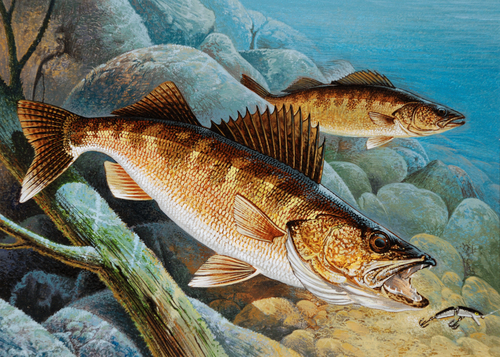
    A “serious decline” in Lake Scugog’s walleye population has prompted the Province to consider sweeping changes to future fishing seasons. The Ministry of Natural Resources and Forestry has put forward two proposed regulation options to address concerns about the dwindling number of walleye in Lake Scugog. While there was an abundance of walleye in the lake throughout the 1970s and 1980s, their numbers started to fall in the 1990s and continue to drop, says the ministry. “They’re not doing very well right now. They’ve declined over time,” said Ilsa Langis, a management biologist with the MNRF, on Monday, April 27. According to the ministry, “the walleye population in Lake Scugog is in serious decline with the population now at an extremely low level of abundance.” Long-term studies of Lake Scugog are showing that the walleye population is in decline and that juvenile walleye are particularly scarce. The young walleye begins to feed on invertebrates, such as fly larvæ and zooplankton. After 40 to 60 days, juvenile walleyes become piscivorous. Thenceforth, both juvenile and adult walleyes eat fish almost exclusively, frequently yellow perch or ciscoes, moving onto bars and shoals at night to feed. Walleye also feed heavily on crayfish, minnows, and leeches.

    A “serious decline” in Lake Scugog’s walleye population has prompted the Province to consider sweeping changes to future fishing seasons. The Ministry of Natural Resources and Forestry has put forward two proposed regulation options to address concerns about the dwindling number of walleye in Lake Scugog. While there was an abundance of walleye in the lake throughout the 1970s and 1980s, their numbers started to fall in the 1990s and continue to drop, says the ministry. “They’re not doing very well right now. They’ve declined over time,” said Ilsa Langis, a management biologist with the MNRF, on Monday, April 27. According to the ministry, “the walleye population in Lake Scugog is in serious decline with the population now at an extremely low level of abundance.” Long-term studies of Lake Scugog are showing that the walleye population is in decline and that juvenile walleye are particularly scarce. The young walleye begins to feed on invertebrates, such as fly larvæ and zooplankton. After 40 to 60 days, juvenile walleyes become piscivorous. Thenceforth, both juvenile and adult walleyes eat fish almost exclusively, frequently yellow perch or ciscoes, moving onto bars and shoals at night to feed. Walleye also feed heavily on crayfish, minnows, and leeches.

    Sources:
    Durhamregion.com, 30 April 2015
    http://www.durhamregion.com/news-story/5592498-declining-walleye-population-prompts-province-to-consider-c
    Wikipedia
    http://en.wikipedia.org/wiki/Walleye

  • Sinds het midden van de 20ste eeuw zijn bijna 500 soorten van inheemse wilde planten achteruit gegaan en meer dan 40 soorten zijn verdwenen

    Sinds het midden van de 20ste eeuw zijn bijna 500 soorten van inheemse wilde planten achteruit gegaan en meer dan 40 soorten zijn verdwenen

    De rode lijst voor planten heeft als bedoeling om bedreigde soorten te inventariseren. Eveneens is het de bedoeling om met bewust overheids- en semi overheidsbeleid, achteruitgang van planten te voorkomen. Sinds het midden van de 20ste eeuw zijn er namelijk bijna 500 soorten van de inheemse wilde plantensoorten minder geworden, waarvan er meer dan 40 soorten verdwenen zijn. Om deze achteruitgang en/of verdwijnen van planten te voorkomen, is de rode lijst voor planten opgesteld. De rode lijst planten hebben geen officiële juridische status. Planten op de Flora- en Faunawet hebben daarentegen wel een juridische bescherming.

    De rode lijst voor planten heeft als bedoeling om bedreigde soorten te inventariseren. Eveneens is het de bedoeling om met bewust overheids- en semi overheidsbeleid, achteruitgang van planten te voorkomen. Sinds het midden van de 20ste eeuw zijn er namelijk bijna 500 soorten van de inheemse wilde plantensoorten minder geworden, waarvan er meer dan 40 soorten verdwenen zijn. Om deze achteruitgang en/of verdwijnen van planten te voorkomen, is de rode lijst voor planten opgesteld. De rode lijst planten hebben geen officiële juridische status. Planten op de Flora- en Faunawet hebben daarentegen wel een juridische bescherming.

    Nederlandse naam Botanische naam Zeldzaamheid voorkomen
    Bosanemoon Anemone nemorosa Algemeen voorkomend Stabiel of toegenomen
    Blauwe knoop* Succisa pratensis Algemeen voorkomend Zeer sterk afgenomen
    Kleine zonnedauw* Drosera intermedia Algemeen voorkomend Matig afgenomen
    Klokjesgentiaan* Gentiana pneumonanthe Algemeen voorkomend Sterk afgenomen
    Stijve ogentroost* Euphrasia stricta Algemeen voorkomend Sterk afgenomen
    Parnassia* Parnassia palustris Vrij zeldzaam Sterk afgenomen
    Gele kornoelje Cornus mas Zeer zeldzaam Stabiel of toegenomen
    Spaanse ruiter* Cirsium dissectum Vrij zeldzaam Sterk afgenomen
    Valkruid* Arnica montana Zeldzaam Zeer sterk afgenomen
    Wilde gagel* Myrica gale Algemeen voorkomend Sterk afgenomen
    Maarts viooltje Viola odorata Algemeen voorkomend Stabiel of toegenomen
    Gevlekte aronskelk Arum maculatum Vrij zeldzaam Stabiel of toegenomen
    Gevlekte orchis* Dactylorhiza maculata subsp. maculata Algemeen voorkomend Sterk afgenomen
    Brede orchis* Dactylorhiza majalis subsp. majalis Vrij zeldzaam Sterk afgenomen
    Welriekende nachtorchis* Platanthera bifolia Zeldzaam Zeer sterk afgenomen
    Rietorchis Dactylorhiza majalis subsp. praetermissa Algemeen voorkomend Stabiel of toegenomen

    *Planten die ook genoemd worden in de Nederlandse Flora- en fauna wet (door publicatie in de staatscourant). Om deze soorten te beschermen heeft de Flora-en faunawet een aantal verbodsbepalingen. In de praktijk betekent dit dat beschermde planten door de Flora-en faunawet, werkzaamheden kunnen tegenhouden. Bijvoorbeeld: een uitzonderlijk grote kolonie dwergvleermuizen in een te renoveren kerkgebouw. Of twee zeldzame varen-soorten die de sloop tegenhouden waar op de plek nieuwbouw moet verrijzen. De Nederlandse Flora- en faunawet is op 1 april 2002 in werking getreden en regelt de bescherming van dier- en plantensoorten.

    Bron:
    http://rieja.infoteur.nl/specials/rode-lijst-planten.html

  • Britain’s hedgehogs are being driven towards extinction

    Britain’s hedgehogs are being driven towards extinction

    Britain’s hedgehog population is decreasing so rapidly that they are being driven towards extinction, a wildlife survey has confirmed. While hedgehogs were seen in two thirds of gardens (65 per cent) at least once in the course of the year, they were spotted regularly in less than a third of gardens (28 per cent) – and they were not seen at all in 20 per cent of back yards, the RSPB survey found. People were more likely to see a non-native grey squirrel than native hedgehogs, with squirrels spotted in almost three quarters of gardens (74 per cent) at least monthly throughout the year, according to information from hundreds of thousands of people. For the second year running, the RSPB asked people taking part in its annual Big Garden Birdwatch to tell them about the other wildlife they see in their garden through the year, with householders supplying information about 294,550 gardens.

    Britain’s hedgehog population is decreasing so rapidly that they are being driven towards extinction, a wildlife survey has confirmed. While hedgehogs were seen in two thirds of gardens (65 per cent) at least once in the course of the year, they were spotted regularly in less than a third of gardens (28 per cent) – and they were not seen at all in 20 per cent of back yards, the RSPB survey found. People were more likely to see a non-native grey squirrel than native hedgehogs, with squirrels spotted in almost three quarters of gardens (74 per cent) at least monthly throughout the year, according to information from hundreds of thousands of people. For the second year running, the RSPB asked people taking part in its annual Big Garden Birdwatch to tell them about the other wildlife they see in their garden through the year, with householders supplying information about 294,550 gardens.

    Source: AOL Travel, Apr 28, 2015
    http://travel.aol.co.uk/2015/04/28/hedgehogs-disappear-from-british-gardens/

  • The greater sage-grouse is on the road to extinction

    The greater sage-grouse is on the road to extinction

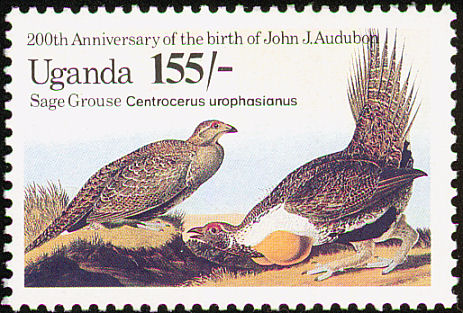
    A new study of the greater sage-grouse’s population finds that the bird’s numbers decreased 56 percent between 2007 and 2013, leading to the conclusion that the sage-grouse (Centrocercus urophasianus) is at even greater risk than biologists thought and suggesting that conservation efforts are largely failing. The research, commissioned by the Pew Charitable Trusts and conducted by Edward (Oz) Garton, professor emeritus in wildlife ecology and statistics at the University of Idaho, represents the most comprehensive population update since 2011. “This report provides definitive evidence about the fragile state of the greater sage-grouse, an indicator species for the health of the interior West’s sagebrush region — where hundreds of other wildlife and plant species also live,” said Ken Rait, director of Pew’s U.S. public lands project. In the Pew report, called “Greater Sage-Grouse Population Dynamics and Probability of Persistence,” evidence pointed to a sharp decline in the number of breeding males — from 109,990 in 2007 to 48,641 in 2013 — and noted that populations across the bird’s range are declining far beyond what even the best models forecasted.

    A new study of the greater sage-grouse’s population finds that the bird’s numbers decreased 56 percent between 2007 and 2013, leading to the conclusion that the sage-grouse (Centrocercus urophasianus) is at even greater risk than biologists thought and suggesting that conservation efforts are largely failing. The research, commissioned by the Pew Charitable Trusts and conducted by Edward (Oz) Garton, professor emeritus in wildlife ecology and statistics at the University of Idaho, represents the most comprehensive population update since 2011. “This report provides definitive evidence about the fragile state of the greater sage-grouse, an indicator species for the health of the interior West’s sagebrush region — where hundreds of other wildlife and plant species also live,” said Ken Rait, director of Pew’s U.S. public lands project. In the Pew report, called “Greater Sage-Grouse Population Dynamics and Probability of Persistence,” evidence pointed to a sharp decline in the number of breeding males — from 109,990 in 2007 to 48,641 in 2013 — and noted that populations across the bird’s range are declining far beyond what even the best models forecasted.

    The report used male population data provided by 10 of the 11 states where sage grouse are found (Colorado being the exception) to provide an analysis of how populations are doing. In Utah, the report looked at distinct populations found in the northeast portion of the state, in Sanpete and Emery counties, Morgan and Summit counties, and Tooele and Juab counties.
    Source: Deseret News, April 27 2015
    http://www.deseretnews.com/article/865627416/Pew-study-shows-dramatic-declines-in-sage-grouse-numbers.html?pg=all

  • De achteruitgang van waterroofkevers in Vlaanderen

    De achteruitgang van waterroofkevers in Vlaanderen

    De familie Dytiscidae of waterroofkevers zijn een groep rovende, in het water levende kevers die verwant zijn aan loopkevers (familie Carabidae). Ze komen voor over de hele wereld in vrijwel alle niet te sterk verontreinigde, zoete en brakke oppervlaktewateren. De familie Dytiscidae wordt in België vertegenwoordigd door 109 soorten uit 30 genera. Van de 105 in Vlaanderen voorkomende soorten zijn er 94 soorten aangetroffen in de provincie Antwerpen. Tijdens recent onderzoek werden in Antwerpen nog 77 soorten teruggevonden. 17 soorten werden recent niet meer waargenomen in de provincie en worden hier, en voor een aantal van deze soorten in heel België, nu beschouwd als regionaal uitgestorven. Vier soorten zijn recent enkel nog in de provincie Antwerpen aangetroffen.

    De familie Dytiscidae of waterroofkevers zijn een groep rovende, in het water levende kevers die verwant zijn aan loopkevers (familie Carabidae). Ze komen voor over de hele wereld in vrijwel alle niet te sterk verontreinigde, zoete en brakke oppervlaktewateren. De familie Dytiscidae wordt in België vertegenwoordigd door 109 soorten uit 30 genera. Van de 105 in Vlaanderen voorkomende soorten zijn er 94 soorten aangetroffen in de provincie Antwerpen. Tijdens recent onderzoek werden in Antwerpen nog 77 soorten teruggevonden. 17 soorten werden recent niet meer waargenomen in de provincie en worden hier, en voor een aantal van deze soorten in heel België, nu beschouwd als regionaal uitgestorven. Vier soorten zijn recent enkel nog in de provincie Antwerpen aangetroffen.

    Bron:
    Kevin Scheers. ANTenne | APRIL-JUNI 2014 | JAARGANG 8 | NR. 2

  • De chemielobby is nu aan het eind van zijn Latijn

    De chemielobby is nu aan het eind van zijn Latijn

    Chemiereuzen zeggen graag dat de opmerkelijke bijensterfte in onze streken te wijten is aan alles behalve hun pesticiden. Producenten counteren de dramatische effecten waarover wetenschappers al gepubliceerd hebben door te zeggen dat de resultaten in steriele laboratoria niet stroken met de realiteit van akkers en velden. Hun eigen studies ontkrachten dat, zeggen zij. Maar die rapporten zijn geheim omdat hun commerciële belangen op het spel staan. Ook menen zij dat bijen met lokstoffen naar andere, onbehandelde planten geleid kunnen worden zodat zij de neonicotinoïden niet opnemen. Twee nieuwe studies, gepubliceerd in topblad Nature, halen die argumenten onderuit. Als bijen de keuze krijgen tussen verschillende suikerachtige oplossingen, eentje met pesticiden en een zonder, maken ze geen onderscheid. Sterker nog, zo tonen onderzoekers van de universiteit van Newcastle, sommige bijen gaan zelfs op zoek naar neonicotinoïden. De tweede studie is interessant omdat veldwerk uitzonderlijk is in dit vakgebied. Zweedse wetenschappers van de Lund-universiteit trokken de koolzaadvelden in en vergeleken de effecten van onbehandelde met behandelde planten op de bestuivende insecten die er gebruikt vana maakten. De populatie wilde bijen werd uitgedund, de solitaire of nestelbij ging veel minder nestelen en de hommel ging zowel sneller dood als zich minder voortplanten.

    Chemiereuzen zeggen graag dat de opmerkelijke bijensterfte in onze streken te wijten is aan alles behalve hun pesticiden. Producenten counteren de dramatische effecten waarover wetenschappers al gepubliceerd hebben door te zeggen dat de resultaten in steriele laboratoria niet stroken met de realiteit van akkers en velden. Hun eigen studies ontkrachten dat, zeggen zij. Maar die rapporten zijn geheim omdat hun commerciële belangen op het spel staan. Ook menen zij dat bijen met lokstoffen naar andere, onbehandelde planten geleid kunnen worden zodat zij de neonicotinoïden niet opnemen. Twee nieuwe studies, gepubliceerd in topblad Nature, halen die argumenten onderuit. Als bijen de keuze krijgen tussen verschillende suikerachtige oplossingen, eentje met pesticiden en een zonder, maken ze geen onderscheid. Sterker nog, zo tonen onderzoekers van de universiteit van Newcastle, sommige bijen gaan zelfs op zoek naar neonicotinoïden. De tweede studie is interessant omdat veldwerk uitzonderlijk is in dit vakgebied. Zweedse wetenschappers van de Lund-universiteit trokken de koolzaadvelden in en vergeleken de effecten van onbehandelde met behandelde planten op de bestuivende insecten die er gebruikt vana maakten. De populatie wilde bijen werd uitgedund, de solitaire of nestelbij ging veel minder nestelen en de hommel ging zowel sneller dood als zich minder voortplanten.

    Vorige week nog kwamen dertien internationale onderzoekers, verzameld in de Europese Academies van Wetenschappen, met een alarmerend rapport. Zij bestudeerden alle recente studies naar de verboden pesticide en concluderen dat niet alleen de honingbij, maar vooral vlinders, zweefvliegen, hommels en solitaire bijen onder de gifstof lijden. De ‘vergiftigde’ hommels, bijen en vlinders zouden op hun beurt insecteneters zoals vogels ziek maken. Nederlands onderzoek toonde vorig jaar aan dat in gebieden waar veel neonicotinoïden gebruikt worden, het vogelbestand afneemt. Eind juni komt de Europese Commissie met een definitief oordeel over wat er zal gebeuren na de ban. “Ik denk niet dat het opheffen van de ban nu nog ter discussie kan staan.”, zegt Tjeerd Blacquière, bijenspecialist van Wageningen universiteit.

    Bron: De Morgen, 23-04-15
    http://www.demorgen.be/wetenschap/bij-vindt-insecticide-lekkerder-dan-nectar-a2296532/

  • Neonicotinoide steuern im Nervensystem von Bienen die gleichen Mechanismen an wie Nikotin im Gehirn von Menschen

    Neonicotinoide steuern im Nervensystem von Bienen die gleichen Mechanismen an wie Nikotin im Gehirn von Menschen

    Bienen fliegen auf bestimmte Pflanzenschutzmittel: Sie meiden mit sogenannten Neonicotinoiden behandelte Pflanzen nicht etwa, sondern steuern sie wohl sogar bevorzugt an. Beim Sammeln von Nektar und Pollen könnten sie deshalb mehr von den Schadstoffen aufnehmen als bisher angenommen, schreiben Forscher aus Großbritannien und Irland im Fachblatt „Nature“. In einer zweiten Studie fanden schwedische Wissenschaftler, dass die Mittel Wachstum und Vermehrung von Wildbienen und Hummeln beeinträchtigen können. „Neonicotinoide steuern im Nervensystem von Bienen die gleichen Mechanismen an wie Nikotin im Gehirn von Menschen“, erläutert die Studienleiterin Geraldine Wright von der Newcastle University. „Die Tatsache, dass die Bienen eine Vorliebe für Neonicotinoid-belastete Nahrung haben, ist besorgniserregend, weil es vermuten lässt, dass die Neonicotinoide ähnlich wie Nikotin als Droge wirken und solche Nahrung besonders belohnend wirkt.“

    Bienen fliegen auf bestimmte Pflanzenschutzmittel: Sie meiden mit sogenannten Neonicotinoiden behandelte Pflanzen nicht etwa, sondern steuern sie wohl sogar bevorzugt an. Beim Sammeln von Nektar und Pollen könnten sie deshalb mehr von den Schadstoffen aufnehmen als bisher angenommen, schreiben Forscher aus Großbritannien und Irland im Fachblatt „Nature“. In einer zweiten Studie fanden schwedische Wissenschaftler, dass die Mittel Wachstum und Vermehrung von Wildbienen und Hummeln beeinträchtigen können. „Neonicotinoide steuern im Nervensystem von Bienen die gleichen Mechanismen an wie Nikotin im Gehirn von Menschen“, erläutert die Studienleiterin Geraldine Wright von der Newcastle University. „Die Tatsache, dass die Bienen eine Vorliebe für Neonicotinoid-belastete Nahrung haben, ist besorgniserregend, weil es vermuten lässt, dass die Neonicotinoide ähnlich wie Nikotin als Droge wirken und solche Nahrung besonders belohnend wirkt.“

    Quelle: Focus, 23.04.2015
    http://www.focus.de/wissen/natur/tiere-und-pflanzen/wissenschaft-nikotin-aehnliche-wirkung-bienen-fliegen-auf-insektizide_id_4632087.html