Auteur: Henk Tennekes

  • Humans are responsible for so many species dying out that we are now in a sixth mass extinction, Stanford University has warned

    Humans are responsible for so many species dying out that we are now in a sixth mass extinction, Stanford University has warned

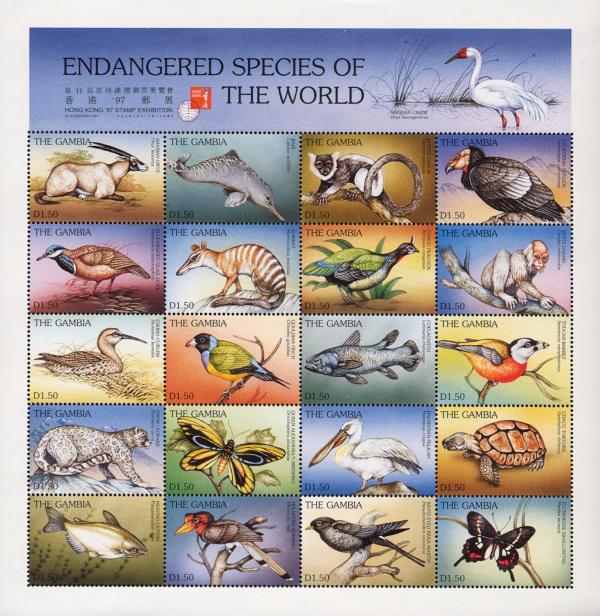
    Earth has entered its sixth mass extinction with animals now dying out at 100 times the normal rate, scientists have warned. Humans have created a toxic mix of habitat loss, pollution and climate change, which has already led to the loss of at least 77 species of mammals, 140 types of bird since and 34 amphibians since 1500. They include creatures like the dodo, Steller’s Sea Cow, the Falkland Islands wolf, the quagga, the Formosan clouded leopard, the Atlas bear, the Caspian tiger and the Cape lion. Scientists at Stanford University in the US claim it is the biggest loss of species since the Cretaceous-Tertiary mass extinction which wiped out the dinosaurs 66 million years ago. “Without any significant doubt that we are now entering the sixth great mass extinction event,” said Professor Paul Ehrlich, at the Stanford Woods Institute for the Environment. “Species are disappearing up to about 100 times faster than the normal rate between mass extinctions, known as the background rate. “Our calculations very likely underestimate the severity of the extinction crisis. There are examples of species all over the world that are essentially the walking dead.”

    Earth has entered its sixth mass extinction with animals now dying out at 100 times the normal rate, scientists have warned. Humans have created a toxic mix of habitat loss, pollution and climate change, which has already led to the loss of at least 77 species of mammals, 140 types of bird since and 34 amphibians since 1500. They include creatures like the dodo, Steller’s Sea Cow, the Falkland Islands wolf, the quagga, the Formosan clouded leopard, the Atlas bear, the Caspian tiger and the Cape lion. Scientists at Stanford University in the US claim it is the biggest loss of species since the Cretaceous-Tertiary mass extinction which wiped out the dinosaurs 66 million years ago. “Without any significant doubt that we are now entering the sixth great mass extinction event,” said Professor Paul Ehrlich, at the Stanford Woods Institute for the Environment. “Species are disappearing up to about 100 times faster than the normal rate between mass extinctions, known as the background rate. “Our calculations very likely underestimate the severity of the extinction crisis. There are examples of species all over the world that are essentially the walking dead.”

    Using fossil records and extinction counts from a range of sources, the researchers calculated the normal ‘background rate’ of extinctions and compared it with a conservative estimate of current extinctions.
    Natural population changes in the wild usually lead to two species of mammals dying out every 10,000 years. But the current rate is 114 times that level.
    And humans have been responsible for animal decline going much further back. In the islands of tropical Oceania, up to 1800 bird species are estimated to have gone extinct in the last 2,000 years.
    It is likely that early humans were also responsible for wiping out the huge megafauna which used to live in Australia including a huge giant wombat a marsupial lion and a flesh-eating kangaroo.
    Currently one in four mammals is at risk of going extinct and 41 per cent of amphibians. Many now only survive in captivity.
    Source: The Telegraph, 19 June 2015
    http://www.telegraph.co.uk/news/uknews/11687091/Earth-has-entered-sixth-mass-extinction-warn-scientists.html

  • Vulture populations plummet across Africa

    Vulture populations plummet across Africa

    One of nature’s best scavengers is under serious threat in Africa, largely from poison. According to the first analysis of African vultures, populations of seven species have fallen by 80% or more over three generations. Most of these species may qualify as critically endangered. “The rates of decline stand out as being pretty rapid,” says conservation biologist Rhys Green of the University of Cambridge in the United Kingdom, who was not involved in the new analysis. The situation for African vultures, he says, “is not yet irrecoverable, but it is serious.”

    One of nature’s best scavengers is under serious threat in Africa, largely from poison. According to the first analysis of African vultures, populations of seven species have fallen by 80% or more over three generations. Most of these species may qualify as critically endangered. “The rates of decline stand out as being pretty rapid,” says conservation biologist Rhys Green of the University of Cambridge in the United Kingdom, who was not involved in the new analysis. The situation for African vultures, he says, “is not yet irrecoverable, but it is serious.”

    Despite their gloomy reputation, vultures provide valuable services. Egyptian vultures (Neophron percnopterus) have been found to remove up to 22% of the waste produced in towns along the Horn of Africa. And by picking clean the carcasses of dead animals, vultures indirectly keep the numbers of feral dogs in check; that, in turn, reduces transmission rates for diseases like rabies.

    Worried by reports of vulture declines across the continent, members of the International Union for Conservation of Nature’s (IUCN’s) vulture specialist group decided to pull together all the data to figure out the long-term population trends. They reviewed the scientific literature and unpublished data, including road surveys that counted dead vultures.

    The situation seems worst for the already small populations of white-headed vultures (Trigonoceps occipitalis)—rare and reclusive birds—which are declining 6.7% per year on average. Three other species are declining between 5% and 6% a year, including Africa’s largest vulture, the lappet-faced vulture (Torgos tracheliotos), the authors report online this week in Conservation Letters.

    The main threat appears to be poison. In most reported cases, vultures are the incidental victims of attempts by farmers to kill lions or hyenas by lacing carcasses with pesticides and other toxic compounds. But more and more frequently, vultures are being directly targeted by poachers who presumably don’t want park rangers to notice the birds circling over killed elephants or rhinos. Since 2011, a dozen such incidents have led to more than 2000 vulture deaths in southern Africa. “The scale of it is shocking,” says Darcy Ogada, a conservation biologist with the Peregrine Fund in Nairobi and an author of the paper.

    Vultures are also killed for use in traditional medicine. Various parts are thought to bring good luck or ward off evil spirits, whereas eyes and brains are prized for clairvoyance. Vultures are eaten in some African countries, and smoked vulture meat is trafficked internationally. Another significant threat is electrocution from perching on power lines and pylons.
    Source: Science Magazine, 19 June 2015
    http://news.sciencemag.org/plants-animals/2015/06/vulture-populations-plummet-across-africa

  • Toxicity of Imidacloprid to the Stingless Bee Scaptotrigona postica Latreille, 1807 (Hymenoptera: Apidae)

    Toxicity of Imidacloprid to the Stingless Bee Scaptotrigona postica Latreille, 1807 (Hymenoptera: Apidae)

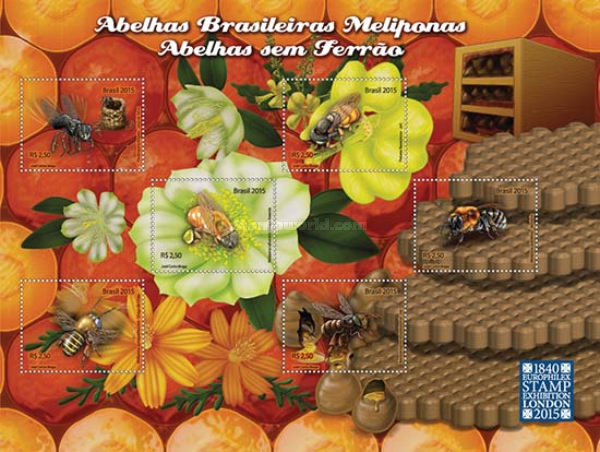
    The stingless bee Scaptotrigona postica is an important pollinator of native and cultivated plants in Brazil. Among the factors affecting the survival of these insects is the indiscriminate use of insecticides, including the neonicotinoid imidacloprid. This work determined the toxicity of imidacloprid as the topical median lethal dose (LD50) and the oral median lethal concentration (LC50) as tools for assessing the effects of this insecticide. The 24 and 48 h LD50 values were 25.2 and 24.5 ng of active ingredient (a.i.)/bee, respectively.

    The stingless bee Scaptotrigona postica is an important pollinator of native and cultivated plants in Brazil. Among the factors affecting the survival of these insects is the indiscriminate use of insecticides, including the neonicotinoid imidacloprid. This work determined the toxicity of imidacloprid as the topical median lethal dose (LD50) and the oral median lethal concentration (LC50) as tools for assessing the effects of this insecticide. The 24 and 48 h LD50 values were 25.2 and 24.5 ng of active ingredient (a.i.)/bee, respectively. The 24 and 48 h LC50 values were 42.5 and 14.3 ng a.i./µL of diet, respectively. Ours results show the hazard of imidacloprid and the vulnerability of stingless bees to it, providing relevant toxicological data that can used in mitigation programs to ensure the conservation of this species.

    Source:
    Hellen Maria Soares, Cynthia Renata Oliveira Jacob, Stephan Malfitano Carvalho, Roberta Cornélio Ferreira Nocelli, Osmar Malaspina. Bulletin of Environmental Contamination and Toxicology June 2015, Volume 94, Issue 6, pp 675-680

  • Soil-Applied Imidacloprid Translocates to Ornamental Flowers and Reduces Survival of Adult Lady Beetles and Larval Butterflies

    Soil-Applied Imidacloprid Translocates to Ornamental Flowers and Reduces Survival of Adult Lady Beetles and Larval Butterflies

    Integrated Pest Management (IPM) is a decision making process used to manage pests that relies on many tactics, including cultural and biological control, which are practices that conserve beneficial insects and mites, and when needed, the use of conventional insecticides. However, systemic, soil-applied neonicotinoid insecticides are translocated to pollen and nectar of flowers, often for months, and may reduce survival of flower-feeding beneficial insects. Imidacloprid seed-treated crops (0.05 mg AI (active ingredient) /canola seed and 1.2 mg AI/corn seed) translocate less than 10 ppb to pollen and nectar. However, higher rates of soil-applied imidacloprid are used in nurseries and urban landscapes, such as 300 mg AI/10 L (3 gallon) pot and 69 g AI applied to the soil under a 61 (24 in) cm diam. tree. Translocation of imidacloprid from soil (300 mg AI) to flowers of Asclepias curassavica resulted in 6,030 ppb in 1X and 10,400 ppb in 2X treatments, which are similar to imidacloprid residues found in another plant species we studied. A second imidacloprid soil application 7 months later resulted in 21,000 ppb in 1X and 45,000 ppb in 2X treatments. Consequently, greenhouse/nursery use of imidacloprid applied to flowering plants can result in 793 to 1,368 times higher concentration compared to an imidacloprid seed treatment (7.6 ppb pollen in seed- treated canola), where most research has focused. These higher imidacloprid levels caused significant mortality in both 1X and 2X treatments in 3 lady beetle species, Coleomegilla maculata, Harmonia axyridis, and Hippodamia convergens, but not a fourth species, Coccinella septempunctata. Adult survival were not reduced for monarch, Danaus plexippus and painted lady, Vanessa cardui, butterflies, but larval survival was significantly reduced. The use of the neonicotinoid imidacloprid at greenhouse/nursery rates reduced survival of beneficial insects feeding on pollen and nectar and is incompatible with the principles of IPM.

    Integrated Pest Management (IPM) is a decision making process used to manage pests that relies on many tactics, including cultural and biological control, which are practices that conserve beneficial insects and mites, and when needed, the use of conventional insecticides. However, systemic, soil-applied neonicotinoid insecticides are translocated to pollen and nectar of flowers, often for months, and may reduce survival of flower-feeding beneficial insects. Imidacloprid seed-treated crops (0.05 mg AI (active ingredient) /canola seed and 1.2 mg AI/corn seed) translocate less than 10 ppb to pollen and nectar. However, higher rates of soil-applied imidacloprid are used in nurseries and urban landscapes, such as 300 mg AI/10 L (3 gallon) pot and 69 g AI applied to the soil under a 61 (24 in) cm diam. tree. Translocation of imidacloprid from soil (300 mg AI) to flowers of Asclepias curassavica resulted in 6,030 ppb in 1X and 10,400 ppb in 2X treatments, which are similar to imidacloprid residues found in another plant species we studied. A second imidacloprid soil application 7 months later resulted in 21,000 ppb in 1X and 45,000 ppb in 2X treatments. Consequently, greenhouse/nursery use of imidacloprid applied to flowering plants can result in 793 to 1,368 times higher concentration compared to an imidacloprid seed treatment (7.6 ppb pollen in seed- treated canola), where most research has focused. These higher imidacloprid levels caused significant mortality in both 1X and 2X treatments in 3 lady beetle species, Coleomegilla maculata, Harmonia axyridis, and Hippodamia convergens, but not a fourth species, Coccinella septempunctata. Adult survival were not reduced for monarch, Danaus plexippus and painted lady, Vanessa cardui, butterflies, but larval survival was significantly reduced. The use of the neonicotinoid imidacloprid at greenhouse/nursery rates reduced survival of beneficial insects feeding on pollen and nectar and is incompatible with the principles of IPM.

    Source:
    Krischik V, Rogers M, Gupta G, Varshney A (2015) Soil-Applied Imidacloprid Translocates to Ornamental Flowers and Reduces Survival of Adult Coleomegilla maculata, Harmonia axyridis, and Hippodamia convergens Lady Beetles, and Larval Danaus plexippus and Vanessa cardui Butterflies. PLoS ONE 10(3): e0119133. doi:10.1371/journal.pone.0119133

  • Neonicotinoid insecticide residues in surface water and soil associated with commercial maize (corn) fields in Southwestern Ontario

    Neonicotinoid insecticide residues in surface water and soil associated with commercial maize (corn) fields in Southwestern Ontario

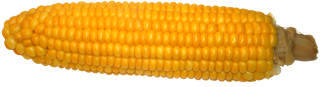
    Neonicotinoid insecticides have come under scrutiny for their potential unintended effects on non-target organisms, particularly pollinators in agro-ecosystems. As part of a larger study of neonicotinoid residues associated with maize (corn) production, 76 water samples within or around the perimeter of 18 commercial maize fields and neighbouring apiaries were collected in 5 maize-producing counties of southwestern Ontario. Residues of clothianidin (mean = 2.28, max. = 43.60 ng/mL) and thiamethoxam (mean = 1.12, max. = 16.50 ng/mL) were detected in 100 and 98.7%of the water samples tested, respectively. The concentration of total neonicotinoid residues in water within maize fields increased six-fold during the first five weeks after planting, and returned to pre-plant levels seven weeks after planting. However, concentrations in water sampled from outside the fields were similar throughout the sampling period. Soil samples from the top 5 cm of the soil profile were also collected in these fields before and immediately following planting. The mean total neonicotinoid residue was 4.02 (range 0.07 to 20.30) ng/g, for samples taken before planting, and 9.94 (range 0.53 to 38.98) ng/g, for those taken immediately after planting. Two soil samples collected from within an conservation area contained detectable (0.03 and 0.11 ng/g) concentrations of clothianidin. Of three drifted snow samples taken, the drift stratum containing the most wind-scoured soil had 0.16 and 0.20 ng/mL mainly clothianidin in the melted snow. The concentration was at the limit of detection (0.02 ng/mL) taken across the entire vertical profile. Our results suggest that neonicotinoids may move off-target by wind erosion of contaminated soil. These results are informative to risk assessment models for other non-target species in maize agro-ecosytems

    Neonicotinoid insecticides have come under scrutiny for their potential unintended effects on non-target organisms, particularly pollinators in agro-ecosystems. As part of a larger study of neonicotinoid residues associated with maize (corn) production, 76 water samples within or around the perimeter of 18 commercial maize fields and neighbouring apiaries were collected in 5 maize-producing counties of southwestern Ontario. Residues of clothianidin (mean = 2.28, max. = 43.60 ng/mL) and thiamethoxam (mean = 1.12, max. = 16.50 ng/mL) were detected in 100 and 98.7%of the water samples tested, respectively. The concentration of total neonicotinoid residues in water within maize fields increased six-fold during the first five weeks after planting, and returned to pre-plant levels seven weeks after planting. However, concentrations in water sampled from outside the fields were similar throughout the sampling period. Soil samples from the top 5 cm of the soil profile were also collected in these fields before and immediately following planting. The mean total neonicotinoid residue was 4.02 (range 0.07 to 20.30) ng/g, for samples taken before planting, and 9.94 (range 0.53 to 38.98) ng/g, for those taken immediately after planting. Two soil samples collected from within an conservation area contained detectable (0.03 and 0.11 ng/g) concentrations of clothianidin. Of three drifted snow samples taken, the drift stratum containing the most wind-scoured soil had 0.16 and 0.20 ng/mL mainly clothianidin in the melted snow. The concentration was at the limit of detection (0.02 ng/mL) taken across the entire vertical profile. Our results suggest that neonicotinoids may move off-target by wind erosion of contaminated soil. These results are informative to risk assessment models for other non-target species in maize agro-ecosytems

    Source:
    Schaafsma A et al. PLoS ONE Volume 10, Issue 2, 24 February 2015, Article number e0118139

  • Biological response of earthworm, Eisenia fetida, to five neonicotinoid insecticides

    Biological response of earthworm, Eisenia fetida, to five neonicotinoid insecticides

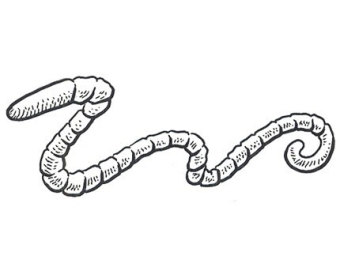
    Earthworms (Eisenia fetida) are one of the most abundant terrestrial species, and play an important role in maintaining the ecological function of soil. Neonicotinoids are some of the most widely used insecticides applied to crops. Studies on the effect of neonicotinoids on E. fetida are limited. In the present work, we evaluated the effects of five neonicotinoid insecticides on reproduction, cellulase activity and the tissues of E. fetida. The results showed that, the LC50 of imidacloprid, acetamiprid, nitenpyram, clothianidin and thiacloprid was 3.05, 2.69, 4.34, 0.93 and 2.68 mg kg−1, respectively. They also could seriously affect the reproduction of E. fetida, reducing the fecundity by 84.0%, 39.5%, 54.3%, 45.7% and 39.5% at the sub-lethal concentrations of 2.0, 1.5, 0.80, 2.0 and 1.5 mg kg−1, respectively. The cellulase activity of E. fetida was most sensitive to clothianidin. Significant disruption of the epidermal and midgut tissue was observed after 14 d exposure. In summary, we demonstrate that imidacloprid, acetamiprid, nitenpyram, clothianidin and thiacloprid have high toxicity to earthworm, and can significantly inhibit fecundity and cellulase activity of E. fetida, and they also damage the epidermal and midgut cells of earthworm.

    Earthworms (Eisenia fetida) are one of the most abundant terrestrial species, and play an important role in maintaining the ecological function of soil. Neonicotinoids are some of the most widely used insecticides applied to crops. Studies on the effect of neonicotinoids on E. fetida are limited. In the present work, we evaluated the effects of five neonicotinoid insecticides on reproduction, cellulase activity and the tissues of E. fetida. The results showed that, the LC50 of imidacloprid, acetamiprid, nitenpyram, clothianidin and thiacloprid was 3.05, 2.69, 4.34, 0.93 and 2.68 mg kg−1, respectively. They also could seriously affect the reproduction of E. fetida, reducing the fecundity by 84.0%, 39.5%, 54.3%, 45.7% and 39.5% at the sub-lethal concentrations of 2.0, 1.5, 0.80, 2.0 and 1.5 mg kg−1, respectively. The cellulase activity of E. fetida was most sensitive to clothianidin. Significant disruption of the epidermal and midgut tissue was observed after 14 d exposure. In summary, we demonstrate that imidacloprid, acetamiprid, nitenpyram, clothianidin and thiacloprid have high toxicity to earthworm, and can significantly inhibit fecundity and cellulase activity of E. fetida, and they also damage the epidermal and midgut cells of earthworm.

    Source: Wang K et al. Chemosphere 132 (2015) 120–126

  • Imidacloprid Sorption Kinetics, Equilibria, and Degradation in Sandy Soils of Florida

    Imidacloprid Sorption Kinetics, Equilibria, and Degradation in Sandy Soils of Florida

    Imidacloprid (IMD) is a neonicotinoid insecticide soil-drenched on sandy soils of southwest Florida for the control of Diaphorina citri Kuwayama or Asian citrus psyllid (ACP). The ACP vectors causal pathogens of a devastating citrus disease called citrus greening. Understanding the behavior of IMD in these soils and plants is critical to its performance against target pests. Samples from Immokalee fine sand (IFS) were used for sorption kinetics and equilibria experiments. IMD kinetics data were described by the one-site mass transfer (OSMT) model and reached equilibrium between 6 and 12 h. Batch equilibrium and degradation studies revealed that IMD was weakly sorbed (KOC = 163–230) and persistent, with a half-life of 1.0–2.6 years. Consequently, IMD has the potential to leach below the citrus root zone after the soil-drench applications.

    Imidacloprid (IMD) is a neonicotinoid insecticide soil-drenched on sandy soils of southwest Florida for the control of Diaphorina citri Kuwayama or Asian citrus psyllid (ACP). The ACP vectors causal pathogens of a devastating citrus disease called citrus greening. Understanding the behavior of IMD in these soils and plants is critical to its performance against target pests. Samples from Immokalee fine sand (IFS) were used for sorption kinetics and equilibria experiments. IMD kinetics data were described by the one-site mass transfer (OSMT) model and reached equilibrium between 6 and 12 h. Batch equilibrium and degradation studies revealed that IMD was weakly sorbed (KOC = 163–230) and persistent, with a half-life of 1.0–2.6 years. Consequently, IMD has the potential to leach below the citrus root zone after the soil-drench applications.

    Source:
    Imidacloprid Sorption Kinetics, Equilibria, and Degradation in Sandy Soils of Florida

    Jorge A. Leiva †, Peter Nkedi-Kizza *†, Kelly T. Morgan ‡, and Jawwad A. Qureshi §
    † Soil and Water Science Department, Institute of Food and Agricultural Sciences, University of Florida, Post Office Box 110290, Gainesville, Florida 32611, United States
    ‡Soil and Water Science Department, Southwest Florida Research and Education Center, and §Entomology and Nematology Department, Southwest Florida Research and Education Center, University of Florida, 2685 State Road 29 North, Immokalee, Florida 34142, United States
    J. Agric. Food Chem., 2015, 63 (20), pp 4915–4921
    DOI: 10.1021/acs.jafc.5b00532

  • Projekt zur Erhaltung des Goldenen Scheckenfalters im Mai 2015 gestartet

    Projekt zur Erhaltung des Goldenen Scheckenfalters im Mai 2015 gestartet

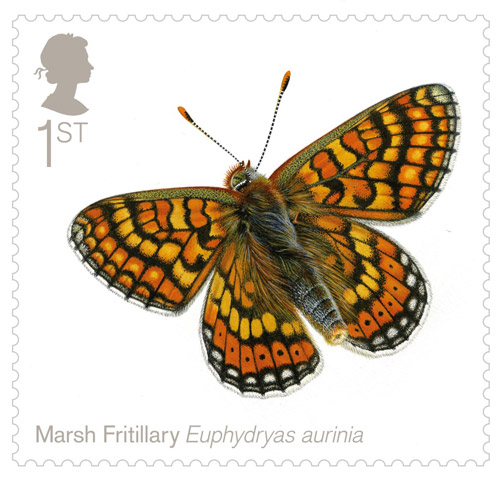
    Dort wo Bayern, Sachsen und Tschechien zusammentreffen, gibt es im Grünen Band die letzten sächsischen Vorkommen des Goldenen Scheckenfalters (Euphydryas aurinia). Noch zu Beginn des 20. Jahrhunderts war der Goldene Scheckenfalter im sächsischen Tiefland weit verbreitet. Im Verlauf des 20. Jahrhunderts sind seine Populationen jedoch europaweit im Rückgang begriffen. In Deutschland gingen allein zwischen 1950 und 2002 drei Viertel der Populationen verloren. Dieser Trend vollzog sich auch in Sachsen. An der Wende zum 21. Jahrhundert kommt der Goldene Scheckenfalter nur noch im südwestlichen Vogtland und hier insbesondere im Grünen Band vor. Nun soll im Rahmen eines (bundes)länderübergreifenden Verbundprojektes zwischen Bayern, Sachsen und der Tschechischen Republik die Lebensraumsituation für den Goldenen Scheckenfalter verbessert, die bestehenden Vorkommen stabilisiert und im Projektgebiet eine überlebensfähige Population aufbaut werden. Das Projekt wird bis 2021 vom Bundesministerium für Umwelt, Naturschutz, Bau und Reaktorsicherheit / Bundesamt für Naturschutz, dem Bayerischen Naturschutzfonds und dem Sächsischen Ministerium für Umwelt und Landwirtschaft gefördert. In der Tschechischen Republik beteiligt sich die Organisation AMETYST an dem Projekt.

    Dort wo Bayern, Sachsen und Tschechien zusammentreffen, gibt es im Grünen Band die letzten sächsischen Vorkommen des Goldenen Scheckenfalters (Euphydryas aurinia). Noch zu Beginn des 20. Jahrhunderts war der Goldene Scheckenfalter im sächsischen Tiefland weit verbreitet. Im Verlauf des 20. Jahrhunderts sind seine Populationen jedoch europaweit im Rückgang begriffen. In Deutschland gingen allein zwischen 1950 und 2002 drei Viertel der Populationen verloren. Dieser Trend vollzog sich auch in Sachsen. An der Wende zum 21. Jahrhundert kommt der Goldene Scheckenfalter nur noch im südwestlichen Vogtland und hier insbesondere im Grünen Band vor. Nun soll im Rahmen eines (bundes)länderübergreifenden Verbundprojektes zwischen Bayern, Sachsen und der Tschechischen Republik die Lebensraumsituation für den Goldenen Scheckenfalter verbessert, die bestehenden Vorkommen stabilisiert und im Projektgebiet eine überlebensfähige Population aufbaut werden. Das Projekt wird bis 2021 vom Bundesministerium für Umwelt, Naturschutz, Bau und Reaktorsicherheit / Bundesamt für Naturschutz, dem Bayerischen Naturschutzfonds und dem Sächsischen Ministerium für Umwelt und Landwirtschaft gefördert. In der Tschechischen Republik beteiligt sich die Organisation AMETYST an dem Projekt.

    Quelle: Insekten Sachsen, 11.06.15
    https://www.insekten-sachsen.de/Pages/ContentT2List.aspx?id=1808

  • De tijd dat elke boerderij spotvogels op het erf had, ligt ver achter ons

    De tijd dat elke boerderij spotvogels op het erf had, ligt ver achter ons

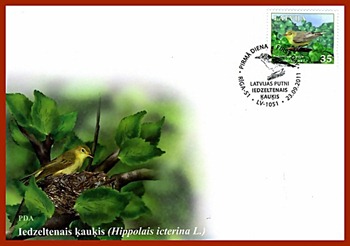
    De spotvogel (Hippolais icterina) is in Nederland al lang geen talrijke broedvogel meer. Enkele decennia geleden was hij nog een kenmerkende soort voor pioniersituaties met jong, opschietend loofbos. De aantallen konden er hoog zijn en spotvogels kwamen ook vrij veel in stedelijk gebied voor, zoals in het Vondelpark. Nu zit er zo hier en daar een spotvogel; veel ogenschijnlijk geschikt habitat moet het zonder spotvogels stellen. De achteruitgang wordt voor de periode 1984-2004 geschat op zo’n 85%. In loofbossen is de soort het sterkst achteruit gegaan, met maar liefst 95% in de periode 1960-2000. In agrarisch gebied zijn spotvogels minder, maar toch nog met de helft in aantal achteruit gegaan. De soort staat daarom op de Rode Lijst van Nederlandse broedvogels, in de categorie Gevoelig. Volgens SOVON daalde in de periode 1990-2003 het aantal broedparen met meer dan 50%. Rond 2007 broedden er nog ongeveer 21.000 paar in Nederland. Het voedsel van de spotvogel bestaat uit insecten, larven en bessen.

    De spotvogel (Hippolais icterina) is in Nederland al lang geen talrijke broedvogel meer. Enkele decennia geleden was hij nog een kenmerkende soort voor pioniersituaties met jong, opschietend loofbos. De aantallen konden er hoog zijn en spotvogels kwamen ook vrij veel in stedelijk gebied voor, zoals in het Vondelpark. Nu zit er zo hier en daar een spotvogel; veel ogenschijnlijk geschikt habitat moet het zonder spotvogels stellen. De achteruitgang wordt voor de periode 1984-2004 geschat op zo’n 85%. In loofbossen is de soort het sterkst achteruit gegaan, met maar liefst 95% in de periode 1960-2000. In agrarisch gebied zijn spotvogels minder, maar toch nog met de helft in aantal achteruit gegaan. De soort staat daarom op de Rode Lijst van Nederlandse broedvogels, in de categorie Gevoelig. Volgens SOVON daalde in de periode 1990-2003 het aantal broedparen met meer dan 50%. Rond 2007 broedden er nog ongeveer 21.000 paar in Nederland. Het voedsel van de spotvogel bestaat uit insecten, larven en bessen.

    Bronnen: Bericht uitgegeven door Vogelbescherming Nederland op dinsdag 16 juni 2015 en Natuurbericht
    http://www.natuurbericht.nl/?id=14065
    Wikipedia
    http://nl.wikipedia.org/wiki/Spotvogel

  • Frankrijk kondigt een verbod op de vrije verkoop van de onkruidverdelger Roundup aan

    Frankrijk kondigt een verbod op de vrije verkoop van de onkruidverdelger Roundup aan

    De Franse minister van Milieu Ségolène Royal heeft zondag het verbod op de vrije verkoop van de onkruidverdelger Roundup in tuincentra aangekondigd. In maart van dit jaar kwam glyfosaat in de actualiteit nadat onderzoekers van de Wereldgezondheidsorganisatie (WHO) hadden verklaard dat de herbicide kankerverwekkend zou zijn. Actieve substanties in pesticiden worden eerst geëvalueerd en goedgekeurd op Europees niveau. Om de tien jaar volgt een nieuwe evaluatie. Op basis van deze ‘positieve lijst’ bij de Europese Autoriteit voor Voedselveiligheid (EFSA) kan elk land vervolgens commerciële producten toelaten die stoffen bevatten die Europees groen licht hebben gekregen. Eind december van dit jaar verstrijkt de Europese goedkeuring voor glysofaat.

    De Franse minister van Milieu Ségolène Royal heeft zondag het verbod op de vrije verkoop van de onkruidverdelger Roundup in tuincentra aangekondigd. In maart van dit jaar kwam glyfosaat in de actualiteit nadat onderzoekers van de Wereldgezondheidsorganisatie (WHO) hadden verklaard dat de herbicide kankerverwekkend zou zijn. Actieve substanties in pesticiden worden eerst geëvalueerd en goedgekeurd op Europees niveau. Om de tien jaar volgt een nieuwe evaluatie. Op basis van deze ‘positieve lijst’ bij de Europese Autoriteit voor Voedselveiligheid (EFSA) kan elk land vervolgens commerciële producten toelaten die stoffen bevatten die Europees groen licht hebben gekregen. Eind december van dit jaar verstrijkt de Europese goedkeuring voor glysofaat.

    Bron: De Standaard, 15 juni 2015
    http://www.standaard.be/cnt/dmf20150614_01730814?_section=65334785&utm_source=standaard&utm_medium=newsletter&utm_campaign=ochtendupdate&M_BT=853424747800&adh_i=299674e7bf67089e7be2a98708588978&imai=98e847ae-144e-443f-b838-69292351800a