Auteur: Henk Tennekes

  • Pope Francis Slams Pesticides for Environmental and Social Damage

    Pope Francis Slams Pesticides for Environmental and Social Damage

    Pope Francis slams both GMOs and pesticides in a draft of his major environmental document that was leaked Monday. On pesticides Pope Francis states; “We get sick, for example, due to inhalation of large amounts of smoke produced by fuels used for cooking and heating. This is added to by….fertilizers, insecticides, fungicides, herbicides and toxic pesticides in general. Technology that is linked to finance, claims to be only solving problems…this solves a problem by creating others. “It creates a vicious circle in which the intervention of the human being to solve a problem often worsens the situation further. For example, many birds and insects die out as a result of toxic pesticides created by technology, they are useful to agriculture itself, and their disappearance will be compensated with another technological intervention that probably will bring new harmful effects… looking at the world we see that this level of human intervention, often in the service of finance and consumerism, actually causes the earth we live in to become less rich and beautiful, more and more limited and gray, while at the same time the development of technology and consumerism continues to advance without limits.”

    Pope Francis slams both GMOs and pesticides in a draft of his major environmental document that was leaked Monday. On pesticides Pope Francis states; “We get sick, for example, due to inhalation of large amounts of smoke produced by fuels used for cooking and heating. This is added to by….fertilizers, insecticides, fungicides, herbicides and toxic pesticides in general. Technology that is linked to finance, claims to be only solving problems…this solves a problem by creating others. “It creates a vicious circle in which the intervention of the human being to solve a problem often worsens the situation further. For example, many birds and insects die out as a result of toxic pesticides created by technology, they are useful to agriculture itself, and their disappearance will be compensated with another technological intervention that probably will bring new harmful effects… looking at the world we see that this level of human intervention, often in the service of finance and consumerism, actually causes the earth we live in to become less rich and beautiful, more and more limited and gray, while at the same time the development of technology and consumerism continues to advance without limits.”

    Source:
    Sustainable Pulse, 16 June 2015

    Pope Francis Slams GMOs and Pesticides for Environmental and Social Damage
  • Mixture Toxicity of Imidacloprid and Cyfluthrin to Two Non-target Species

    Mixture Toxicity of Imidacloprid and Cyfluthrin to Two Non-target Species

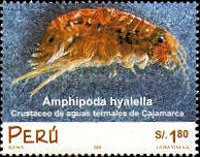
    Two species, the fathead minnow Pimephales promelas and the amphipod Hyalella azteca, were tested to examine acute toxicity to two insecticides, cyfluthrin and imidacloprid individually and as a mixture. Cyfluthrin was acutely toxic to P. promelas and H. azteca with EC50 values and 95 % confidence intervals of 0.31 µg L−1 (0.26–0.35 µg L−1) and 0.0015 µg L−1 (0.0011–0.0018 µg L−1), respectively. Imidacloprid was not acutely toxic to P. promelas at water concentrations ranging from 1 to 5000 µg L−1, whereas it was toxic to H. azteca with a EC50 value of 33.5 µg L−1 (23.3–47.4 µg L−1). For the P. promelas mixture test, imidacloprid was added at a single concentration to a geometric series of cyfluthrin concentrations bracketing the EC50 value. A synergistic ratio (SR) of 1.9 was found for P. promelas, which was calculated using the cyfluthrin-only exposure and mixture-exposure data. Because cyfluthrin and imidacloprid were toxic to H. azteca, the mixture test was designed based on an equipotent toxic unit method. Results from the mixture test indicated a model deviation ratio (MDR) of 1.7 or 2.7 depending on the model. Mixture test results from the simultaneous exposure to cyfluthrin and imidacloprid with both species indicated a greater than expected toxic response because the SR or MDR values were >1. Because these two insecticides are commonly used together in the same product formulations, nontarget species could be more affected due to their greater-than-additive toxicity observed in the current study.

    Two species, the fathead minnow Pimephales promelas and the amphipod Hyalella azteca, were tested to examine acute toxicity to two insecticides, cyfluthrin and imidacloprid individually and as a mixture. Cyfluthrin was acutely toxic to P. promelas and H. azteca with EC50 values and 95 % confidence intervals of 0.31 µg L−1 (0.26–0.35 µg L−1) and 0.0015 µg L−1 (0.0011–0.0018 µg L−1), respectively. Imidacloprid was not acutely toxic to P. promelas at water concentrations ranging from 1 to 5000 µg L−1, whereas it was toxic to H. azteca with a EC50 value of 33.5 µg L−1 (23.3–47.4 µg L−1). For the P. promelas mixture test, imidacloprid was added at a single concentration to a geometric series of cyfluthrin concentrations bracketing the EC50 value. A synergistic ratio (SR) of 1.9 was found for P. promelas, which was calculated using the cyfluthrin-only exposure and mixture-exposure data. Because cyfluthrin and imidacloprid were toxic to H. azteca, the mixture test was designed based on an equipotent toxic unit method. Results from the mixture test indicated a model deviation ratio (MDR) of 1.7 or 2.7 depending on the model. Mixture test results from the simultaneous exposure to cyfluthrin and imidacloprid with both species indicated a greater than expected toxic response because the SR or MDR values were >1. Because these two insecticides are commonly used together in the same product formulations, nontarget species could be more affected due to their greater-than-additive toxicity observed in the current study.

    Source:
    Michelle Lanteigne, Sara A. Whiting, Michael J. Lydy.
    Archives of Environmental Contamination and Toxicology
    February 2015, Volume 68, Issue 2, pp 354-361

  • Evidence Against Neonicotinoids Mounts

    Evidence Against Neonicotinoids Mounts

    Two studies published in Nature last week have raised more concerns about whether neonicotinoid pesticides adversely affect bee health. One study shows that bees are drawn to neonicotinoids, possibly because the insects catch a “buzz” from the pesticides similar to the one humans get from nicotine (2015, DOI: 10.1038/nature14414). The other study suggests that neonicotinoids affect bee behavior and growth under realistic conditions in a crop field (2015, DOI: 10.1038/nature14420).

    Two studies published in Nature last week have raised more concerns about whether neonicotinoid pesticides adversely affect bee health. One study shows that bees are drawn to neonicotinoids, possibly because the insects catch a “buzz” from the pesticides similar to the one humans get from nicotine (2015, DOI: 10.1038/nature14414). The other study suggests that neonicotinoids affect bee behavior and growth under realistic conditions in a crop field (2015, DOI: 10.1038/nature14420).

    In the first study, a research team led by neuroscientist Geraldine A. Wright of Newcastle University, in England, gave bumblebees and honeybees a choice between drinking a sugar solution laced with low doses of a neonicotinoid—either clothianidin, imidacloprid, or thiamethoxam—and a sugar solution without any pesticides. The scientists found that the bees actually preferred the pesticide-laced solutions.Unlike previous studies, which have been criticized for artificially feeding bees neonicotinoids in the lab, the second Nature study, conducted by Maj Rundlöf of Lund University, in Sweden, and colleagues, examines how neonicotinoids affect bees in agricultural fields. The team monitored colonies of honeybees and wild bees, including bumblebees, in 16 fields in southern Sweden. Half the fields contained an oilseed rape crop grown from seeds coated with clothianidin and a fungicide, and half the fields were planted with seeds coated only with fungicide. In the fields planted with clothianidin-treated seeds, the team observed a reduced density of wild bees and reduced colony growth in bumblebees specifically. However, the researchers saw no significant impact on honeybee colonies. These new reports have implications for future policy on neonicotinoids, particularly in the European Union, where three neonicotinoids are under a temporary ban while regulators review the risks of the pesticides to bees. That moratorium, which is set to expire at the end of this year, has been criticized for relying on studies conducted under unrealistic conditions.

    The Rundlöf study “is the first fully field-realistic, well-replicated trial so far,” says David Goulson, a biologist at the University of Sussex, in England. “It is no longer credible to argue that agricultural use of neonicotinoids does not harm wild bees,” he notes.
    Pesticide manufacturers, however, still contend that neonicotinoids are vital to controlling pests. A pesticide trade group in the England, the Crop Protection Association, rejects the Rundlöf paper, saying that “the only effect of the restriction on neonicotinoids in Europe so far has been a steady stream of reports from farmers that their crops are suffering serious losses.”
    Soúrce:
    C&EN, April 23, 2015
    http://cen.acs.org/articles/93/i17/Evidence-Against-Neonicotinoids-Mounts.html?utm_source=feedburner&utm_medium=feed&utm_campaign=Feed%3A+environment_scene+(Chemical+%26amp%3B+Engineering+News%3A+Environmental+SCENE)

  • Natuur & Milieu, Vogelbescherming Nederland en Greenpeace pleiten voor een verbod op milieuvervuilende neonics

    Natuur & Milieu, Vogelbescherming Nederland en Greenpeace pleiten voor een verbod op milieuvervuilende neonics

    Verbied alle bestrijdingsmiddelen die onder de groep neonicotinoiden vallen. Dit verzoek doen Natuur & Milieu, Vogelbescherming Nederland en Greenpeace vandaag aan het College voor de toelating van gewasbeschermingsmiddelen en biociden (Ctgb). Deze bestrijdingsmiddelen zijn extreem schadelijk voor bijen en andere insecten en, zoals uit recent onderzoek is gebleken, ook voor verschillende vogelsoorten. De milieuorganisaties pleiten voor een verbod op neonics omdat deze in grote hoeveelheden van ons oppervlaktewater (sloten en kanalen) zitten. 85% van het oppervlaktewater in glastuingebieden, zoals in het Westland, voldoet niet aan de eisen voor de bescherming van het waterleven. Met een halve theelepel imidacloprid vervuil je een sloot van een meter breed over een lengte van 200 kilometer. Onder sommige omstandigheden kan deze stof maanden tot wel jaren aanwezig zijn. De vogelstand in glastuingebieden is ook lager dan in andere gebieden door een gebrek aan insecten zelf door vervuild oppervlaktewater, het eten van vergiftigde insecten of een combinatie van beide.

    Verbied alle bestrijdingsmiddelen die onder de groep neonicotinoiden vallen. Dit verzoek doen Natuur & Milieu, Vogelbescherming Nederland en Greenpeace vandaag aan het College voor de toelating van gewasbeschermingsmiddelen en biociden (Ctgb). Deze bestrijdingsmiddelen zijn extreem schadelijk voor bijen en andere insecten en, zoals uit recent onderzoek is gebleken, ook voor verschillende vogelsoorten. De milieuorganisaties pleiten voor een verbod op neonics omdat deze in grote hoeveelheden van ons oppervlaktewater (sloten en kanalen) zitten. 85% van het oppervlaktewater in glastuingebieden, zoals in het Westland, voldoet niet aan de eisen voor de bescherming van het waterleven. Met een halve theelepel imidacloprid vervuil je een sloot van een meter breed over een lengte van 200 kilometer. Onder sommige omstandigheden kan deze stof maanden tot wel jaren aanwezig zijn. De vogelstand in glastuingebieden is ook lager dan in andere gebieden door een gebrek aan insecten zelf door vervuild oppervlaktewater, het eten van vergiftigde insecten of een combinatie van beide.

    De staatssecretarissen Dijksma en Mansveld willen de glastuinbouw 2 jaar uitstel geven voor de verplichting om hun afvalwater te zuiveren. Dit baart de milieu- en natuurorganisaties veel zorgen en is een extra reden om voor een verbod te pleiten. De zuiveringsplicht geldt eigenlijk vanaf 1 januari 2016, maar wordt nu uitgesteld tot 1 januari 2018, tenzij de Tweede Kamer ingrijpt. Weer 2 jaar extra om het oppervlaktewater te vervuilen met voortgaande teruggang van insecten en vogels is onacceptabel voor de milieu- en natuurorganisaties. Het besluit tot uitstel is des te opmerkelijker omdat beide bewindspersonen regelmatig met de mond belijden het zo goed voor te hebben met de bijen en de natuur. Tijdens het AO landbouw morgen komt dit punt aan de orde.
    Bron: Natuur en Milieu, 30-06-2015
    http://www.natuurenmilieu.nl/nieuws/milieuorganisaties-verbied-alle-bestrijdingsmiddelen-met-neonics/

  • Jean-Marc Bonmatin (CNRS) bevestigt de in 2010 geformuleerde these van Henk Tennekes over de risico’s van neonicotinoïden

    Jean-Marc Bonmatin (CNRS) bevestigt de in 2010 geformuleerde these van Henk Tennekes over de risico’s van neonicotinoïden

    Op 29 mei 2015, de Dag van de Honingbij in Quebec, organiseerde Équiterre, in samenwerking met de David Suzuki Foundation, openbare lezingen over de resultaten van de belangrijkste literatuur over de effecten van neonicotinoïde pesticiden in het milieu. De lezingen werden gegeven door Jean-Marc Bonmatin, onderzoeker bij het Franse Nationale Centrum voor Wetenschappelijk Onderzoek (CNRS) en Madeleine Chagnon, universitair hoofddocent bij de afdeling Biologische Wetenschappen aan de Université du Québec à Montréal. “Als wetenschapper kan ik nu zeggen dat er onomstotelijk bewijs van schade is en wijzen op de dringende noodzaak van maatregelen om de hoeveelheden van deze bestrijdingsmiddelen in het milieu te verminderen,” zei Bonmatin. De gerenommeerde onderzoeker bevestigde de in het boek Disaster in the Making (2010) voor het eerst geformuleerde these van de Nederlandse toxicoloog Henk Tennekes dat neonicotinoïden met de uitroeiing van ongewervelde dieren een breuk in de voedselketen veroorzaken, waarvan insectivore soorten zoals onder andere vogels het slachtoffer worden. Zo zijn na meer dan 20 jaar gebruik van neonics de zwaluwen in Noord-Amerika zo goed als uitgeroeid.

    Op 29 mei 2015, de Dag van de Honingbij in Quebec, organiseerde Équiterre, in samenwerking met de David Suzuki Foundation, openbare lezingen over de resultaten van de belangrijkste literatuur over de effecten van neonicotinoïde pesticiden in het milieu. De lezingen werden gegeven door Jean-Marc Bonmatin, onderzoeker bij het Franse Nationale Centrum voor Wetenschappelijk Onderzoek (CNRS) en Madeleine Chagnon, universitair hoofddocent bij de afdeling Biologische Wetenschappen aan de Université du Québec à Montréal. “Als wetenschapper kan ik nu zeggen dat er onomstotelijk bewijs van schade is en wijzen op de dringende noodzaak van maatregelen om de hoeveelheden van deze bestrijdingsmiddelen in het milieu te verminderen,” zei Bonmatin. De gerenommeerde onderzoeker bevestigde de in het boek Disaster in the Making (2010) voor het eerst geformuleerde these van de Nederlandse toxicoloog Henk Tennekes dat neonicotinoïden met de uitroeiing van ongewervelde dieren een breuk in de voedselketen veroorzaken, waarvan insectivore soorten zoals onder andere vogels het slachtoffer worden. Zo zijn na meer dan 20 jaar gebruik van neonics de zwaluwen in Noord-Amerika zo goed als uitgeroeid.

    Sources:
    Equiterre, 1 Juni 2015
    http://www.equiterre.org/en/news/take-action-against-pesticides-that-kil…
    David Suzuki Foundation, 28 Mei 2015
    http://www.davidsuzuki.org/media/news/2015/05/international-neonicotinoi…
    Kijk naar de lezingen (in het Frans):
    https://mdd1.adobeconnect.com/_a1146275134/p6yb6cdauhd?launcher=false&fc…

  • No Fish, No Fowl: European Fish and Birds in Decline

    No Fish, No Fowl: European Fish and Birds in Decline

    Two new reports on Europe’s endangered fish and bird species were released this week by the International Union for Conservation of Nature (IUCN). The first report is itself a milestone: the first full assessment of all of Europe’s 1,220 marine fish species. The study found that 7.5 percent of those species were threatened with extinction. Worst hit, as we’ve seen before, were sharks, rays and chimaeras. A full 40.4 percent of those European species (known collectively as chondrichthians) face the threat of extinction and nearly that many have declining populations. The second report looked at all 533 bird species that spend at least part of their time in Europe and found that 13 percent are threatened. Four species have been declared regionally extinct in Europe. Others, such as the sociable lapwing (Vanellus gregarius), aren’t far behind. Another 28 species have been assessed as endangered or critically endangered on the continent. Most of these are also at risk through the remainder of their ranges.

    Two new reports on Europe’s endangered fish and bird species were released this week by the International Union for Conservation of Nature (IUCN). The first report is itself a milestone: the first full assessment of all of Europe’s 1,220 marine fish species. The study found that 7.5 percent of those species were threatened with extinction. Worst hit, as we’ve seen before, were sharks, rays and chimaeras. A full 40.4 percent of those European species (known collectively as chondrichthians) face the threat of extinction and nearly that many have declining populations. The second report looked at all 533 bird species that spend at least part of their time in Europe and found that 13 percent are threatened. Four species have been declared regionally extinct in Europe. Others, such as the sociable lapwing (Vanellus gregarius), aren’t far behind. Another 28 species have been assessed as endangered or critically endangered on the continent. Most of these are also at risk through the remainder of their ranges.

    Source: The Scientific American, 5 June 2015
    http://blogs.scientificamerican.com/extinction-countdown/european-fish-birds-decline/

  • Imidacloprid impairs olfactory learning in Asian honey bees (Apis cerana) exposed as larvae or as adults

    Imidacloprid impairs olfactory learning in Asian honey bees (Apis cerana) exposed as larvae or as adults

    We studied the effects of sublethal doses of imidacloprid on olfactory learning in the native honey bee species, Apis cerana, an important pollinator of agricultural and native plants throughout Asia. We provide the first evidence that imidacloprid can impair learning in A. cerana workers exposed as adults or as larvae. Adults that ingested a single imidacloprid dose as low as 0.1 ng/bee had significantly reduced olfactory learning acquisition, which was 1.6-fold higher in control bees. Longer-term learning (1-17 h after the last learning trial) was also impaired. Bees exposed as larvae to a total dose of 0.24 ng/bee did not have reduced survival to adulthood. However, these larval-treated bees had significantly impaired olfactory learning when tested as adults: control bees exhibited up to 4.8-fold better short-term learning acquisition, though longer-term learning was not affected.

    We studied the effects of sublethal doses of imidacloprid on olfactory learning in the native honey bee species, Apis cerana, an important pollinator of agricultural and native plants throughout Asia. We provide the first evidence that imidacloprid can impair learning in A. cerana workers exposed as adults or as larvae. Adults that ingested a single imidacloprid dose as low as 0.1 ng/bee had significantly reduced olfactory learning acquisition, which was 1.6-fold higher in control bees. Longer-term learning (1-17 h after the last learning trial) was also impaired. Bees exposed as larvae to a total dose of 0.24 ng/bee did not have reduced survival to adulthood. However, these larval-treated bees had significantly impaired olfactory learning when tested as adults: control bees exhibited up to 4.8-fold better short-term learning acquisition, though longer-term learning was not affected.

    Source:
    Ken Tan et al. Nature Scientific Reports 5, Article number: 10989 doi:10.1038/srep10989

  • Jean-Marc Bonmatin, researcher at the French National Centre for Scientific Research (CNRS), reviews ecotoxicological risks of neonics

    Jean-Marc Bonmatin, researcher at the French National Centre for Scientific Research (CNRS), reviews ecotoxicological risks of neonics

    On May 29th, the Day of the Honey Bee in Quebec, Équiterre, in collaboration with the David Suzuki Foundation, hosted a public talk presenting the results of the most important literature review on the impacts of neonicotinoïd pesticides, that kill pollinators. The comprehensive assessment of more than 1,000 peer-reviewed reports was conducted by the international Task Force on Systemic Pesticides, an international group of 50 independent scientists. The talk was given by Jean-Marc Bonmatin, researcher at the French National Centre for Scientific Research (CNRS) and Task Force vice-chair, and Madeleine Chagnon, PhD, associate professor at the Department of Biological Sciences at the Université du Québec à Montréal, who also participated to the Task Force. “As a scientist, I can now say conclusively that the evidence of harm is clear and points to the urgent need for action to reduce the quantities of these pesticides entering the environment,” said Bonmatin.

    On May 29th, the Day of the Honey Bee in Quebec, Équiterre, in collaboration with the David Suzuki Foundation, hosted a public talk presenting the results of the most important literature review on the impacts of neonicotinoïd pesticides, that kill pollinators. The comprehensive assessment of more than 1,000 peer-reviewed reports was conducted by the international Task Force on Systemic Pesticides, an international group of 50 independent scientists. The talk was given by Jean-Marc Bonmatin, researcher at the French National Centre for Scientific Research (CNRS) and Task Force vice-chair, and Madeleine Chagnon, PhD, associate professor at the Department of Biological Sciences at the Université du Québec à Montréal, who also participated to the Task Force. “As a scientist, I can now say conclusively that the evidence of harm is clear and points to the urgent need for action to reduce the quantities of these pesticides entering the environment,” said Bonmatin.

    The central role of pollinators in food production

    Bees and other pollinators play a vital role in food production. They are responsible for 70 per cent of food crop pollination and one-third of what we eat. “Restricting the use of neonics is an important step to preserve and improve our food systems,” said Sidney Ribaux, executive director of Équiterre.

    “In Quebec, the research shows a mortality rate four times higher for bees in hives located near fields where seeds were treated with neonicotinoids,” said Madeleine Chagnon, associate professor in the Université du Québec à Montréal’s Department of Biological Sciences. Chagnon also participated in the literature review and presented research on the impact of neonics in Quebec at today’s event. “This is very worrying and we need to take action quickly,” she said.

    Used for just about a decade, neonics have become the most widely used class of insecticide in the world, claiming 40 per cent of the global market. In Quebec, almost all grain corn and between 50 and 75 per cent of soybean seeds are treated with neonics — affecting some 600,000 hectares of crops every year. Moreover, bees aren’t the only victims. “Neonic” pesticides may harm the human brain, nervous system and hormonal system.

    Canada : An encouraging step forward

    On November 25th, the Ontario government became the first government in North America to announce a plan for regulations to restrict the use of seeds treated with neonicotinoid pesticides. Ontario has proposed reducing use of neonics by 80 per cent by 2017. It is an encouraging step forward in the growing movement to save the bees. Please help keep the momentum going by demanding action from the federal government and other provinces.
    Sources:
    Equiterre, 1 June 2015
    http://www.equiterre.org/en/news/take-action-against-pesticides-that-kill-bees-and-affect-humans
    David Suzuki Foundation, 28 May 2015
    http://www.davidsuzuki.org/media/news/2015/05/international-neonicotinoid-expert-presents-findings-in-toronto/
    View the presentations (in French):
    https://mdd1.adobeconnect.com/_a1146275134/p6yb6cdauhd?launcher=false&fcsContent=true&pbMode=normal

  • Twaalf vogelsoorten die in ons land voorkomen zijn op Europese schaal bedreigd

    Twaalf vogelsoorten die in ons land voorkomen zijn op Europese schaal bedreigd

    Een Rode Lijst is een evaluatie van de uitsterfkans van soorten indien de huidige trend aanhoudt. Die beoordeling moet op gezette tijdstippen herzien worden en dat is nu gebeurd op basis van de IUCN-criteria, voor alle vogels, over heel Europa. BirdLife voerde de studie uit in opdracht van de Europese Commissie. Van de 533 vogelsoorten die in Europa broeden of overwinteren zijn 67 soorten op Europese schaal bedreigd. Van de 211 vogelsoorten die in ons land voorkomen, zijn er 12 op Europese schaal bedreigd. Het gaat om soorten die als ‘kwetsbaar’ geboekstaafd staan als Korhoen (ondertussen al uitgestorven in Vlaanderen), Zomertortel, Scholekster, Graspieper, Kievit, Grutto, Wulp, IJsvogel en Klapekster. Zilvermeeuw, Blauwe kiekendief en Rode wouw vallen in de categorie ‘bijna in gevaar’ en riskeren in de nabije toekomst in de problemen te komen als de huidige afname aanhoudt. Opvallendste (nieuwe) Belgische soorten in de Rode Lijst zijn Zomertortel, Kievit en Graspieper, die deden het in 2004 nog redelijk goed, maar gingen sindsdien zorgwekkend steil achteruit.

    Een Rode Lijst is een evaluatie van de uitsterfkans van soorten indien de huidige trend aanhoudt. Die beoordeling moet op gezette tijdstippen herzien worden en dat is nu gebeurd op basis van de IUCN-criteria, voor alle vogels, over heel Europa. BirdLife voerde de studie uit in opdracht van de Europese Commissie. Van de 533 vogelsoorten die in Europa broeden of overwinteren zijn 67 soorten op Europese schaal bedreigd. Van de 211 vogelsoorten die in ons land voorkomen, zijn er 12 op Europese schaal bedreigd. Het gaat om soorten die als ‘kwetsbaar’ geboekstaafd staan als Korhoen (ondertussen al uitgestorven in Vlaanderen), Zomertortel, Scholekster, Graspieper, Kievit, Grutto, Wulp, IJsvogel en Klapekster. Zilvermeeuw, Blauwe kiekendief en Rode wouw vallen in de categorie ‘bijna in gevaar’ en riskeren in de nabije toekomst in de problemen te komen als de huidige afname aanhoudt. Opvallendste (nieuwe) Belgische soorten in de Rode Lijst zijn Zomertortel, Kievit en Graspieper, die deden het in 2004 nog redelijk goed, maar gingen sindsdien zorgwekkend steil achteruit.

    Bron: Natuurpunt, 05-06-15
    http://www.natuurpunt.be/news/ook-%E2%80%9Cgewone%E2%80%9D-vogels-duiken-het-rood#.VY1cwfntmkp

  • De glastuinbouw is voor 90% aangesloten op het riool, maar blijft het oppervlaktewater vervuilen met pesticiden

    De glastuinbouw is voor 90% aangesloten op het riool, maar blijft het oppervlaktewater vervuilen met pesticiden

    De zorg voor de waterkwaliteit is één van de kerntaken van het Hoogheemraadschap Delfland. Delfland meet en bewaakt de waterkwaliteit om inzicht te krijgen in de ontwikkeling van de waterkwaliteit en het effect van maatregelen op de waterkwaliteit. Elk jaar rapporteert Delfland over de resultaten van de monitoring van het jaar ervoor, waarbij naast onder meer het volgen van de stikstof- en fosfaatconcentraties ook een breed pakket van 300 bestrijdingsmiddelen wordt geanalyseerd op voorkomen en concentratie. De waterkwaliteit in het gebied van Delfland is nog verre van goed. Hoewel sinds 2013 ruim 90% van alle glastuinbouwbedrijven is aangesloten op het riool, zijn de concentraties bestrijdingsmiddelen niet of nauwelijks gedaald. In 2014 overschrijden 19 verschillende bestrijdingsmiddelen op minimaal 1 locatie de norm. In totaal zijn er 13 tot 14 bestrijdingsmiddelen die al minstens 4 jaar boven de norm worden aangetroffen. De concentraties van de drie neonicotinoïden imidacloprid, thiacloprid en thiamethoxam is boven de norm (met maximaal aangetroffen concentraties van respectievelijk 3.200, 400 en 2.200 nanogram per liter). De polders met de meeste bestrijdingsmiddelen (gemiddeld 14 stoffen per meting) zijn de glastuinbouwgebieden in de Zuidpolder van Delfgauw, de Oranjepolder en de Hoefpolder.

    De zorg voor de waterkwaliteit is één van de kerntaken van het Hoogheemraadschap Delfland. Delfland meet en bewaakt de waterkwaliteit om inzicht te krijgen in de ontwikkeling van de waterkwaliteit en het effect van maatregelen op de waterkwaliteit. Elk jaar rapporteert Delfland over de resultaten van de monitoring van het jaar ervoor, waarbij naast onder meer het volgen van de stikstof- en fosfaatconcentraties ook een breed pakket van 300 bestrijdingsmiddelen wordt geanalyseerd op voorkomen en concentratie. De waterkwaliteit in het gebied van Delfland is nog verre van goed. Hoewel sinds 2013 ruim 90% van alle glastuinbouwbedrijven is aangesloten op het riool, zijn de concentraties bestrijdingsmiddelen niet of nauwelijks gedaald. In 2014 overschrijden 19 verschillende bestrijdingsmiddelen op minimaal 1 locatie de norm. In totaal zijn er 13 tot 14 bestrijdingsmiddelen die al minstens 4 jaar boven de norm worden aangetroffen. De concentraties van de drie neonicotinoïden imidacloprid, thiacloprid en thiamethoxam is boven de norm (met maximaal aangetroffen concentraties van respectievelijk 3.200, 400 en 2.200 nanogram per liter). De polders met de meeste bestrijdingsmiddelen (gemiddeld 14 stoffen per meting) zijn de glastuinbouwgebieden in de Zuidpolder van Delfgauw, de Oranjepolder en de Hoefpolder.

    Bron: HH Delfland.Waterkwaliteitsrapportage 2014