Auteur: Henk Tennekes

  • In het met neonicotinoïden bezoedelde Groene Hart hebben insecten en weidevogels geen schijn van kans

    In het met neonicotinoïden bezoedelde Groene Hart hebben insecten en weidevogels geen schijn van kans

    In de weidevogelgebieden die Staatsbosbeheer in het Groene Hart beheert, blijft het aantal weidevogels welke met succes jongen groot brengen dit jaar iets achter. De landelijke trend in de aantallen broedende weidevogels is echter nog zorgelijker. De boswachters van het Groene Hart luiden wederom de noodklok.De boswachters maken zich vooral zorgen omdat de populatie niet bestand is tegen zulke tegenvallende broedjaren. Sinds 1960 is meer dan 60 procent van alle weidevogels verdwenen door de intensivering van de landbouw en dreigen ze uit te sterven in Nederland. Een tegenvallend broedseizoen is voor de bestaande populatie dramatisch te noemen. Met name de grutto is een zorgenkindje geworden. De Donkse Laagten, de Reeuwijkse Plassen en De Wilck zijn natuurgebieden in het Groene Hart die speciaal voor weidevogels zijn ingericht. Speciaal kuikenland, bestaande uit een korte, open en kruidenrijke grasvegetatie, moet duizenden insecten brengen waar de jongen groot op worden. In De Wilck zijn de aantallen broedparen grutto’s achteruit gegaan van ruim 90 paar naar 83 broedparen. Ook de aantallen kieviten zijn gedaald van ruim 104 naar ruim 94 broedparen. De eerste grutto’s hebben het al opgegeven en zijn alweer aan het verzamelen bij de plassen ter voorbereiding op hun terugkeer naar Afrika. “Er was simpelweg te weinig voedsel.”

    In de weidevogelgebieden die Staatsbosbeheer in het Groene Hart beheert, blijft het aantal weidevogels welke met succes jongen groot brengen dit jaar iets achter. De landelijke trend in de aantallen broedende weidevogels is echter nog zorgelijker. De boswachters van het Groene Hart luiden wederom de noodklok.De boswachters maken zich vooral zorgen omdat de populatie niet bestand is tegen zulke tegenvallende broedjaren. Sinds 1960 is meer dan 60 procent van alle weidevogels verdwenen door de intensivering van de landbouw en dreigen ze uit te sterven in Nederland. Een tegenvallend broedseizoen is voor de bestaande populatie dramatisch te noemen. Met name de grutto is een zorgenkindje geworden. De Donkse Laagten, de Reeuwijkse Plassen en De Wilck zijn natuurgebieden in het Groene Hart die speciaal voor weidevogels zijn ingericht. Speciaal kuikenland, bestaande uit een korte, open en kruidenrijke grasvegetatie, moet duizenden insecten brengen waar de jongen groot op worden. In De Wilck zijn de aantallen broedparen grutto’s achteruit gegaan van ruim 90 paar naar 83 broedparen. Ook de aantallen kieviten zijn gedaald van ruim 104 naar ruim 94 broedparen. De eerste grutto’s hebben het al opgegeven en zijn alweer aan het verzamelen bij de plassen ter voorbereiding op hun terugkeer naar Afrika. “Er was simpelweg te weinig voedsel.”

    Bron: Het Kontakt, 12 juni 2015
    http://www.hetkontakt.nl/vianen/nieuws/zorgelijk-broedseizoen-weidevogels-groene-hart

  • Ontario restricts use of pesticides blamed for decline of bee populations

    Ontario restricts use of pesticides blamed for decline of bee populations

    The Ontario government has unveiled North America’s first agricultural restrictions on a widely used class of pesticides blamed for the decline in bees and other pollinators.The controversial regulations aimed at reducing the use of neonicotinoid insecticides made by Bayer AG and Syngenta AG by 80 per cent within two years goes into effect on July 1. The province said on Tuesday it wants to reduce the overwintering death rate of honey bees to 15 per cent from an average of 34 per cent by controlling the planting of seeds treated with the three most commonly used neonicotinoids. Glen Murray, Ontario’s Minister of the Environment, said the rules are “highly workable” and address farmers’ concerns while reducing damage from neurotoxic pesticides that are persisting in streams and soil and affecting everything from birds and bees to butterflies and aquatic life. The rules, which are intended to improve the health of insects responsible for pollinating about $900-million worth of crops, require that farmers who use neonic-treated seeds to grow corn and soybeans show they have insect problems, and that seed vendors be licensed. Vendors of other pesticides require licences, and the new Ontario rules simply add neonics to that regime, he noted. Establishing, administering and enforcing the licensing and planting system will cost $3-million to $4-million a year, said Mr. Murray, conceding there is little to prevent anyone from purchasing the treated seeds in the United States.

    The Ontario government has unveiled North America’s first agricultural restrictions on a widely used class of pesticides blamed for the decline in bees and other pollinators.The controversial regulations aimed at reducing the use of neonicotinoid insecticides made by Bayer AG and Syngenta AG by 80 per cent within two years goes into effect on July 1. The province said on Tuesday it wants to reduce the overwintering death rate of honey bees to 15 per cent from an average of 34 per cent by controlling the planting of seeds treated with the three most commonly used neonicotinoids. Glen Murray, Ontario’s Minister of the Environment, said the rules are “highly workable” and address farmers’ concerns while reducing damage from neurotoxic pesticides that are persisting in streams and soil and affecting everything from birds and bees to butterflies and aquatic life. The rules, which are intended to improve the health of insects responsible for pollinating about $900-million worth of crops, require that farmers who use neonic-treated seeds to grow corn and soybeans show they have insect problems, and that seed vendors be licensed. Vendors of other pesticides require licences, and the new Ontario rules simply add neonics to that regime, he noted. Establishing, administering and enforcing the licensing and planting system will cost $3-million to $4-million a year, said Mr. Murray, conceding there is little to prevent anyone from purchasing the treated seeds in the United States.

    Source:
    ERIC ATKINS
    The Globe and Mail
    Published Tuesday, Jun. 09, 2015
    http://www.theglobeandmail.com/report-on-business/ontario-unveils-first-restrictions-on-class-of-pesticides/article24874268/

  • Innerhalb der vergangenen 20 Jahre sind bis zu 80 Prozent der Biomasse aller Fluginsekten in Nordrhein-Westfalen verschwunden

    Innerhalb der vergangenen 20 Jahre sind bis zu 80 Prozent der Biomasse aller Fluginsekten in Nordrhein-Westfalen verschwunden

    Die Naturschutzorganisation NABU hat angesichts eines dramatischen Rückgangs von Insektenpopulationen in NRW ein Eingreifen der Landesregierung gefordert. Regionale Messungen hätten ergeben, dass innerhalb der vergangenen 20 Jahre bis zu 80 Prozent der Biomasse aller Fluginsekten in Nordrhein-Westfalen verschwunden seien, sagte Josef Tumbrinck, Vorsitzender des NABU NRW am Donnerstag. Anlass war der Internationale Tag der Artenvielfalt am 22. Mai.
    Die Gründe für den Rückgang seien vielfältig. Einer davon sei vor allem der Einsatz hocheffizienter Pestizide in der Landwirtschaft, so der NABU. Ein «Hauptschuldiger» lasse sich allerdings nicht ausmachen. Ähnlich alarmiert über die Situation äußerte sich der Sprecher des Landesamts für Umwelt, Natur und Verbraucherschutz, Peter Schütz. Er kritisierte die zunehmende Zerstörung artenreicher wilder Wiesen zugunsten artenarmer Acker- oder Grünlandflächen. Der starke Rückgang der Insekten hätte auf lange Sicht auch wirtschaftliche Folgen.

    Die Naturschutzorganisation NABU hat angesichts eines dramatischen Rückgangs von Insektenpopulationen in NRW ein Eingreifen der Landesregierung gefordert. Regionale Messungen hätten ergeben, dass innerhalb der vergangenen 20 Jahre bis zu 80 Prozent der Biomasse aller Fluginsekten in Nordrhein-Westfalen verschwunden seien, sagte Josef Tumbrinck, Vorsitzender des NABU NRW am Donnerstag. Anlass war der Internationale Tag der Artenvielfalt am 22. Mai.
    Die Gründe für den Rückgang seien vielfältig. Einer davon sei vor allem der Einsatz hocheffizienter Pestizide in der Landwirtschaft, so der NABU. Ein «Hauptschuldiger» lasse sich allerdings nicht ausmachen. Ähnlich alarmiert über die Situation äußerte sich der Sprecher des Landesamts für Umwelt, Natur und Verbraucherschutz, Peter Schütz. Er kritisierte die zunehmende Zerstörung artenreicher wilder Wiesen zugunsten artenarmer Acker- oder Grünlandflächen. Der starke Rückgang der Insekten hätte auf lange Sicht auch wirtschaftliche Folgen.

    Die verschiedenen Arten seien davon unterschiedlich stark betroffen. Die Entwicklung habe sich in den vergangenen zehn Jahren allerdings nochmal dramatisch verschärft. Rückläufig sei sowohl die Artenvielfalt als auch die Gesamtmenge aller an einem Ort vorkommenen Insekten. So gelten beispielsweise allein im Großraum Krefeld laut NABU mehr als 60 Prozent aller vor einigen Jahren noch vorkommenden Hummelarten als ausgestorben.

    Auch beim Landesumweltministerium ist man sich des Problems bewusst. Umweltminister Johannes Remmel hatte am Mittwoch den Entwurf eines neuen Landesnaturschutzgesetzes angekündigt. Es soll unter anderem für einen besseren Schutz der Artenvielfalt in NRW sorgen.

    Quelle: Die Welt, 21.05.15
    http://www.welt.de/regionales/nrw/article141281608/NABU-fordert-politische-Massnahmen.html

  • Scientists report spotted owls are down and declining at a faster rate

    Scientists report spotted owls are down and declining at a faster rate

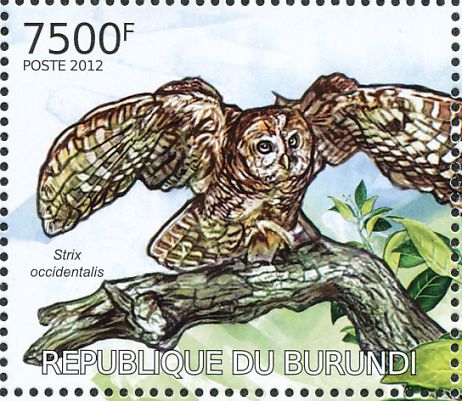
    Scientists report that after two decades of attempts to save the species, northern spotted owl (Strix occidentalis) numbers in the Northwest are still on the decline — and at a faster rate. The threatened bird nests in old trees and is at the heart of a decades-long struggle over the fate of the region’s old-growth forests. Scientists at a conference Tuesday in Vancouver, Washington, reported that owl numbers are now dropping at an annual rate of 3.8 percent, said U.S. Forest Service spokesman Glen Sachet. Five years ago, the rate was 2.8 percent. The scientists also said population declines are more widespread in the bird’s range from Washington through Northern California.

    Scientists report that after two decades of attempts to save the species, northern spotted owl (Strix occidentalis) numbers in the Northwest are still on the decline — and at a faster rate. The threatened bird nests in old trees and is at the heart of a decades-long struggle over the fate of the region’s old-growth forests. Scientists at a conference Tuesday in Vancouver, Washington, reported that owl numbers are now dropping at an annual rate of 3.8 percent, said U.S. Forest Service spokesman Glen Sachet. Five years ago, the rate was 2.8 percent. The scientists also said population declines are more widespread in the bird’s range from Washington through Northern California.

    Source: Times Standard News, June 10, 2015
    http://www.times-standard.com/general-news/20150610/scientists-spotted-owl-numbers-down

  • Claudia Külling heeft een methode ontwikkeld om het gebruik van bestrijdingsmiddelen in de bollenteelt drastisch terug te dringen

    Claudia Külling heeft een methode ontwikkeld om het gebruik van bestrijdingsmiddelen in de bollenteelt drastisch terug te dringen

    Claudia Külling heeft een methode ontwikkeld om het gebruik van bestrijdingsmiddelen in de bollenteelt drastisch
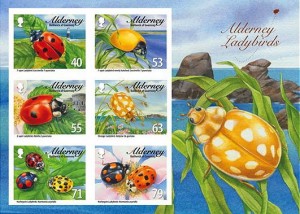
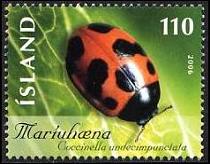
    terug te dringen. Misschien zelfs wel geheel overbodig te maken. Haar oplossing: artemisia, beter bekend als alsem en bijvoet, een plant met mooie, geurende, grijzige bladeren. Külling, geboren in Zwitserland, drijft samen met biologe Ingrid Weissenhorn het bedrijf Servaplant in Nootdorp, dat zich toelegt op milieu- en natuurvriendelijke teeltmethoden. “We waren al een tijd bezig met het zoeken naar methoden om bladluizen op gewassen op een milieuvriendelijke manier te bestrijden.” Bladluizen kunnen virussen overdragendie de bollen onverkoopbaar maken. Külling ontdekte in haar eigen tuin dat op artemisia een speciale soort luis voorkwam die veel lieveheersbeestjes aantrok. De lieveheersbeestjes beschouwen de minuscule diertjes als hun hoofdvoedsel. “Ik had al jaren last van luizen op mijn fruitbomen in de tuin. Maar toen de artemisia met daarop de luizen groeide, zagen we overal lieveheersbeestjes, ook op de fruitbomen. In dat jaar had ik voor het eerst geen luizen.” Zo’n aanpak moet ook in de teelt van gewassen te gebruiken zijn, dacht Külling. Lieveheersbeestjes zijn effectieve én milieuvriendelijke bestrijders van luizen.

    Claudia Külling heeft een methode ontwikkeld om het gebruik van bestrijdingsmiddelen in de bollenteelt drastisch
    terug te dringen. Misschien zelfs wel geheel overbodig te maken. Haar oplossing: artemisia, beter bekend als alsem en bijvoet, een plant met mooie, geurende, grijzige bladeren. Külling, geboren in Zwitserland, drijft samen met biologe Ingrid Weissenhorn het bedrijf Servaplant in Nootdorp, dat zich toelegt op milieu- en natuurvriendelijke teeltmethoden. “We waren al een tijd bezig met het zoeken naar methoden om bladluizen op gewassen op een milieuvriendelijke manier te bestrijden.” Bladluizen kunnen virussen overdragendie de bollen onverkoopbaar maken. Külling ontdekte in haar eigen tuin dat op artemisia een speciale soort luis voorkwam die veel lieveheersbeestjes aantrok. De lieveheersbeestjes beschouwen de minuscule diertjes als hun hoofdvoedsel. “Ik had al jaren last van luizen op mijn fruitbomen in de tuin. Maar toen de artemisia met daarop de luizen groeide, zagen we overal lieveheersbeestjes, ook op de fruitbomen. In dat jaar had ik voor het eerst geen luizen.” Zo’n aanpak moet ook in de teelt van gewassen te gebruiken zijn, dacht Külling. Lieveheersbeestjes zijn effectieve én milieuvriendelijke bestrijders van luizen.

    Ze worden in gesloten kassen volop gebruikt. Bij de teelt in de openlucht ligt dat moeilijker. De insecten verdwijnen als de luizen op zijn. Maar, dacht Külling, als ik de artemisia’s mét luis als voedselbron voor lieveheersbeestjes nou eens naar de teeltgewassen breng, dan trekt dit mogelijk de insectjes aan en dan zullen die misschien ook luizen gaan bestrijden in bolgewassen.
    Külling kwam in contact met enkele bollenkwekers in Noord-Holland. Met subsidie van het ministerie van economische zaken en het Europees Landbouwfonds voor Plattelandsontwikkeling zette ze met de kwekers een experiment op. Frans Langelaan, bollenkweker in Julianadorp, besloot aan de proef mee te doen. Rondom een veld van 1,5 hectare waarop narcissen, tulpen en lelies werden geteeld, plantte Külling een smalle strook artemisia’s met luis. De bloembollen werden niet bewerkt met insecticiden, zoals de omstreden neonicotinoïden. Vlak in de buurt werden op grond van Langelaan dezelfde bollen gepoot. Zij werden behandeld met de gebruikelijke cocktail van bestrijdingsmiddelen.
    Külling: “We wilden aantonen dat het gebruik van insecticiden kon worden gehalveerd. Dat is uitstekend gelukt. Uiteindelijk bleek zelfs dat er helemaal niet hoefde te worden gespoten. Iedereen was verrast over de uitkomst van de proef. Ik zelf ook.De lieveheersbeestjes uit de artemisia’s en de aangetrokken sluipwespen zorgden ervoor dat bladluizen op de bloembollen geen kans kregen.”
    Op zoek naar geldschieters
    De proef, in 2012 uitgevoerd, was eenmalig. Külling: “We hadden geen geld om het experiment elders te herhalen, helaas. Er zijn meer tests nodig om de praktijkwaarde aan te tonen. Ik ben op zoek naar geldschieters. Ik denk dat milieuvriendelijke plaagbestrijding een deel van de oplossing is en dat we het gebruik van insecticiden drastisch kunnen beperken met andere oplossingen, zoals de artemisia’s.”
    “Chemische bestrijdingsmiddelen zullen helaas wel nodig blijven. Maar insecticiden worden nu te massaal ingezet en niet selectief. Ik vind dat de neonicotinoïden niet hadden moeten worden toegelaten, vooral vanwege de slechte afbreekbaarheid van deze stoffen in het milieu. De toxicoloog Henk Tennekes heeft er jaren geleden al voor gewaarschuwd. Die man heeft op alle punten gelijk gekregen.”
    Bron: Dagblad Trouw, 20-04-2015
    http://www.servaplant.nl/cms/wp-content/uploads/2015/04/Tr-20-april-2015-Verdieping-Lieveheersbeestjes-als-alternatief-voor-gif.pdf

  • Cornwall puffin named on endangered and vulnerable sea bird list

    Cornwall puffin named on endangered and vulnerable sea bird list

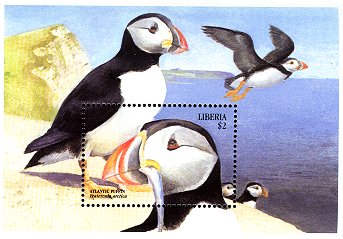
    Sea birds in Cornwall such as the puffin, fulmar, Kittiwake and Balearic shearwater have been listed as endangered and vulnerable in the new list of Euorpean birds. The EU Red List of Birds, which was published yesterday is a groundbreaking three-year study which describes the conservation status of over 500 species. At the European level it lists 13% birds as threatened, and a further 6% near threatened. Of particular concern in the West Country are a number of the region’s seabirds. Topping the list is the critically endangered Balearic shearwater, a visitor to the region’s coastal waters particularly in summer and autumn. With a population estimated at just 3,200 pairs globally this bird faces threats from predation by introduced mammals where it breeds, and from fishing by-catch. There are concerns too for the ever popular puffin – a bird that breeds on the Isles of Scilly, Lundy and occasionally on the mainland in the region.

    Sea birds in Cornwall such as the puffin, fulmar, Kittiwake and Balearic shearwater have been listed as endangered and vulnerable in the new list of Euorpean birds. The EU Red List of Birds, which was published yesterday is a groundbreaking three-year study which describes the conservation status of over 500 species. At the European level it lists 13% birds as threatened, and a further 6% near threatened. Of particular concern in the West Country are a number of the region’s seabirds. Topping the list is the critically endangered Balearic shearwater, a visitor to the region’s coastal waters particularly in summer and autumn. With a population estimated at just 3,200 pairs globally this bird faces threats from predation by introduced mammals where it breeds, and from fishing by-catch. There are concerns too for the ever popular puffin – a bird that breeds on the Isles of Scilly, Lundy and occasionally on the mainland in the region.

    Tony Whitehead, spokesman for the RSPB in the South West, said; “The state of seabirds in Europe is particularly worrying and it’s clear we need to work much harder to provide a well managed and properly protected marine environment as well as providing protection for coastal breeding colonies.”

    The puffin population in Iceland and Norway, which together account for 80% of the European population, decreased markedly since the early 2000s.

    Although the population size was estimated to be increasing in the UK during 1969-2000, evidence suggests that it has undergone declines or probable declines since 2000.

    As a result, the population size in Europe is estimated and projected to decrease by 50-79% during 2000-2065 (three generations).

    Read more: http://www.cornishman.co.uk/Cornwall-puffin-named-endangered-vulnerable-sea/story-26635127-detail/story.html#ixzz3cM4S0Sp9
    Follow us: @CornishmanPaper on Twitter | Cornishmanpaper on Facebook

  • Open Letter to American Beekeepers

    Open Letter to American Beekeepers

    The Presidential Task Force Report on Bee and Pollinator Health has been widely condemned for failing to address the primary cause of bee-deaths in America: pesticides. Environmental NGOs have strongly criticised the Task Force Report including: PANNA, Beyond Pesticides, Center for Food Safety, Friends of the Earth, National Resources Defense Council and EcoWatch [please read articles in footnote 1]. The central criticism is that this report gives pesticides a free pass in relation to bee colony deaths.It is largely ‘Greenwash’ to cover up the issue of mass bee deaths and delay action; a nice piece of window dressing designed to give the illusion that ‘something is being done’, when in truth, nothing substantial is being done at all. In contrast to the reaction of the NGOs, there has been a deafening silence from the national beekeeping organisations; this suggests their complete submission to the corporations which set up and dominated the Task Force: Bayer, Syngenta and Monsanto. Independent scientists overwhelmingly blame just one factor for millions of bee colony deaths: the prophylactic use of neonicotinoid seed-dressings, (along with fungicides, herbicides and growth regulators), on over 200 million acres of American crops. There is no doubt that the primary objective of those who ran this Task Force, was to defend the market freedom and profitability of their pesticides at all costs. In order to justify this corporate greed, they rejected a mountain of scientific evidence (more than 800 peer-reviewed papers), which confirm neonicotinoids as the primary factor in global bee decline. They also dismissed the eye-witness accounts of some of America’s most eminent beekeepers, who ascribe the loss of thousands of their colonies, to the lethal cocktail of pesticides which saturates the farming landscape. Everything else on the Task Force Agenda was just ‘smoke and mirrors’, to divert attention from the pesticide companies’ real objectives, namely to: Absolve pesticides of all responsibility for global bee deaths; Protect neonicotinoids from any threat of regulatory interference; Preserve the market dominance of neonicotinoids and their 2.4 billion dollar annual profits.

    The Presidential Task Force Report on Bee and Pollinator Health has been widely condemned for failing to address the primary cause of bee-deaths in America: pesticides. Environmental NGOs have strongly criticised the Task Force Report including: PANNA, Beyond Pesticides, Center for Food Safety, Friends of the Earth, National Resources Defense Council and EcoWatch [please read articles in footnote 1]. The central criticism is that this report gives pesticides a free pass in relation to bee colony deaths.It is largely ‘Greenwash’ to cover up the issue of mass bee deaths and delay action; a nice piece of window dressing designed to give the illusion that ‘something is being done’, when in truth, nothing substantial is being done at all. In contrast to the reaction of the NGOs, there has been a deafening silence from the national beekeeping organisations; this suggests their complete submission to the corporations which set up and dominated the Task Force: Bayer, Syngenta and Monsanto. Independent scientists overwhelmingly blame just one factor for millions of bee colony deaths: the prophylactic use of neonicotinoid seed-dressings, (along with fungicides, herbicides and growth regulators), on over 200 million acres of American crops. There is no doubt that the primary objective of those who ran this Task Force, was to defend the market freedom and profitability of their pesticides at all costs. In order to justify this corporate greed, they rejected a mountain of scientific evidence (more than 800 peer-reviewed papers), which confirm neonicotinoids as the primary factor in global bee decline. They also dismissed the eye-witness accounts of some of America’s most eminent beekeepers, who ascribe the loss of thousands of their colonies, to the lethal cocktail of pesticides which saturates the farming landscape. Everything else on the Task Force Agenda was just ‘smoke and mirrors’, to divert attention from the pesticide companies’ real objectives, namely to: Absolve pesticides of all responsibility for global bee deaths; Protect neonicotinoids from any threat of regulatory interference; Preserve the market dominance of neonicotinoids and their 2.4 billion dollar annual profits.

    Why would beekeepers co-operate in their own destruction?
    Unless the beekeepers who signed this agenda were fast asleep during the discussions, they must have realised they were gifting the EPA and the pesticide companies ‘free license’ to carpet-bomb America with billions of pounds more pesticides, for decades to come.
    By signing-off on the Task Force Report:
    • They ignored the European Union’s 2013 ban of the major neonicotinoids; along with hundreds of peerreviewed
    Science studies, on which that ban was based.
    • They swallowed the EPA’s ‘Big Lie’: that 200 million acres of neonicotinoid treated crops do not even
    qualify as ‘pesticide use’ and are not even mentioned in the pesticide statistics.

    • They bought the official story of ‘multifactorial causes’, which ascribes bee deaths to: varroa mites, viruses,
    fungal and bacterial diseases. These factors all contribute of course; but the single factor which opens the
    door to the invasion of these pathogens, is the crippling of the bees’ immune system by neonicotinoids.
    ‘Multifactorial cause of bee deaths’, is just another industry-generated smokescreen to hide ‘the elephant
    in the room’; pesticides!
    • They agreed to unrestricted use of the currently licensed neonicotinoids.
    • They agreed to fund USDA scientists to carry out even more ‘diversionary research’ on the same dead-end
    topics, which have yielded zero improvement in the last 15 years.
    • They opted for Voluntary State Pollinator Plans rather than the mandatory labelling: “do not apply during
    bloom” .
    Questions that demand an answer
    1. Why have the American Beekeeping Federation and the American Honey Producers Association agreed to
    ignore the truth: that neonicotinoids and other pesticides are the primary cause of mass bee deaths?
    2. Why did they fail to raise any objection, when the Task Force declared that any discussion of the link
    between neonicotinoids and bee-deaths was simply ‘taboo’? Did they not understand what was at stake
    here? Were they too naive or too timid, to object?
    3. Were they persuaded, or simply coerced, into betraying their own members interests?
    These questions are largely academic; when they signed-off on this report, they surrendered the future of
    American Beekeeping into the tender care of: the EPA, the Pesticide Corporations and Croplife.
    Fight or Surrender?
    American beekeeping stands at a crossroads: one road leads to a pesticide-drenched future, mapped out in
    this Task Force Report. If the beekeepers swallow this without a fight, they condemn themselves and their
    industry to an increasingly toxic decline, ruled over by the pesticide companies and the ethically corrupt EPA.
    The alternative road is the path of public and political resistance. It is true that this would involve many battles,
    but this is the only possible route that could lead to a healthy future for American beekeeping. If beekeepers
    choose to resist, they would receive the support of millions of ordinary Americans, who understand what is at
    stake. The choice is simple: campaign now for bee-friendly farming and a pesticide-free environment, or carry
    on trying to pollinate crops in a pesticide-drenched landscape that is utterly toxic to bees.
    A Toxic Future for Beekeeping?
    If American beekeepers accept this report, they will suffer:
    • The death of millions more bee colonies every year
    • The collapse of many more beekeeper businesses
    • Rising neonicotinoid pollution of streams, rivers, groundwater and wells
    • Accelerating decline of American wildlife: bees, butterflies, soil-organisms and birds.
    Moreover, the Pesticide Driven Agenda, at the heart of this Report, will be seen by the public as the ‘agreed
    agenda of American Beekeeping’. As a result, beekeepers will find it even harder to raise objection to any
    use of new systemic pesticides. They will be forced to accept the dictates of the EPA and the pesticide
    companies; absorb the financial loss of 30 to 40% of your colonies each year, or leave the business
    Furthermore, if beekeepers really adopt this agenda as their own:
    • They may be forced to publicly oppose the environmental NGOs, who will undoubtedly continue to
    campaign for a ban on neonicotinoids. Beekeepers will have no choice but to ‘defend’ this ‘pesticidedriven
    agenda’ as their own, whenever neonicotinoids are debated in the media.
    • They will have betrayed the 20 year struggle of their sister organisations in Germany, France, Italy and other
    countries, who fought many battles to achieve the European ban on neonics
    We framed this letter in the hope of getting beekeepers to reconsider their involvement in this Task Force
    Report, and to foster debate on a new strategy. The current strategy of ABF and AHPA seems to consist of
    unconditional surrender to the EPA and the pesticide companies.
    It is vital that American beekeepers reject this Task Force Report and the ‘pesticide protection agenda’ which
    their representatives have inexplicably signed-up to. Please speak out now! Take action yourselves. If
    beekeepers fail to reject this Report, their silence will be taken as ‘consent’ to the pesticide-driven agenda at
    its heart.
    Contact the leadership of your beekeeping organisations: local, regional and national.
    Contact the EPA and USDA; let them know how you feel about the ‘Greenwash’ served up in this report.
    Contact your Congressional representative regarding this ‘White House Whitewash’ on bee and pollinator
    deaths.
    This is the last chance to demand real reform of the pesticide based agriculture, that the EPA, the USDA and
    the pesticide companies have imposed on the American landscape and on American beekeeping.
    Sincerely
    Graham White, Beekeeper, Scotland, UK
    Tom Theobald, Beekeeper, Niwot, Colorado
    Dr Henk Tennekes, Consultant Toxicologist, Netherlands
    Footnote 1: Published Criticisms of the White House PollinatorTask Force Report:
    Center for Food Safety:
    http://foodtank.com/news/2015/05/top-5-takeaways-from-the-white-house-pollinator-health-task-forceannouncem
    National Resources Defense Council:
    http://www.nrdc.org/media/2015/150520b.asp
    Beyond Pesticides

    White House Plan Does Little to Take the Sting Out of Pollinator Declines


    Eco-Watch:
    http://ecowatch.com/2015/05/20/problems-obama-plan-save-bees/
    Pesticide Action Network North America:
    http://www.panna.org/white-house-plan-bees-sidesteps-pesticide-problem
    National Public Radio:
    http://www.npr.org/sections/thesalt/2015/05/20/408017267/pollinator-politics-environmentalists-criticizeobama-plan-to-save-bees

  • How good is the evidence base for pollinator declines? A comment on the recent Ghazoul and Goulson Science correspondence

    How good is the evidence base for pollinator declines? A comment on the recent Ghazoul and Goulson Science correspondence

    In a recent issue of the journal Science, Dave Goulson and colleagues presented a review entitled “Bee declines driven by combined stress from parasites, pesticides, and lack of flowers”. This stimulated Jaboury Ghazoul to submit a letter to Science criticising the Goulson et al. paper from a number of perspectives, but particularly the paucity of the evidence base for pollinator declines. Dave and his co-authors robustly responded to that letter, as you might imagine. In some respects this was an unsatisfactory exchange, however, as the focus was largely on agricultural pollinators, rather than pollinators of all plants (including the majority non-cultivated species) and I think that (perhaps with more space?) Dave could have outlined the evidence in more depth. The most striking statement in Jaboury’s letter was that the “evidence for pollinator declines is almost entirely confined to honeybees and bumblebees in Europe and North America”. Now, even given the fact that Jaboury was possibly referring specifically to agricultural pollinators, that is a very extreme statement to make. Underlying it is the suggestion that global concerns about declining pollinator biodiversity (a subject I’ve discussed repeatedly on this blog) is underpinned by a taxonomically and geographically thin evidence base. Is that really true? I don’t believe so and I think it’s worth presenting a brief overview of the evidence, not least because Dave’s review and the resulting correspondence is pay-walled at the Science site (though if you Google the titles you might, just might, find copies posted on the web…).

    In a recent issue of the journal Science, Dave Goulson and colleagues presented a review entitled “Bee declines driven by combined stress from parasites, pesticides, and lack of flowers”. This stimulated Jaboury Ghazoul to submit a letter to Science criticising the Goulson et al. paper from a number of perspectives, but particularly the paucity of the evidence base for pollinator declines. Dave and his co-authors robustly responded to that letter, as you might imagine. In some respects this was an unsatisfactory exchange, however, as the focus was largely on agricultural pollinators, rather than pollinators of all plants (including the majority non-cultivated species) and I think that (perhaps with more space?) Dave could have outlined the evidence in more depth. The most striking statement in Jaboury’s letter was that the “evidence for pollinator declines is almost entirely confined to honeybees and bumblebees in Europe and North America”. Now, even given the fact that Jaboury was possibly referring specifically to agricultural pollinators, that is a very extreme statement to make. Underlying it is the suggestion that global concerns about declining pollinator biodiversity (a subject I’ve discussed repeatedly on this blog) is underpinned by a taxonomically and geographically thin evidence base. Is that really true? I don’t believe so and I think it’s worth presenting a brief overview of the evidence, not least because Dave’s review and the resulting correspondence is pay-walled at the Science site (though if you Google the titles you might, just might, find copies posted on the web…).

    Let me state from the outset that I have considerable respect for both Jaboury and Dave, as individuals and as scientists. I’ve known Dave since we were postgrads together in the early 1990s, and have had occasional contact with Jaboury through conferences and via email. So this isn’t meant to be a criticism of either of them. But I do believe that the evidence for pollinator declines is considerably more robust than Jaboury acknowledges, and even more wide ranging than Dave and colleagues describe in their response (though in fairness, most of the bee evidence was cited in their original review).

    Here’s a summary of where I see the evidence base at the moment; it’s not meant to be a full review, by any means, but rather to give a flavour of the taxonomic and geographical breadth and depth of the evidence as it currently stands:

    Wild bees (including bumblebees, and solitary and primitively eusocial bees) – significant reduction of abundance and diversity at local, regional and country-levels documented in Britain (Biesmeijer et al. 2006, Ollerton et al. 2014), Holland (Biesmeijer et al. 2006), Europe as a whole (Kosier et al. 2007, the recent IUCN Red List by Nieto et al 2014), North America (Grixti et al. 2007, Cameron et al. 2011, Burkle et al. 2013), South America (Morales et al. 2013; Schmid-Hempel et al. 2013), China and Japan (Xie et al. 2008; Williams et al. 2009; Matsumura et al. 2004; Inoue et al. 2008), and South Africa (Pauw 2007).

    Honey bees – colony declines documented in Europe and North America (see reviews by NRC 2007, Potts et al. 2010) and evidence that global demand for honey bee pollination services is outstripping supply (Aizen and Harder 2009).

    Hoverflies (Syrphidae) – diversity declines documented in Holland and Britain (Biesmeijer et al. 2006).

    Butterflies and moths – diversity and abundance of Lepidoptera has declined in the UK (Gonzalez-Megias et al. 2008, Fox 2013), whilst in North America some 50 species are IUCN criteria Red Listed and there is particular concern about the iconic Monarch butterfly. Likewise a significant fraction of butterflies in other parts of the world are of conservation concern, e.g. Southern Africa, Australia, and Europe.

    Flower-visiting wasps – reduction in country-level diversity in Britain (Ollerton et al. 2014).

    Birds and mammals – the major vertebrate pollinators have recently been assessed at a global level by Regan et al. (2015) using IUCN Red List criteria. They concluded that: “overall, pollinating bird and mammal species are deteriorating in status, with more species moving toward extinction than away from it. On average, 2.5 species per year have moved one Red List category toward extinction in recent decades, representing a substantial increase in the extinction risk across this set of species”.

    Of course a number of the studies cited above have shown that some species are doing better than others and a proportion of the taxa they have assessed are stable or even increasing in abundance (including managed honey bee colonies in some parts of the world). But the current evidence base, as I see it, is pointing towards significant declines in pollinator abundance and diversity at multiple spatial scales across all regions that have so-far been assessed with any rigour, for a wide range of taxa.

    I’m happy to receive comments on this topic, particularly pointing me to major sources of evidence that I’ve not covered, or if you disagree with my conclusions.

    References

    Aizen and Harder (2009) The global stock of domesticated honeybees is growing slower than agricultural demand for pollination. Current Biology 19: 915–918.

    Biesmeijer et al. (2006) Parallel declines in pollinators and insect-pollinated plants in Britain and the Netherlands. Science 313: 351–354.

    Burkle et al. (2013) Plant-pollinator interactions over 120 years: Loss of species, co-occurrence, and function. Science 339, 1611–161.

    Cameron et al. (2011) Patterns of widespread decline in North American bumble bees. Proc. Natl. Acad. Sci. U.S.A. 108: 662–667.

    Fox (2013) The decline of moths in Great Britain: a review of possible causes. Insect Conservation and Diversity 6: 5–19.

    Gonzalez-Megias, A. et al. (2008) Changes in the composition of British butterfly assemblages over two decades. Global Change Biology, 14: 1464-1474.

    Grixti (2009) Decline of bumble bees (Bombus) in the North American Midwest. Biol. Conserv. 142, 75–84 (2009).

    Inoue et al. (2008). Displacement of Japanese native bumblebees by the recently introduced Bombus terrestris (L.) (Hymenoptera: Apidae). J. Insect Conserv. 12: 135–146.

    Kosior (2007) The decline of the bumble bees and cuckoo bees (Hymenoptera: Apidae: Bombini) of Western and Central Europe. Oryx 41, 79–88.

    Matsumura et al. (2004) Invasion status and potential ecological impacts of an invasive alien bumblebee, Bombus terrestris L. (Hymenoptera: Apidae) naturalized in Southern Hokkaido, Japan. Glob. Environ. Res. 8, 51–66.

    National Resource Council (2007) Status of Pollinators in North America. National Academies Press, Washington, DC.

    Nieto et al. (2014) European Red List of Bees. Publication Office of the European Union.

    Ollerton et al. (2014) Extinction of aculeate pollinators in Britain and the role of large-scale agricultural changes. Science 346: 1360-1362.

    Pauw (2007) Collapse of a pollination web in small conservation areas. Ecology 88: 1759-1769.

    Potts et al. (2010) Declines of managed honey bees and beekeepers in Europe. Journal of Apicultural Research 49: 15–22.

    Regan et al. (2015) Global Trends in the Status of Bird and Mammal Pollinators. Conservation Letters DOI: 10.1111/conl.12162
    Schmid-Hempel et al. (2013) The invasion of southern South America by imported bumblebees and associated parasites. Journal of Animal Ecology 83: 823–837.

    Williams et al. (2009) The bumblebees of Sichuan (Hymenoptera: Apidae, Bombini). Syst. Biodivers. 7: 101–189.

    Xie et al. (2008) The effect of grazing on bumblebees in the high rangelands of the eastern Tibetan Plateau of Sichuan. Journal of Insect Conservation 12: 695–703 (2008).
    Source: Jeff Ollerton’s Biodiversity Blog, 3 June 2015
    https://jeffollerton.wordpress.com/2015/06/03/how-good-is-the-evidence-base-for-pollinator-declines-a-comment-on-the-recent-ghazoul-and-goulson-science-correspondence/

  • Angler schlagen Alarm – Unser Neckar stirbt!

    Angler schlagen Alarm – Unser Neckar stirbt!

    Hans-Hermann Schock (66) ist das Lachen vergangen. Er ist Vorsitzender des Württembergischen Angler Vereins.
    Sein Problem: Im Neckar gibt es immer weniger Fische, seine Netze bleiben immer öfter leer. Der Bestand ist um 80 Prozent geschrumpft. Vor 10 Jahren haben die Angler pro Jahr noch fast zehn Tonnen Fische im Neckar gefangen. Jetzt sind es nur noch zwei Tonnen. Lachse gibt es im Neckar nicht mehr. Schock: „Daraus kann man schließen, dass die Menge der Fische, die im Neckar leben, gesunken ist.“ Diese Entwicklung hat auch der letzte Neckar-Berufsfischer Jürgen Seybold (60) beobachtet: „Der Rückgang ist gigantisch.“ Genaue Zahlen hat er nicht.

    Hans-Hermann Schock (66) ist das Lachen vergangen. Er ist Vorsitzender des Württembergischen Angler Vereins.
    Sein Problem: Im Neckar gibt es immer weniger Fische, seine Netze bleiben immer öfter leer. Der Bestand ist um 80 Prozent geschrumpft. Vor 10 Jahren haben die Angler pro Jahr noch fast zehn Tonnen Fische im Neckar gefangen. Jetzt sind es nur noch zwei Tonnen. Lachse gibt es im Neckar nicht mehr. Schock: „Daraus kann man schließen, dass die Menge der Fische, die im Neckar leben, gesunken ist.“ Diese Entwicklung hat auch der letzte Neckar-Berufsfischer Jürgen Seybold (60) beobachtet: „Der Rückgang ist gigantisch.“ Genaue Zahlen hat er nicht.

    Quelle: Bild, 16.05.2015
    http://www.bild.de/regional/stuttgart/neckar/stirbt-angler-schlagen-alarm-40968274.bild.html

  • Artenschutz-Report: Jede dritte Art in Deutschland gefährdet

    Artenschutz-Report: Jede dritte Art in Deutschland gefährdet

    Jede dritte untersuchte Art in Deutschland ist nach Angaben des Bundesamts für Naturschutz (BfN) gefährdet. Das geht aus heute vorgestellten ersten umfassenden Artenschutz-Report hervor. In Europa ist fast jede dritte Vogelart vom Aussterben bedroht oder steht auf der Warnliste, wie ein Bericht der EU-Kommission und der Europäischen Umweltagentur (EEA) zeigt. Ob Rebhuhn oder Wildbienen: „Der Zustand der Artenvielfalt in Deutschland ist alarmierend“, sagte BfN-Präsidentin Beate Jessel. Das nationale Ziel, den Verlust der biologischen Vielfalt aufzuhalten, werde bislang verfehlt. Eine wichtige Ursache hierfür sei die intensive Landwirtschaft. Jessel forderte eindringlich, die Anstrengungen für den Naturschutz zu verstärken. Umweltorganisationen wie WWF, BUND und NABU werten den Bericht als Alarmsignal.

    Jede dritte untersuchte Art in Deutschland ist nach Angaben des Bundesamts für Naturschutz (BfN) gefährdet. Das geht aus heute vorgestellten ersten umfassenden Artenschutz-Report hervor. In Europa ist fast jede dritte Vogelart vom Aussterben bedroht oder steht auf der Warnliste, wie ein Bericht der EU-Kommission und der Europäischen Umweltagentur (EEA) zeigt. Ob Rebhuhn oder Wildbienen: „Der Zustand der Artenvielfalt in Deutschland ist alarmierend“, sagte BfN-Präsidentin Beate Jessel. Das nationale Ziel, den Verlust der biologischen Vielfalt aufzuhalten, werde bislang verfehlt. Eine wichtige Ursache hierfür sei die intensive Landwirtschaft. Jessel forderte eindringlich, die Anstrengungen für den Naturschutz zu verstärken. Umweltorganisationen wie WWF, BUND und NABU werten den Bericht als Alarmsignal.

    Laut Artenschutz-Report kommen in Deutschland insgesamt rund 72 000 Tier-, Pflanzen- und Pilzarten vor. In der Roten Liste wurden über 32 000 heimische Spezies auf ihre Gefährdung hin untersucht – mit einem nach BfN-Einschätzung ernüchternden Ergebnis: Rund 31 Prozent sind in ihrem Bestand gefährdet, vier Prozent bereits ausgestorben.
    Besonders dramatisch ist dem Bericht zufolge die Situation bei den wirbellosen Tieren, zu denen Insekten gehören: Knapp 46 Prozent der untersuchten Arten und Unterarten sind bedroht, extrem selten oder ausgestorben. Mit Sorge beobachten Experten dabei auch die negative Entwicklung aller 600 Wildbienenarten in Deutschland.
    Fast 28 Prozent der Wirbeltierarten – Süßwasserfische, Amphibien, Reptilien, Vögel und Säugetiere – seien in ihrem Bestand gefährdet. Die Situation bei den Brutvögeln hat sich laut Bericht spürbar verschlechtert. „Allerweltsarten“ unter den Agrarvögeln wie Kiebitz und Feldlerche gehe es kontinuierlich schlechter, sagte Jessel. Beim Kiebitz hat sich demnach der Bestand auf ein Drittel bis ein Viertel reduziert. Beim Rebhuhn gebe es sogar einen Rückgang von 90 Prozent.
    Quelle: Focus, 20.05.2015
    http://www.focus.de/panorama/welt/wissenschaft-artenschutz-report-jede-dritte-art-in-deutschland-gefaehrdet_id_4694368.html