Auteur: Henk Tennekes

  • Vermont timber rattlesnakes face fungal disease

    Vermont timber rattlesnakes face fungal disease

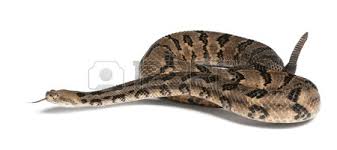
    Vermont conservationists are battling a new obstacle in the effort to conserve the state’s timber rattlesnakes and other snake species—a recently discovered infection referred to simply as snake fungal disease. Similar to white-nose syndrome in bats, the disease appears as white to brown blisters on the snake’s face. Snake fungal disease, thought to be causing declines in timber rattlesnake (Crotalus horridus) populations in neighboring New Hampshire and Massachusetts, is now appearing in Vermont. Doug Blodgett, wildlife biologist for Vermont Fish & Wildlife, says that snake fungal disease was first discovered among Vermont’s rattlesnake population in 2012 and has been found in both of Vermont’s distinct rattlesnake populations. While timber rattlesnakes in Vermont have died after contracting snake fungal disease, scientists don’t know yet the extent of the threat or whether it will cause the state-endangered populations to decline even further. The disease is also suspected to have infected several other snake species in Vermont, including Eastern ratsnakes and common milksnakes. “We’re cautiously monitoring this disease among Vermont’s snakes and are watching for any signs that our populations are in decline,” said Blodgett. “Fortunately we have several partners in this effort with whom we are working closely.”

    Vermont conservationists are battling a new obstacle in the effort to conserve the state’s timber rattlesnakes and other snake species—a recently discovered infection referred to simply as snake fungal disease. Similar to white-nose syndrome in bats, the disease appears as white to brown blisters on the snake’s face. Snake fungal disease, thought to be causing declines in timber rattlesnake (Crotalus horridus) populations in neighboring New Hampshire and Massachusetts, is now appearing in Vermont. Doug Blodgett, wildlife biologist for Vermont Fish & Wildlife, says that snake fungal disease was first discovered among Vermont’s rattlesnake population in 2012 and has been found in both of Vermont’s distinct rattlesnake populations. While timber rattlesnakes in Vermont have died after contracting snake fungal disease, scientists don’t know yet the extent of the threat or whether it will cause the state-endangered populations to decline even further. The disease is also suspected to have infected several other snake species in Vermont, including Eastern ratsnakes and common milksnakes. “We’re cautiously monitoring this disease among Vermont’s snakes and are watching for any signs that our populations are in decline,” said Blodgett. “Fortunately we have several partners in this effort with whom we are working closely.”

    Source: Williston Observer, August 27, 2015
    http://www.willistonobserver.com/vt-timber-rattlesnakes-face-fungal-disease/
  • Effects of sublethal doses of glyphosate on honeybee navigation

    Effects of sublethal doses of glyphosate on honeybee navigation

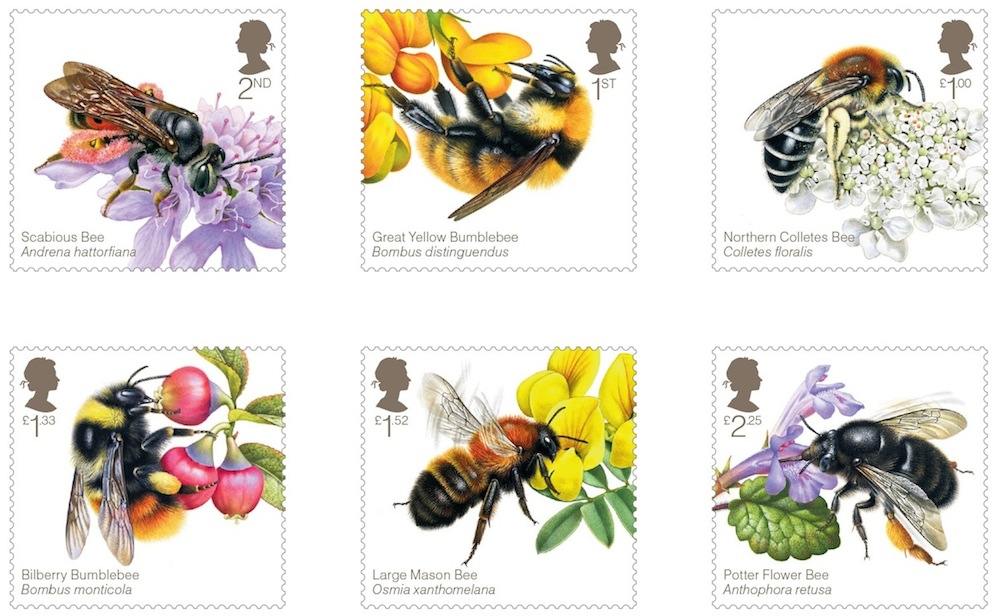
    Glyphosate (GLY) is a herbicide that is widely used in agriculture for weed control. Although reports about the impact of GLY in snails, crustaceans and amphibians exist, few studies have investigated its sublethal effects in non-target organisms such as the honeybee Apis mellifera, the main pollen vector in commercial crops. Here, we tested whether exposure to three sublethal concentrations of GLY (2.5, 5 and 10 mg l−1: corresponding to 0.125, 0.250 and 0.500 μg per animal) affects the homeward flight path of honeybees in an open field. We performed an experiment in which forager honeybees were trained to an artificial feeder, and then captured, fed with sugar solution containing traces of GLY and released from a novel site either once or twice. Their homeward trajectories were tracked using harmonic radar technology. We found that honeybees that had been fed with solution containing 10 mg l−1 GLY spent more time performing homeward flights than control bees or bees treated with lower concentrations. They also performed more indirect homing flights. Moreover, the proportion of direct homeward flights performed after a second release from the same site increased in control bees but not in treated bees. These results suggest that, in honeybees,exposure to levels of GLY commonly found in agricultural settings impairs the cognitive capacities needed to retrieve and integrate spatial information for a successful return to the hive. Therefore, honeybee navigation is affected by ingesting traces of the most widely used herbicide worldwide, with potential long-term negative consequences for colony foraging success.

    Glyphosate (GLY) is a herbicide that is widely used in agriculture for weed control. Although reports about the impact of GLY in snails, crustaceans and amphibians exist, few studies have investigated its sublethal effects in non-target organisms such as the honeybee Apis mellifera, the main pollen vector in commercial crops. Here, we tested whether exposure to three sublethal concentrations of GLY (2.5, 5 and 10 mg l−1: corresponding to 0.125, 0.250 and 0.500 μg per animal) affects the homeward flight path of honeybees in an open field. We performed an experiment in which forager honeybees were trained to an artificial feeder, and then captured, fed with sugar solution containing traces of GLY and released from a novel site either once or twice. Their homeward trajectories were tracked using harmonic radar technology. We found that honeybees that had been fed with solution containing 10 mg l−1 GLY spent more time performing homeward flights than control bees or bees treated with lower concentrations. They also performed more indirect homing flights. Moreover, the proportion of direct homeward flights performed after a second release from the same site increased in control bees but not in treated bees. These results suggest that, in honeybees,exposure to levels of GLY commonly found in agricultural settings impairs the cognitive capacities needed to retrieve and integrate spatial information for a successful return to the hive. Therefore, honeybee navigation is affected by ingesting traces of the most widely used herbicide worldwide, with potential long-term negative consequences for colony foraging success.

    Source: Marı́a Sol Balbuena et al. (2015) The Journal of Experimental Biology 218, 2799-2805 doi:10.1242/jeb.117291

  • African penguins are at risk of extinction

    African penguins are at risk of extinction

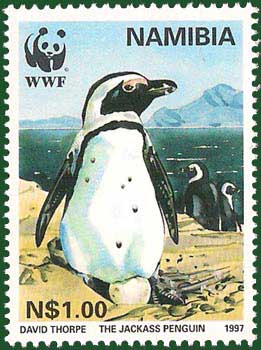
    They’re cute, they’re knee-high, they bray like donkeys and they’re a tourist attraction near Cape Town, South Africa. But African penguins (Spheniscus demersus) — the continent’s only species of the flightless bird — are at risk of extinction. In the 1930s, South Africa’s largest colony — one of many — had a million African penguins. Now, only 100,000 of the birds remain in all of South Africa and neighboring Namibia, the only places where the species exists. Anchovies and sardines are the penguin’s primary food source. Both fisheries scientists and bird specialists agree that the decline of the penguin began around 2004 with a shift in anchovies and sardines away from the colonies. Penguins must now swim farther to catch fish, leaving adults weakened. Many have died or abandoned their chicks, with hundreds winding up in the crowded outdoor pens of a rehabilitation center run by the Southern African Foundation for the Conservation of Coastal Birds.

    They’re cute, they’re knee-high, they bray like donkeys and they’re a tourist attraction near Cape Town, South Africa. But African penguins (Spheniscus demersus) — the continent’s only species of the flightless bird — are at risk of extinction. In the 1930s, South Africa’s largest colony — one of many — had a million African penguins. Now, only 100,000 of the birds remain in all of South Africa and neighboring Namibia, the only places where the species exists. Anchovies and sardines are the penguin’s primary food source. Both fisheries scientists and bird specialists agree that the decline of the penguin began around 2004 with a shift in anchovies and sardines away from the colonies. Penguins must now swim farther to catch fish, leaving adults weakened. Many have died or abandoned their chicks, with hundreds winding up in the crowded outdoor pens of a rehabilitation center run by the Southern African Foundation for the Conservation of Coastal Birds.

    Source: Washington Post, August 31, 2015
    http://www.washingtonpost.com/national/health-science/cute-african-penguins-are-at-risk-of-extinction/2015/08/31/8867d02e-4d8c-11e5-bfb9-9736d04fc8e4_story.html

  • Insektengifte – Schleichende Gefahr vom Acker (ZDF planet e, 04.10.2015, 14:30 Uhr)

    Insektengifte – Schleichende Gefahr vom Acker (ZDF planet e, 04.10.2015, 14:30 Uhr)

    Neonicotinoide sind Insektenvertilgungsmittel, die manche für Wunderwaffen auf dem Acker halten. Aber das Gift tötet nicht nur Schädlinge, sondern bedroht in Kleinstmengen auch Menschen. Die Pestizide wirken als Nervengift tödlich auf Insekten und bilden dauerhaft Rückstände in Pflanzen. Japanische Wissenschaftler haben in Versuchen nachgewiesen, dass Neonicotinoide verheerend auf die Gehirnentwicklung von Föten und Säuglingen wirken. Die Spurensuche nach den Neonicotinoiden führt “planet e.” nach Japan. Dort hat Recherchen zufolge der Einsatz dieser Mittel mutmaßlich zahlreiche Menschen gesundheitlich geschädigt. Aber auch in Europa warnte die zuständige Behörde für Lebensmittelsicherheit EFSA schon vor zwei Jahren vor den Folgen des Pestizids, besonders für Babys und Kinder. Doch noch immer werden Neonicotinoide in Europa und auf der ganzen Welt tonnenweise ausgebracht. Gegen ein drohendes Totalverbot laufen jetzt die Hersteller und Lobbyisten Sturm: in Brüssel bei der EU und in Berlin bei den zuständigen Ministerien. “planet e.” spricht mit Prof. Karl Zwiauer vom Universitätsklinikum St. Pölten in Niederösterreich. Der Kinderarzt rät Eltern vorsorglich vom Verzehr mit Neonicotinoiden behandelter Lebensmittel ab. Das Gift gelange über die Plazenta oder die Muttermilch unmittelbar zum Nachwuchs. Zwar sei ein direkter Nachweis oft schwierig. Doch Gifte wie die Neonicotinoide wirkten schleichend und es sei möglich, dass spätere Lern- und Kommunikationsschwierigkeiten darauf zurückzuführen sind. Dabei, erklärt Dr. Henk Tennekes in “planet e.”, sei die Menge des aufgenommenen Pestizids unwichtig. Der Toxikologe hat nachgewiesen, dass Neonicotinoide im Gegensatz zu andern Pestiziden schon in kleinsten Mengen wirken. “Es gibt keine Schwelle, keinen Grenzwert, bei dem die Neonicotinoide nicht gefährlich sind”, so Tennekes in der Dokumentation über die Neonicotinoide – die schleichende Gefahr vom Acker.

    Neonicotinoide sind Insektenvertilgungsmittel, die manche für Wunderwaffen auf dem Acker halten. Aber das Gift tötet nicht nur Schädlinge, sondern bedroht in Kleinstmengen auch Menschen. Die Pestizide wirken als Nervengift tödlich auf Insekten und bilden dauerhaft Rückstände in Pflanzen. Japanische Wissenschaftler haben in Versuchen nachgewiesen, dass Neonicotinoide verheerend auf die Gehirnentwicklung von Föten und Säuglingen wirken. Die Spurensuche nach den Neonicotinoiden führt “planet e.” nach Japan. Dort hat Recherchen zufolge der Einsatz dieser Mittel mutmaßlich zahlreiche Menschen gesundheitlich geschädigt. Aber auch in Europa warnte die zuständige Behörde für Lebensmittelsicherheit EFSA schon vor zwei Jahren vor den Folgen des Pestizids, besonders für Babys und Kinder. Doch noch immer werden Neonicotinoide in Europa und auf der ganzen Welt tonnenweise ausgebracht. Gegen ein drohendes Totalverbot laufen jetzt die Hersteller und Lobbyisten Sturm: in Brüssel bei der EU und in Berlin bei den zuständigen Ministerien. “planet e.” spricht mit Prof. Karl Zwiauer vom Universitätsklinikum St. Pölten in Niederösterreich. Der Kinderarzt rät Eltern vorsorglich vom Verzehr mit Neonicotinoiden behandelter Lebensmittel ab. Das Gift gelange über die Plazenta oder die Muttermilch unmittelbar zum Nachwuchs. Zwar sei ein direkter Nachweis oft schwierig. Doch Gifte wie die Neonicotinoide wirkten schleichend und es sei möglich, dass spätere Lern- und Kommunikationsschwierigkeiten darauf zurückzuführen sind. Dabei, erklärt Dr. Henk Tennekes in “planet e.”, sei die Menge des aufgenommenen Pestizids unwichtig. Der Toxikologe hat nachgewiesen, dass Neonicotinoide im Gegensatz zu andern Pestiziden schon in kleinsten Mengen wirken. “Es gibt keine Schwelle, keinen Grenzwert, bei dem die Neonicotinoide nicht gefährlich sind”, so Tennekes in der Dokumentation über die Neonicotinoide – die schleichende Gefahr vom Acker.

    Sendetermin: ZDF planet e, 04.10.2015, 14:30 Uhr
    Quelle: Prisma.de
    http://www.prisma.de/tv-programm/planet-e.,5832186

  • Aggressive use of insecticides leads to a significant decline of bats

    Aggressive use of insecticides leads to a significant decline of bats

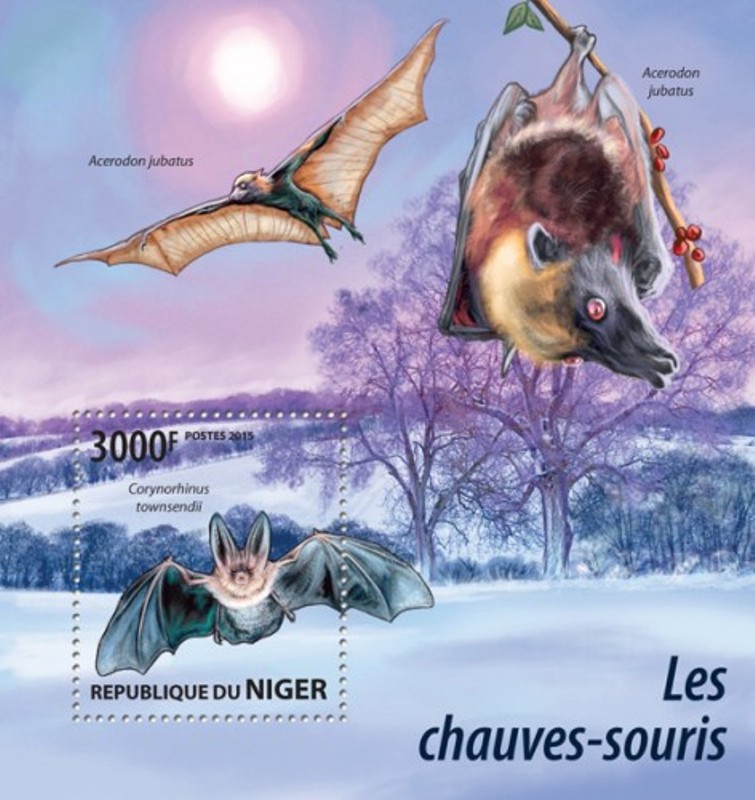
    Bats get their own day on the last weekend of August. Or rather, night: on European Bat Night, an international event promoted by UN bats secretariat Eurobats looks to get people closer to these animals. This is hoped to help the public better understand the important role of bats in the ecosystem, and encourage their conservation – since many species are in danger of extinction. These winged mammals are a “keystone species” essential to some ecosystems, being responsible for the natural control of agricultural pests, pollination of plants and seed distribution. Bats are critical to the survival of many wild species. Without them, the diversity of plants and animals on Earth would be greatly reduced. Even their droppings (known as guano) are a valuable natural fertilizer. Although bats have almost no natural enemies, over past decades they have been facing numerous threats. All of these are related to human activity: habitat loss due to deforestation, changes in building style, and overhunting for bush meat are among them. Beyond this, the ever-more more aggressive use of pesticides in agriculture has also lead to a significant decline of insects – bats’ main food source – thus poisoning bats. Contributing to the problem is the difficulty in tracking significant declines in bat populations – until their situation is critical. And bats’ low reproduction rates – most females give birth to only one pup per year – make recovery from serious losses especially slow.

    Bats get their own day on the last weekend of August. Or rather, night: on European Bat Night, an international event promoted by UN bats secretariat Eurobats looks to get people closer to these animals. This is hoped to help the public better understand the important role of bats in the ecosystem, and encourage their conservation – since many species are in danger of extinction. These winged mammals are a “keystone species” essential to some ecosystems, being responsible for the natural control of agricultural pests, pollination of plants and seed distribution. Bats are critical to the survival of many wild species. Without them, the diversity of plants and animals on Earth would be greatly reduced. Even their droppings (known as guano) are a valuable natural fertilizer. Although bats have almost no natural enemies, over past decades they have been facing numerous threats. All of these are related to human activity: habitat loss due to deforestation, changes in building style, and overhunting for bush meat are among them. Beyond this, the ever-more more aggressive use of pesticides in agriculture has also lead to a significant decline of insects – bats’ main food source – thus poisoning bats. Contributing to the problem is the difficulty in tracking significant declines in bat populations – until their situation is critical. And bats’ low reproduction rates – most females give birth to only one pup per year – make recovery from serious losses especially slow.

    Source: Deutsche Welle, August 2015
    http://www.dw.com/en/european-bat-night-helping-endangered-bats-matter/a-18679165

  • Natuurbehoud vereist een radicale ommekeer naar niet-chemische plaagbeheersing en duurzame gifvrije landbouw

    Natuurbehoud vereist een radicale ommekeer naar niet-chemische plaagbeheersing en duurzame gifvrije landbouw

    Bijen en andere bestuivende insecten – essentiële schakels in onze voedselproductie – lopen ernstig gevaar door bestrijdingsmiddelen. Dat blijkt uit een studie van de European Food Safety Authority (EFSA)[1]. Ongeveer een derde van de voedselgewassen is direct afhankelijk van bestuiving door onder andere bijen[2]. Het gaat slecht met honingbijen, wilde bijen en hommels in Nederland en Europa. De drie zogenaamde neonicotinoiden worden al jaren door wetenschappers aangewezen als voorname oorzaak. Dit zijn bestrijdingsmiddelen waarmee boeren plaaginsecten zoals bladluizen van hun gewassen weren. Bijen en hommels zijn daarbij onbedoeld slachtoffer. Een in 2013 ingesteld gedeeltelijk verbod heeft te weinig effect gehad op de toepassing van de pesticiden. In Nederland mag 85 procent van het gebruik van de stoffen gewoon blijven doorgaan, zo bleek uit eerder onderzoek door het Centrum voor Landbouw en Milieu[3]. Zo is het toegestaan fruitboomgaarden na de bloei te sproeien, het middel in kassen of bij de aardappelteelt te gebruiken, ondanks dat wetenschappelijk vaststaat dat deze praktijk de natuur om zeep helpt. Daarnaast bedingen sommige EU landen uitzonderingen op het deelverbod – zoals recentelijk Groot Brittannië voor behandeling van koolzaad[4].

    Bijen en andere bestuivende insecten – essentiële schakels in onze voedselproductie – lopen ernstig gevaar door bestrijdingsmiddelen. Dat blijkt uit een studie van de European Food Safety Authority (EFSA)[1]. Ongeveer een derde van de voedselgewassen is direct afhankelijk van bestuiving door onder andere bijen[2]. Het gaat slecht met honingbijen, wilde bijen en hommels in Nederland en Europa. De drie zogenaamde neonicotinoiden worden al jaren door wetenschappers aangewezen als voorname oorzaak. Dit zijn bestrijdingsmiddelen waarmee boeren plaaginsecten zoals bladluizen van hun gewassen weren. Bijen en hommels zijn daarbij onbedoeld slachtoffer. Een in 2013 ingesteld gedeeltelijk verbod heeft te weinig effect gehad op de toepassing van de pesticiden. In Nederland mag 85 procent van het gebruik van de stoffen gewoon blijven doorgaan, zo bleek uit eerder onderzoek door het Centrum voor Landbouw en Milieu[3]. Zo is het toegestaan fruitboomgaarden na de bloei te sproeien, het middel in kassen of bij de aardappelteelt te gebruiken, ondanks dat wetenschappelijk vaststaat dat deze praktijk de natuur om zeep helpt. Daarnaast bedingen sommige EU landen uitzonderingen op het deelverbod – zoals recentelijk Groot Brittannië voor behandeling van koolzaad[4].

    Campagneleider landbouw Herman van Bekkem van Greenpeace: ”EFSA stelt vast wat een overweldigende hoeveelheid wetenschappelijke studies eerder concludeerden: neonicotinoiden zijn een serieuze bedreiging voor bijen, hommels en wilde bijen en de toekomst van onze landbouw. De Europese Commissie moet de bestaande deelverboden op deze middelen uitbreiden en al het gebruik van deze gevaarlijke gifstoffen verbieden. Gifvrije alternatieven bestaan, zijn in de praktijk bewezen en Europese boeren moeten worden aangemoedigd deze te gebruiken.”

    Greenpeace publiceerde eerder verschillende wetenschappelijke studies over de mogelijkheden voor landbouw zónder bestrijdingsmiddelen [5,6]. Inzet van bloemrijke akkerranden, die nuttige insecten aantrekken die een handje helpen in de onderdrukking van plagen, pheromonen om plaaginsecten te misleiden, en meer diversiteit op en rond akkers zijn kansrijke en in de praktijk bewezen methoden die het gebruik van neonicotinoiden overbodig maken. Overheden zouden moeten investeren in niet-chemische plaagbeheersing en de ontwikkeling naar duurzame gifvrije landbouw moeten stimuleren.

    EFSA beoordeelde de veiligheid het spuiten van de bestrijdingsmiddelen thiamethoxam (geproduceerd door Syngenta) clothianidine en imidacloprid (beide geproduceerd door Bayer) en concludeerde dat ‘risico’s voor bijen en andere bestuivende insecten is vastgesteld of niet kunnen worden uitgesloten. In de nieuwe beoordeling wijst EFSA op serieuze kennistekorten over de gevolgen van deze middelen, bijvoorbeeld voor hommels en solitaire bijen.

    [1] EFSA beoordeling: “Neonicotinoids: foliar spray use confirmed as a risk to bees”.
    [2] Kremen C, et al (2007) Pollination and other ecosystem services produced by mobile organisms: a conceptual framework for the effects of land-use change, Ecology Letters, 10: 299-314; and Greenpeace (2013) Bees in decline. A review of factors that put pollinators and agriculture in Europe at risk, April 2013.
    [3] CLM (2013) Toepassingen, gebruik en verbod van drie neonicotinoïden in de Nederlandse land- en tuinbouw, Juni, 2013
    [4] The Guardian (2015) EU suspends ban on pesticides linked to serious harm in bees, Juli 2015.
    [5] Greenpeace (2015) The bitter taste of Europe’s apple production and how ecological solutions can bloom, Juni 2015.
    [6] Greenpeace (2014) Plan BEE, living without pesticides, mei 2014

    Bron: Blik op Nieuws, 26-08-2015
    http://www.blikopnieuws.nl/2015/231821/verbod-op-bestrijdingsmiddelen-moet-uitgebreider

  • Agricultural insecticides threaten surface waters at the global scale

    Agricultural insecticides threaten surface waters at the global scale

    Agricultural systems are drivers of global environmental degradation. Insecticides, in particular, are highly biologically active substances that can threaten the ecological integrity of aquatic and terrestrial ecosystems. Despite widespread insecticide application to croplands worldwide, no comprehensive field data-based evaluation of their risk to global surface waters exists. Our data show, for the first time to our knowledge at the global scale, that more than 50% of detected insecticide concentrations (n = 11,300) exceed regulatory threshold levels. This finding indicates that surface water pollution resulting from current agricultural insecticide use constitutes an excessive threat to aquatic biodiversity. Overall, our analysis suggests that fundamental revisions of current regulatory procedures and pesticide application practices are needed to reverse the global environmental impacts of agrochemical-based high-intensity agriculture.

    Agricultural systems are drivers of global environmental degradation. Insecticides, in particular, are highly biologically active substances that can threaten the ecological integrity of aquatic and terrestrial ecosystems. Despite widespread insecticide application to croplands worldwide, no comprehensive field data-based evaluation of their risk to global surface waters exists. Our data show, for the first time to our knowledge at the global scale, that more than 50% of detected insecticide concentrations (n = 11,300) exceed regulatory threshold levels. This finding indicates that surface water pollution resulting from current agricultural insecticide use constitutes an excessive threat to aquatic biodiversity. Overall, our analysis suggests that fundamental revisions of current regulatory procedures and pesticide application practices are needed to reverse the global environmental impacts of agrochemical-based high-intensity agriculture.

    S Stehle, R Schulz (2015) PNAS vol. 112 no. 18, 5750-5755

  • Many bird species that winter in the Salish Sea are experiencing severe declines

    Many bird species that winter in the Salish Sea are experiencing severe declines

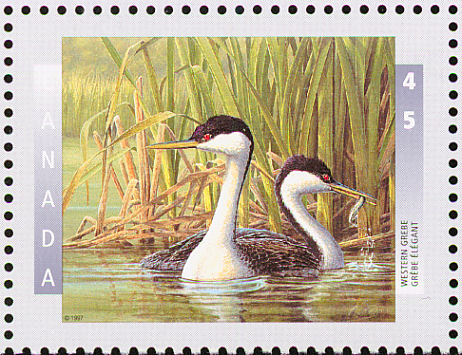
    In the late summer and early fall, western grebes (Aechmophorus occidentalis) will flock to the marine waters of the West Coast, where they gather by the thousands to dine on a smorgasbord of small fishes. And for years, masses of wintering grebes were a fixture of the Salish Sea. The waters from the Strait of Georgia in Canada south to Puget Sound in the United States hosted roughly 70% of the species’ entire population. Now, though, surveys estimate that only 4% of the population continues to winter here—a decline of 95%. Why did all the grebes leave? Where did they go? And what does their disappearance say about the health of the ecosystem? A group of scientists shared their research at the 2014 Salish Sea Ecosystem Conference. Research presented focused on the role of forage fish, a favorite prey item of many seabirds. Oily and calorie-rich, these fish, such as sandlance, surf smelt and Pacific herring are known for their importance to the food web. Normally an abundant source of sustenance for a wide variety of predators, they have declined significantly over the decades. “Half of all herring stocks in Puget Sound are designated as either depressed or low abundance,” says Dr. Nacho Vilchis, a former postdoctoral researcher with the SeaDoc Society, “and the same is true for British Columbia.”

    In the late summer and early fall, western grebes (Aechmophorus occidentalis) will flock to the marine waters of the West Coast, where they gather by the thousands to dine on a smorgasbord of small fishes. And for years, masses of wintering grebes were a fixture of the Salish Sea. The waters from the Strait of Georgia in Canada south to Puget Sound in the United States hosted roughly 70% of the species’ entire population. Now, though, surveys estimate that only 4% of the population continues to winter here—a decline of 95%. Why did all the grebes leave? Where did they go? And what does their disappearance say about the health of the ecosystem? A group of scientists shared their research at the 2014 Salish Sea Ecosystem Conference. Research presented focused on the role of forage fish, a favorite prey item of many seabirds. Oily and calorie-rich, these fish, such as sandlance, surf smelt and Pacific herring are known for their importance to the food web. Normally an abundant source of sustenance for a wide variety of predators, they have declined significantly over the decades. “Half of all herring stocks in Puget Sound are designated as either depressed or low abundance,” says Dr. Nacho Vilchis, a former postdoctoral researcher with the SeaDoc Society, “and the same is true for British Columbia.”

    Source: Encyclopedia of Puget Sound
    http://www.eopugetsound.org/magazine/marine-birds

  • Wildbirds are on the decline in Everglades National Park in South Florida

    Wildbirds are on the decline in Everglades National Park in South Florida

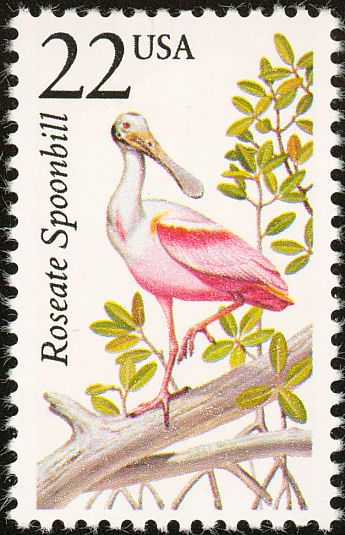
    Although the Everglades National Park is no longer subject to hunting, the unnatural distribution and quality of water has contributed to the decline of several bird species devaluing the park’s association with 350 different species of feathered creatures. “While a few species seem to be rebounding, others, such as the roseate spoonbill, are continuing their downward spiral,” said Larry Perez, a member of the South Florida Natural Resources Center’s Science Communications Outreach, the largest science center of the National Park Service.The most drastic and recent drop of all is that of the roseate spoonbill (Platalea ajaja). With the worst drop in breeding season in Florida Bay in over 40 years, the species is disappearing. Florida Bay takes up one-third of the Everglades. As wading birds, like the popular ibis of the Everglades, these animals have long legs for wading in the water to catch their fish. In the shallow water, the spoonbill lowers its partially opened bill and snaps it shut once a small fish or source of food has triggered its sensitivity. Fish are no longer concentrated in small shallow pools, leaving the spoonbills and other wading birds hungry and fending for survival.

    Although the Everglades National Park is no longer subject to hunting, the unnatural distribution and quality of water has contributed to the decline of several bird species devaluing the park’s association with 350 different species of feathered creatures. “While a few species seem to be rebounding, others, such as the roseate spoonbill, are continuing their downward spiral,” said Larry Perez, a member of the South Florida Natural Resources Center’s Science Communications Outreach, the largest science center of the National Park Service.The most drastic and recent drop of all is that of the roseate spoonbill (Platalea ajaja). With the worst drop in breeding season in Florida Bay in over 40 years, the species is disappearing. Florida Bay takes up one-third of the Everglades. As wading birds, like the popular ibis of the Everglades, these animals have long legs for wading in the water to catch their fish. In the shallow water, the spoonbill lowers its partially opened bill and snaps it shut once a small fish or source of food has triggered its sensitivity. Fish are no longer concentrated in small shallow pools, leaving the spoonbills and other wading birds hungry and fending for survival.

    Source: Our National Parks, 11 May 2008

    Birds at parks in long-term decline

  • Populations of North Dakota’s state bird in serious decline

    Populations of North Dakota’s state bird in serious decline

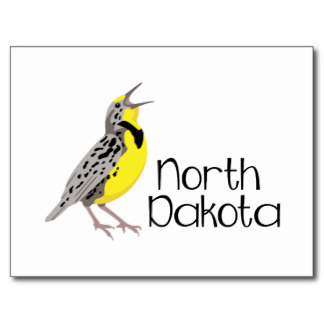
    Their song is one of the most unique and recognizable in the bird world. They are the state bird of North Dakota and similarly honored in five other states. And they are vanishing from the landscape. The western meadowlark (Sturnella neglecta) no longer makes common appearances atop fence posts where they have perched for decades, almost always emitting their unmistakable flute-like call. It is a sound like none other heard on the prairie. So distinctive is the call of the western meadowlark that it would be hard to find anyone who grew up in North Dakota who couldn’t recognize the melodious and lengthy tune of the colorful bird. Now, sadly, the remarkably pure sound is becoming rarer and rarer each year. It is a lasting and disturbing trend that increases the possibility that a growing number of North Dakota residents may be denied hearing what just a few short years ago seemed common for anyone spending time outdoors in the Peace Garden State. “Western meadowlarks have declined significantly in the last 10 to 15 years. Our breeding survey data shows that,” said Ron Martin of Minot. “That’s the iconic sound of the North Dakota prairie.” Martin is a long-time birder who has earned regional and national recognition for his expertise. He has participated in numerous surveys, including regularly covering five of 44 standardized observation routes in North Dakota under the supervision of the U.S. Geological Survey.

    Their song is one of the most unique and recognizable in the bird world. They are the state bird of North Dakota and similarly honored in five other states. And they are vanishing from the landscape. The western meadowlark (Sturnella neglecta) no longer makes common appearances atop fence posts where they have perched for decades, almost always emitting their unmistakable flute-like call. It is a sound like none other heard on the prairie. So distinctive is the call of the western meadowlark that it would be hard to find anyone who grew up in North Dakota who couldn’t recognize the melodious and lengthy tune of the colorful bird. Now, sadly, the remarkably pure sound is becoming rarer and rarer each year. It is a lasting and disturbing trend that increases the possibility that a growing number of North Dakota residents may be denied hearing what just a few short years ago seemed common for anyone spending time outdoors in the Peace Garden State. “Western meadowlarks have declined significantly in the last 10 to 15 years. Our breeding survey data shows that,” said Ron Martin of Minot. “That’s the iconic sound of the North Dakota prairie.” Martin is a long-time birder who has earned regional and national recognition for his expertise. He has participated in numerous surveys, including regularly covering five of 44 standardized observation routes in North Dakota under the supervision of the U.S. Geological Survey.

    Source: Star Tribune, 31 May 2015
    http://trib.com/news/state-and-regional/prairie-music-vanishing-populations-of-north-dakota-s-state-bird/article_f5c1b72a-a7e4-5291-8f63-c61a31e503d2.html