Auteur: Henk Tennekes

  • The toxicological effects of thiamethoxam on Gammarus kischineffensis follow the Druckrey-Küpfmüller equation

    The toxicological effects of thiamethoxam on Gammarus kischineffensis follow the Druckrey-Küpfmüller equation

    Neonicotinoids are a new group of insecticides, and little is known about their toxicity to nontarget freshwater organisms an potential effects on freshwater ecosystems. The aim of this study is to establish the acute toxicity and histopathological effects of thiamethoxam-based pesticide on the gill tissue of Gammarus kischineffensis. In this study G. kischineffensis samples were exposed to 2.5, 5, 7.5, 10, 15, 20, 25, 30, 35, 40, 45, 50, 60, 70, 80, 90 and 100 mg/l of commercial grade thiamethoxam for 96 h. The 24, 48, 72 and 96 h LC50 values were determined as 75.619, 23.505, 8.048 and 3.751 mg/l respectively. In histopathological study the individuals were exposed to 0.004, 0.04 and 0.4 mg/l thiamethoxam concentrations for 14 days. The results showed that the most common changes at all doses of thiamethoxam were vacuolization and hemostatic infiltration in the gill tissue of G. kischineffensis.

    Neonicotinoids are a new group of insecticides, and little is known about their toxicity to nontarget freshwater organisms an potential effects on freshwater ecosystems. The aim of this study is to establish the acute toxicity and histopathological effects of thiamethoxam-based pesticide on the gill tissue of Gammarus kischineffensis. In this study G. kischineffensis samples were exposed to 2.5, 5, 7.5, 10, 15, 20, 25, 30, 35, 40, 45, 50, 60, 70, 80, 90 and 100 mg/l of commercial grade thiamethoxam for 96 h. The 24, 48, 72 and 96 h LC50 values were determined as 75.619, 23.505, 8.048 and 3.751 mg/l respectively. In histopathological study the individuals were exposed to 0.004, 0.04 and 0.4 mg/l thiamethoxam concentrations for 14 days. The results showed that the most common changes at all doses of thiamethoxam were vacuolization and hemostatic infiltration in the gill tissue of G. kischineffensis.

    Source: Pelin Uğurlu, Erhan Ünlüb, Elif İpek Satar
    Environmental Toxicology and Pharmacology
    Volume 39, Issue 2, March 2015, Pages 720–726
    http://www.sciencedirect.com/science/article/pii/S1382668915000307

  • Effects of Oral Exposure to Fungicides on Honey Bee Nutrition and Virus Levels

    Effects of Oral Exposure to Fungicides on Honey Bee Nutrition and Virus Levels

    Sublethal exposure to fungicides can affect honey bees (Apis mellifera L.) in ways that resemble malnutrition. These include reduced brood rearing, queen loss, and increased pathogen levels. We examined the effects of oral exposure to the fungicides boscalid and pyraclostrobin on factors affecting colony nutrition and immune function including pollen consumption, protein digestion, hemolymph protein titers, and changes in virus levels. Because the fungicides are respiratory inhibitors, we also measured ATP concentrations in flight muscle. The effects were evaluated in 3- and 7-d-old worker bees at high fungicide concentrations in cage studies, and at field-relevant concentrations in colony studies. Though fungicide levels differed greatly between the cage and colony studies, similar effects were observed. Hemolymph protein concentrations were comparable between bees feeding on pollen with and without added fungicides. However, in both cage and colony studies, bees consumed less pollen containing fungicides and digested less of the protein. Bees fed fungicide-treated pollen also had lower ATP concentrations and higher virus titers. The combination of effects we detected could produce symptoms that are similar to those from poor nutrition and weaken colonies making them more vulnerable to loss from additional stressors such as parasites and pathogens.

    Sublethal exposure to fungicides can affect honey bees (Apis mellifera L.) in ways that resemble malnutrition. These include reduced brood rearing, queen loss, and increased pathogen levels. We examined the effects of oral exposure to the fungicides boscalid and pyraclostrobin on factors affecting colony nutrition and immune function including pollen consumption, protein digestion, hemolymph protein titers, and changes in virus levels. Because the fungicides are respiratory inhibitors, we also measured ATP concentrations in flight muscle. The effects were evaluated in 3- and 7-d-old worker bees at high fungicide concentrations in cage studies, and at field-relevant concentrations in colony studies. Though fungicide levels differed greatly between the cage and colony studies, similar effects were observed. Hemolymph protein concentrations were comparable between bees feeding on pollen with and without added fungicides. However, in both cage and colony studies, bees consumed less pollen containing fungicides and digested less of the protein. Bees fed fungicide-treated pollen also had lower ATP concentrations and higher virus titers. The combination of effects we detected could produce symptoms that are similar to those from poor nutrition and weaken colonies making them more vulnerable to loss from additional stressors such as parasites and pathogens.

    Source:
    Effects of Oral Exposure to Fungicides on Honey Bee Nutrition and Virus Levels
    Gloria Degrandi-Hoffman, Yanping Chen, Emily Watkins Dejong, Mona L. Chambers, Geoffrey Hidalgo
    Journal of Economic Entomology Aug 2015, DOI: 10.1093/jee/tov251

  • Comparative Losses of British Butterflies, Birds, and Plants and the Global Extinction Crisis

    Comparative Losses of British Butterflies, Birds, and Plants and the Global Extinction Crisis

    There is growing concern about increased population, regional, and global extinctions of species. A key question is whether extinction rates for one group of organisms are representative of other taxa. We present a comparison at the national scale of population and regional extinctions of birds, butterflies, and vascular plants from Britain in recent decades. Butterflies experienced the greatest net losses, disappearing on average from 13% of their previously occupied 10-kilometer squares. If insects elsewhere in the world are similarly sensitive, the known global extinction rates of vertebrate and plant species have an unrecorded parallel among the invertebrates, strengthening the hypothesis that the natural world is experiencing the sixth major extinction event in its history.

    There is growing concern about increased population, regional, and global extinctions of species. A key question is whether extinction rates for one group of organisms are representative of other taxa. We present a comparison at the national scale of population and regional extinctions of birds, butterflies, and vascular plants from Britain in recent decades. Butterflies experienced the greatest net losses, disappearing on average from 13% of their previously occupied 10-kilometer squares. If insects elsewhere in the world are similarly sensitive, the known global extinction rates of vertebrate and plant species have an unrecorded parallel among the invertebrates, strengthening the hypothesis that the natural world is experiencing the sixth major extinction event in its history.

    Source:
    J. A. Thomas et al. (2004) Science 303, 1879-1881

  • European grassland butterfly abundance has declined by 30% since 1990

    European grassland butterfly abundance has declined by 30% since 1990

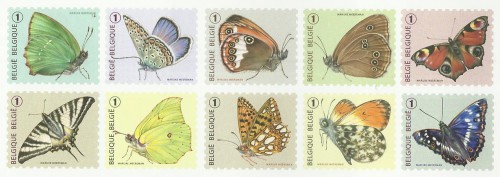
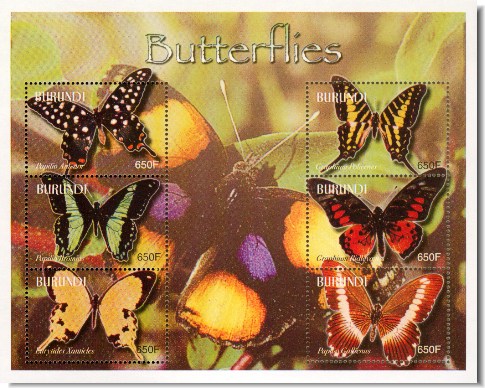
    Due to their high numbers of species and their wide range of ecological requirements, butterflies, like birds and vascular plants, are good expressions of the level of biodiversity (that is, the variety of life forms) in our landscapes. Their generally low dispersal capacity, their short life cycle and a high sensitivity and responsiveness to climate conditions also make butterflies good bioindicators of environmental change. In addition, butterflies are emblematic, well known and easy to identify in the field. The European Grassland Butterfly Indicator represents one of the EU biodiversity indicators of the European Environment Agency (EEA). Data for seventeen grassland butterfly species have been used to assess abundance trends between 1990 and 2013. Of those seventeen species, “ten have declined in the EU, three have remained stable and three increased. For one species the trend is uncertain”. At the European scale, grassland butterfly abundance has declined by 30% since 1990.

    Due to their high numbers of species and their wide range of ecological requirements, butterflies, like birds and vascular plants, are good expressions of the level of biodiversity (that is, the variety of life forms) in our landscapes. Their generally low dispersal capacity, their short life cycle and a high sensitivity and responsiveness to climate conditions also make butterflies good bioindicators of environmental change. In addition, butterflies are emblematic, well known and easy to identify in the field. The European Grassland Butterfly Indicator represents one of the EU biodiversity indicators of the European Environment Agency (EEA). Data for seventeen grassland butterfly species have been used to assess abundance trends between 1990 and 2013. Of those seventeen species, “ten have declined in the EU, three have remained stable and three increased. For one species the trend is uncertain”. At the European scale, grassland butterfly abundance has declined by 30% since 1990.

    Source: LIST, 28 August 2015
    http://www.list.lu/en/news/biodiversity-european-grassland-butterfly-indicator-in-decline/

  • De FOD Volksgezondheid, Veiligheid van de Voedselketen en Leefmilieu gaat nadenken over gebruiksbeperkingen van neonicotinoïden

    De FOD Volksgezondheid, Veiligheid van de Voedselketen en Leefmilieu gaat nadenken over gebruiksbeperkingen van neonicotinoïden

    De FOD (Federale Overheidsdienst) Volksgezondheid, Veiligheid van de Voedselketen en Leefmilieu heeft eerder een aantal verduidelijkingen gegeven over de beperkingen van het gebruik van enkele insecticiden die gevaarlijk zijn voor bijen, de zogenaamde neonicotinoïden. Die beperkingen werden uitgevaardigd in 2013. Deze tekst werd nu aangepast naar aanleiding van enkele recente evoluties, waaronder de publicatie van de EFSA Conclusies i.v.m. de risicobeoordeling voor bijen van de toepassingen van imidacloprid, thiamethoxam en clothianidin voor andere toepassingen dan als zaaizaadbehandelingsmiddel en als granulaat. In enkele woorden samengevat luiden de conclusies als volgt: a) In de gevallen waarin voldoende gegevens voorhanden waren om de risicobeoordeling te voltooien werd een hoog risico voor bijen vastgesteld of kon een risico althans niet worden uitgesloten, b) Voor een aantal toepassingen waren er onvoldoende gegevens om de risicobeoordeling te voltooien. De Europese Commissie zal nu samen met de lidstaten onderzoeken of de EU-goedkeuringen van de betrokken stoffen moeten worden aangepast. De FOD bestudeert momenteel de Conclusies ter voorbereiding van deze Europese bespreking.

    De FOD (Federale Overheidsdienst) Volksgezondheid, Veiligheid van de Voedselketen en Leefmilieu heeft eerder een aantal verduidelijkingen gegeven over de beperkingen van het gebruik van enkele insecticiden die gevaarlijk zijn voor bijen, de zogenaamde neonicotinoïden. Die beperkingen werden uitgevaardigd in 2013. Deze tekst werd nu aangepast naar aanleiding van enkele recente evoluties, waaronder de publicatie van de EFSA Conclusies i.v.m. de risicobeoordeling voor bijen van de toepassingen van imidacloprid, thiamethoxam en clothianidin voor andere toepassingen dan als zaaizaadbehandelingsmiddel en als granulaat. In enkele woorden samengevat luiden de conclusies als volgt: a) In de gevallen waarin voldoende gegevens voorhanden waren om de risicobeoordeling te voltooien werd een hoog risico voor bijen vastgesteld of kon een risico althans niet worden uitgesloten, b) Voor een aantal toepassingen waren er onvoldoende gegevens om de risicobeoordeling te voltooien. De Europese Commissie zal nu samen met de lidstaten onderzoeken of de EU-goedkeuringen van de betrokken stoffen moeten worden aangepast. De FOD bestudeert momenteel de Conclusies ter voorbereiding van deze Europese bespreking.

    Bron: Redactie Landbouwleven, 21 september 2015
    http://www.landbouwleven.be/artikels/gebruiksbeperkingen-van-neonicotino%C3%AFden

  • Pacific Northwest tree octopus might soon disappear

    Pacific Northwest tree octopus might soon disappear

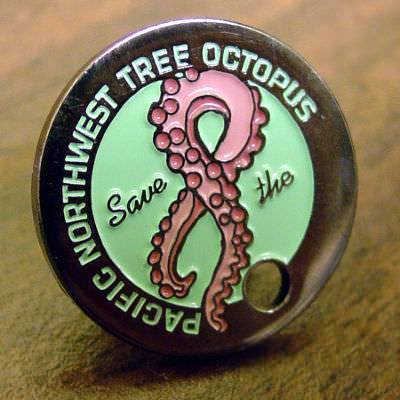
    The list of endangered or extinct species grows faster now than ever before on Earth, scientists say. Last week, another animal popular in the northwestern corner of the United States faces a similar fate. The Pacific Northwest Tree Octopus will be the newest animal added to the rapidly growing list of endangered animals. The Pacific Northwest Tree Octopus (Octopus paxarbolis) measures 30-33 centimeters as an adult and is similar in many ways to other cephalopods. Cephalopods are marine animals with a prominent head and arms or tentacles. The birth and first months of life of the Octopus paxarbolis is like every other species of octopus in that it spends all of its time in an aquatic environment. However, over millions of years of evolution, the Octopus paxarbolis has developed an amphibian-like skin that minimizes water loss. In addition, similar to how a human baby adapts to a world in air, the Octopus paxarbolis has adapted to breathing oxygen. Their lungs are not as developed as a human’s lungs. This allowed this species of octopus to live the majority of its life in trees. The lungs of an Octopus paxarbolis must maintain a flow of very moist air to be most fit. For this reason, the habitat of the Pacific Northwest Tree Octopus is limited to a small northwest corner of the United States where rainfall and humidity are abundant.

    The list of endangered or extinct species grows faster now than ever before on Earth, scientists say. Last week, another animal popular in the northwestern corner of the United States faces a similar fate. The Pacific Northwest Tree Octopus will be the newest animal added to the rapidly growing list of endangered animals. The Pacific Northwest Tree Octopus (Octopus paxarbolis) measures 30-33 centimeters as an adult and is similar in many ways to other cephalopods. Cephalopods are marine animals with a prominent head and arms or tentacles. The birth and first months of life of the Octopus paxarbolis is like every other species of octopus in that it spends all of its time in an aquatic environment. However, over millions of years of evolution, the Octopus paxarbolis has developed an amphibian-like skin that minimizes water loss. In addition, similar to how a human baby adapts to a world in air, the Octopus paxarbolis has adapted to breathing oxygen. Their lungs are not as developed as a human’s lungs. This allowed this species of octopus to live the majority of its life in trees. The lungs of an Octopus paxarbolis must maintain a flow of very moist air to be most fit. For this reason, the habitat of the Pacific Northwest Tree Octopus is limited to a small northwest corner of the United States where rainfall and humidity are abundant.

    Source: Columbia Tribune, August 26, 2015
    http://www.columbiatribune.com/arts_life/family_life/endangered-pacific-northwest-tree-octopus-might-soon-disappear/article_1c5d9e44-f3c6-5326-be8e-d6047f3663a6.html

  • Marine mammal, birds, fish and reptile populations have almost halved since 1970

    Marine mammal, birds, fish and reptile populations have almost halved since 1970

    Marine mammal, birds, fish and reptile populations have almost halved since 1970, according to a report which is a “wake-up call” to tackle the crisis in the world’s oceans. The study by conservation group WWF and the Zoological Society of London looked at how 5,829 populations of 1,234 species of marine creatures had fared in the past 45 years and found a 49% drop in numbers. Some species people rely on for food are faring even worse, such as the Scombridae family of fish which includes tuna and mackerel have fallen by almost three quarters (74%). Sea cucumbers, which are prized as luxury food in Asia, have been significantly exploited, with a 98% decline in the Galapagos and 94% drop in the Egyptian Red Sea in just a few years. Robin Freeman, head of indicators and assessments at ZSL, said: “This is a wake-up call, but it’s also an opportunity. “These are populations that are smaller than they would be, and should be. They aren’t recovering.” Louise Heaps, chief advisor on marine policy at WWF-UK, said: “As well as being a source of extraordinary natural beauty and wonder, healthy seas are the bedrock of a functioning global economy. We are sowing the seeds of ecological and economic catastrophe.”

    Marine mammal, birds, fish and reptile populations have almost halved since 1970, according to a report which is a “wake-up call” to tackle the crisis in the world’s oceans. The study by conservation group WWF and the Zoological Society of London looked at how 5,829 populations of 1,234 species of marine creatures had fared in the past 45 years and found a 49% drop in numbers. Some species people rely on for food are faring even worse, such as the Scombridae family of fish which includes tuna and mackerel have fallen by almost three quarters (74%). Sea cucumbers, which are prized as luxury food in Asia, have been significantly exploited, with a 98% decline in the Galapagos and 94% drop in the Egyptian Red Sea in just a few years. Robin Freeman, head of indicators and assessments at ZSL, said: “This is a wake-up call, but it’s also an opportunity. “These are populations that are smaller than they would be, and should be. They aren’t recovering.” Louise Heaps, chief advisor on marine policy at WWF-UK, said: “As well as being a source of extraordinary natural beauty and wonder, healthy seas are the bedrock of a functioning global economy. We are sowing the seeds of ecological and economic catastrophe.”

    Read more: http://www.westerndailypress.co.uk/Marine-mammal-birds-fish-reptile-populations/story-27802392-detail/story.html#ixzz3mNZWKrMX
    Follow us: @WesternDaily on Twitter | WesternDaily on Facebook

  • Water Hazard: Aquatic Contamination by Neonicotinoid Insecticides in the United States

    Water Hazard: Aquatic Contamination by Neonicotinoid Insecticides in the United States

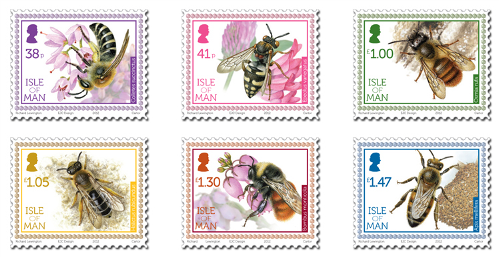
    Center for Food Safety’s (CFS) report, “Water Hazard: Aquatic Contamination by Neonicotinoid Insecticides in the United States,” shows widespread water contamination with neonicotinoid insecticides and threatening a range of aquatic invertebrates including crabs and insects. In particular, the report draws attention to the use of neonicotinoid seed coatings, up to 95 percent of which ends up in the environment, not the crop. Neonicotinoids are a class of insecticide known to have acute and chronic effects on honey bees and other pollinator species and are considered a major factor in overall bee population declines and poor health. The report examines representative case studies from Maryland, Iowa, and California, each of which is experiencing widespread neonicotinoid contamination exceeding recommended standards as determined by leading experts in aquatic species toxicology. The report also highlights contamination elsewhere, including New York, South Dakota, Texas, and Wisconsin. It describes the key roles of irrigation and field drainage and discusses the growing risks to aquifers, vulnerable wetlands and the valuable wildlife inhabiting those areas, such as migratory birds and sport fish.

    Center for Food Safety’s (CFS) report, “Water Hazard: Aquatic Contamination by Neonicotinoid Insecticides in the United States,” shows widespread water contamination with neonicotinoid insecticides and threatening a range of aquatic invertebrates including crabs and insects. In particular, the report draws attention to the use of neonicotinoid seed coatings, up to 95 percent of which ends up in the environment, not the crop. Neonicotinoids are a class of insecticide known to have acute and chronic effects on honey bees and other pollinator species and are considered a major factor in overall bee population declines and poor health. The report examines representative case studies from Maryland, Iowa, and California, each of which is experiencing widespread neonicotinoid contamination exceeding recommended standards as determined by leading experts in aquatic species toxicology. The report also highlights contamination elsewhere, including New York, South Dakota, Texas, and Wisconsin. It describes the key roles of irrigation and field drainage and discusses the growing risks to aquifers, vulnerable wetlands and the valuable wildlife inhabiting those areas, such as migratory birds and sport fish.

  • The Puppetmasters of Academia (or What the NY Times Left out)

    The Puppetmasters of Academia (or What the NY Times Left out)

    “Reading the emails make(s) me want to throw up” tweeted the Food Babe after reading a lengthy series of them posted online by the NY Times on Sept 5th. The emails in question result from a Freedom of Information Act (FOIA) request and are posted in the side bars of a front-page article by Times reporter Eric Lipton (“Food Industry Enlisted Academics in G.M.O. Lobbying War, Emails Show”). The article is highly disturbing, but, as the Food Babe implied, the Times buried the real story. The real scoop was not the perfidy and deceit of a handful of individual professors. Buried in the emails is proof positive of active collusion between the agribusiness and chemical industries, numerous and often prominent academics, PR companies, and key administrators of land grant universities for the purpose of promoting GMOs and pesticides. In particular, nowhere does the Times note that one of the chief colluders was none other than the President of the American Association for the Advancement of Science (AAAS).

    “Reading the emails make(s) me want to throw up” tweeted the Food Babe after reading a lengthy series of them posted online by the NY Times on Sept 5th. The emails in question result from a Freedom of Information Act (FOIA) request and are posted in the side bars of a front-page article by Times reporter Eric Lipton (“Food Industry Enlisted Academics in G.M.O. Lobbying War, Emails Show”). The article is highly disturbing, but, as the Food Babe implied, the Times buried the real story. The real scoop was not the perfidy and deceit of a handful of individual professors. Buried in the emails is proof positive of active collusion between the agribusiness and chemical industries, numerous and often prominent academics, PR companies, and key administrators of land grant universities for the purpose of promoting GMOs and pesticides. In particular, nowhere does the Times note that one of the chief colluders was none other than the President of the American Association for the Advancement of Science (AAAS).

    All this is omitted entirely, or buried in hard-to-notice side bars, which are anyway unavailable to print readers. So, here is the article Eric Lipton should have written.

    First, The Lipton Story
    The Lipton article seems, at first sight, to be impressive reporting. Lipton describes how Kevin Folta, Chair of the Dept. of Horticulture at the University of Florida secretly took expenses and $25,000 of unrestricted money from Monsanto to promote GMO crops. On behalf of the biotech industry, or via the PR firm Ketchum, Folta wrote on websites and attended public events, trainings, lobbying efforts and special missions.

    Parts of this were already known, but Lipton digs up further damning evidence and quotes from Folta. They include an email to Monsanto that solidly contradicts Folta’s previous denials of a relationship with Monsanto and the biotech industry: “I am grateful for this opportunity and promise a solid return on the investment,” Folta wrote after receiving the $25,000 check, thereby showing both a clear understanding of his role and the purpose of the money. The article goes on to similarly expose Bruce Chassy (Prof Emeritus, University of Illinois) and David Shaw (Mississippi State University). It also discussses, presumably for “balance”, agronomist and GMO critic Charles Benbrook, then at Washington State University, who unlike the others openly acknowledged his funding.

    What Lipton Missed
    But readers of the emails can find facts that are much more damaging to perceptions of academic independence than that contained in the main article. For one thing, the money Folta received is insignificant besides the tens of millions his university was taking from Syngenta (>$10million), Monsanto(>$1million), Pioneer (>$10million), and BASF (>$1million). Money that it’s hard to believe did not have a role in protecting Kevin Folta as he roamed zealously (and often offensively) over the internet, via his twitter account, blog, podcast, and OpEds, squelching dissent and ridiculing GMO critics wherever he went.

    Also missing from the main Times article is a sense of the extensive and intricate networking of a small army of academics furthering the interests of Monsanto and other parts of the chemical, agribusiness and biotech industries. Folta rarely acted alone. His networks are filled with economists, molecular biologists, plant pathologists, development specialists, and agronomists, many of them much more celebrated than Kevin Folta, but all of them in a knowing loop with industry and the PR firms. Their job was acknowledged openly in emails (“We are all bad-ass shills for the truth. It’s a pleasure shilling with you.” Or, as Folta himself put it: “I’m glad to sign on to whatever you like, or write whatever you like.”). More generally, the group’s role was to initiate academic publications and other articles and to firefight legislative, media and scientific threats to the GMO and pesticide industries, all the while keeping their industry links hidden.

    The academics identified by these emails as cooperating with industry and PR firms include:

    Profs. Bruce Chassy (University of Illinois) and Alan McHughen (University of California, Riverside) who worked together to destroy the credibility of Russian scientist and GMO critic Irina Ermakova. They persuaded the journal Nature Biotechnology to interview Ermakova about her research and describe it. This interview was followed by a detailed critique of her research (about which none of the authors were expert). Ermakova was neither told of the critique nor given a chance to answer it. This whole elaborate subterfuge required her to be sent a dummy proof of the article she thought she was publishing in the journal.

    Prof. Roger Beachy (Danforth Center, formerly USAID). Beachy is the principal living exponent of a classic biotech strategy: to respond rapidly to a report or publication critical of some aspect of the technology with a multi-author “rebuttal” [Disclaimer: the inaugural report of the Bioscience Resource Project (on the genome damage caused by genetic engineering) was met, even before formal publication, with both barrels from 23 professors, including Roger Beachy (Altpeter et al 2005)].(2)

    Prof. CS Prakash (Tuskegee University) is the convener of the influential listserv AgBioWorld. AgBioWorld was the all-important conduit for a petition signed by three thousand scientists calling for the retraction of a 2001 scientific paper showing GMO contamination of Mexican corn (Quist and Chapela 2001). As detailed in an article called The Fake Persuaders, the scientists who initiated the petition, and made inaccurate and inflammatory statements about the authors, were not real people. However, their emails could be traced back to servers belonging to Monsanto or Bivings, a PR company that was working with Monsanto at the time.

    Prof. Nina Fedoroff (Penn State) is the most prominent of all of the scientists looped into all of the Times emails. Nina Fedoroff was the 2011-2012 President of the American Association for the Advancement of Science. The AAAS is the foremost scientific body in the US. During her Presidency, Fedoroff, who is also a contributor to the NY Times, used her position to coordinate and sign a letter on behalf of 60 prominent scientists. This letter was sent to EPA as part of an effort to defeat a pesticide regulatory effort. The real coordinator was Monsanto but Fedoroff participated in phone conferences and email exchanges with them (including with the prominent lobbyist Stanley Abramson) and gets credit in the emails for “moving the ball far down the field”. Yet Nina Fedoroff is not once named in the main article and nowhere at all is her position noted.

    So the story that academia’s most vocal GMO defenders, and some of its most prominent scientists, are copied into these emails is missing. The focus on individuals like Folta occludes a demonstration, for the first time ever, of long-suspected and intricate coordination and cooperation among them.

    Also looped in to various of the emails are supposedly independent individuals and organisations who speak in favour of biotechnology, self-reportedly out of personal passion. These include Dr Steve Savage, Karl Haro von Mogel of Biofortified, Mischa Popoff (of the Heartland Institute) and Jon Entine (then affiliated with George Mason University and now head of the Genetic Literacy Project and a Forbes Magazine columnist). All are revealed, by the emails but not the article, as biotech insiders.

    Cooperation among academics is not a crime. But these emails show, as in the EPA letter example, that a company (usually Monsanto, but also Dow and Syngenta and a PR firm, often several of them, plus sometimes the biotech lobbyists BIO or CropLife America) were invariably looped in to these emails, and further, that initiatives usually began with one of these non-academic entities, and were shepherded by them. Only rarely is there even a suggestion from the emails that the various academics were out in front, though that was always the intended impression of the result.

    But perhaps the biggest of all revelations within these emails is the connivance of senior university administrators, especially at Cornell University. The NY Times article focuses on the misdeeds of Mississippi State University Vice President David Shaw. But, looped into one email string, along with the PR firm Ketchum and Jon Entine are various Cornell email addresses and names. These are ignored by Lipton, but the email addresses belong to very senior members of the Cornell administration. They include Ronnie Coffman (Director of Cornell’s College of Agriculture and Life Science) and Sarah Evanega Davidson (now director of the Gates-funded Cornell Alliance for Science).

    The Alliance for Science is a PR project and international training center for academics and others who want to work with the biotech industry to promote GMOs. It is funded ($5.6 million) by the Gates Foundation. Its upcoming program of speakers at Cornell for September include Tamar Haspel (Washington Post reporter), Amy Harmon (New York Times reporter) and Prof. Dan Kahan (Yale Law School). These speakers are the exact ones mentioned in a proposal worked out between Kevin Folta and Monsanto in a series of email exchanges intended to enhance biotech outreach. These email exchanges also propose setting up “Ask Me Anything” events to be held at universities around the country with Kevin Folta as of the panelists.

    On Sept 10th the Cornell Alliance for Science is hosting an event in downtown Ithaca (home town of Cornell). It is called “Ask Me Anything About GMOs” and Kevin Folta is a panelist. Somehow or other Davidson’s Cornell Alliance for Science read Monsanto’s lips, perfectly.

    Your right to know
    Let me speculate at what is really going on behind the scenes of Lipton’s article.

    Earlier this year, a newly-formed US group called US Right to Know (USRTK) set in motion Freedom of Information Act (FOIA) requests directed at 14 (now 43) prominent public university scientists it suspected of working with (and being paid by) the biotech industry and/or its PR intermediaries. Now, if these 43 academics had nothing to hide, this request would not have attracted much attention and hardly any emails would have been forthcoming. However, the USRTK FOIA requests triggered a huge outcry in various quarters about the “harassment” of public scientists. The outcry has led to OpEds in the LA Times and the controversial removal of scientific blog posts defending USRTK, and much else besides, as reputedly tens of thousands of emails (from these FOIA requests) have landed on the desks of USRTK.

    What would a good PR company recommend to its clients in such a situation? In order to preempt the likely upcoming firestorm, it might recommend that various media outlets run ahead of USRTK to publish a version of events in which academic small-fry like Kevin Folta, Bruce Chassy and David Shaw (of Mississippi State) are the villains. Making them the fall guys lets others off the hook: high-profile scientists like Nina Fedoroff and Roger Beachy; the pro-biotech academic community in general; and prestigious Ivy League institutions like Cornell University.

    These much bigger fish are who the NY Times should have harpooned. Since they did not, or perhaps would not, let us hope that USRTK will make better use of those emails, ideally by posting all of them online.

    Footnotes
    (1) Others Professors cc’d into emails include : Peter Davies (Cornell), Carl Pray (Rutgers), Tony Shelton (Cornell), Peter Phillips (University of Saskatchewan), Prabhu Pingali (Cornell), Elizabeth Earle (Cornell), Peter Hobbs (Cornell), Janice Thies (Cornell) and Ann Grodzins Gold (Syracuse), Martina Newell-McGloughlin (UC Davis).
    (2) Later published as A. K. Wilson, J. R. Latham and R. A. Steinbrecher (2006) Transformation-induced Mutations in Transgenic Plants: Analysis and Biosafety Implications. Biotechnology and Genetic Engineering Reviews 23: 209-237

    References
    Altpeter F. et al (2005) Particle bombardment and the genetic enhancement of crops: myths and realities. Molecular Breeding 15: 305–327.
    David Quist and Ignacio H. Chapela (2001) Transgenic DNA introgressed into traditional maize landraces in Oaxaca, Mexico. Nature 414: 541-543

    Source: Independent Science News, September 8, 2015

    The Puppetmasters of Academia (or What the NY Times Left out)
  • Die GENTECH-PUPPEN-SPIELER hinter der Wissenschaft –  oder was die New York Times alles verschweigt

    Die GENTECH-PUPPEN-SPIELER hinter der Wissenschaft – oder was die New York Times alles verschweigt

    „Beim Lesen der E-Mails haut es mich einfach in die Luft”, twitterte ‚Food Babe‘ nach dem Lesen einer langen Reihe von E-mails, die die New York Times am 5. September ins Netz gestellt hatte. Die betreffenden Mails resultierten aus einer Anfrage im Rahmen des „Freedom of Information Act (FOIA)“ und wurden zu einem frontseitigen Artikel, den Times-Reporter Eric Lipton geschrieben hatte (“Food Industry Enlisted Academics in GVO Lobbying-Krieg – das zeigen E-Mails” (http://www.nytimes.com/2015/09/06/us/food-industry-enlisted-academics-in-gmo-lobbying-war-emails-show.html?_r=1 ) in einer On-line-Seitenleiste publiziert. Was am Artikel aber stört und was auch ‚Food Babe‘ stillschweigend hinnimmt, ist, dass die NY-Times die wahre Geschichte verbirgt. Der Renner war nicht nur die Perfidie und der Betrug von einer Handvoll von einzelnen Professoren, sondern der tatsächliche Renner aus den E-Mails war, dass darin der Beweis der aktiven Absprachen der Agrarindustrie und der chemischen Industrie mit zahlreichen und oft prominenten Wissenschaftlern, PR-Unternehmen, und Schlüssel-Administratoren der Agro-Universitäten zum Zweck der Förderung von GVO und Pestiziden offen gelegt wurde. Insbesondere publiziert die NY Times nirgendwo, dass eine der Haupt-Verschwörer kein anderer als der Präsident der „Amerikanischen Gesellschaft zur Förderung der Wissenschaften (AAAS)“ war.

    „Beim Lesen der E-Mails haut es mich einfach in die Luft”, twitterte ‚Food Babe‘ nach dem Lesen einer langen Reihe von E-mails, die die New York Times am 5. September ins Netz gestellt hatte. Die betreffenden Mails resultierten aus einer Anfrage im Rahmen des „Freedom of Information Act (FOIA)“ und wurden zu einem frontseitigen Artikel, den Times-Reporter Eric Lipton geschrieben hatte (“Food Industry Enlisted Academics in GVO Lobbying-Krieg – das zeigen E-Mails” (http://www.nytimes.com/2015/09/06/us/food-industry-enlisted-academics-in-gmo-lobbying-war-emails-show.html?_r=1 ) in einer On-line-Seitenleiste publiziert. Was am Artikel aber stört und was auch ‚Food Babe‘ stillschweigend hinnimmt, ist, dass die NY-Times die wahre Geschichte verbirgt. Der Renner war nicht nur die Perfidie und der Betrug von einer Handvoll von einzelnen Professoren, sondern der tatsächliche Renner aus den E-Mails war, dass darin der Beweis der aktiven Absprachen der Agrarindustrie und der chemischen Industrie mit zahlreichen und oft prominenten Wissenschaftlern, PR-Unternehmen, und Schlüssel-Administratoren der Agro-Universitäten zum Zweck der Förderung von GVO und Pestiziden offen gelegt wurde. Insbesondere publiziert die NY Times nirgendwo, dass eine der Haupt-Verschwörer kein anderer als der Präsident der „Amerikanischen Gesellschaft zur Förderung der Wissenschaften (AAAS)“ war.

    All das wurde einfach weggelassen oder blieb einfach in der Seitenleiste der Tausenden an E-mails, die ohnehin nur den Abonnenten der Printausgabe zur Verfügung stehen, begraben.
    Zuerst die Lipton-Story
    Der Lipton-Artikel scheint auf den ersten Blick eine eindrucksvolle Berichterstattung zu sein. Lipton beschreibt, wie Kevin Folta, Vorsitzender der Abteilung für Gartenbau an der Universität von Florida heimlich Kostenabgeltungen für Aufwendungen und $ 25.000 auflagenfreies Geld von Monsanto zur Bewerbung und Förderung von GVO-Pflanzen nahm. Im Namen der Biotech-Industrie, oder über die PR-Firma Ketchum, schrieb Folta auf Web-Seiten und besuchte öffentliche Veranstaltungen, Schulungen, machte Lobbyarbeit und Sondermissionen.
    Teile davon waren natürlich schon bekannt, aber Lipton gräbt weitere erdrückende Beweise und Zitate von Folta aus. Sie enthalten eine Mail an Monsanto, die genau im Widerspruch zu Foltas früheren Dementis bezüglich einer Beziehung mit Monsanto und der Biotech-Branche sind: “Ich bin dankbar für diese Gelegenheit und verspreche einen soliden Return on Investment”, schrieb Folta nach Erhalt des $ 25.000 Dollar-Scheck, wodurch sowohl ein klares Verständnis seiner Rolle und der Zwecke dieses Geldes offenbar wird. Der Artikel fährt fort, um auch Bruce Chassy (Prof Emeritus, Universität von Illinois) und David Shaw (Mississippi State University) in ähnlicher Weise der Öffentlichkeit preiszugeben. Es wird auch hinreichend über den Agronomen und GVO-Kritiker Charles Benbrook, der damals an der Washington State University war, diskutiert, vermutlich um die “Balance” eines Pro und Contra zu halten, der aber im Gegensatz dazu seine Finanzierung offen bekannt gab.
    Was Lipton ausließ
    Leser der tatsächlichen E-Mails könnten aber viel mehr Fakten herausfinden, die viel mehr kompromittierend für die Wahrnehmung der wissenschaftlichen Unabhängigkeit wären, als es im Hauptartikel der Times dargestellt sind. Zum einen ist das Geld, das Folta erhalten hat, neben den zig Millionen, die seine Universität von Syngenta (> $ 10 Millionen), Monsanto (> $ 1 Million), Pioneer (> $ 10 Millionen) und BASF (> $ 1 Million) nahm, unbedeutend. Geld, von dem man schwer glauben kann, dass es nicht der Rolle diente, einfach Kevin Folta in Schutz zu nehmen, als er eifrig (und oft beleidigend) durch das Internet „herumstreifte“ , oder über seinen Twitter-Account, Blog, Podcast und OpEds, Dissens streute und GVO-Kritiker lächerlich machte, wohin er auch ging.
    Auch fehlt im Hauptartikel der grundlegender Sinn dafür, welch umfangreiche und komplizierte Vernetzung von einer kleinen Armee von Akademikern gegeben war, um die Interessen von Monsanto und anderen Teilen der Chemie-, Lebensmittel- und Biotech-Industrie zu fördern. Folta hat selten allein gehandelt. Sein Netzwerk besteht aus Ökonomen, Molekularbiologen, Experten für Pflanzenkrankheiten, technischen Spezialisten und Agronomen, viele von ihnen sind um vieles bekannter als Kevin Folta, aber alle in einer bekannten Verbindung mit der Industrie und den PR-Firmen. Ihre Aufgabe wurde offen in den Mails bestätigt (“Wir sind alle „Arsch-Lockvögel“ (‚bad-ass shills‘) für die Wahrheit. Es ist ein Vergnügen mit Ihnen Lockvogel zu spielen…” Oder, wie Folta selbst sagte: “Ich bin froh, was auch immer Sie wollen zu unterzeichnen oder zu schreiben, was Sie wollen.”) Die allgemeine Rolle der Gruppe war es, wissenschaftliche Publikationen und andere Artikel zu initiieren und Feuergefechte gegen die Legislative, Medien und die wissenschaftliche Bedrohung der GVO- und Pestizid-Industrie zu führen. Dabei hielten sie die ganze Zeit ihre Links zur Industrie versteckt.
    Die von diesen E-Mails in der Zusammenarbeit mit der Industrie und PR-Firmen identifizierten Akademiker sind:
    • Profs. Bruce Chassy (University of Illinois) und Alan McHughen (University of California, Riverside); diese haben deshalb zusammengearbeitet, um die Glaubwürdigkeit der russischen Wissenschaftler und GVO-Kritikerin Irina Ermakova zu zerstören. Sie überzeugten die Fachzeitschrift ‚Nature Biotechnology‘, damit sie Ermakova über ihre Forschung interviewten und ihre Arbeit beschreiben. Dieses Interview wurde von einer detaillierten Kritik an ihrer Forschung (bezüglich der keiner der Autoren ein Experte war) begleitet. Ermakova wurde weder die Kritik mitgeteilt, noch eine Chance gegeben, auf diese zu antworten. Dieser ganze aufwendige Vorwand wurde betrieben, um ihr vorzuspiegeln, dass sie einen sicheren Beweis für einen Artikel habe, von dem sie annahm, dass er in der Zeitschrift publiziert würde.
    • Prof. Calestuous Juma (Harvard University), ein langjähriger Verfechter der GVO für Afrika.
    • Prof. Wayne Parrott (University of Georgia), eine vielfache StreithelferIn in akademischen Debatten über GVO.
    • Prof. Roger Beachy (Danforth Center, ehemals USAID): Beachy ist der lebende Exponent einer klassischen Biotech-Strategie: eine schnelle Reaktion auf einen Bericht oder die Veröffentlichung , die kritisch Aspekte der Technologie beleuchtet, mit Hilfe einer Multi-Autoren-“Widerlegung” [Disclaimer: Der erste Bericht des „Bioscience Ressource Project“ (über Genom-Schäden, die durch Gentechnik verursacht werden) wurde gleich noch vor der formalen Veröffentlichung mit doppeltem Kaliber von 23 Professoren abgeschossen, darunter Roger Beachy (Altpeter et al. 2005)](2)
    • Prof. Ron Herring (Cornell), der dazu beigetragen hat, GVOs in Indien zu bewerben und der dafür kämpfte, damit das Selbstmordproblem der Bauern in Indien weniger scharf wahrgenommen würde.
    • Prof. CS Prakash (Tuskegee University) ist der Organisator des einflussreichen Listserver AgBioWorld. AgBioWorld war die alles entscheidende Anführer-Institution für eine Petition, die von dreitausend Wissenschaftlern unterzeichnet wurde und die den Rückzug einer 2001 publizierten wissenschaftlichen Arbeit über die GVO-Kontamination des mexikanischen Maises forderte (Quist und Chapela 2001). Wie in einem Artikel namens „The Fake-Persuaders“ beschrieben wurde (http://www.theguardian.com/politics/2002/may/14/greenpolitics.digitalmedia ), waren die Wissenschaftler, die die Petition initiiert und ungenaue und aufwieglerische Aussagen über die Autoren machten, nicht reale Personen. Aber ihre E-Mails konnten bis zu den Servern, die zu Monsanto oder Bivings gehörten, zurückverfolgt werden. Bivings war eine PR-Firma, die damals mit Monsanto arbeitete.
    • Prof. Nina Fedoroff (Penn State) ist die bekannteste aller WissenschaftlerInnen, die mit all den E-Mails, die in der NY Times publiziert wurden, in Verbindung steht. Nina Fedoroff war von 2011-2012 Präsident der Amerikanischen Gesellschaft zur Förderung der Wissenschaften (AAAS). Die AAAS ist die führende wissenschaftliche Einrichtung in den USA. Während ihrer Präsidentschaft nutzte Fedoroff, die auch Beiträge für die New York Times verfasst, ihre Position dazu, um einen Brief im Namen von 60 prominenten Wissenschaftlern zu koordinieren und unterschreiben zu lassen. Dieser Brief wurde an die US-Umweltbehörde (EPA) gesandt, als Teil einer Bemühung, um den regulatorischen Aufwand für Pestizide zu verringern. Der wirkliche Koordinator war Monsanto, aber Fedoroff nahm an Telefonkonferenzen und dem E-Mail-Austausch mit ihnen (einschließlich des prominenten Lobbyist Stanley Abramson) teil und es wird ihr in den E-Mails gutgeschrieben, dass sie “den Ball weit über das Feld bewegt hat”. Doch Nina Fedoroff ist nicht einmal in dem Hauptartikel der NY Times genannt und nirgendwo darin wird ihre Position überhaupt festgehalten.
    Das ist also die Geschichte, die fehlt – dass die lautesten GVO Verteidiger und einige ihrer prominentesten Wissenschaftler genau in diese E-Mails hineinkopiert sind. Der Fokus auf Individuen wie Folta verschließt die Tatsachen vor der erstmaligen Offenlegung überhaupt, dass es die lang vermutete und komplizierte Koordination und Zusammenarbeit zwischen ihnen gab. Auch wird in den verschiedenen E-Mails offensichtlich, dass angeblich unabhängige Einzelpersonen und Organisationen eingebunden waren – und zwar solche, die sich für die Gentechnik und moderne Biotechnologie aussprechen und die über sich selbst berichten, dass sie dies angeblich aus persönlicher Leidenschaft tun würden. Dazu gehören Dr. Steve Savage, Karl Haro von Mogel der Biofortified, Mischa Popoff (das Heartland-Institut) und Jon Entine (damals an die George Mason University angegliedert und nun Leiter des ‚Genetic Literacy Project‘ sowie ein Kolumnist des Forbes Magazins). Alle diese Personen werden von den E-Mails als Biotech-Indsider offen gelegt, aber nicht durch den Artikel der NY Times.
    Die Zusammenarbeit zwischen den Wissenschaftlern ist kein Verbrechen. Aber diese E-Mails zeigen, wie im Brief an die US-Umweltbehörde (EPA) beispielsweise, dass ein Unternehmen (in der Regel Monsanto, aber auch Dow und Syngenta und eine PR-Firma, oder oft mehrere von ihnen, sowie manchmal auch Biotech-Lobby-Organisationen wie BIO oder CropLife America) ausnahmslos in diese E-Mails eingebunden sind, und dass ferner die Initiativen in der Regel von einem dieser nicht-wissenschaftlichen Institutionen ausgingen und von diesen koordiniert wurden. Nur selten gibt es auch einen Vorschlag in den E-Mails, dass die verschiedenen Wissenschaftler sich selbst (für ihre eigene Sache) an die Front stellen, obwohl solches immer der beabsichtigte Eindruck der Bemühungen war.
    Aber vielleicht die größte aller Offenbarungen aus diesen E-Mails ist es, dass es eine stillschweigende Duldung durch die verantwortlichen Hochschulverwaltungen, vor allem an der Cornell Universität, gab. Der New York Times Artikel konzentriert sich auf die Missetaten des Vize-Präsidenten der Mississippi State University, David Shaw. Aber es gibt verschiedene andere Cornell E-Mail-Adressen und Namen, die zusammen mit der PR-Firma Ketchum und Jon Entine im tatsächlichen E-Mail-String eingebunden waren. Diese werden von Lipton ignoriert – doch gehören diese E-Mail-Adressen zu sehr hochrangigen Mitgliedern der Cornell Universitätsverwaltung. Sie umfassen Ronnie Coffman (Direktor des Cornell College für Landwirtschaft und Life Science) und Sarah Evanega Davidson (heute Direktor der Gates-finanzierten ‚Cornell Alliance for Science‘).
    Die ‚Alliance for Science‘ ist eine PR-Projekt und eine internationale Ausbildungsstätte für Akademiker und andere, die mit der Biotech-Branche zur Förderung von GVOs arbeiten wollen. Sie wird von der Gates-Stiftung finanziert (5,6 Mio. US-$). Ihr bevorstehendes Programm an Vortragenden an der Cornell-Universität für September inkludiert Tamar Haspel (Washington Post-Reporter), Amy Harmon (New York Times-Reporter) und Prof. Dan Kahan (Yale Law School). Diese Redner sind genau die, die in einem Vorschlag erwähnt worden sind, der zwischen Kevin Folta und Monsanto in einer Reihe eines Austauschs von E-Mails erarbeitet wurde und der die Bio-Gen-Tech Reichweite erhöhen soll. Dieser E-Mail-Austausch propagierte auch, dass “Ask me anything” Veranstaltungen an Universitäten im ganzen Land mit Kevin Folta sowie Diskussionsteilnehmern stattfinden sollten.
    Am 10. September 2015 ist die Cornell -‚Alliance for Science‘ Gastgeber für eine Veranstaltung im Zentrum von Ithaca (Sitz der Cornell-Universität). Diese Veranstaltung nennt sich “Ask me anything about GMOs” und Kevin Folta ist ein Diskussionsteilnehmer. Irgendwie muss die Cornell -‚Alliance for Science‘ die Lippen von Monsanto gelesen haben – das ist ja perfekt.
    Dein Recht zu wissen (Your right to know)
    Lasst mich ein wenig spekulieren, was wirklich im Hintergrund von Lipton’s Artikel stattfindet.
    Am Anfang des Jahres, hat eine neuformierte US-Gruppe, die sich ‚US Right to Know‘ (USRTK) nennt, sogenannte ‚Freedom of Information Acts (FOIA)‘-Anfragen in Bewegung gesetzt. Diese Anfragen haben sich ursprünglich auf 14 (nun sogar 43) prominente universitäre WissenschaftlerInnen bezogen, von denen vermutet wurde, dass sie mit der Gentech-Industrie bzw. den Public-Relations-Zwischenfirmen zusammenarbeiten (und von ihnen bezahlt werden.) Nun, wenn diese 43 akademischen Personen nichts zu verbergen hätten, hätte diese Anfragen nicht viel Aufmerksamkeit erregt und es wären auch kaum zutreffende E-Mails herausgekommen. Aber die USRTK-FOIA-Anfragen haben einen riesigen Aufschrei über die „Gängelungen“ der öffentlichen WissenschafterInnen ausgelöst. Der Aufschrei hat zu OpEds (offenen Artikeln) in der Los-Angeles-Times geführt, nachdem es zu einer umstrittenen Entfernung eines öffentlichen Artikels aus dem ‚Community blog PLOS-Biologue‘ gekommen war, ein Artikel, der die Gruppe USRTK verteidigte, nachdem eben Zentausende E-Mails auf deren Schreibtischen gelandet waren und diese an die Öffentlichkeit kamen.
    (Links: http://retractionwatch.com/2015/08/24/following-criticism-plos-removes-blog-defending-scrutiny-of-science/
    https://archive.is/4kflm
    http://www.latimes.com/opinion/op-ed/la-oe-0821-seife-thacker-science-transparency-20150821-story.html )
    Die Frage ist, was würde ein gutes PR-Unternehmen für ihre Kunden in einer solchen Situation empfehlen? Ich bin der Meinung: Um dem wahrscheinlichen Feuersturm zuvorzukommen, würde es empfehlen, dass verschiedenen Medien der (kritischen) Gruppe USRTK vorausrennen, um eine Version der Ereignisse zu publizieren, in denen akademische Fliegengewichte wie Kevin Folta, Bruce Chassy und David Shaw (von der Mississippi State) die Bösewichte sind. Man lässt die kleinen Jungs fallen, damit die anderen aus dem Schneider sind: hochkarätige Wissenschaftler wie Nina Fedoroff und Roger Beachy; die akademische Pro-Biotech-Gemeinschaft im Allgemeinen; und renommierte ‚Ivy-League-Institutionen‘ wie der Cornell Universität.
    Diese viel größeren Fische hätte sich die New York Times angeln sollen. Da sie das nicht – oder sagen wir wahrscheinlich nicht wollten, so können wir nur hoffen, dass die USRTK eine bessere Verwendung dieser E-Mails anstrebt, idealerweise durch die Veröffentlichung all dieser Mails online.

    Die Fussnoten:
    (1) Others Professors cc’d into emails include : Peter Davies (Cornell), Carl Pray (Rutgers), Tony Shelton (Cornell), Peter Phillips (University of Saskatchewan), Prabhu Pingali (Cornell), Elizabeth Earle (Cornell), Peter Hobbs (Cornell), Janice Thies (Cornell) and Ann Grodzins Gold (Syracuse), Martina Newell-McGloughlin (UC Davis).
    (2) Later published as A. K. Wilson, J. R. Latham and R. A. Steinbrecher (2006) Transformation-induced Mutations in Transgenic Plants: Analysis and Biosafety Implications. Biotechnology and Genetic Engineering Reviews 23: 209-237
    References
    Altpeter F. et al (2005) Particle bombardment and the genetic enhancement of crops: myths and realities. Molecular Breeding 15: 305–327.
    David Quist and Ignacio H. Chapela (2001) Transgenic DNA introgressed into traditional maize landraces in Oaxaca, Mexico. Nature 414: 541-543
    Quelle:
    Jonathan Latham, PhD – Independent Science News – 8. September, 2015:
    (http://www.independentsciencenews.org/science-media/the-puppetmasters-of-academia-ny-times-left-out/)
    Maschinengestützte, bearbeitete dt. Übersetzung des Artikels
    “The Puppetmasters of Academia (or What the NY Times Left out)”