Auteur: Henk Tennekes

  • The population of Marbled Murrelet has declined 48% in Washington State since 2001

    The population of Marbled Murrelet has declined 48% in Washington State since 2001

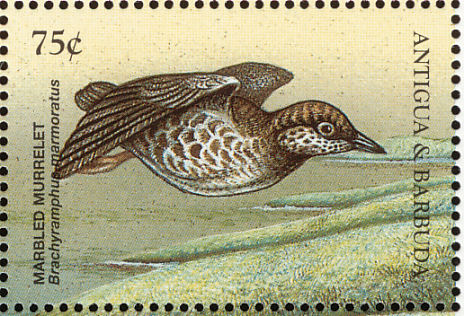
    The Marbled Murrelet (Brachyramphus marmoratus) is a robin-sized bird that was listed as threatened in 1992 under the Endangered Species Act. This bird spends most of its life on near-shore waters from northern California to Alaska. It flies inland to breed high in the canopy of old-growth forest within sixty miles of shore. The NW Forest Plan was created in 1993 to protect breeding habitat for Marbled Murrelet and Northern Spotted Owl. Without this plan there would now be no old-growth forest on state or federal lands; however, private landowners can cut any timber. This August shocking news was published on the status of Marbled Murrelet after 20 years of the NW Forest Plan. The science report said: In Washington State the Plan has not been successful–the population of Marbled Murrelet has declined 48% since 2001. At current rates of decline there will be no Marbled Murrelet in SW Washington within 15 years! If the SW Washington population disappears, the northern population of birds in Washington, Canada and Alaska will be genetically isolated from the southern population in Oregon and California. This genetic bottleneck could quickly lead to species extinction. The situation for Marbled Murrelets is critical.

    The Marbled Murrelet (Brachyramphus marmoratus) is a robin-sized bird that was listed as threatened in 1992 under the Endangered Species Act. This bird spends most of its life on near-shore waters from northern California to Alaska. It flies inland to breed high in the canopy of old-growth forest within sixty miles of shore. The NW Forest Plan was created in 1993 to protect breeding habitat for Marbled Murrelet and Northern Spotted Owl. Without this plan there would now be no old-growth forest on state or federal lands; however, private landowners can cut any timber. This August shocking news was published on the status of Marbled Murrelet after 20 years of the NW Forest Plan. The science report said: In Washington State the Plan has not been successful–the population of Marbled Murrelet has declined 48% since 2001. At current rates of decline there will be no Marbled Murrelet in SW Washington within 15 years! If the SW Washington population disappears, the northern population of birds in Washington, Canada and Alaska will be genetically isolated from the southern population in Oregon and California. This genetic bottleneck could quickly lead to species extinction. The situation for Marbled Murrelets is critical.

    Marbled murrelets feed below the water surface on small fish and invertebrates. Some principal foods include sand lance (Ammodytes hexapterus), Pacific herring (Clupea haringus), capelin (Mallotus villosus), and the invertebrates Euphausia pacifica and Thysanoessa spinifera
    Sources:
    The Willapa Hills Audubon Society, 03 October 2015
    http://willapahillsaudubon.org/index.php/current-issue/other-issues/409-precipitous-decline-of-marbled-murrelet-in-washington-how-you-can-help
    Wikipedia
    https://en.wikipedia.org/wiki/Marbled_murrelet
  • Rampzalige verontreiniging van het Vlaamse oppervlaktewater met imidacloprid

    Rampzalige verontreiniging van het Vlaamse oppervlaktewater met imidacloprid

    Zowel in grote als kleine waterlopen in Vlaanderen worden regelmatig pesticiden aangetroffen. Het gaat om chemische bestrijdingsmiddelen die door landbouwers, particulieren, bedrijven of openbare besturen ingezet worden tegen onkruiden, insecten of plantenziekten. Door drift of afspoeling kunnen ze in het oppervlaktewater terechtkomen en daar de waterorganismen schaden. Reeds 20 jaar meet de Vlaamse Milieumaatschappij (VMM) de concentratie van pesticiden in oppervlaktewater – inmiddels zijn er circa 125 meetplaatsen – en meer recent ook in 25 rioolwaterzuiveringsinstallaties. In 2014 waren de gemiddelde concentraties van het insecticide imidacloprid, één van de gecontesteerde neonicotinoïden, en van de herbiciden diflufenican en flufenacet in respectievelijk 100, 68 en 41 procent van de meetplaatsen te hoog.


    Voor het insecticide imidacloprid past daar de bedenking bij dat VMM de gemiddelde concentratie afmeet aan een niet door de EU erkende norm die het geleend heeft uit een Nederlandse labostudie, waarbij men op zoek gaat naar acht miljardste van een gram. De maximale concentraties van diflufenican en flufenacet waren in respectievelijk 72 en 37 procent van de meetplaatsen te hoog. Bij de metingen in rioolwaterzuiveringsinstallaties werd in de periode 2010-2014 ruim één op drie van de onderzochte pesticiden en afbraakproducten teruggevonden in meer dan vijf procent van de metingen. De vaakst aangetroffen stoffen zijn AMPA (afbraakstof van glyfosaat), glyfosaat zelf, oxadiazon, MCPA, diuron en mecoprop.
    Bron: VILT, 25-09-15
    http://www.vilt.be/pesticiden-belanden-nog-te-vaak-in-het-oppervlaktewater

  • Dakota skipper and Poweshiek skipperling are in deep trouble

    Dakota skipper and Poweshiek skipperling are in deep trouble

    With most of their prairie habitat sliced and diced by agricultural development, the Dakota skipper (Hesperia dacotae) and Poweshiek skipperling (Oarisma poweshiek) have long been in trouble. The butterflies were put on the Endangered Species List in 2014, and this week, the U.S. Fish and Wildlife Service designated about 46,000 acres of critical habitat for the two species. “That these butterflies have survived at all is because of the good stewardship of some of the region’s landowners,” said USFWS Midwest regional director Tom Melius. “We will continue to work with these and other landowners to ensure the conservation of remnant prairie habitat and these prairie butterflies.” Specifically, the USFWS has designated about 19,900 acres of critical habitat in Minnesota, North Dakota and South Dakota for the threatened Dakota skipper, and about 25,900 acres in 56 units in Iowa, Michigan, Minnesota, North Dakota, South Dakota and Wisconsin for the endangered Poweshiek skipperling. Of the total 33,742 acres of critical habitat, about 12,050 acres is common to both species.


    Some areas originally proposed were excluded because conservation agreements are in place to conserve the species. Some areas were modified based on biological information; areas with unsuitable habitat were removed, and areas that were found to have suitable habitat were added. In total, these changes amounted to reductions of 7,879 acres for the Dakota skipper and 296 acres for the Poweshiek skipperling.
    Found in Minnesota, North Dakota, South Dakota and Canada, the Dakota skipper has experienced a dramatic decline in numbers and no longer occurs on half the sites where previously found.
    The Poweshiek skipperling has also experienced a recent, dramatic decline in numbers. Once found in eight states and Canada, it now occurs only in a few native prairie remnants in Wisconsin and Michigan, and in Manitoba, Canada. Surveys indicate that Poweshiek skipperlings are gone from about 96 percent of the sites where they were known to occur.
    Prairie remnants that are home to these butterflies are some of the few natural areas present across the predominately agricultural landscape of the Dakotas and western Minnesota. These prairie grasslands support a diverse array of native wildlife including grassland birds such as the sharp-tailed grouse, blue-winged teal, mallards and other waterfowl, prairie plants such as big and little bluestem and the pasque flower, and many species of pollinators, such as the monarch butterfly.
    These grasslands also protect watersheds by increasing water infiltration and water yield, provide improved water quality due to the lack of fertilizer, pesticide and herbicide use. Recent studies have found diverse native prairie plants sequester large amounts of carbon.
    For more information about the Dakota skipper, the Poweshiek skipperling, and the final critical habitat designation, go to www.fws.gov/midwest/endangered
    Source: Summit County Citizens Voice, October 1, 2015
    http://summitcountyvoice.com/2015/10/01/threatened-prairie-butterflies-get-habitat-protection/

  • Los neonicotinoides, ¿el principio del fin de las abejas?

    Los neonicotinoides, ¿el principio del fin de las abejas?

    Ya en 2013 la EFSA emitió sus conclusiones sobre la peligrosidad de estos insecticidas para las abejas cuando utilizados en el tratamiento de semillas, lo que ha llevado a que se restringiese su uso en toda la Unión Europea, lo que fue un avance considerable. Más que confirmado. Confirmadísimo. La semana pasada la Autoridad Europea de Seguridad Alimentaria (EFSA) publicó un nuevo estudio que confirma una vez más la peligrosidad de tres insecticidas neonicotinoides (el imidacloprid y la clotianidina, producidos por Bayer, y el tiametoxam, producido por Syngenta) para las abejas. La conclusión es clara: “riesgos elevados fueron identificados o no pueden ser excluidos” cuando estos insecticidas son fumigados sobre los cultivos.

    Ya en 2013 la EFSA emitió sus conclusiones sobre la peligrosidad de estos insecticidas para las abejas cuando utilizados en el tratamiento de semillas, lo que ha llevado a que se restringiese su uso en toda la Unión Europea, lo que fue un avance considerable. Más que confirmado. Confirmadísimo. La semana pasada la Autoridad Europea de Seguridad Alimentaria (EFSA) publicó un nuevo estudio que confirma una vez más la peligrosidad de tres insecticidas neonicotinoides (el imidacloprid y la clotianidina, producidos por Bayer, y el tiametoxam, producido por Syngenta) para las abejas. La conclusión es clara: “riesgos elevados fueron identificados o no pueden ser excluidos” cuando estos insecticidas son fumigados sobre los cultivos.

    Ya en 2013 la EFSA emitió sus conclusiones sobre la peligrosidad de estos insecticidas para las abejas cuando utilizados en el tratamiento de semillas, lo que ha llevado a que se restringiese su uso en toda la Unión Europea, lo que fue un avance considerable. Es importante recordar que la primera vez que se alzó la voz respecto a los peligros del imidacloprid para las abejas fue en 1994 y lo hicieron los apicultores franceses. Casi 20 años han pasado hasta que se tomaron las primeras medidas. Ahora queremos ver más. Las restricciones actuales no se aplican a todos los usos de estos insecticidas ni a todos los cultivos. Por ejemplo, no se aplican a los cultivos que no son atractivos para las abejas, a los cereales de invierno, a los usos en invernadero o a las fumigaciones en cultivos después de la floración. Esto hace que estos insecticidas sigan siendo utilizados, contaminen el medio ambiente y expongan a las abejas a sus efectos dañinos. Este nuevo informe confirma que los neonicotinoides son un seria amenaza para las abejas, para el futuro de la agricultura y, por supuesto, de nuestra alimentación. Y es que las abejas y otros polinizadores juegan un papel crucial en la producción de alimentos. Alrededor de un tercio de la producción mundial de alimentos depende de la polinización animal y en particular de la realizada por abejas y otros insectos. Un informe reciente de Greenpeace mostraba también que el valor económico de la polinización por insectos supone para la agricultura española más de 2.400 millones de euros anuales y que el 70% de los principales cultivos para consumo directo humano dependen de este tipo de polinización. Por otro lado, cerca del 90% de las plantas silvestres con flor depende también de este tipo de polinización. Pese a su incuestionable importancia para la seguridad alimentaria y la biodiversidad, y por lo tanto para el equilibrio ecológico del planeta, las poblaciones de abejas y otros insectos polinizadores vienen disminuyendo de forma alarmante a nivel mundial en los últimos años. Por ello es fundamental que a la luz de este nuevo informe se refuercen las restricciones actuales y que se prohíban totalmente estos peligrosos insecticidas bien como otros similares yse apueste decididamente por la agricultura ecológica. Tú puedes hacer mucho por las abejas Ahora mismo, se aún no lo has hecho, puedes firmar para ayudar a salvarlas. Seguro que te agradecerán con dulces frutos.

    Fuente: http://www.ecoticias.com/naturaleza/106682/neonicotinoides-principio-fin-abejas

  • EFSA sieht Risiko für Bienen durch Spritzen von Neonikotinoiden

    EFSA sieht Risiko für Bienen durch Spritzen von Neonikotinoiden

    Nach Ansicht der Europäischen Behörde für Lebensmittelsicherheit (EFSA) stellt das Spritzen von neonikotinoidhaltigen Pflanzenschutzmitteln zur Blattbehandlung ein Risiko für Bienen dar. Das ergibt sich aus den vergangene Woche veröffentlichten Bewertungen der für Bienen bestehenden Risiken durch Clothianidin, Imidacloprid und Thiamethoxam. Berücksichtigt wurden dabei alle Anwendungen mit Ausnahme der Saatgutbehandlungen und von Granulat. Für die Fälle, in denen die Bewertung abgeschlossen werden konnte, ermittelte die EFSA entweder hohe Risiken oder will Risiken zumindest nicht ausschließen. In den übrigen Fällen sorgten Datenlücken für den Verzicht auf ein abschließendes Urteil.

    Nach Ansicht der Europäischen Behörde für Lebensmittelsicherheit (EFSA) stellt das Spritzen von neonikotinoidhaltigen Pflanzenschutzmitteln zur Blattbehandlung ein Risiko für Bienen dar. Das ergibt sich aus den vergangene Woche veröffentlichten Bewertungen der für Bienen bestehenden Risiken durch Clothianidin, Imidacloprid und Thiamethoxam. Berücksichtigt wurden dabei alle Anwendungen mit Ausnahme der Saatgutbehandlungen und von Granulat. Für die Fälle, in denen die Bewertung abgeschlossen werden konnte, ermittelte die EFSA entweder hohe Risiken oder will Risiken zumindest nicht ausschließen. In den übrigen Fällen sorgten Datenlücken für den Verzicht auf ein abschließendes Urteil.

    Topagrar.com – Lesen Sie mehr auf: http://www.topagrar.com/news/Acker-Agrarwetter-Ackernews-EFSA-sieht-Risiko-fuer-Bienen-durch-Spritzen-von-Neonikotinoiden-2452048.html

  • Three More Florida Species Considered For Protection: Florida pine snake, short-tailed snake and the blue calamintha bee

    Three More Florida Species Considered For Protection: Florida pine snake, short-tailed snake and the blue calamintha bee

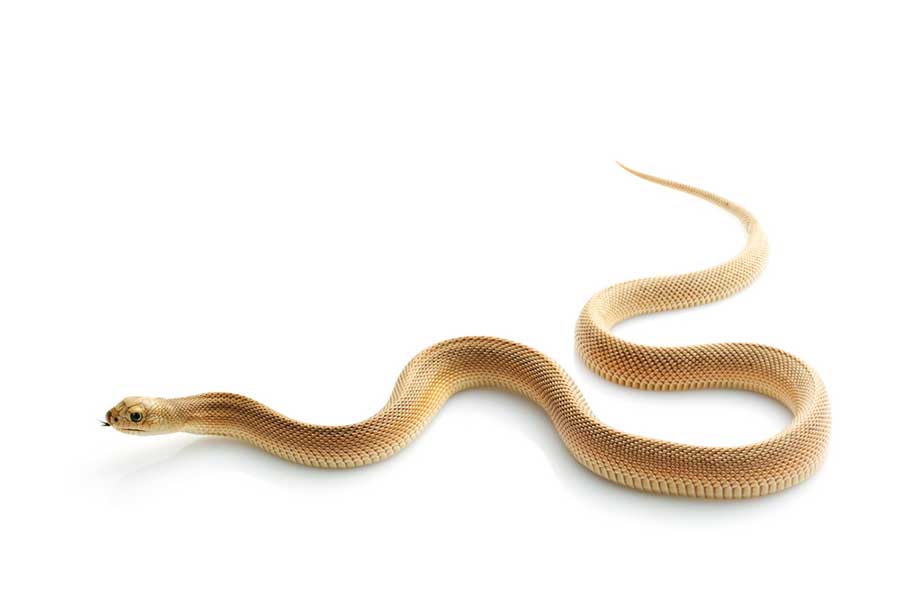
    Two Florida snakes and an insect are being considered for protection by the U.S,. Fish and Wildlife Service. The review is still under way, but the three species made the initial cut. They are the Florida pine snake (Pituophis melanoleucus), short-tailed snake (Lampropeltis extenuatum) and the blue calamintha bee (Osmia calaminthae). The two snakes have been protected species under Florida wildlife regulation for years and been long proposed for federal protection, which carries with it implementation of a recovery plan. The bee was only discovered in 2002 in Highlands County and its main host plant, Ashe’s savory, is also a rare, protected species. It was proposed for listing because of its small range, reported population decline and potential future threat of extinction.

    Two Florida snakes and an insect are being considered for protection by the U.S,. Fish and Wildlife Service. The review is still under way, but the three species made the initial cut. They are the Florida pine snake (Pituophis melanoleucus), short-tailed snake (Lampropeltis extenuatum) and the blue calamintha bee (Osmia calaminthae). The two snakes have been protected species under Florida wildlife regulation for years and been long proposed for federal protection, which carries with it implementation of a recovery plan. The bee was only discovered in 2002 in Highlands County and its main host plant, Ashe’s savory, is also a rare, protected species. It was proposed for listing because of its small range, reported population decline and potential future threat of extinction.

    Source: Inside Central Florida Outdoors, September 22, 2015
    http://environment.blogs.theledger.com/14848/three-more-florida-species-considered-for-protection/

  • The rusty-patched bumblebee could soon be the first bee species to be protected under the US Endangered Species Act

    The rusty-patched bumblebee could soon be the first bee species to be protected under the US Endangered Species Act

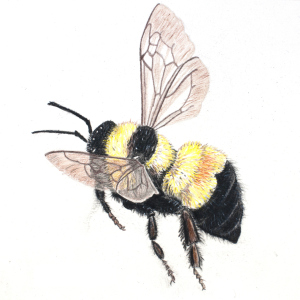
    The rusty-patched bumblebee (Bombus affinis) has not been very lucky at all in recent years. The insect, which was once common to the Eastern Seaboard and the Midwest, has disappeared from 87 percent of its historic range. Even where it does exist, its populations are as much as 95 percent smaller than they were a few decades ago. In response to this rapid decline, the Xerces Society for Invertebrate Conservation in January 2013 petitioned the U.S. Fish and Wildlife Service to list the rusty-patched bumblebee as an endangered species under the Endangered Species Act. After no action was taken, the group followed up with a lawsuit in 2014. Last week the FWS finally responded and agreed that the species may merit protection. The agency will conduct a 12-month review to determine if an Endangered Species Act listing is warranted.

    The rusty-patched bumblebee (Bombus affinis) has not been very lucky at all in recent years. The insect, which was once common to the Eastern Seaboard and the Midwest, has disappeared from 87 percent of its historic range. Even where it does exist, its populations are as much as 95 percent smaller than they were a few decades ago. In response to this rapid decline, the Xerces Society for Invertebrate Conservation in January 2013 petitioned the U.S. Fish and Wildlife Service to list the rusty-patched bumblebee as an endangered species under the Endangered Species Act. After no action was taken, the group followed up with a lawsuit in 2014. Last week the FWS finally responded and agreed that the species may merit protection. The agency will conduct a 12-month review to determine if an Endangered Species Act listing is warranted.

    Source: Take Part, September 22, 2015
    http://www.takepart.com/article/2015/09/22/us-considers-giving-endangered-species-protection-rusty-patched-bumblebee

  • Assessment of endocrine disrupting properties in EFSA Conclusions on the Pesticides Peer Review

    Assessment of endocrine disrupting properties in EFSA Conclusions on the Pesticides Peer Review

    Regulation (EC) No 1107/2009 introduced new criteria for the approval of pesticide active substances, including hazard based exclusion criteria with regard to certain classification criteria, environmental concerns, and endocrine disrupting properties. The Regulation specifies criteria for substances with carcinogenic, mutagenic or toxic for reproduction properties (CMR), Persistent Organic Pollutants (POPs) and substances that are persistent, bioaccumulable and toxic (PBTs) including those very persistent and very bioaccumulable. The Regulation also calls for specific scientific criteria for the determination of endocrine disrupting properties, and pending the adoption of these criteria, enacts the so-called ‘interim criteria’, based on classification considerations and ‘toxic effects on the endocrine organs’. Since 2014, EFSA has published 15 Conclusions on new active substances and 26 on applications for renewal that explicitly summarise the assessment of potential endocrine effects under Regulation (EC) No 1107/2009. For 24 active substances, including 3 microbial pesticide active substances, the available information has not led to the detection of specific concerns, however in the case of two substances EFSA has recommended additional studies to confirm this conclusion. Hazard or risk based concerns have been identified from the available information for 15 substances.

    Regulation (EC) No 1107/2009 introduced new criteria for the approval of pesticide active substances, including hazard based exclusion criteria with regard to certain classification criteria, environmental concerns, and endocrine disrupting properties. The Regulation specifies criteria for substances with carcinogenic, mutagenic or toxic for reproduction properties (CMR), Persistent Organic Pollutants (POPs) and substances that are persistent, bioaccumulable and toxic (PBTs) including those very persistent and very bioaccumulable. The Regulation also calls for specific scientific criteria for the determination of endocrine disrupting properties, and pending the adoption of these criteria, enacts the so-called ‘interim criteria’, based on classification considerations and ‘toxic effects on the endocrine organs’. Since 2014, EFSA has published 15 Conclusions on new active substances and 26 on applications for renewal that explicitly summarise the assessment of potential endocrine effects under Regulation (EC) No 1107/2009. For 24 active substances, including 3 microbial pesticide active substances, the available information has not led to the detection of specific concerns, however in the case of two substances EFSA has recommended additional studies to confirm this conclusion. Hazard or risk based concerns have been identified from the available information for 15 substances.

    Source: EFSA

  • Ameisen sind vom Aussterben bedroht

    Ameisen sind vom Aussterben bedroht

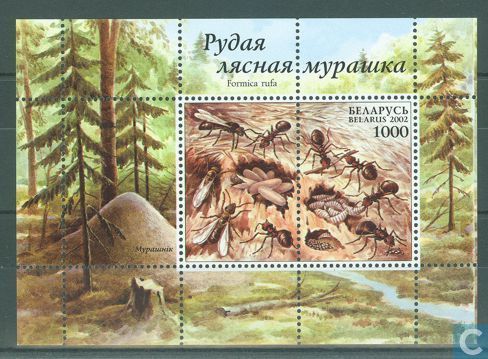
    Von den über den Globus krabbelnden 12.000 Ameisenarten sind in Deutschland etwa 100 heimisch. Nach dem 1. Artenschutzreport des Bundesamtes für Naturschutz (BfN), der vor kurzem vorgestellt wurde, nimmt die Population der heimischen Ameisen aber ab. Eine Art gilt sogar schon als ausgestorben. 56 Arten sind bestandsgefährdet. Überall verschwinden die Ameisen. Im Wald etwa durch die Abholzung und sofortige Verwertung von Bäumen. Totholz, das Ameisen und anderen Insekten als Lebensraum dient, fehlt weitgehend. Für die Moor-Ameise gibt es immer weniger Lebensraum, die meisten Moore sind schon trocken gelegt. Einen besonders spürbaren Rückgang sehen die Forscher bei der Kerb-Ameise und der Großen Wiesenameise, die das offene Land besiedeln. Die Ameisenforscher fordern, dass 10 Prozent aller Waldflächen in Ruhe gelassen werden. Bei Renaturisierungsmaßnahmen sollten die Ameisenbestände eine Rolle spielen. Und generell gehe es um mehr Verständnis für die Ameisen und deren Lebensräume.

    Von den über den Globus krabbelnden 12.000 Ameisenarten sind in Deutschland etwa 100 heimisch. Nach dem 1. Artenschutzreport des Bundesamtes für Naturschutz (BfN), der vor kurzem vorgestellt wurde, nimmt die Population der heimischen Ameisen aber ab. Eine Art gilt sogar schon als ausgestorben. 56 Arten sind bestandsgefährdet. Überall verschwinden die Ameisen. Im Wald etwa durch die Abholzung und sofortige Verwertung von Bäumen. Totholz, das Ameisen und anderen Insekten als Lebensraum dient, fehlt weitgehend. Für die Moor-Ameise gibt es immer weniger Lebensraum, die meisten Moore sind schon trocken gelegt. Einen besonders spürbaren Rückgang sehen die Forscher bei der Kerb-Ameise und der Großen Wiesenameise, die das offene Land besiedeln. Die Ameisenforscher fordern, dass 10 Prozent aller Waldflächen in Ruhe gelassen werden. Bei Renaturisierungsmaßnahmen sollten die Ameisenbestände eine Rolle spielen. Und generell gehe es um mehr Verständnis für die Ameisen und deren Lebensräume.

    Quelle: Deutschlandfunk, 15.09.15
    http://www.deutschlandfunk.de/ameisen-vom-aussterben-bedroht.697.de.html?dram:article_id=331400

  • Ctgb gebruikt nieuwe richtsnoeren voor omzetting in bodem en uitspoeling naar grondwater

    Ctgb gebruikt nieuwe richtsnoeren voor omzetting in bodem en uitspoeling naar grondwater

    Op 1 mei 2015 stelde de EU (Standing Committee on Plants, Animals, Food and Feed) twee richtsnoeren vast voor de risicobeoordeling van uitspoeling van werkzame stoffen en metabolieten naar grondwater en de evaluatie van studies naar afbraak van werkzame stoffen en metabolieten in bodem. Het Ctgb implementeert beide richtsnoeren als volgt: Voor het opstellen van een werkzame stofdossier moeten beide richtsnoeren vanaf 1 mei 2015 worden gebruikt. Bij middelaanvragen moeten de richtsnoeren gebruikt worden als deze ook bij het stofdossier gebruikt zijn. Is dat nog niet het geval dan dient de aanvrager de in de EU vastgestelde eindpunten te hanteren ((SANCO/10328/2004– rev 8). Wanneer er echter op basis van de in de EU vastgestelde eindpunten geen veilig gebruik aangetoond kan worden, dan kunnen de nieuwe richtsnoeren gebruikt worden om de eindpunten aan te passen en/of de risicobeoordeling te verfijnen.

    Op 1 mei 2015 stelde de EU (Standing Committee on Plants, Animals, Food and Feed) twee richtsnoeren vast voor de risicobeoordeling van uitspoeling van werkzame stoffen en metabolieten naar grondwater en de evaluatie van studies naar afbraak van werkzame stoffen en metabolieten in bodem. Het Ctgb implementeert beide richtsnoeren als volgt: Voor het opstellen van een werkzame stofdossier moeten beide richtsnoeren vanaf 1 mei 2015 worden gebruikt. Bij middelaanvragen moeten de richtsnoeren gebruikt worden als deze ook bij het stofdossier gebruikt zijn. Is dat nog niet het geval dan dient de aanvrager de in de EU vastgestelde eindpunten te hanteren ((SANCO/10328/2004– rev 8). Wanneer er echter op basis van de in de EU vastgestelde eindpunten geen veilig gebruik aangetoond kan worden, dan kunnen de nieuwe richtsnoeren gebruikt worden om de eindpunten aan te passen en/of de risicobeoordeling te verfijnen.

    Bron: Ctgb, 21 september 2015
    http://ctgb.nl/nieuws/nieuws-berichten/2015/09/21/nieuwe-richtsnoeren-voor-omzetting-in-bodem-en-uitspoeling-naar-grondwater