Auteur: Henk Tennekes

  • Der Habicht befindet sich in Sachsen auf dem absteigenden Ast

    Der Habicht befindet sich in Sachsen auf dem absteigenden Ast

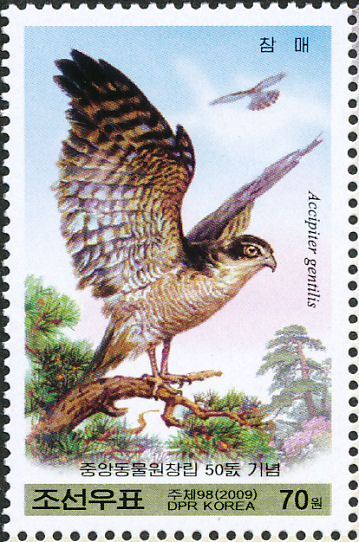
    Der Habicht (Accipiter gentilis) gilt als Vogel des Jahres 2015. Doch in Sachsen befindet sich diese Art auf dem eher absteigenden Ast. Das haben zumindest verschieden Fachleute festgestellt. Nach Angaben des Dresdner Experten Dr. Rolf Steffens ist der Habicht die vierthäufigste Greifvogelart im Freistaat. Es gebe zwischen 650 und 800 Brutpaare. Diese Zahlen seien während der letzten Kartierung, die bereits rund zehn Jahre zurückliegt, ermittelt worden. Zum Vergleich: In Deutschland gab es im Jahr 2014 zwischen 11 500 und 16 500 Brutpaare.

    Der Habicht (Accipiter gentilis) gilt als Vogel des Jahres 2015. Doch in Sachsen befindet sich diese Art auf dem eher absteigenden Ast. Das haben zumindest verschieden Fachleute festgestellt. Nach Angaben des Dresdner Experten Dr. Rolf Steffens ist der Habicht die vierthäufigste Greifvogelart im Freistaat. Es gebe zwischen 650 und 800 Brutpaare. Diese Zahlen seien während der letzten Kartierung, die bereits rund zehn Jahre zurückliegt, ermittelt worden. Zum Vergleich: In Deutschland gab es im Jahr 2014 zwischen 11 500 und 16 500 Brutpaare.

    Quelle: Lausitzer Rundschau, 17.10.15
    http://www.lr-online.de/regionen/weisswasser/Der-Habicht-befindet-sich-auf-dem-absteigenden-Ast;art13826,5206182

  • De grutto verdwijnt uit het polderlandschap

    De grutto verdwijnt uit het polderlandschap

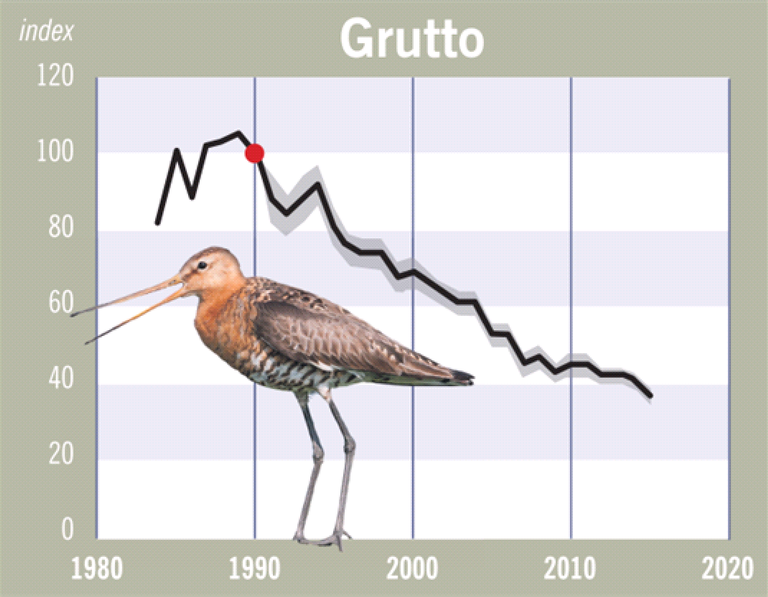
    2015 wordt het ‘allerslechtste gruttojaar uit de geschiedenis’. Dat zegt hoogleraar trekvogelecologie Theunis Piersma vandaag in een interview met de Volkskrant. Volgens Piersma bedreigt de sterfte onder grutto’s Limosa limosa en het geringe aantal kuikens het voortbestaan van de vogelsoort. ‘Dan heb je opeens een nationale vogel die richting uitsterven gaat.’ Halverwege de jaren zestig leefden er nog 120.000 gruttoparen in Nederland – vermoedelijk een historisch hoogtepunt – daarna ging het bergafwaarts, jaar na jaar. Dit voorjaar waren er in totaal misschien nog zo’n 60.000 individuele vogels over, zegt Piersma. ‘Elk jaar gaat ongeveer 20 procent dood. Dat zouden er dan zo’n 15.000 zijn. En omdat er dit jaar hoogstens 4.000 kuikens zijn geproduceerd, zou dat betekenen dat we er komend voorjaar nog eens 11.000 zijn kwijtgeraakt.’

    2015 wordt het ‘allerslechtste gruttojaar uit de geschiedenis’. Dat zegt hoogleraar trekvogelecologie Theunis Piersma vandaag in een interview met de Volkskrant. Volgens Piersma bedreigt de sterfte onder grutto’s Limosa limosa en het geringe aantal kuikens het voortbestaan van de vogelsoort. ‘Dan heb je opeens een nationale vogel die richting uitsterven gaat.’ Halverwege de jaren zestig leefden er nog 120.000 gruttoparen in Nederland – vermoedelijk een historisch hoogtepunt – daarna ging het bergafwaarts, jaar na jaar. Dit voorjaar waren er in totaal misschien nog zo’n 60.000 individuele vogels over, zegt Piersma. ‘Elk jaar gaat ongeveer 20 procent dood. Dat zouden er dan zo’n 15.000 zijn. En omdat er dit jaar hoogstens 4.000 kuikens zijn geproduceerd, zou dat betekenen dat we er komend voorjaar nog eens 11.000 zijn kwijtgeraakt.’

    Bron: De Volkskrant, 7-11-15
    http://www.volkskrant.nl/binnenland/grutto-met-uitsterven-bedreigd-slechtste-jaar-ooit~a4179779/

  • Lethal and immunesuppressive effects of pesticides on amphibians

    Lethal and immunesuppressive effects of pesticides on amphibians

    Amphibians are sensitive to most classes of pesticides including insecticides, fungicides, and herbicides. Adult and juvenile amphibians are exposed to pesticides on land through aerial sprays for mosquitoes, forestry and agricultural pests, drift, and dermal absorption from soil and plants. Because the EPA does not require amphibian toxicity tests for pesticide registration, there are large data gaps. These data gaps are being closed by independent scientists. One experiment tested label spray rates of 7 pesticides on adults of the common frog species, Rana temporaria. Mortality ranged from 40-100%. Perhaps most surprising was the lethal effects of fungicides. Two fungicides caused 100% mortality within one hour, others showed 40-60% mortality. Three products caused 40% mortality after 7 days after 10% label rate exposure (Bruhl et al. 2013). Direct oversprayingof terrestrial life stages of several frog species with Roundup at label rates resulted in an average 79% mortality. Van Meter et al. (2014) tested pesticide absorption from soil with 5 pesticides and 7 adult frog species. Atrazine showed highest absorption and bioaccumulation, although skins were generally more permeable to fipronil. Water solubility and soil partition coefficients were good predictors of dermal absorption. Maximum label rates were applied to soil, and resulting tissue concentrations ranged from 0.019 to 14.6 µg/g (ppm) over an 8 hour period. Immune suppression can occur at tissue concentrations 300-7300 times lower.

    Amphibians are sensitive to most classes of pesticides including insecticides, fungicides, and herbicides. Adult and juvenile amphibians are exposed to pesticides on land through aerial sprays for mosquitoes, forestry and agricultural pests, drift, and dermal absorption from soil and plants. Because the EPA does not require amphibian toxicity tests for pesticide registration, there are large data gaps. These data gaps are being closed by independent scientists. One experiment tested label spray rates of 7 pesticides on adults of the common frog species, Rana temporaria. Mortality ranged from 40-100%. Perhaps most surprising was the lethal effects of fungicides. Two fungicides caused 100% mortality within one hour, others showed 40-60% mortality. Three products caused 40% mortality after 7 days after 10% label rate exposure (Bruhl et al. 2013). Direct oversprayingof terrestrial life stages of several frog species with Roundup at label rates resulted in an average 79% mortality. Van Meter et al. (2014) tested pesticide absorption from soil with 5 pesticides and 7 adult frog species. Atrazine showed highest absorption and bioaccumulation, although skins were generally more permeable to fipronil. Water solubility and soil partition coefficients were good predictors of dermal absorption. Maximum label rates were applied to soil, and resulting tissue concentrations ranged from 0.019 to 14.6 µg/g (ppm) over an 8 hour period. Immune suppression can occur at tissue concentrations 300-7300 times lower.

    Source:
    William Quarles. Common Sense Pest Control XXIX(1-4) Special Issue 2015. Box 7414, Berkeley, CA 94707

  • 40 Vogelarten sind neu weltweit gefährdet

    40 Vogelarten sind neu weltweit gefährdet

    Die globale Rote Liste der Vögel zeigt, welche Arten weltweit gefährdet sind oder kurz vor dem Aussterben stehen. Seit 2014 mussten insgesamt 40 Arten neu aufgenommen oder eine Stufe höher eingeteilt werden. Auf der weltweiten Roten Liste stehen auch Arten, die in der Schweiz vorkommen – so die Turteltaube oder die Tafelente. Turteltauben gelten als Symbol der Liebe und des Glücks. Die kleinen gurrenden Tauben erscheinen seit Jahrtausenden auf Bildern und in Erzählungen, und umgangssprachlich sagt man, verliebte Menschen „turtelten“ miteinander. Doch selber haben die Turteltauben derzeit wenig Glück: Sie werden immer seltener und haben weltweit 30 Prozent ihres Bestandes verloren – in nur 16 Jahren. Daher gilt die Art nun als weltweit gefährdet, wie die neuste globale Rote Liste der Vögel 2015 zeigt. Diese wurde kürzlich von der International Union for Conservation of Nature (IUCN) und von BirdLife International veröffentlicht. Nicht nur Turteltauben erfahren derzeit wenig Liebe und Glück – auch 39 weitere Arten mussten in die globale Rote Liste aufgenommen oder in eine höhere Kategorie eingestuft werden, wie BirdLife mitteilt.

    Die globale Rote Liste der Vögel zeigt, welche Arten weltweit gefährdet sind oder kurz vor dem Aussterben stehen. Seit 2014 mussten insgesamt 40 Arten neu aufgenommen oder eine Stufe höher eingeteilt werden. Auf der weltweiten Roten Liste stehen auch Arten, die in der Schweiz vorkommen – so die Turteltaube oder die Tafelente. Turteltauben gelten als Symbol der Liebe und des Glücks. Die kleinen gurrenden Tauben erscheinen seit Jahrtausenden auf Bildern und in Erzählungen, und umgangssprachlich sagt man, verliebte Menschen „turtelten“ miteinander. Doch selber haben die Turteltauben derzeit wenig Glück: Sie werden immer seltener und haben weltweit 30 Prozent ihres Bestandes verloren – in nur 16 Jahren. Daher gilt die Art nun als weltweit gefährdet, wie die neuste globale Rote Liste der Vögel 2015 zeigt. Diese wurde kürzlich von der International Union for Conservation of Nature (IUCN) und von BirdLife International veröffentlicht. Nicht nur Turteltauben erfahren derzeit wenig Liebe und Glück – auch 39 weitere Arten mussten in die globale Rote Liste aufgenommen oder in eine höhere Kategorie eingestuft werden, wie BirdLife mitteilt.

    Dies bedeutet, dass die Gefahr des Aussterbens für diese Arten in den letzten Jahren weiter gestiegen ist. Betroffen sind viele Geier-Arten, aber auch Watvögel oder ganz spezielle Vögel wie der Schildhornvogel und zwei Arten von Darwinfinken. Insgesamt stehen nun 1519 Arten oder rund 15% aller Vogelarten auf der globalen Roten Liste, davon sind 217 Arten vom Aussterben bedroht.

    Auch einheimische Vögel sind weltweit gefährdet

    Auch der Status einiger Vogelarten, die in der Schweiz regelmässig vorkommen, hat sich verschlechtert. Bei den Brutvögeln sind dies Turteltaube und Tafelente sowie Wiesenpieper, Kiebitz und Eiderente. Hinzu kommen sechs Arten, die in der Schweiz nur als Durchzügler oder Wintergäste vorkommen. Insgesamt stehen nun 6 einheimische Arten auf der weltweiten Roten Liste.
    Quelle: Naturschutz.ch, 30.10.2015
    http://naturschutz.ch/news/40-vogelarten-sind-neu-weltweit-gefaehrdet/98160

  • Numbers of breeding woodcock in the UK are in decline

    Numbers of breeding woodcock in the UK are in decline

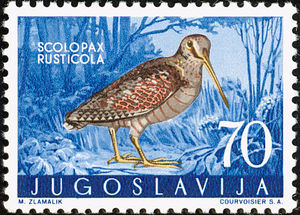
    The survey, carried out by the BTO and the Game and Wildlife Conservation Trust (GWCT) covered the decade to 2013. It shows the woodcock’s breeding population was estimated at 55,241 males – a 29 % decline since 2003. The percentage of wooded survey squares occupied by the species decreased from 47 %in 2003 to 37% in 2013. Annual counts from occupied sites monitored between 2003 and 2013 also indicate a decrease in abundance of 40 % during the 10-year period. As their common name implies, the woodcocks Scolopax rusticola are woodland birds. They feed at night or in the evenings, searching for invertebrates in soft ground with their long bills.

    The survey, carried out by the BTO and the Game and Wildlife Conservation Trust (GWCT) covered the decade to 2013. It shows the woodcock’s breeding population was estimated at 55,241 males – a 29 % decline since 2003. The percentage of wooded survey squares occupied by the species decreased from 47 %in 2003 to 37% in 2013. Annual counts from occupied sites monitored between 2003 and 2013 also indicate a decrease in abundance of 40 % during the 10-year period. As their common name implies, the woodcocks Scolopax rusticola are woodland birds. They feed at night or in the evenings, searching for invertebrates in soft ground with their long bills.

    Read more: http://www.westernmorningnews.co.uk/Resident-breeding-woodcock-numbers-fall-survey/story-28094561-detail/story.html#ixzz3qKRkiAmm
    Follow us: @WMNNews on Twitter | westernmorningnews on Facebook
    Other source: Wikipedia
    https://en.wikipedia.org/wiki/Woodcock

  • European turtle dove, Slavonian grebe, Pochard, Atlantic puffin, Balearic shearwater, Aquatic warbler, Long-tailed duck, and the Velvet scoter are critically endangered in the UK

    European turtle dove, Slavonian grebe, Pochard, Atlantic puffin, Balearic shearwater, Aquatic warbler, Long-tailed duck, and the Velvet scoter are critically endangered in the UK

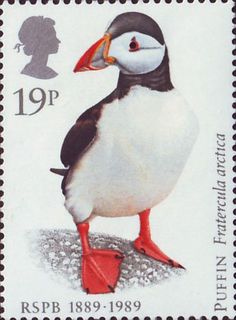
    Four new UK species of bird are now at a risk of extinction; Atlantic puffins, European turtle doves, Slavonian grebes and pochards have been recently added to the International Union of Conservation of Nature (IUCN) Red List of Threatened Species for birds. This comes as devastating news for conservationists as it means that the number of UK species on the critical list has doubled to eight. Puffins are vulnerable to pollution and a declining food sources, ecologists say. The Joint Nature Committee reports that this includes a recent decline in sand eels, one of the puffin’s main source of prey, and the bird’s overall vulnerability to oil spills. Meanwhile, an unexplained decline in turtle dove numbers across Europe of more than 30 percent in the past 16 years have made the breed susceptible to extinction. Conservationists believe that it is linked to an apparent lack of breeding pairs. A similar case has been made for the decline of Slavonian grebes in the UK; there has been a reduction in successful breeding pairs, the cause of which is still unknown. Additionally, 14 other UK species are considered to be “near threatened.”

    Four new UK species of bird are now at a risk of extinction; Atlantic puffins, European turtle doves, Slavonian grebes and pochards have been recently added to the International Union of Conservation of Nature (IUCN) Red List of Threatened Species for birds. This comes as devastating news for conservationists as it means that the number of UK species on the critical list has doubled to eight. Puffins are vulnerable to pollution and a declining food sources, ecologists say. The Joint Nature Committee reports that this includes a recent decline in sand eels, one of the puffin’s main source of prey, and the bird’s overall vulnerability to oil spills. Meanwhile, an unexplained decline in turtle dove numbers across Europe of more than 30 percent in the past 16 years have made the breed susceptible to extinction. Conservationists believe that it is linked to an apparent lack of breeding pairs. A similar case has been made for the decline of Slavonian grebes in the UK; there has been a reduction in successful breeding pairs, the cause of which is still unknown. Additionally, 14 other UK species are considered to be “near threatened.”

    “The global wave of extinction is now lapping at our shores,” mused Martin Harper, a conservation director with the Royal Society for the Protection of Birds. “The erosion of the UK’s wildlife is staggering and this is reinforced when you talk about puffin and turtle dove now facing the same level of extinction threat as African elephant and lion, and being more endangered than the humpback whale.”

    The BBC published the complete list of the critically endangered UK bird species, and they are as follows: European turtle dove, Slavonian grebe, Pochard, Atlantic puffin, Balearic shearwater, Aquatic warbler, Long-tailed duck, and the Velvet scoter.
    Source: Youth Independent, 31 October 2015
    http://youthindependent.com/puffins-and-turtle-doves-among-uk-bird-species-now-at-risk-of-extinction/

  • Number of wetlands birds in the UK falls sharply

    Number of wetlands birds in the UK falls sharply

    Farmland and wetland birds and seabirds in the UK have all seen significant declines in the past few years, official figures show. Populations of UK birds that live on farmland were 54 per cent down on 1970 levels in 2014, but while most of the falls occurred between the late 1970s and the early 1990s due to more intensive farming, there were also declines of 11 per cent between 2008 and 2013. Birds that feed and breed on water and wetlands saw populations fall 12 per cent in the five years from 2008, the statistics published by the Department for Environment, Food & Rural Affairs (Defra) showed. Seabirds have also been faring badly in recent years, with populations down by more than a quarter (27 per cent ) since 1986, with most of the decline occurring since 2003. Numbers were down 9 per cent between 2008 and 2013, the figures reveal.

    Farmland and wetland birds and seabirds in the UK have all seen significant declines in the past few years, official figures show. Populations of UK birds that live on farmland were 54 per cent down on 1970 levels in 2014, but while most of the falls occurred between the late 1970s and the early 1990s due to more intensive farming, there were also declines of 11 per cent between 2008 and 2013. Birds that feed and breed on water and wetlands saw populations fall 12 per cent in the five years from 2008, the statistics published by the Department for Environment, Food & Rural Affairs (Defra) showed. Seabirds have also been faring badly in recent years, with populations down by more than a quarter (27 per cent ) since 1986, with most of the decline occurring since 2003. Numbers were down 9 per cent between 2008 and 2013, the figures reveal.

    Read more: http://www.westerndailypress.co.uk/Number-wetlands-birds-falls-sharply/story-28086052-detail/story.html#ixzz3q9nSgoRP
    Follow us: @WesternDaily on Twitter | WesternDaily on Facebook

  • In 2010 door Henk Tennekes voorspeld maar we blijven aanmodderen. Voor 40 vogelsoorten is afgelopen jaar het risico toegenomen dat ze zullen uitsterven

    In 2010 door Henk Tennekes voorspeld maar we blijven aanmodderen. Voor 40 vogelsoorten is afgelopen jaar het risico toegenomen dat ze zullen uitsterven

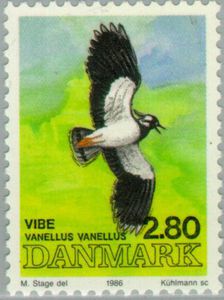
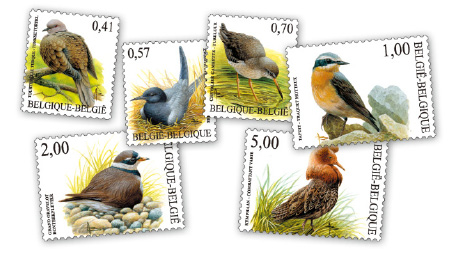
    Dat blijkt uit de internationale IUCN-rode lijst waarover Natuurpunt bericht. Voor onze contreien gaan de zomertortel, kievit en scholekster Haematopus ostralegus zorgwekkend achteruit. “De zomertortel Streptopelia turtur was altijd een erg algemene zomergast in West-Europa, maar ging de voorbije zestien jaar wereldwijd achteruit met minstens 30 procent en krijgt het label kwetsbaar”, verduidelijkt Gerald Driessens van Natuurpunt. “In verschillende West-Europese landen, waaronder België, bedraagt die achteruitgang zelfs meer dan 90 procent.” De achteruitgang van de kievit Vanellus vanellus is, net als veel andere vogelsoorten op het platteland, te wijten aan het intensieve landbouwsysteem. De meeste weidevogels broeden volgens Driessens nog wel. Hij telde twee maanden geleden amper twee jongen in een groep van 300 kievitten. “Dit doet ons vrezen dat als deze generatie verdwijnt, we geen kievitten meer zullen hebben.” De IUCN-rode lijst is de mondiale standaard om de gezondheid van de natuur te meten. De lijst toont welke planten en dieren met uitsterven worden bedreigd en geeft informatie over hun verspreiding, leefgebied en de bedreigingen. Wetenschappers en natuurorganisaties wereldwijd verzamelden de gegevens, ook vrijwilligers van Natuurpunt werkten hieraan mee. Dankzij de lijst kunnen zorgwekkende trends gesignaleerd worden zodat met gerichte beschermingsmaatregelen ingegrepen kan worden.

    Dat blijkt uit de internationale IUCN-rode lijst waarover Natuurpunt bericht. Voor onze contreien gaan de zomertortel, kievit en scholekster Haematopus ostralegus zorgwekkend achteruit. “De zomertortel Streptopelia turtur was altijd een erg algemene zomergast in West-Europa, maar ging de voorbije zestien jaar wereldwijd achteruit met minstens 30 procent en krijgt het label kwetsbaar”, verduidelijkt Gerald Driessens van Natuurpunt. “In verschillende West-Europese landen, waaronder België, bedraagt die achteruitgang zelfs meer dan 90 procent.” De achteruitgang van de kievit Vanellus vanellus is, net als veel andere vogelsoorten op het platteland, te wijten aan het intensieve landbouwsysteem. De meeste weidevogels broeden volgens Driessens nog wel. Hij telde twee maanden geleden amper twee jongen in een groep van 300 kievitten. “Dit doet ons vrezen dat als deze generatie verdwijnt, we geen kievitten meer zullen hebben.” De IUCN-rode lijst is de mondiale standaard om de gezondheid van de natuur te meten. De lijst toont welke planten en dieren met uitsterven worden bedreigd en geeft informatie over hun verspreiding, leefgebied en de bedreigingen. Wetenschappers en natuurorganisaties wereldwijd verzamelden de gegevens, ook vrijwilligers van Natuurpunt werkten hieraan mee. Dankzij de lijst kunnen zorgwekkende trends gesignaleerd worden zodat met gerichte beschermingsmaatregelen ingegrepen kan worden.

    Bron: VILT, 29-10-2015
    http://www.vilt.be/risico-op-uitsterven-stijgt-voor-veertig-vogelsoorten

  • Nederlandse natuur dramatisch verslechterd

    Nederlandse natuur dramatisch verslechterd

    Alleen invoering van een duurzame landbouw kan het tij nog keren voor de dramatisch verslechterde natuur op het platteland en in de open natuurgebieden van Nederland. Die conclusie trekt WNF-directeur Johan van de Gronden uit het eerste Living Planet Report – Natuur in Nederland, dat het Wereld Natuur Fonds vandaag publiceert. Op het platteland en in aangrenzende open natuurgebieden, zoals hei en duinen, is de fauna met respectievelijk 40 en 50 procent populatieverlies vrijwel gehalveerd. Met vermesting, verzuring en pesticiden uit de intensieve landbouw als grote boosdoeners. Wat er nu in Nederland gebeurt, kun je geen serieus natuurbeleid noemen, vindt Van de Gronden. Visie en centrale regie ontbreken volledig. “De inrichting en zorg voor de natuur moet op een andere leest worden geschoeid. Dat komt spijkerhard uit dit rapport naar voren. Er zou een minister voor de leefomgeving moeten komen, met in elk geval natuur en milieu in zijn portefeuille, die een integrale visie ontwikkelt op natuurherstel.” De kansen op een omslag naar duurzame landbouw schat hij ‘merkwaardig optimistisch’ in. “Burgers willen het, het kan en we zullen wel moeten, anders blijven we letterlijk met de stront zitten.”

    Alleen invoering van een duurzame landbouw kan het tij nog keren voor de dramatisch verslechterde natuur op het platteland en in de open natuurgebieden van Nederland. Die conclusie trekt WNF-directeur Johan van de Gronden uit het eerste Living Planet Report – Natuur in Nederland, dat het Wereld Natuur Fonds vandaag publiceert. Op het platteland en in aangrenzende open natuurgebieden, zoals hei en duinen, is de fauna met respectievelijk 40 en 50 procent populatieverlies vrijwel gehalveerd. Met vermesting, verzuring en pesticiden uit de intensieve landbouw als grote boosdoeners. Wat er nu in Nederland gebeurt, kun je geen serieus natuurbeleid noemen, vindt Van de Gronden. Visie en centrale regie ontbreken volledig. “De inrichting en zorg voor de natuur moet op een andere leest worden geschoeid. Dat komt spijkerhard uit dit rapport naar voren. Er zou een minister voor de leefomgeving moeten komen, met in elk geval natuur en milieu in zijn portefeuille, die een integrale visie ontwikkelt op natuurherstel.” De kansen op een omslag naar duurzame landbouw schat hij ‘merkwaardig optimistisch’ in. “Burgers willen het, het kan en we zullen wel moeten, anders blijven we letterlijk met de stront zitten.”

    Bron: Trouw, 29-10-2015
    http://www.trouw.nl/tr/nl/4332/Groen/article/detail/4173197/2015/10/29/Nederlandse-natuur-dramatisch-verslechterd.dhtml

  • Michael McCarthy: Fewer wasps to swat is a sign of an ecosystem in serious trouble

    Michael McCarthy: Fewer wasps to swat is a sign of an ecosystem in serious trouble

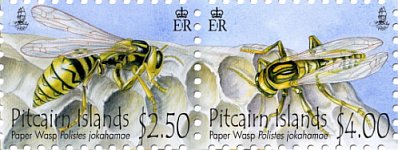
    With summer gone at last after a blissful final fortnight of sunshine, I wish to advance a proposition with which many people may disagree: having fewer wasps around is not necessarily a good thing. In Britain, wasps are high on the list of nature’s unloved creatures. With their propensity to swarm around our picnics, seek out our sandwiches and then sting us painfully if we try to swat them away, the unpopularity of wasps is great and understandable. So if I say that the more common wasps are tumbling in numbers you may well give a hearty cheer. But I’m afraid I won’t join in, for this decline represents another facet of a very troubling phenomenon: the catastrophic crash of our insect populations over recent decades, almost certainly because of the amount of pesticides now used in farming.

    With summer gone at last after a blissful final fortnight of sunshine, I wish to advance a proposition with which many people may disagree: having fewer wasps around is not necessarily a good thing. In Britain, wasps are high on the list of nature’s unloved creatures. With their propensity to swarm around our picnics, seek out our sandwiches and then sting us painfully if we try to swat them away, the unpopularity of wasps is great and understandable. So if I say that the more common wasps are tumbling in numbers you may well give a hearty cheer. But I’m afraid I won’t join in, for this decline represents another facet of a very troubling phenomenon: the catastrophic crash of our insect populations over recent decades, almost certainly because of the amount of pesticides now used in farming.

    That’s something else which people may instinctively applaud, since insects in general – apart from butterflies and perhaps bees – are often thought of simply as shudder-inducing creepy-crawlies.

    But insects, and invertebrates in general, are “the little things that run the world”, playing a key role in many ecosystems, and if you take them away there will be consequences, just as surely as there would be consequences if you took a third of the parts out of a Boeing 747 and then tried to fly it. A few weeks ago I gave an example in this column: the disappearance of one of our most charming small songbirds, the spotted flycatcher, which has declined across Britain by 90 per cent, to the great sadness of many people who used to love it; there is little doubt that it has vanished because the insects upon which it feeds have largely vanished themselves.

    That wasps fall into this category – that they too are tumbling in numbers – is not generally known. It’s not appreciated because their decline is a prime example of what’s known as the shifting baseline syndrome: each generation takes what it finds around it to be the norm. Thus, if you had a picnic this August attended by three wasps, that would be annoying enough, and you would probably not register the fact that 30 years ago, there would have been 10.

    Yet such is the case. “Wasps have declined enormously,” said Matt Shardlow, director of Buglife, the Invertebrate Conservation Trust. “Going back to my childhood, in the Seventies and Eighties, on a sunny August afternoon you could get huge numbers of wasps in the garden, and that just doesn’t happen any more. I think what would be a very bad year for wasps then, would be a very good year for wasps now.”

    The perception is not just anecdotal. Matt drew my attention to a study in the journal Ecological Entomology by Michael Archer of York St John University, which has had virtually no publicity, showing that populations of our two most familiar wasps, the common wasp Vespula vulgaris and the German wasp Vespula germanica, have suffered major losses, the most likely cause being “the increased use of pesticides acting directly by killing the wasps and indirectly by reducing their food resources”.

    The last point about food resources is key. For wasps are predators. They are carnivores – as opposed to bees, which are vegetarians – feeding their grubs on other insects such as aphids and tiny caterpillars (they switch to carbohydrates such as the jam on our picnic tables in late summer when their grubs have grown).

    At a tiny level, they could almost be compared to birds of prey; and their prey is vanishing. The decline of wasps, at the apex of their own food chain, is an infallible signal that a vast mass of insects underneath them is vanishing too, and that the whole system, which has worked perfectly for millions of years, is now in serious trouble.

    You may well rejoice at the disappearance of those pests from the picnic table, and I understand that. But I see the disappearance of the spotted flycatcher as well, and I don’t share the joy.

    Source: The Independent, 5 October 2015
    http://www.independent.co.uk/voices/nature-studies-fewer-wasps-to-swat-is-a-sign-of-an-ecosystem-in-serious-trouble-a6680881.html