Auteur: Henk Tennekes

  • Imidacloprid wordt verboden in de aardappelteelt

    Imidacloprid wordt verboden in de aardappelteelt

    Het bijengif potatoprid, met het giftige bestrijdingsmiddel imidacloprid, is vanaf 1 januari 2016 verboden in de aardappelteelt. Dit heeft het Ctgb vandaag besloten, naar aanleiding van het bezwaarschrift van Natuur & Milieu en Greenpeace. Via de rechter hebben de milieuorganisaties deze uitspraak afgedwongen. ‘Dit is goed nieuws voor de bijen. De bijensterfte neemt toe door het gebruik van giftige bestrijdingsmiddelen. Daarom pleiten wij voor een verbod hierop. Hoe eerder deze middelen verboden zijn, hoe beter,’ aldus Sijas Akkerman, hoofd Voedsel bij Natuur & Milieu. Het Ctgb heeft aan een aantal middelen met imidacloprid die in de glastuinbouw worden gebruikt, extra eisen gesteld. Glastuinders moeten hun afvalwater 99,5% kunnen zuiveren. Er zijn echter nog nauwelijks glastuinbouwbedrijven die de benodigde zuiveringsinstallatie hebben. Daarom heeft het Ctgb bevolen dat leveranciers alleen nog maar imidacloprid mogen leveren aan tuinbouwbedrijven die kunnen aantonen dat ze over een zuiveringsinstallatie beschikken.

    Het bijengif potatoprid, met het giftige bestrijdingsmiddel imidacloprid, is vanaf 1 januari 2016 verboden in de aardappelteelt. Dit heeft het Ctgb vandaag besloten, naar aanleiding van het bezwaarschrift van Natuur & Milieu en Greenpeace. Via de rechter hebben de milieuorganisaties deze uitspraak afgedwongen. ‘Dit is goed nieuws voor de bijen. De bijensterfte neemt toe door het gebruik van giftige bestrijdingsmiddelen. Daarom pleiten wij voor een verbod hierop. Hoe eerder deze middelen verboden zijn, hoe beter,’ aldus Sijas Akkerman, hoofd Voedsel bij Natuur & Milieu. Het Ctgb heeft aan een aantal middelen met imidacloprid die in de glastuinbouw worden gebruikt, extra eisen gesteld. Glastuinders moeten hun afvalwater 99,5% kunnen zuiveren. Er zijn echter nog nauwelijks glastuinbouwbedrijven die de benodigde zuiveringsinstallatie hebben. Daarom heeft het Ctgb bevolen dat leveranciers alleen nog maar imidacloprid mogen leveren aan tuinbouwbedrijven die kunnen aantonen dat ze over een zuiveringsinstallatie beschikken.

    Het voorschrift geldt voor glastuinbouwbedrijven met volle grond teelt en met substraatteelt (tomaten en komkommerteelt). Het Ctgb kondigde daarnaast aan om met strengere voorschriften te komen, als de vervuiling in de glastuinbouwgebieden te weinig is teruggedrongen.

    ‘Het Ctgb zet een stap in de goede richting,’ aldus Akkerman. ‘Helaas mag het imidacloprid nog steeds gebruikt worden voor andere gewassen, zoals appels, peren, sla, suikerbieten en bloembollen. Ook is er nog steeds geen verbod op een aantal andere middelen die slecht zijn voor bijen en nuttige insecten. Dit ondermijnt de omslag naar duurzame landbouw en is ook slecht voor insectenetende vogelsoorten. Wij roepen het Ctgb op om deze middelen ook te verbieden.’

    Bron: Duurzaam Nieuws, 27-11-15
    http://www.duurzaamnieuws.nl/verbod-op-bijengif-in-aardappelteelt/

  • Native wild bees are being exposed to neonicotinoid insecticides and other pesticides

    Native wild bees are being exposed to neonicotinoid insecticides and other pesticides

    The first-ever study of pesticide residues on field-caught bees in the USA, finds native wild bees are being exposed to neonicotinoid insecticides and other pesticides. The research, conducted by the U.S. Geological Survey and published in the journal Science of the Total Environment, focused on native bees, because there is limited information on their exposure to pesticides. It did not look at pesticide exposure to honey bees. The researchers say little is known about how toxic these pesticides are to native bee species at the levels detected in the environment. “We found that the presence and proximity of nearby agricultural fields was an important factor resulting in the exposure of native bees to pesticides,” said USGS scientist Michelle Hladik, the report’s lead author. “Pesticides were detected in the bees caught in grasslands with no known direct pesticide applications.”


    Although conservation efforts have been shown by other investigators to benefit pollinators, this study raises questions about the potential for unintended pesticide exposures where various land uses overlap or are in proximity to one another.
    The research involved collecting native bees from cultivated agricultural fields and grasslands in northeastern Colorado, then processing the composite bee samples to test for 122 different pesticides, as well as 14 chemicals formed by the breakdown of pesticides.
    The scientists tested for the presence of pesticides both in and on the bees.
    The most common pesticide detected was the neonicotinoid insecticide thiamethoxam, which was found in 46% of the composite bee samples. Thiamethoxam is used as a seed coating on a variety of different crops.
    Pesticides were not found in all bee samples, with 15 of the 54 total samples testing negative for the 122 chemicals examined.
    Although the study did not investigate the effects of pesticide exposures to native bees, previous toxicological studies have shown that the chemicals do not have to kill the bees to have an adverse effect at the levels of exposure documented here.
    For example, neonicotinoids can cause a reduction in population densities and reproductive success, and impair the bees’ ability to forage. Follow-up research is now being designed to further investigate adverse effects at these exposure levels.
    There are about 4,000 native species of bees in the United States. They pollinate native plants such as cherries, blueberries and cranberries, and were here long before European honeybees were brought to the country by settlers.
    In addition, many native bees are quite efficient crop pollinators, a role that may become more crucially important if honey bees continue to decline.
    Source:
    http://www.beeculture.com/catch-the-buzz-native-bees-exposed-to-pesticides-too/?utm_source=Catch+The+Buzz&utm_campaign=bae9f5d735-Catch_The_Buzz_4_29_2015&utm_medium=email&utm_term=0_0272f190ab-bae9f5d735-256248201

  • China’s domestic population of reptiles and amphibians has dropped by a staggering 97% in the past four decades

    China’s domestic population of reptiles and amphibians has dropped by a staggering 97% in the past four decades

    China’s wildlife is vanishing at an alarming clip, a new report has found. The Middle Kingdom’s population of terrestrial vertebrates – including mammals, amphibians, birds, reptiles – has fallen by nearly one half over the past four decades, according to the World Wildlife Fund. That gloomy stat is in keeping with trends around the globe, which saw the number of vertebrates drop by 52% between 1970 and 2010, WWF said. Reptiles and amphibians took the biggest hit during the 1970-2010 period, with their numbers dropping by a staggering 97%. Likewise, numbers of forest mammals—such as musk deer and snub-nosed monkeys—fell by 78%.

    China’s wildlife is vanishing at an alarming clip, a new report has found. The Middle Kingdom’s population of terrestrial vertebrates – including mammals, amphibians, birds, reptiles – has fallen by nearly one half over the past four decades, according to the World Wildlife Fund. That gloomy stat is in keeping with trends around the globe, which saw the number of vertebrates drop by 52% between 1970 and 2010, WWF said. Reptiles and amphibians took the biggest hit during the 1970-2010 period, with their numbers dropping by a staggering 97%. Likewise, numbers of forest mammals—such as musk deer and snub-nosed monkeys—fell by 78%.

    Source: The Wall Street Journal, November 13, 2015
    http://blogs.wsj.com/chinarealtime/2015/11/13/chinas-wildlife-disappearing-new-report-says/

  • Het Nederlandse cultuurlandschap wordt al sinds 2004 bezoedeld met insectenkiller imidacloprid

    Het Nederlandse cultuurlandschap wordt al sinds 2004 bezoedeld met insectenkiller imidacloprid

    Een inventarisatie van meer dan vijfvoudige normoverschrijdingen van het neonicotinoïde insecticide imidacloprid in het oppervlaktewater in 2014 bevestigt het treurige beeld van bezoedeling van het Nederlandse cultuurlandschap met een voor insecten uitzonderlijk giftige stof dat al sinds 2004 heeft plaats gevonden en een bepalende rol speelt bij de verhoogde bijenvolksterfte. De imidacloprid concentraties in het oppervlaktewater correleren eveneens met achteruitgang van insectivore vogelsoorten, die zich door insectenschaarste niet kunnen voortplanten. Een waterschap is een overheidsorganisatie, net zoals de Rijksoverheid, de provincies en de gemeenten, belast met watersysteembeheer (dit gaat over de kwantiteit, kering en waterkwaliteit) en zuiveringsbeheer (zuivering van afvalwater). Er is bijna geen waterschap in Nederland dat niet met imidacloprid verontreiniging te kampen heeft, maar er wordt nog steeds niet ingegrepen. Navolgend het aantal locaties met meer dan vijfvoudige normoverschrijdingen per waterschap. Wetterskip Fryslan: 2; Waterschap Hunze en Aa’s: 2; Waterschap Vechtstromen: 1; Waterschap Zuiderzeeland: 1; Waterschap Rivierenland: 4; Hoogheemraadschap De Stichtse Rijnlanden: 3; Waterschap Brabantse Delta:3; Waterschap Roer en Overmaas: 2; Waterschap De Dommel: 1; Waterschap Scheldestromen: 4; Hoogheemraadschap Hollands Noorderkwartier: 5; Hoogheemraadschap Amstel Gooi en Vecht: 1; Hoogheemraadschap van Delfland: > 5; Hoogheemraadschap van Rijnland: > 5. De situatie in de provincie Zuid-Holland is ronduit dramatisch.

    Een inventarisatie van meer dan vijfvoudige normoverschrijdingen van het neonicotinoïde insecticide imidacloprid in het oppervlaktewater in 2014 bevestigt het treurige beeld van bezoedeling van het Nederlandse cultuurlandschap met een voor insecten uitzonderlijk giftige stof dat al sinds 2004 heeft plaats gevonden en een bepalende rol speelt bij de verhoogde bijenvolksterfte. De imidacloprid concentraties in het oppervlaktewater correleren eveneens met achteruitgang van insectivore vogelsoorten, die zich door insectenschaarste niet kunnen voortplanten. Een waterschap is een overheidsorganisatie, net zoals de Rijksoverheid, de provincies en de gemeenten, belast met watersysteembeheer (dit gaat over de kwantiteit, kering en waterkwaliteit) en zuiveringsbeheer (zuivering van afvalwater). Er is bijna geen waterschap in Nederland dat niet met imidacloprid verontreiniging te kampen heeft, maar er wordt nog steeds niet ingegrepen. Navolgend het aantal locaties met meer dan vijfvoudige normoverschrijdingen per waterschap. Wetterskip Fryslan: 2; Waterschap Hunze en Aa’s: 2; Waterschap Vechtstromen: 1; Waterschap Zuiderzeeland: 1; Waterschap Rivierenland: 4; Hoogheemraadschap De Stichtse Rijnlanden: 3; Waterschap Brabantse Delta:3; Waterschap Roer en Overmaas: 2; Waterschap De Dommel: 1; Waterschap Scheldestromen: 4; Hoogheemraadschap Hollands Noorderkwartier: 5; Hoogheemraadschap Amstel Gooi en Vecht: 1; Hoogheemraadschap van Delfland: > 5; Hoogheemraadschap van Rijnland: > 5. De situatie in de provincie Zuid-Holland is ronduit dramatisch.

    Bronnen:
    Bestrijdingsmiddelenatlas
    http://www.bestrijdingsmiddelenatlas.nl/atlas/normoverschrijdingen/per-stof/mate-van-overschrijding.aspx
    Rijksoverheid
    https://www.rijksoverheid.nl/onderwerpen/provincies/vraag-en-antwoord/wat-is-een-waterschap

  • Glyphosate, the active ingredient of Roundup herbicide, is a renal carcinogen

    Glyphosate, the active ingredient of Roundup herbicide, is a renal carcinogen

    The EPA document attached shows how Monsanto tried to convince the EPA to ‘disappear’ toxicology data, which confirmed that 18 out of 100 test-mice developed a rare form of kidney tumour when fed glyphosate. EPA scientists were concerned that when 18% of mice developed ‘rare’ kidney tumours when fed glyphosate; moreover, this was not a case of ‘false positives’ as Monsanto was claiming. The tumors in question were real and also rare. The EPA refused to allow Monsanto to argue that ‘false positives’ argument should be used to ‘dilute’ the findings. The EPA regulators in question fought back – to protect the Public Health; evidently the EPA still had a sense of ethics and public service at that time. Since glyphosate is the most widely used pesticide in the world today it is clear that Monsanto ‘persuaded’ the EPA to suppress its concerns and give Glyphosate an unconditional license. Glyphosate was found in Warburtons Bread and Jordans Muesli in the UK in 2014.

    The EPA document attached shows how Monsanto tried to convince the EPA to ‘disappear’ toxicology data, which confirmed that 18 out of 100 test-mice developed a rare form of kidney tumour when fed glyphosate. EPA scientists were concerned that when 18% of mice developed ‘rare’ kidney tumours when fed glyphosate; moreover, this was not a case of ‘false positives’ as Monsanto was claiming. The tumors in question were real and also rare. The EPA refused to allow Monsanto to argue that ‘false positives’ argument should be used to ‘dilute’ the findings. The EPA regulators in question fought back – to protect the Public Health; evidently the EPA still had a sense of ethics and public service at that time. Since glyphosate is the most widely used pesticide in the world today it is clear that Monsanto ‘persuaded’ the EPA to suppress its concerns and give Glyphosate an unconditional license. Glyphosate was found in Warburtons Bread and Jordans Muesli in the UK in 2014.

  • Wildflowers serve as reservoir for controversial pesticides

    Wildflowers serve as reservoir for controversial pesticides

    A team from Sussex University in the UK found that the pollen of wildflowers, such as hogweed and poppies, within one to two metres of an oilseed rape crop, contained neonicotinoid concentrations up to 86 parts per billion (ppb) in pollen. The maximum pesticide residue recorded in crop pollen was 11.1 ppb. The use of neonicotinoids has become controversial in recent years and has been blamed for a decline in pollinators and contributing to honeybee colony losses. In 2013, the European Union restricted the use of these insecticides. ‘The hogweed [pollen] was 86 ppb, which is over 10 times what is normally found in the crop, so it may be that different plant species differ in their propensity to suck up neonicotinoids from the soil,’ says senior study author Dave Goulson. ‘The concentrations in the wildflowers were very variable, much higher than in the crop.’ Neonicotinoids were consistently found in the soil at field margins and this was deemed the most likely source of wildflower contamination. They are persistent in soil, says Goulson, and soil samples commonly came up positive for imidacloprid, even when farmers had not used them for at least three years.

    A team from Sussex University in the UK found that the pollen of wildflowers, such as hogweed and poppies, within one to two metres of an oilseed rape crop, contained neonicotinoid concentrations up to 86 parts per billion (ppb) in pollen. The maximum pesticide residue recorded in crop pollen was 11.1 ppb. The use of neonicotinoids has become controversial in recent years and has been blamed for a decline in pollinators and contributing to honeybee colony losses. In 2013, the European Union restricted the use of these insecticides. ‘The hogweed [pollen] was 86 ppb, which is over 10 times what is normally found in the crop, so it may be that different plant species differ in their propensity to suck up neonicotinoids from the soil,’ says senior study author Dave Goulson. ‘The concentrations in the wildflowers were very variable, much higher than in the crop.’ Neonicotinoids were consistently found in the soil at field margins and this was deemed the most likely source of wildflower contamination. They are persistent in soil, says Goulson, and soil samples commonly came up positive for imidacloprid, even when farmers had not used them for at least three years.

    The team found that 97% of neonicotinoid residues on pollen from honeybees came from wildflowers, while only 3% came from oilseed rape. It is already know that honeybees are not keen on the pollen of oilseed rape. Honeybee foragers from five hives brought back a total of 71.8 nanograms of neonicotinoid residues each day, on average, in June, and 11.1 nanograms in August. These concentrations are lower than those likely to cause significant harm to colonies in the short term, the study authors note.

    ‘[Our findings] mean any insect living in hedgerows is likely to be chronically exposed,’ Goulson says. ‘Whether the concentrations are high enough to cause significant sub-lethal effects is not something we have addressed here, but it certainly shows lots of organisms will be exposed.’ However, he notes that sub-lethal levels have been linked to damage to honeybee immune systems.

    Julian Little, spokesperson for Bayer Crop Science, says the paper is ‘very much aligned with the idea that if you can find something, it must be doing harm, which goes against what we know about chemistry: it is the dose that makes the poison’. He also questions the relevance of the figures. ‘If you go with the highest imaginable levels in oilseed rape, it won’t have an effect on honeybees. So why imagine that foraging on wildflowers would be any different?’

    Bayer is currently awaiting the results of experiments being conducted by the UK’s Centre for Hydrology & Ecology on neonicotinoids in oilseed rape in England, Hungary and Germany. ‘We are very hopeful that when those results are published sometime next year neonicotinoids will be given a clean bill of health,’ says Little.

    ‘It appears these chemicals really are ubiquitous in the environment – bees simply cannot get a respite,’ comments Geoff Williams, a honeybee biologist at the University of Bern, Switzerland. ‘It also demonstrates that much more work is needed to understand how these substances are moving through the environment.’

    Source: Chemistry World, 15 October 2015
    http://www.rsc.org/chemistryworld/2015/10/wildflowers-reservoir-neonicotinoid-bee-pesticide

  • Red-headed woodpecker spectacular to see, but having problems

    Red-headed woodpecker spectacular to see, but having problems

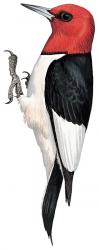
    The red-headed woodpecker (Melanerpes erythrocephalus) is a “WOW” bird. True to its name, the entire head is fire-engine red from crown to throat. The showy dome contrasts with a black back and tail, black wings with large white patches and a white belly. These woodpeckers are omnivorous, eating a wide variety of insects, fruit and seeds. Occasionally, they grab mice, raid nests for eggs and chicks, and pounce on smaller birds. They often act like flycatchers, flying out from a perch to grab a bug and then returning. During winter, when the insect supply is limited, they turn to acorns, beechnuts and pecans. Unfortunately, the red-headed woodpecker population has declined by an estimated 70 percent in the last 50 years. Once common throughout the eastern United States, in the Triad it has become a rare treat seen occasionally during non-breeding season and almost never in summer.

    The red-headed woodpecker (Melanerpes erythrocephalus) is a “WOW” bird. True to its name, the entire head is fire-engine red from crown to throat. The showy dome contrasts with a black back and tail, black wings with large white patches and a white belly. These woodpeckers are omnivorous, eating a wide variety of insects, fruit and seeds. Occasionally, they grab mice, raid nests for eggs and chicks, and pounce on smaller birds. They often act like flycatchers, flying out from a perch to grab a bug and then returning. During winter, when the insect supply is limited, they turn to acorns, beechnuts and pecans. Unfortunately, the red-headed woodpecker population has declined by an estimated 70 percent in the last 50 years. Once common throughout the eastern United States, in the Triad it has become a rare treat seen occasionally during non-breeding season and almost never in summer.

    Source: Winston-Salem Journal, November 6, 2015
    http://www.journalnow.com/home_food/home_garden/birds_eye_view/red-headed-woodpecker-spectacular-to-see-but-having-problems/article_6ef9ff84-2745-5cb5-b3cd-89f1f3fbf1e9.html

  • World-wide decline in amphibian populations perceived as one of the most critical threats to global biodiversity

    World-wide decline in amphibian populations perceived as one of the most critical threats to global biodiversity

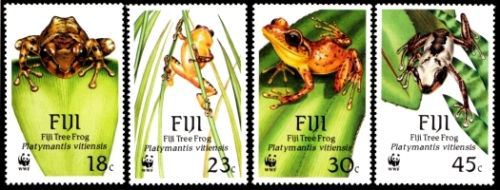
    In the past three decades, declines in populations of amphibians (the class of organisms that includes frogs, toads, salamanders, newts, and caecilians) have occurred worldwide. In 2004, the results were published of the first worldwide assessment of amphibian populations, the Global Amphibian Assessment. This found that 32% of species were globally threatened, at least 43% were experiencing some form of population decrease, and that between 9 and 122 species have become extinct since 1980. As of 2010, the IUCN Red List, which incorporates the Global Amphibian Assessment and subsequent updates, lists 486 amphibian species as “Critically Endangered”. Experimental studies have shown that exposure to commonly used herbicides such as glyphosate (Tradename Roundup) or insecticides such as malathion or carbaryl greatly increase mortality of tadpoles. Additional studies have indicated that terrestrial adult stages of amphibians are also susceptible to non-active ingredients in Roundup, particularly POEA, which is a surfactant. Atrazine has been shown to cause male tadpoles of African clawed frogs to become hermaphroditic with development of both male and female organs. Such feminization has been reported in many parts of the world. While most pesticide effects are likely to be local and restricted to areas near agriculture, there is evidence from the Sierra Nevada mountains of the western United States that pesticides are traveling long distances into pristine areas, including Yosemite National Park in California.

    In the past three decades, declines in populations of amphibians (the class of organisms that includes frogs, toads, salamanders, newts, and caecilians) have occurred worldwide. In 2004, the results were published of the first worldwide assessment of amphibian populations, the Global Amphibian Assessment. This found that 32% of species were globally threatened, at least 43% were experiencing some form of population decrease, and that between 9 and 122 species have become extinct since 1980. As of 2010, the IUCN Red List, which incorporates the Global Amphibian Assessment and subsequent updates, lists 486 amphibian species as “Critically Endangered”. Experimental studies have shown that exposure to commonly used herbicides such as glyphosate (Tradename Roundup) or insecticides such as malathion or carbaryl greatly increase mortality of tadpoles. Additional studies have indicated that terrestrial adult stages of amphibians are also susceptible to non-active ingredients in Roundup, particularly POEA, which is a surfactant. Atrazine has been shown to cause male tadpoles of African clawed frogs to become hermaphroditic with development of both male and female organs. Such feminization has been reported in many parts of the world. While most pesticide effects are likely to be local and restricted to areas near agriculture, there is evidence from the Sierra Nevada mountains of the western United States that pesticides are traveling long distances into pristine areas, including Yosemite National Park in California.

    Source: Wikipedia
    https://en.wikipedia.org/wiki/Decline_in_amphibian_populations#cite_note-21

  • Tut der Freistaat Bayern nichts für den Schutz von Fischotter, Wendehals und Vergissmeinnicht, werden sie verschwinden

    Tut der Freistaat Bayern nichts für den Schutz von Fischotter, Wendehals und Vergissmeinnicht, werden sie verschwinden

    Kröte, Natter, Käfer – besonders attraktiv wirken diese Tiere auf viele Menschen nicht. Aber nach Ansicht von Naturschützern sollten diese Arten im Freistaat besonders geschützt werden. Das gilt laut Experten des Landesbundes für Vogelschutz (LBV) vor allem für das Bodensee-Vergissmeinnicht, das weltweit nur noch an Boden- und Starnberger See vorkommt. Die Fachleute fordern: Für diese Arten müsse sich Bayern besonders einsetzen.

    Kröte, Natter, Käfer – besonders attraktiv wirken diese Tiere auf viele Menschen nicht. Aber nach Ansicht von Naturschützern sollten diese Arten im Freistaat besonders geschützt werden. Das gilt laut Experten des Landesbundes für Vogelschutz (LBV) vor allem für das Bodensee-Vergissmeinnicht, das weltweit nur noch an Boden- und Starnberger See vorkommt. Die Fachleute fordern: Für diese Arten müsse sich Bayern besonders einsetzen.

    Fischotter (Lutra lutra)
    Dieses wasserliebende und wendige Tier gilt in Bayern als vom Aussterben bedroht. Dies geht zum Teil auf seine frühere Verfolgung zurück, ist aber auch die Folge einer großflächigen Zerstörung der Lebensräume des scheuen Säugers. Außerdem schaden ihm die Begradigung und der Ausbau vieler Gewässer sowie massive Eingriffe in deren Randbereiche.

    Große Hufeisennase (Rhinolophus ferrumequinum)
    Im Freistaat gibt es nur noch weniger als 150 Große Hufeisennasen. Die Fledermausart ist auf Großinsekten angewiesen und reagiert sehr empfindlich auf Pestizide in der Nahrung. Möglicherweise deshalb liegt das letzte deutsche Nest der Großen Hufeisennase am Rande eines Truppenübungsplatzes mit großen, landwirtschaftlich nicht genützten Offenlandbereichen.

    Äskulapnatter (Zamenis longissimus)
    Die größte Schlange Deutschlands ist als Symbol in der Humanmedizin bekannt: Die Natter wickelt sich um den Stab des griechischen Gottes Äskulap. In Bayern gibt es aber nur noch vier kleine, isolierte Vorkommen. Vor allem Siedlungserweiterungen in ihrem Lebensraum und Nutzungsintensivierung im Umfeld tragen zum Rückgang dieses wechselwarmen Tieres bei.

    Wechselkröte (Bufotes viridis)
    Fast zwei Drittel der „bayerischen“ Wechselkröten leben im Münchner Raum. Selbst dort gelten sie inzwischen als vom Aussterben bedroht. Vor allem große Straßenbauprojekte zerschneiden ihren Lebensraum und trennen die Populationen unüberbrückbar voneinander. Hilfreich für diese wanderfreudigen Arten sind wenig bewachsene Bahndämme oder Wege, auf denen die Wechselkröte über Nacht gut einen Kilometer zurücklegen kann.

    Wendehals (Jynx torquilla)
    Der Baumhöhlenbrüter ist ein typischer Bewohner alter Streuobstbestände. Dass diese zunehmend gerodet und durch kurzlebige Plantagenbestände ersetzt werden, macht ihm ebenso zu schaffen wie der Rückgang von Insekten und das Verschwinden magerer, kurzrasiger Jagdflächen in einer immer intensiver genutzten Agrarlandschaft.

    Blauschillernder Feuerfalter (Lycaena helle)
    Dieser Tagfalter ist in Nordbayern bereits von der Bildfläche verschwunden. Die Bedrohung geht wie so oft vom Lebensraumverlust aus: Der Blauschillernde Feuerfalter besiedelt moorige Standorte und ist an Vorkommen des Wiesenknöterichs als Raupenfraßpflanze gebunden. Die vielerorts erfolgte Entwässerung von Moor- und Feuchtgebieten und heute auch deren fortschreitende Verbuschung durch die Aufgabe der nicht mehr rentablen Nutzung verdrängt den Blauschillernden Feuerfalter.

    Bodensee-Vergissmeinnicht (Myosotis rehsteineri)
    Auch diese weltweit nur noch an Bodensee und Starnberger See vorkommende Art ist vom Aussterben bedroht. Die kleine Pflanze braucht Wasserstandsschwankungen durch die Frühjahrshochwasser, um sich am kiesigen Ufer gegen konkurrenzstärkere Pflanzen durchzusetzen. Bedroht ist sie vor allem durch Uferverbauung und die Anschwemmung von großen Treibholzmengen an den verbleibenden natürlichen Uferbereichen.

    Breitrand-Käfer (Dytiscus latissimus)
    Der Breitrand-Käfer ist der größte Vertreter der Schwimmkäfer in Europa und bevorzugt nährstoffarme Stillgewässer. Deutschlandweit wurde der Käfer an nur acht Fundorten entdeckt und gilt daher als vom Aussterben bedroht. Häufigste Ursache hierfür ist die Nährstoffanreicherung der Gewässer und die intensive Fischhaltung, mit dem damit verbundenen Wasserablassen, Kalken und Entkrauten.

    Strömer (Telestes souffia)
    Dieser karpfenartige Fisch benötigt schnellfließende, sauerstoffreiche und reich strukturierte Gewässer. Die großflächige Verbauung der Gewässer zerstört deren natürliche Dynamik, lässt die Laichplätze auf Kiesbänken verschlammen und verhindert Wanderungen. Erhalt oder Wiederherstellung der Durchgängigkeit der Gewässer ist daher entscheidend für den Schutz des Strömers, der im Donausystem vorkommt.

    Quelle: Abendzeitung, 17.05.15
    http://www.abendzeitung-muenchen.de/inhalt.vom-aussterben-bedroht-die-letzten-ihrer-art.1c8cfe8d-0220-4c52-a726-a2cdbc206791.html

  • Ameisen gelten als sehr zäh, doch derzeit schrumpfen die Bestände von 92 Prozent der hiesigen Arten. Das liegt vor allem an der intensiven Landwirtschaft

    Ameisen gelten als sehr zäh, doch derzeit schrumpfen die Bestände von 92 Prozent der hiesigen Arten. Das liegt vor allem an der intensiven Landwirtschaft

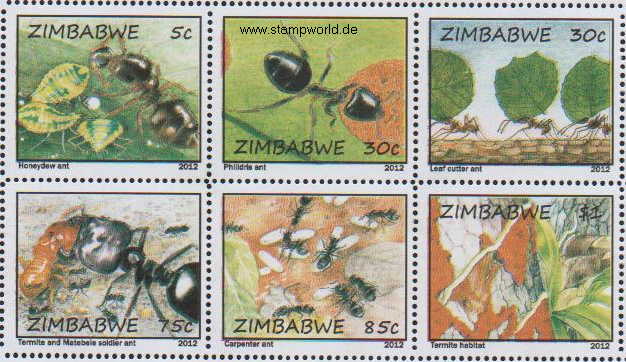
    Ameisen werden oft unterschätzt, vor allem hinsichtlich ihrer Rolle für die Ökosysteme. „Ameisen sind einer der Gipfel der sozialen Evolution und in manchen Gegenden wichtiger für die Böden als Regenwürmer“, sagt Prof. Jürgen Heinze von der Universität Regensburg. Das Bundesamt für Naturschutz (BfN) berichtete in seinem ersten Artenschutz-Report, dass die Populationen von 99 der hierzulande insgesamt 108 Ameisenarten schrumpfen. „Die Bestände von fast 92 Prozent der Arten nehmen derzeit ab“, heißt es in dem Bericht zur Gefährdung dieser Insekten. 56 Arten gelten demnach als bestandsgefährdet, eine als ausgestorben. „Für diesen kurzfristigen Trend haben sich Experten die Entwicklung der Ameisen in den vergangenen 25 Jahren angeschaut“, erläutert Sandra Balzer, Leiterin des Fachgebiets Zoologischer Artenschutz beim Bundesamt. Einen besonders deutlichen Rückgang verzeichnete das Bundesamt bei der Kerbameise Formica foreli und der Großen Wiesenameise (Formica pratensis).

    Ameisen werden oft unterschätzt, vor allem hinsichtlich ihrer Rolle für die Ökosysteme. „Ameisen sind einer der Gipfel der sozialen Evolution und in manchen Gegenden wichtiger für die Böden als Regenwürmer“, sagt Prof. Jürgen Heinze von der Universität Regensburg. Das Bundesamt für Naturschutz (BfN) berichtete in seinem ersten Artenschutz-Report, dass die Populationen von 99 der hierzulande insgesamt 108 Ameisenarten schrumpfen. „Die Bestände von fast 92 Prozent der Arten nehmen derzeit ab“, heißt es in dem Bericht zur Gefährdung dieser Insekten. 56 Arten gelten demnach als bestandsgefährdet, eine als ausgestorben. „Für diesen kurzfristigen Trend haben sich Experten die Entwicklung der Ameisen in den vergangenen 25 Jahren angeschaut“, erläutert Sandra Balzer, Leiterin des Fachgebiets Zoologischer Artenschutz beim Bundesamt. Einen besonders deutlichen Rückgang verzeichnete das Bundesamt bei der Kerbameise Formica foreli und der Großen Wiesenameise (Formica pratensis).

    Waldbewohnende Ameisen schwinden ebenfalls: Sie sind vor allem dadurch bedroht, dass Bäume abgeholzt werden. „Alte Eichen sind seit Jahrhunderten der Lebensraum für Ameisen“, erläutert Experte Seifert. „Es dauert lange, bis so ein Lebensraum wiederhergestellt ist.“ Ähnliches gelte für jene Arten, die in totem Holz siedeln. „Totholz braucht 20 bis 30 Jahre, bis sich Ameisen dort niederlassen wollen.“ Zum Schutz der Tiere fordert Seifert, etwa ein Zehntel von jedem Wald in Ruhe zu lassen.

    Ein Verschwinden der Insekten hätte weitreichende Folgen, sagt Biologe Heinze: „Würde man die Ameisen aus einem Ökosystem entfernen, würde es mehr oder weniger zusammenbrechen oder sich zumindest stark verändern.“ Eine Modellrechnung von tropischen Regenwäldern habe ergeben, dass rund 30 Prozent der tierischen Biomasse Ameisen und Termiten seien. Allein wegen dieser Masse wären gravierende Folgen unausweichlich.

    Die mehr als 100 hiesigen Ameisen-Arten erfüllen in ihren Lebensräumen unterschiedliche Funktionen. Manche räuberischen Spezies fressen etwa Raupen und Spinnen, andere dienen als Beute. Ihre Larven werden etwa von Wildschweinen oder Spechten gemümmelt. Und viele Ameisen verbreiten Samen von Pflanzen wie etwa Buschwindröschen, sagt Heinze. Er betont: „Ameisen, die unterirdische Nester haben, spielen bei der Bodenaufbereitung eine wichtige Rolle. In bestimmten Gegenden wälzen sie mehr Boden um als Regenwürmer.“

    Forscher staunen über die kognitiven Leistungen von Ameisen. So finden Kolonien rasch den kürzesten Weg zwischen Nest und einer Futterquelle. Wer den schnellsten Weg zu einem Leckerbissen gefunden hat, kehrt als erster zum Nest zurück. Die anderen Ameisen folgen dem Geruch von Duftstoffen – im Nu entsteht eine Ameisenstraße.

    Ameisen sollten besser geschützt werden, sagen Wissenschaftler unisono. „Es müssen aber nicht immer Schutzgebiete sein“, betont BfN-Mitarbeiterin Balzer. Bei Wäldern sei eine naturnähere Bewirtschaftung das Ziel. Und bei Renaturierungsmaßnahmen müsse man immer auch an die Habitate der Ameisen denken. Balzer: „In erster Linie geht es um mehr Verständnis für die Tiere und ihren Lebensraum.“

    Ähnlich sieht es Biologe Heinze: „Ameisen direkt zu schützen, ist schwierig. Wir müssen an ihre Habitate denken.“ Wichtig sei, möglichst alle Lebensräume, seien es Trockenrasen, Moore oder Wälder, so zu belassen, wie sie sind. „Je mehr große Flächen wir in Äcker oder in Monokulturen umwandeln, desto mehr Arten verlieren wir.“

    Wie viele Ameisen und Ameisen-Arten stark bedroht sind, ist nach Auffassung der Wissenschaftler trotz des Artenschutz-Berichtes unklar. Die Daten seien nur eine Annäherung, ein kurzfristiger Trend, eine „wilde Mutmaßung“, wie es Seifert nennt. Er sieht eine „gebremste Katastrophe“.

    Quelle: Frankfurter Neue Presse, 13.08.15
    http://www.fnp.de/nachrichten/wissenschaft/Warum-die-Ameisen-schwinden;art746,1537522